













Food is one of the most fascinating ways to explore the world without ever leaving your kitchen. The same ingredient can taste completely different depending on where it is prepared and who is cooking it.
From rice to eggs to bread, everyday foods take on entirely new identities across cultures and continents. Get ready to see your favorite foods in a whole new light.
1. Rice: Sticky Comfort in Asia, Fluffy Grains in Africa
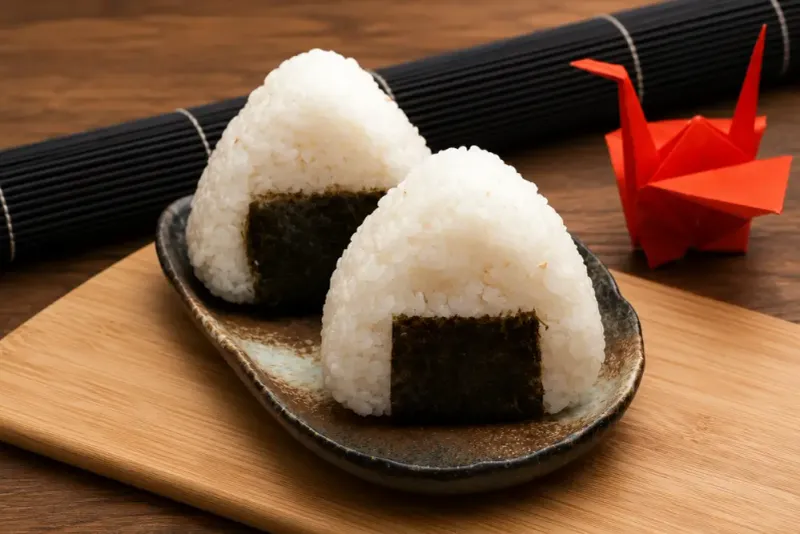
Rice feeds more than half the world, but how it is cooked tells a very different story depending on where you are. In Japan, short-grain rice is steamed until sticky and slightly sweet, perfect for sushi or rice balls.
In East Africa, rice is rinsed multiple times and cooked with coconut milk until each grain stays separate and light.
Both versions are delicious, but the textures could not be more different.
2. Eggs: Soft-Boiled Ramen Topper in Japan vs. Shakshuka Star in North Africa
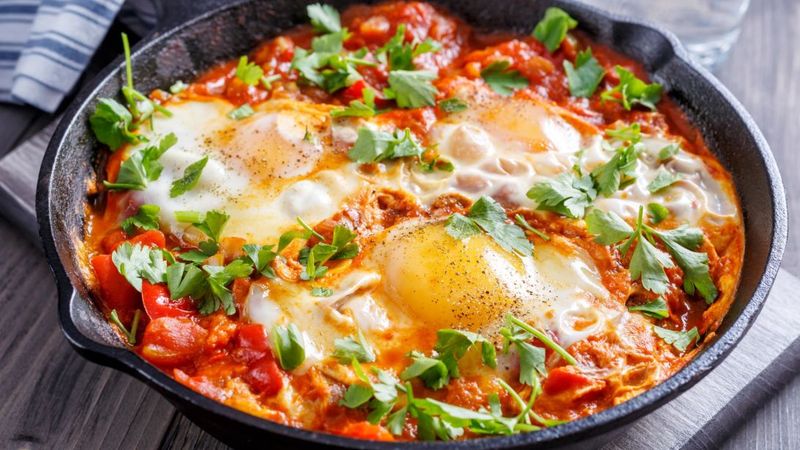
An egg might seem simple, but its possibilities are endless. In Japan, eggs are marinated in soy sauce and mirin for hours, then served soft-boiled inside a steaming bowl of ramen.
The yolk stays jammy and rich, soaking up all those savory flavors.
Across North Africa, eggs are cracked directly into a spiced tomato and pepper sauce called shakshuka, where they poach slowly until just set. Same egg, totally different experience.
3. Bread: Sourdough Loaves in Europe vs. Injera Flatbreads in Ethiopia
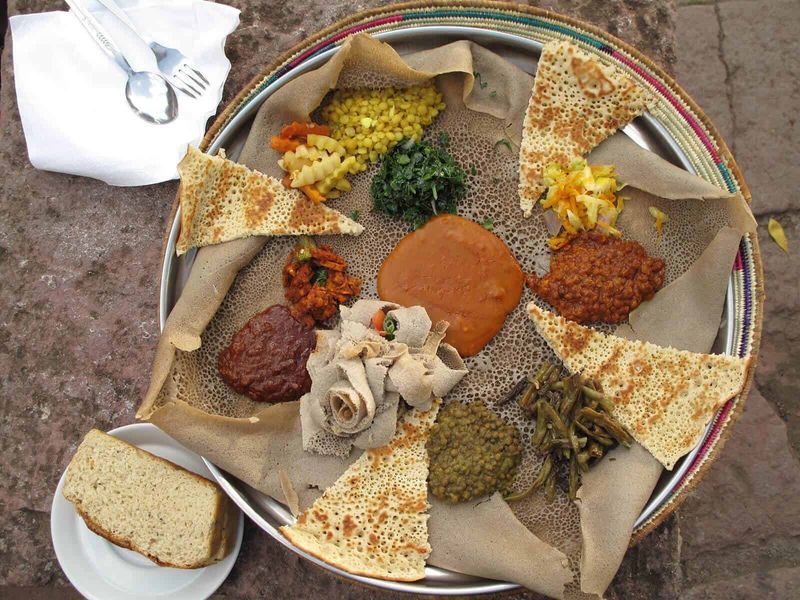
Bread is a staple on almost every continent, but its form changes dramatically based on local grains and traditions. In Europe, sourdough bread is baked in hot ovens until the crust crackles and the inside turns chewy and tangy.
It takes days to prepare because the dough ferments slowly.
In Ethiopia, injera is made from teff flour and fermented for up to three days too, but it cooks on a flat griddle into a spongy, slightly sour crepe-like sheet used to scoop up stews.
4. Chicken: Tandoori Spiced in South Asia vs. Southern Fried in North America
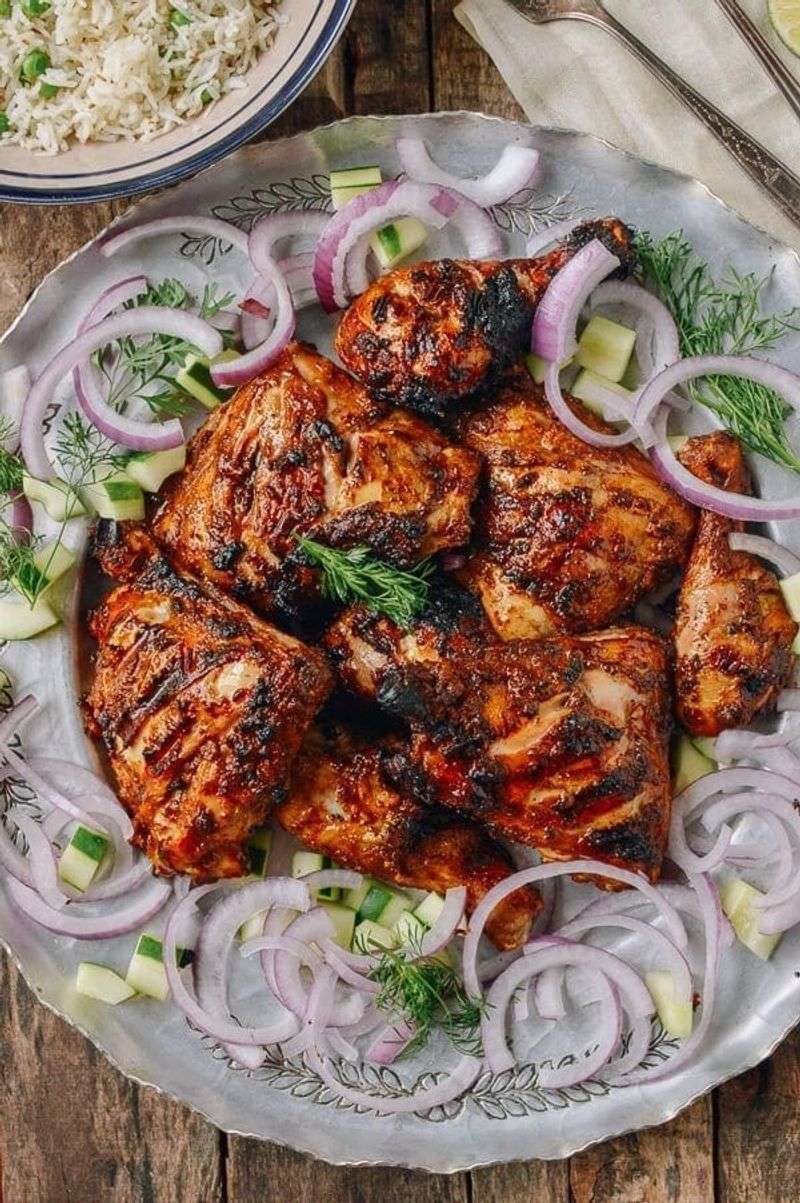
Chicken is arguably the world's most popular protein, but the way it is seasoned and cooked varies wildly. In South Asia, chicken pieces are marinated overnight in yogurt, turmeric, cumin, and chili before being roasted in a super-hot clay tandoor oven.
The result is smoky, charred, and deeply spiced.
In the American South, chicken is coated in seasoned flour and fried in hot oil until golden and crunchy. Comfort food at its crispiest best.
5. Corn: Grilled Street Elote in Mexico vs. Ugali Porridge in East Africa
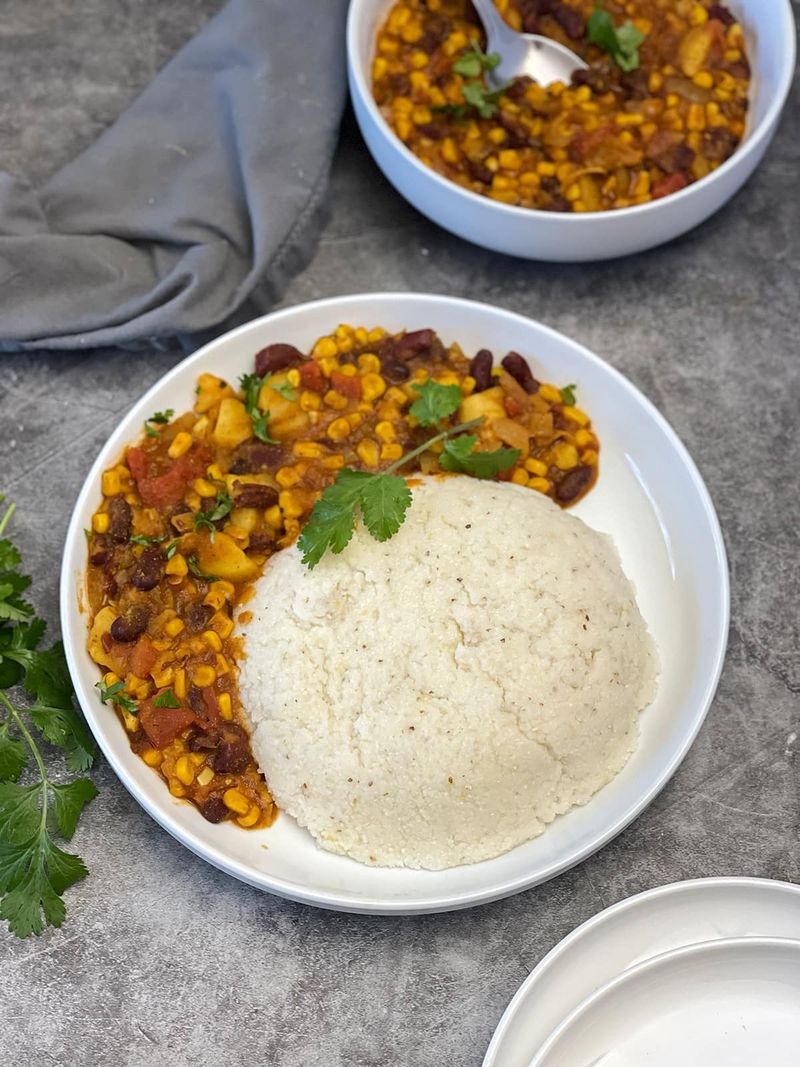
Corn is grown on nearly every continent, but its culinary journey looks completely different depending on where it lands. In Mexico, corn is grilled over open flame and slathered with mayonnaise, chili powder, lime, and crumbled cheese to create elote, a beloved street food that is messy and absolutely worth it.
In East Africa, dried corn is ground into flour and cooked with water into ugali, a thick, dense porridge that forms the base of almost every meal.
6. Pork: Slow-Roasted Lechon in the Philippines vs. Cured Prosciutto in Italy
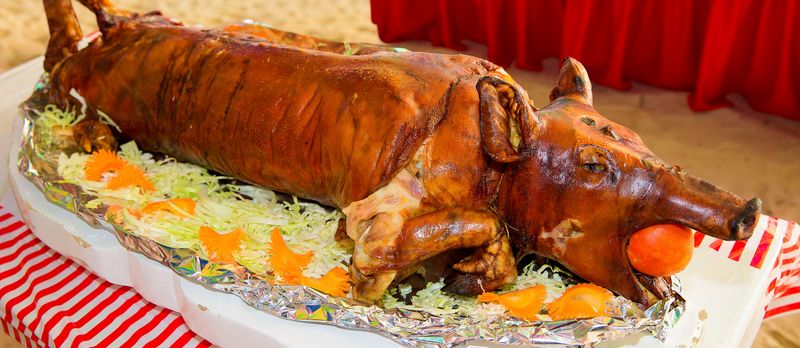
Few ingredients inspire as much regional pride as pork. In the Philippines, lechon is a whole pig slowly rotated over hot coals for hours until the skin turns shatteringly crisp and the meat inside stays juicy and tender.
It is the centerpiece of every major celebration.
Meanwhile in Italy, pork legs are salted, seasoned with herbs, and hung to air-cure for up to two years, becoming prosciutto. Thin, silky, and almost melt-in-your-mouth, it is luxury through patience.
7. Potatoes: Creamy Aligot in France vs. Chuño Freeze-Dried in Peru
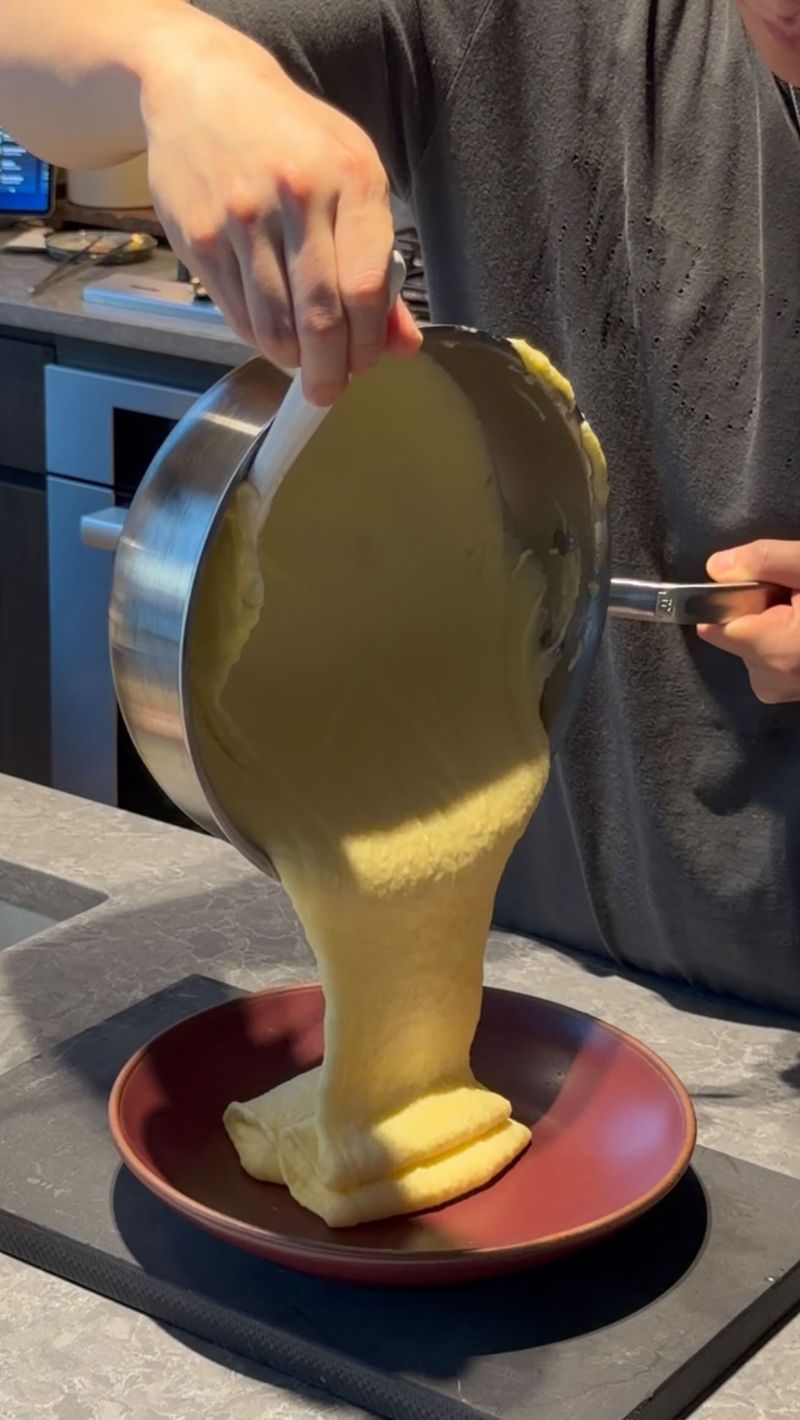
Potatoes originated in South America, but the world has taken them in directions their Andean ancestors never imagined. In France, mashed potatoes are whipped with butter and melted cheese until they stretch like taffy, creating aligot, a dish that is more fondue than mash.
Back in Peru, where potatoes began, the Quechua people developed chuño by freezing potatoes overnight in the mountain cold, then stomping out the moisture. The result is a shelf-stable, wrinkled little potato that lasts for years.
8. Fish: Raw Ceviche in Peru vs. Smoked Herring in Scandinavia
Coastal cultures around the world have found brilliant ways to prepare fish, and the contrast between them is striking. In Peru, raw fish is cured in fresh lime juice with red onion, chili, and cilantro to create ceviche.
The acid from the lime actually cooks the fish without any heat.
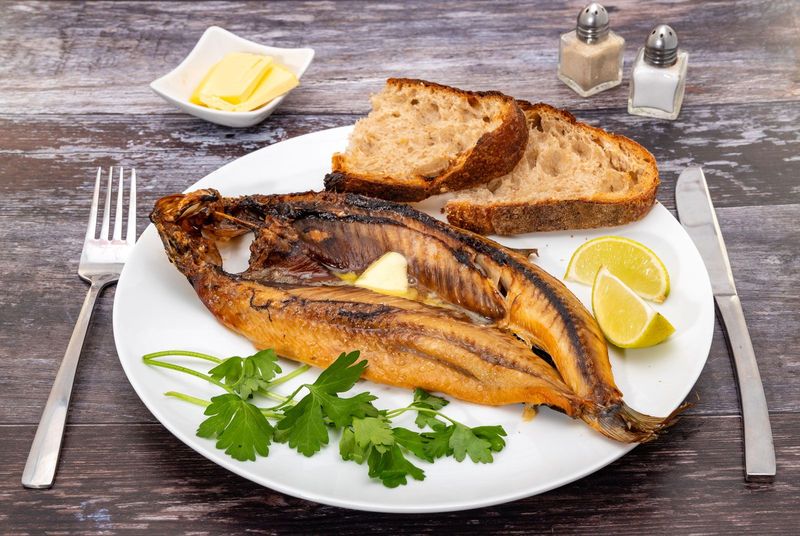
In Scandinavia, herring is cold-smoked over wood for days, giving it a deep, rich flavor that pairs perfectly with rye bread and pickled vegetables. Totally different techniques, equally impressive results.
9. Lentils: Spiced Dal in India vs. Hearty Soup in France
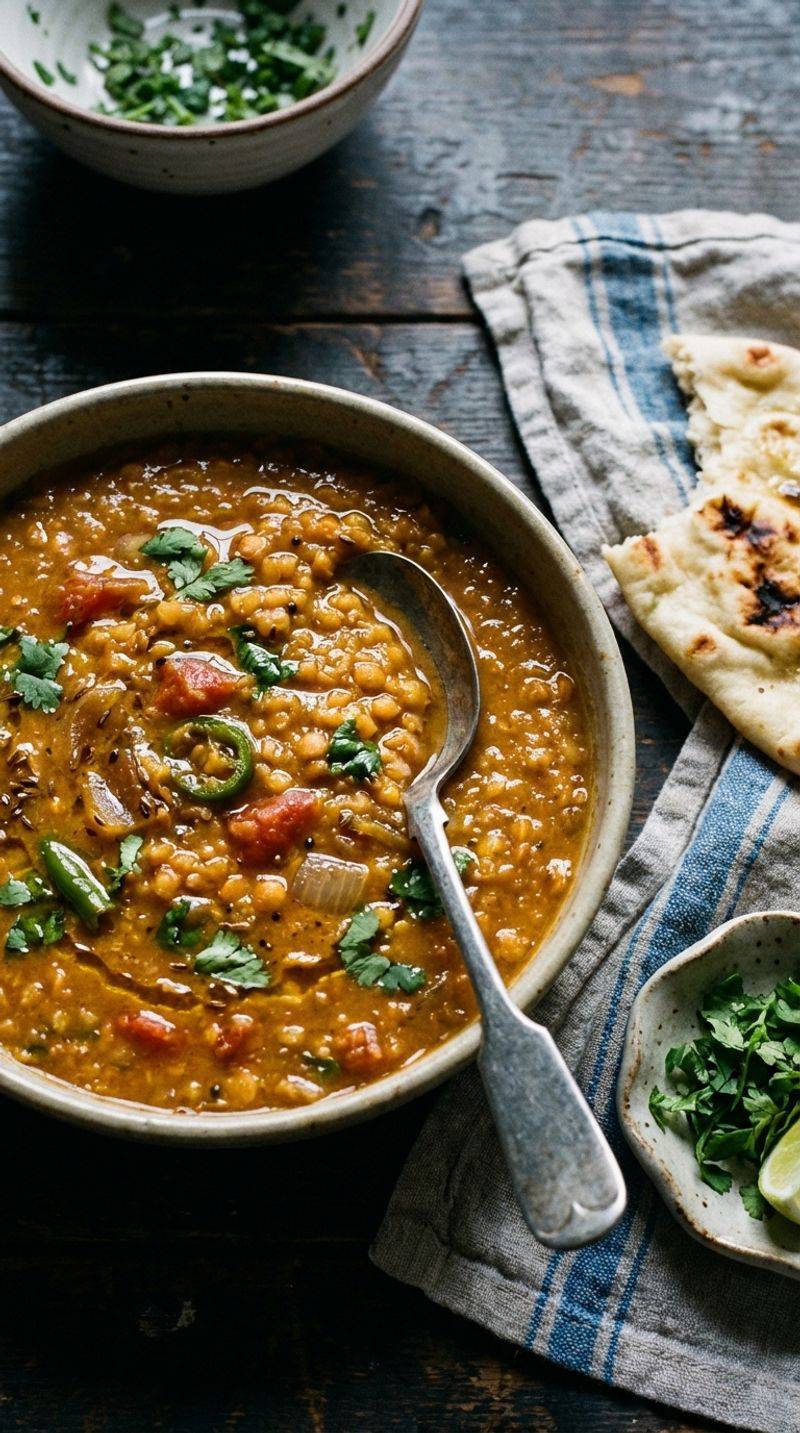
Lentils are one of the oldest cultivated foods on earth, and they shine in very different ways across cultures. In India, lentils are cooked down into dal, a silky, spiced stew seasoned with a sizzling blend of mustard seeds, turmeric, ginger, and garlic poured over in hot ghee.
In France, green Puy lentils hold their shape and are simmered gently with carrots, celery, and herbs into a hearty, earthy soup. Simple, warming, and completely satisfying in its own quiet way.
10. Tomatoes: Fresh Bruschetta in Italy vs. Sun-Dried Paste in Morocco
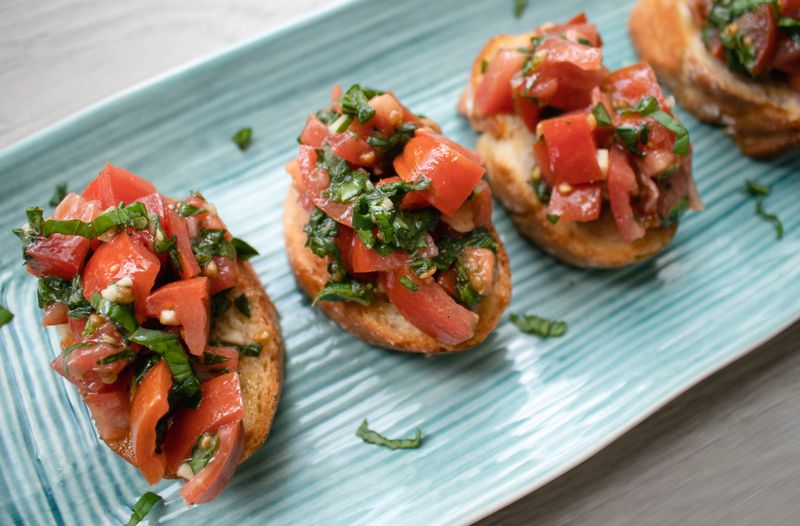
Tomatoes came from the Americas but found their truest calling in Mediterranean kitchens. In Italy, ripe tomatoes are chopped with garlic, olive oil, and fresh basil, then piled onto grilled bread to make bruschetta.
The freshness of the tomato is everything here, so the ripest ones always win.
In Morocco, tomatoes are slow-cooked for hours and then sun-dried to concentrate their sweetness into a thick, intense paste used to deepen tagines and sauces. Patience transforms the tomato completely.
11. Oats: Creamy Porridge in Scotland vs. Overnight Bircher Muesli in Switzerland
Scotland has been cooking oats into porridge for centuries, and they take it seriously. Traditional Scottish porridge uses coarse oatmeal simmered slowly in water with a pinch of salt, stirred constantly until thick and creamy.
Honey or cream goes on top, never sugar according to purists.
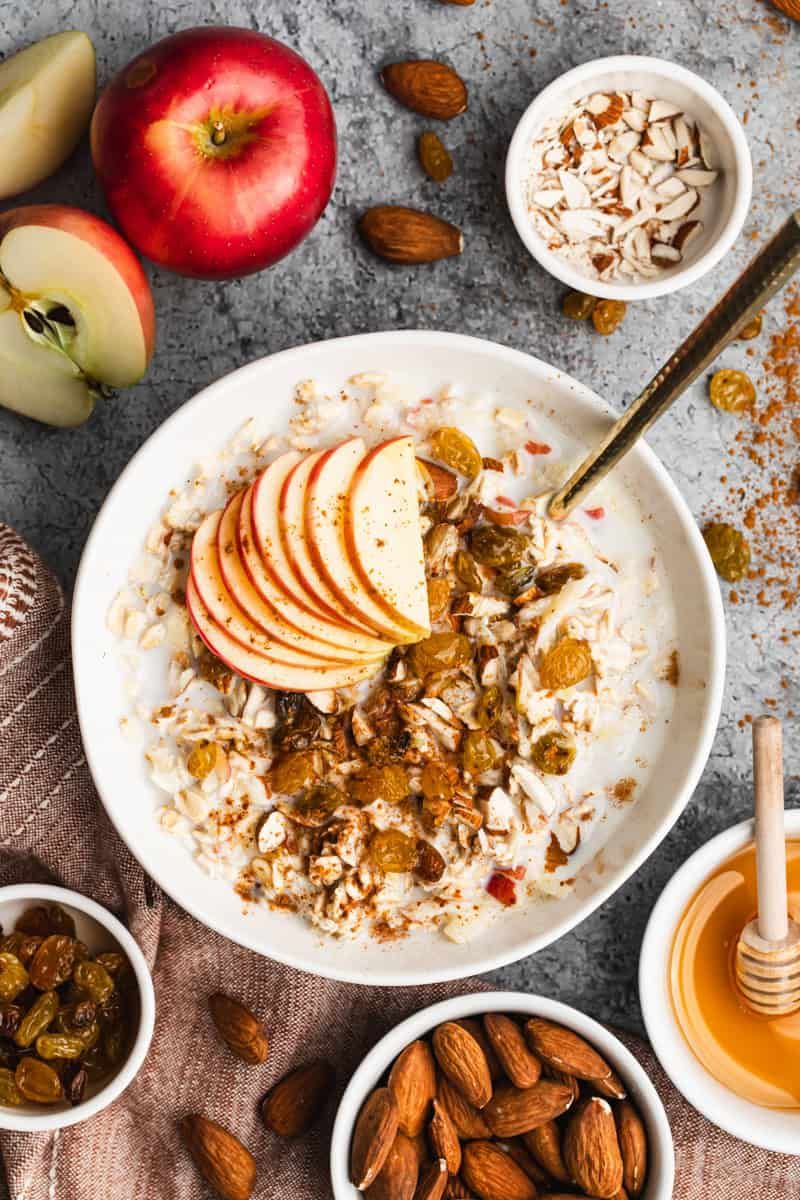
Swiss bircher muesli flips the script entirely. Oats are soaked overnight in milk or yogurt with grated apple, lemon juice, and nuts.
By morning, the oats are soft, cold, and refreshingly light. No cooking required.
12. Coconut: Creamy Curry Base in Thailand vs. Fermented Toddy in West Africa
Coconut is one of the most versatile ingredients on the planet. In Thailand, thick coconut milk forms the creamy backbone of curries, giving dishes like green curry and massaman their signature richness and slight sweetness.
It balances the heat of chilies beautifully.
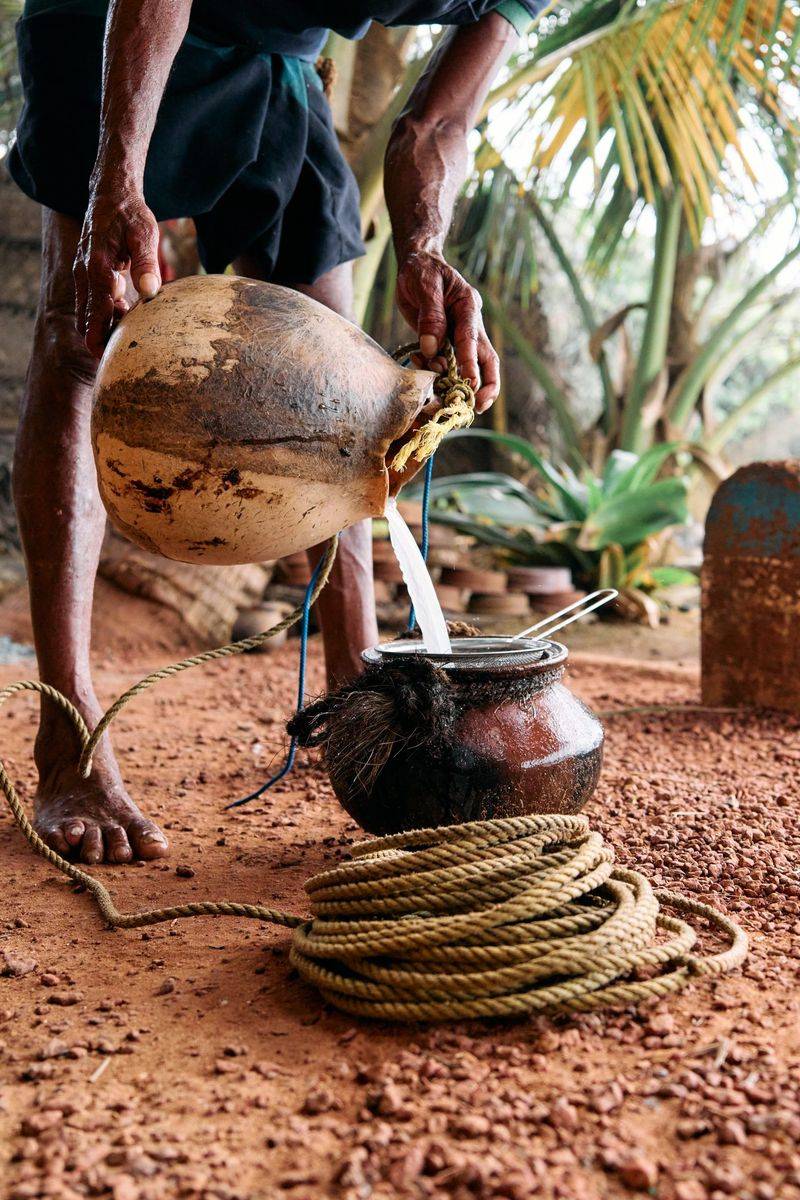
In West Africa, the sap from coconut palm trees is tapped and left to ferment naturally into palm wine, a mildly alcoholic, slightly fizzy drink called toddy. It is consumed fresh and tastes totally unlike anything coconut-flavored you have tried before.
13. Soybeans: Silky Tofu in China vs. Fermented Natto in Japan
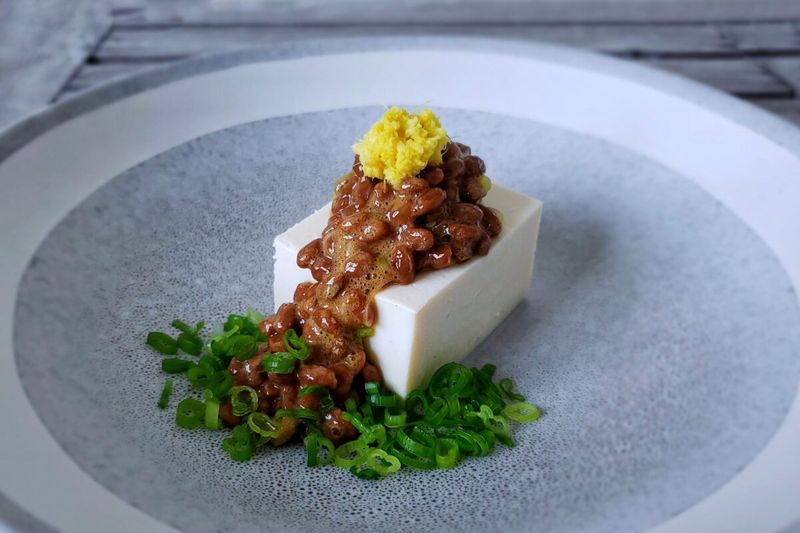
Soybeans might just be the most transformed food in all of Asia. In China, ground soybeans are mixed with water and coagulated into tofu, which ranges from silky-soft to firm and chewy.
It absorbs flavors like a sponge, making it endlessly useful in soups, stir-fries, and braises.
In Japan, soybeans are steamed and then fermented with a specific bacteria for days, turning into natto. The result is sticky, stringy, and powerfully pungent.
Natto fans love it; newcomers often need convincing.
14. Beef: Slow-Braised Boeuf Bourguignon in France vs. Raw Kitfo in Ethiopia
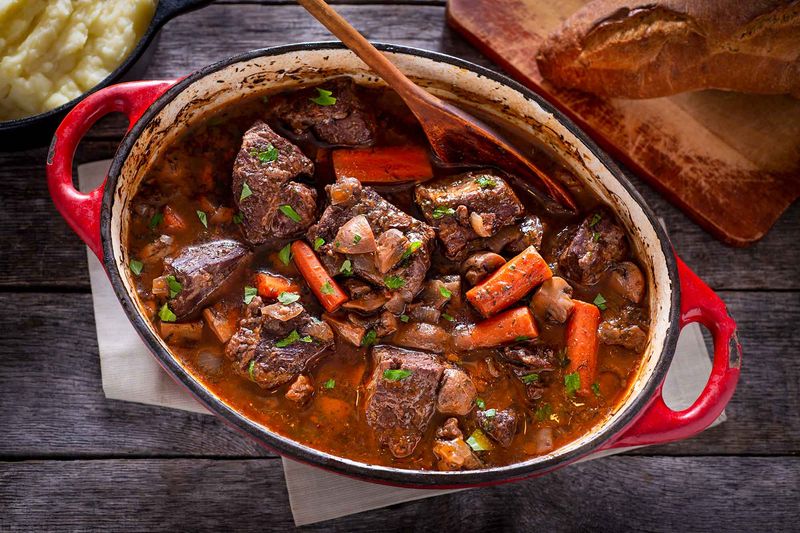
Beef takes on two wildly different identities depending on the continent. In France, tough cuts of beef are braised for hours in red wine with mushrooms, onions, and herbs until the meat falls apart into rich, velvety boeuf bourguignon.
Time and wine do all the heavy lifting here.
In Ethiopia, beef is prepared entirely without heat. Kitfo is finely minced raw beef mixed with mitmita spice and spiced clarified butter called niter kibbeh.
It is bold, rich, and a true delicacy for those willing to try.
15. Cabbage: Tangy Sauerkraut in Germany vs. Spicy Kimchi in South Korea
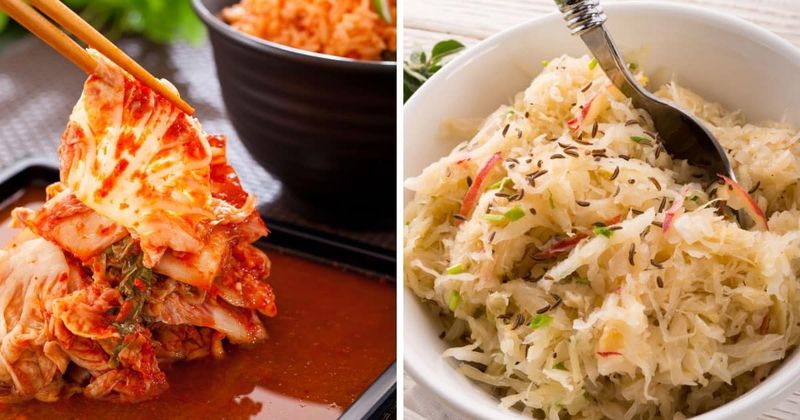
Both Germany and South Korea figured out centuries ago that fermenting cabbage makes it last longer and taste even better. German sauerkraut is made by shredding white cabbage, mixing it with salt, and letting it ferment slowly in its own juices for weeks.
The result is tangy, crunchy, and great with sausages.
Korean kimchi uses napa cabbage coated in a fiery paste of chili, garlic, ginger, and fermented shrimp. It ferments faster and tastes spicy, funky, and completely addictive.
16. Bananas: Caramelized Dessert in the Caribbean vs. Savory Matoke Stew in Uganda
Most people think of bananas as a sweet snack, but that depends entirely on where you are eating them. In the Caribbean, ripe bananas are cooked in butter and brown sugar until caramelized and syrupy, then flambeed with rum to create bananas foster, a dessert that is as dramatic as it is delicious.
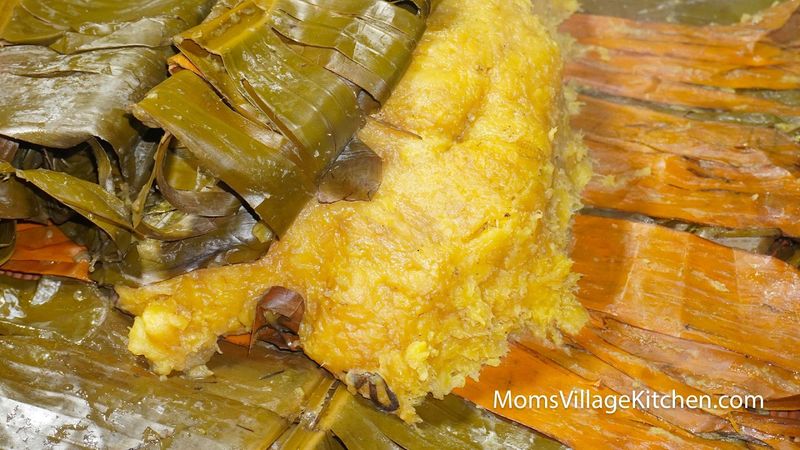
In Uganda, unripe green bananas are peeled, wrapped in banana leaves, and steamed into matoke, a starchy, savory staple that is mashed and served with meat or bean stews.
17. Milk: Creamy Paneer in India vs. Cultured Kefir in Central Asia
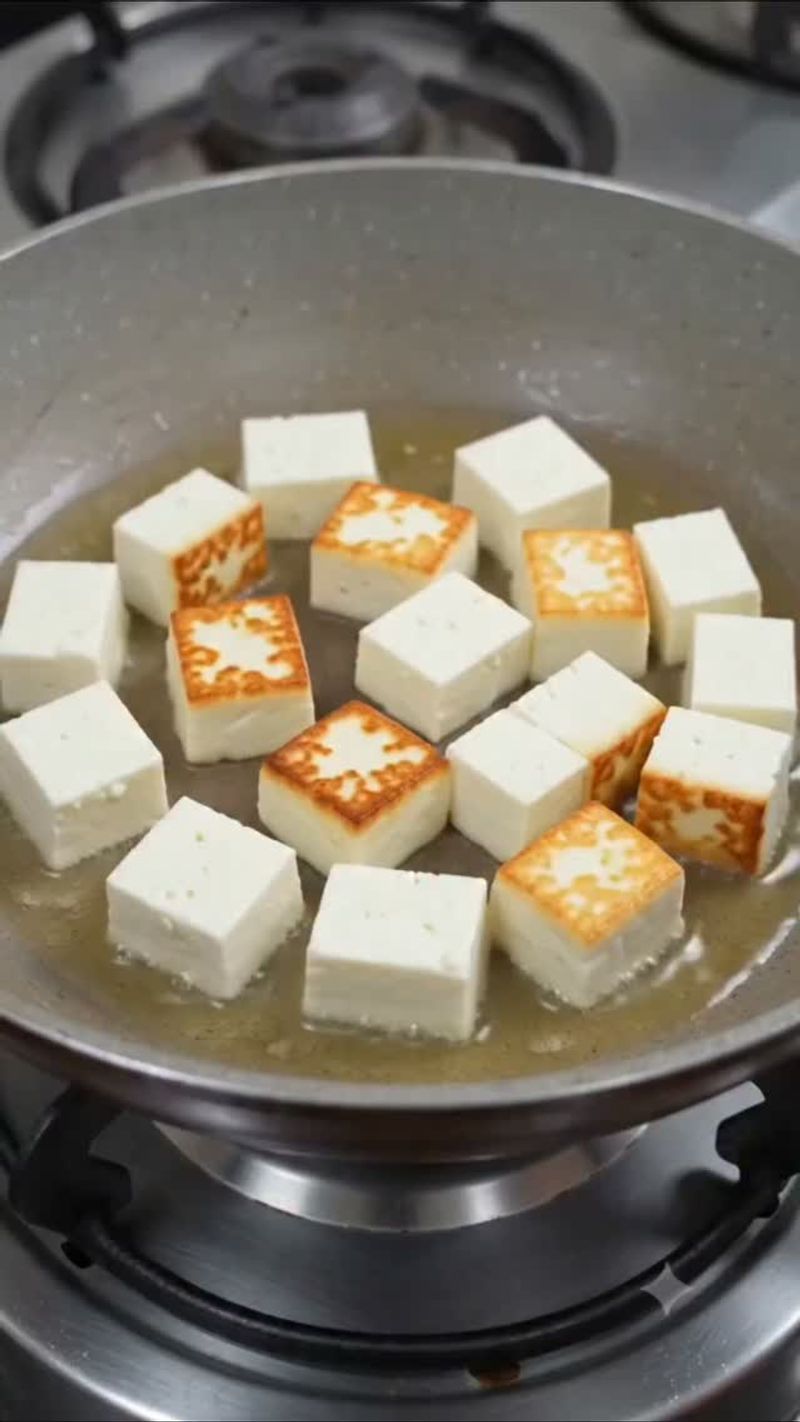
Milk goes through some remarkable transformations depending on who is handling it. In India, whole milk is heated and curdled with lemon juice or vinegar, then strained and pressed into paneer, a fresh cheese that holds its shape when cooked and soaks up spices beautifully in curries and grills.
In Central Asia, milk is mixed with live cultures and fermented for up to a day, producing kefir, a tangy, drinkable yogurt packed with probiotics. It has been keeping nomadic communities healthy for thousands of years.
18. Peanuts: Creamy Butter in North America vs. Spicy Groundnut Soup in West Africa
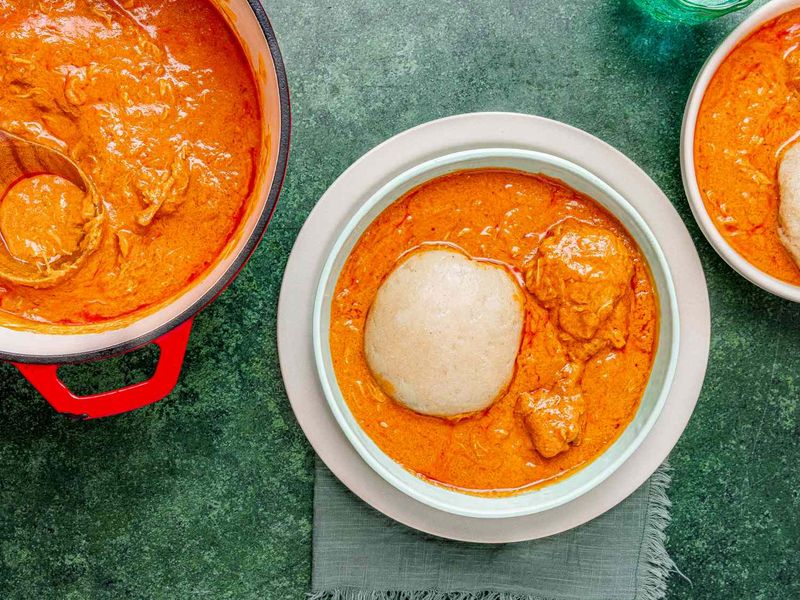
Peanuts started in South America but became culinary icons on two very different continents. In North America, roasted peanuts are ground into a smooth, creamy paste that became one of the most popular sandwich spreads in history.
Add some jelly and two slices of bread, and you have a cultural institution.
In West Africa, peanuts are called groundnuts and are blended into a thick, spiced soup with tomatoes, onions, and chicken or beef. It is deeply savory, slightly sweet, and warming all the way through.
19. Lamb: Slow-Roasted Mechoui in Morocco vs. Herb-Crusted Rack in Australia
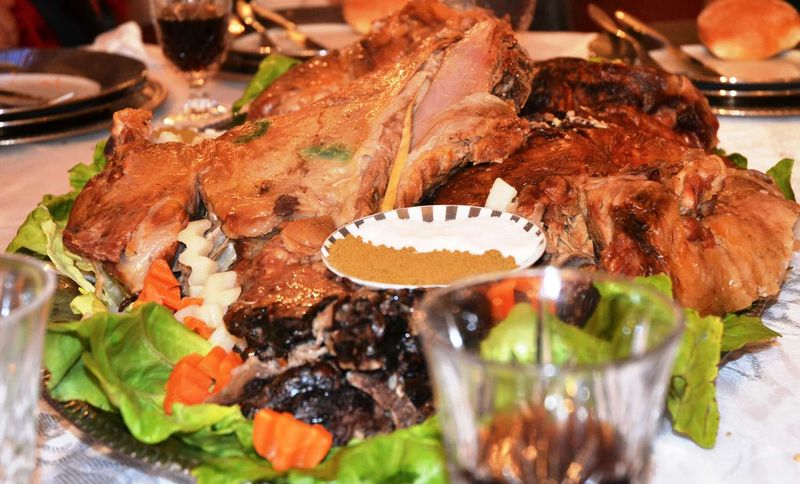
Lamb is celebrated across continents, but the approach to cooking it reflects each culture's unique flavors and rhythms. In Morocco, a whole lamb is rubbed with cumin, coriander, and butter, then slow-roasted in a pit or clay oven for hours until the meat pulls apart with barely a touch.
Mechoui is served at weddings and festivals with great fanfare.
In Australia, a rack of lamb is coated in breadcrumbs, garlic, and fresh herbs, then roasted quickly at high heat for a golden, elegant crust. Refined and impressive.
20. Cassava: Crispy Chips in South America vs. Fermented Fufu in Central Africa
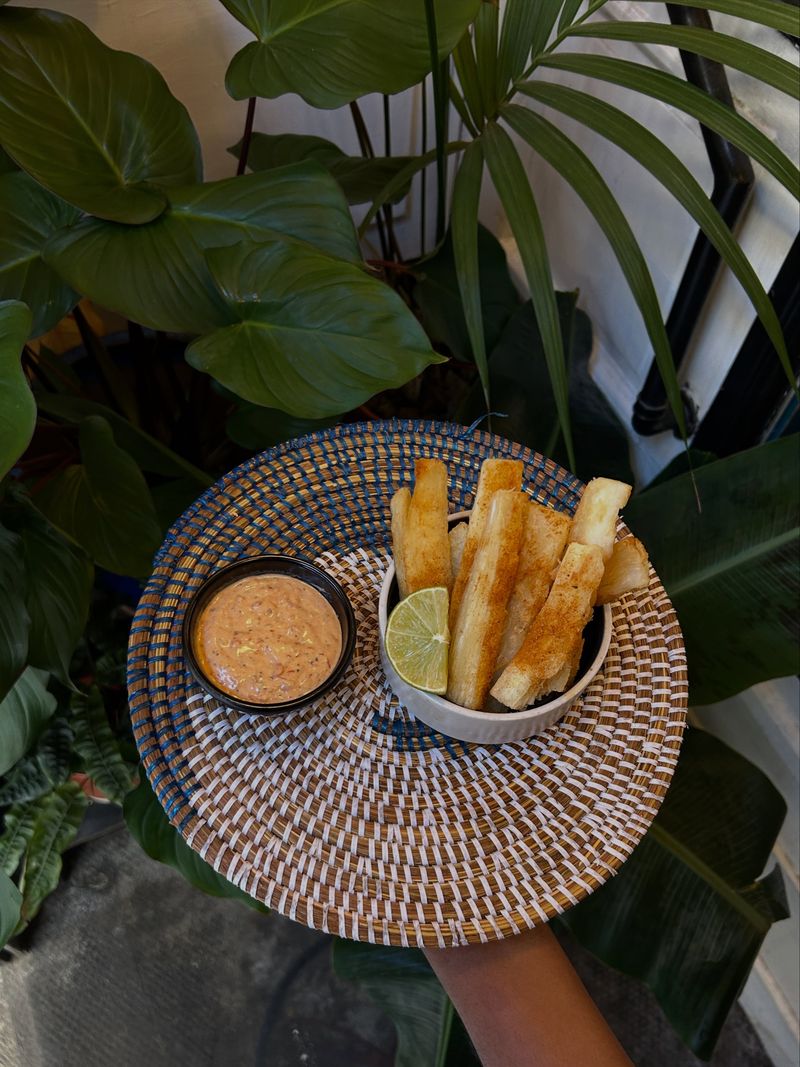
Cassava is a root vegetable that feeds hundreds of millions of people, but it looks nothing like itself by the time cooks are done with it. In South America, particularly in Brazil, cassava is peeled, sliced thin, and fried into crispy chips called mandioca frita, served as a side dish or street snack with a squeeze of lime.
In Central Africa, cassava is fermented, dried, and pounded into a smooth, stretchy dough called fufu, which is rolled into balls and dipped into soups and stews.
21. Tea: Milky Chai in India vs. Frothy Matcha in Japan
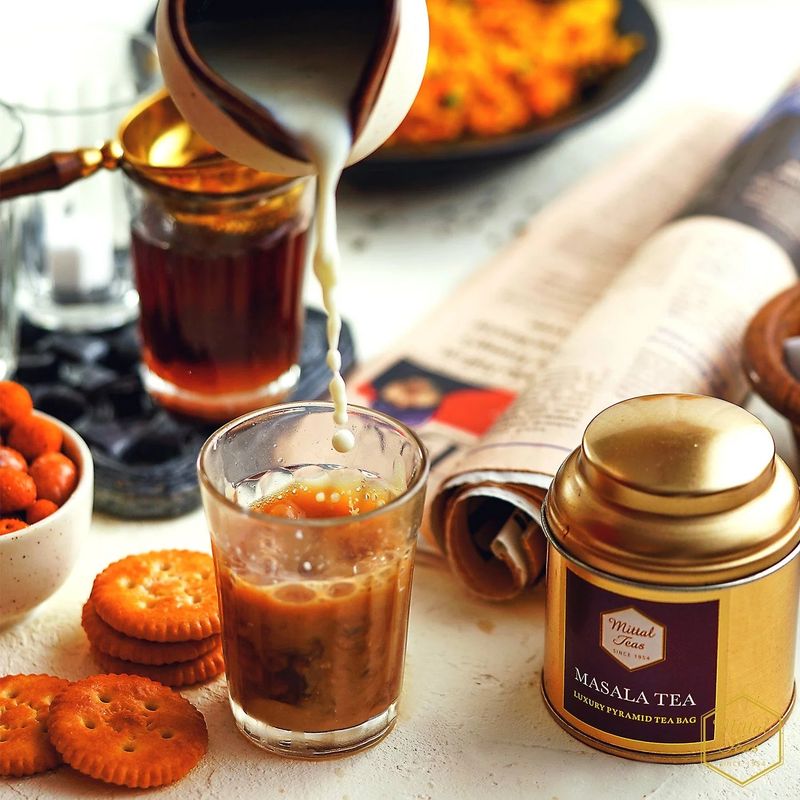
Tea is the world's second most consumed drink after water, but the way it is prepared across cultures is wildly different. In India, black tea is simmered directly with milk, sugar, and a blend of warming spices like cardamom, ginger, and cinnamon to create chai.
It is thick, sweet, and spiced in the best possible way.
In Japan, green tea leaves are stone-ground into fine matcha powder, then whisked with hot water into a frothy, earthy, vibrant green drink. Calming, focused, and beautiful in its simplicity.


Comments
No Comments