













Moroccan food is one of the most exciting and flavorful cuisines in the world, packed with aromatic spices, colorful ingredients, and centuries of tradition. From slow-cooked stews to freshly baked bread, every dish tells a story about North African culture and hospitality.
Whether you are new to cooking or already comfortable in the kitchen, these recipes are approachable, satisfying, and absolutely worth trying. Get ready to bring the magic of Morocco straight to your dinner table.
1. Chicken Tagine with Olives and Preserved Lemons
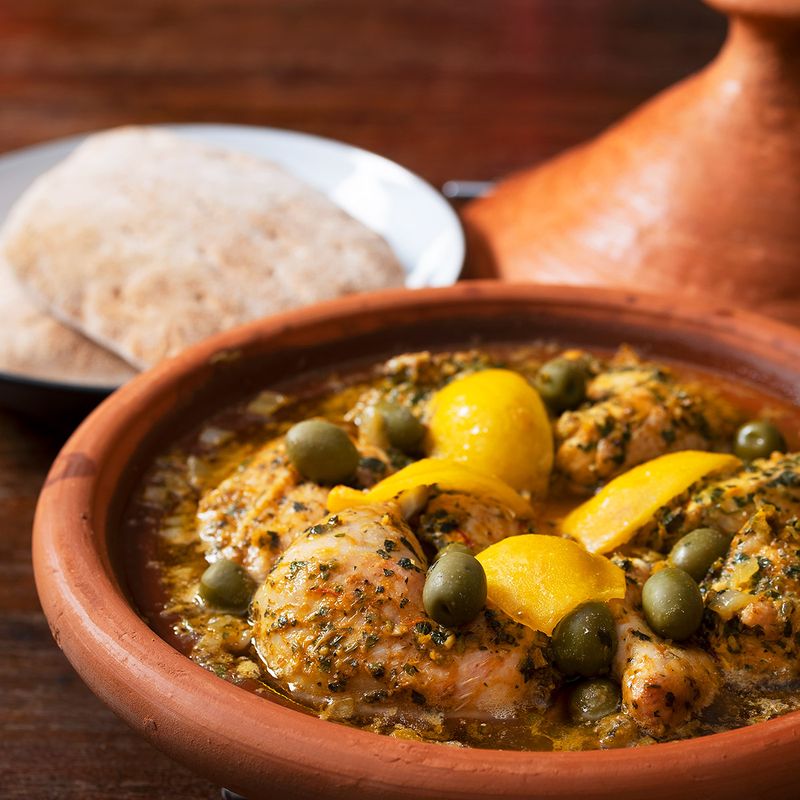
Few dishes capture the soul of Moroccan cooking quite like a slow-braised chicken tagine. The combination of salty preserved lemons and briny olives creates a flavor that is both bold and comforting.
To make it at home, marinate chicken pieces in a blend of cumin, turmeric, ginger, and garlic. Cook everything low and slow in a tagine pot or a heavy Dutch oven.
Serve it over couscous or with crusty bread to soak up every drop of that incredible sauce.
2. Lamb Tagine with Prunes and Almonds
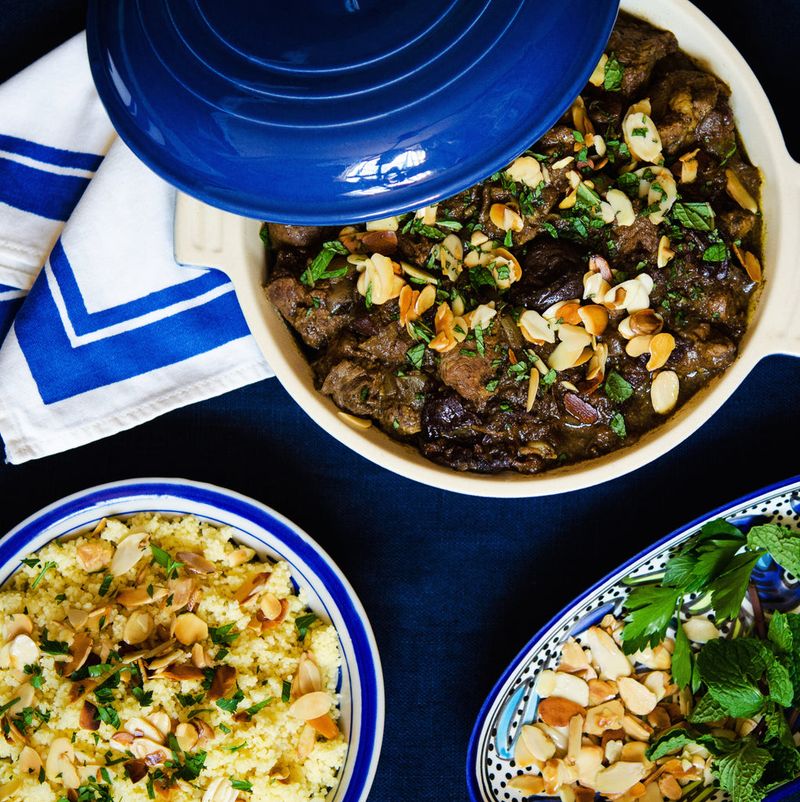
Sweet meets savory in this iconic Moroccan dish that has graced family tables for generations. Lamb shoulder becomes melt-in-your-mouth tender after hours of slow cooking with warming spices like cinnamon, ginger, and ras el hanout.
The addition of prunes adds a natural sweetness that balances the richness of the meat perfectly. Toasted almonds on top give it a satisfying crunch.
This dish is impressive enough for guests but simple enough to make on a relaxed weekend afternoon.
3. Classic Moroccan Couscous
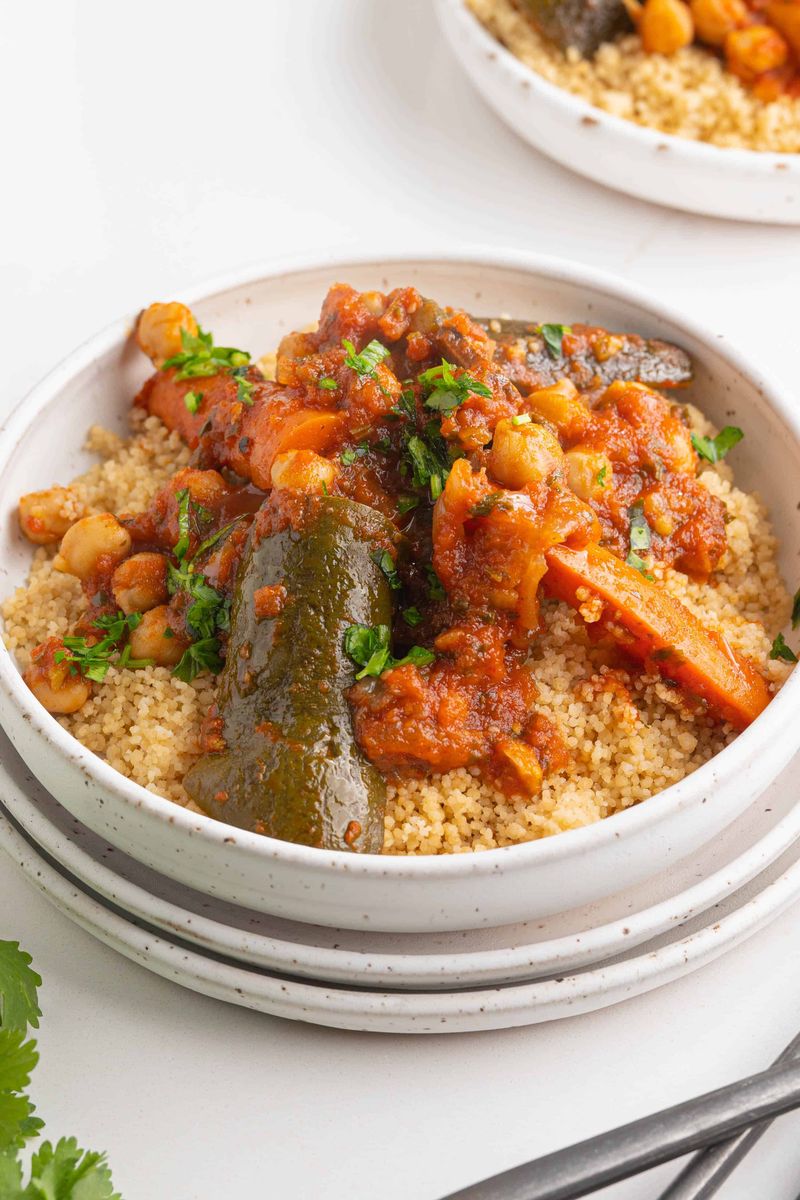
Couscous is the heartbeat of Moroccan home cooking, traditionally served every Friday as a communal family meal. Tiny semolina grains are steamed multiple times until they become impossibly light and fluffy, nothing like the quick-cook version from a box.
Pile it high with slow-braised vegetables, chickpeas, and your choice of meat. A ladleful of rich, spiced broth poured over the top ties everything together beautifully.
Once you try homemade couscous, you will never go back to the instant kind.
4. Harira Soup
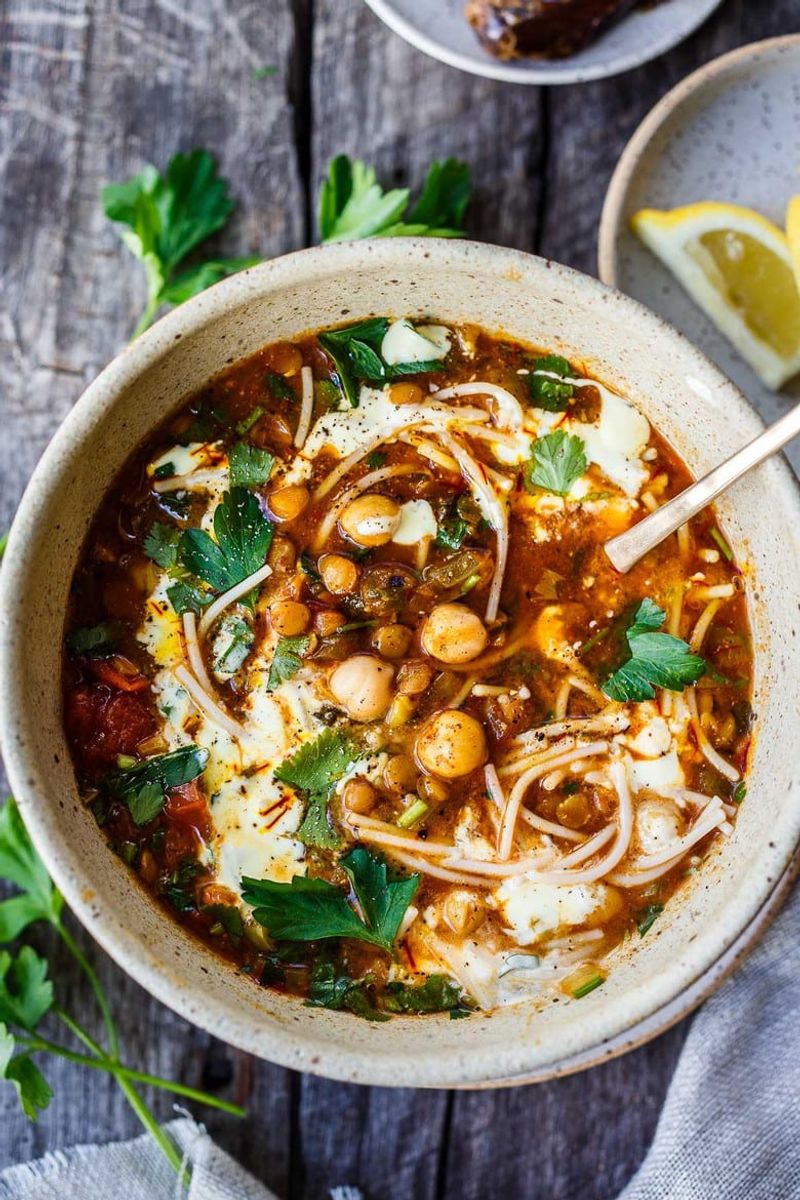
Harira is Morocco's most beloved soup, famously eaten to break the fast during Ramadan but enjoyed year-round in homes across the country. It is hearty, warming, and loaded with tomatoes, lentils, chickpeas, and fresh herbs.
A squeeze of lemon juice stirred in at the end brightens every spoonful. Thickened slightly with a flour-and-water mixture, the texture is somewhere between a soup and a stew.
Pair it with soft dates and fresh bread for an authentic Moroccan experience at home.
5. Bastilla (Moroccan Chicken Pie)
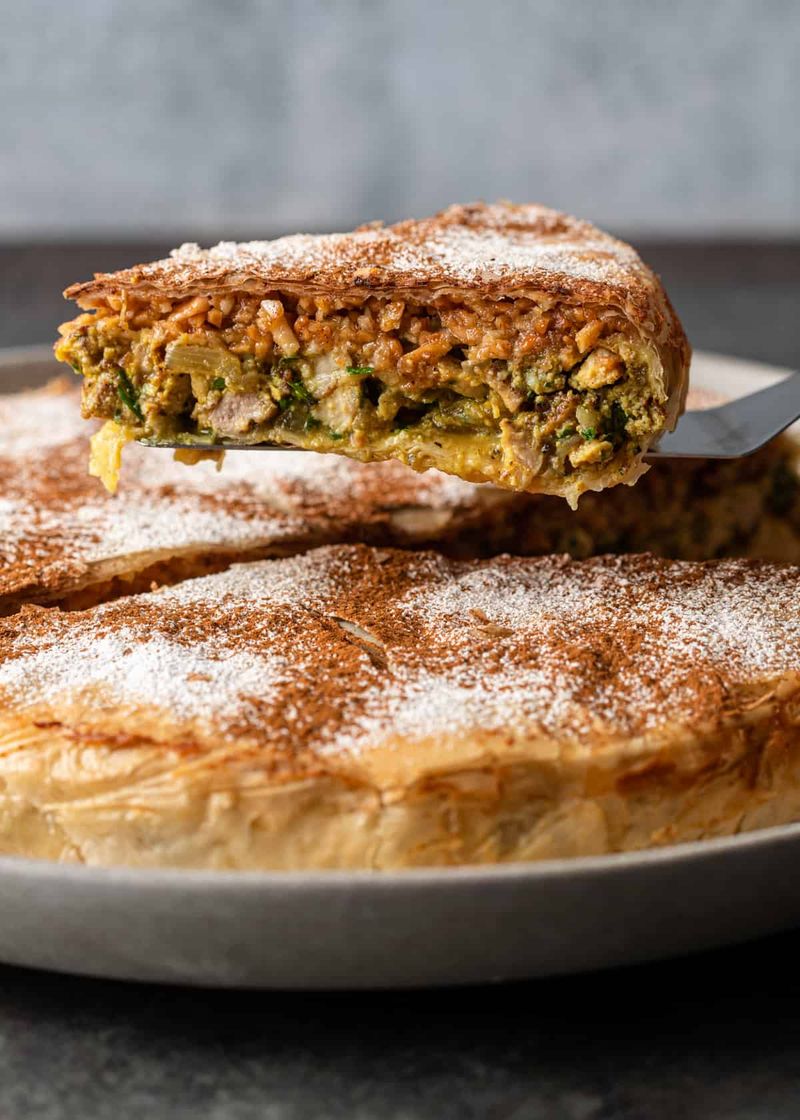
Bastilla is the dish that surprises everyone the first time they try it. A crispy warqa pastry shell holds a filling of spiced chicken, scrambled eggs, and almonds, then it gets dusted with powdered sugar and cinnamon on top.
Sweet and savory together sounds unusual, but the result is absolutely extraordinary. Making bastilla at home takes some patience, but phyllo dough works as a great substitute for the traditional pastry.
It is a showstopper dish worth every bit of effort.
6. Moroccan Spiced Kefta Meatballs in Tomato Sauce
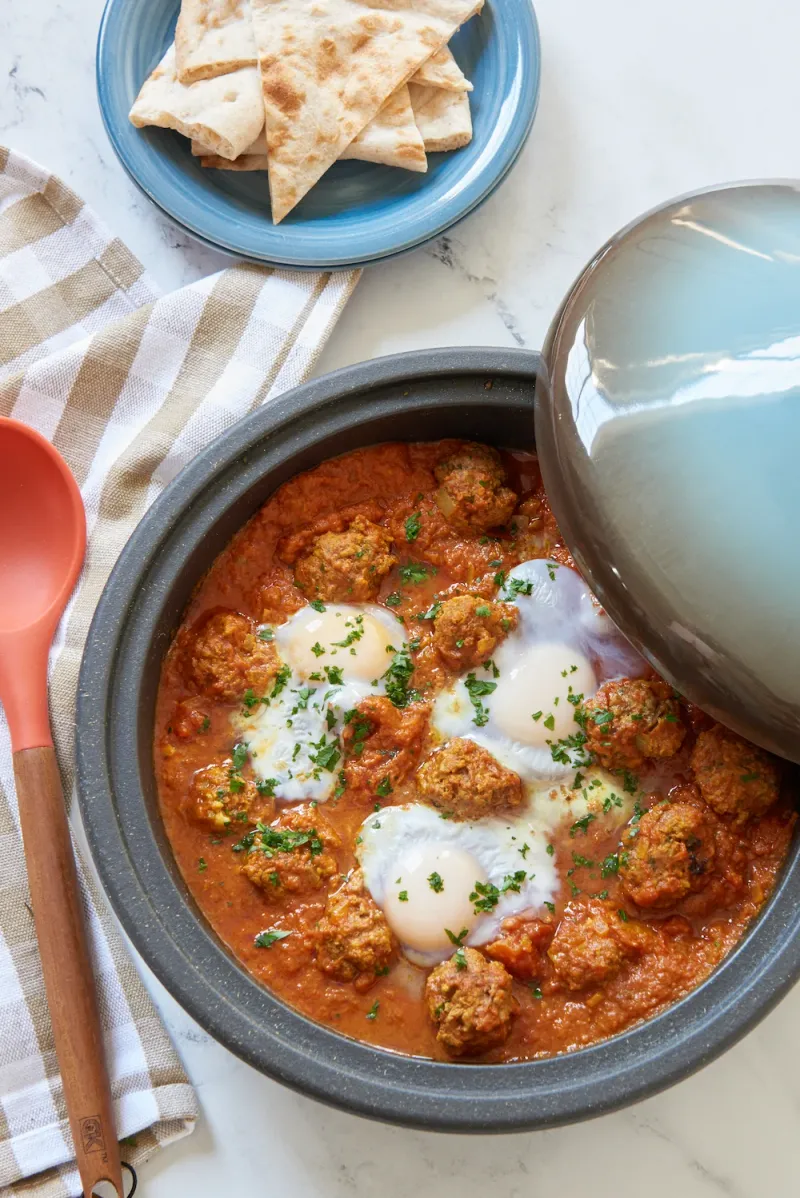
Kefta meatballs simmered in a spiced tomato sauce is Moroccan comfort food at its finest. Ground beef or lamb gets mixed with onion, parsley, cumin, paprika, and cinnamon before being rolled into small balls and browned in a pan.
The tomato sauce is simple but deeply flavored with garlic, cumin, and a pinch of cayenne. Many cooks crack a few eggs directly into the simmering sauce near the end of cooking.
Scoop everything up with warm Moroccan bread for the full experience.
7. Zaalouk (Smoky Eggplant Salad)
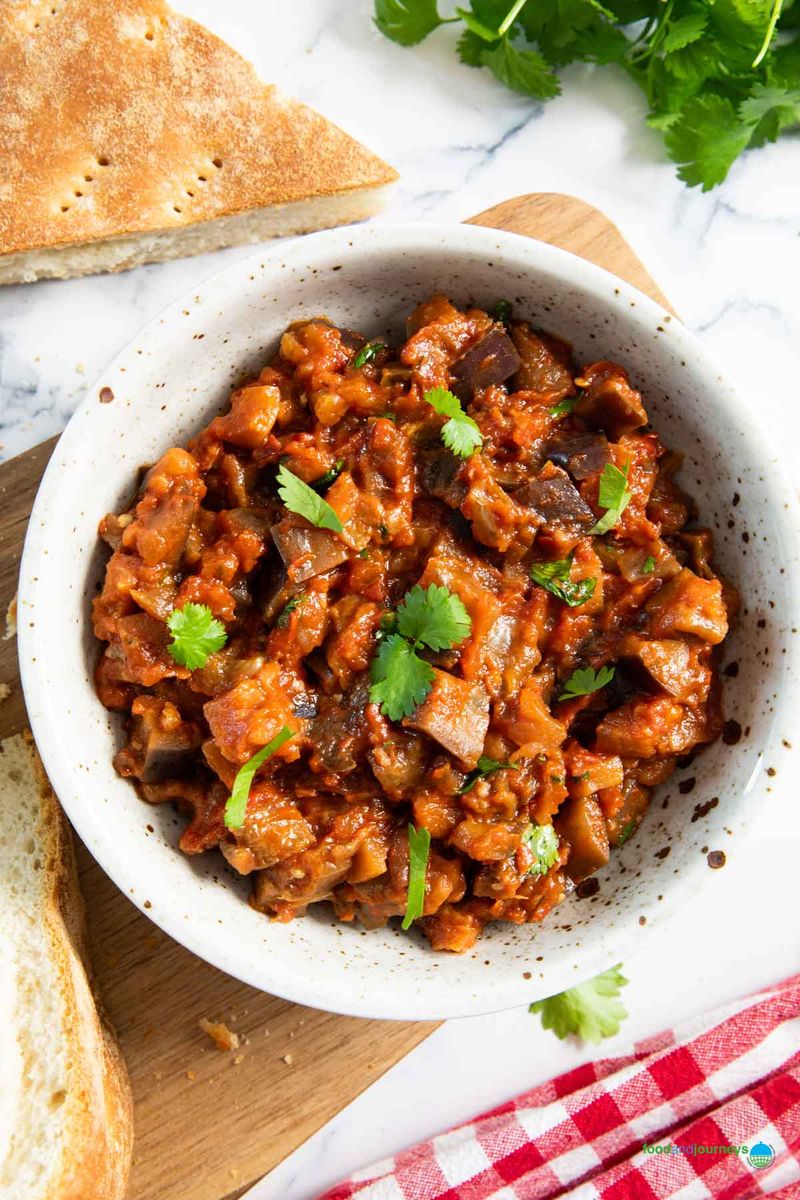
Zaalouk is one of those simple dishes that tastes way more complex than the ingredients suggest. Roasted or boiled eggplant gets mashed together with cooked tomatoes, garlic, cumin, paprika, and a generous pour of olive oil.
The result is a smoky, silky spread that works beautifully as a dip, a side dish, or even a sauce over grilled meat. It is completely plant-based and absolutely packed with flavor.
Serve it warm or at room temperature with plenty of bread nearby.
8. Moroccan Lemon Herb Grilled Fish
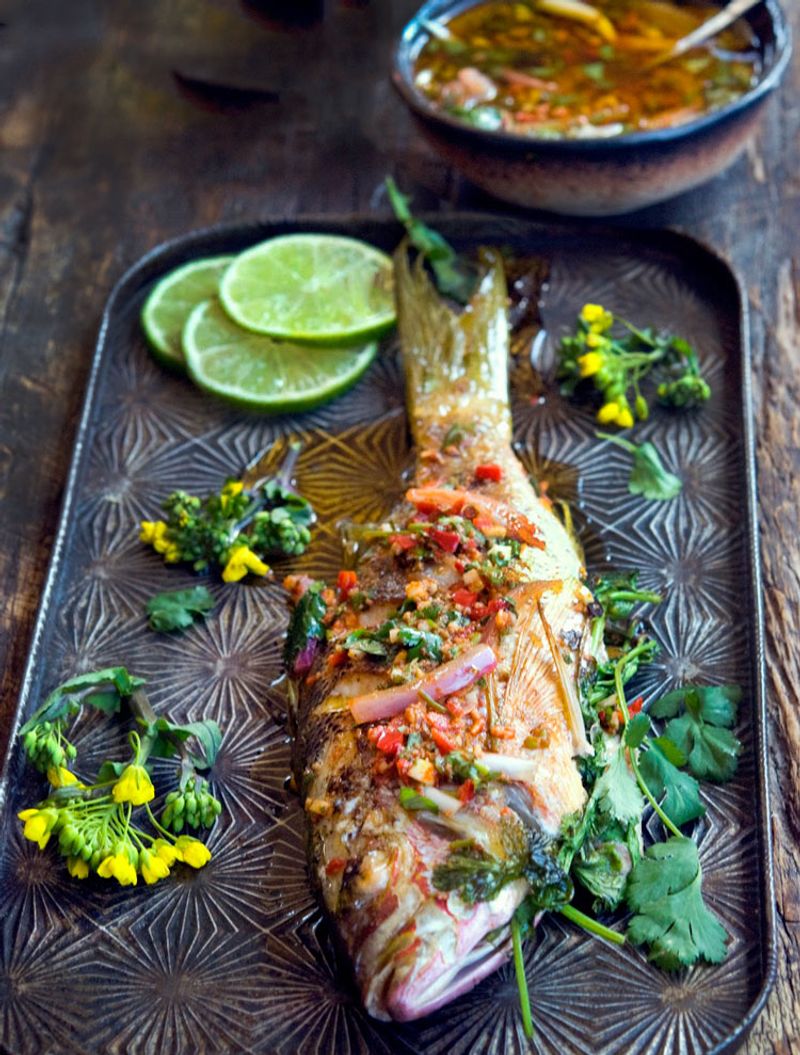
Chermoula is the marinade that transforms ordinary fish into something spectacular. This vibrant blend of cilantro, parsley, garlic, cumin, paprika, and preserved lemon gets rubbed all over the fish before grilling or baking.
Sea bass, snapper, or any firm white fish works wonderfully with these bold North African flavors. The herbs and spices form a beautiful crust on the outside while keeping the fish moist and flavorful inside.
It cooks fast, making it a great weeknight dinner option.
9. Msemen (Moroccan Flatbread)
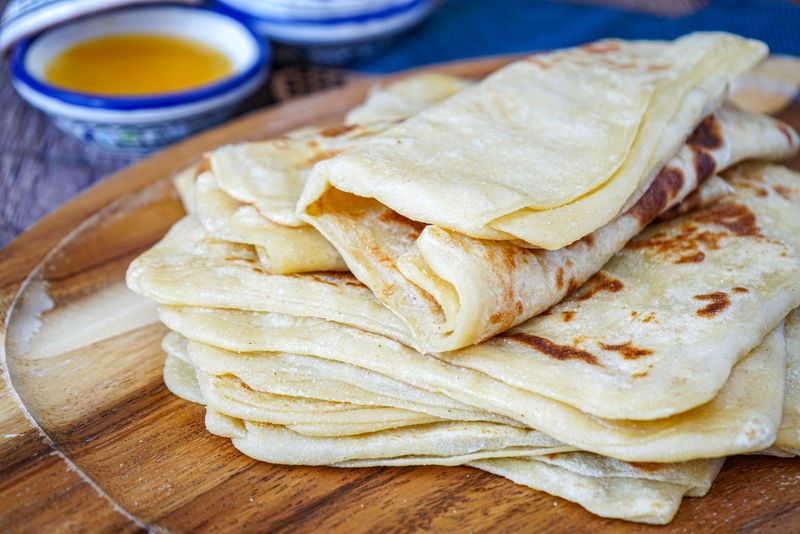
Warm, flaky, and slightly chewy, msemen is the bread Moroccan families make on lazy weekend mornings. The dough is stretched thin, folded with butter and semolina, then pan-fried until golden and crispy on the outside.
Tear off a piece and dip it in honey and argan oil for a traditional Moroccan breakfast that feels like a warm hug. The folding technique creates beautiful layers inside.
With a little practice, you will be making these like a pro in no time.
10. Rfissa (Chicken with Lentils and Fenugreek)
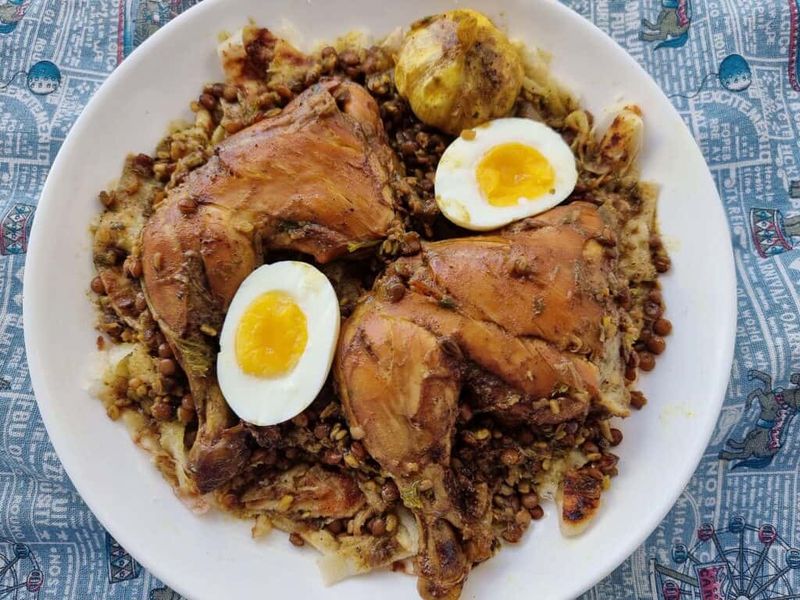
Rfissa is a deeply nourishing Moroccan dish traditionally served to new mothers after childbirth, believed to restore energy and warmth. Chicken is slow-cooked in a fragrant broth with fenugreek seeds, ras el hanout, and caramelized onions.
The broth gets poured over torn pieces of msemen flatbread and cooked lentils, soaking everything in incredible flavor. The fenugreek gives it a slightly bitter, earthy note that makes this dish uniquely distinctive.
It is rich, filling, and genuinely unlike anything else you will ever taste.
11. Moroccan Carrot Salad with Cumin and Harissa
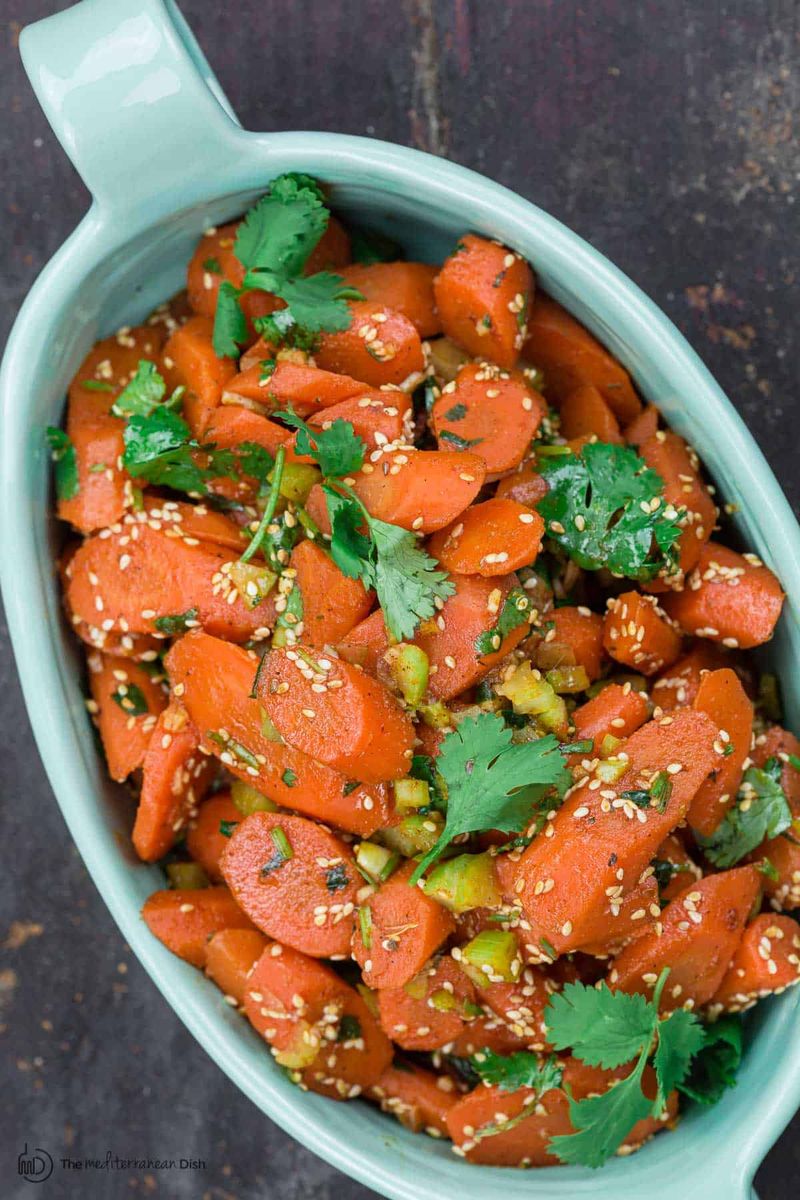
Boiled carrots tossed with cumin, harissa, lemon juice, and olive oil might sound basic, but this Moroccan staple is anything but ordinary. The spices wake up every bite, turning a humble vegetable into something genuinely exciting.
Served at room temperature, this salad is a staple on the Moroccan table alongside other small dishes known as salades marocaines. It takes about fifteen minutes to prepare and keeps well in the fridge for a couple of days.
A little fresh cilantro on top makes it pop.
12. Bissara (Fava Bean Soup)
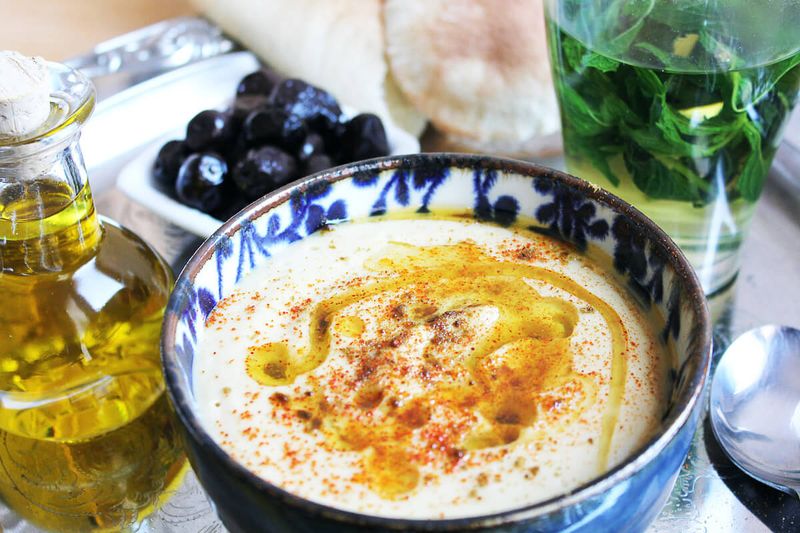
Street vendors in northern Morocco sell steaming bowls of bissara early in the morning, and it is easy to understand why. This thick, creamy soup made from dried fava beans or split peas is one of the most affordable and satisfying meals around.
Blended smooth with garlic, cumin, and paprika, then finished with a heavy drizzle of good olive oil, it is earthy and deeply comforting. Dip your bread in and eat it for breakfast, lunch, or dinner without any apology.
13. Moroccan Spiced Roasted Chicken (Djej Mhammer)
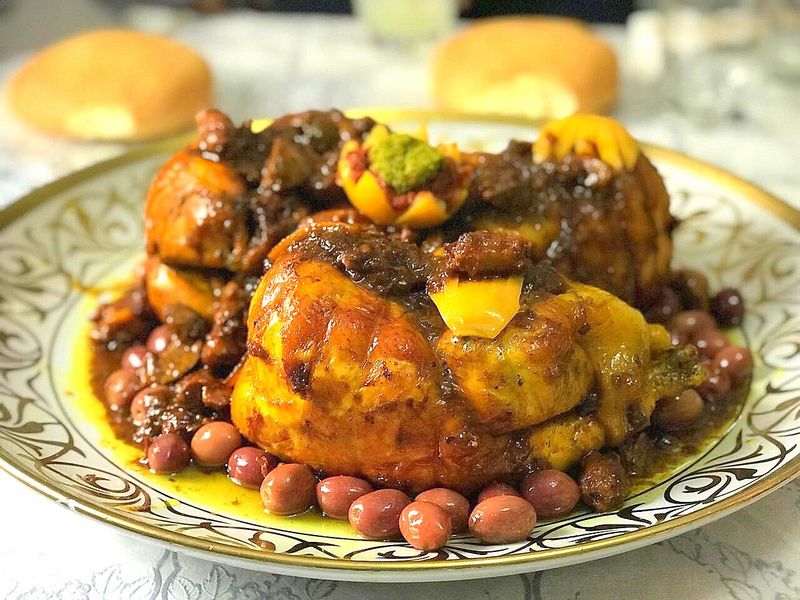
Djej mhammer translates roughly to "roasted chicken" but this is no ordinary roast. The bird gets rubbed inside and out with a generous mixture of ras el hanout, saffron, butter, garlic, and fresh herbs before being slowly cooked until deeply golden.
Traditionally finished in a tagine, it can just as easily be made in a standard oven roasting pan. The skin turns crispy while the meat stays incredibly juicy.
Add potatoes and olives to the pan and you have a full meal with minimal cleanup.
14. Taktouka (Roasted Pepper and Tomato Salad)
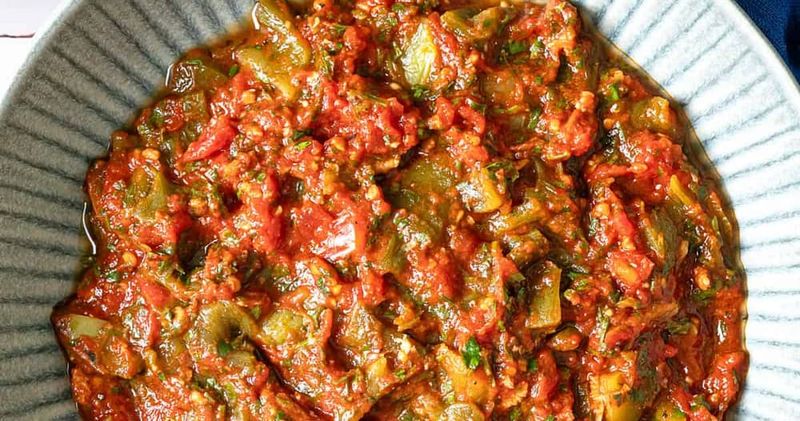
Taktouka is one of those dishes that proves you do not need many ingredients to create big flavor. Roasted green peppers and tomatoes are cooked down together with garlic, cumin, paprika, and olive oil until everything becomes soft and jammy.
It is served at room temperature as part of a traditional Moroccan salad spread. The roasting process gives the peppers a slightly smoky sweetness that pairs beautifully with the acidity of the tomatoes.
Bread is absolutely required to scoop up every last bit.
15. Moroccan Stuffed Sardines
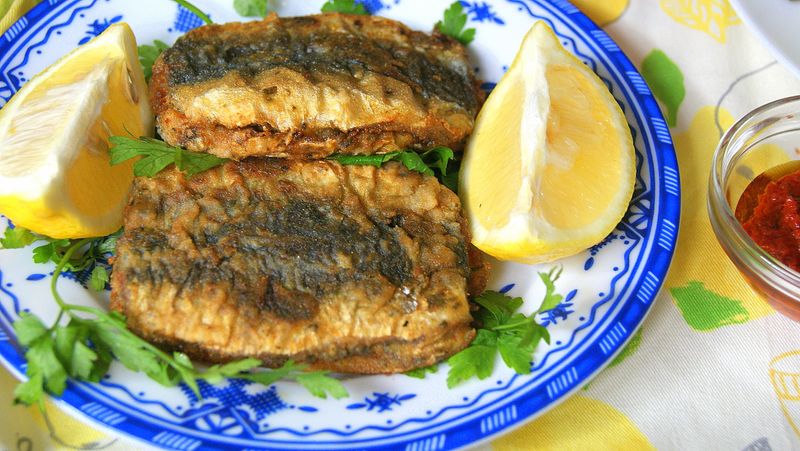
Sardines are a staple along Morocco's Atlantic coast, and stuffing them with chermoula before frying is one of the most popular ways to prepare them. Fresh sardines get butterflied open, filled with a vibrant paste of herbs and spices, then sandwiched together and fried until crispy.
The outside becomes beautifully crunchy while the herb filling stays fragrant and moist inside. They cook in just minutes and taste absolutely fresh and bright.
Serve with a wedge of lemon and a simple salad alongside.
16. Moroccan Mint Tea

Moroccan mint tea is not just a drink, it is a ritual. Gunpowder green tea is brewed strong, then combined with a generous handful of fresh spearmint and a shocking amount of sugar before being poured dramatically from a height to create a frothy top.
Offering tea to guests is a sign of hospitality so important that refusing it is considered rude. Making it at home takes practice to get the balance of sweet and minty just right.
Serve it in small decorative glasses for the full effect.
17. Moroccan Semolina Bread (Khobz)
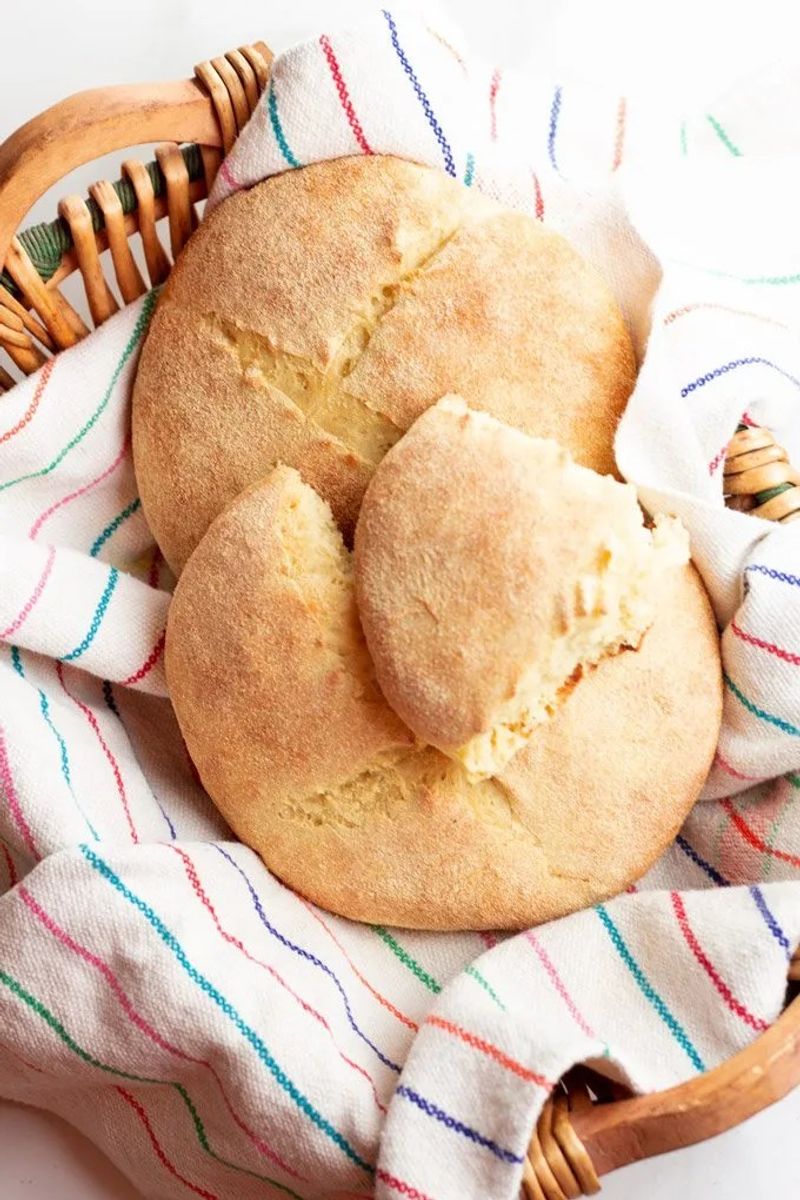
Khobz is the round, slightly dense bread that appears at every single Moroccan meal without exception. Made with a blend of white flour and semolina, it has a satisfying chew and a golden crust that holds up beautifully to sauces and dips.
The dough comes together easily and rises in about an hour before being baked in a very hot oven. Many Moroccan families still take their dough to a neighborhood communal oven called a ferran.
Making it at home fills the kitchen with the most wonderful smell.
18. Chicken Pastilla with Vermicelli
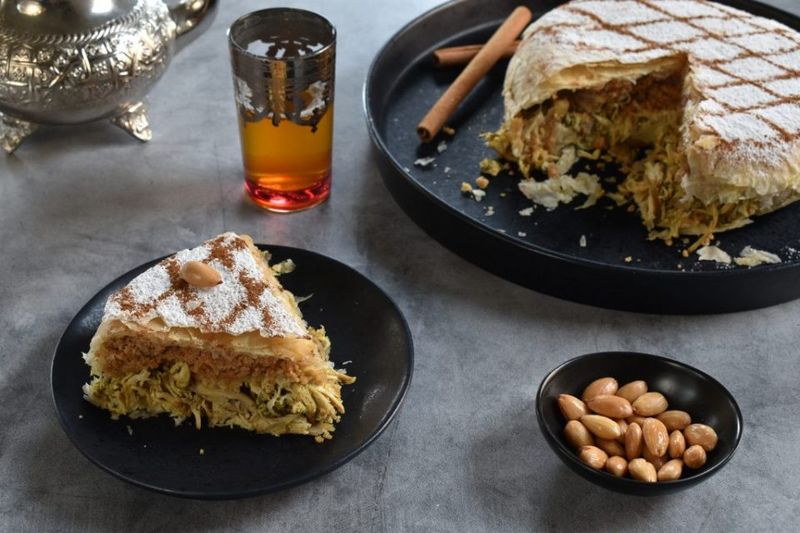
This version of pastilla swaps almonds for thin vermicelli noodles, creating a dish with a wonderfully different texture that is popular at Moroccan weddings and celebrations. The crispy phyllo exterior gives way to a soft, spiced chicken and noodle filling inside.
Fried vermicelli noodles mixed with milk, sugar, and cinnamon create an unexpectedly creamy layer that contrasts with the savory chicken beautifully. It sounds elaborate, but each step is manageable on its own.
The result looks stunning and tastes even better than it looks.
19. Moroccan Lentil and Vegetable Soup
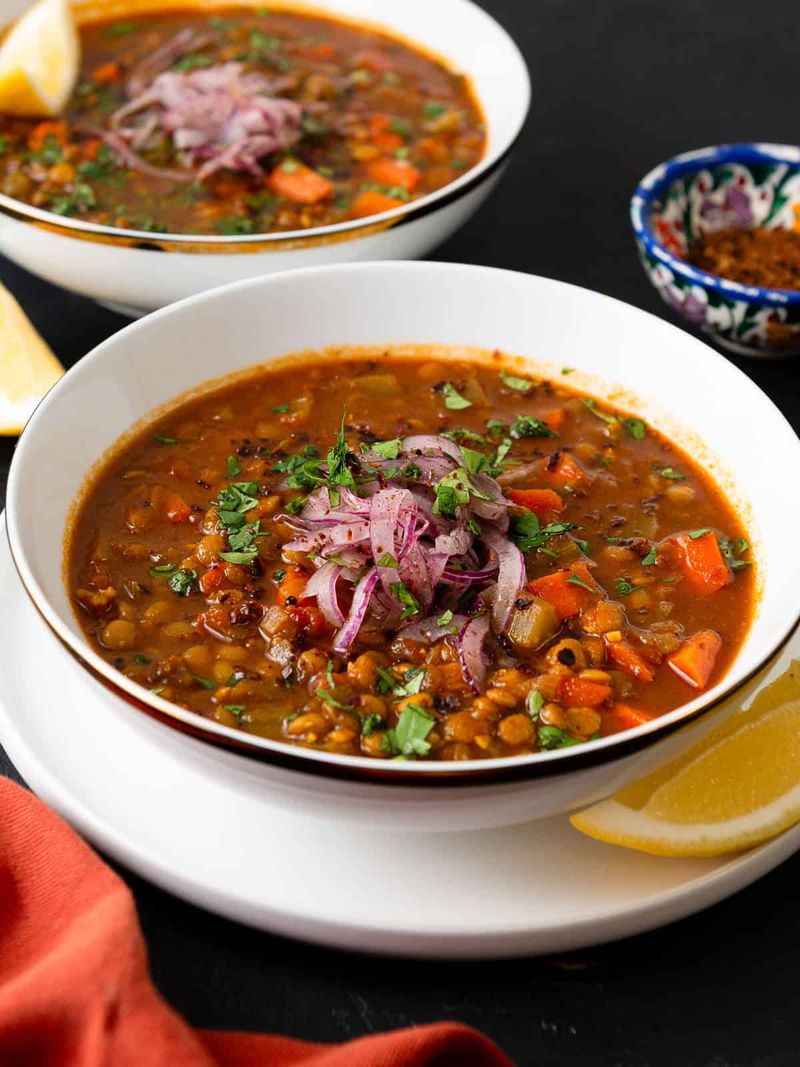
On cold evenings, a pot of Moroccan lentil soup simmering on the stove is pure magic. Red or green lentils cook down with tomatoes, carrots, celery, garlic, and a powerful mix of cumin, turmeric, and paprika into a thick, nourishing bowl of goodness.
Unlike French lentil soups, the Moroccan version leans heavily on warm spices and fresh cilantro for its personality. It is naturally vegan, budget-friendly, and comes together in under forty-five minutes.
A spoonful of harissa stirred in adds welcome heat.
20. Mechoui (Slow-Roasted Spiced Lamb)
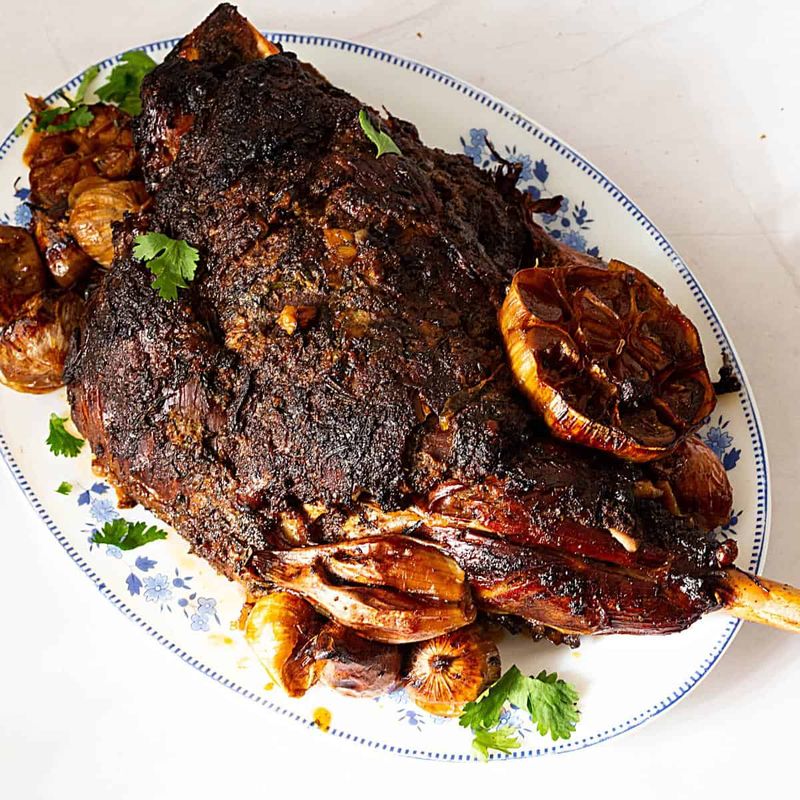
Mechoui is the Moroccan version of a whole roasted lamb, traditionally cooked in an underground pit during celebrations and festivals. At home, a lamb shoulder or leg slow-roasted in the oven gets surprisingly close to the real thing.
The meat is rubbed generously with butter, cumin, and coriander, then roasted low and slow for several hours until it falls apart with the gentlest pull. Guests traditionally eat it with their hands, dipping each piece in a small bowl of cumin salt.
It is festive, generous, and unforgettable.
21. Moroccan Honey and Almond Briouat
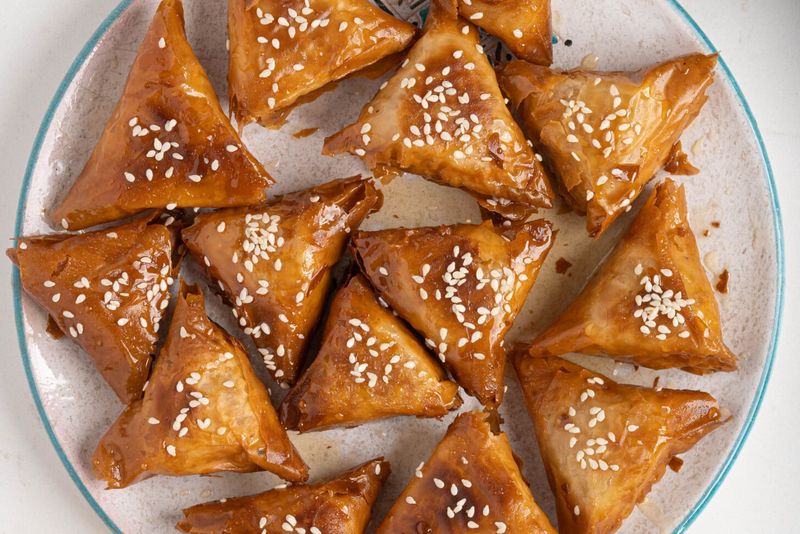
Briouats are Morocco's answer to the perfect sweet bite, little phyllo pastry parcels filled with a fragrant almond and honey paste and fried until shatteringly crispy. They appear at every celebration, from weddings to Ramadan iftar tables.
The filling is made from ground almonds, honey, orange blossom water, and cinnamon, which gives each bite a floral sweetness that is completely addictive. Rolling them into tight triangles takes a bit of practice but becomes second nature quickly.
Drizzle warm honey over the finished briouats for extra indulgence.




Comments
No Comments