













Food has a magical way of surprising us when we least expect it. Some meals look strange, smell unusual, or come with a wild backstory, yet one bite can completely change your mind.
From street food stalls in Asia to cozy kitchens in Europe, the world is packed with dishes that are as fascinating as they are delicious. Get ready to explore 21 meals that will have your taste buds begging for more.
1. Bibimbap from South Korea
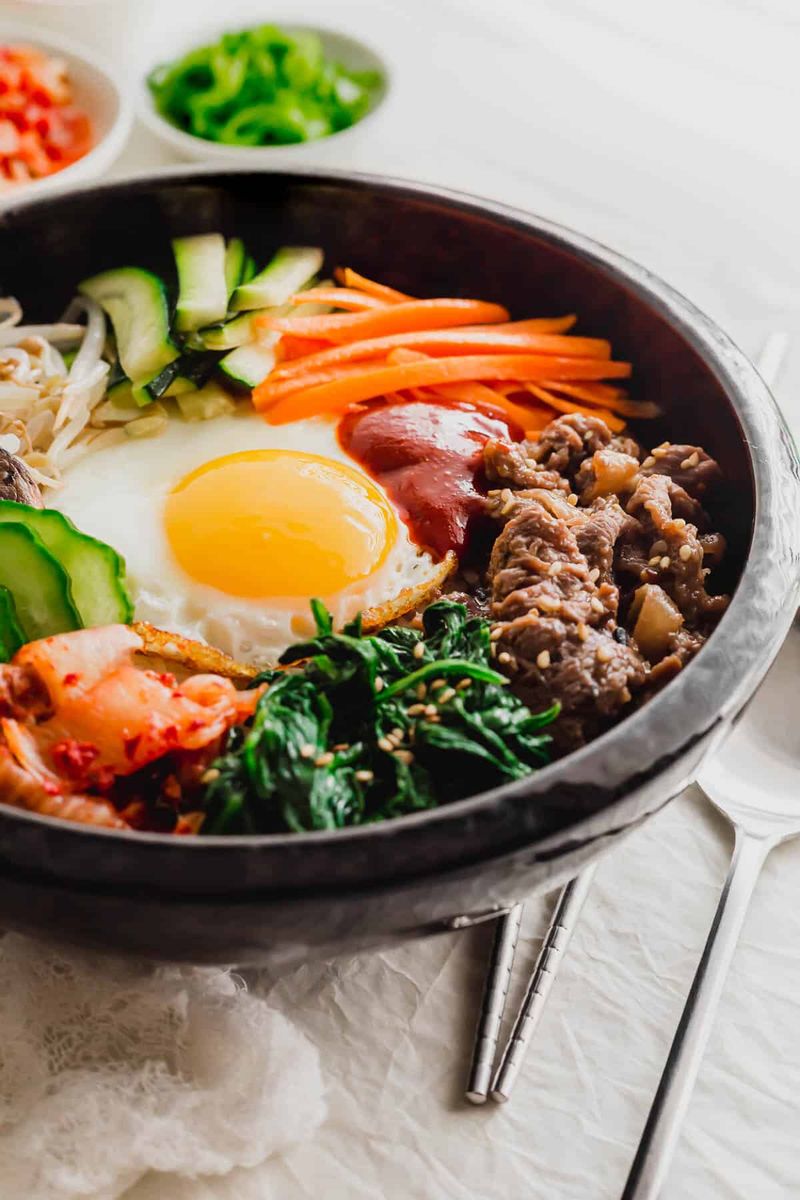
Picture a bowl so vibrant it looks like edible art. Bibimbap is a Korean rice dish loaded with seasoned vegetables, a perfectly fried egg, and a spoonful of spicy gochujang paste.
You mix everything together before eating, which makes every bite uniquely flavored.
The word bibimbap literally means "mixed rice" in Korean. It has been enjoyed for centuries and was even served to Korean royalty.
Whether you eat it in a sizzling stone pot or a regular bowl, this meal never gets boring.
2. Poutine from Canada
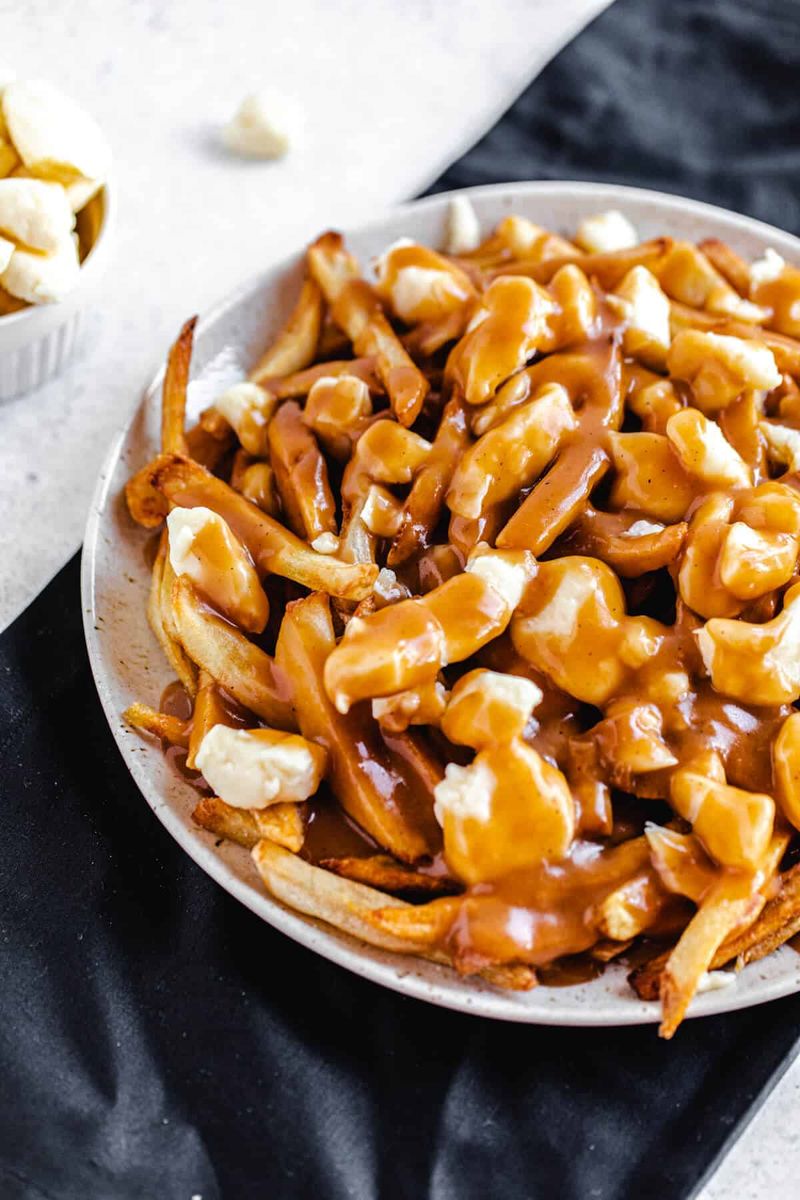
Fries, gravy, and cheese curds might sound simple, but together they create something almost magical. Poutine is a beloved Canadian comfort food that originated in Quebec during the 1950s.
The squeaky cheese curds slowly melt under the warm, savory gravy, creating a rich and satisfying combination.
Late-night diners and food trucks across Canada serve poutine around the clock. It is hearty, filling, and incredibly hard to stop eating once you start.
Toppings like pulled pork or bacon can make it even more indulgent.
3. Mole Poblano from Mexico
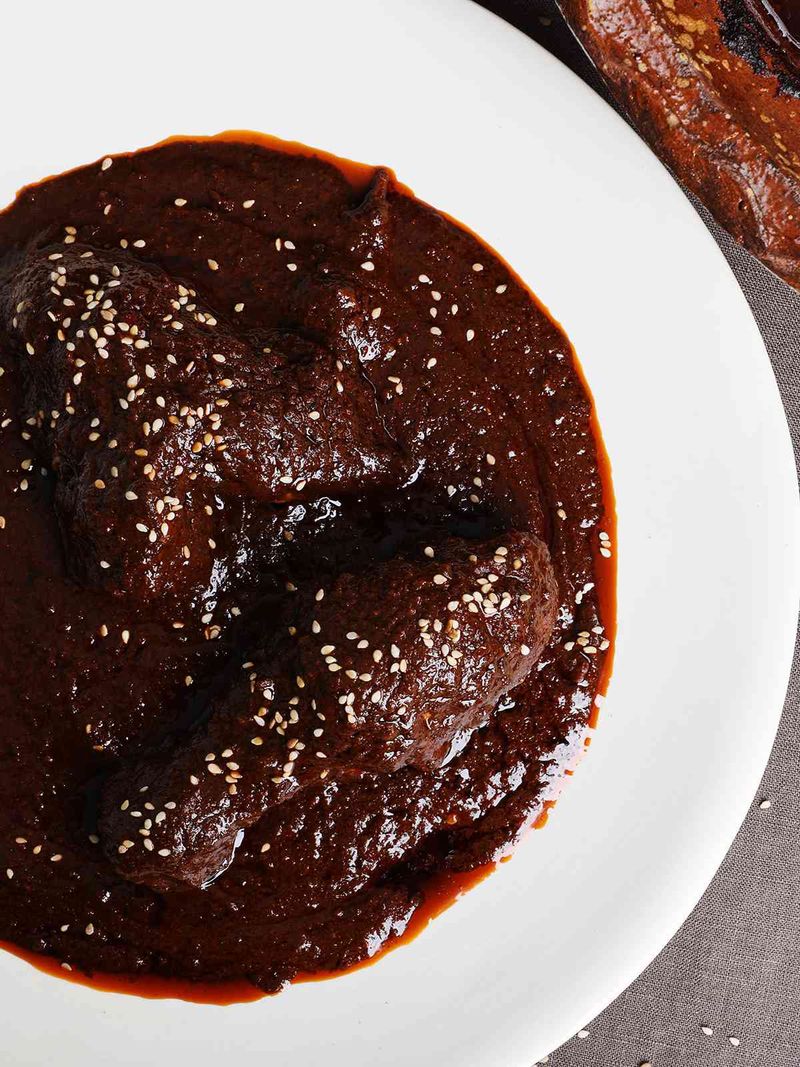
Chocolate in a savory sauce might raise an eyebrow, but mole poblano has been winning people over for hundreds of years. This thick, dark Mexican sauce blends dried chilies, spices, and a small amount of dark chocolate into something deeply complex and satisfying.
It is most commonly served over chicken or turkey.
Making mole from scratch can take an entire day, which is why it is often reserved for special celebrations. The flavor is smoky, slightly sweet, and wonderfully layered.
One taste and you will understand why it holds a cherished spot in Mexican culinary history.
4. Shakshuka from North Africa
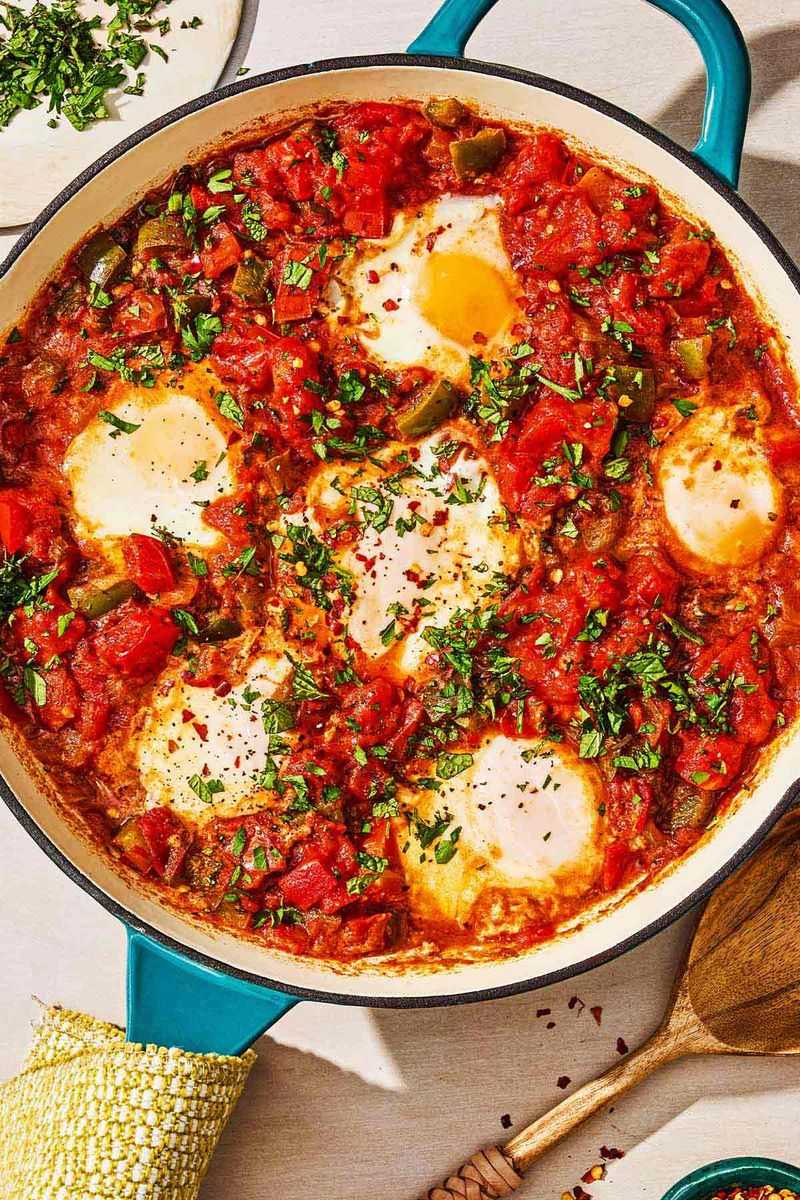
Eggs poached directly in a bubbling, spiced tomato sauce sounds simple, but shakshuka delivers bold flavor in every spoonful. Popular across North Africa and the Middle East, this dish is commonly eaten for breakfast, though it works perfectly at any meal.
Crusty bread for dipping is basically a requirement.
The name shakshuka is believed to mean "all mixed up" in Arabic slang. Variations include adding feta cheese, spinach, or merguez sausage.
It is a one-pan wonder that comes together quickly, making it as practical as it is delicious.
5. Banh Mi from Vietnam
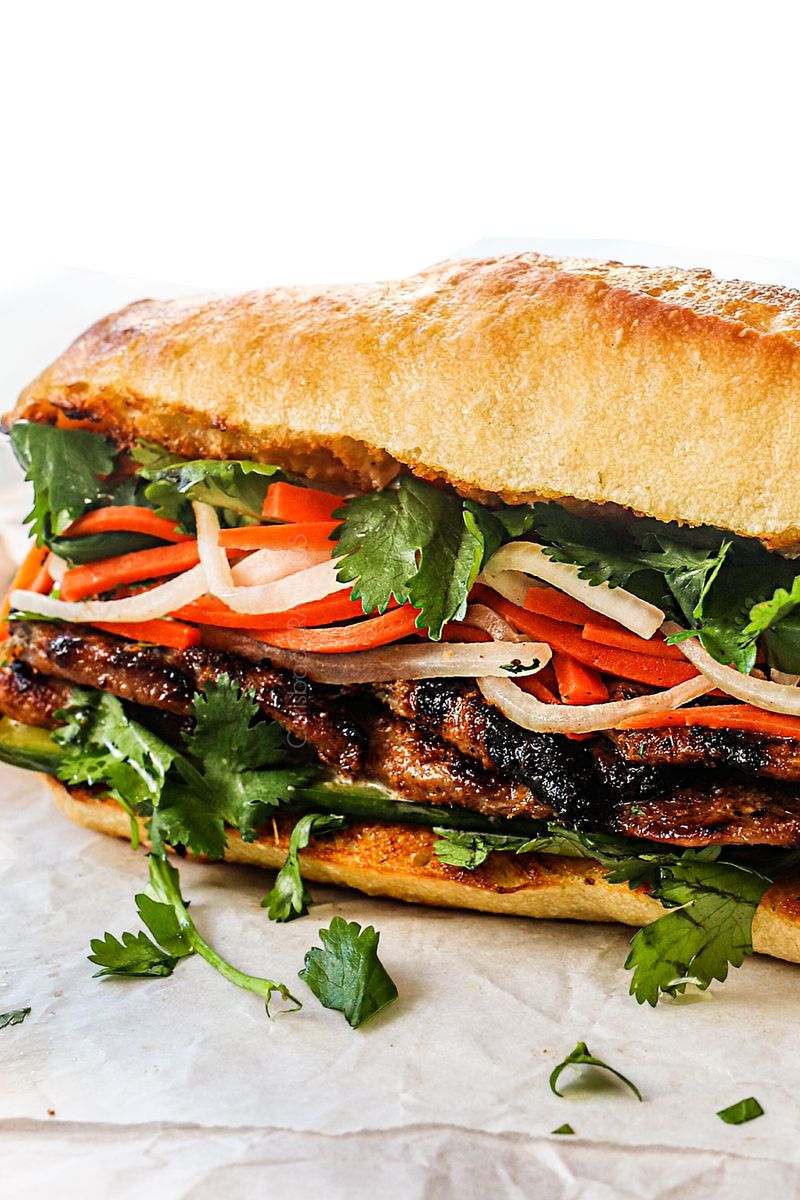
A French baguette stuffed with Vietnamese ingredients sounds like an unlikely pairing, but banh mi is proof that culinary mashups can be extraordinary. Crispy on the outside and soft inside, the bread holds layers of savory meat, tangy pickled vegetables, fresh herbs, and spicy chili.
Every bite delivers a crunch followed by a burst of contrasting flavors.
Banh mi became popular in Vietnam after French colonial influence introduced baguettes to the region. Street vendors sell them for just a few dollars, making them one of the world's most affordable gourmet experiences.
It is fast food at its most inspired.
6. Injera with Doro Wat from Ethiopia
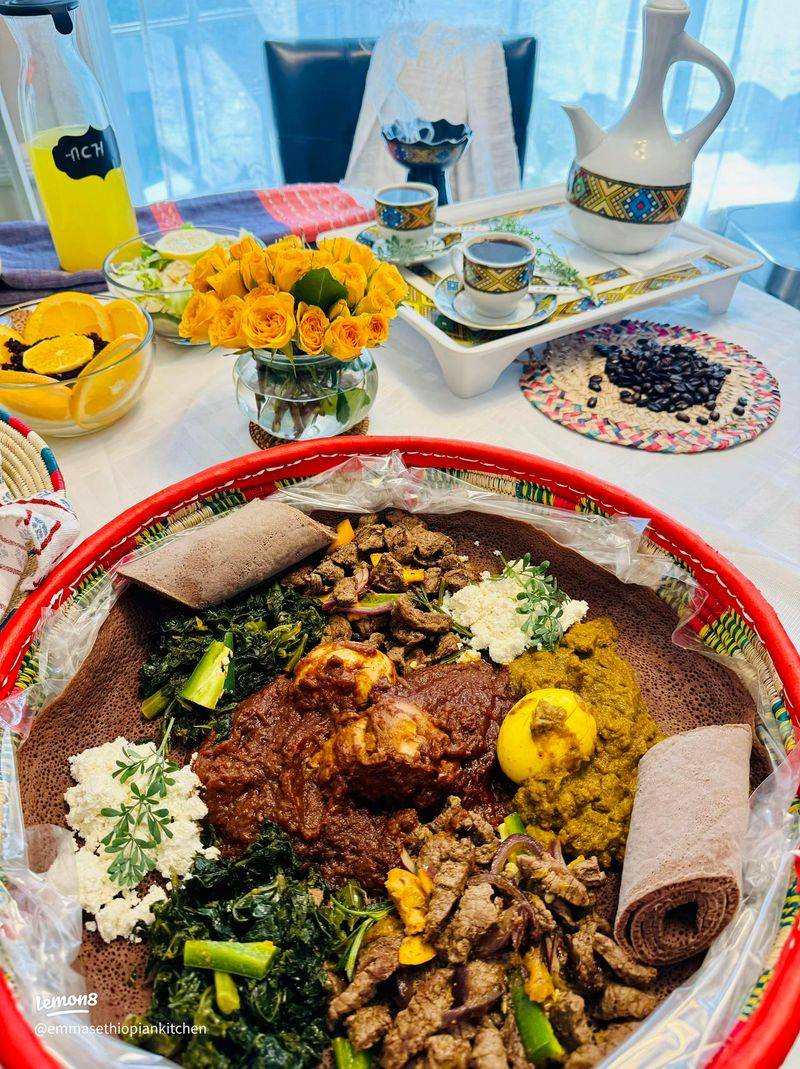
Eating with your hands feels surprisingly satisfying when injera is involved. This spongy, sour flatbread from Ethiopia doubles as both the plate and the utensil.
You tear off pieces and use them to scoop up doro wat, a deeply spiced chicken stew cooked with berbere spice blend and hard-boiled eggs.
Sharing a communal injera platter is a cherished Ethiopian tradition that brings people together. The slight tanginess of the bread balances the bold heat of the stew beautifully.
Food lovers around the world are increasingly discovering just how spectacular this combination truly is.
7. Takoyaki from Japan
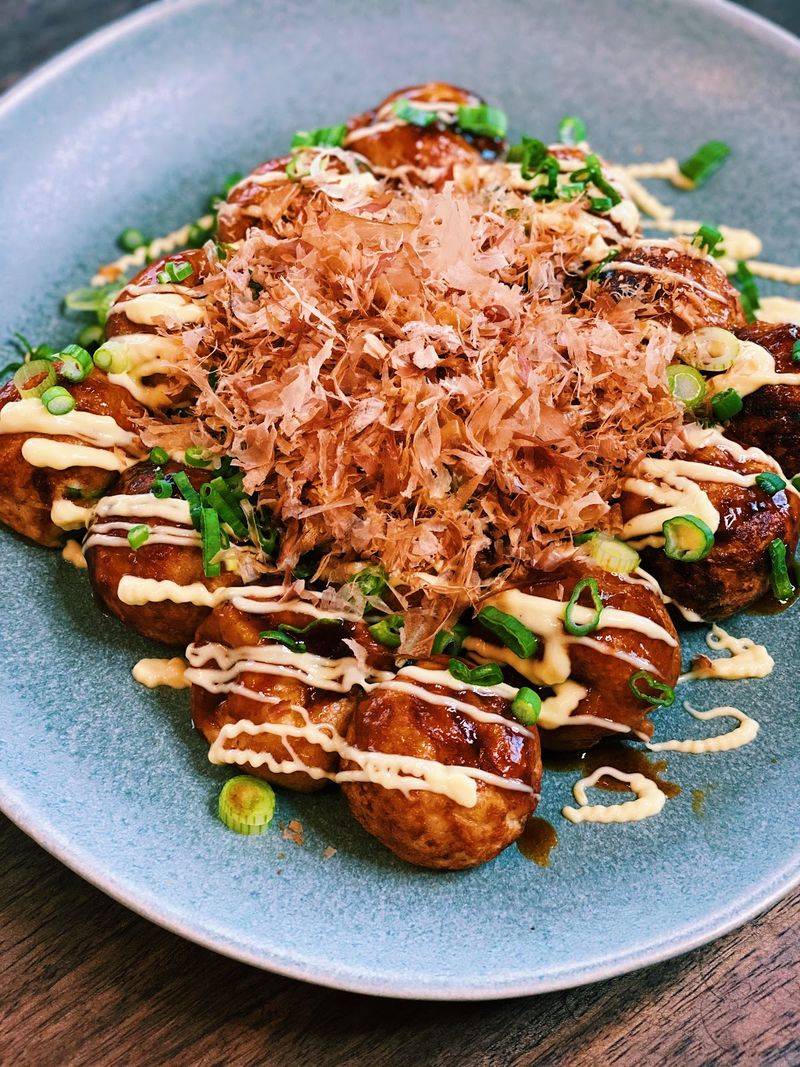
Watching bonito flakes dance on top of freshly made takoyaki is almost hypnotic. These golf ball-sized Japanese snacks are made from a savory batter filled with small pieces of octopus, then cooked in a special round mold until crispy outside and gooey inside.
A drizzle of sweet sauce and mayonnaise finishes them off perfectly.
Takoyaki originated in Osaka during the 1930s and remains a staple at Japanese festivals and street markets. The texture contrast between the crispy shell and soft, warm center is genuinely addictive.
First-timers often burn their tongues from eating them too quickly.
8. Pierogi from Poland
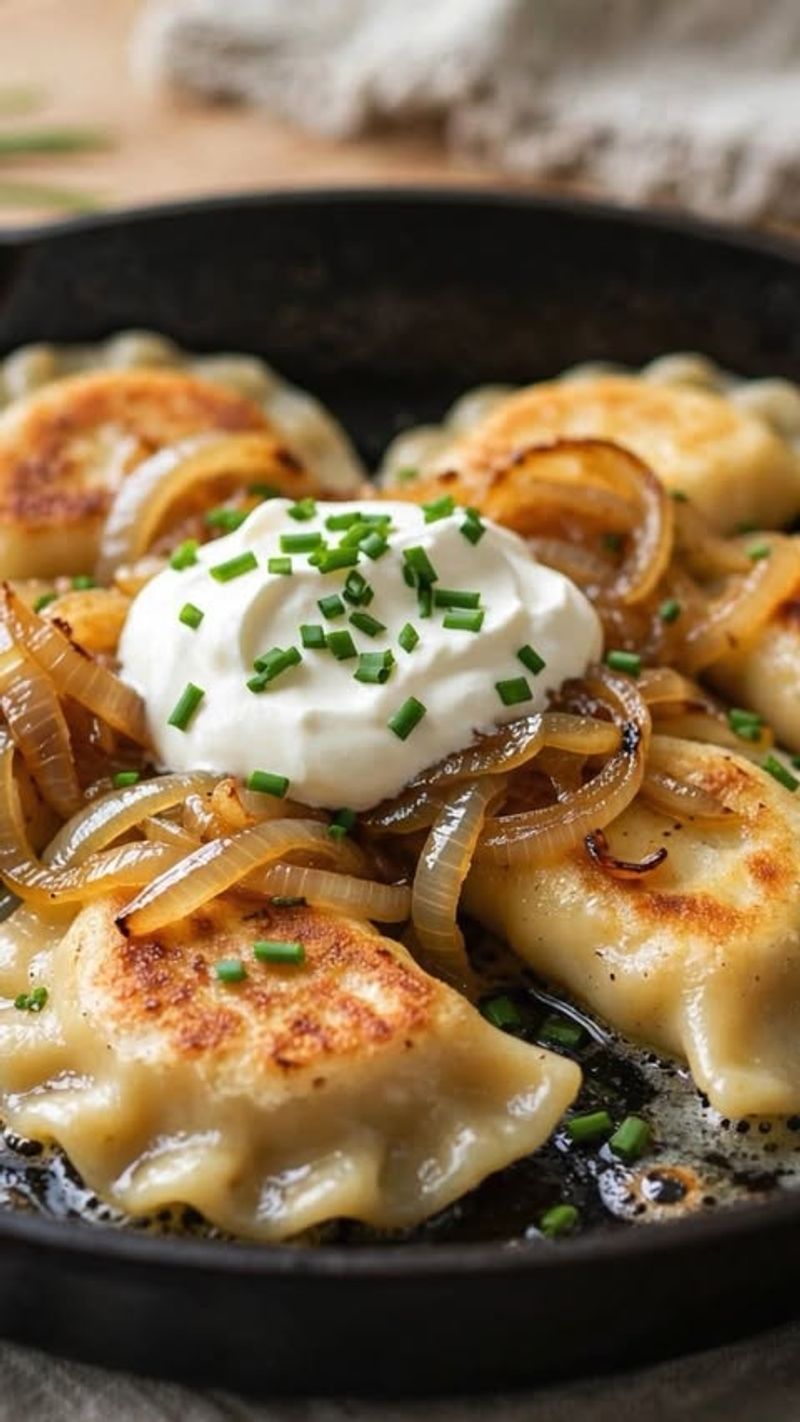
Few foods feel as comforting as a plate of soft, pillowy pierogi fresh from the pan. These Polish dumplings can be stuffed with mashed potato and cheese, sauerkraut and mushroom, or even sweet fruit fillings for dessert.
Pan-frying them in butter after boiling gives them a gorgeous golden crust.
Pierogi have been part of Polish culture for centuries and are considered a national dish. Grandmothers across Poland have their own closely guarded recipes passed down through generations.
Today, food festivals dedicated entirely to pierogi are held in cities across Poland and even in parts of North America.
9. Rendang from Indonesia
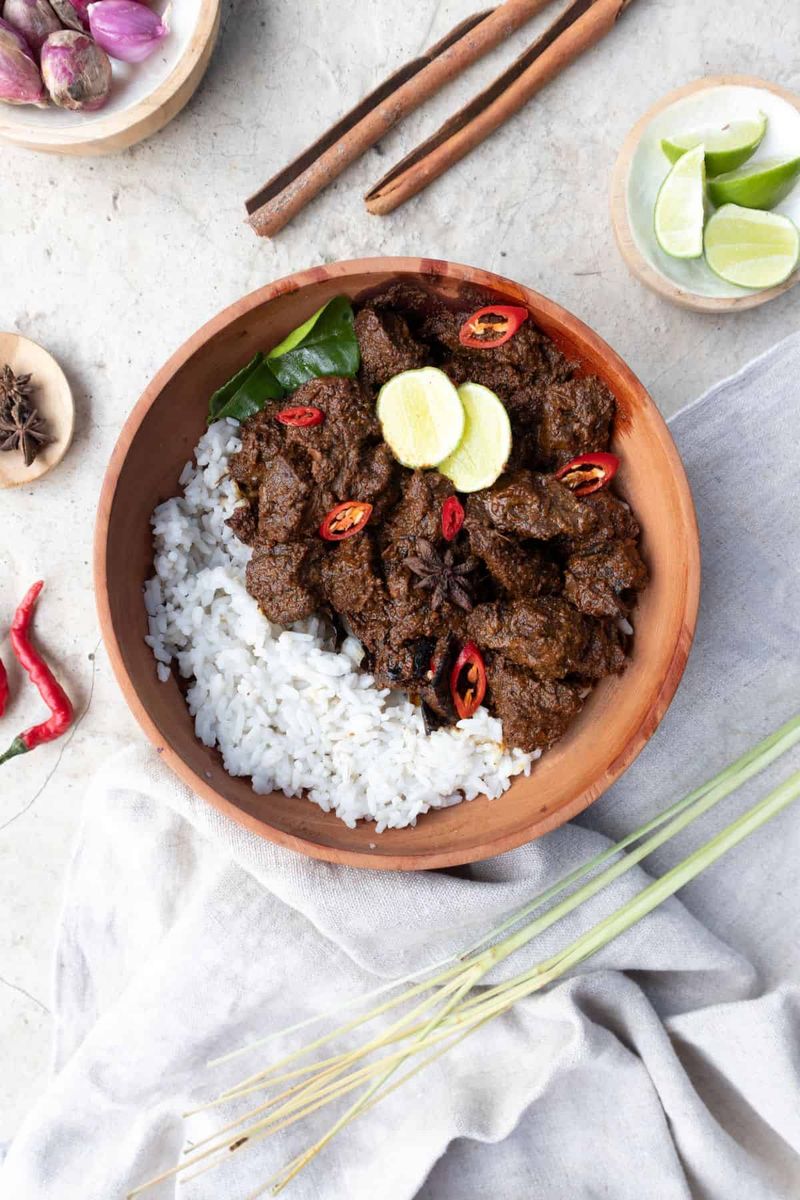
Slow-cooked until the coconut milk nearly disappears and the beef turns deeply caramelized, rendang is one of the most flavor-packed dishes on the planet. This Indonesian dry curry uses a blend of lemongrass, galangal, turmeric, chili, and coconut to create layers of warmth and richness.
The longer it cooks, the better it gets.
CNN Travel once named rendang the world's most delicious food in a global poll. It originated with the Minangkabau people of West Sumatra and is traditionally prepared for weddings and celebrations.
Served over steamed rice, it is the definition of a meal worth savoring slowly.
10. Goulash from Hungary
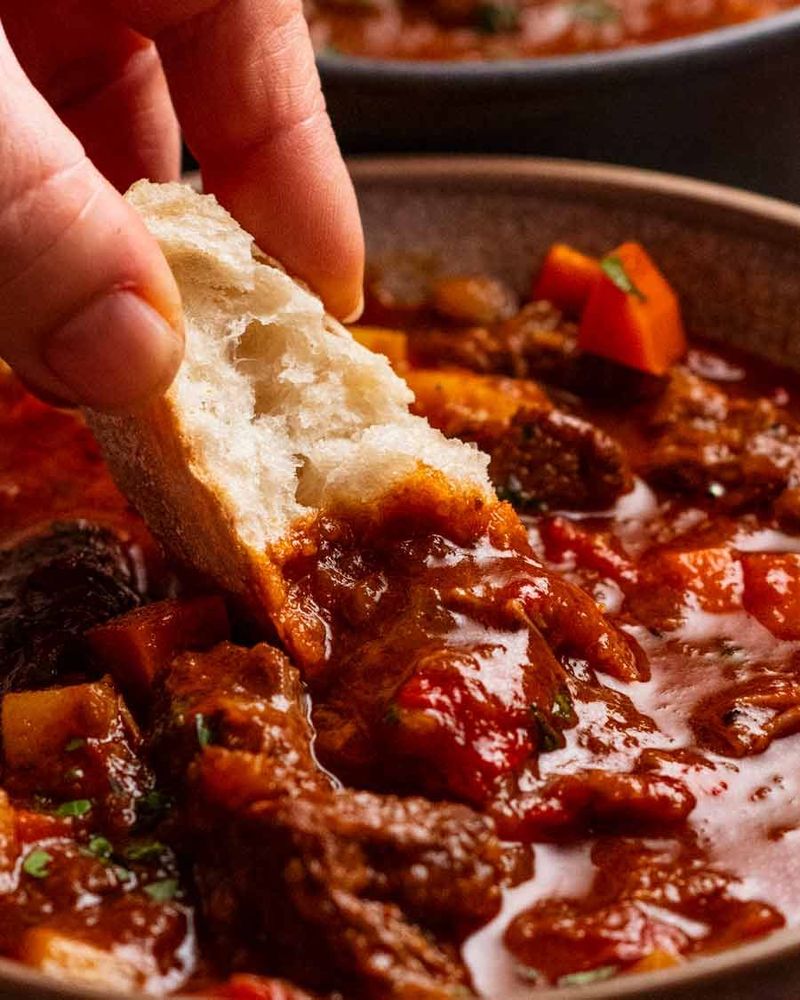
Hungary's most iconic dish carries the warmth of a thousand cold winter nights. Goulash is a hearty beef and vegetable stew seasoned generously with sweet Hungarian paprika, which gives it that unmistakable deep red color and slightly smoky flavor.
It is thick, filling, and deeply satisfying in every way.
Originally a meal prepared by Hungarian cattle herders called "gulyás," this dish has evolved into a celebrated national treasure. It is eaten across Central Europe with slight regional variations, but the Hungarian original remains the gold standard.
A bowl of goulash with fresh bread is a hug in food form.
11. Ceviche from Peru
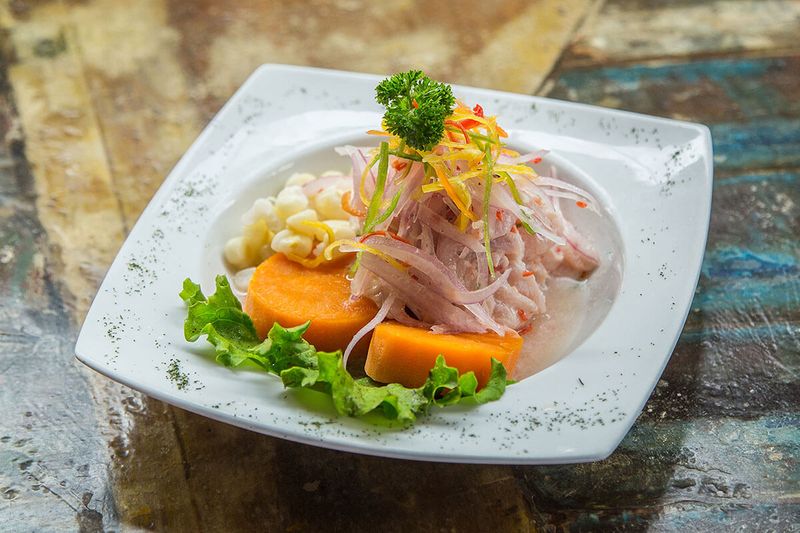
Raw fish "cooked" by citrus juice might sound unusual, but ceviche is one of the most refreshing dishes you will ever try. Fresh fish is marinated in lime juice until the acid changes its texture, then tossed with red onion, cilantro, and spicy aji amarillo chili.
The result is bright, tangy, and incredibly clean-tasting.
Peru considers ceviche a national treasure and even has a national holiday dedicated to it. The best ceviche is made with the freshest fish available and eaten as quickly as possible.
Served alongside corn and sweet potato, it balances heat, acidity, and sweetness in a remarkable way.
12. Tagine from Morocco
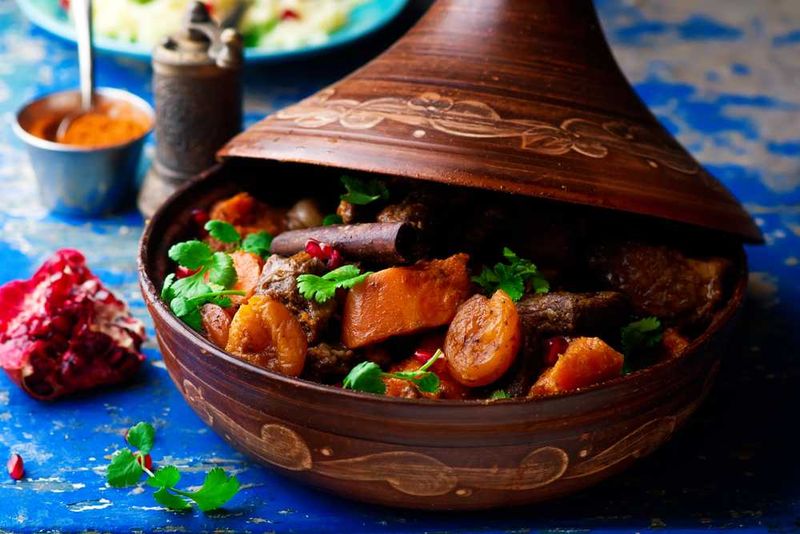
There is something almost ceremonial about lifting the conical lid off a Moroccan tagine and releasing that cloud of spiced steam. Named after the clay pot it is cooked in, tagine typically combines slow-braised meat with dried fruits, olives, preserved lemons, and warming spices like cinnamon and cumin.
Sweet and savory flavors intertwine beautifully.
The tagine pot design is ancient and brilliantly practical, allowing steam to circulate and keep the meat incredibly tender. Lamb, chicken, or vegetable versions are all equally wonderful.
Scooping up the sauce with warm Moroccan bread called khobz is an experience that stays with you long after the meal ends.
13. Pho from Vietnam
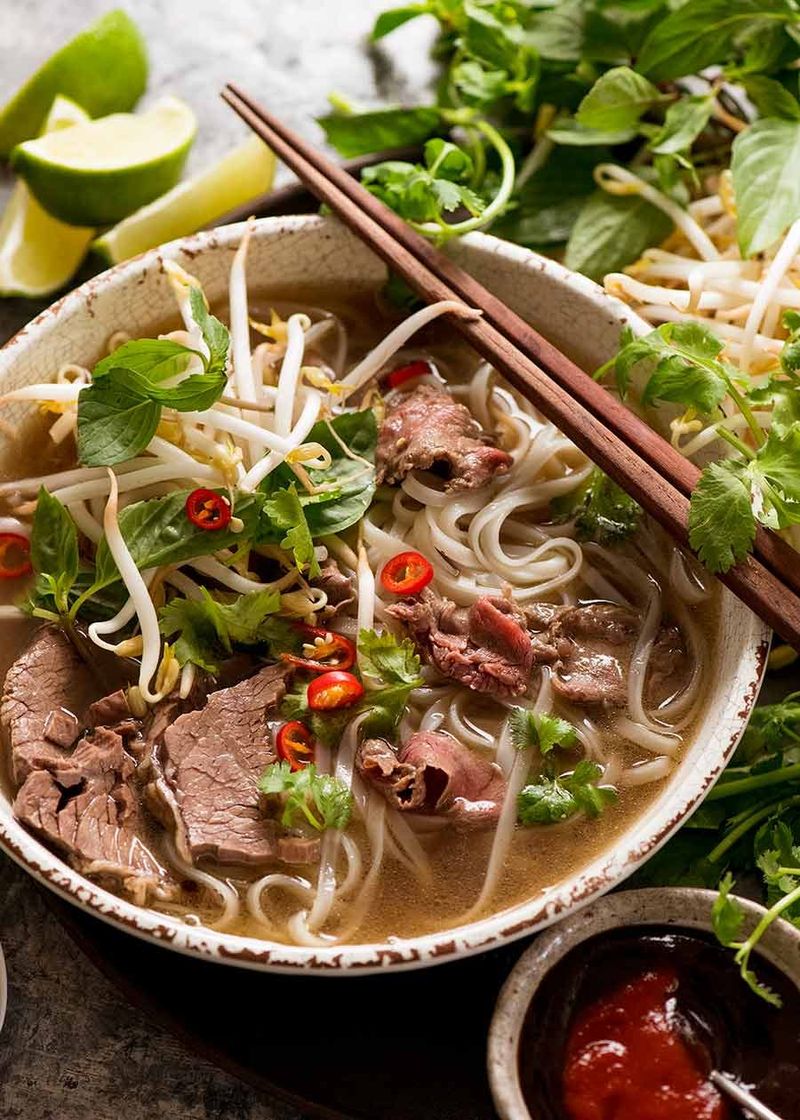
A bowl of pho arrives at the table looking deceptively simple, but the broth beneath those rice noodles has often been simmering for twelve hours or more. Vietnamese pho is built on a deeply aromatic bone broth infused with star anise, cinnamon, cloves, and charred ginger.
Thin slices of beef or chicken are added at the last moment.
Pho is considered the soul food of Vietnam, eaten morning, noon, and night by millions of people daily. A side plate of fresh herbs, bean sprouts, and lime lets you customize each bowl to your liking.
The ritual of building your perfect bowl is half the pleasure of eating it.
14. Ratatouille from France
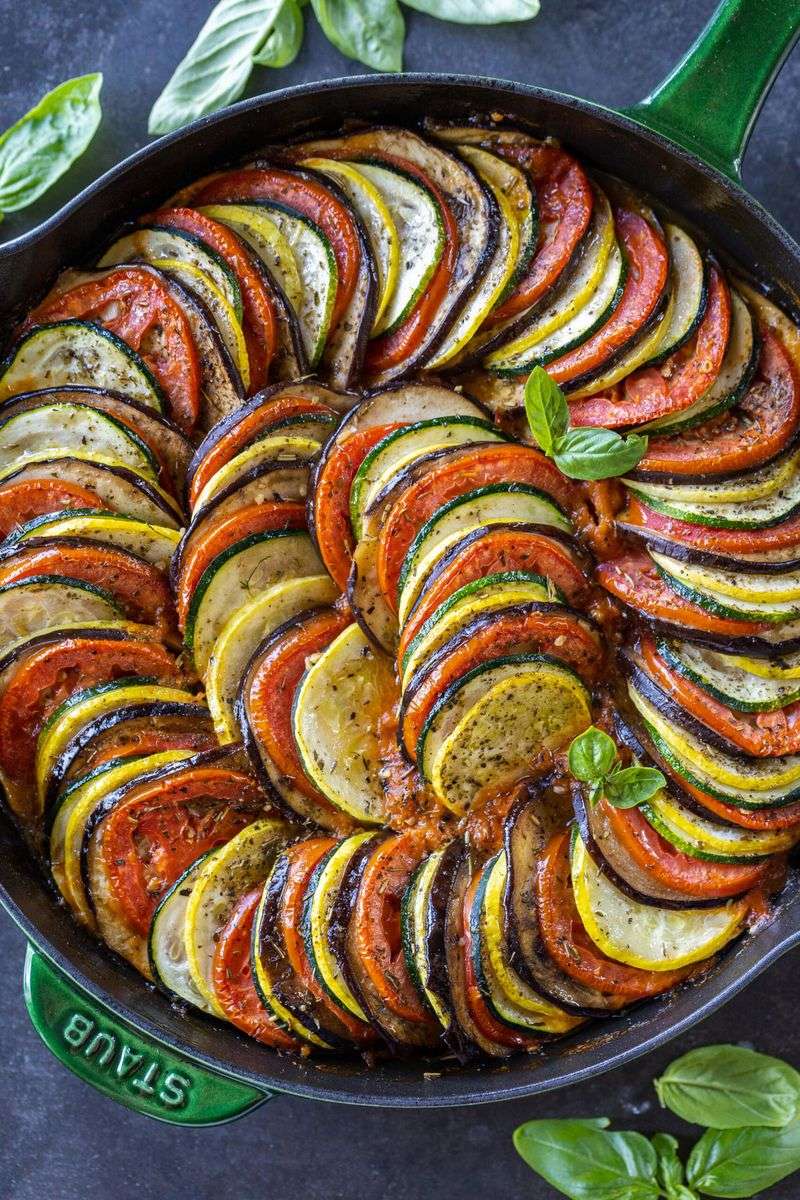
Long before the famous movie made it a household name, ratatouille was a humble Provencal dish made by French farmers to use up summer vegetables. Zucchini, eggplant, tomatoes, and bell peppers are slow-cooked with olive oil, garlic, and herbs until they meld into something far greater than the sum of their parts.
The modern "confit byaldi" version layers vegetables in thin rounds and looks almost too beautiful to eat. Ratatouille proves that simple ingredients, treated with patience and care, can produce genuinely elegant results.
It is equally delicious warm from the oven or served cold the next day.
15. Jerk Chicken from Jamaica
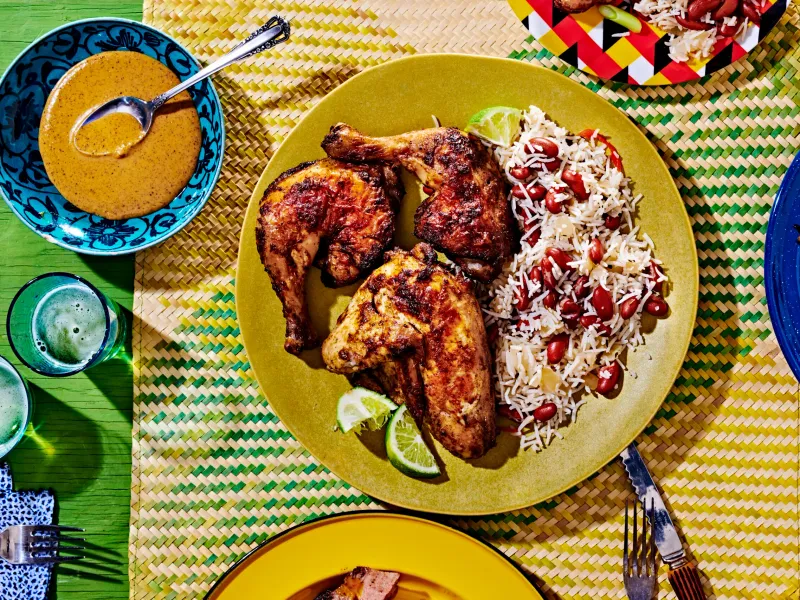
The smell of jerk chicken cooking over a pimento wood fire is enough to stop anyone in their tracks. Jamaica's most iconic dish starts with a fiery marinade of scotch bonnet peppers, allspice, thyme, garlic, and ginger that seeps deep into the meat before it hits the grill.
The result is smoky, spicy, and absolutely addictive.
Jerk cooking traces back to the Maroons, escaped enslaved people in Jamaica who developed the technique centuries ago. Roadside jerk stands are a beloved institution across the island, often run by families who guard their marinades closely.
Paired with rice and peas, it is a complete celebration on a plate.
16. Khachapuri from Georgia
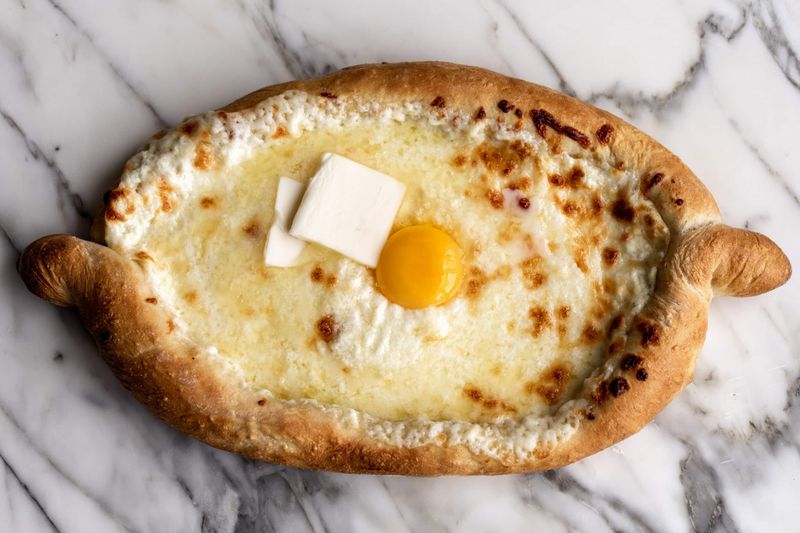
Imagine a bread boat filled to the brim with melted cheese, topped with a runny egg and a pat of butter that you stir together tableside. That is khachapuri, Georgia's extraordinary cheese-filled bread that has become a global food obsession.
The doughy edges are torn off and dunked into the gooey, rich filling.
Khachapuri is so central to Georgian culture that economists actually use its price as an informal measure of inflation, called the "Khachapuri Index." Every region of Georgia has its own version, but the Adjarian boat shape with the egg is the most dramatic and beloved. It is pure, unapologetic comfort food.
17. Pad Thai from Thailand
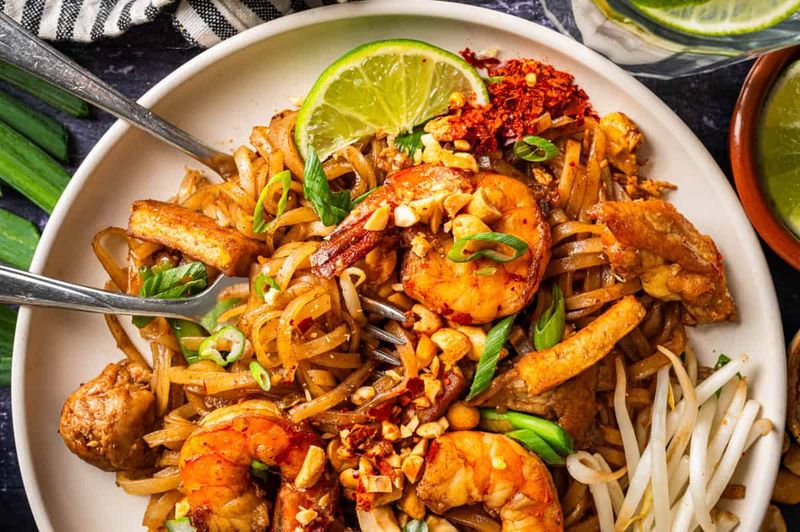
Pad Thai has earned its place as one of the world's most beloved noodle dishes for very good reason. Stir-fried rice noodles are tossed in a tamarind-based sauce with eggs, shrimp or tofu, crunchy bean sprouts, and a handful of crushed peanuts.
The balance of sweet, sour, salty, and nutty flavors is almost perfectly calibrated.
Thailand's government actually promoted pad thai in the 1930s as a way to reduce rice consumption and boost national identity. Street vendors cook it in blazing hot woks at lightning speed, and the smoky "wok hei" flavor is part of what makes it so special.
A squeeze of lime right before eating brightens the whole dish.
18. Borscht from Ukraine
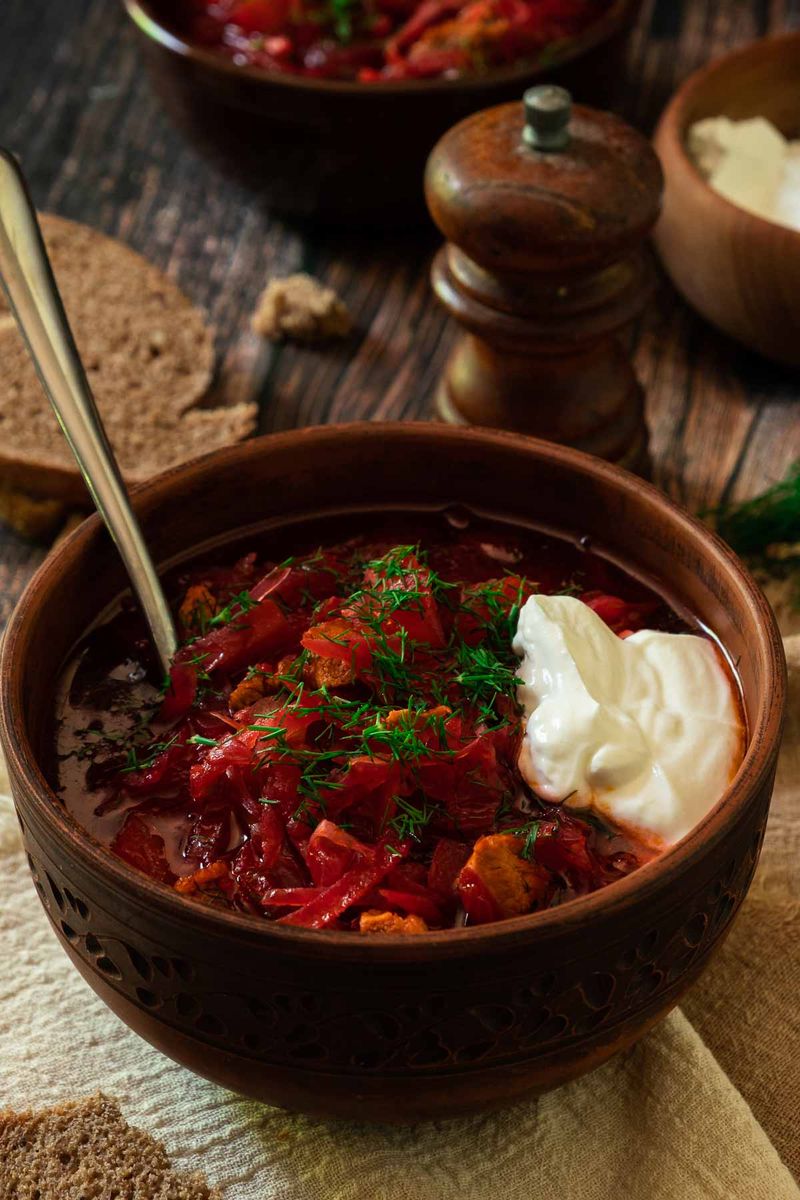
That stunning crimson color comes entirely from beets, and it makes borscht one of the most visually striking soups in the world. Ukrainian borscht is a hearty blend of beets, cabbage, potatoes, carrots, and often beef or pork, simmered together until the broth turns that deep, jewel-like red.
A spoonful of sour cream swirled on top adds a cool, creamy contrast.
Borscht has been a staple in Eastern European kitchens for centuries and carries deep cultural significance in Ukraine. Each family has its own treasured version, some adding beans, some leaving out meat entirely.
UNESCO recently added Ukrainian borscht-making culture to its list of intangible cultural heritage.
19. Mansaf from Jordan
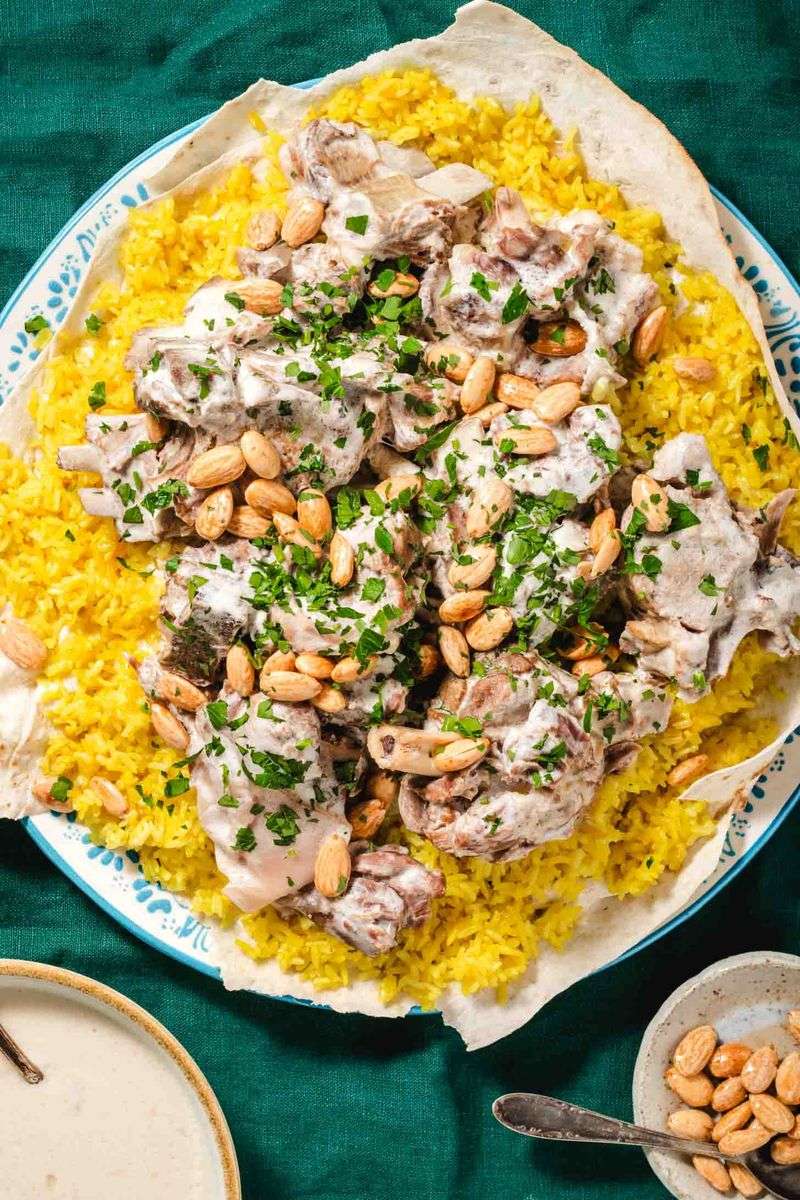
In Jordan, serving mansaf to a guest is one of the highest forms of hospitality. This grand dish features slow-cooked lamb served over a bed of saffron rice and flatbread, all drenched in jameed, a rich fermented dried yogurt sauce with a tangy, almost funky depth of flavor.
Toasted nuts scattered on top add a satisfying crunch.
Mansaf is Jordan's national dish and is served at weddings, funerals, and celebrations of all kinds. Traditionally, it is eaten standing around a communal platter using only the right hand.
The combination of tender lamb and the unique jameed sauce creates a flavor profile unlike anything else in Middle Eastern cuisine.
20. Arepas from Colombia
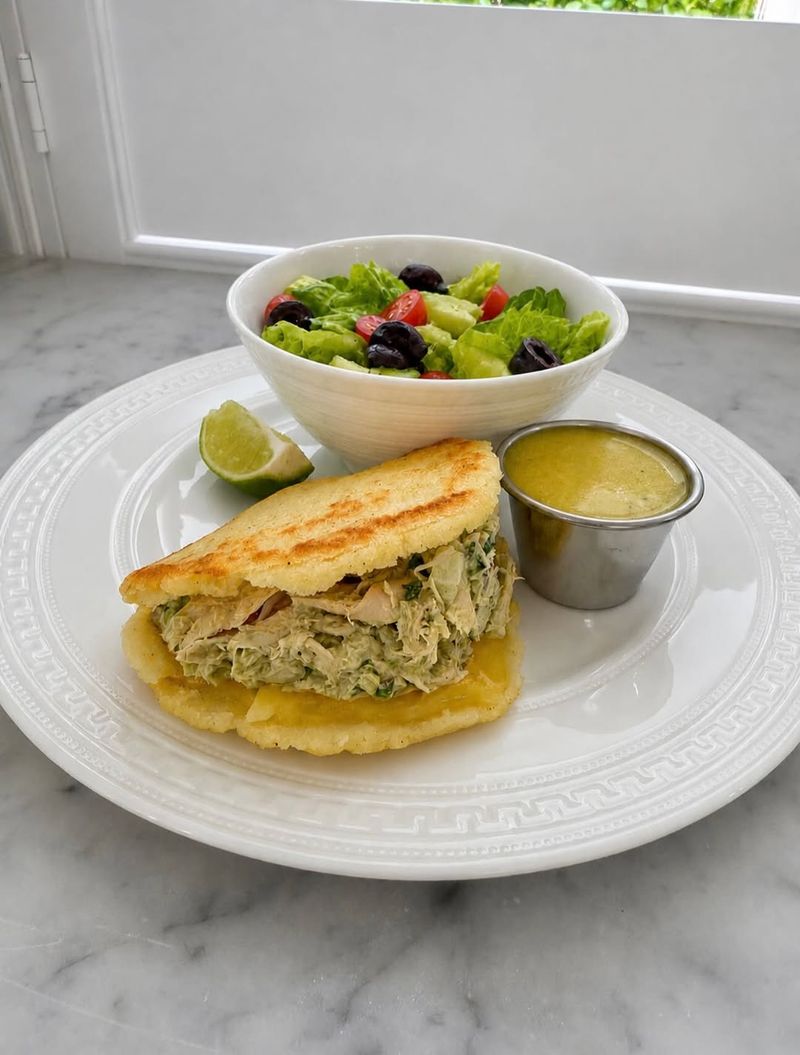
Soft, golden, and endlessly versatile, arepas are the kind of food that fits any meal of the day without apology. Made from ground corn dough and cooked on a griddle until a light crust forms, these Colombian staples can be stuffed with cheese, eggs, shredded meat, avocado, or basically anything your imagination allows.
The corn flavor is mild and slightly sweet.
Arepas have been a cornerstone of Colombian and Venezuelan cooking for thousands of years, with indigenous roots that predate European contact. Every region of Colombia has its own preferred style, thickness, and filling.
Eating a freshly made arepa hot off the griddle is one of those simple food pleasures that genuinely makes life better.
21. Okonomiyaki from Japan
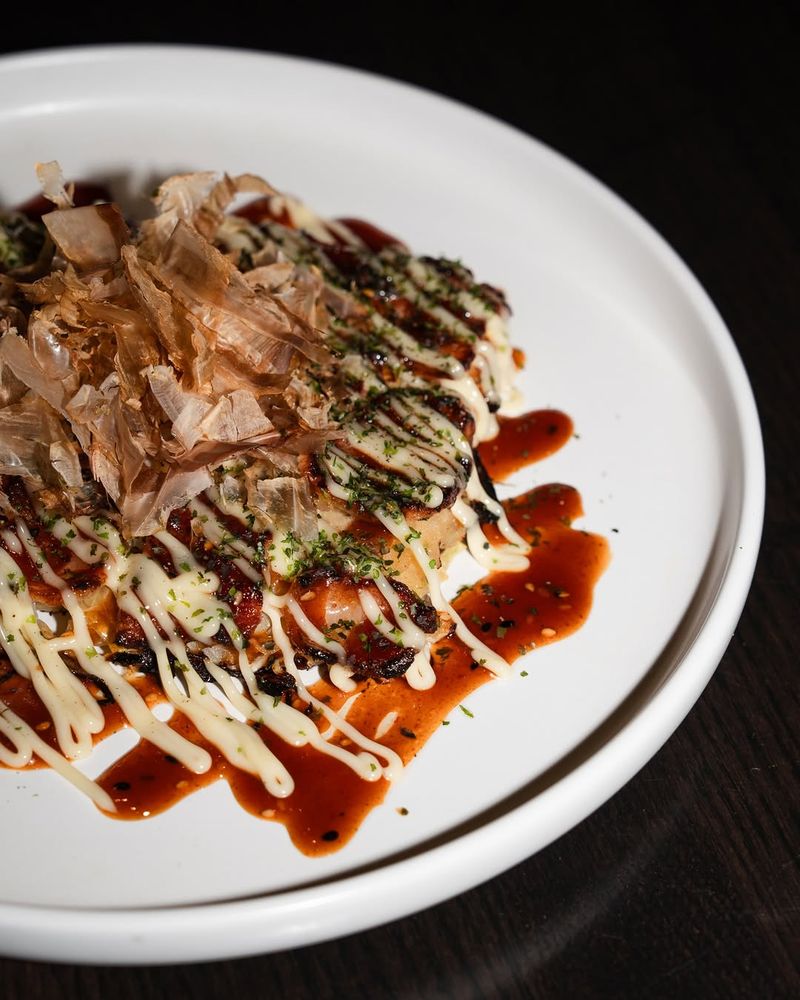
Okonomiyaki translates roughly to "cook what you like," and that freewheeling spirit is exactly what makes it so fun. This thick Japanese savory pancake is made from a batter of flour, eggs, shredded cabbage, and whatever mix-ins appeal to you, from shrimp to pork belly to cheese.
It is then topped with a sweet-savory sauce, mayo, and dancing bonito flakes.
Osaka and Hiroshima each claim their own distinct versions of okonomiyaki and debate passionately about which is superior. In many restaurants, diners cook their own portions on a built-in teppan grill at the table.
The whole experience is interactive, playful, and absolutely delicious from first bite to last.




Comments
No Comments