













Who says you need cream to make food taste luxurious and satisfying? There are so many clever, delicious ways to add that deep, velvety richness to your cooking without ever opening a carton of heavy cream.
Whether you are trying to eat dairy-free, lighten up your meals, or just use what you have on hand, these tricks will completely change the way you cook. Get ready to discover ingredients and techniques that bring serious flavor and body to any dish.
1. Coconut Milk
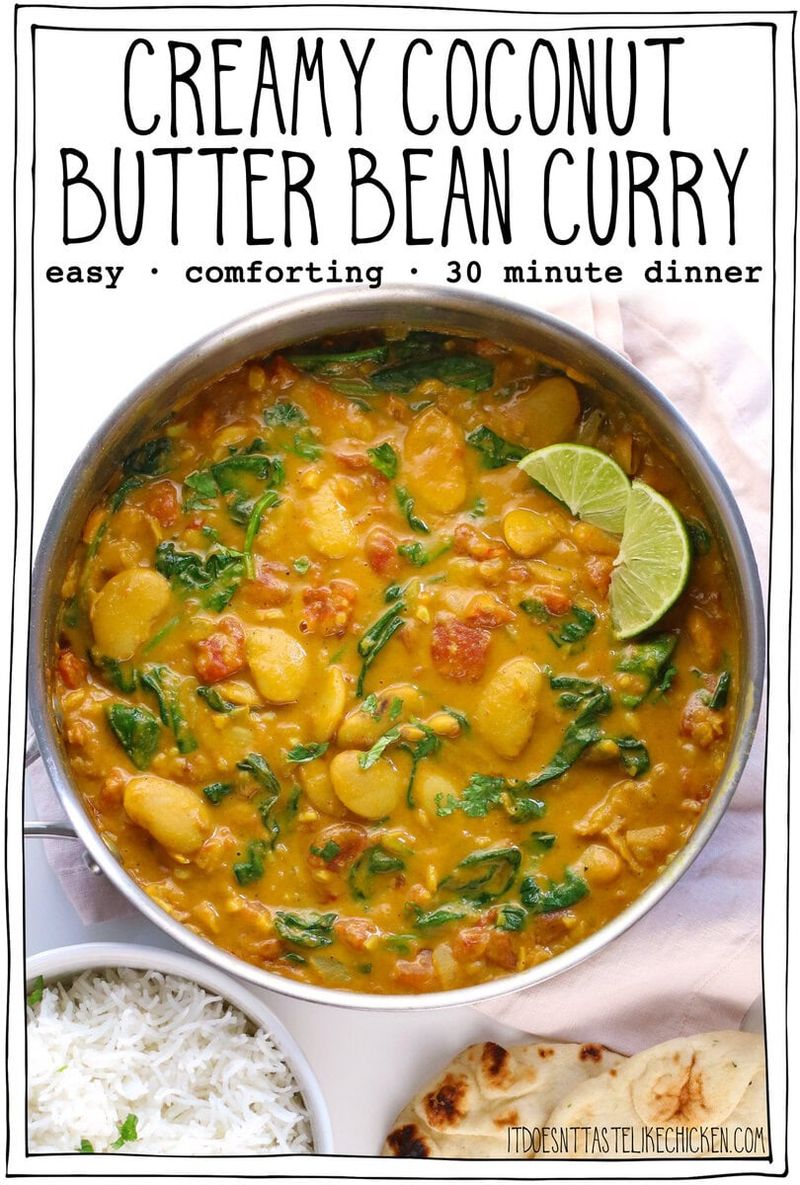
Full-fat coconut milk is one of the most satisfying swaps you will ever try. It brings a smooth, slightly sweet richness to soups, curries, and sauces that feels genuinely indulgent.
The fat content in coconut milk mimics the body that cream provides, without any dairy at all. Use it in a 1:1 ratio wherever cream is called for.
It works especially well in Thai and Indian-inspired dishes where its subtle tropical flavor fits right in.
2. Cashew Cream
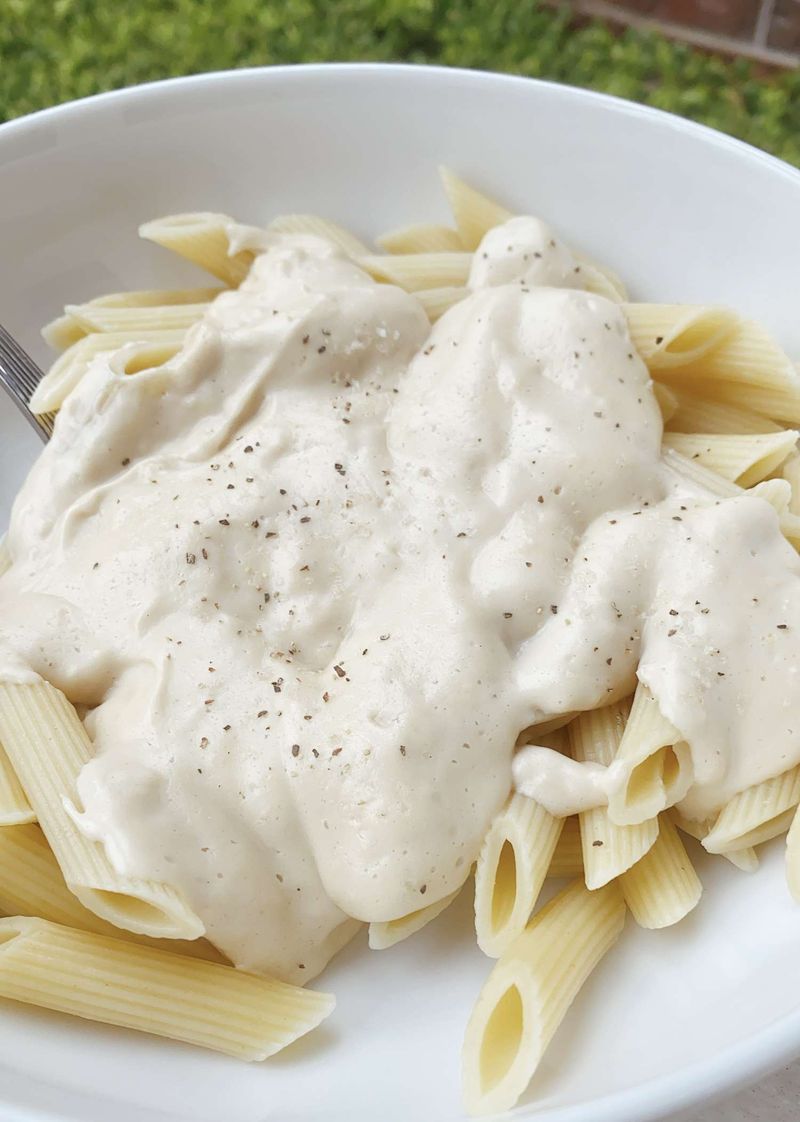
Soaking raw cashews overnight and blending them into a smooth paste creates one of the most versatile dairy-free creams imaginable. The texture is silky and thick, almost identical to heavy cream when thinned with water.
Cashew cream works beautifully in pasta sauces, soups, and even desserts. You can season it savory or sweet depending on what you are making.
Many professional chefs use it regularly as a secret weapon for adding body without heaviness.
3. Butter
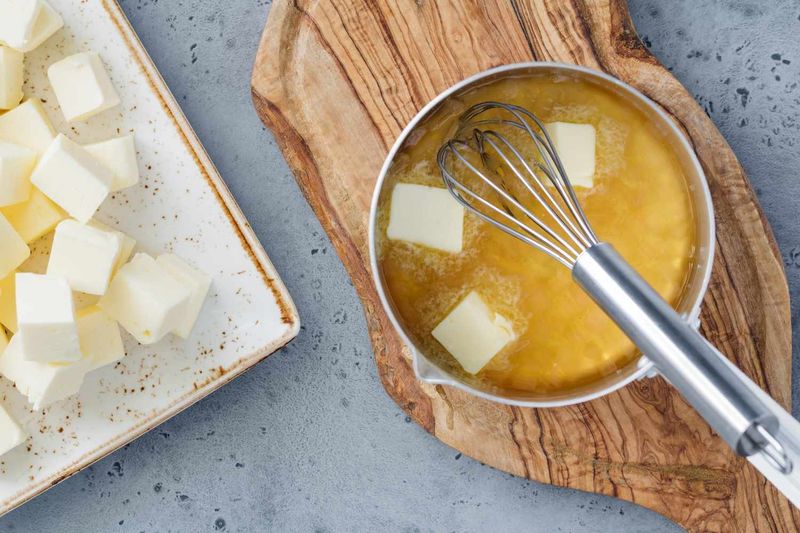
Butter is one of the oldest tricks in French cooking for finishing sauces with a glossy, velvety texture. A technique called "mounting" involves whisking cold butter into a warm sauce at the very end of cooking.
This creates an emulsion that coats the back of a spoon and delivers incredible richness. You do not need much, just a tablespoon or two does the job.
The result is a restaurant-quality sauce that feels luxurious without a drop of cream.
4. Egg Yolks
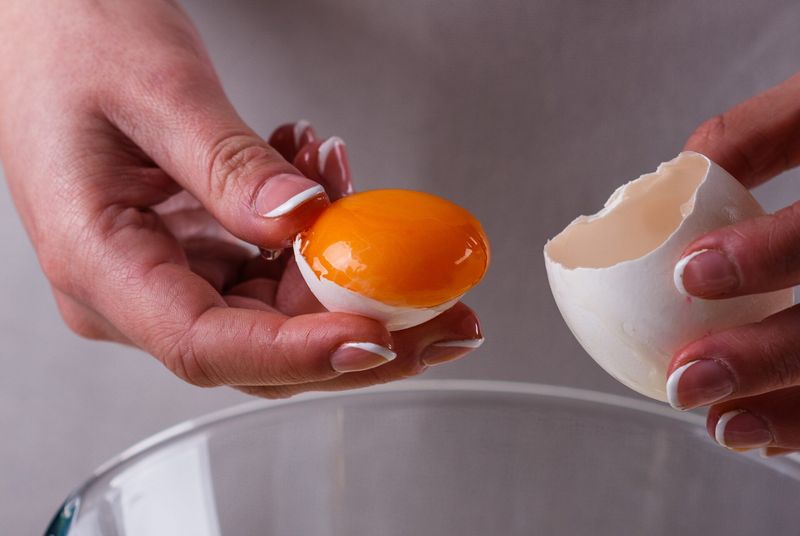
Egg yolks are a powerhouse ingredient when it comes to adding richness and body. Tempered carefully into a warm sauce or soup, they create a naturally thick, custardy texture that cream cannot always replicate.
Classic dishes like carbonara and hollandaise rely entirely on egg yolks for their signature lusciousness. The key is to add them slowly so they do not scramble.
Even a single yolk can transform a thin broth into something that feels genuinely hearty and satisfying.
5. Tahini
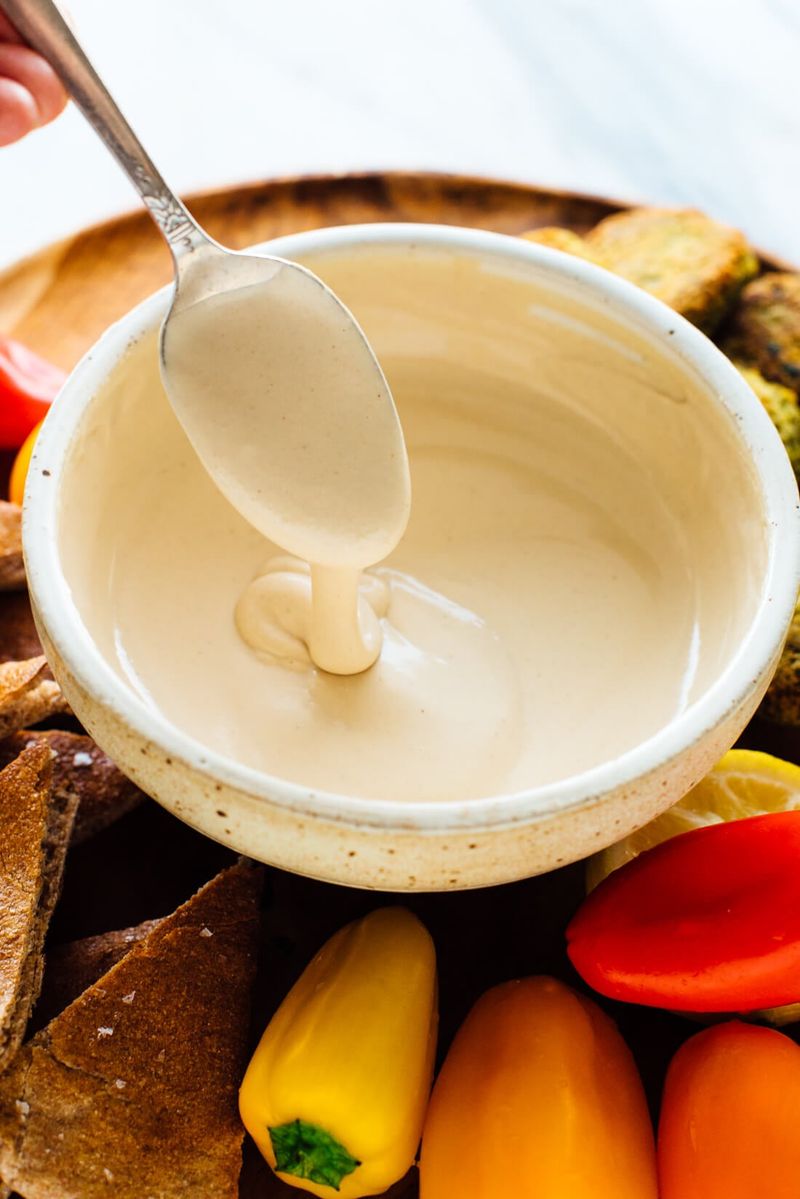
Made from ground sesame seeds, tahini has a nutty, earthy depth that adds instant richness to dressings, dips, and sauces. Stir it into soups or drizzle it over roasted vegetables for a satisfying, creamy finish.
When blended with lemon juice and a little water, tahini becomes incredibly silky and almost sauce-like in consistency. It is a staple in Middle Eastern cooking for good reason.
A single spoonful can completely transform a plain dish into something complex and deeply flavorful.
6. Pureed White Beans
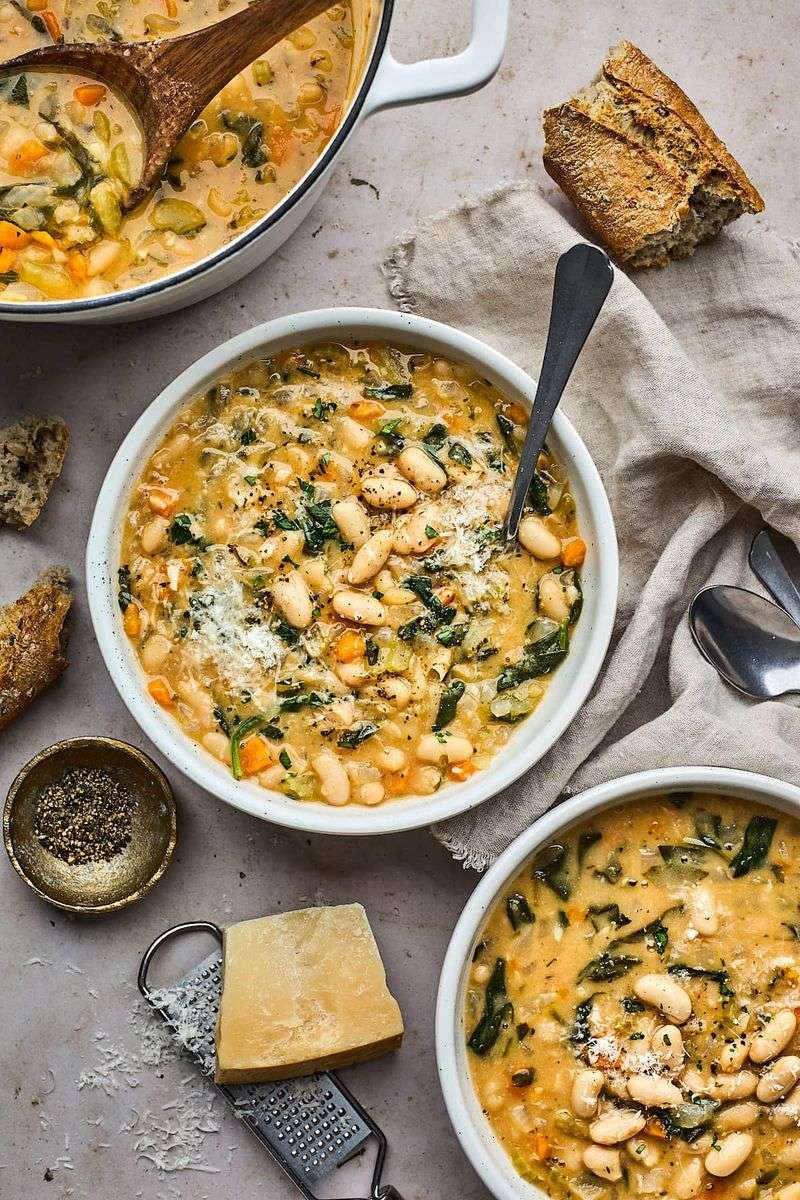
Blending a cup of cooked white beans and stirring the puree into soups or stews is a surprisingly effective way to create a thick, creamy consistency. The beans practically disappear into the dish while adding protein and fiber.
This trick works especially well in vegetable soups and minestrone, where the puree blends seamlessly with the existing flavors. It has no strong taste of its own.
Your guests will never guess the secret behind that wonderfully rich, velvety texture.
7. Nut Butters
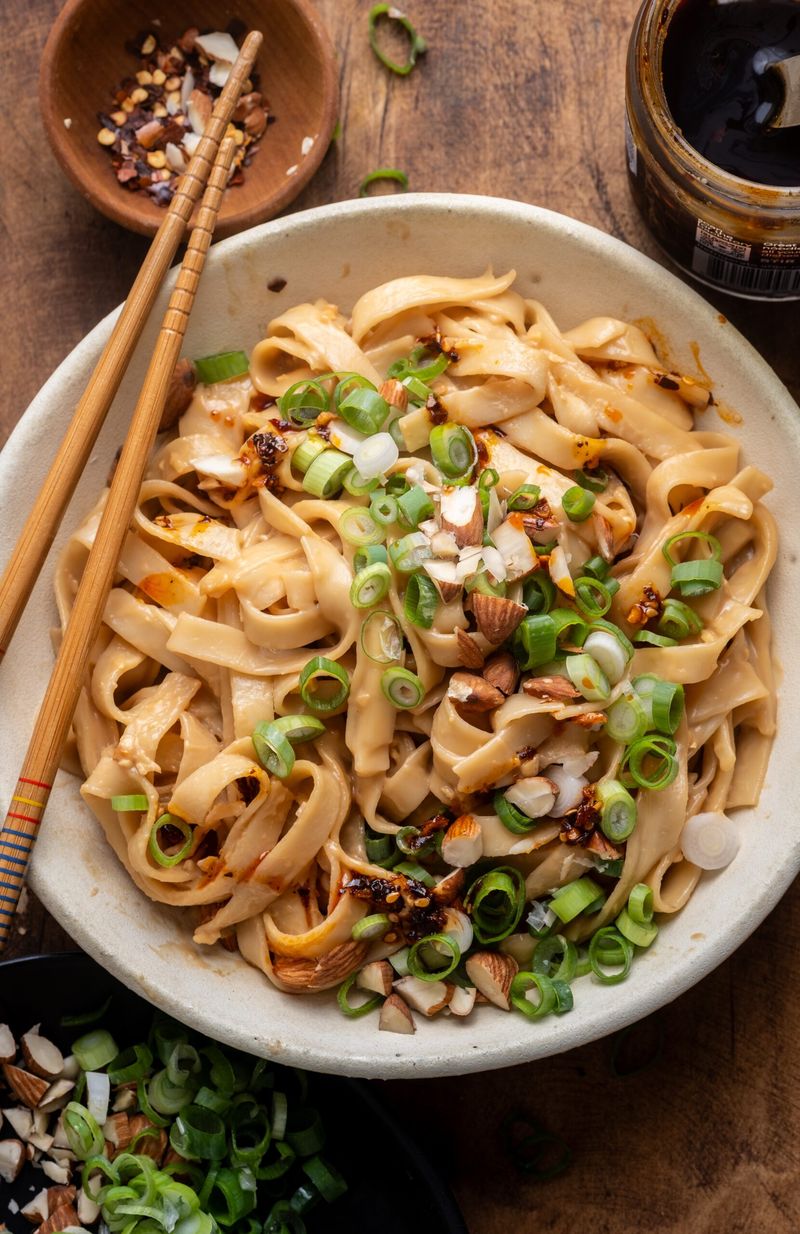
Peanut butter, almond butter, and sunflower seed butter all bring an unexpected creaminess to sauces and soups. Peanut noodles are a perfect example of how a nut butter can create a rich, coating sauce with almost no effort.
Stir a spoonful into a broth-based soup near the end of cooking to add body and a pleasant, mellow flavor. It also works in stews and braised dishes.
Nut butters are affordable, shelf-stable, and genuinely impressive when used creatively in savory cooking.
8. Avocado
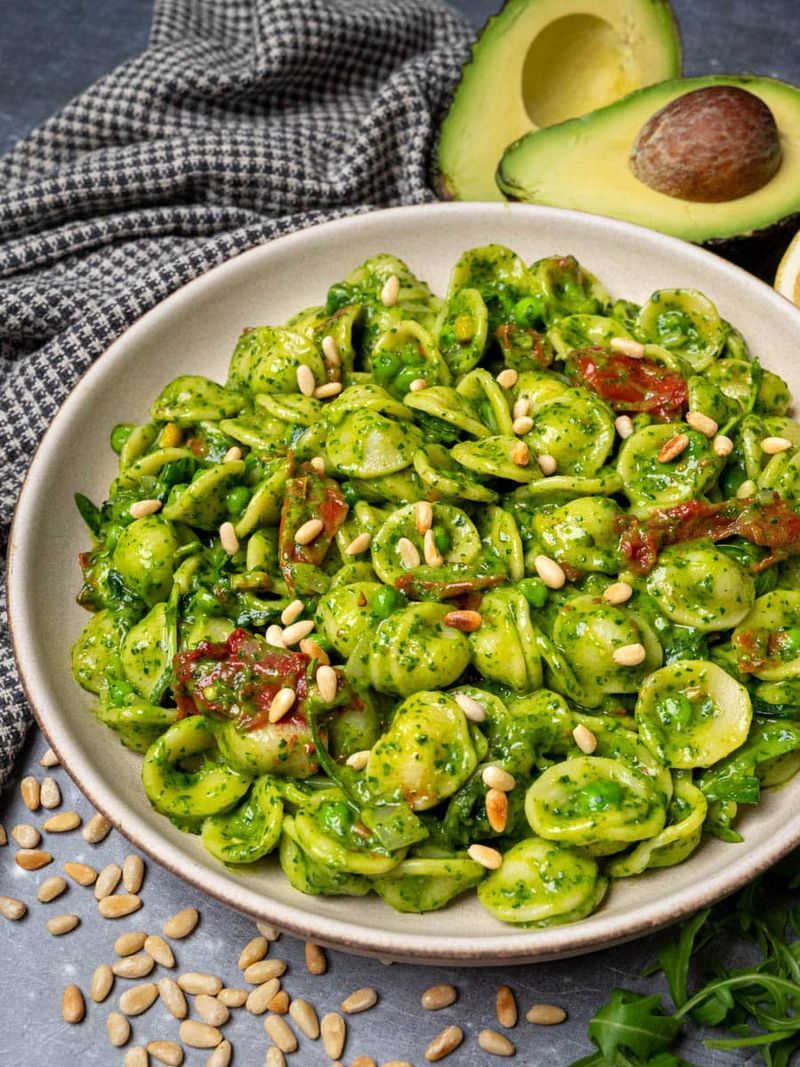
Avocado is naturally loaded with healthy fats that give it an incredibly smooth, buttery texture when blended. Tossed into pasta with a little lemon juice and garlic, it creates a sauce so creamy you would swear there was dairy involved.
It also works as a base for cold soups and creamy salad dressings. The mild flavor lets other ingredients shine through easily.
Ripe avocado blends in seconds and requires almost no cooking, making it one of the fastest richness-boosters around.
9. Miso Paste
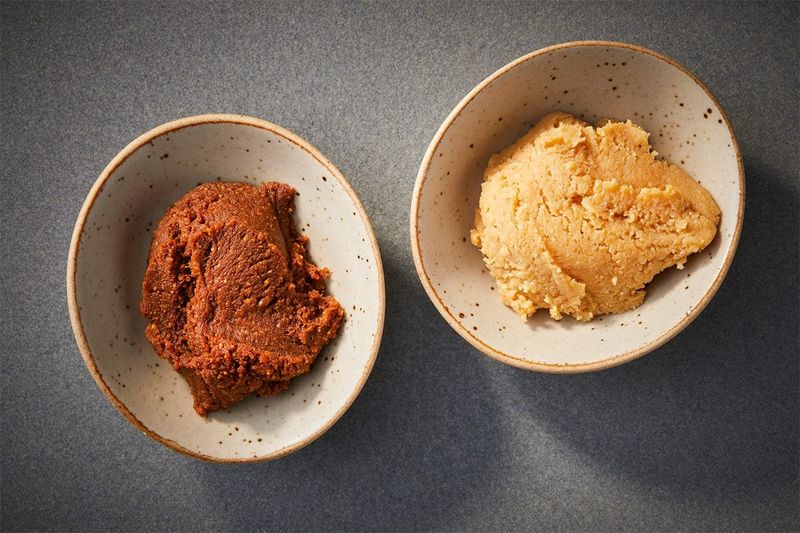
Miso paste is a fermented soybean product with a deeply savory, umami-packed flavor that instantly adds complexity and body to any dish. Whisked into soups, sauces, or dressings, it creates a rounded, satisfying depth.
White miso is milder and sweeter, while red miso is bolder and more intense. Both add a richness that has nothing to do with fat content alone.
Just a tablespoon can elevate a plain vegetable broth into something that tastes like it simmered for hours.
10. Roasted Garlic
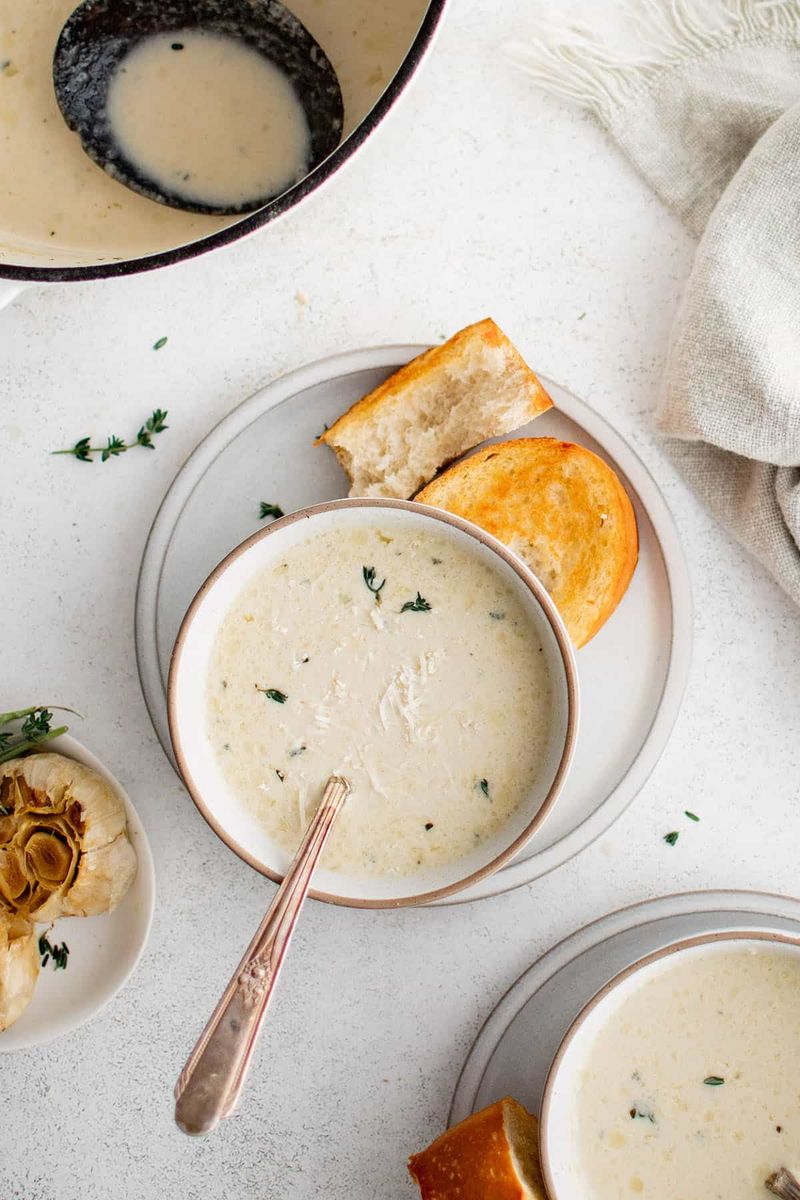
Roasting garlic transforms it from sharp and pungent into something soft, caramelized, and almost spreadable. When blended into a sauce or soup, roasted garlic adds a mellow sweetness and a thick, luscious body.
Squeeze an entire roasted head into mashed potatoes, pasta sauces, or pureed soups for instant depth. It is one of the easiest flavor upgrades you can make at home.
The natural sugars that develop during roasting give dishes a slow-cooked richness that raw garlic simply cannot provide.
11. Starchy Pasta Water
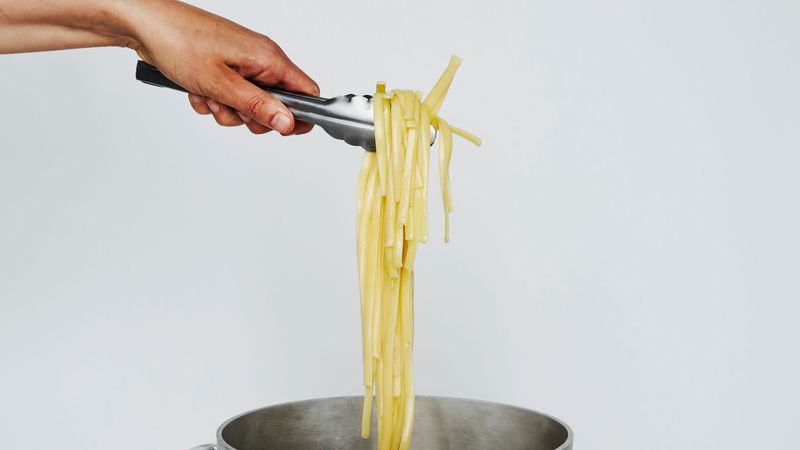
Never throw away your pasta water. The starch that leaches out of pasta during cooking turns the water cloudy and thick, making it a brilliant natural emulsifier for sauces.
Adding a ladleful to a pan sauce helps bind the fat and liquid together into a silky, coating consistency. This is the professional chef secret behind perfectly glossy pasta dishes.
It costs nothing, requires zero extra ingredients, and makes an enormous difference in the final texture of any pasta sauce.
12. Silken Tofu
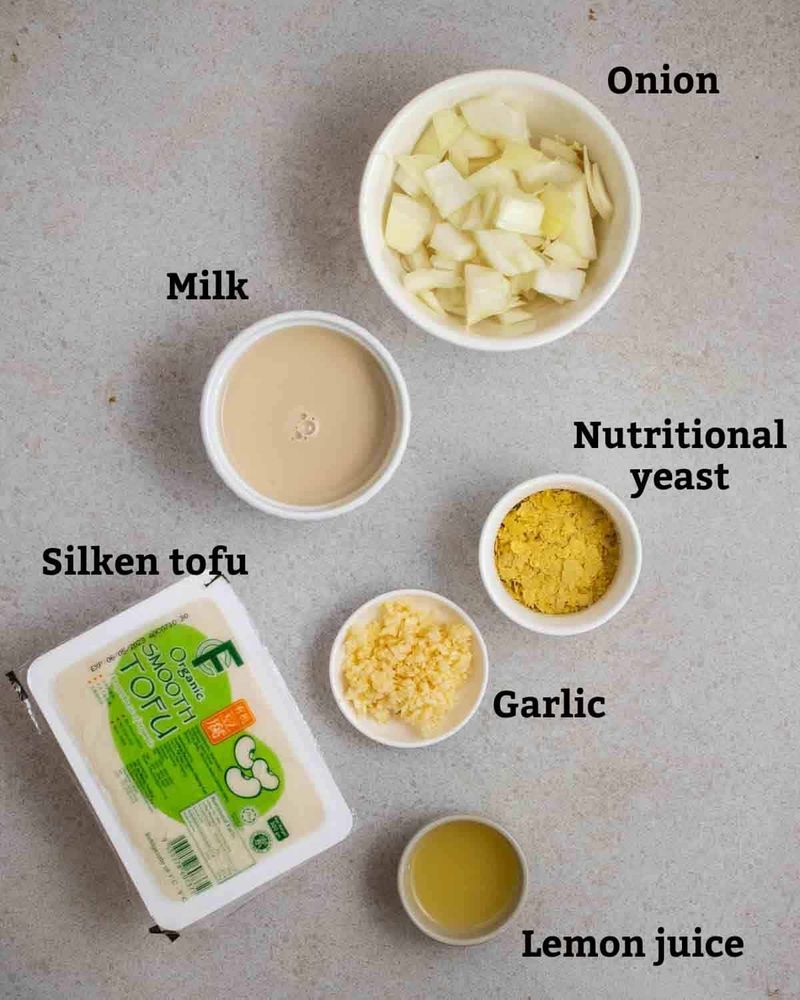
Silken tofu has a delicate, custard-like texture that blends into a perfectly smooth, neutral-flavored cream. It is an excellent base for creamy salad dressings, pasta sauces, and even desserts like chocolate mousse.
Because it is nearly flavorless on its own, it absorbs whatever seasonings you add without competing with them. This makes it one of the most adaptable richness-boosters on this list.
Nutritionally, silken tofu also adds protein, making your dish more filling and balanced at the same time.
13. Parmesan Rind
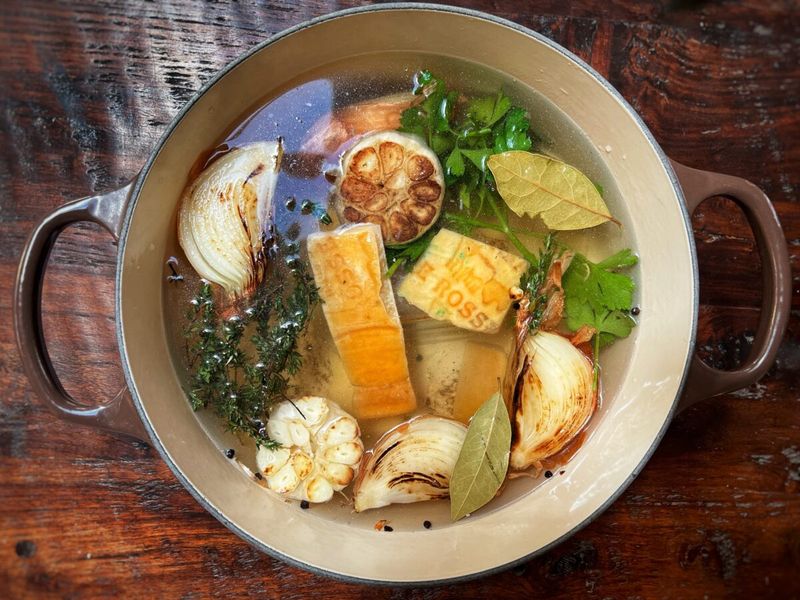
Saving the hard rind from a block of Parmesan and simmering it in soups, stews, or tomato sauces is an old Italian trick that delivers extraordinary flavor. The rind slowly releases savory, salty, umami-rich compounds into the liquid.
After 20 to 30 minutes of simmering, the broth takes on a deeper, more complex richness that is hard to describe but impossible to miss. Remove the rind before serving.
It is a brilliant way to use every last bit of an expensive ingredient.
14. Oat Milk
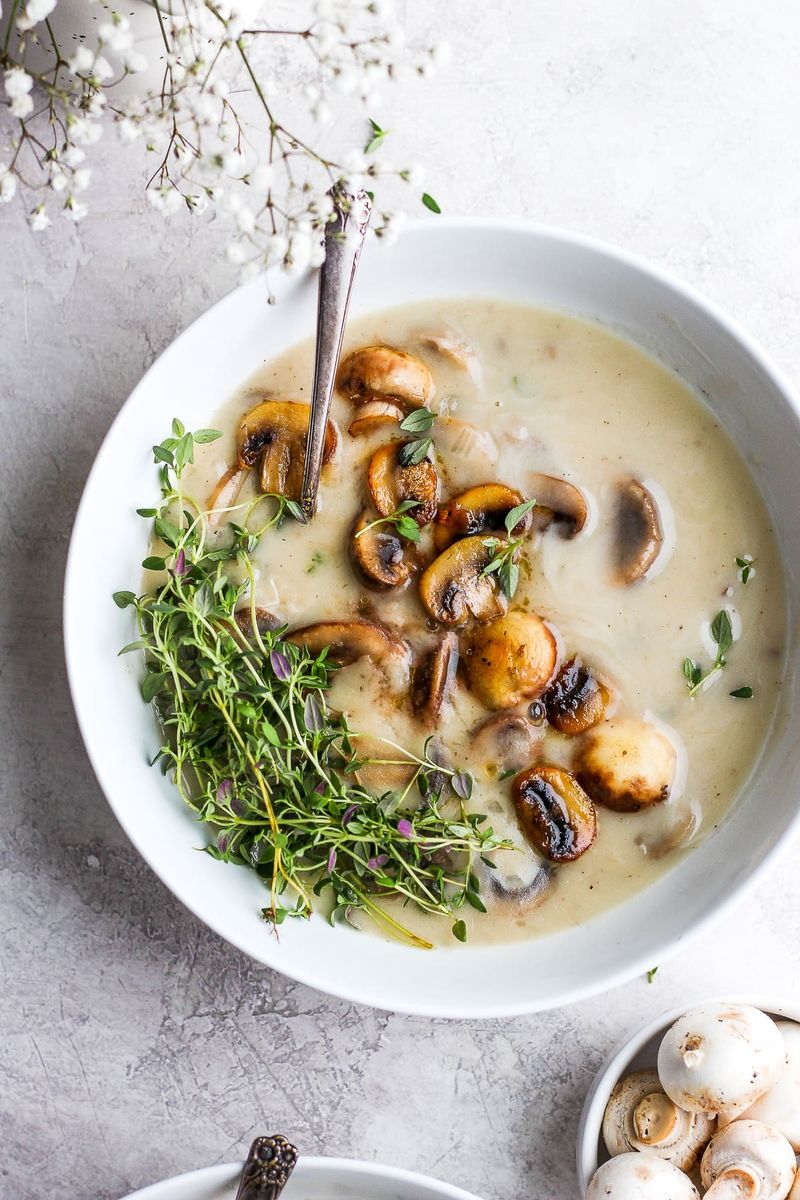
Among all the plant-based milks, oat milk stands out for its naturally thick, slightly creamy consistency. It heats well without curdling and blends smoothly into soups, sauces, and baked goods.
Baristas love it because it froths beautifully, but home cooks are discovering it works just as well in savory applications. Use it in place of cream in mushroom soups or potato gratins.
The subtle oat flavor is mild enough to complement rather than overpower the other ingredients in your dish.
15. Caramelized Onions
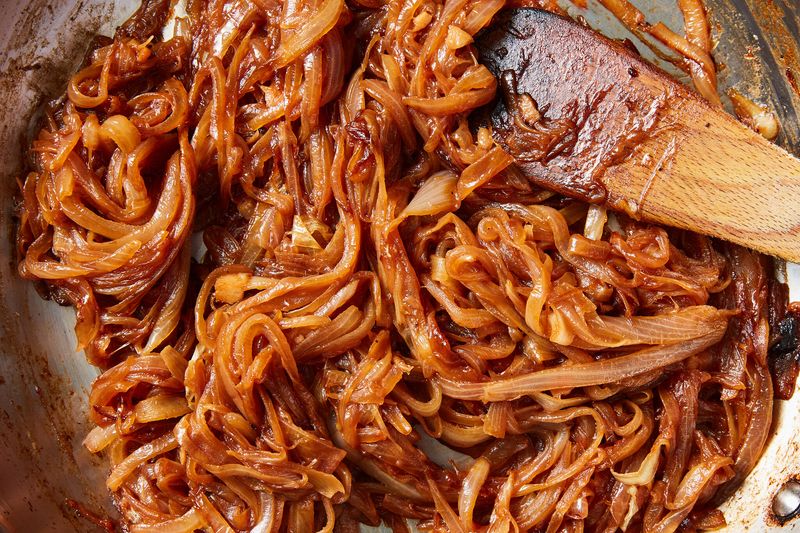
Cooking onions low and slow for 40 to 60 minutes turns them into something almost magical. They collapse into a jammy, sweet, intensely flavorful mass that adds body and depth to almost anything.
Stir them into pasta sauces, blend them into soups, or spread them over a flatbread for a naturally rich, satisfying result. No cream, no butter required at this stage.
The transformation that happens to a simple onion over time is one of the most rewarding processes in all of cooking.
16. Reduced Stock
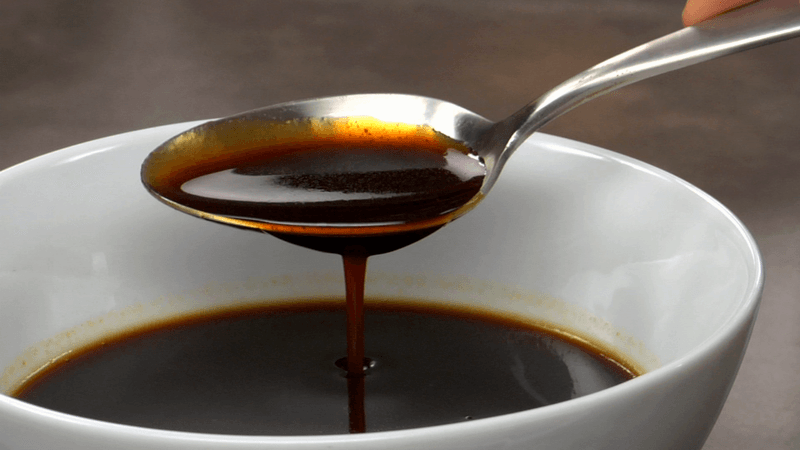
Reducing a good-quality stock by half or more concentrates all its natural gelatin, collagen, and flavor compounds into a glossy, deeply savory liquid. This is how professional kitchens build sauces with incredible body and richness.
Chicken, beef, or vegetable stock all reduce beautifully and can be used to finish pan sauces or braises. The result is a sauce that coats and clings rather than sliding off the food.
Patience is the only ingredient required, and the payoff is absolutely worth every minute of simmering.
17. Pumpkin or Squash Puree
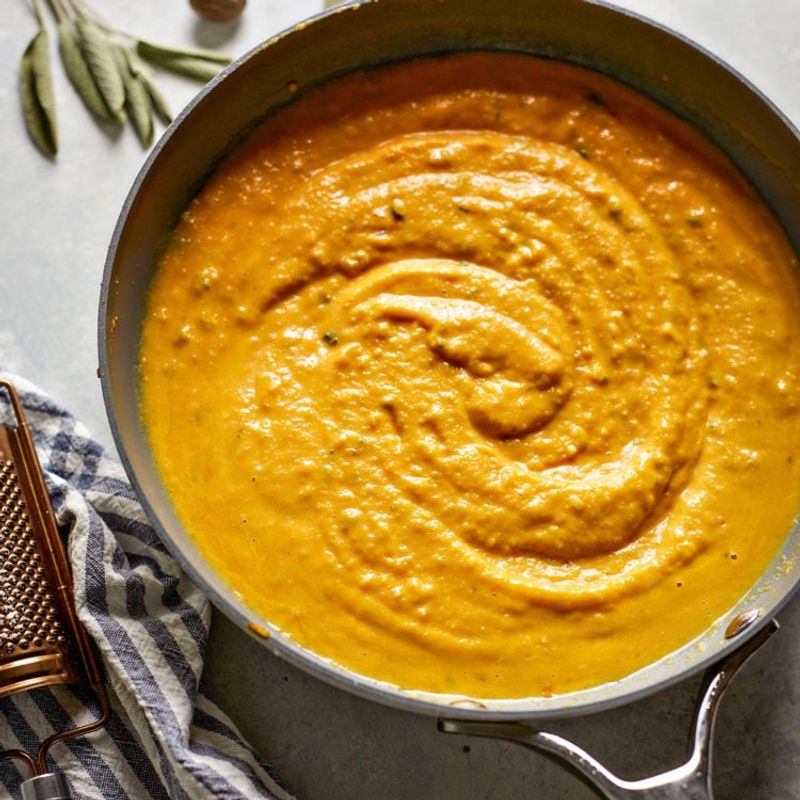
Roasted and pureed butternut squash or pumpkin creates a naturally thick, velvety base that is perfect for pasta sauces, soups, and risottos. The sweetness of the squash balances savory ingredients beautifully.
Blend the puree with a little broth and seasoning, then toss with pasta for a dish that feels rich and comforting without any dairy. Add sage and nutmeg for a classic autumn flavor profile.
It is also packed with vitamins, so you are adding nutrition right alongside all that satisfying, creamy texture.
18. Olive Oil
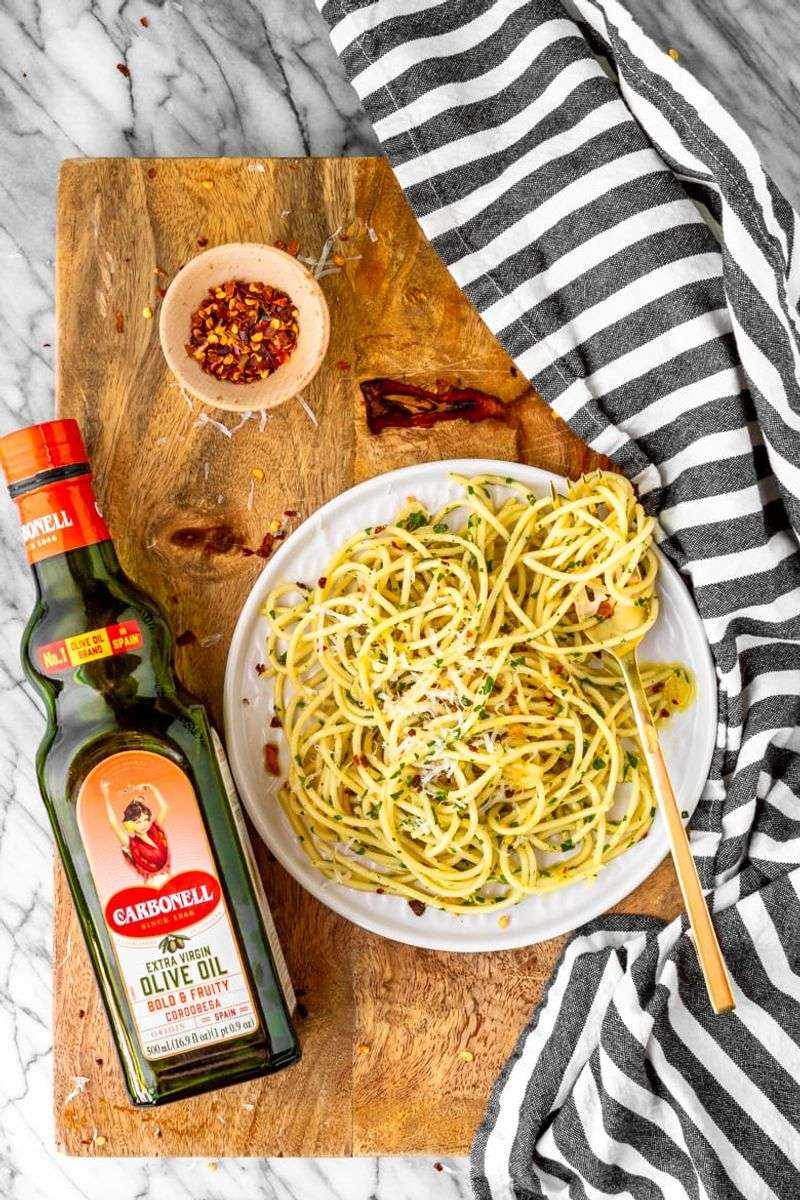
High-quality extra virgin olive oil is one of the most underrated tools for adding richness to a finished dish. A generous drizzle over pasta, soup, or roasted vegetables adds a fruity, grassy depth that feels genuinely luxurious.
Blending olive oil into a sauce using an immersion blender creates an emulsified, creamy consistency similar to aioli. The fat coats every ingredient and carries flavor beautifully.
Choose a good-quality bottle because the difference in taste between cheap and premium olive oil is enormous.
19. Hummus
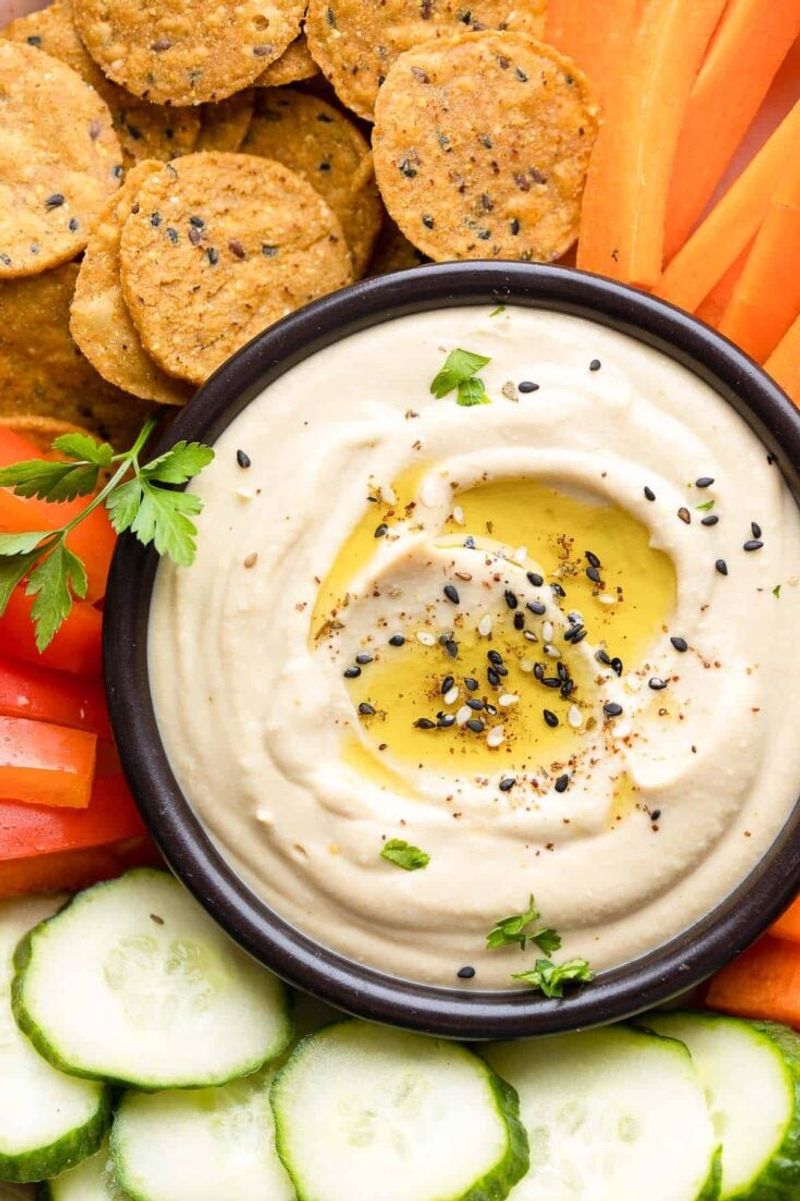
Hummus is already a creamy, protein-rich blend of chickpeas, tahini, lemon, and olive oil, making it a ready-made richness booster. Stir a spoonful into soups or pasta sauces for instant body and a pleasant, nutty flavor.
It also works as a spread on sandwiches in place of mayo or butter, delivering far more flavor per bite. The chickpea base thickens sauces naturally without any flour or starch needed.
Few ingredients are as convenient or as consistently delicious when used creatively in savory cooking.
20. Sunflower Seeds
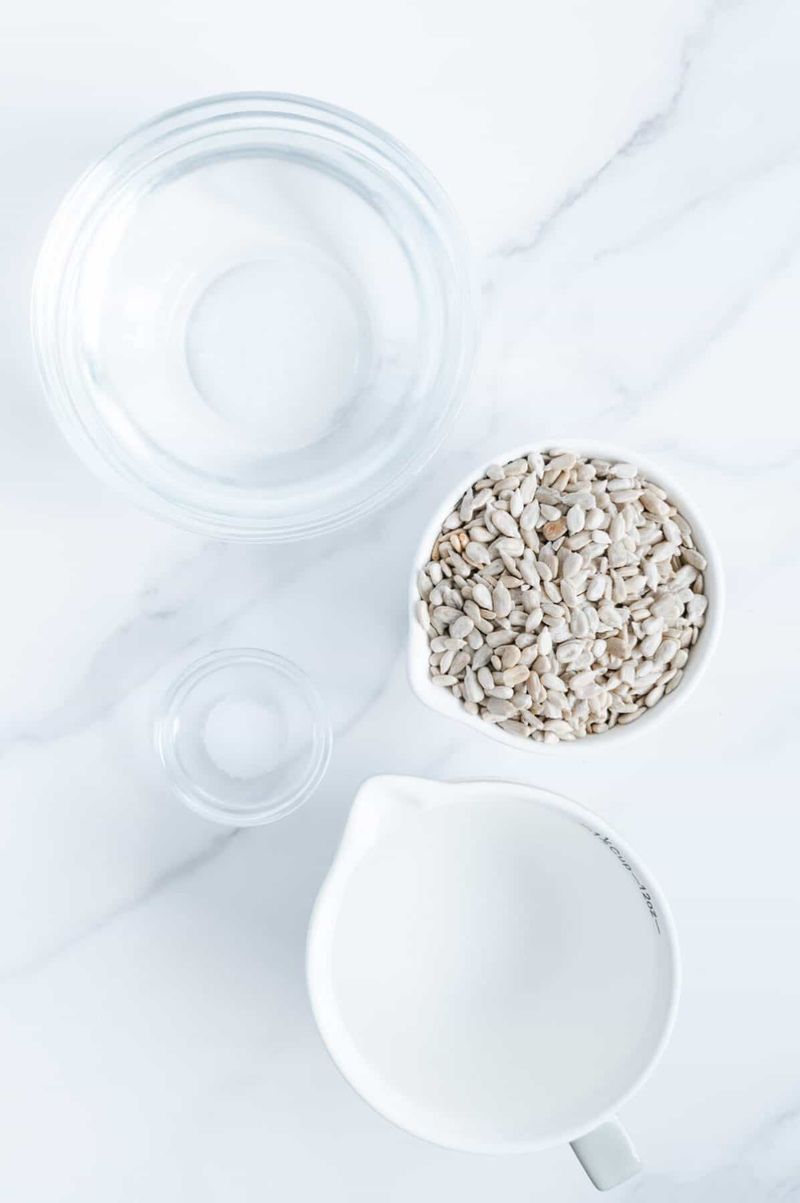
Soaked sunflower seeds blend into a surprisingly smooth, mild cream that works as a nut-free alternative to cashew cream. They are budget-friendly, widely available, and completely free of the top common allergens.
Use sunflower seed cream in soups, pasta sauces, or dressings wherever you want richness without dairy or nuts. Blend with a little lemon juice and water until completely silky smooth.
This is a fantastic option for anyone cooking for people with multiple food allergies who still want to enjoy genuinely creamy, satisfying meals.




Comments
No Comments