













Cooking in a small kitchen can feel like solving a puzzle every single day. Whether you have a dorm room setup, a studio apartment, or just a narrow galley kitchen, the space does not have to limit your creativity.
Some of the best meals and skills come from working with what you have. These 20 challenges will push your limits, sharpen your skills, and make every square inch of your kitchen feel worth it.
1. Make Fresh Pasta From Scratch Without a Pasta Machine
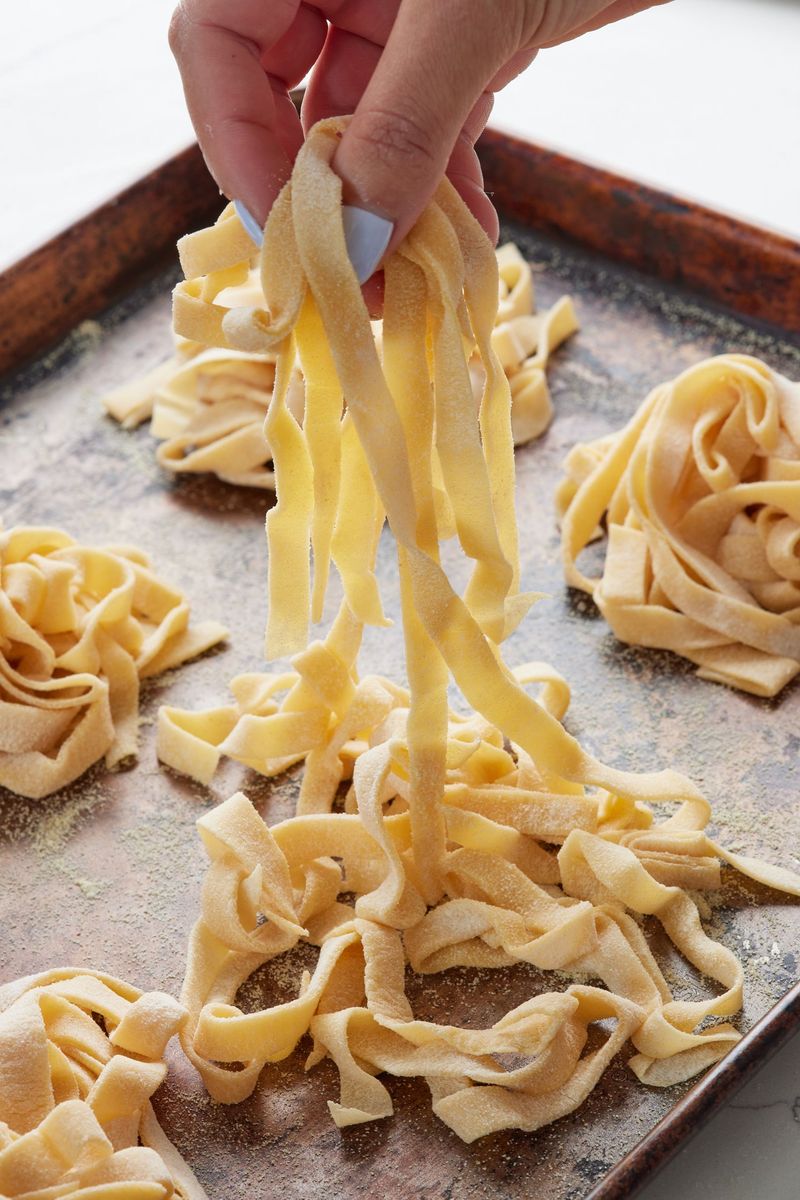
There is something almost magical about turning flour and eggs into silky, homemade pasta using nothing but your hands and a rolling pin. No fancy machine needed.
Just patience, a little muscle, and a flat surface.
Roll the dough as thin as you can, then cut it into ribbons. The reward is a bowl of pasta that tastes nothing like the boxed kind.
Once you try it, you may never go back to store-bought.
2. Bake a Loaf of Sourdough Bread Using Only One Bowl
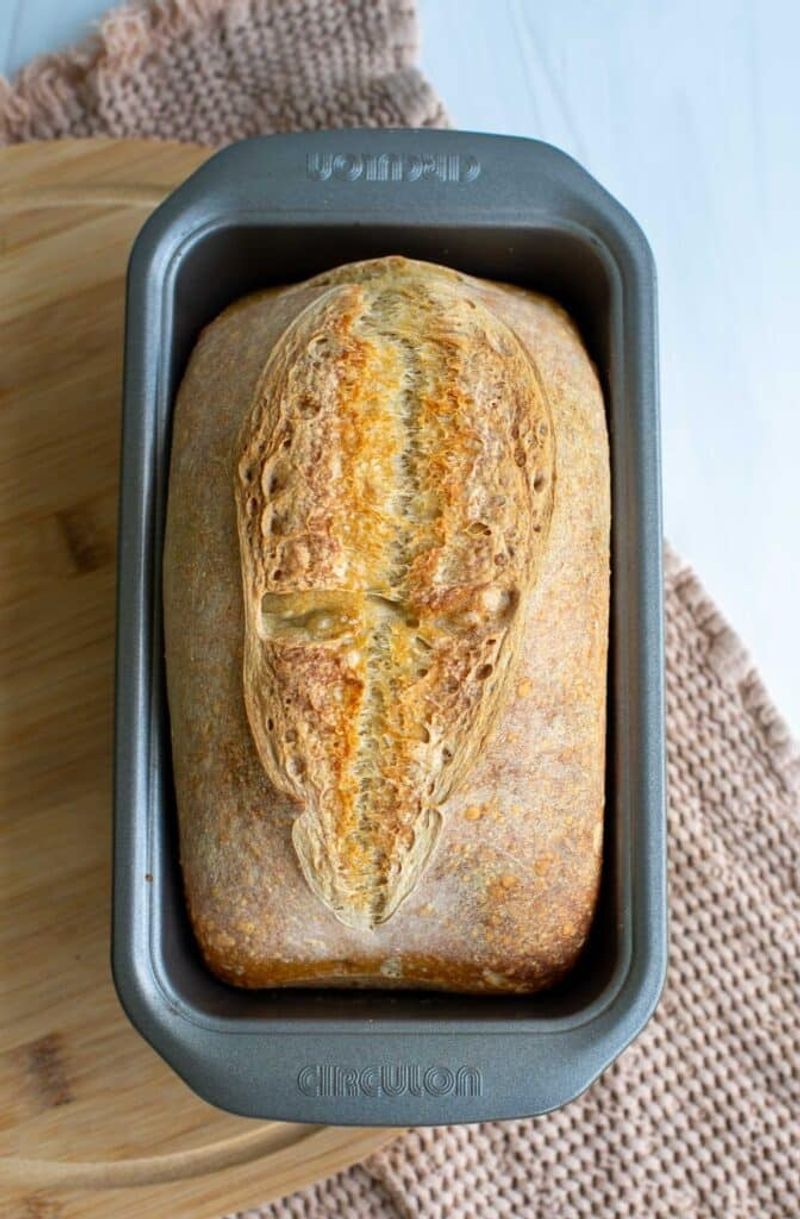
Sourdough has a reputation for being complicated, but stripping it down to one bowl makes the whole process feel a lot more approachable. Mix, fold, rest, and bake.
That is basically the whole process.
The trick is giving your dough enough time to develop flavor without overworking your limited counter space. A Dutch oven does most of the heavy lifting in the oven.
The crackling crust and chewy inside make every hour of waiting completely worthwhile.
3. Temper Chocolate Without a Double Boiler
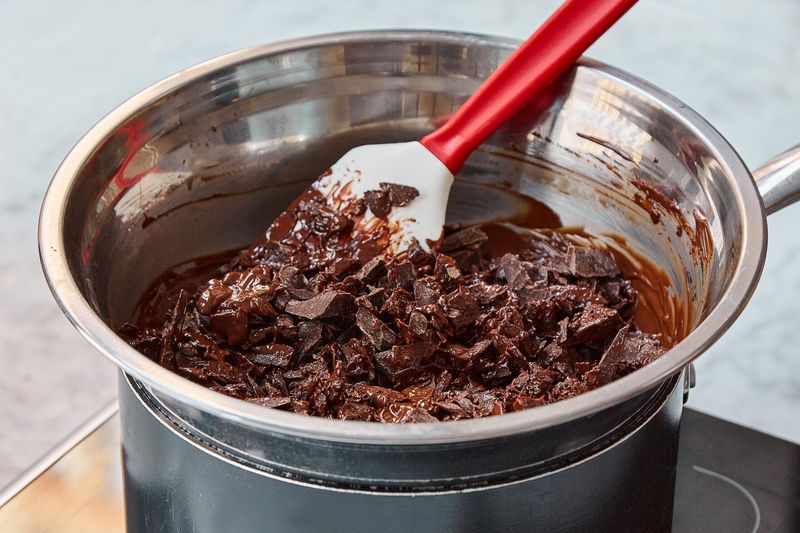
Perfectly tempered chocolate has a glossy shine and a satisfying snap when you break it. Achieving that in a small kitchen without a double boiler is a real test of focus and patience.
You can use a simple heatproof bowl resting over a pot of simmering water. The key is temperature control, so a basic candy thermometer helps a lot.
Get it right, and you can make chocolate bark, dipped fruits, or truffles that look professionally made.
4. Prepare a Five-Course Meal in Under Two Hours
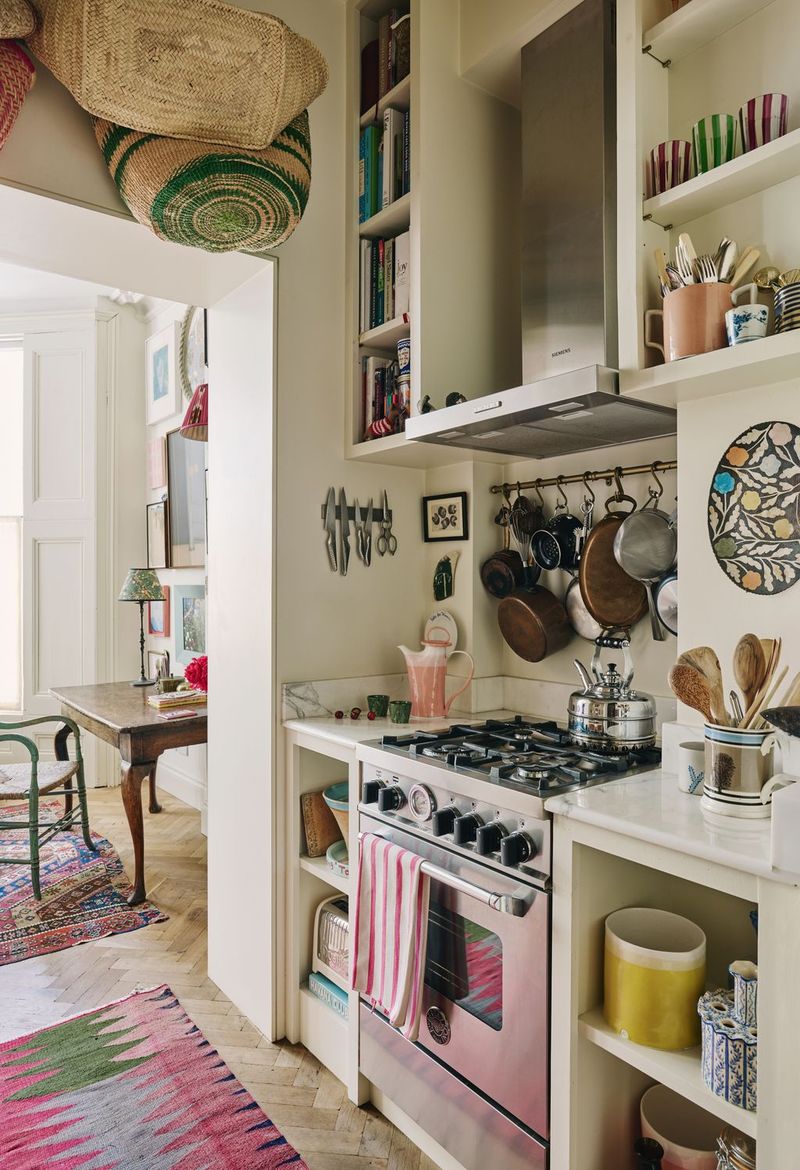
Planning a five-course meal sounds like restaurant territory, but pulling it off in your tiny kitchen is one of the most satisfying cooking victories you can experience. The secret is smart planning.
Choose dishes that share prep steps or cook at the same time. A simple soup, salad, palate cleanser, main, and dessert can all come together with the right timeline.
Write out your plan before you start. Organization turns a chaotic kitchen into a well-run mini restaurant.
5. Whip Up a Homemade Croissant From Laminated Dough

Croissants are legendary for being difficult, and honestly, that reputation is earned. The lamination process, where you fold butter into dough repeatedly, requires precision and a cool kitchen to keep everything from melting together.
Working in a small space actually forces you to be more careful and deliberate with each fold. Chill your dough between folds, use good-quality butter, and do not rush.
When those layers puff up in the oven, the feeling is absolutely unbeatable.
6. Cook a Full Thanksgiving Dinner With Just Two Burners
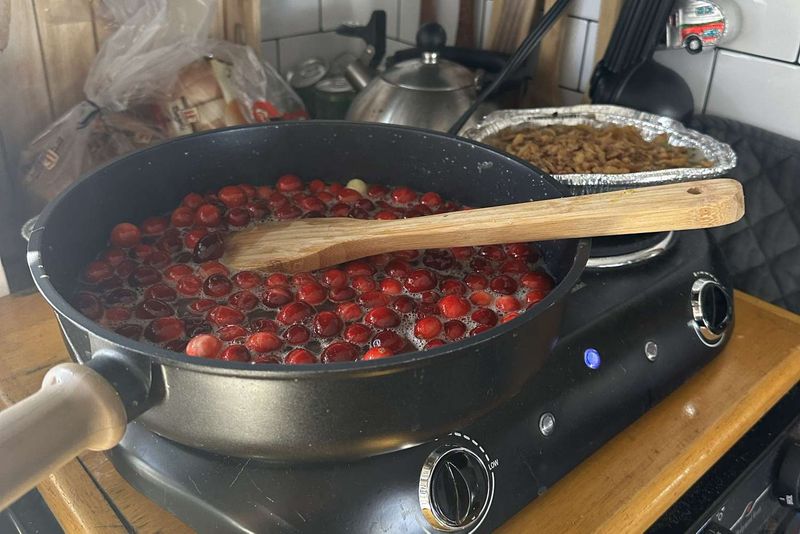
Most people think a big holiday meal needs a big kitchen, but that is just not true. With two burners and a bit of creativity, you can pull off a full Thanksgiving spread that impresses everyone at the table.
Use a countertop roaster or toaster oven for the turkey, freeing up your burners for sides. Stagger your cooking times carefully.
Mashed potatoes, gravy, green beans, and stuffing can all share the same two burners if you plan it right.
7. Ferment Your Own Hot Sauce From Garden Peppers
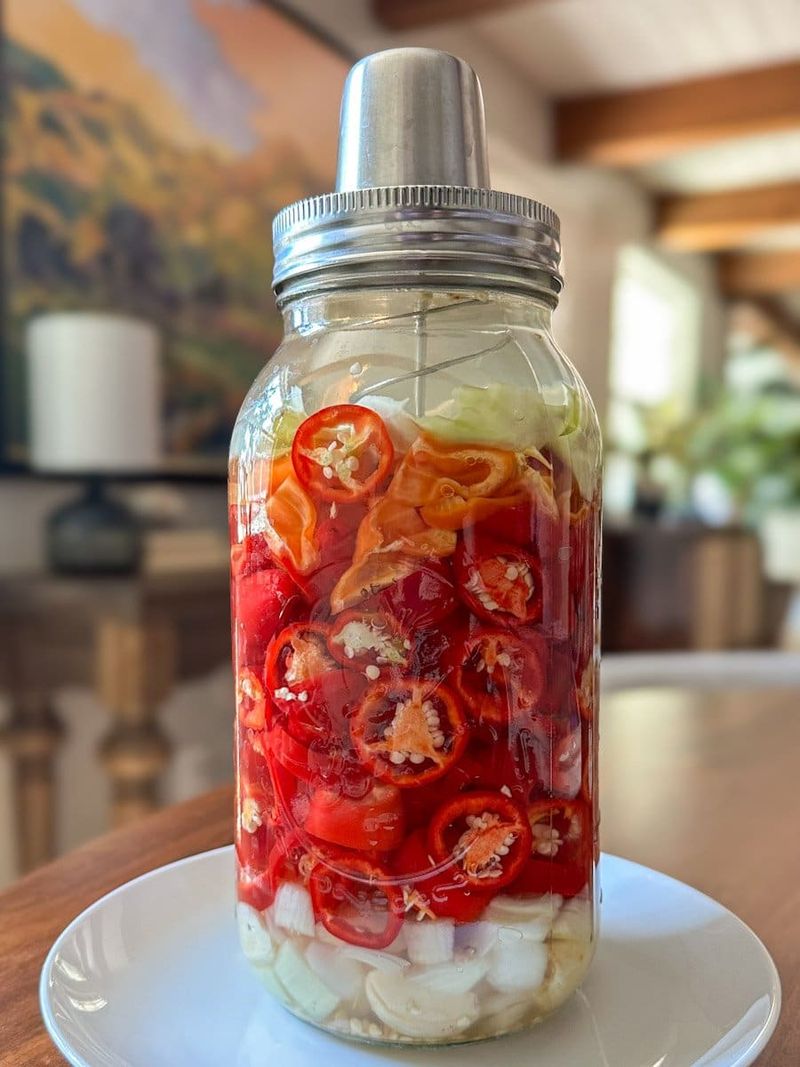
Fermented hot sauce has a tangy depth that bottled versions just cannot match. All you need is peppers, salt, water, and a little patience.
Even a windowsill can double as your fermentation station.
Pack your peppers into a jar, cover them with brine, and let good bacteria do the work over several days. The bubbling is a sign things are going right.
Blend it smooth when ready, and you will have a homemade condiment that adds personality to almost any dish.
8. Master the Perfect French Omelette in a Tiny Pan
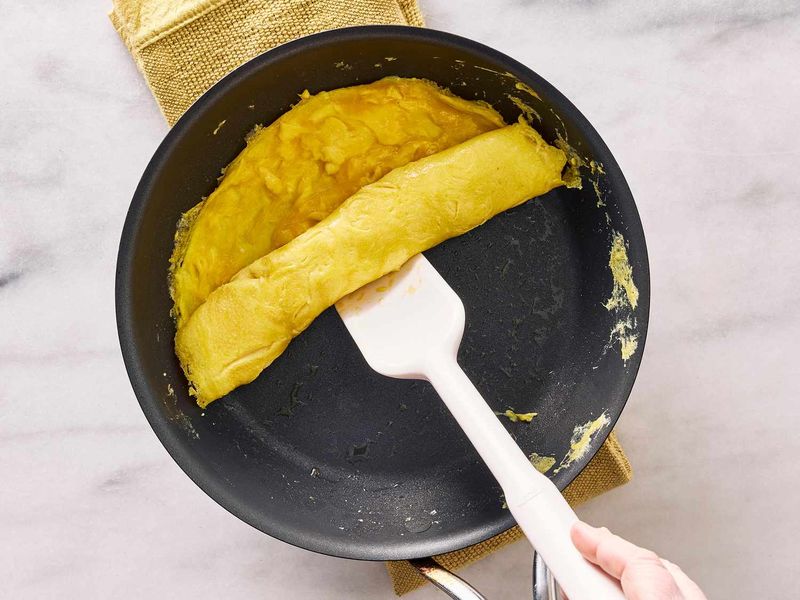
Ask any culinary school instructor what the true test of a cook is, and many will say the French omelette. Silky, pale, and rolled without a single brown spot, it looks deceptively simple but demands real skill.
A small pan is actually ideal for this challenge. Use low heat, constant stirring, and fresh eggs.
The whole thing cooks in under two minutes. Getting it right takes practice, but each attempt teaches you something new about heat control and timing.
9. Brew Homemade Kombucha in a Mason Jar
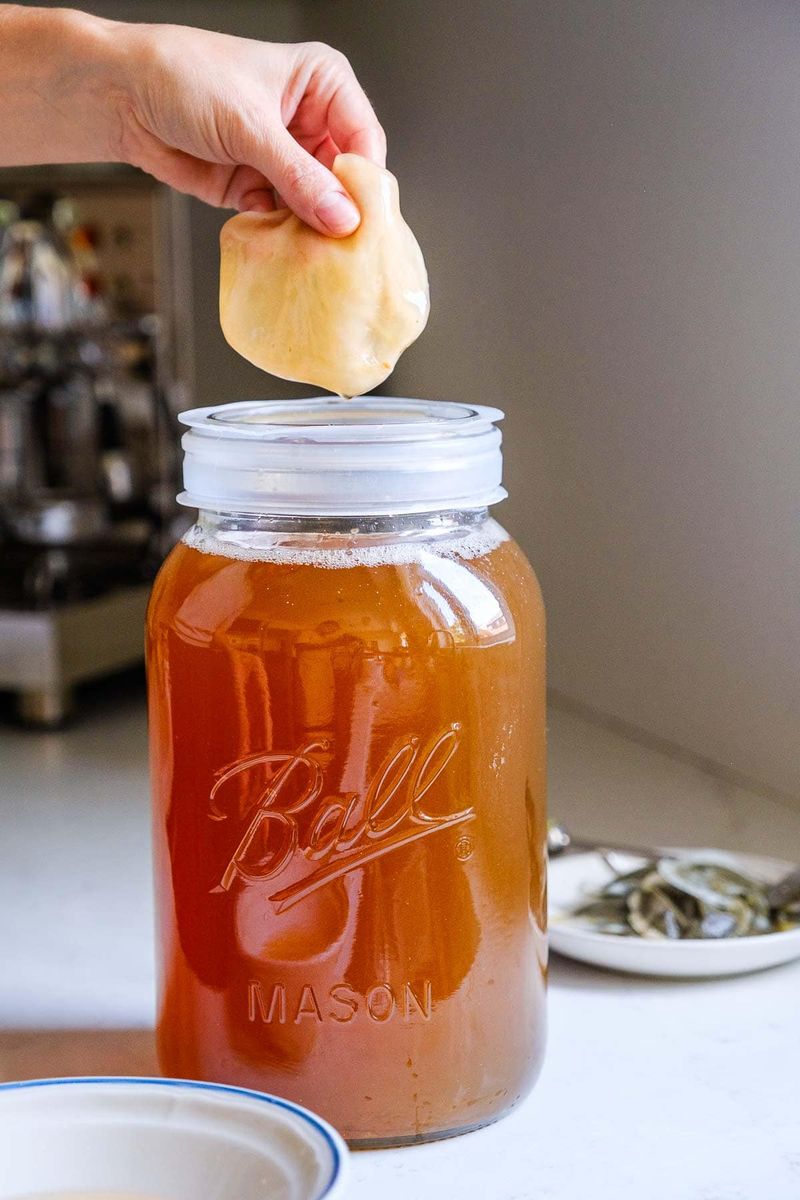
Kombucha brewing sounds like a science experiment, and in a fun way, it kind of is. A SCOBY, which stands for symbiotic culture of bacteria and yeast, transforms sweet tea into a fizzy, tangy drink over one to two weeks.
A single mason jar on your counter is all the space you need to start. Keep it at room temperature, away from direct sunlight, and taste it daily near the end.
The result is a homemade probiotic drink you can flavor any way you like.
10. Hand-Roll Sushi With Just a Bamboo Mat and Rice Cooker
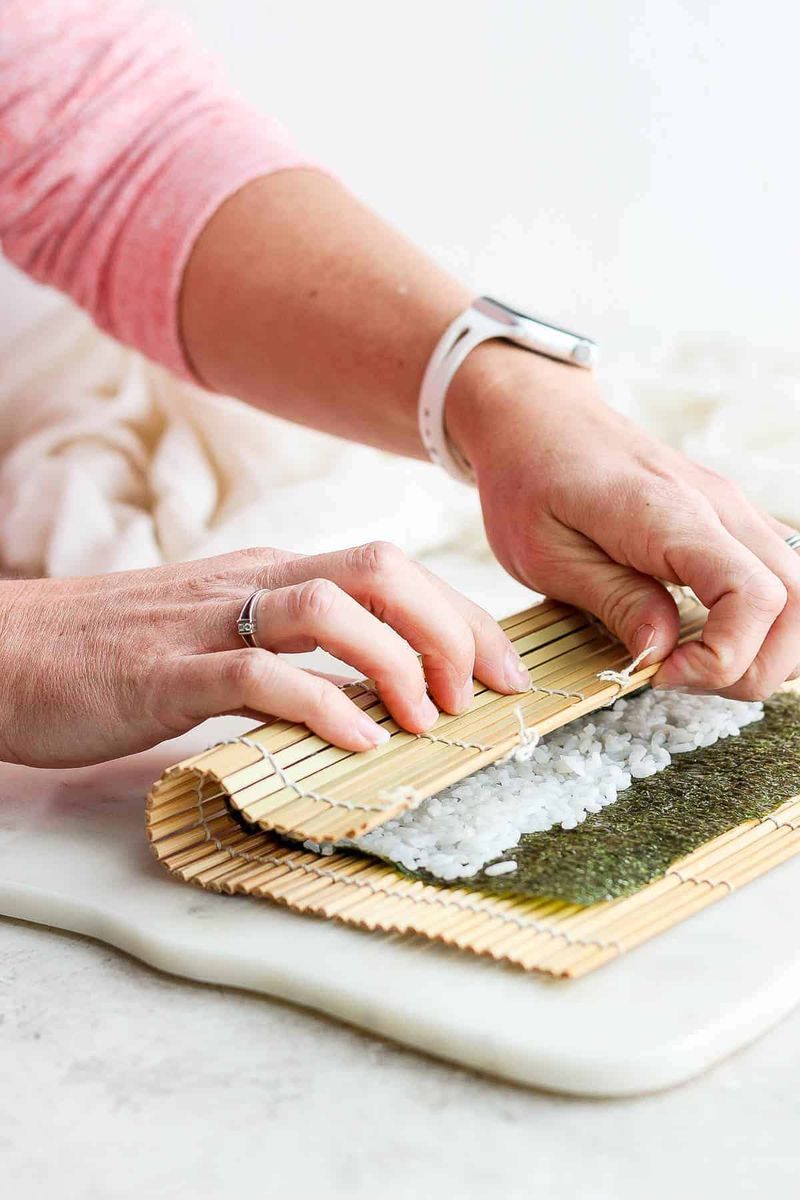
Rolling sushi at home feels like unlocking a superpower. With a bamboo mat, a rice cooker, and some fresh ingredients, you can create rolls that rival your favorite Japanese restaurant, all from your tiny kitchen.
The rice is the most important part. Season it well with vinegar, sugar, and salt while it is still warm.
Lay your fillings close to the edge of the nori and roll firmly. Slice with a sharp, wet knife for clean, beautiful cuts every time.
11. Make Ricotta Cheese From Scratch Using Whole Milk
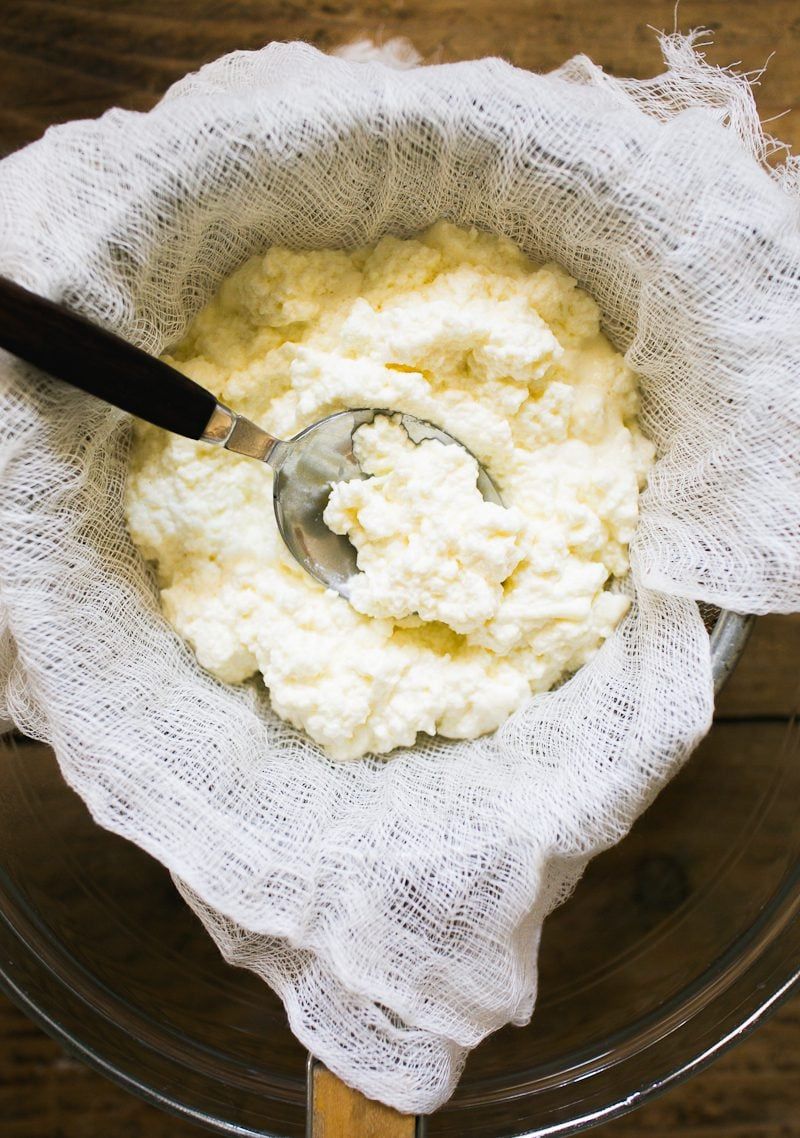
Homemade ricotta is one of those things that seems complicated until you actually do it. Whole milk, a splash of lemon juice or vinegar, a little heat, and about 20 minutes is all it takes to make a creamy, fresh cheese at home.
Once the curds form and you strain them through cheesecloth, you will have ricotta that is noticeably richer and fresher than anything from a container. Use it in pasta, on toast, or eat it straight with a drizzle of honey.
12. Caramelize Onions Low and Slow Without Burning Them
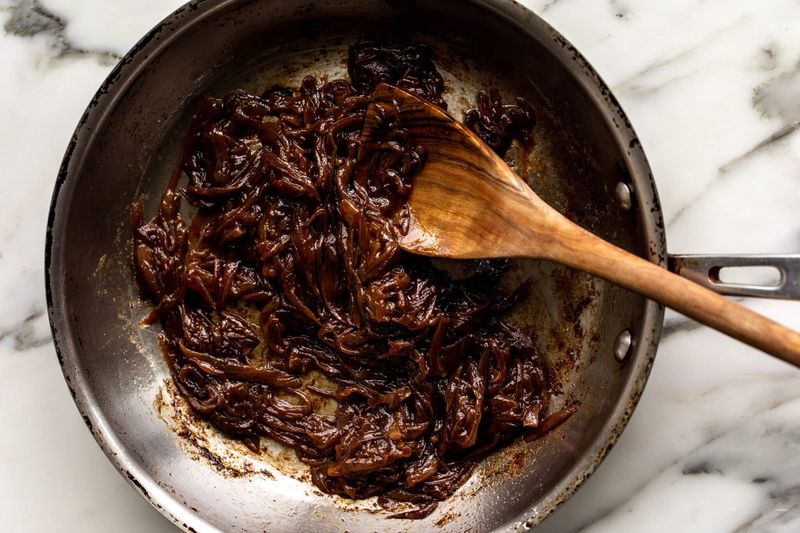
Real caramelized onions take time, and that is exactly what makes them a challenge worth accepting. The internet is full of shortcuts claiming you can do it in ten minutes, but the truth is closer to 45 minutes over low heat.
Stir occasionally, resist the urge to crank up the heat, and watch those pale slices slowly transform into something sweet and deeply savory. Piled onto burgers, stirred into soup, or spread on flatbread, they elevate any dish they touch.
13. Assemble a Layered Mille-Feuille Pastry at Home

Mille-feuille, which literally means a thousand layers, is a French pastry that looks like it belongs in a Parisian bakery window. Building one in a small kitchen is a genuine flex of patience and precision.
Store-bought puff pastry is totally acceptable here, and it saves a huge amount of time. The real challenge is making a smooth pastry cream and stacking everything without it sliding apart.
Chill between layers, work carefully, and the finished result will genuinely impress anyone who sees it.
14. Slow-Cook a Whole Chicken in a Single Dutch Oven
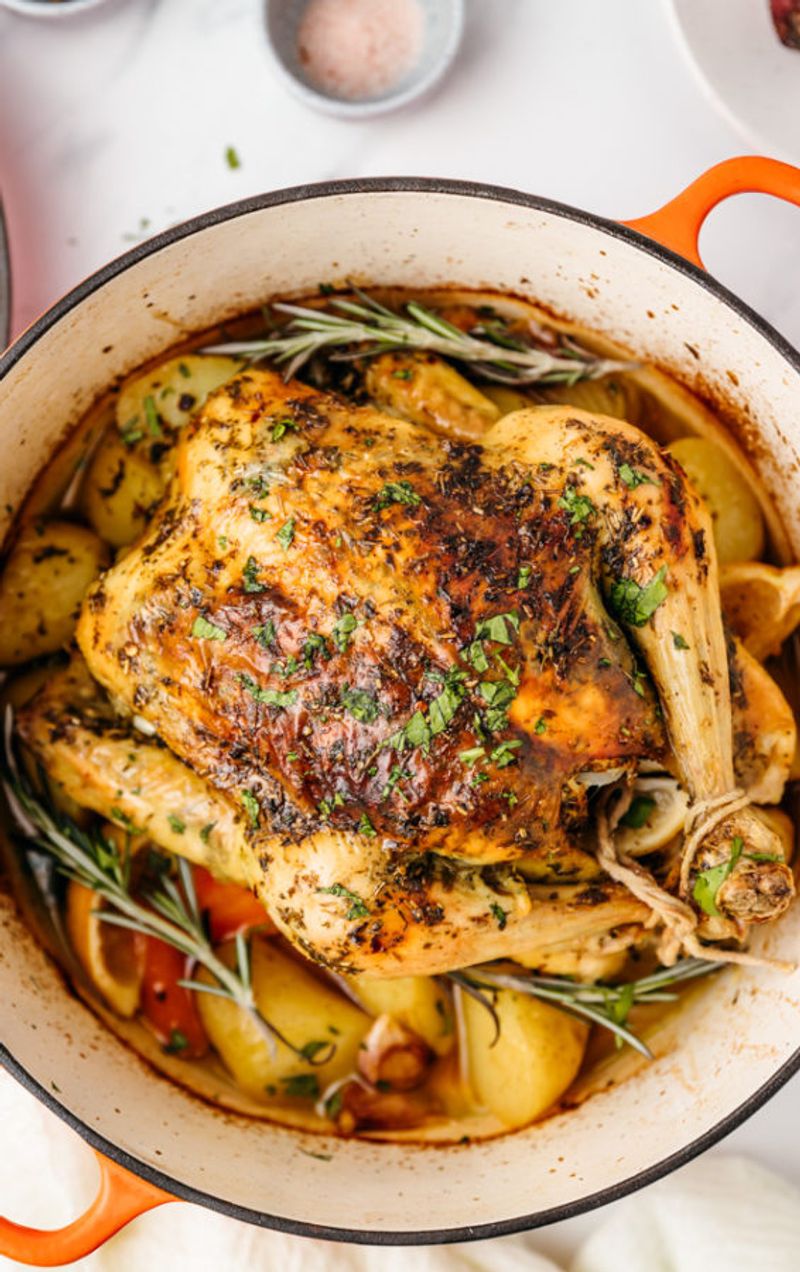
A Dutch oven is one of the hardest-working tools in any small kitchen, and using it to slow-cook a whole chicken is a challenge that proves just how versatile it really is. Everything goes into one pot.
Season the bird well, nestle it on top of onions, garlic, and herbs, then let low heat do the rest over several hours. The meat becomes fall-off-the-bone tender, and the liquid at the bottom turns into a rich, ready-made gravy.
Minimal cleanup is a bonus.
15. Craft Homemade Dumplings Using Only a Fork to Seal Them

Dumplings are one of those universally beloved foods that feel extra special when made completely by hand. Folding and pleating the dough is a traditional skill, but using a fork to crimp the edges is a perfectly valid approach for beginners.
Mix your filling, cut the dough into circles, add a spoonful of filling, fold, and press with a fork. Pan-fry them until the bottoms are crispy and golden, then add a splash of water and cover to steam.
Simple, satisfying, and totally worth the effort.
16. Reduce a Balsamic Glaze Down to a Syrupy Perfection
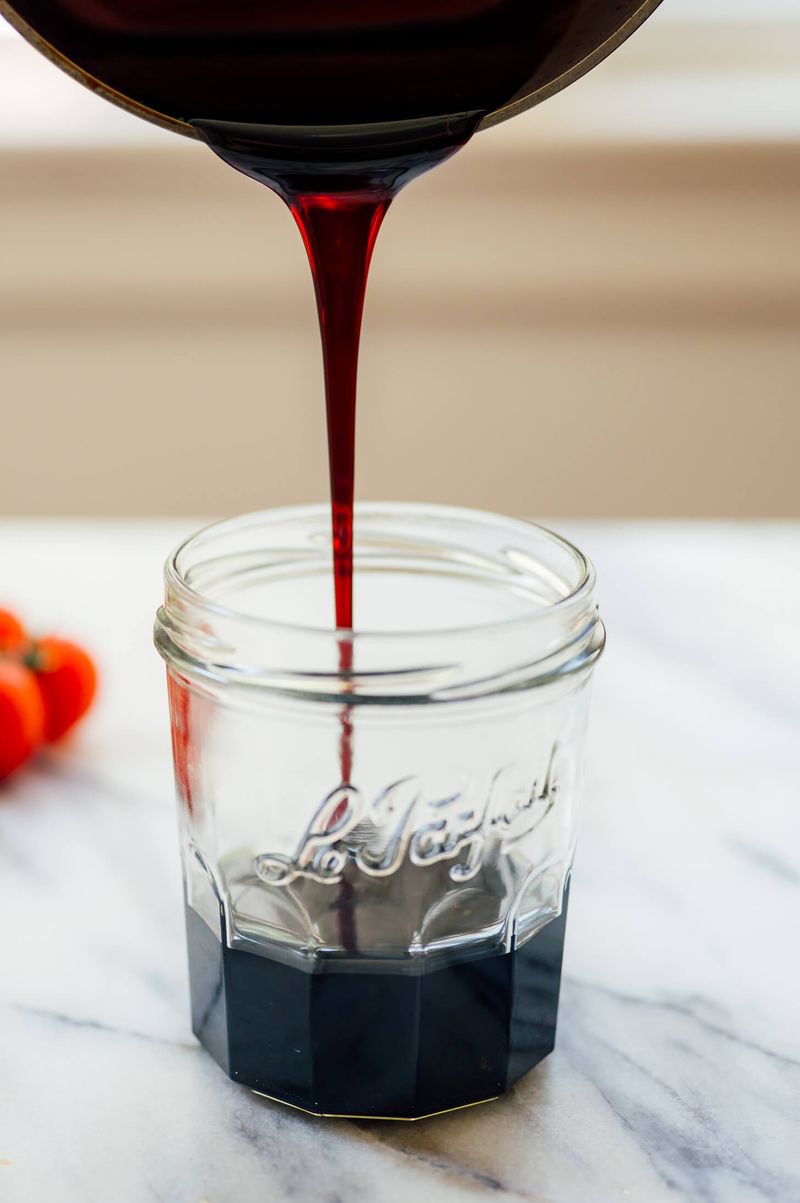
Few things in the kitchen feel more like alchemy than watching a thin, sharp vinegar slowly transform into a rich, sweet, velvety glaze. Balsamic reduction is one of the easiest ways to make any dish look and taste restaurant-quality.
Pour balsamic vinegar into a small saucepan, add a touch of honey if you like, and let it simmer on low heat. Stir occasionally and watch it thicken.
Drizzle over strawberries, grilled chicken, or even vanilla ice cream for a surprisingly elegant finishing touch.
17. Bake Macarons Using Basic Kitchen Tools
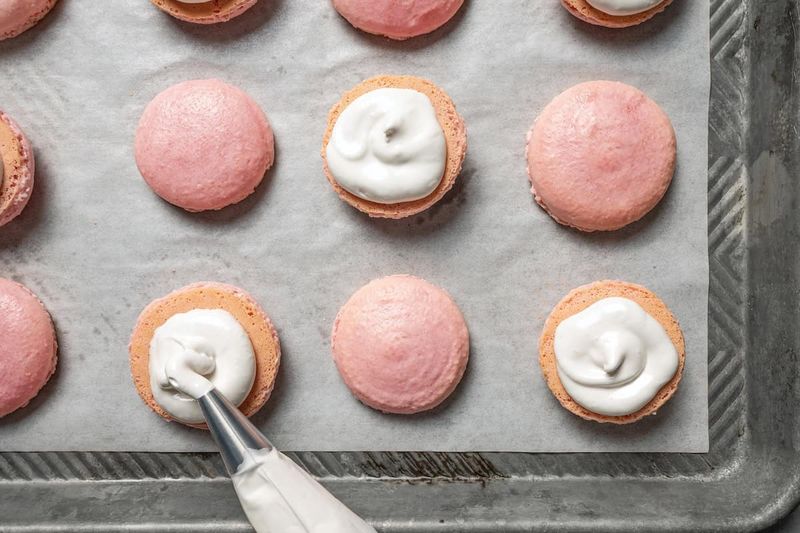
French macarons are notoriously tricky, and bakers with full professional kitchens still mess them up. Attempting them in a tiny kitchen with basic tools is a true test of skill, attention to detail, and nerve.
Age your egg whites a day ahead, sift your almond flour carefully, and master the macaronage folding technique to get the right batter consistency. Humidity and oven temperature matter a lot.
Even imperfect macarons taste incredible, so every batch is a win no matter what they look like.
18. Infuse Your Own Flavored Olive Oil in a Small Bottle

Flavored olive oil sounds fancy, but making your own at home is surprisingly simple and incredibly rewarding. Fresh herbs, garlic, citrus peel, or chili flakes can all be infused into a bottle of good-quality oil.
Gently warm the oil with your chosen ingredients, let it cool, then strain and bottle it. Use it within a week or two for the best flavor and safety.
Drizzle it over bread, pasta, or roasted vegetables. It also makes a thoughtful, homemade gift for food lovers.
19. Poach an Egg Perfectly Without Vinegar or Special Tools
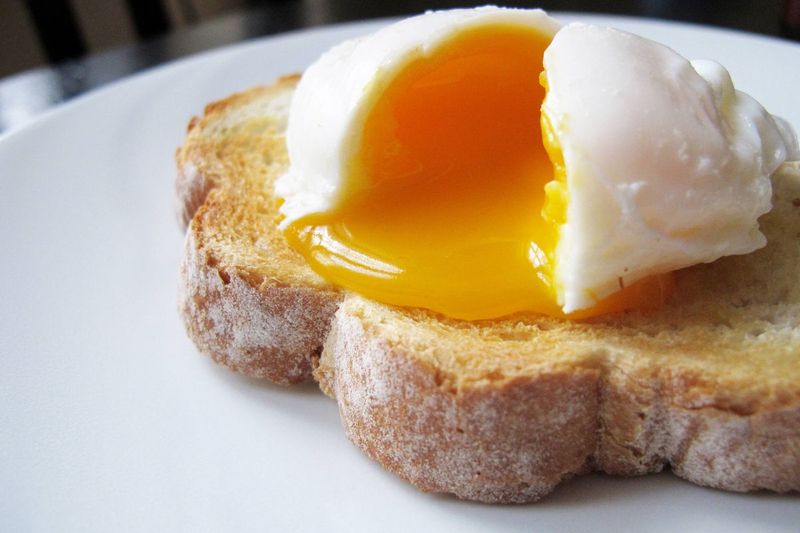
Poaching an egg without vinegar or a special poaching cup is a kitchen skill that separates the confident cooks from the hesitant ones. It looks simple, but getting a clean, firm white around a still-runny yolk takes real technique.
Use very fresh eggs, bring your water to a gentle simmer rather than a rolling boil, and create a slow swirl before sliding the egg in. Lower it close to the water surface.
With a little practice, you will nail it every single morning.
20. Create a Miniature Charcuterie Board From Scratch
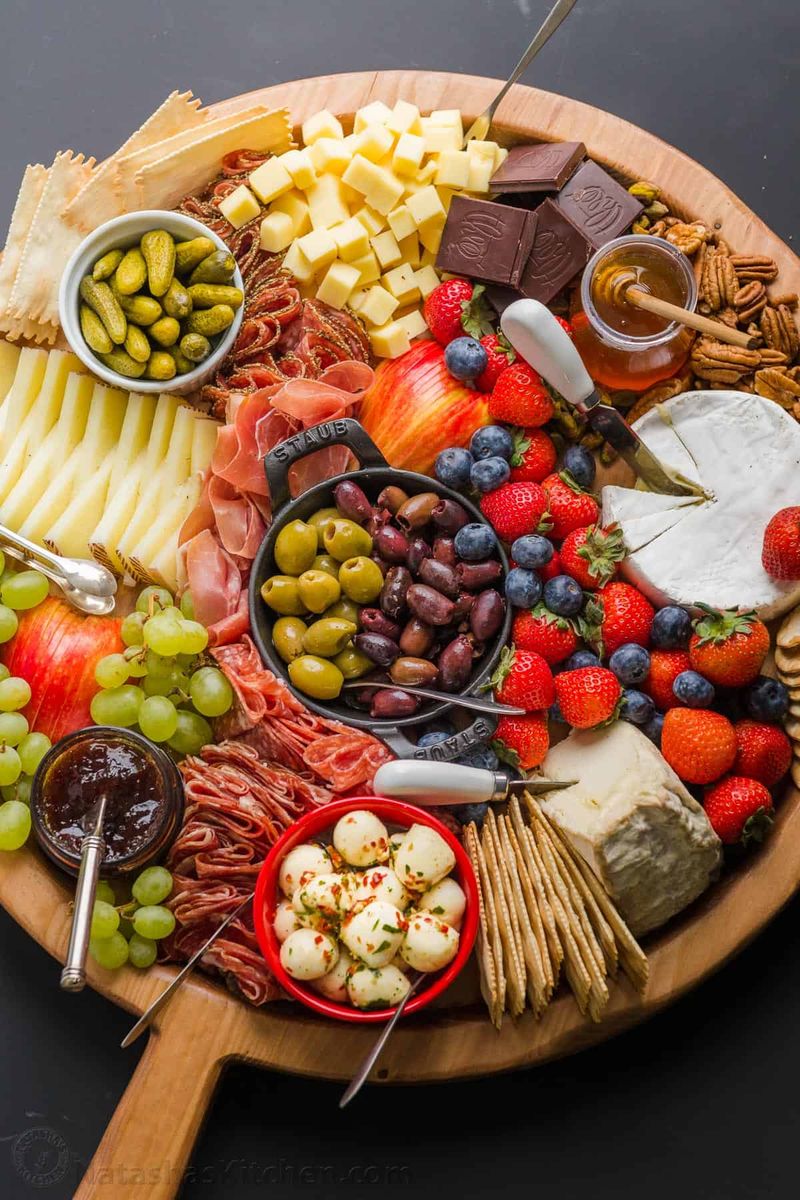
Building a charcuterie board from scratch, meaning you prepare at least one or two elements yourself rather than just buying everything pre-made, is a creative challenge that combines cooking, styling, and flavor pairing all at once.
Try making a quick whipped ricotta, pickled vegetables, or a simple fruit jam to anchor your board. Arrange everything with color and texture in mind.
Even a tiny cutting board can look stunning when thoughtfully assembled. The fun is in the creative process as much as the eating.




Comments
No Comments