













Scotland has a food culture unlike anywhere else on Earth, shaped by centuries of tradition, tough winters, and a whole lot of creativity with simple ingredients. From deep-fried everything to offal-stuffed delicacies, Scottish cuisine has a reputation for being bold, hearty, and sometimes downright puzzling to outsiders.
Visitors from around the world often raise an eyebrow when they first encounter some of these dishes. Whether you find them fascinating or a little scary, these 20 Scottish foods are guaranteed to spark a reaction.
1. Haggis
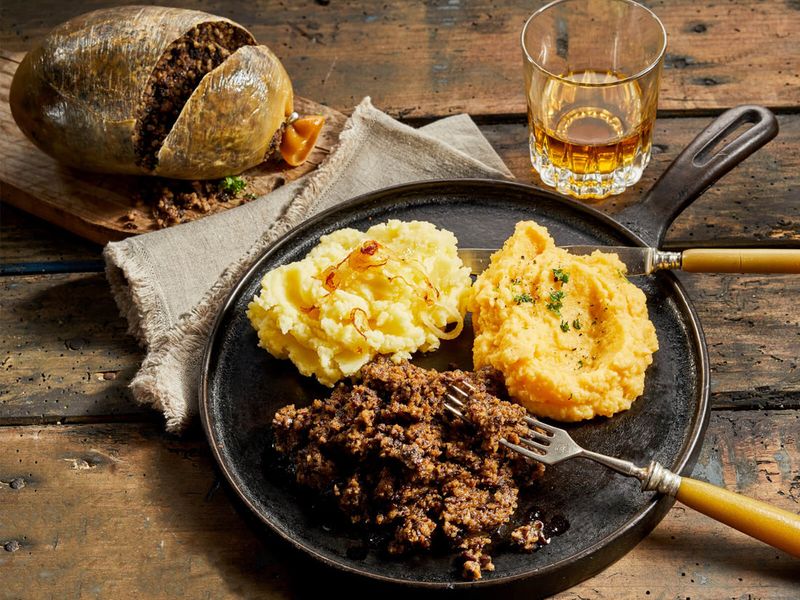
Nothing says Scotland quite like haggis, yet nothing confuses the rest of the world quite as much either. Made from sheep's heart, liver, and lungs mixed with oatmeal, onions, and spices, then cooked inside a sheep's stomach, it sounds alarming on paper.
But haggis actually tastes rich, peppery, and surprisingly satisfying.
It has been Scotland's national dish for centuries and is celebrated every Burns Night on January 25th. Give it a chance before judging the ingredients.
2. Irn-Bru
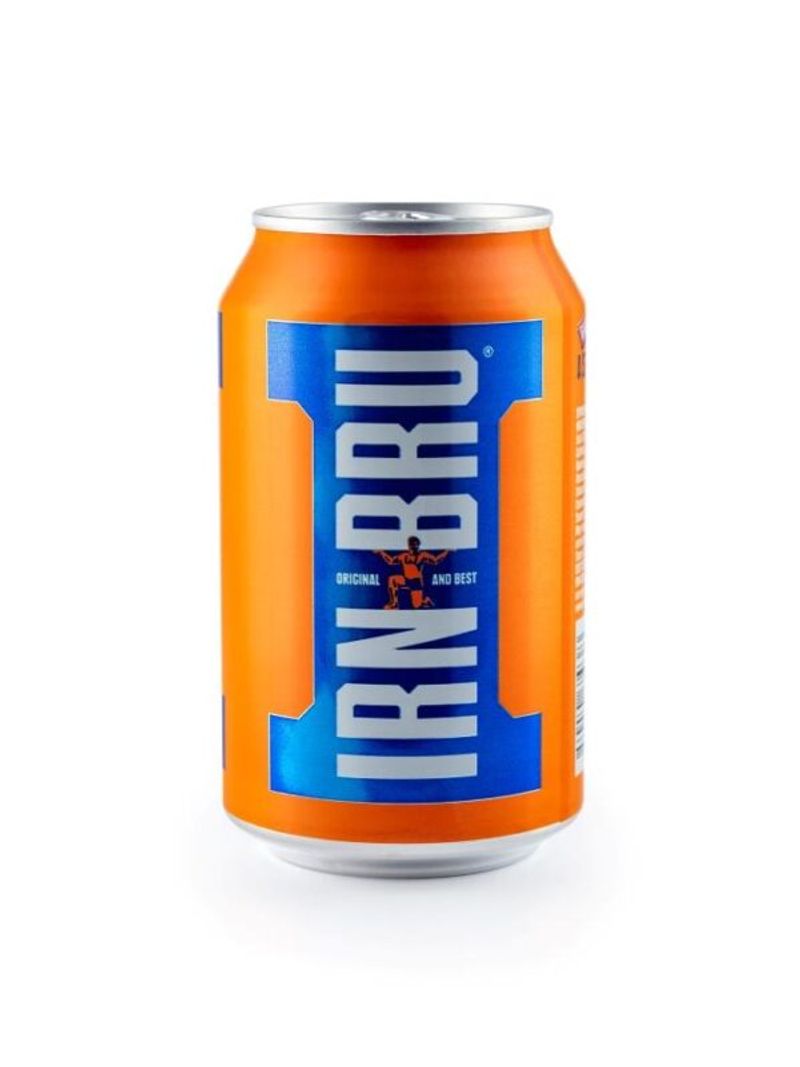
Bright orange, almost fluorescent in color, and tasting like nothing else on the planet, Irn-Bru is Scotland's unofficial national drink. Most people outside Scotland struggle to describe the flavor because it genuinely defies comparison.
Some say it tastes like bubblegum mixed with orange candy, while others just call it "that weird Scottish stuff."
Scots love it so much it outsells Coca-Cola in Scotland. Hangover cure, comfort drink, childhood nostalgia, it does it all.
3. Deep-Fried Mars Bar
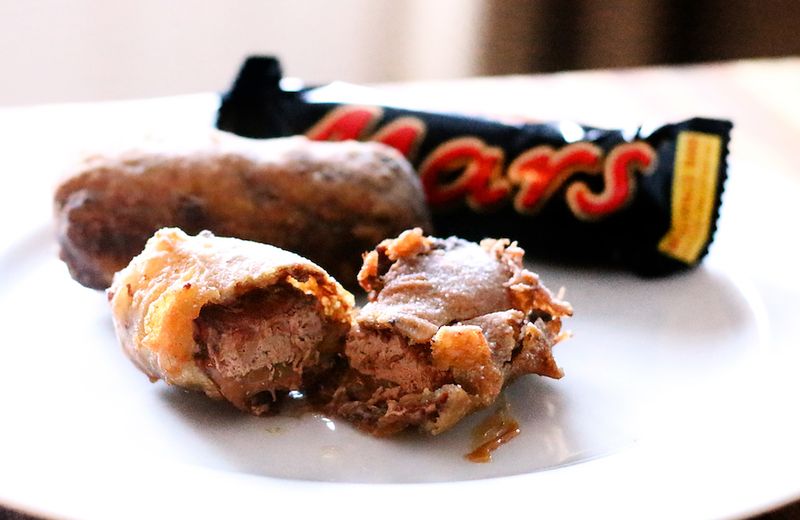
Yes, this is exactly what it sounds like. A Mars Bar chocolate bar dipped in batter and dropped into a deep fat fryer until golden and gooey.
Invented in a Stonehaven chip shop in the 1990s, it became an international symbol of Scotland's love affair with frying absolutely everything.
Tourists flock to chip shops just to try one, and reactions range from pure joy to genuine regret. It is indulgent, messy, and oddly delicious.
4. Cullen Skink
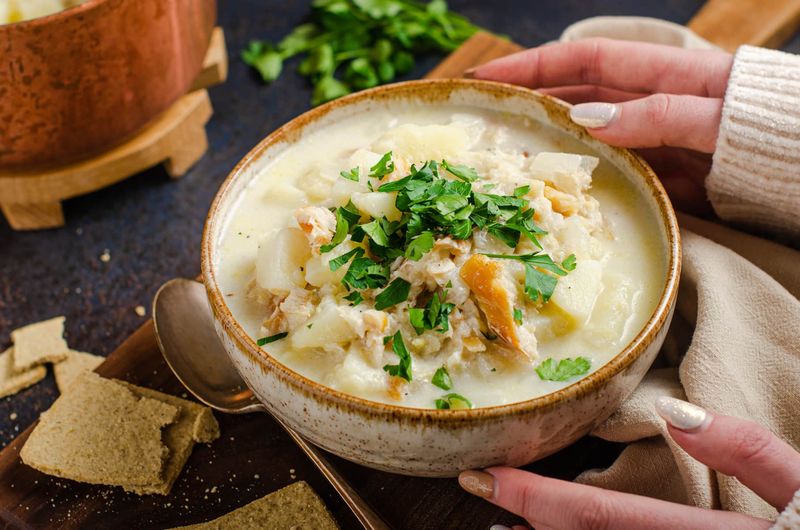
The name alone is enough to make people pause. Cullen Skink is a thick, creamy soup made from smoked haddock, potatoes, and onions, originating from the small fishing village of Cullen on the northeast coast of Scotland.
Despite the odd-sounding name, it is genuinely one of the most comforting soups you will ever eat.
Smoky, rich, and warming on a cold day, it is beloved across Scotland. The word "skink" simply means a shin or knuckle broth in old Scots.
5. Stovies
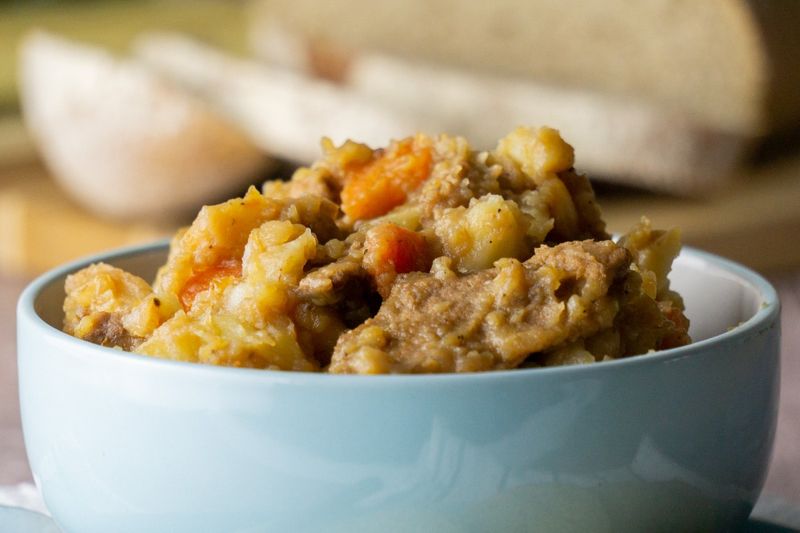
Stovies might look like a random pile of soft, mashed-up potatoes and meat, but to Scots, this humble dish is pure comfort food. Traditionally made on Mondays using leftover roast beef or lamb from Sunday dinner, stovies are slow-cooked with onions and dripping until everything melts together.
Every Scottish family has their own version, and debates about the "right" way to make them can get surprisingly heated. Outsiders often find the appearance underwhelming, but the flavor is deeply warming.
6. Tablet
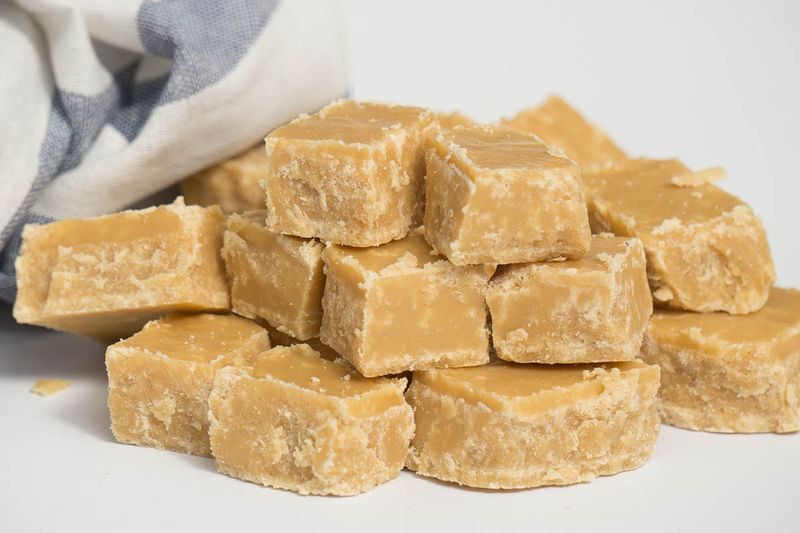
Scottish tablet is not quite fudge and not quite toffee. It sits somewhere in between, with a grainy, crumbly texture that dissolves into an intense rush of sweetness.
Made from sugar, condensed milk, and butter, it is boiled to a precise temperature that gives it that distinctive bite.
People who grow up eating it are completely addicted. Those trying it for the first time often find it overwhelmingly sweet.
Either way, a single piece is never enough, even when you insist it is.
7. Lorne Sausage
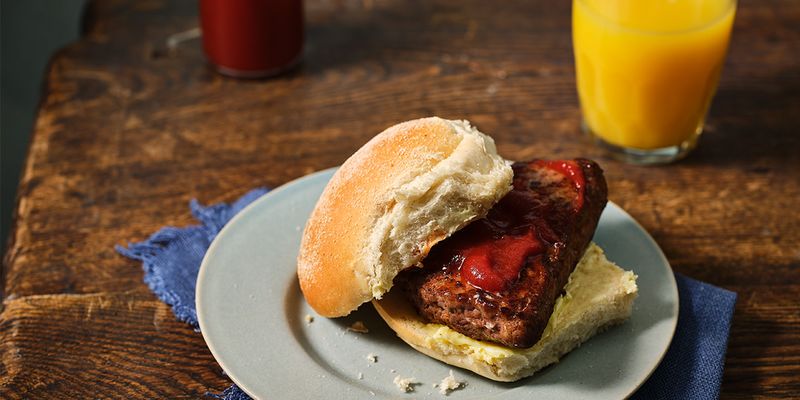
Forget everything you know about sausages being round and cylindrical. The Lorne sausage, also called a square sausage or sliced sausage, is a flat, rectangular patty made from minced beef or pork mixed with rusk and spices.
It is a Scottish breakfast staple, designed perfectly to fit inside a morning roll.
Non-Scots find the concept of a square sausage genuinely amusing. But once you have had a square sausage roll with brown sauce on a cold morning, the shape suddenly makes perfect sense.
8. Black Pudding
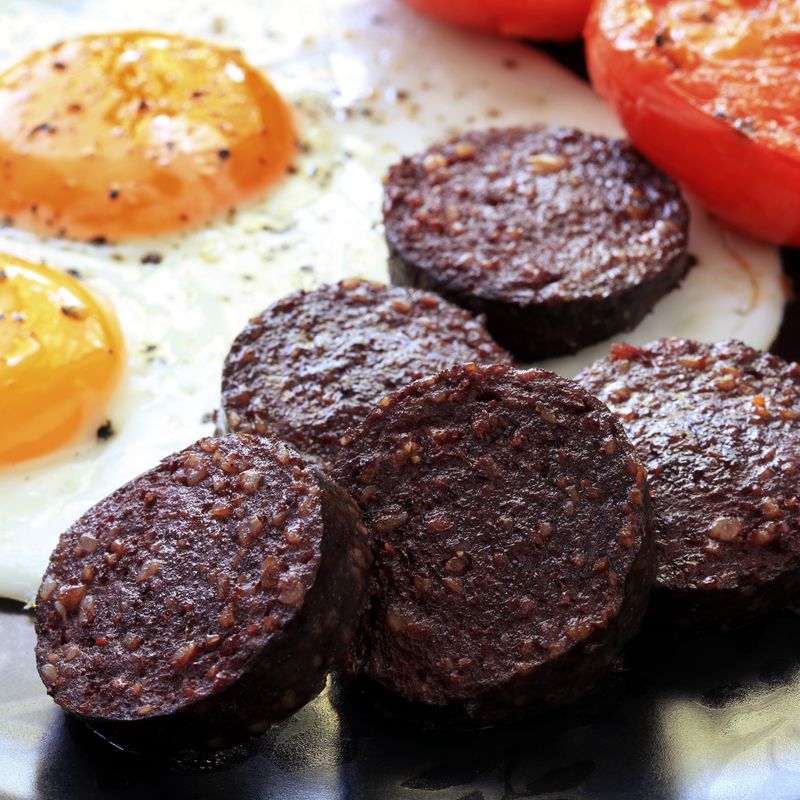
Blood sausage goes by many names around the world, but Scotland's version, black pudding, has its own loyal fanbase and its own distinctive recipe. Made from pork blood, fat, and oatmeal stuffed into a sausage casing, it has a dense, earthy flavor that is hard to describe to someone who has never tried it.
It is a non-negotiable part of a full Scottish breakfast. Many visitors eye it with suspicion before reluctantly taking a bite and then quietly asking for more.
9. Cranachan
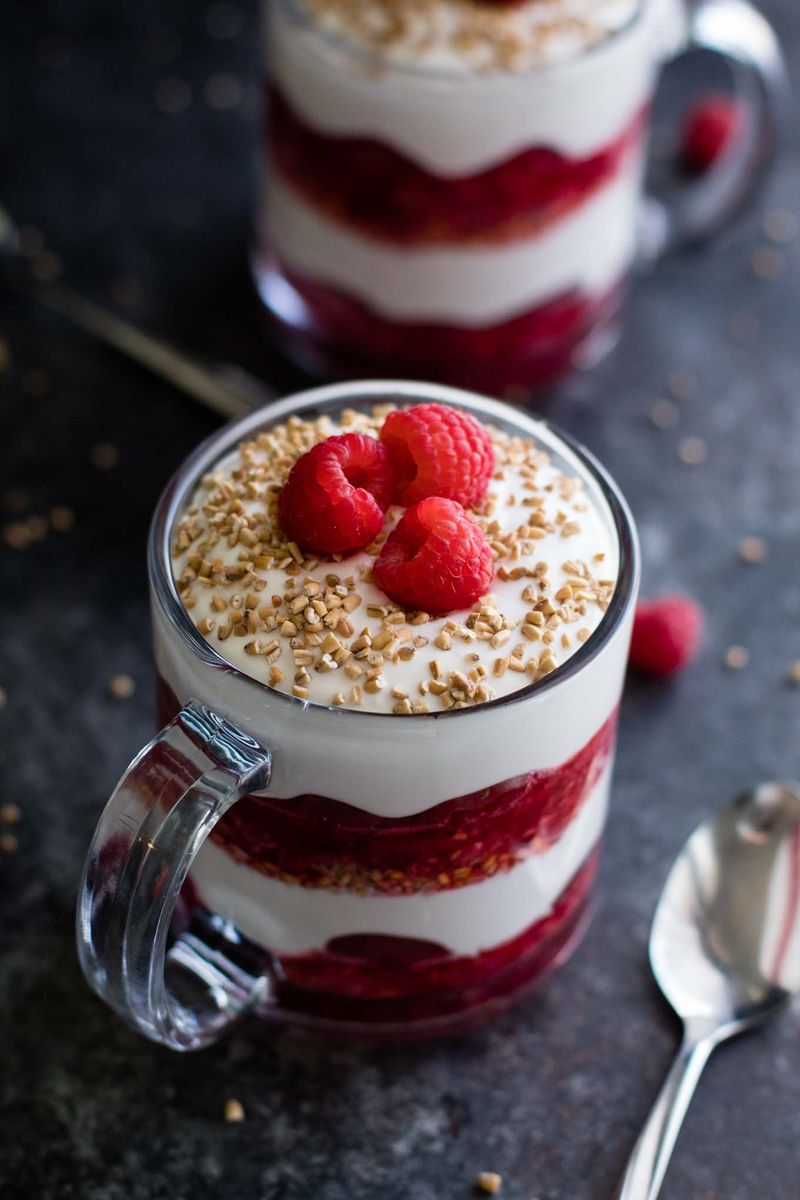
Cranachan is Scotland's answer to a fancy dessert, and it is genuinely gorgeous. Layers of whipped cream, toasted oatmeal, fresh raspberries, honey, and a generous splash of Scotch whisky come together in a glass that looks as impressive as it tastes.
It is traditionally served at celebrations and Burns Night suppers.
The whisky element surprises some international guests, but it adds a warmth that ties everything together beautifully. Once you try it, no other dessert quite measures up on a chilly evening.
10. Clapshot
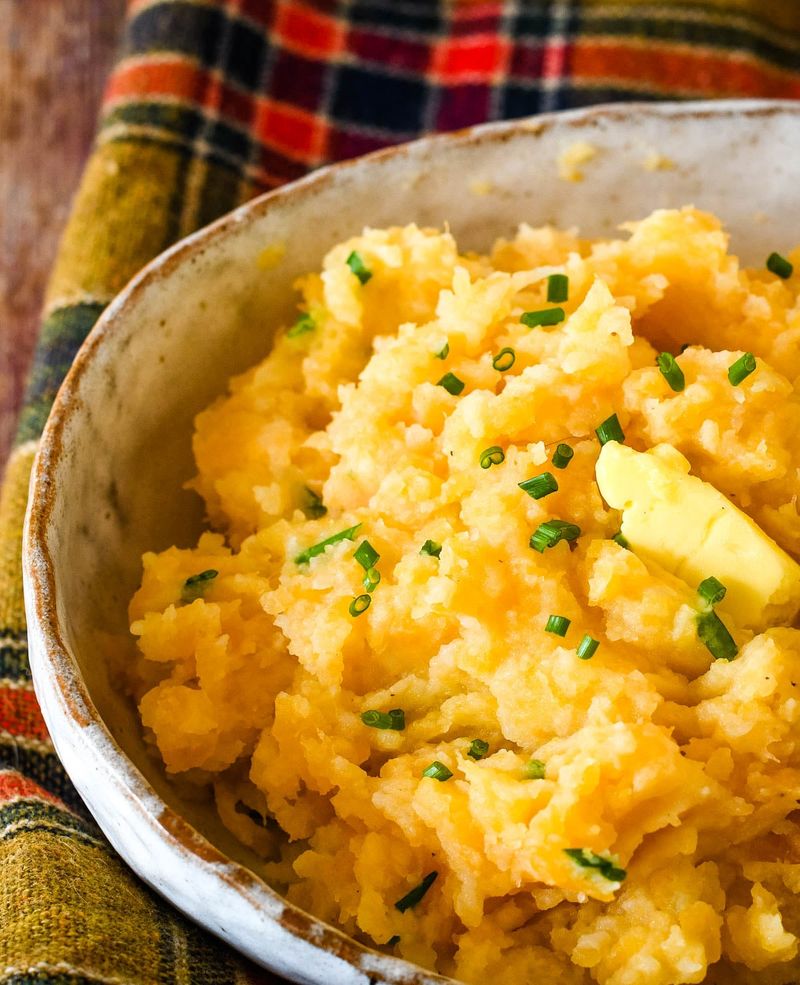
Clapshot is the kind of side dish that sounds simple but wins people over completely once they taste it. A mixture of mashed turnip (called swede in England) and potato, cooked together with butter and sometimes chives, it is the traditional partner to haggis on Burns Night.
The turnip adds a slightly earthy, sweet flavor that transforms a plain mash entirely.
Some visitors are surprised by the yellow color. Others are puzzled by the name.
But almost everyone ends up scraping the bowl clean.
11. Arbroath Smokie
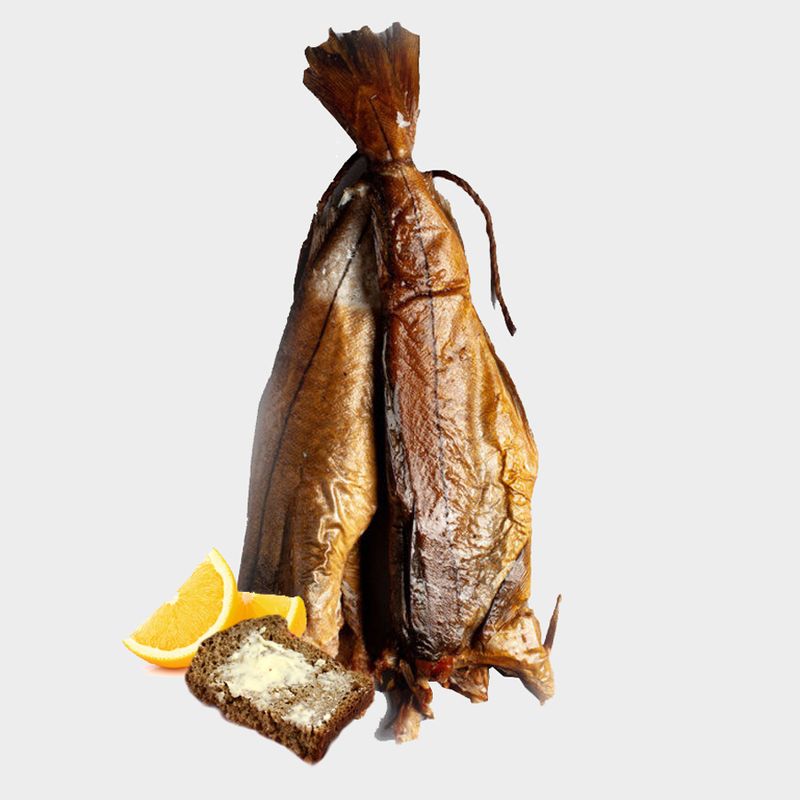
An Arbroath Smokie is a whole haddock that has been salted and hot-smoked over hardwood in a small fishing town called Arbroath on Scotland's east coast. The result is a golden, intensely smoky fish with soft, flaky flesh that practically falls off the bone.
It even has protected geographical indication status, like champagne or Parma ham.
The strong smell can catch newcomers off guard, but the flavor is extraordinary. Locals eat them warm, straight from the smoke pit, which is the best possible way.
12. White Pudding
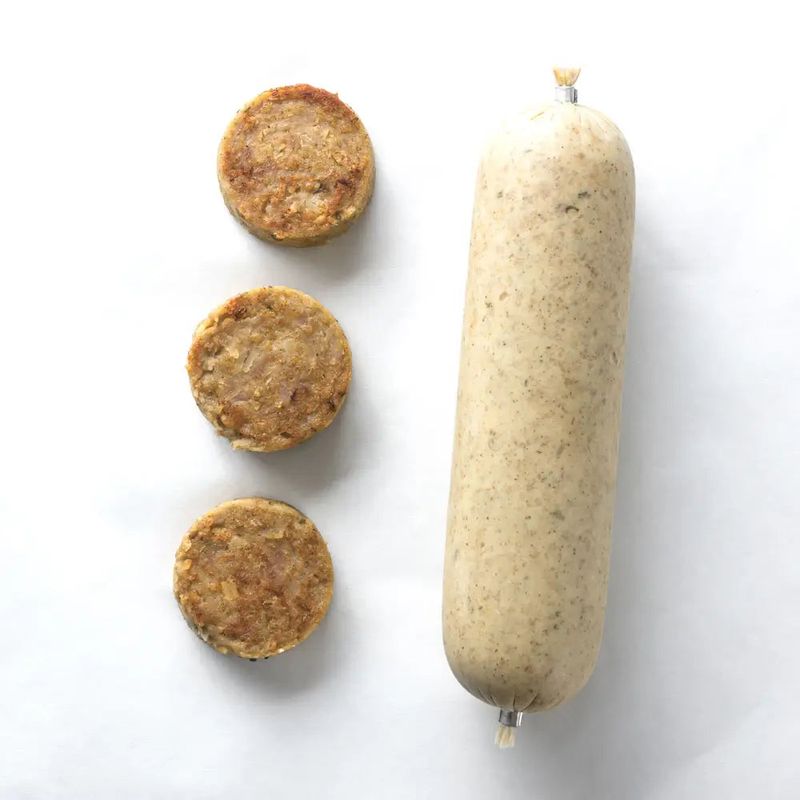
White pudding is essentially black pudding's paler, less intimidating cousin. Made from pork meat, fat, and oatmeal without the blood, it has a milder, slightly nutty flavor and a firm texture that crisps up beautifully when fried.
It is a regular feature on the full Scottish breakfast plate alongside eggs, bacon, and tattie scones.
People unfamiliar with it often mistake it for a regular sausage until they taste the distinct oaty richness inside. It is underrated and absolutely worth trying.
13. Tattie Scones
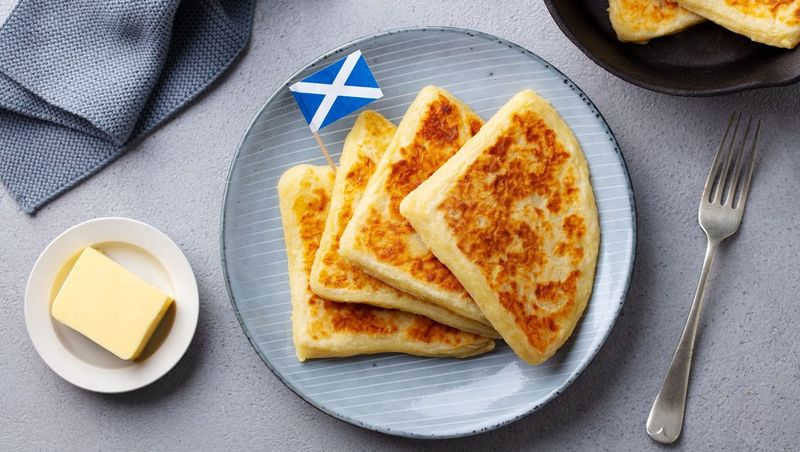
Tattie scones are thin, flat rounds made from mashed potato and flour, cooked on a griddle until golden on both sides. They are a beloved part of the Scottish breakfast and can also be eaten with butter as a snack.
The texture is soft and slightly doughy, nothing like a traditional flour scone.
Non-Scots are often confused by the name, expecting something sweet and baked. The reality is savory, simple, and completely addictive.
They are one of those foods you never knew you needed until you try them.
14. Scotch Pie
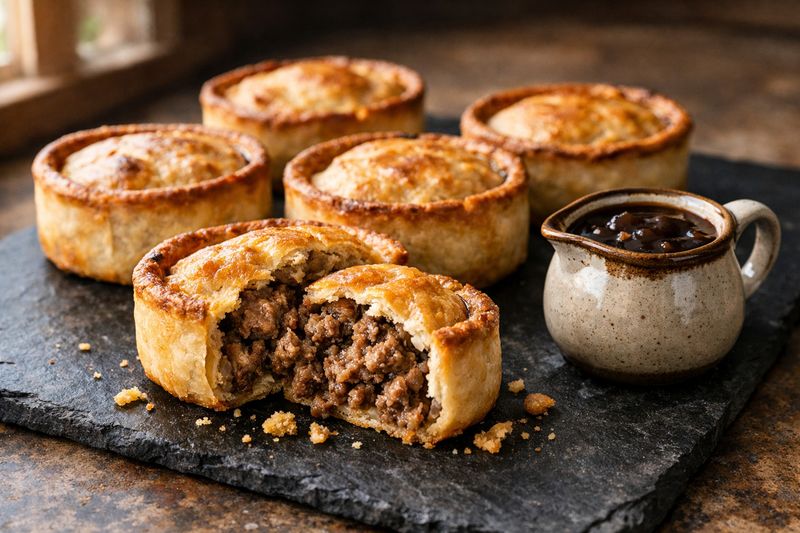
The Scotch pie is a small, double-crust meat pie with a distinctive raised pastry shell and a recessed top designed to hold extras like baked beans or mashed potato. Filled with seasoned minced mutton or beef, it is sold at football grounds, bakeries, and markets all over Scotland.
It is the ultimate portable snack.
Visitors from places where pies are sweet often find the savory, slightly spiced filling unexpected. But Scots will defend the Scotch pie with fierce loyalty and rightful pride.
15. Neeps
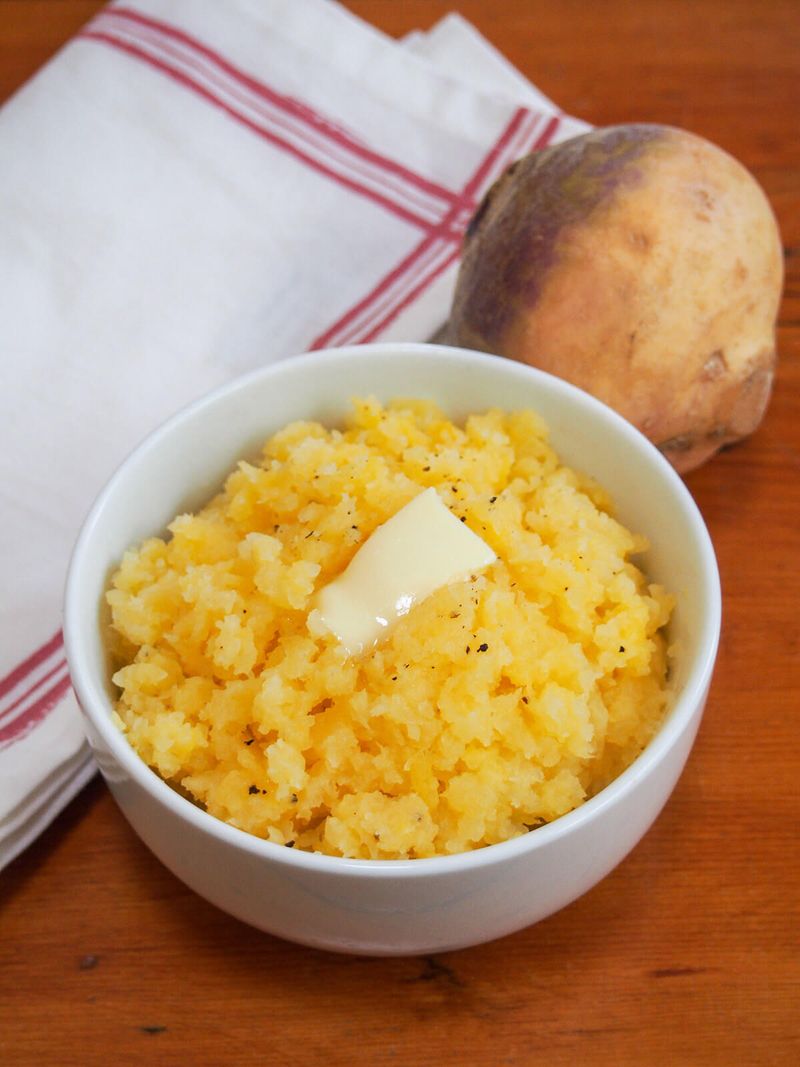
In Scotland, neeps refers to turnip, but what Scots call turnip is actually what the rest of the UK and much of the world calls swede or rutabaga. Confused yet?
The terminology alone baffles visitors before they even get to tasting. Mashed neeps are orange-yellow, slightly sweet, and earthy, with a texture softer than regular mashed potato.
They are always served alongside haggis on Burns Night as part of the classic trio. Once you add butter and black pepper, they are genuinely wonderful.
16. Porridge with Salt
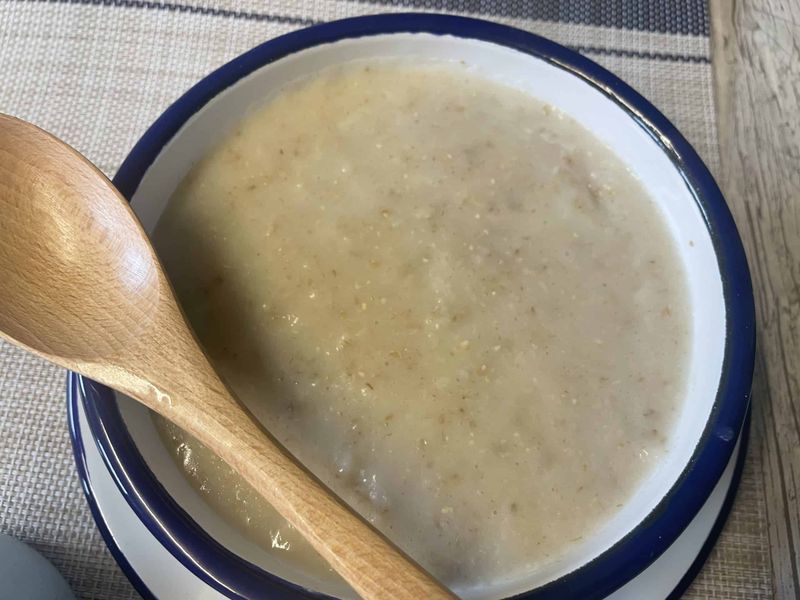
Most of the world tops porridge with sugar, honey, fruit, or syrup. Scots, particularly older generations, insist that the only proper way to eat porridge is with just a pinch of salt.
No sweetness, no toppings, just the pure, nutty flavor of oats with a savory edge. It sounds strange but actually enhances the natural taste of the oats beautifully.
Visitors expecting a sweet breakfast bowl are often taken aback. There is even a traditional Scots saying that stirring porridge clockwise brings good luck.
17. Cock-a-Leekie Soup
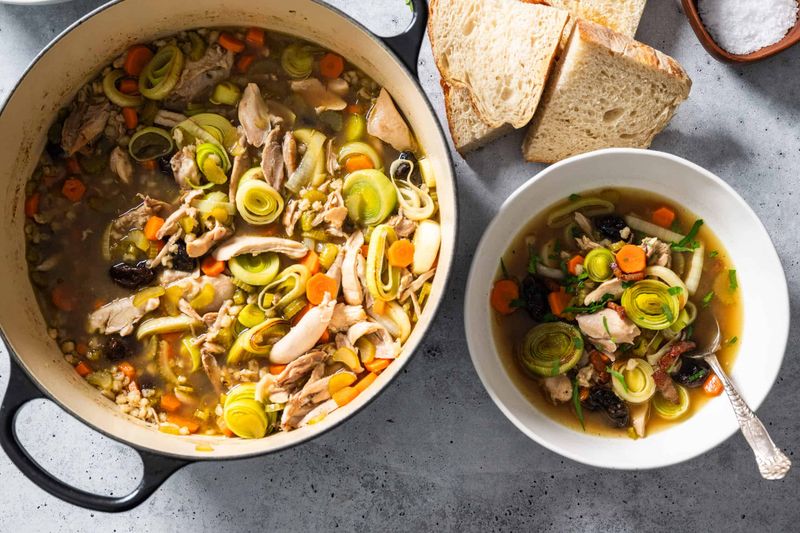
The name raises eyebrows everywhere outside Scotland, but cock-a-leekie is simply a warming broth made from chicken and leeks, sometimes with the surprising addition of prunes. The prunes add a subtle sweetness that balances the savory chicken perfectly, though many people find this combination very unexpected the first time around.
Dating back to the 16th century, this soup has serious historical credentials. It is gentle, nourishing, and deeply satisfying on a cold day, even if the prune twist keeps people guessing.
18. Dundee Cake
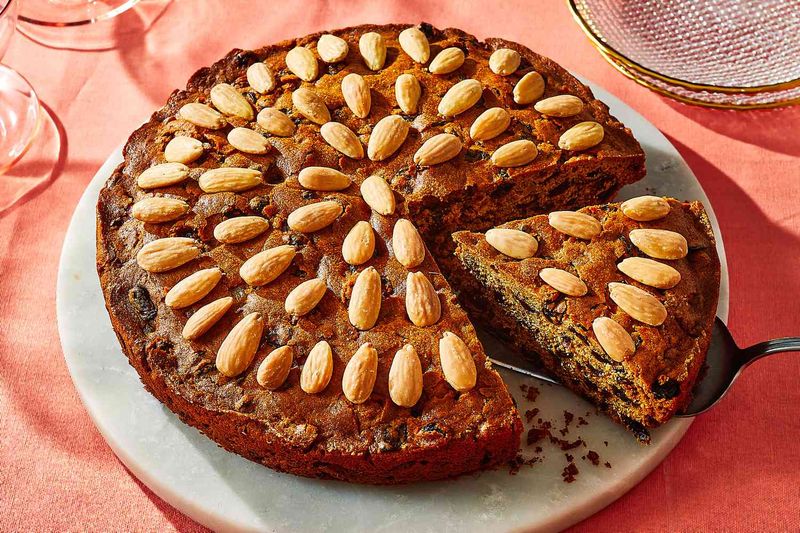
Dundee cake is a rich fruit cake topped with concentric rings of whole blanched almonds, giving it a beautiful, distinctive appearance. Unlike Christmas cake, it is not covered in marzipan or icing, just that elegant almond topping.
It is made with currants, sultanas, orange peel, and a little whisky or brandy for depth.
Some international visitors find the dense, boozy fruitcake style an acquired taste. But Dundee cake has been made in Scotland since the 1800s and remains a proud baking tradition worth celebrating.
19. Rumbledethumps
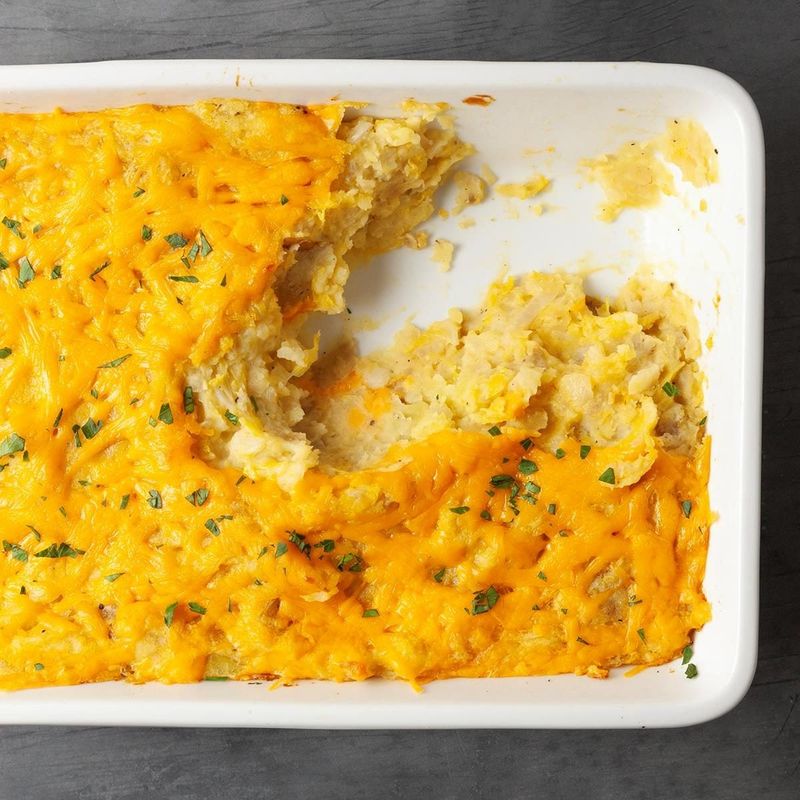
With a name that sounds like it belongs in a children's storybook, rumbledethumps is actually a traditional Scottish dish from the Border region. It combines mashed potato, cabbage, and onion, topped with cheese and baked until golden and bubbling.
Think of it as Scotland's answer to bubble and squeak, but cheesier and more satisfying.
The name reportedly comes from the Scots words for mixing and thumping the ingredients together. It is hearty, unpretentious, and exactly the kind of food that warms you from the inside out.
20. Macaroni Pie
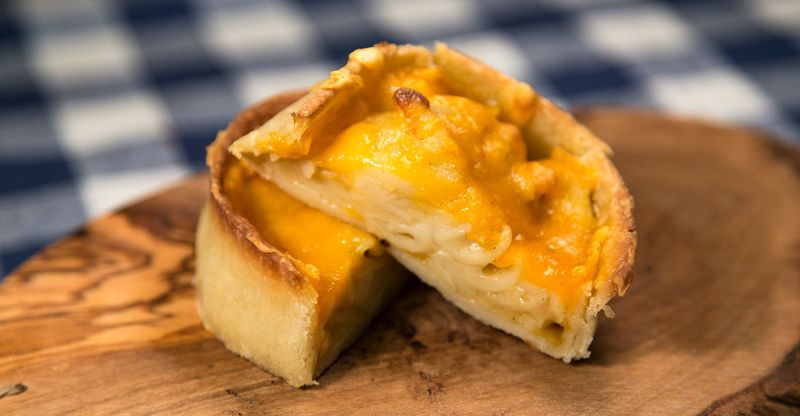
Pasta inside a pie is not something most of the world would dream up, but Scotland did exactly that and somehow made it work brilliantly. A macaroni pie is a hot water pastry case filled with thick, creamy macaroni cheese, served warm from bakery counters across the country.
It is carbs inside carbs, unapologetically so.
Food critics outside Scotland often find the concept baffling. But Scottish bakeries have been selling them for decades, and loyal fans will tell you there is nothing better on a cold afternoon after a football match.




Comments
No Comments