













Vinegar is one of those kitchen staples that most people overlook, but it has the power to completely transform a dish. A small splash can brighten flavors, cut through richness, and add a satisfying tang that makes food taste more alive.
From soups to salads to slow-cooked meats, vinegar works like a secret weapon in the hands of anyone who knows how to use it. Get ready to look at your bottle of vinegar in a whole new way.
1. Pulled Pork
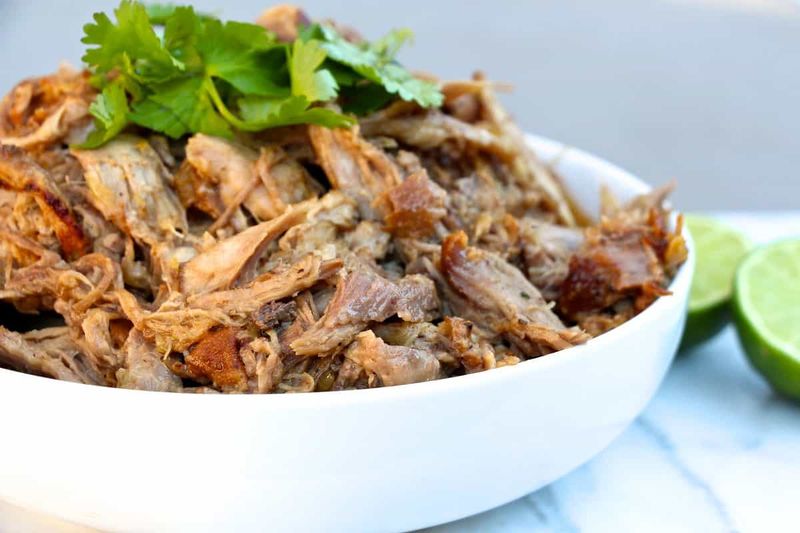
Ask any pitmaster in the Carolinas and they will tell you that pulled pork without vinegar is just not the same. A splash of apple cider vinegar cuts right through the fat, balancing the richness with a bright, tangy kick that wakes up every bite.
It also helps keep the meat moist and tender. Try adding it just before serving for the best results.
2. Coleslaw
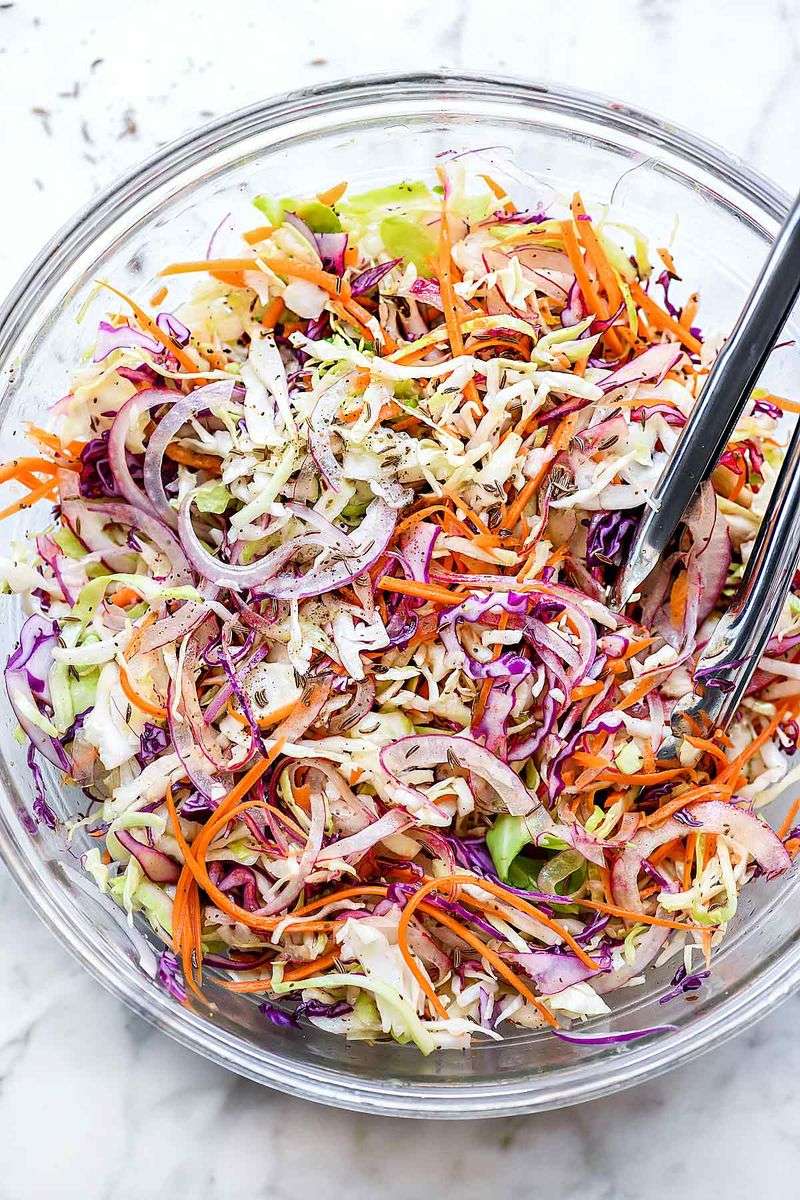
Coleslaw can sometimes taste flat or overly sweet, but a splash of white vinegar changes everything. The acidity balances the creaminess of the mayo and gives the cabbage a lively, crisp flavor that keeps you coming back for another forkful.
Vinegar also helps soften the cabbage slightly, making the texture more pleasant. A little goes a long way, so start with just a teaspoon and adjust from there.
3. Lentil Soup
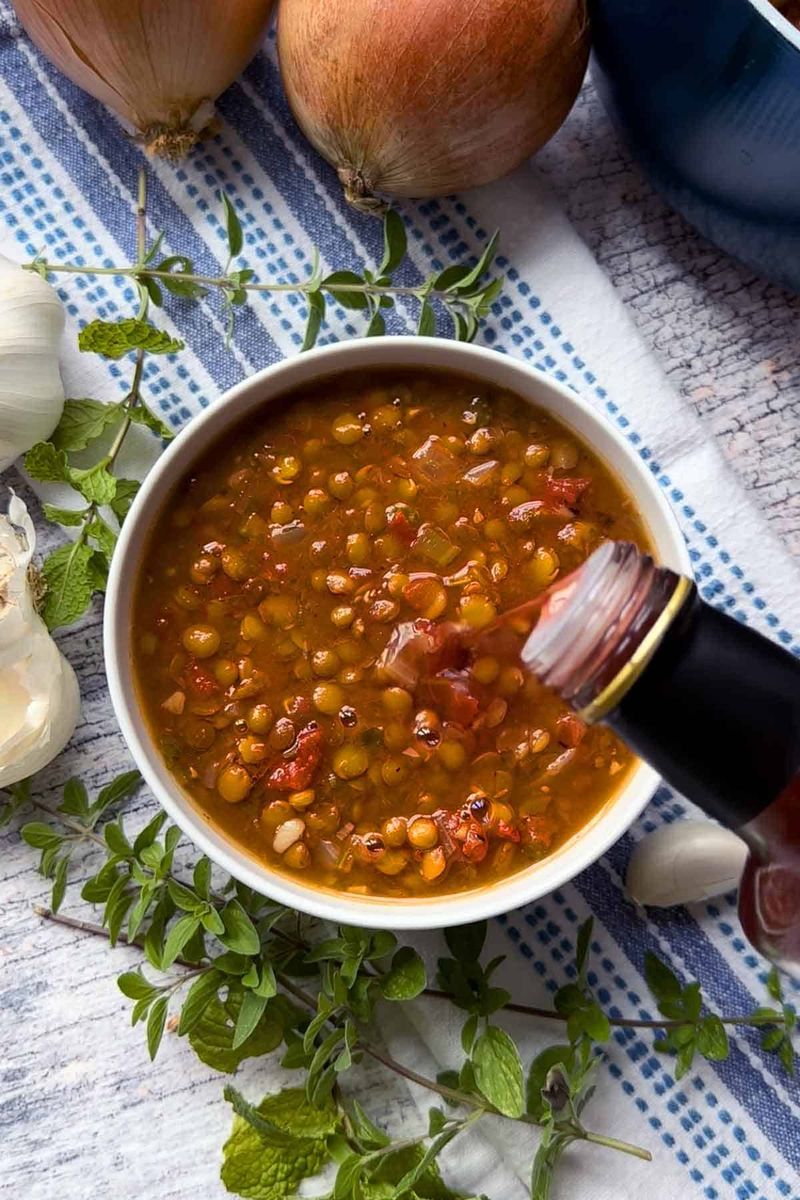
Lentil soup is hearty and filling, but it can sometimes taste a little heavy or one-dimensional. A small splash of red wine vinegar stirred in at the end of cooking adds brightness that makes all the earthy flavors pop in a really satisfying way.
This trick is used in many Middle Eastern and Mediterranean kitchens. It costs nothing extra and makes a huge difference in the final bowl.
4. Potato Salad

Potato salad has a reputation for being a little bland, but vinegar is the fix most home cooks never think to try. Tossing warm potatoes with apple cider vinegar before mixing in the other ingredients lets the starch soak up that tangy flavor from the inside out.
The result is a potato salad that tastes layered and interesting rather than flat. It is a game-changing step that takes almost no extra effort.
5. Beans
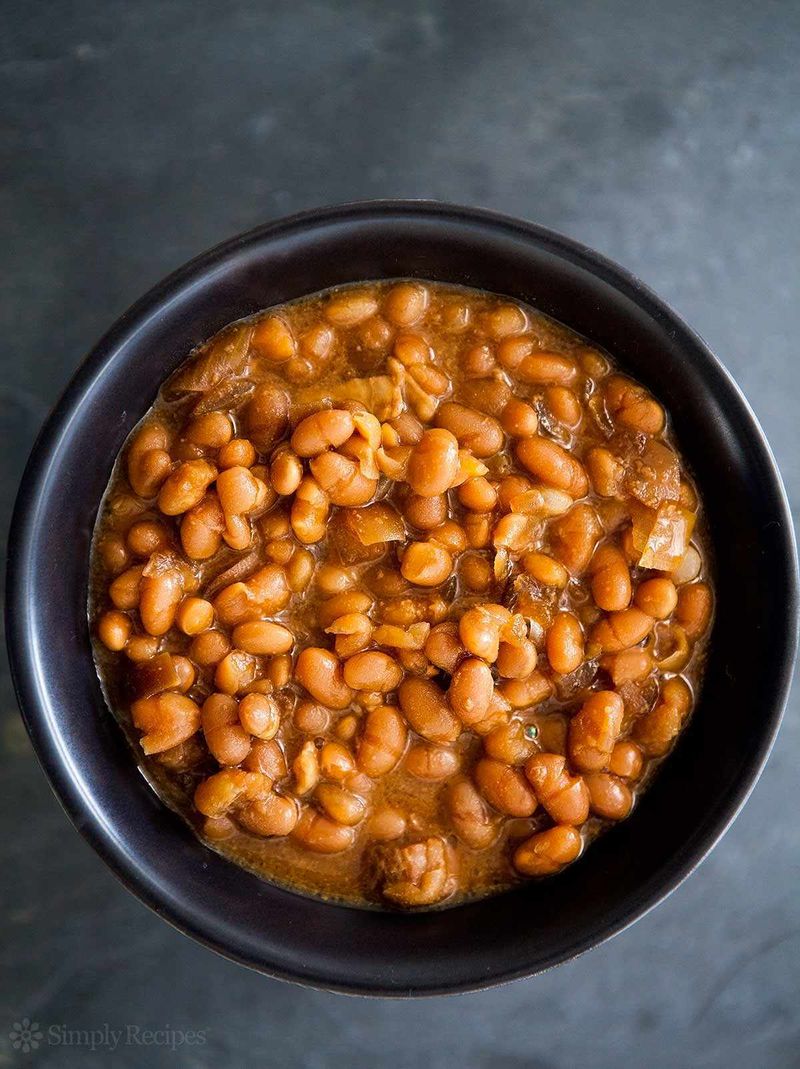
Beans are humble, budget-friendly, and packed with protein, but they often need a little help in the flavor department. A splash of vinegar added near the end of cooking brightens everything up and gives beans a depth that plain salt and pepper just cannot achieve on their own.
Balsamic, red wine, or apple cider vinegar all work beautifully. This trick is especially great for black beans and pinto beans.
6. Scrambled Eggs
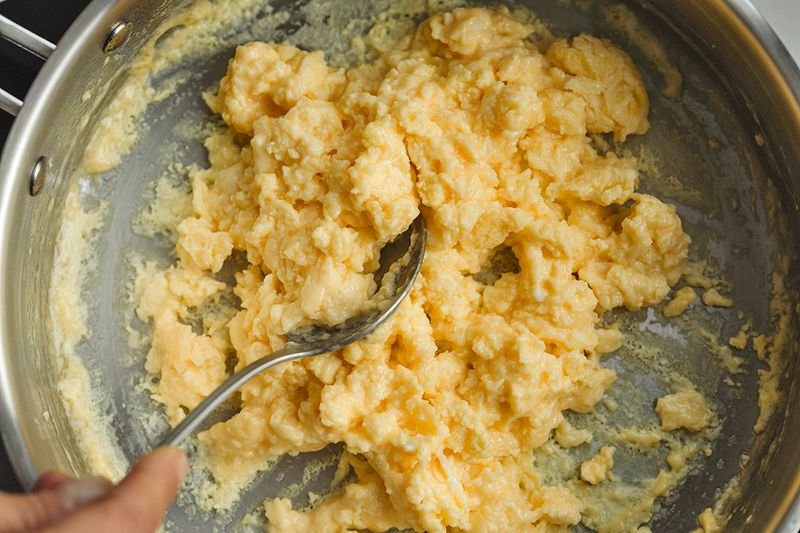
Scrambled eggs might seem like a strange place for vinegar, but a tiny drop of white vinegar added to the beaten eggs before cooking gives them a subtle tang that makes them taste richer and more complex. Many professional chefs use this trick regularly.
The vinegar does not make the eggs taste sour at all. Instead, it enhances the natural flavor and makes even simple scrambled eggs feel a little more special.
7. Chili
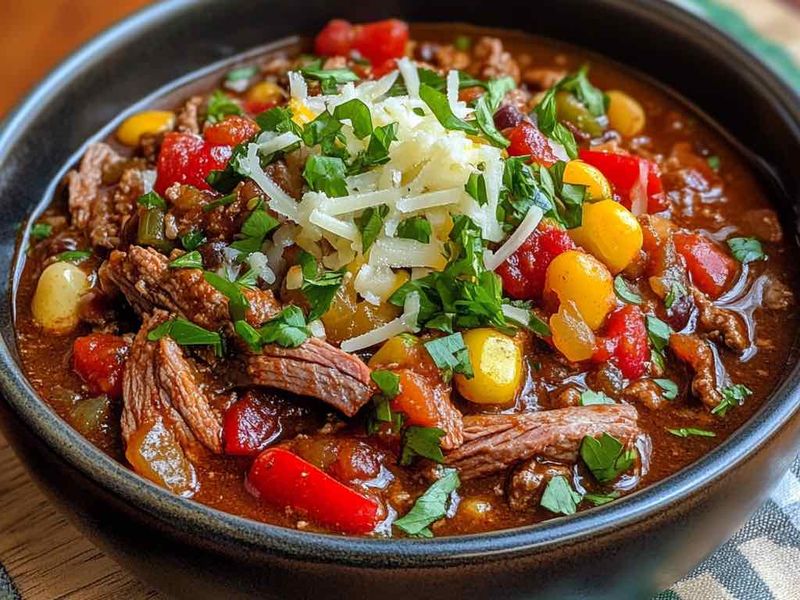
A pot of chili simmering on the stove already smells incredible, but a finishing splash of apple cider vinegar takes it from good to truly great. The acidity cuts through the heaviness of the meat and beans, giving the whole dish a livelier, more balanced taste.
Add it in the last five minutes of cooking so the flavor stays bright. Start with one tablespoon and taste as you go.
8. Roasted Vegetables

Roasted vegetables are already delicious, but drizzling them with balsamic vinegar before or after roasting adds a sweet, tangy caramelized quality that is hard to stop eating. The natural sugars in the vinegar deepen and concentrate as they cook, creating incredible flavor.
This works especially well with root vegetables like carrots, beets, and parsnips. Even picky eaters tend to go back for seconds when roasted veggies are finished this way.
9. Mac and Cheese

Mac and cheese is comfort food at its finest, but it can sometimes taste overly rich and heavy after a few bites. A small splash of white wine vinegar stirred into the cheese sauce adds a subtle sharpness that keeps the dish from feeling too cloying.
Think of it like the tang you get from a really good aged cheddar. The vinegar mimics that quality and makes even boxed mac and cheese taste more grown-up and satisfying.
10. Guacamole
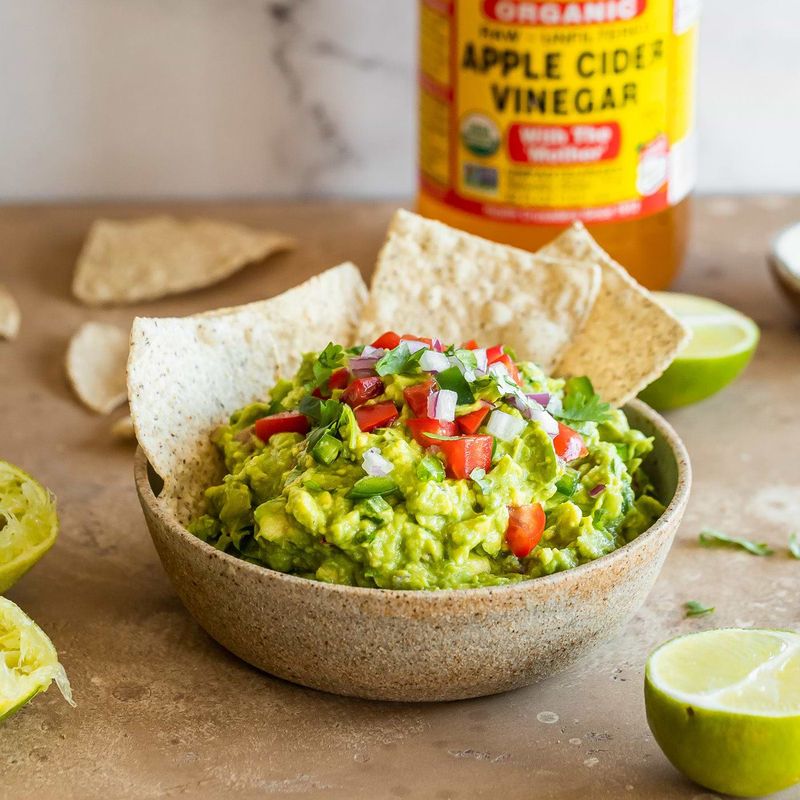
Most guacamole recipes call for lime juice, but swapping in a small amount of apple cider vinegar creates a slightly different and equally delicious tang. It also helps keep the avocado from browning as quickly, which is a practical bonus for party prep.
The vinegar blends seamlessly with the other bold flavors in guacamole. Try using half lime juice and half vinegar for a version that is bright, fresh, and a little unexpected.
11. Fried Rice

Rice vinegar is a staple in Asian cooking for good reason. Adding a small splash to fried rice just before serving gives the dish a gentle tang that balances the saltiness of the soy sauce and makes each grain of rice taste more vibrant and flavorful.
It also adds a subtle aroma that makes homemade fried rice taste more like restaurant quality. A teaspoon is usually all you need for a full pan.
12. Collard Greens
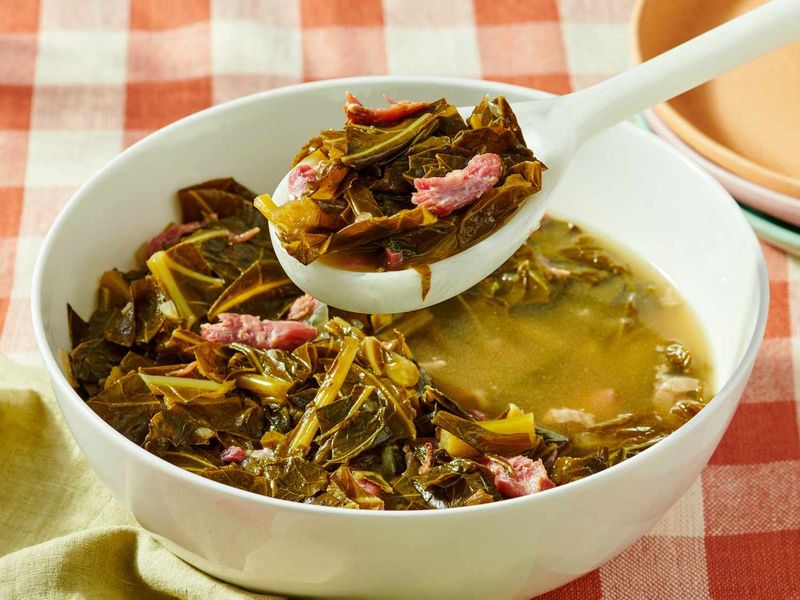
In Southern cooking, collard greens and vinegar have been best friends for generations. The natural bitterness of the greens is tamed beautifully by a generous splash of apple cider vinegar, which also brings out a sweetness that you might not expect from a leafy vegetable.
Many families keep a small bottle of hot pepper vinegar on the table just for this purpose. It is a simple tradition that makes every pot of greens taste like it was made with love.
13. Tomato Sauce
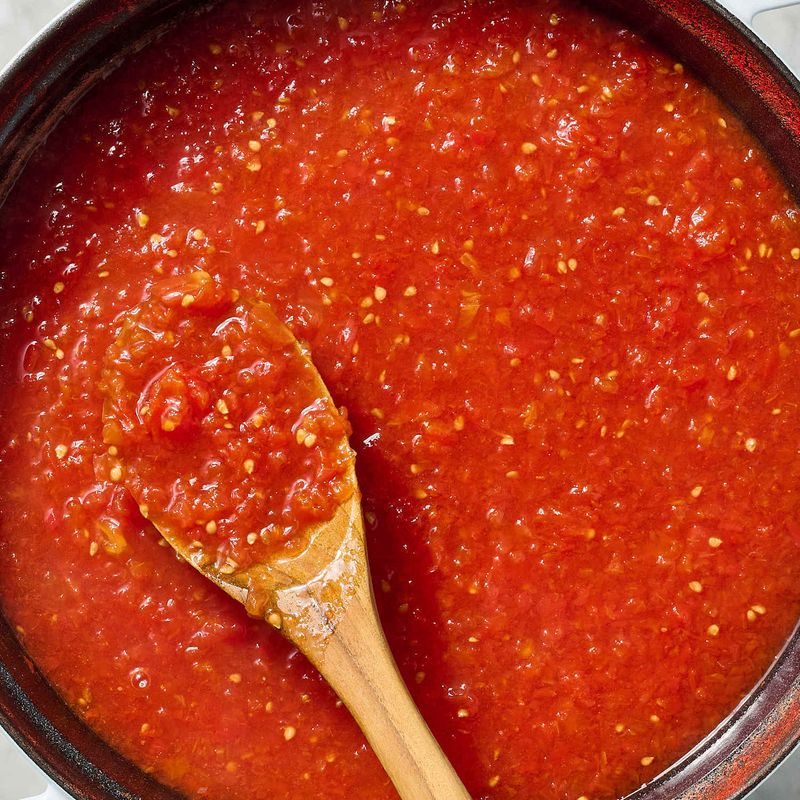
Tomatoes are naturally acidic, but a well-cooked tomato sauce can sometimes lose that brightness during a long simmer. Adding a small splash of red wine vinegar right at the end of cooking brings that fresh, lively quality back without making the sauce taste sour.
It also helps balance any added sugar if the tomatoes were especially sweet. This is a quick fix that professional cooks rely on to make their sauces taste polished and well-rounded.
14. Cucumber Salad
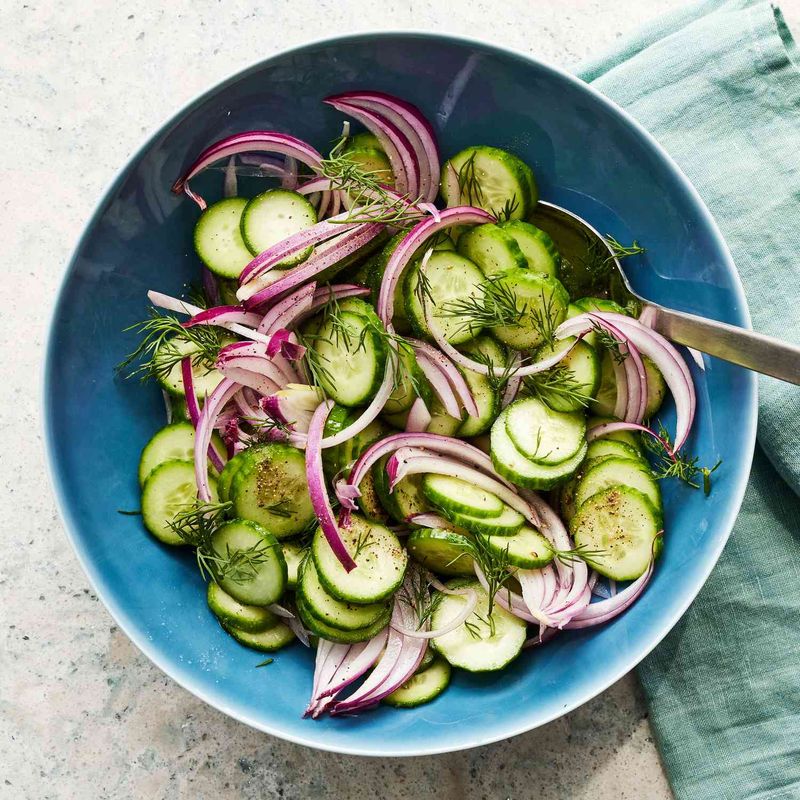
Cucumber salad dressed with vinegar is one of the most refreshing side dishes you can make in under ten minutes. The vinegar draws out a little moisture from the cucumbers and infuses them with a clean, tangy flavor that is perfect alongside grilled meats or sandwiches.
White vinegar or rice vinegar both work wonderfully here. Add a pinch of sugar and some fresh dill to create a simple salad that tastes like something from a fancy deli counter.
15. Barbecue Sauce
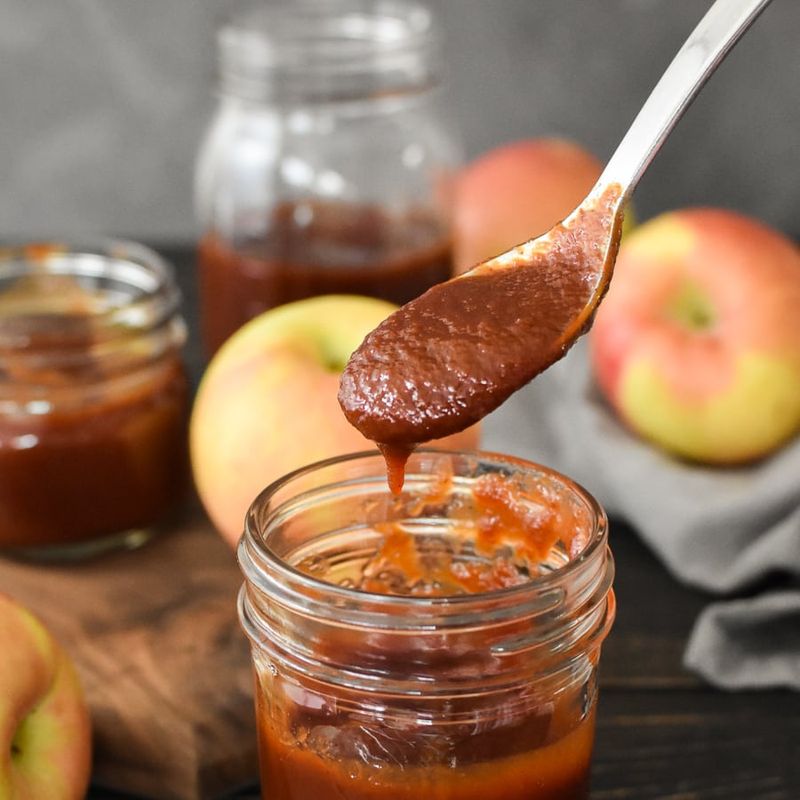
Every great barbecue sauce has a secret, and more often than not, that secret is vinegar. Apple cider vinegar gives barbecue sauce its signature tangy backbone, balancing the sweetness of brown sugar and the smokiness of paprika into something that tastes complex and deeply satisfying.
Without enough acidity, barbecue sauce can taste flat and overly sweet. The vinegar is what makes it taste like real, honest-to-goodness barbecue rather than just sweet ketchup.
16. Deviled Eggs

Deviled eggs are a classic party favorite, and a small splash of white vinegar in the filling makes them taste noticeably better. The vinegar adds a sharpness that cuts through the richness of the mayonnaise and egg yolk, making each bite feel lighter and more balanced.
Many old-fashioned recipes already include vinegar, but modern versions often leave it out. Bringing it back is one of the easiest ways to make your deviled eggs the ones everyone asks about.
17. Fish and Chips
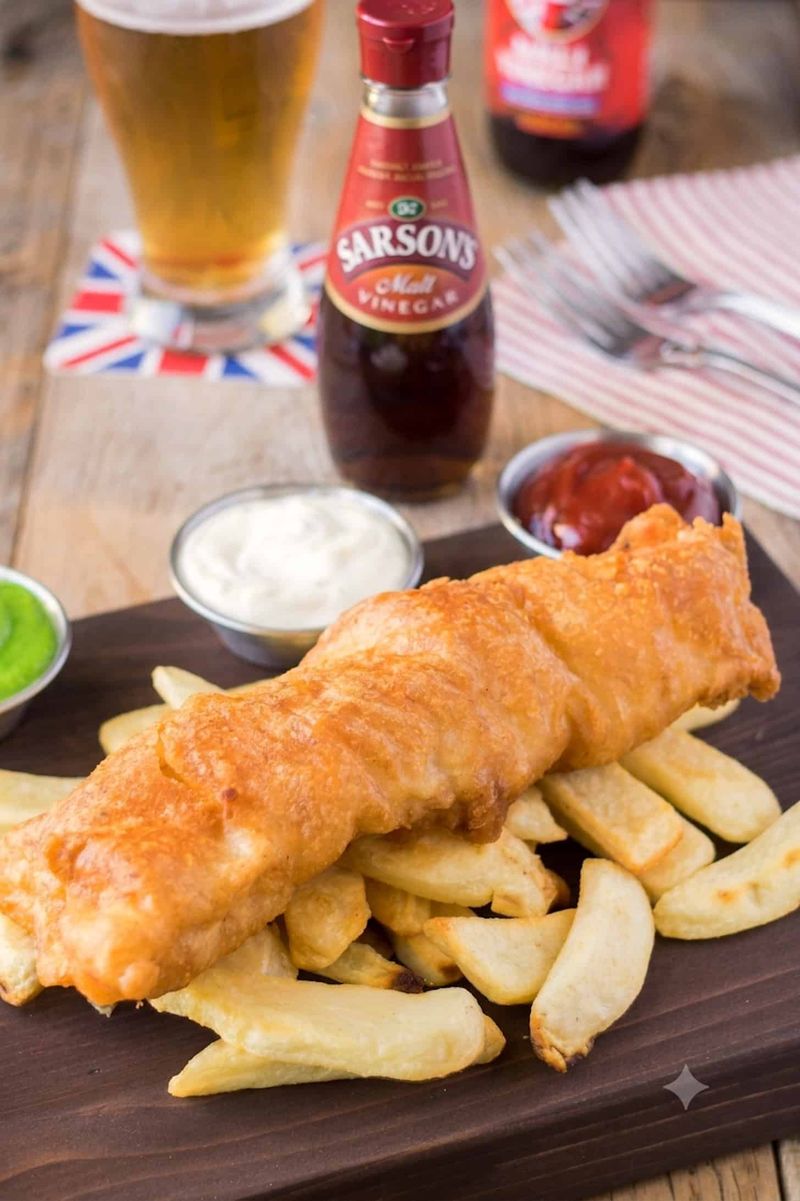
Walk into any traditional British chip shop and you will find malt vinegar sitting right next to the salt. There is a very good reason for that.
The sharp, slightly sweet flavor of malt vinegar cuts through the greasiness of the battered fish and crispy chips in a way that nothing else quite manages to do.
It also adds a wonderful aroma that makes the whole meal feel more satisfying. Try it once and you will never eat fish and chips without it again.
18. Marinades for Chicken

Vinegar-based marinades are one of the best tools for turning ordinary chicken into something memorable. The acidity in vinegar gently breaks down the surface of the meat, helping seasonings and herbs penetrate deeper and making the finished chicken more tender and flavorful throughout.
Apple cider vinegar pairs especially well with garlic, honey, and mustard. Even a short 30-minute soak in a vinegar marinade makes a noticeable difference when the chicken hits the grill or oven.
19. Beet Salad
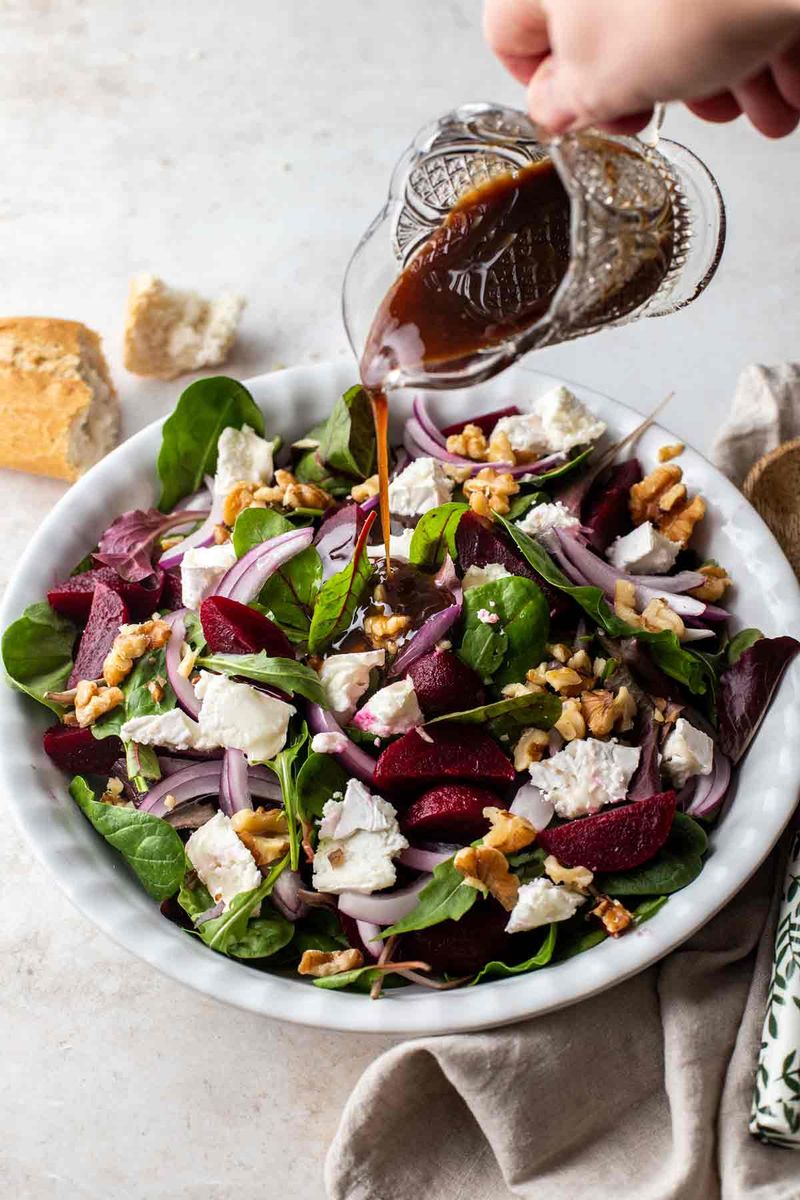
Beets have a naturally sweet, earthy flavor that becomes even more exciting when paired with vinegar. Balsamic vinegar drizzled over roasted beets creates a glossy, sweet-tangy coating that makes the salad look as good as it tastes, which is saying something.
Red wine vinegar also works beautifully for a sharper, more vibrant result. Either way, the vinegar highlights the beet's natural sweetness rather than overpowering it, turning a simple vegetable into something genuinely elegant.
20. Poached Eggs
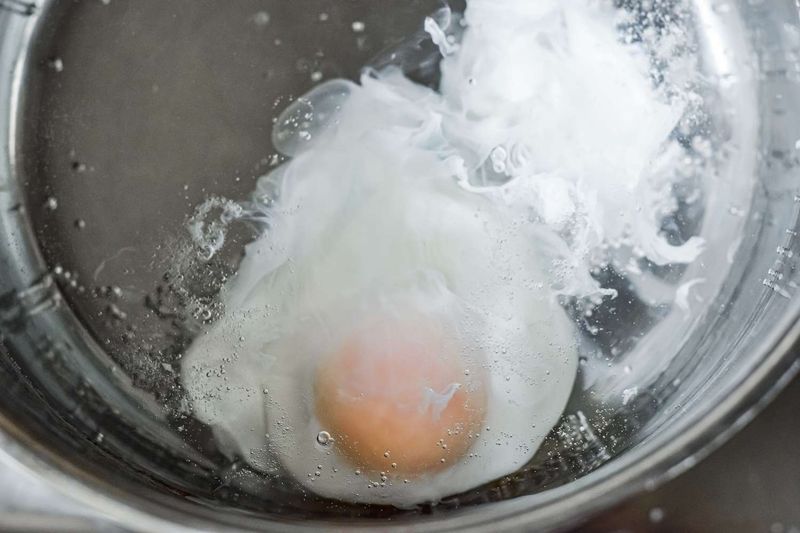
Adding white vinegar to the poaching water is a classic chef trick that actually works. The acidity causes the egg whites to firm up faster, which helps them hold their shape around the yolk instead of spreading out into wispy, messy strands in the water.
You only need about a tablespoon per pot of water. The eggs will not taste like vinegar at all.
They will just look cleaner, cook more evenly, and turn out with that beautiful domed shape every time.




Comments
No Comments