













Some foods can feel a little intimidating the first time you see them on a menu. Maybe you are not sure what to ask for, or you end up with something that does not quite match what you imagined.
The good news is that a few simple tips can completely change how much you enjoy these dishes. Once you know the right way to order them, eating out becomes a whole lot more fun.
1. Sushi
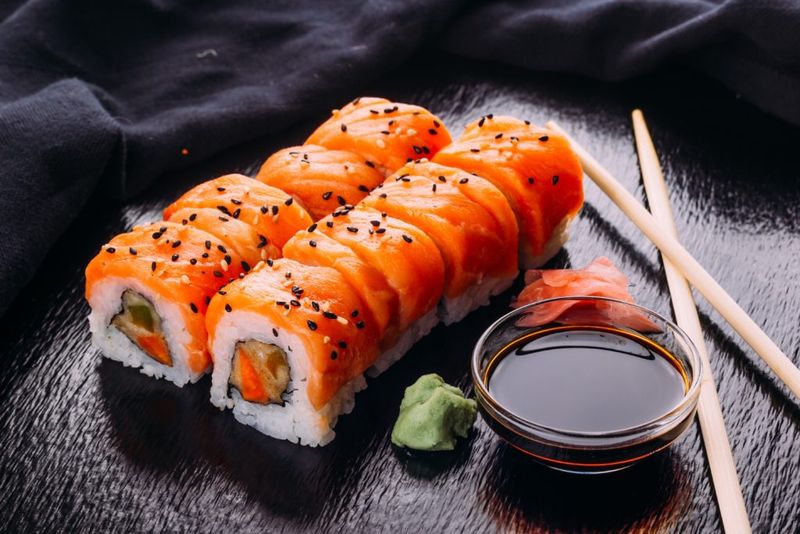
Walking up to a sushi counter for the first time can feel overwhelming, but it does not have to be. Start simple by ordering nigiri or a classic California roll before moving to raw fish options.
Ask the chef what is freshest that day — they love that question.
Skipping the heavy sauces lets the fish flavor shine. Soy sauce should be dipped lightly, not poured.
A little wasabi goes a long way, so start small and build up to your comfort level.
2. Steak
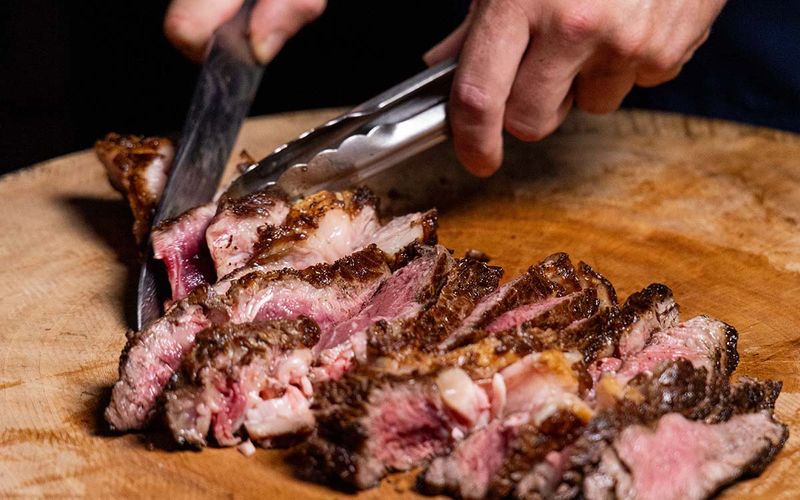
Steak lovers will tell you that doneness level is everything. Ordering a steak "well done" at a fine steakhouse might get you a dry, tough piece of meat that misses the point entirely.
Medium-rare keeps the steak juicy and full of flavor.
Always ask your server what cut is recommended for your budget and taste. Bone-in cuts like ribeye pack more flavor.
A good steak needs very little beyond salt, pepper, and a resting period after cooking.
3. Ramen
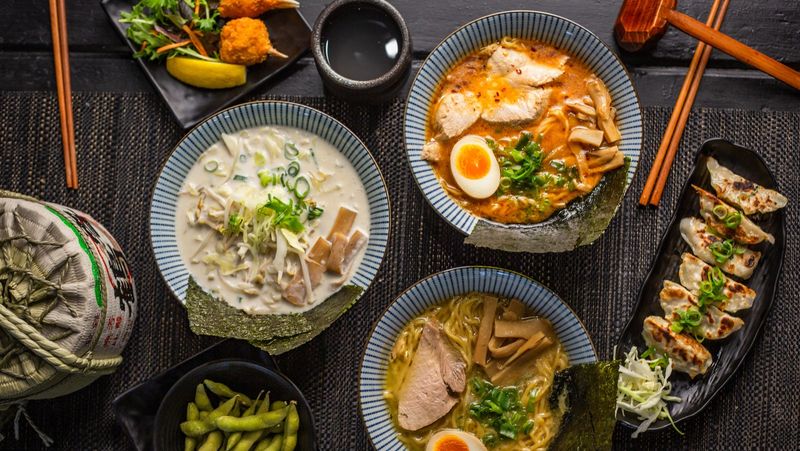
Ramen menus can look like a foreign language if you have never ordered from one before. The broth type is your most important choice — tonkotsu is rich and creamy, shoyu is lighter and soy-based, and miso adds a nutty depth.
Most shops let you customize noodle firmness, broth richness, and spice level. Ordering your noodles firm means they will not go soggy by the time you finish.
Add a soft-boiled marinated egg for a truly next-level bowl.
4. Oysters
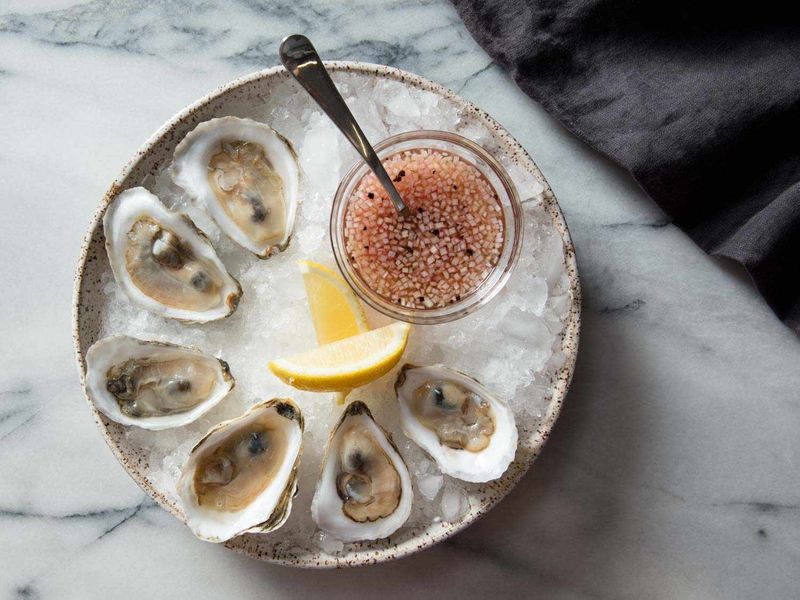
Oysters have a reputation for being fancy and confusing, but ordering them is simpler than it looks. Ask your server where the oysters come from — East Coast oysters tend to be saltier and smaller, while West Coast ones are creamier and sweeter.
Always order them by the half-dozen to start so you can sample without commitment. Squeeze a little lemon, add a drop of hot sauce, and slurp them fresh.
Chewing actually helps you taste more of their unique flavor.
5. Dim Sum
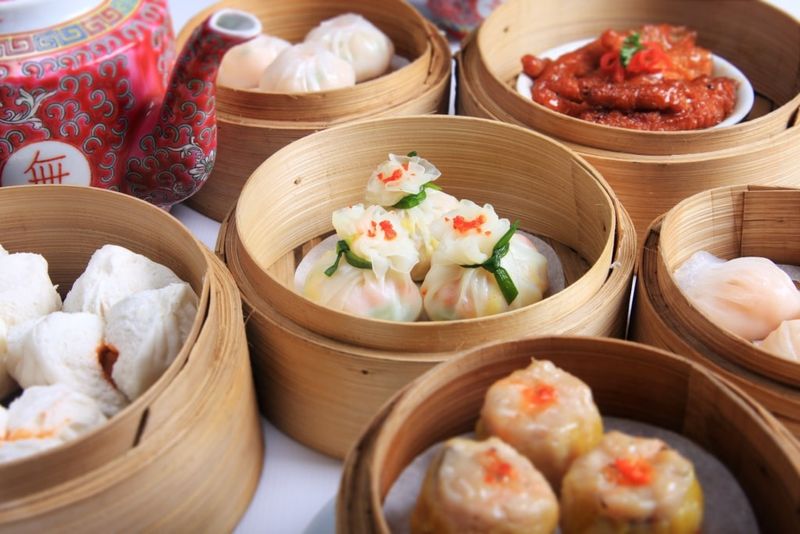
Dim sum restaurants can feel chaotic and loud, with carts rolling by faster than you can decide. The secret is knowing which dishes to flag down immediately — har gow (shrimp dumplings) and siu mai (pork dumplings) are crowd favorites for a reason.
Ordering tea right away is essential and sets the pace of the meal. Do not be shy about waving down the cart ladies.
Sharing is the whole point, so order more than you think you need and try a little of everything.
6. Pho
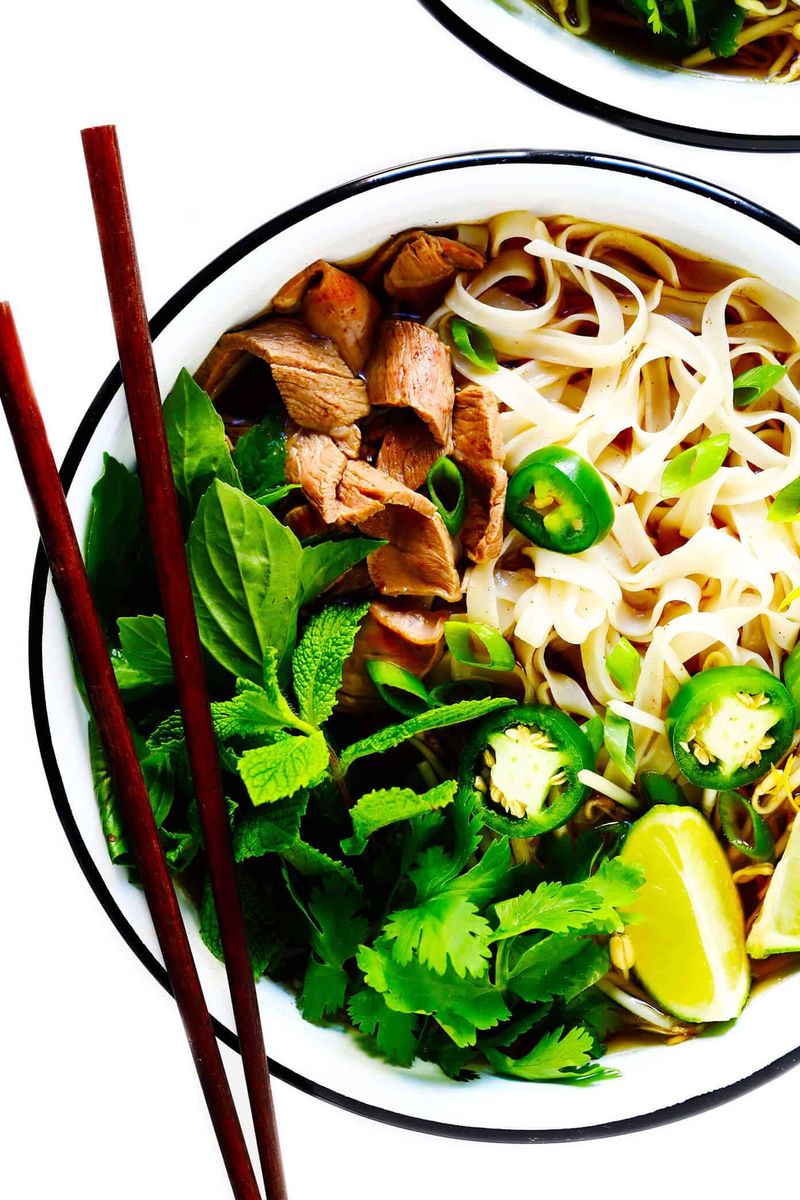
Pho (pronounced "fuh") trips people up before they even sit down. This Vietnamese noodle soup is all about building your bowl at the table with the accompaniments brought on the side.
Bean sprouts, fresh basil, lime, and chili are meant to be added by you.
Order your beef "on the side" if you prefer it more cooked rather than rare. The broth is the star here, so resist drowning it in hoisin sauce right away.
Taste first, then adjust to your liking.
7. Ethiopian Food
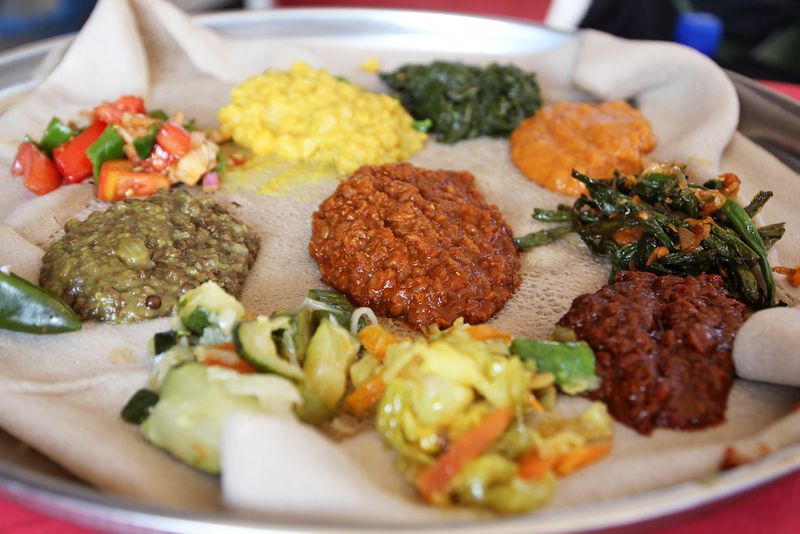
Ethiopian food looks unlike anything you may have seen before — a giant spongy flatbread called injera topped with colorful stews and salads. The injera is not just the base; it is also your utensil.
You tear pieces off and scoop up the stews with your hands.
Order a combination platter so you can sample multiple flavors at once. Vegetarian options are outstanding and often recommended for first-timers.
Asking for a spice level that suits you will make the whole experience much more enjoyable.
8. Lobster
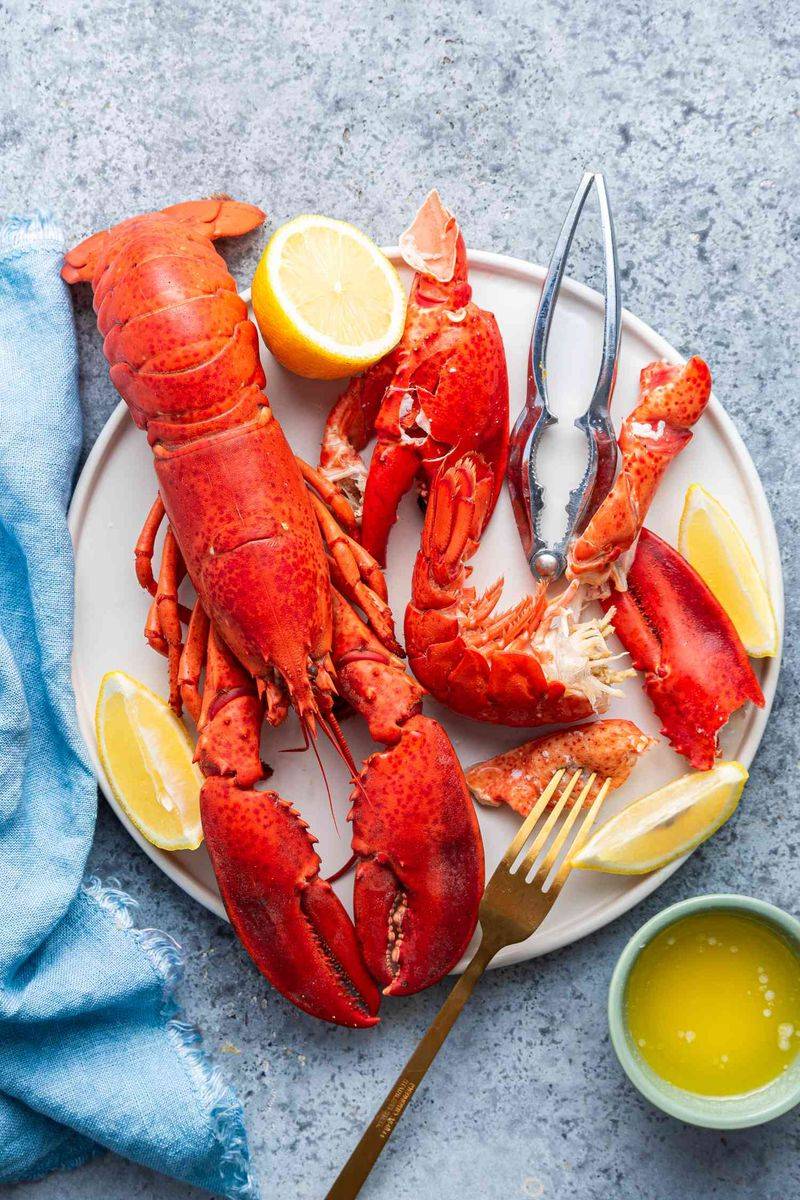
Ordering a whole lobster at a restaurant sounds luxurious and a little terrifying at the same time. The key is knowing what to ask for — whole, split, or just the tail.
A whole lobster gives you the most meat, but a split one is easier to eat.
Always ask if bibs and crackers are provided, because they should be. The claw and knuckle meat are often sweeter than the tail.
Melted butter is the classic companion, and honestly, nothing else is needed.
9. Indian Curry
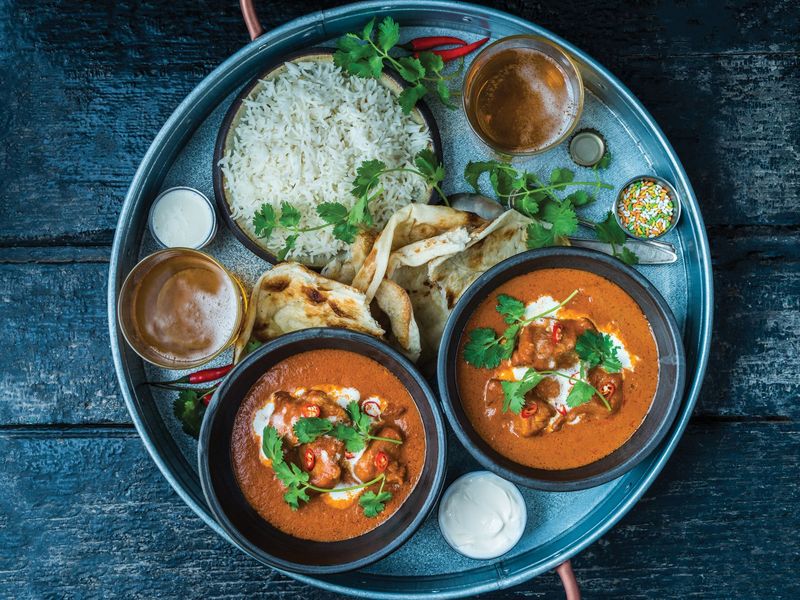
Indian menus can span pages and pages, which makes picking just one dish feel impossible. A smart move is to order a combination thali or ask your server to recommend dishes based on your spice tolerance.
Butter chicken is a brilliant starting point for newcomers.
Always order naan or rice to balance the heat of spicy dishes. Raita, a cool yogurt sauce, is your best friend if things get too fiery.
Ordering a mango lassi drink alongside your meal makes everything better.
10. Charcuterie Board
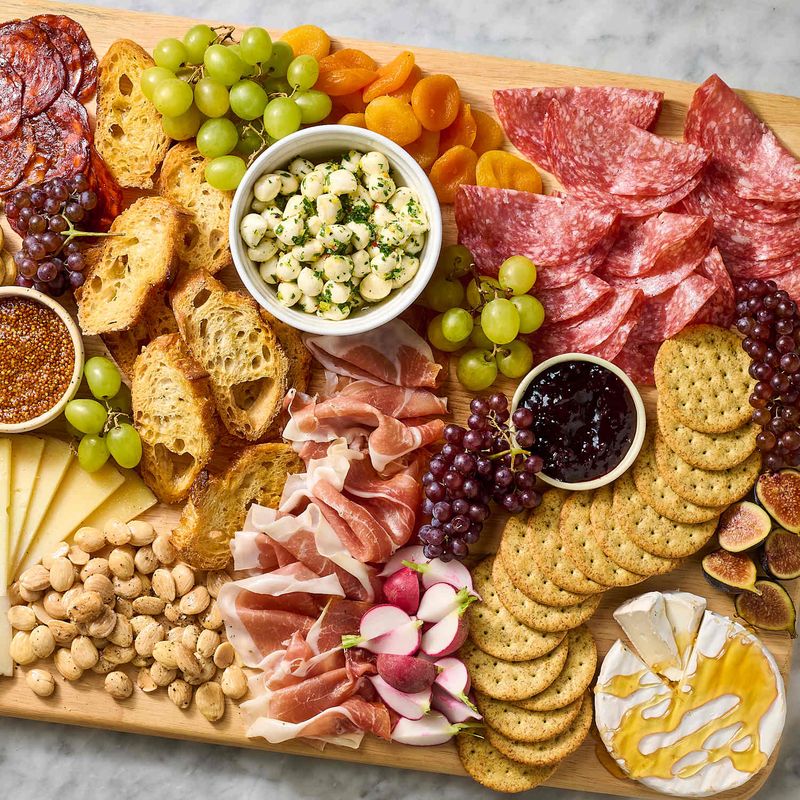
Charcuterie boards look effortlessly cool, but knowing how to order a great one takes a little know-how. When building your own at a restaurant, aim for a mix of textures — soft cheeses, firm cured meats, crunchy crackers, and something sweet like honey or jam.
Ask the server which meats are house-made or locally sourced, because those tend to be the highlights. Pairing the board with a glass of wine or sparkling water makes it feel like a full experience rather than just a snack.
11. Tacos al Pastor
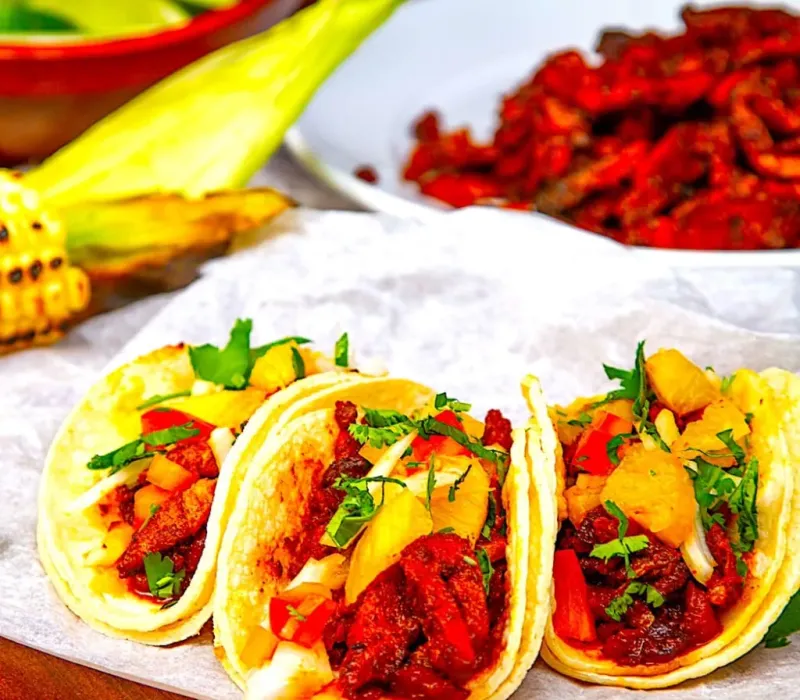
Tacos al pastor are one of Mexico's greatest street food gifts, but ordering them at an authentic taqueria is a skill worth learning. Always ask for corn tortillas — flour is fine, but corn is traditional and holds up better to the juicy marinated pork.
Order two tortillas per taco, stacked together, to prevent blowouts. Toppings should be simple: cilantro, raw onion, salsa verde, and a squeeze of lime.
Pineapple on top is not optional — it is the whole point of the dish.
12. French Onion Soup
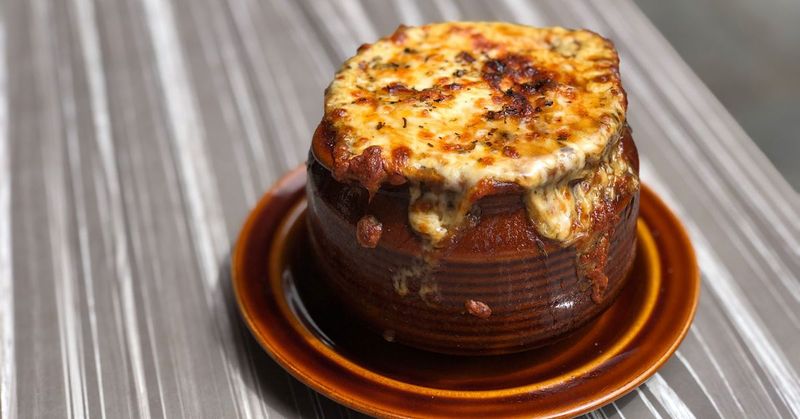
French onion soup sounds simple, but ordering a great version requires knowing what to look for. The best bowls feature a thick, caramelized onion broth topped with a crouton completely buried under bubbling, golden Gruyere cheese.
If the cheese is not browned on top, it is not done right.
Ask if the soup is made in-house or from a base. Homemade versions are worth every penny more.
Eat it slowly — the ceramic crock stays extremely hot for a long time after it arrives.
13. Bibimbap
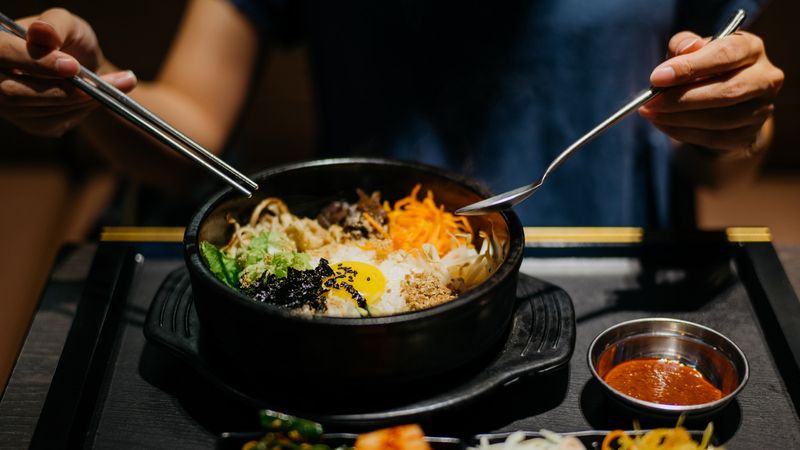
Bibimbap is one of those dishes that looks almost too pretty to mix up — but mixing it is exactly what you are supposed to do. Ordering it in a dolsot (stone bowl) means the rice crisps up on the bottom, which is the best part of the whole dish.
Ask for the gochujang sauce on the side so you control the spice level. Stir everything together vigorously right when it arrives.
The crispy rice bits at the bottom, called nurungji, are worth scraping out at the end.
14. Crème Brûlée
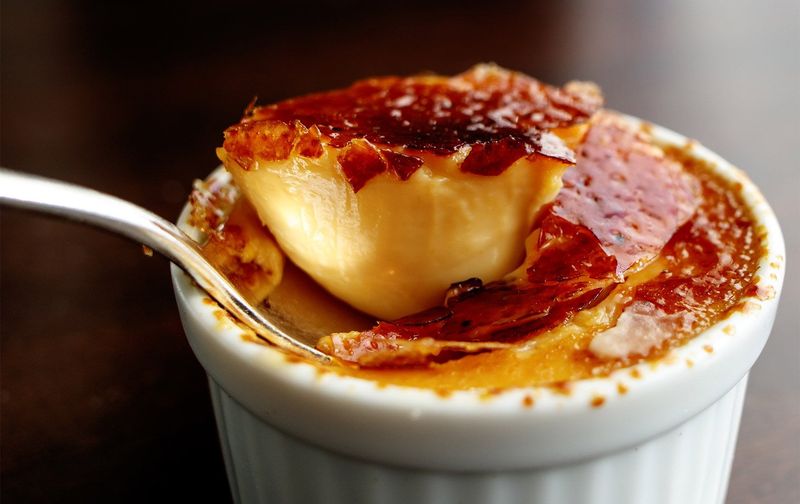
Crème brûlée might be the most satisfying dessert to order at a restaurant — partly because of that iconic crack when you tap the sugar crust with your spoon. The key is making sure the crust is deeply caramelized and not just barely scorched.
A great crème brûlée should wobble in the center when the ramekin is gently shaken. If a restaurant lets you choose a flavor infusion like lavender or vanilla bean, always go vanilla bean for the classic experience.
It is simple perfection done right.
15. Shawarma
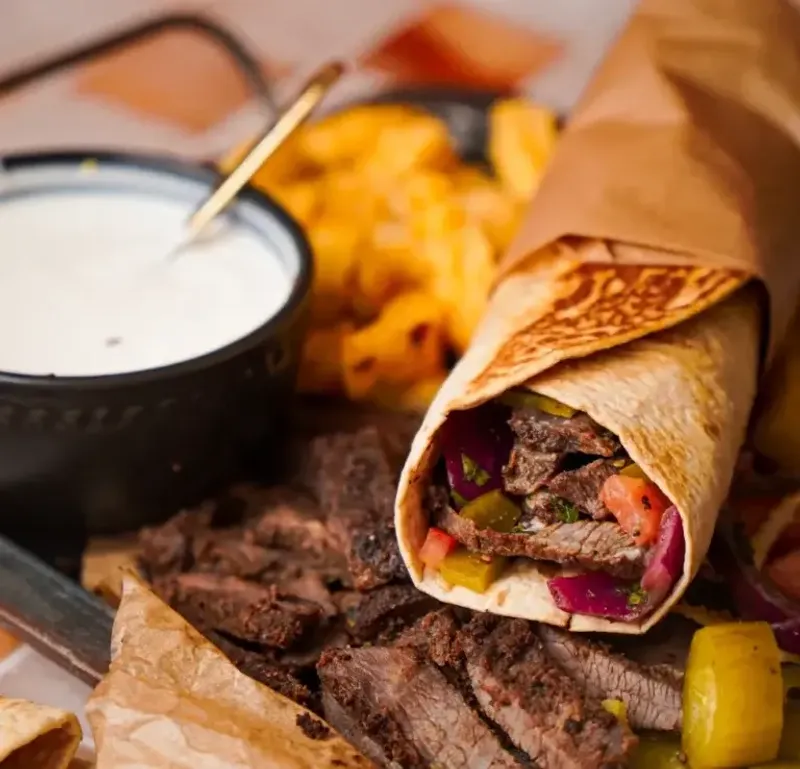
Shawarma is one of the most craveable street foods on the planet, and ordering it well makes a huge difference. Always ask whether the meat is carved fresh off the rotating spit — that is where the crispy, caramelized edges come from, and they are non-negotiable.
Garlic sauce (toum) is the traditional companion and absolutely essential. Ask for it on the side so you can apply as much as you want.
A wrap is great, but ordering it as a plate with rice lets you appreciate every component separately.
16. Escargot
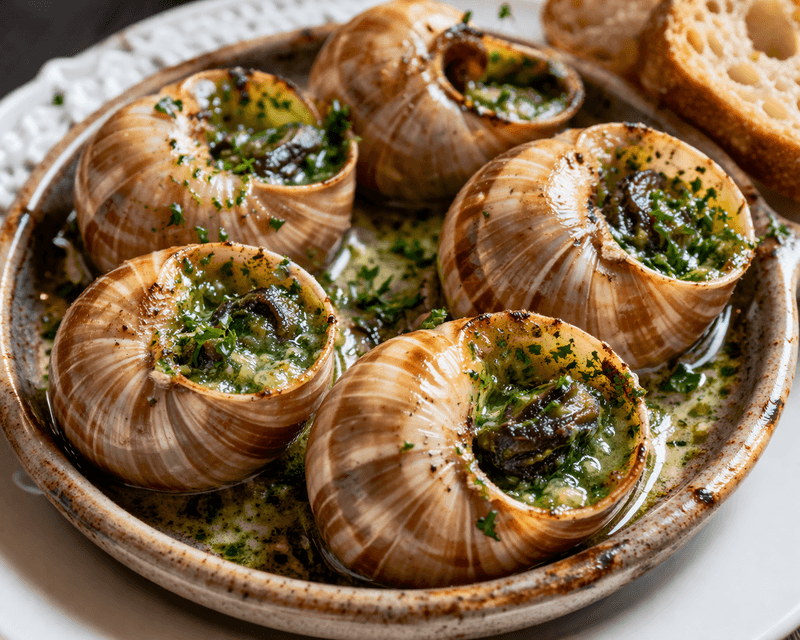
Escargot — yes, cooked snails — sounds like a dare, but it is one of the most beloved French appetizers for good reason. The snails themselves have a mild, slightly chewy texture; the real star is the garlic herb butter they are baked in.
Order them as a starter, not a main, and always ask for extra bread to soak up the butter left in the shells. Use the small tongs and fork provided to hold the shell and pull out the snail cleanly.
It is easier than it looks.
17. Pad Thai
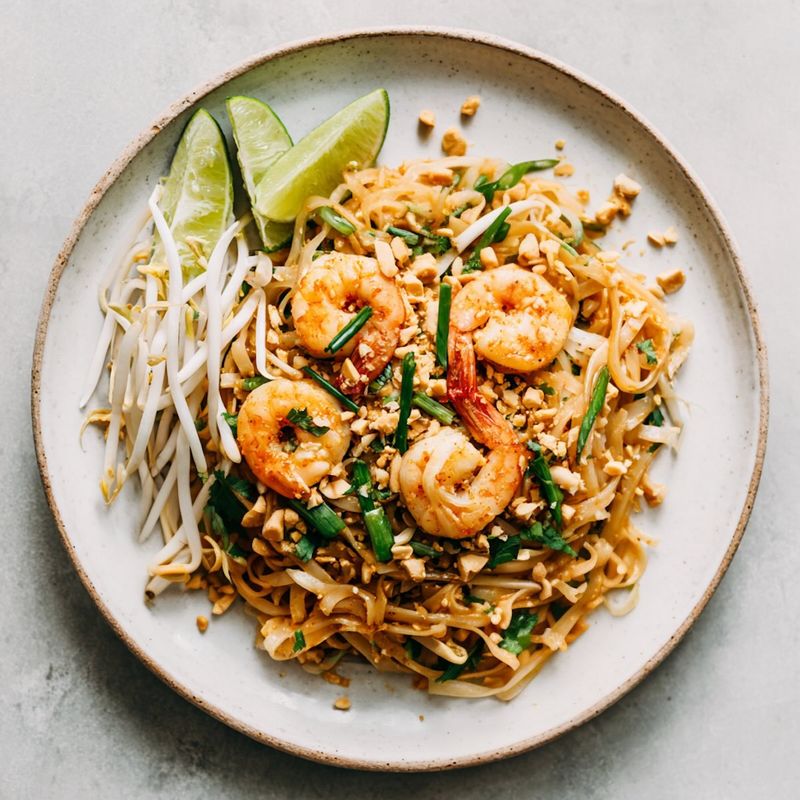
Pad Thai is probably the most ordered dish at Thai restaurants, yet many people get a version that disappoints them. The trick is asking for it "Thai style" or specifying that you want it less sweet — many Americanized versions add too much sugar and skip the balance of tangy tamarind.
Always request your protein cooked separately if you have texture preferences. The table condiments — fish sauce, chili flakes, sugar, and vinegar — are meant to be used.
Squeeze lime over everything right before eating for a bright, fresh finish.
18. Neapolitan Pizza
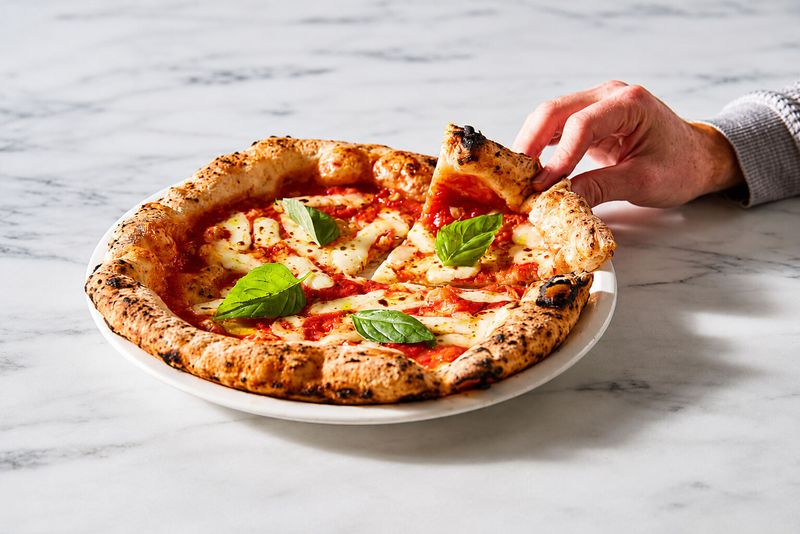
Authentic Neapolitan pizza looks nothing like the thick, loaded pies most people grow up eating. The crust is thin, slightly charred, and soft in the center — which some people mistake for underbaked.
That soft center is intentional and a sign of a properly made pie.
Order a margherita first to appreciate the simplicity of quality ingredients. Avoid overloading toppings on Neapolitan pizza — it makes the center soggy.
Drizzling a little olive oil and fresh basil over the top after it comes out of the oven is the authentic finishing touch.
19. Bone Marrow
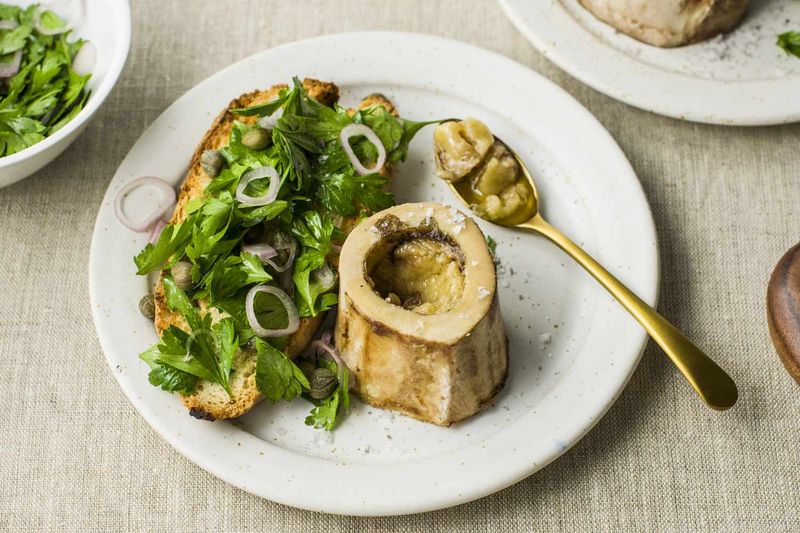
Bone marrow has been called the original butter, and once you try it the right way, you will understand why chefs obsess over it. It is rich, silky, and deeply savory — best enjoyed spread thickly on toasted bread with a pinch of flaky sea salt on top.
Order it as a starter rather than a side. Ask if it comes with bread; if not, request some.
The parsley salad often served alongside it cuts through the richness perfectly. Use the narrow marrow spoon to scoop every last bit out of the bone.
20. Sake
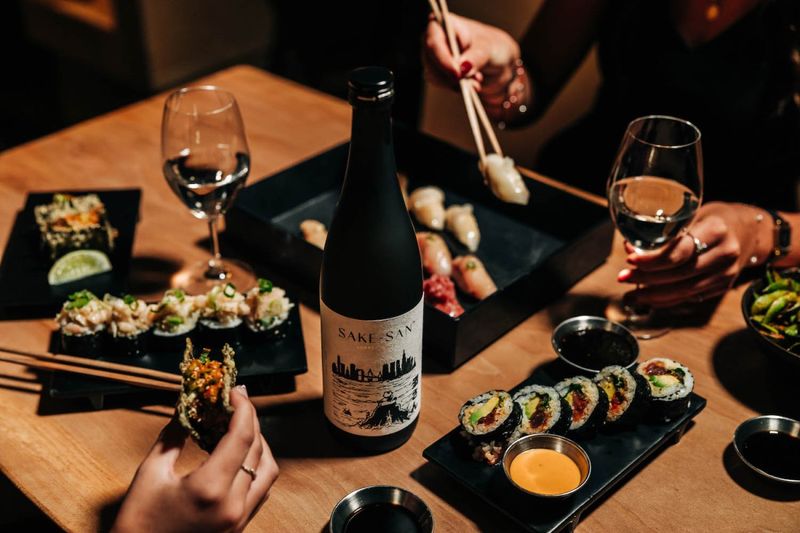
Ordering sake at a Japanese restaurant feels intimidating when the menu lists dozens of unfamiliar terms. The most useful thing to know is that sake ranges from dry (karakuchi) to sweet (amakuchi), and from fruity and fragrant (ginjo) to rich and earthy (junmai).
Ask your server or bartender to recommend a sake based on what you are eating — lighter fish dishes pair with delicate ginjo, while heartier dishes love a robust junmai. Cold sake is generally considered higher quality than hot, though warm sake on a cold night is its own kind of comfort.




Comments
No Comments