













Getting older doesn't mean your meals have to get boring or your health has to decline. In fact, your kitchen might already hold some of the most powerful tools for feeling great after forty.
Certain everyday ingredients can support your heart, joints, brain, and energy levels in ways that make a real difference. Small changes to what you cook with can add up to big benefits over time.
Turmeric
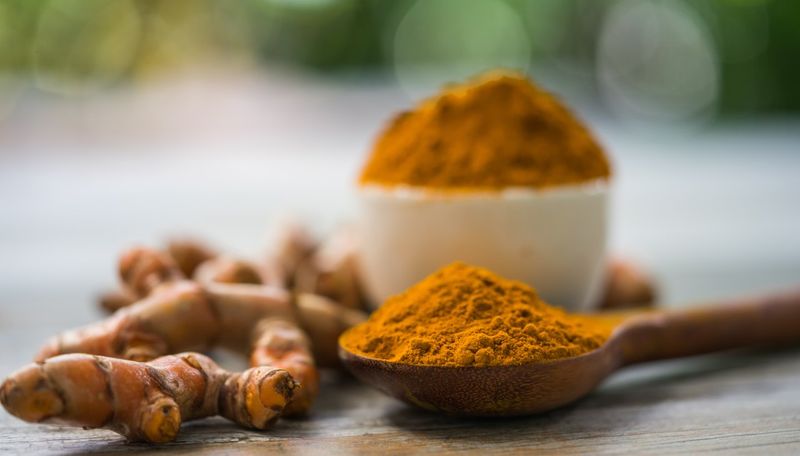
That golden spice sitting in the back of your spice rack deserves a front-row spot in your cooking. Turmeric contains curcumin, a compound known for its powerful anti-inflammatory properties that may help ease joint pain common after forty.
Sprinkle it into soups, scrambled eggs, or warm milk. Pair it with black pepper to boost absorption significantly.
Your knees might just thank you for making this simple swap.
Garlic
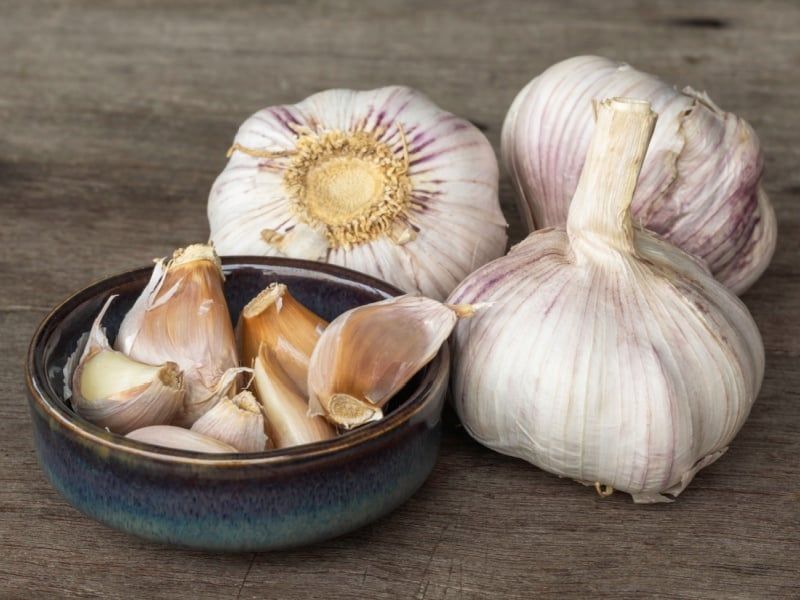
Garlic has been a kitchen staple for thousands of years, and ancient healers weren't wrong about its power. After forty, cardiovascular health becomes a bigger priority, and garlic has been shown to support healthy blood pressure and cholesterol levels.
Raw garlic packs the biggest punch, but cooked garlic still delivers solid benefits. Toss it into stir-fries, pasta, or roasted vegetables.
A clove a day keeps the cardiologist away, as the saying could go.
Olive Oil
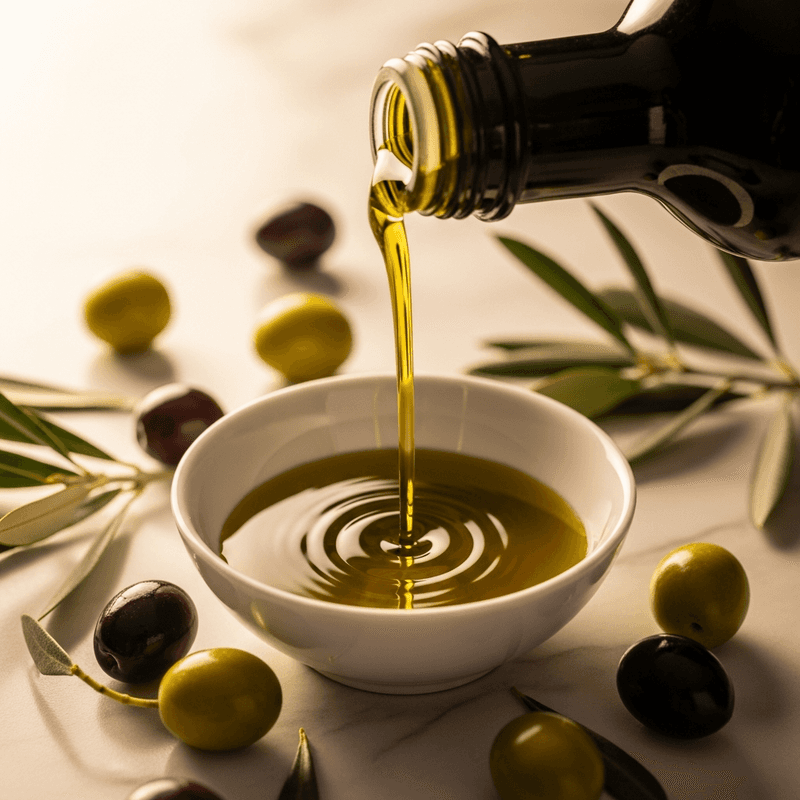
Swap out butter or vegetable oil for olive oil and your heart will feel the difference over time. Rich in monounsaturated fats and antioxidants, extra virgin olive oil is a cornerstone of the Mediterranean diet, which is widely praised for promoting longevity.
Use it for sauteing, dressings, or even dipping bread. The key word here is extra virgin, since that version retains the most nutrients.
A tablespoon a day goes a long way.
Ginger
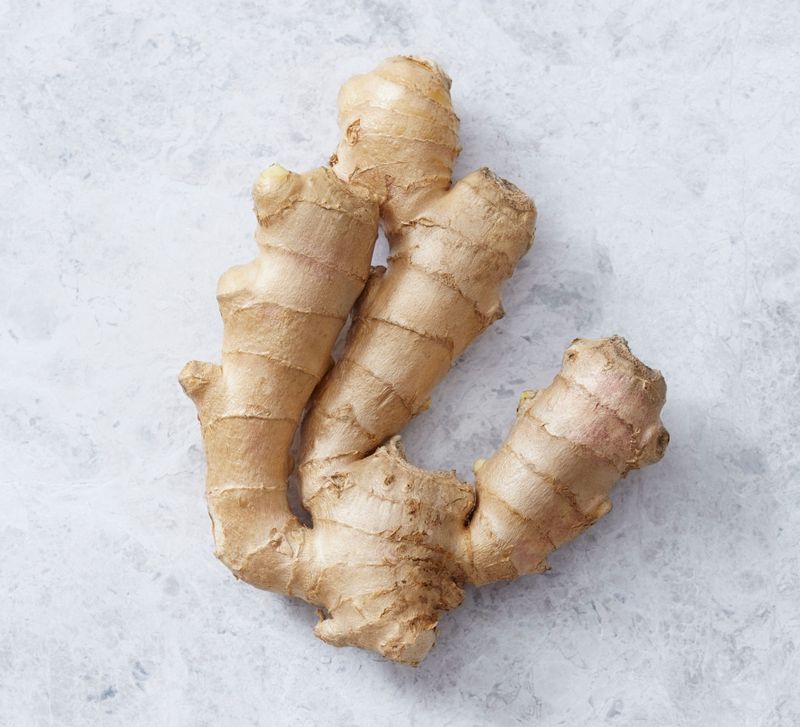
Fresh ginger has a warm, zippy flavor that livens up everything from smoothies to stir-fries. Beyond taste, it contains gingerols and shogaols, compounds that help fight inflammation and may reduce muscle soreness after exercise.
For people over forty who deal with occasional digestive discomfort, ginger is a natural go-to remedy. Steep it in hot water for a simple tea, grate it into marinades, or blend it into juices.
It is both delicious and genuinely useful.
Leafy Greens
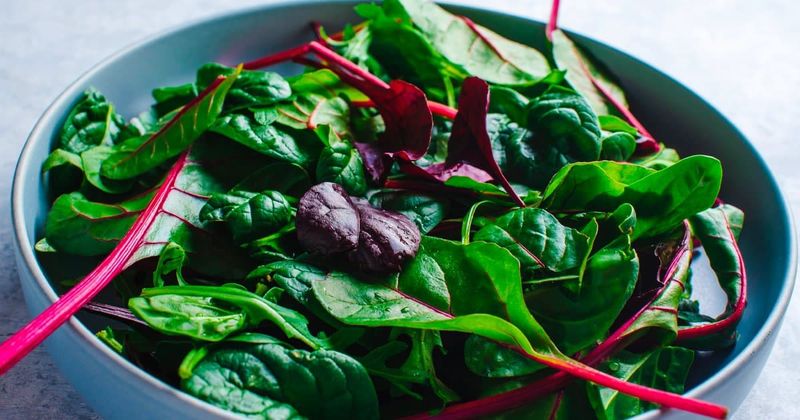
Spinach, kale, Swiss chard, and arugula are nutritional powerhouses that many adults simply do not eat enough of. These greens are loaded with calcium, magnesium, and vitamin K, all of which support bone density that naturally starts declining after forty.
Toss them into smoothies, soups, or sauces if you are not a fan of salads. They wilt down quickly when cooked, making it easy to sneak in a large serving without much effort or strong flavor.
Walnuts
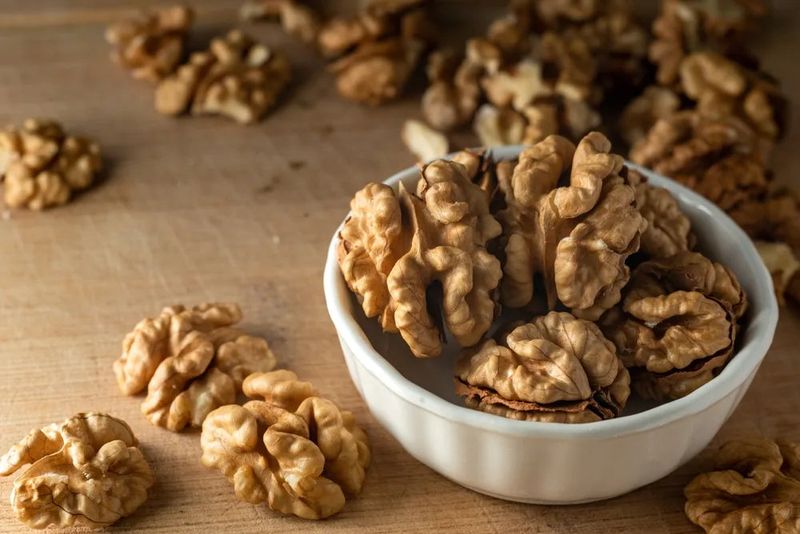
Walnuts look like tiny brains, and fittingly, they are one of the best foods for brain health. Packed with omega-3 fatty acids, they support cognitive function and may lower the risk of age-related memory decline.
A small handful makes a satisfying snack on its own, or chop them up and toss them over oatmeal, salads, or yogurt. Unlike many nuts, walnuts are particularly high in ALA, a plant-based omega-3 that the body genuinely needs after midlife.
Salmon

Few foods deliver as many benefits per serving as salmon. Rich in omega-3 fatty acids, high-quality protein, and vitamin D, it checks nearly every nutritional box that matters most after forty.
Omega-3s in salmon support heart health, reduce inflammation, and may even improve mood, which is a welcome bonus during midlife transitions. Aim for two servings per week.
Bake it, grill it, or toss it into a grain bowl for a quick and satisfying meal.
Greek Yogurt
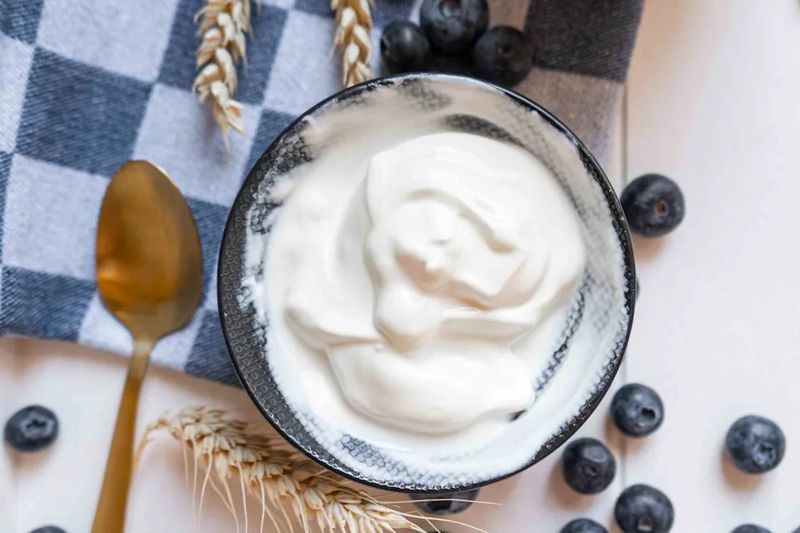
Creamy, tangy, and incredibly versatile, Greek yogurt is one of the easiest high-protein foods to work into your daily routine. Protein becomes even more important after forty because muscle mass naturally decreases with age, a process called sarcopenia.
Greek yogurt also contains probiotics that support gut health, which affects everything from immunity to mood. Use it as a base for dips, swap it for sour cream, or enjoy it with fruit for breakfast.
Simple and effective.
Flaxseeds
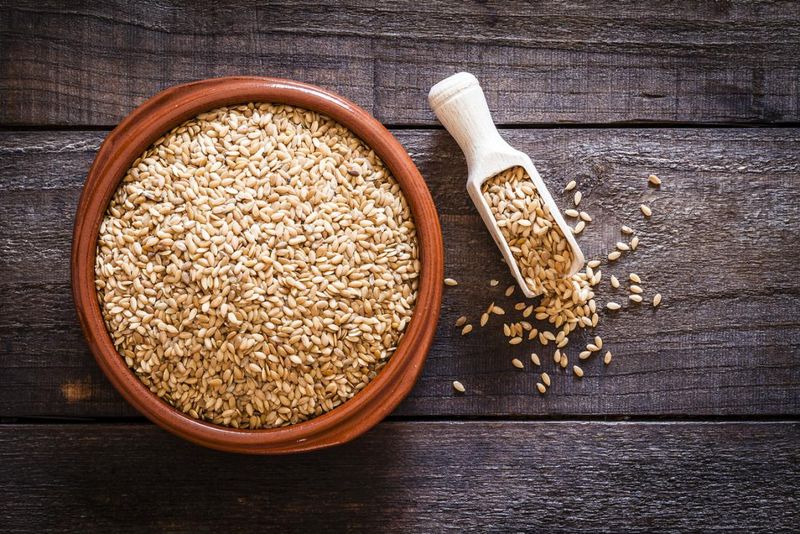
Tiny but mighty, flaxseeds are one of the richest plant sources of omega-3 fatty acids and lignans, which are compounds that may help balance hormones during midlife changes. That makes them especially helpful for people navigating perimenopause or hormonal shifts after forty.
Ground flaxseeds are easier for the body to absorb than whole seeds, so run them through a coffee grinder first. Stir them into oatmeal, smoothies, or baked goods.
Two tablespoons per day is a solid starting point.
Beans and Lentils
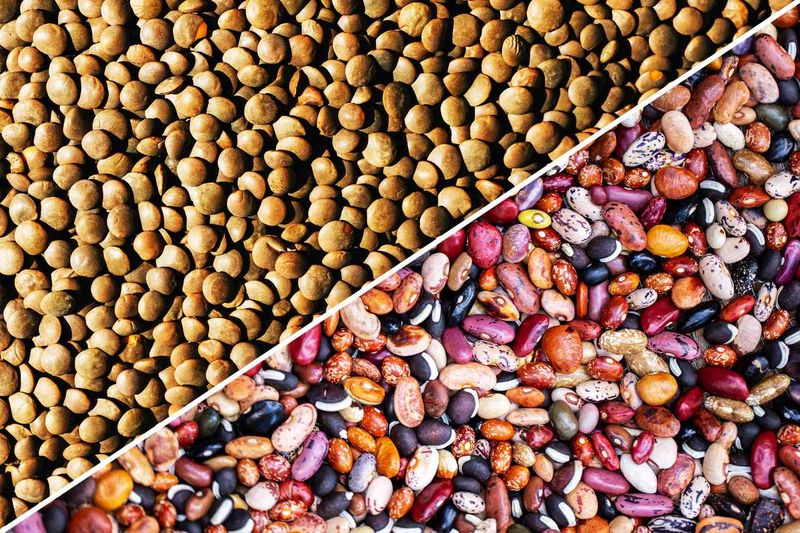
Beans and lentils are among the most underrated foods in the modern diet. They are high in fiber, plant-based protein, and resistant starch, all of which help stabilize blood sugar levels that can become harder to manage after forty.
Regular consumption is also linked to lower cholesterol and a reduced risk of type 2 diabetes. Toss them into salads, blend them into soups, or make a hearty chili.
They are affordable, filling, and genuinely good for long-term health.
Berries
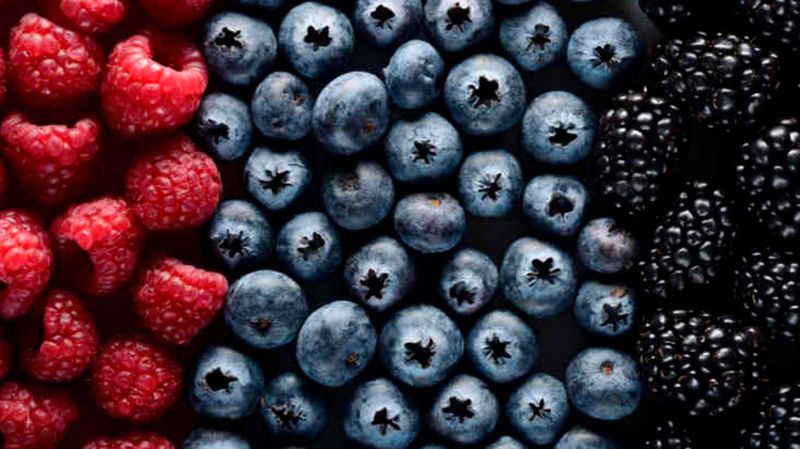
Blueberries, strawberries, and raspberries are not just delicious, they are loaded with antioxidants that fight oxidative stress, one of the key drivers of aging. Research suggests that regular berry consumption may support brain health and reduce cognitive decline over time.
The deep pigments in berries come from flavonoids, which also support heart health and reduce inflammation. Toss them into yogurt, blend them into smoothies, or eat them straight from the bowl.
Fresh or frozen, both work beautifully.
Avocado
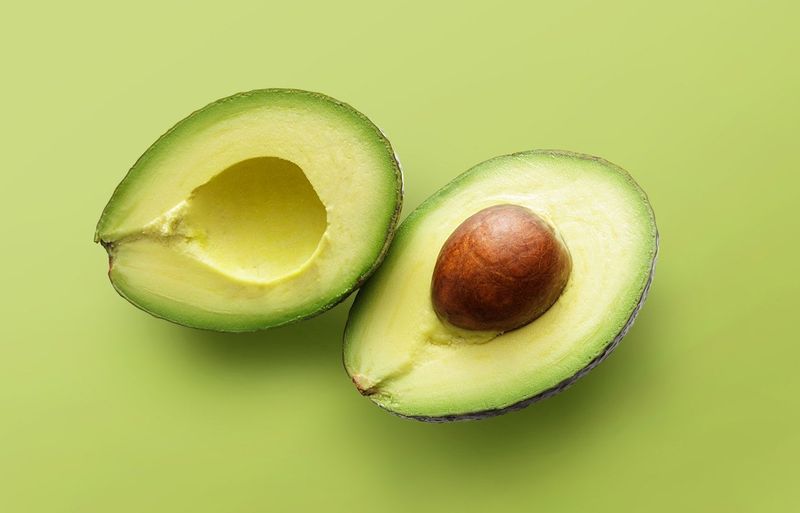
Avocados have earned their superfood status for good reason. They are packed with heart-healthy monounsaturated fats, potassium, and folate, making them one of the most nutrient-dense fruits you can eat after forty.
Potassium helps regulate blood pressure, which tends to creep up with age. The healthy fats in avocado also help your body absorb fat-soluble vitamins like A, D, E, and K from other foods.
Spread it on toast, add it to salads, or blend it into a creamy dressing.
Sweet Potatoes
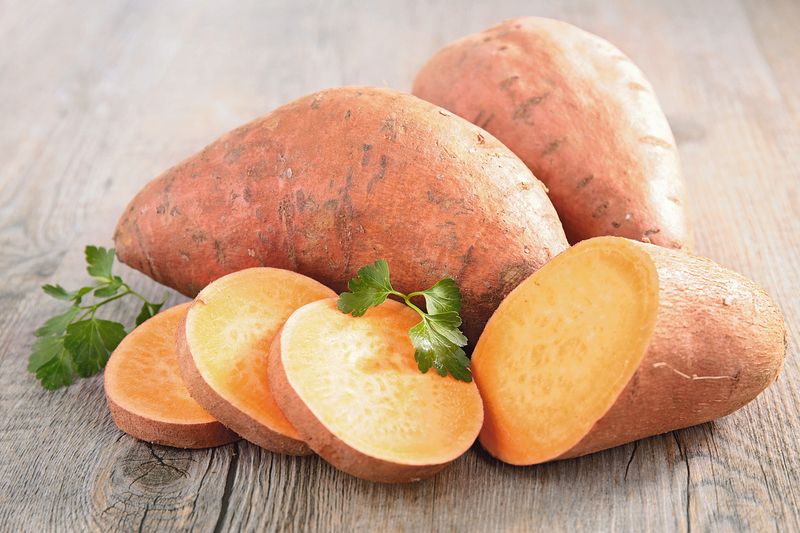
Sweet potatoes are one of nature's most complete comfort foods. They are rich in beta-carotene, which the body converts to vitamin A, supporting eye health and immune function, both of which deserve extra attention after forty.
They also provide a steady release of energy thanks to their complex carbohydrates and fiber content, making them a smarter choice than white potatoes for blood sugar management. Roast them, mash them, or slice them into wedges.
Versatile, satisfying, and genuinely nutritious.
Apple Cider Vinegar

Apple cider vinegar has been a folk remedy for generations, and modern research is starting to back up some of its benefits. Studies suggest it may help improve insulin sensitivity and support healthy blood sugar levels after meals, which matters more as metabolism slows with age.
Start with one tablespoon diluted in a large glass of water before meals. It also works wonderfully in salad dressings and marinades.
Undiluted, it is too acidic for tooth enamel, so always dilute it first.
Eggs
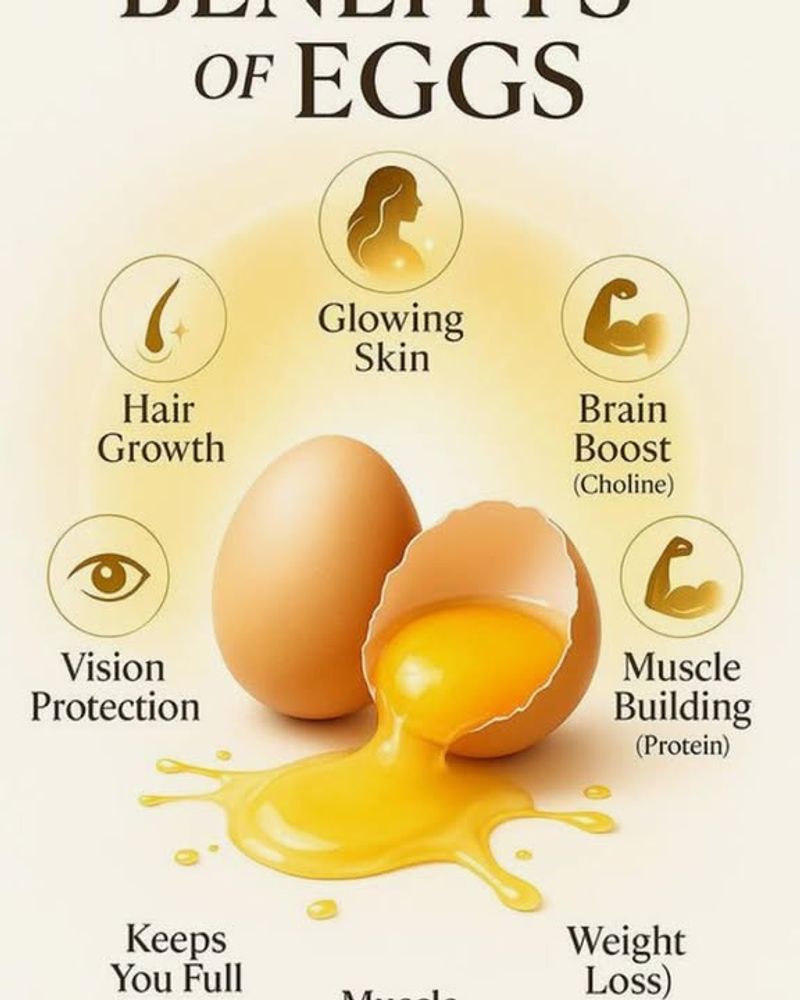
Eggs got a bad reputation for decades, but nutrition science has largely cleared their name. They are one of the most complete protein sources available, and the yolk contains choline, a nutrient critical for brain function and memory that many adults simply do not get enough of.
After forty, preserving muscle and cognitive function becomes a real priority. Two to three eggs per day fits well within healthy guidelines for most people.
Scramble them, poach them, or hard-boil a batch for the week ahead.
Cinnamon

Cinnamon is one of those spices that makes everything taste like a treat while quietly working hard for your health. Ceylon cinnamon, in particular, has been studied for its ability to help regulate blood sugar and improve insulin sensitivity, which becomes increasingly relevant after forty.
Sprinkle it on oatmeal, stir it into coffee, or add it to roasted vegetables for a surprising twist. Even a small daily amount, around half a teaspoon, can make a meaningful difference over time when used consistently.
Green Tea
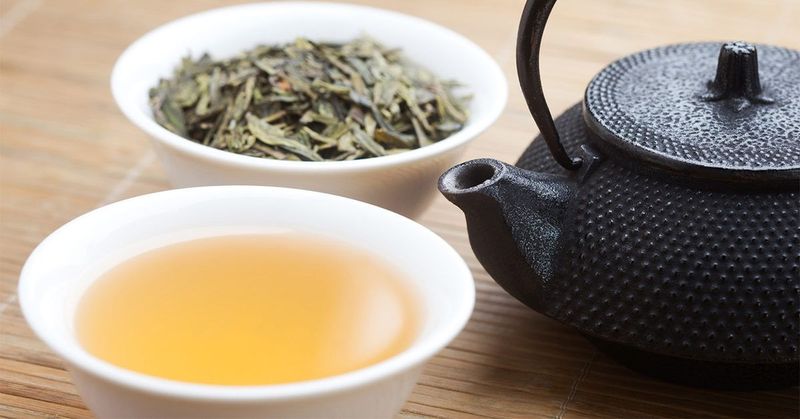
Swapping your afternoon coffee for green tea is one of the simplest upgrades you can make after forty. Green tea is rich in catechins, powerful antioxidants that support heart health, brain function, and may even help with weight management as metabolism slows.
It also contains L-theanine, an amino acid that promotes calm focus without the jittery feeling that too much coffee can bring. Brew a cup after lunch as a gentle, energizing ritual that does double duty for your health.
Bone Broth
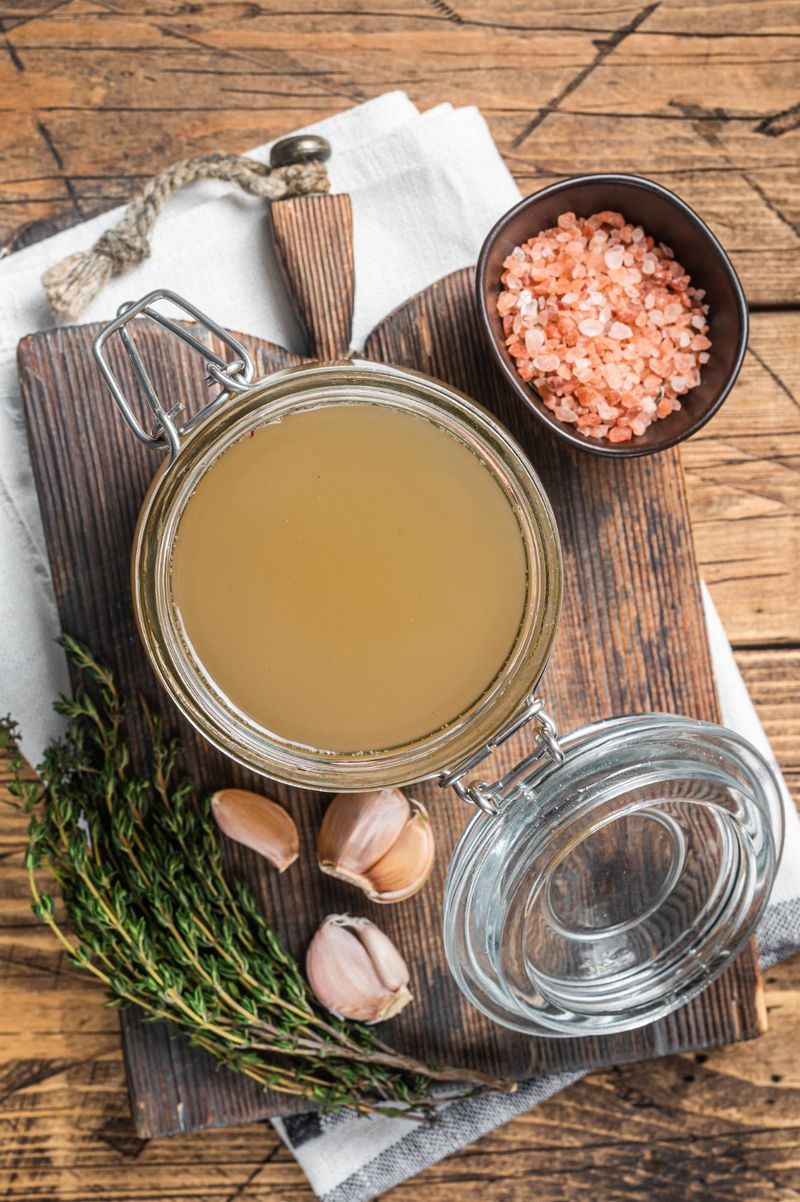
Bone broth has made a major comeback in wellness circles, and for good reason. Simmered for hours from animal bones, it is rich in collagen, gelatin, and minerals like calcium and magnesium that support joint health, gut lining integrity, and skin elasticity.
Collagen production naturally slows after forty, which is why foods that support it become more valuable. Sip it warm like a savory tea, use it as a base for soups, or cook grains in it for added depth and nutrition.
Dark Chocolate
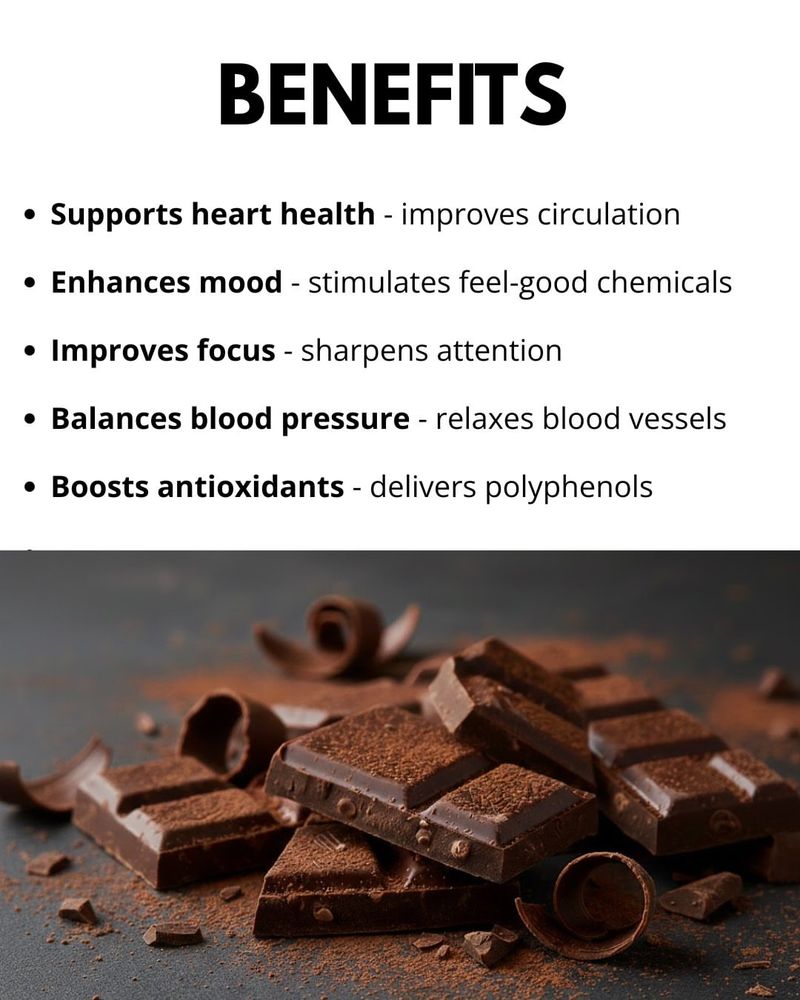
Here is one health recommendation that nobody complains about. Dark chocolate with at least seventy percent cacao is loaded with flavanols that support blood flow, lower blood pressure, and may even improve mood by boosting serotonin levels in the brain.
After forty, the cardiovascular and emotional benefits of dark chocolate make it a genuinely smart indulgence rather than a guilty one. A one-ounce square or two per day is a reasonable amount.
Just skip the milk chocolate varieties, which are mostly sugar.
Fermented Foods

Kimchi, sauerkraut, kefir, and miso are fermented foods that have been part of traditional diets around the world for centuries. They are teeming with beneficial bacteria that support a healthy gut microbiome, which plays a surprisingly large role in immunity, mood, and even weight regulation.
Research increasingly links gut health to overall wellbeing, especially as we age. Start small if fermented foods are new to you, as a spoonful of sauerkraut on the side or a splash of kefir in a smoothie is all it takes to begin.




Comments
No Comments