













Growing up watching your parents cook can shape the way you handle food for the rest of your life. Many of us carry on routines in the kitchen without ever stopping to wonder where they came from.
From the way you store leftovers to how you season a pot of soup, these small habits often trace straight back to mom or dad. You might be surprised just how much of your kitchen personality belongs to someone else.
1. Always Tasting the Food While Cooking
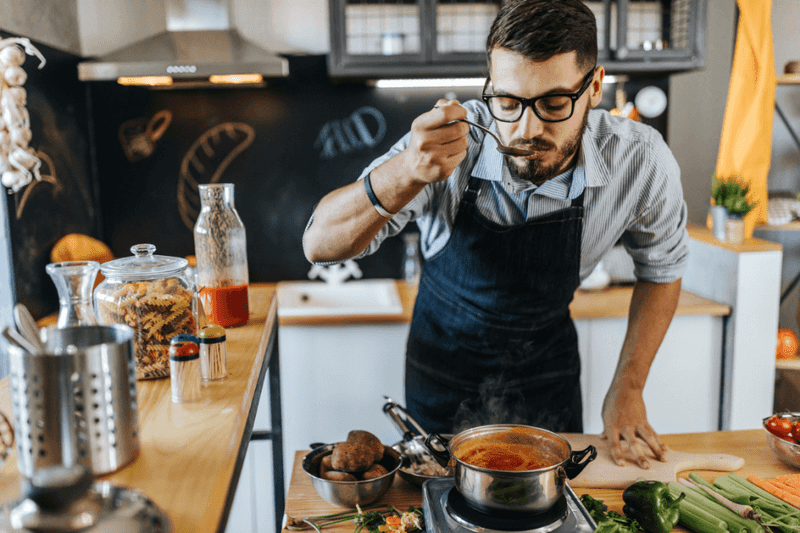
That instinct to dip a spoon into every pot before it hits the table? You probably learned it by watching a parent hover over the stove with a curious look.
Tasting as you cook helps you adjust seasoning before it is too late.
Many home cooks do this without thinking twice. It is one of those habits that quietly teaches you to trust your senses over a recipe.
2. Saving Every Jar and Container
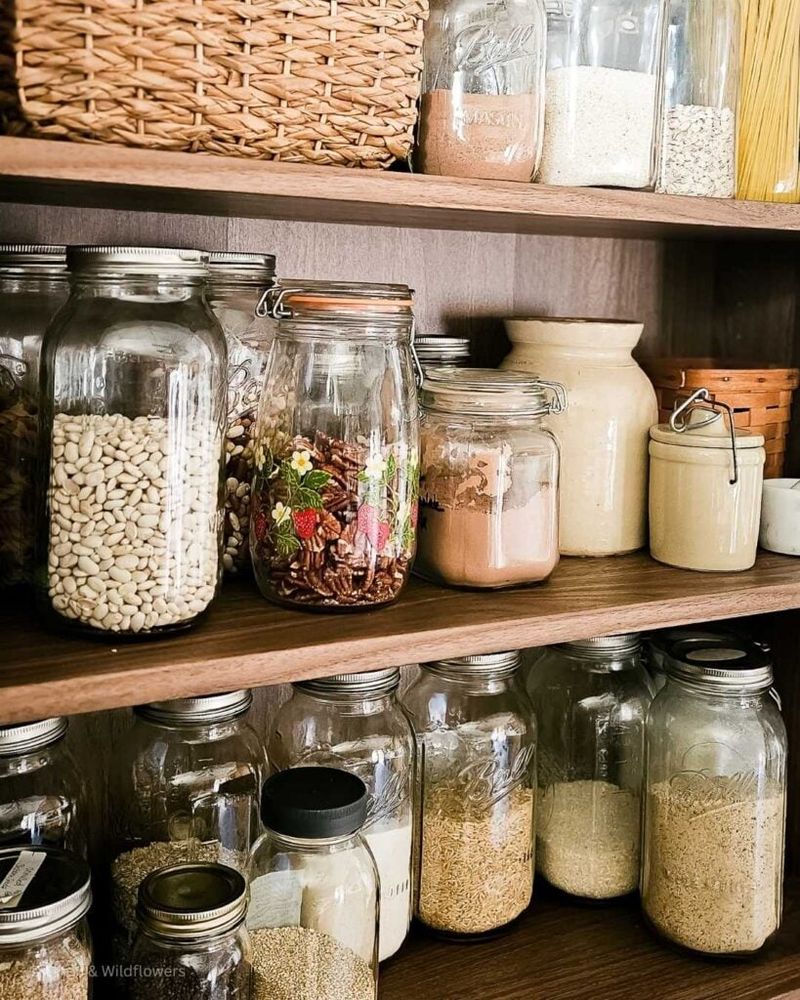
Peanut butter jars become soup storage. Margarine tubs hold leftover rice.
If your kitchen cabinet looks like a recycling center, blame your parents for making waste feel wrong.
This habit runs deep in families that lived through tough times or simply valued frugality. The funny thing is, it actually works.
Repurposed containers are just as useful as anything sold in a store, and they cost absolutely nothing.
3. Washing Dishes as You Go

Some people cannot let a dirty dish sit while they cook. The moment a bowl is empty, it goes straight into the sink.
Growing up in a household where the kitchen stayed tidy mid-cook can wire you to do the same thing automatically.
This habit keeps the end-of-meal cleanup manageable. It also reduces stress, because a clean counter just makes cooking feel more enjoyable and less chaotic overall.
4. Adding a Pinch of Salt to Everything
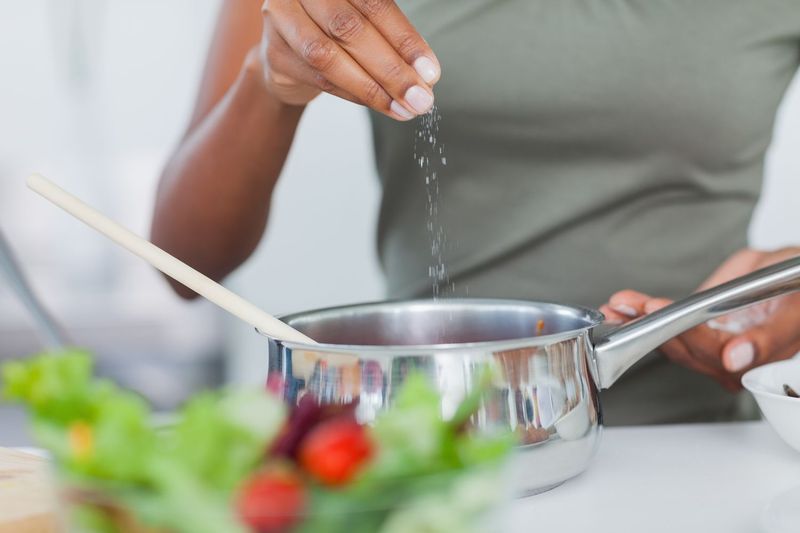
Salt goes in the pasta water. Salt goes on the eggs.
Salt even goes in the cookie dough. If you reach for the salt shaker almost on autopilot, you likely absorbed this habit from a parent who seasoned food with confident, generous hands.
Salt genuinely enhances flavor in ways that are hard to explain until you skip it once. Many people never question this reflex because the food always tastes better for it.
5. Never Following a Recipe Exactly
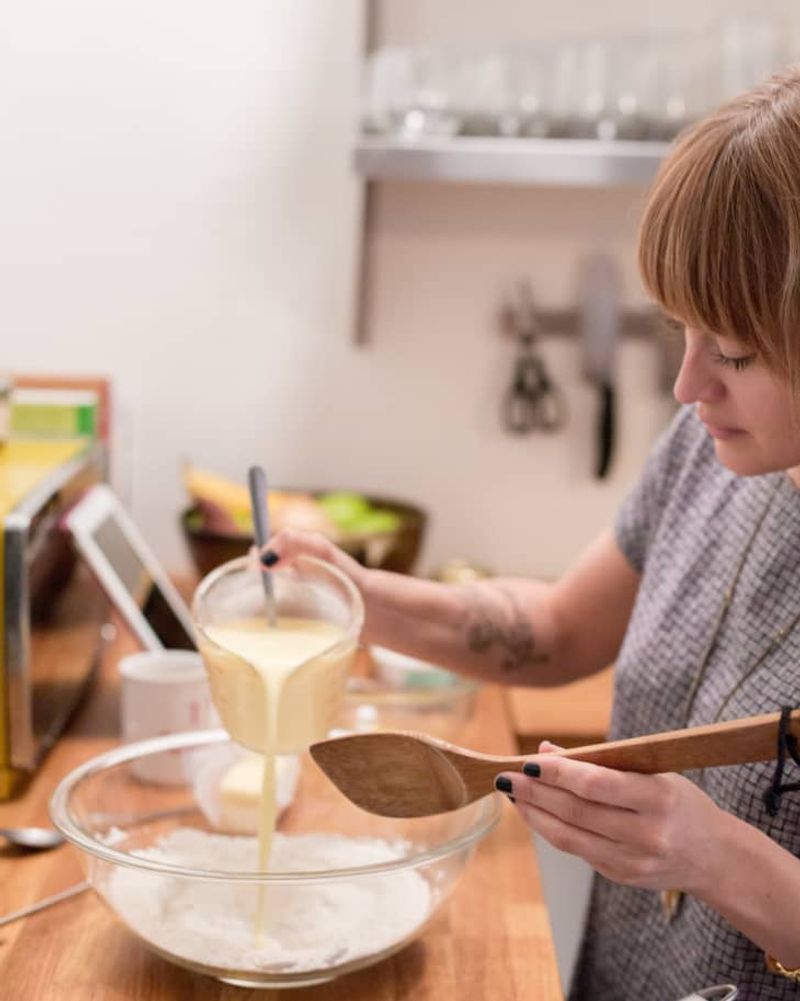
Recipes are more like suggestions in some households. A parent who cooked by feel, smell, and instinct can pass that freewheeling approach right down to their kids.
You might follow the first few steps, then veer completely off the page.
This can lead to brilliant, creative meals or the occasional disaster. Either way, it builds real kitchen confidence.
Knowing when to trust yourself over a printed instruction is actually a valuable skill.
6. Keeping a Stocked Pantry at All Times
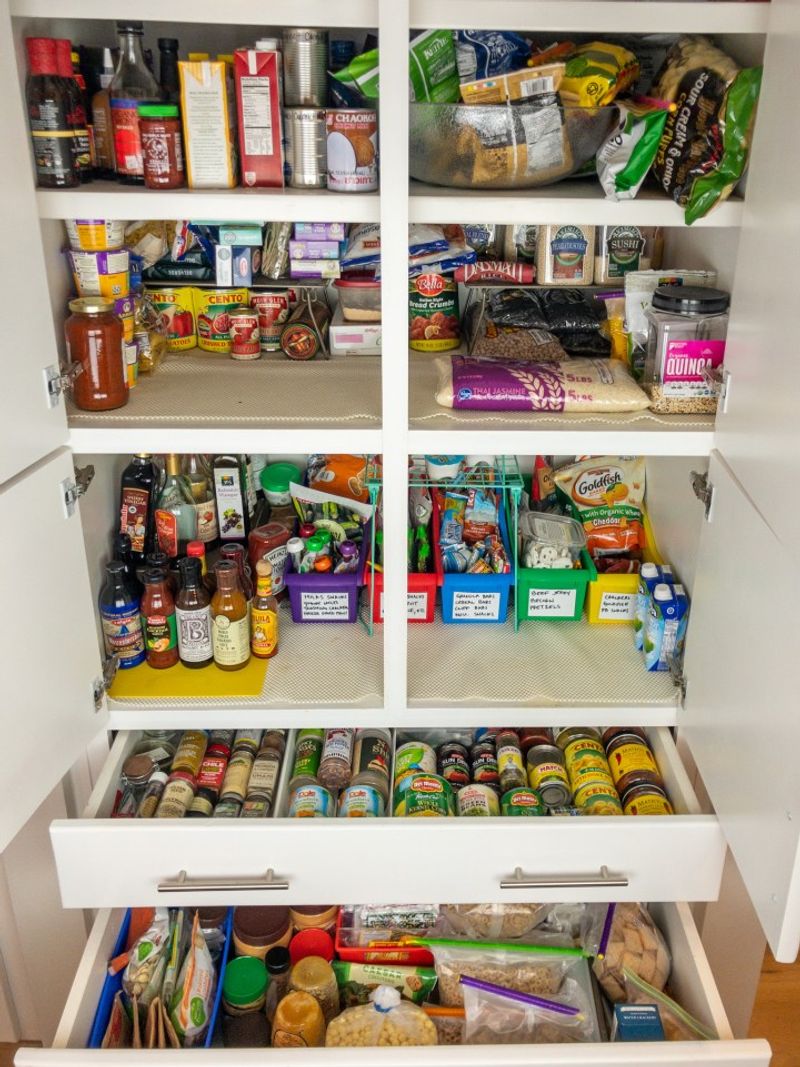
Running out of basics feels almost like a personal failure if you grew up in a house where the pantry was always full. Parents who stocked up regularly passed on a quiet anxiety about an empty shelf, along with the practical habit of always having backup ingredients.
A stocked pantry means you can put together a real meal even on a day when no one went shopping. It is surprisingly reassuring to have that safety net.
7. Reheating Leftovers in a Pan Instead of a Microwave
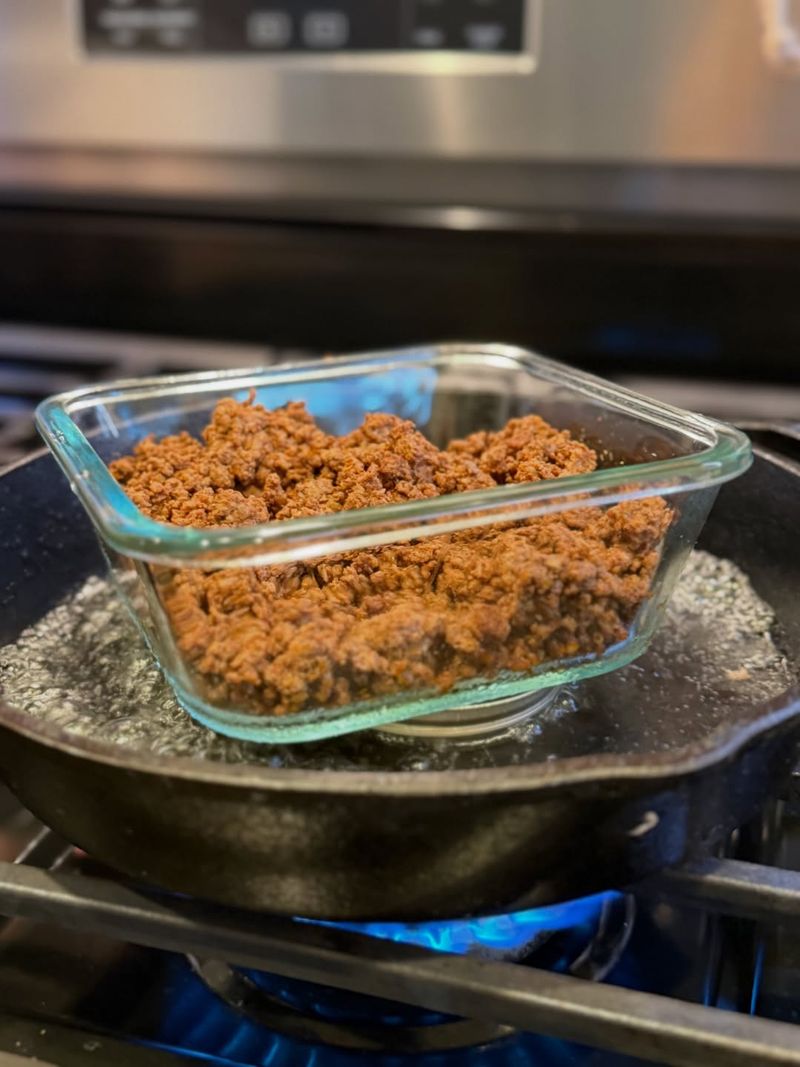
Microwaves exist in most kitchens, but some people refuse to use them for anything beyond defrosting. If your parent always reheated last night's dinner in a pan, you probably do too, without really knowing why.
Reheating on the stove often produces better results, especially for rice, pasta, and anything crispy. The texture stays more appealing.
Once you pick up this habit, going back to a soggy microwave plate feels like a step backward.
8. Using a Wooden Spoon for Almost Everything
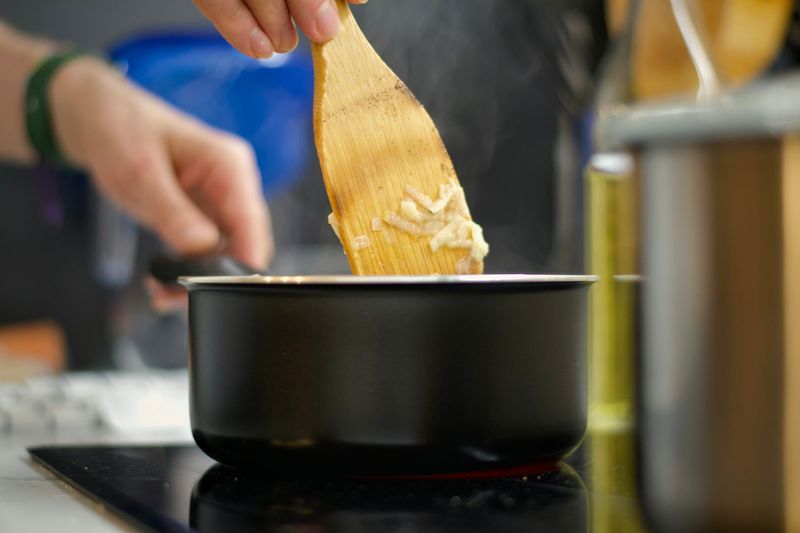
Metal scratches. Plastic melts.
Wooden spoons just work, and if your parent had one perpetually stationed on the stove, you probably do too. There is something almost nostalgic about reaching for that same tool your parent used for decades.
Wooden spoons are gentle on pots, naturally antibacterial when cared for, and sturdy enough to stir thick stews. Many cooks never switch because the habit is so deeply embedded they never think to question it.
9. Covering Pots and Pans with a Lid While Cooking
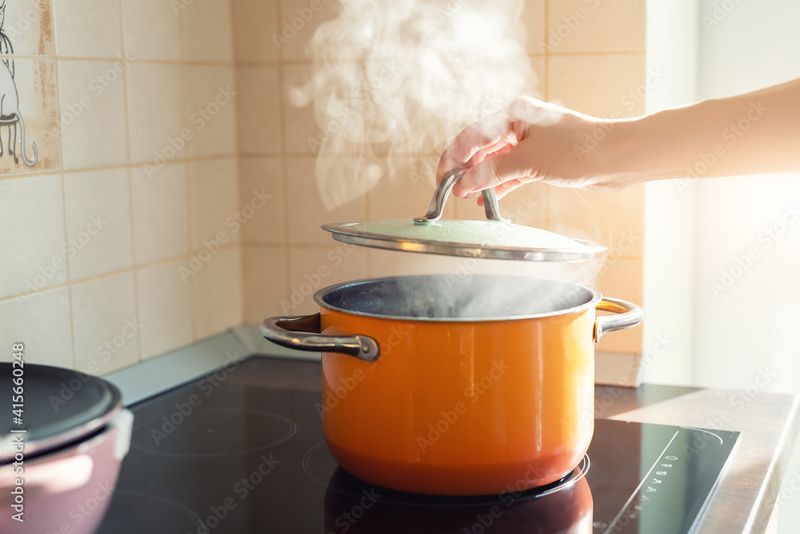
Lid on or lid off? For many people, the answer was decided long before they ever cooked a meal alone.
Watching a parent automatically cover every pot teaches you to do the same, even when the recipe says nothing about it.
Covering pots traps heat and moisture, which speeds up cooking and keeps food tender. It also saves energy.
This is one of those small habits that quietly makes you a more efficient cook without much effort.
10. Wiping Down Counters After Every Meal
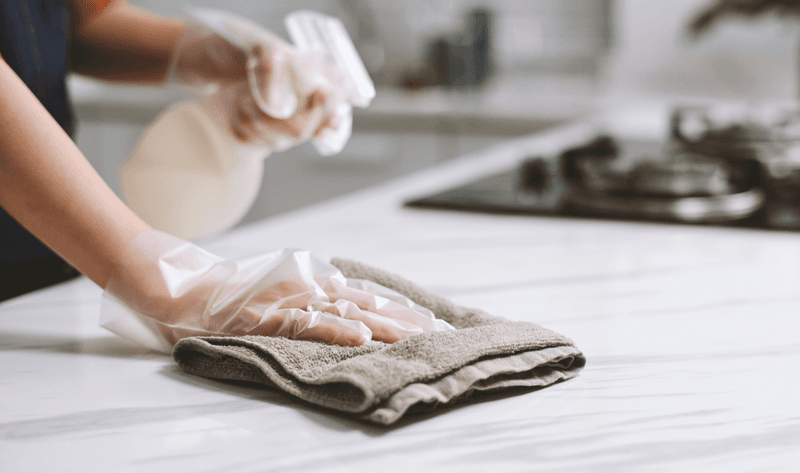
For some families, a dirty counter after cooking is simply not acceptable. If a parent wiped down the kitchen surfaces the moment dinner was served, that standard tends to stick.
You might not even notice you are doing it until someone points it out.
Clean counters reduce bacteria and keep the kitchen feeling welcoming. Beyond hygiene, there is a real mental benefit to starting the next meal with a fresh, clear surface and no lingering mess.
11. Smelling Food to Check If It Has Gone Bad
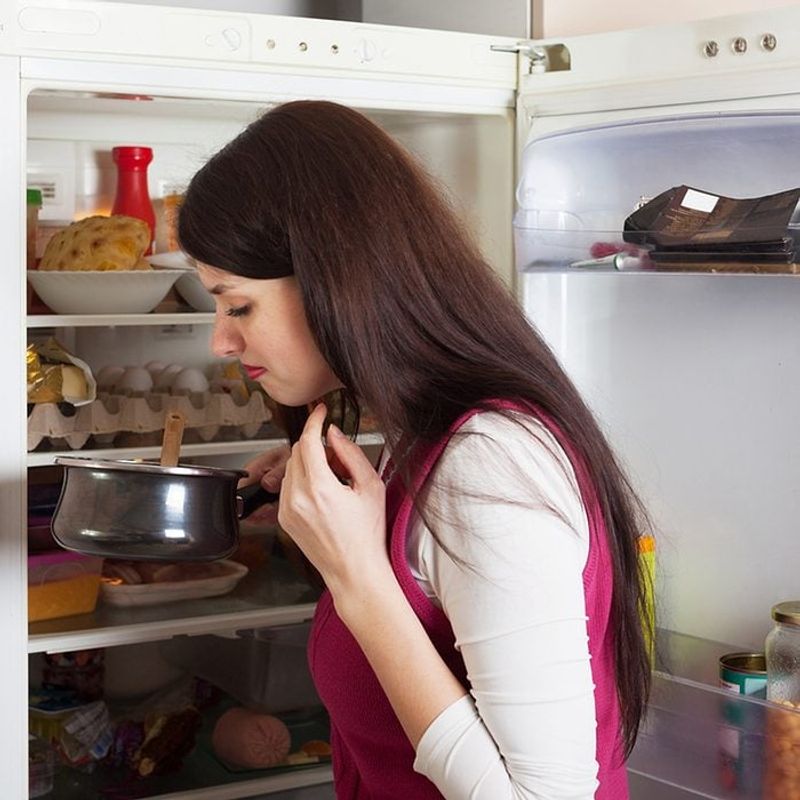
Expiration dates are just a starting point in many households. The real test is the sniff.
Parents who trusted their nose over a printed date passed on that sensory habit to kids who now open every suspicious container and take a careful whiff before deciding.
Your sense of smell is actually a reliable tool for detecting spoilage. Most foodborne bacteria produce detectable odors.
This habit might seem odd to others, but it has probably saved you from a few very bad meals.
12. Making Larger Portions Than Necessary
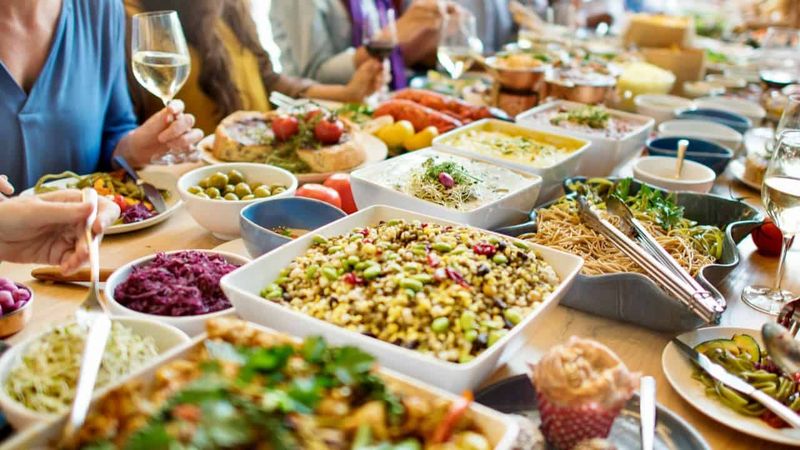
Cooking just enough for one meal feels almost stingy in some families. If your parent always made a mountain of food, you likely inherited that same generous instinct.
Pots get filled to the brim, and somehow there are always extra servings left over.
Cooking in bulk is actually smart. Leftovers become tomorrow's lunch or next week's freezer meal.
The habit reflects both hospitality and practicality, two things that tend to run together in kitchens shaped by generous parents.
13. Keeping the Knife Sharp at All Times
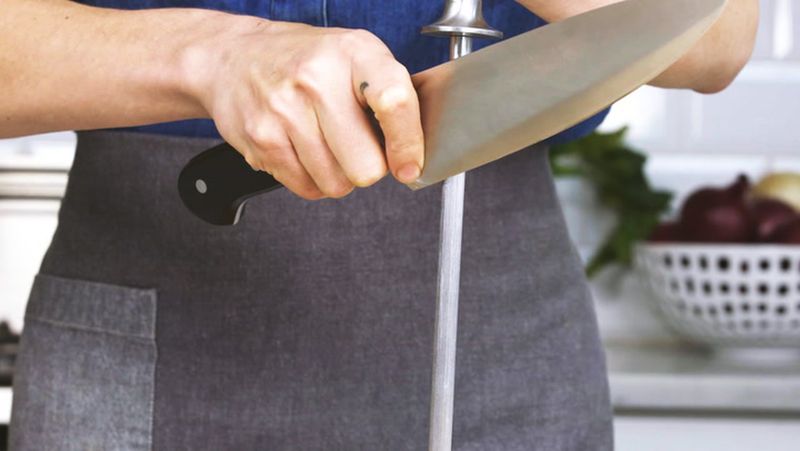
A dull knife is more dangerous than a sharp one, and if your parent told you that once, they probably told you fifty times. Households where knife care was taken seriously tend to produce adults who sharpen their blades regularly and wince at anyone who does not.
Sharp knives make prep work faster, safer, and more enjoyable. This habit reflects a broader respect for kitchen tools.
Once you experience the difference, working with a dull blade feels almost unbearable.
14. Drying Dishes by Hand Instead of Using the Rack
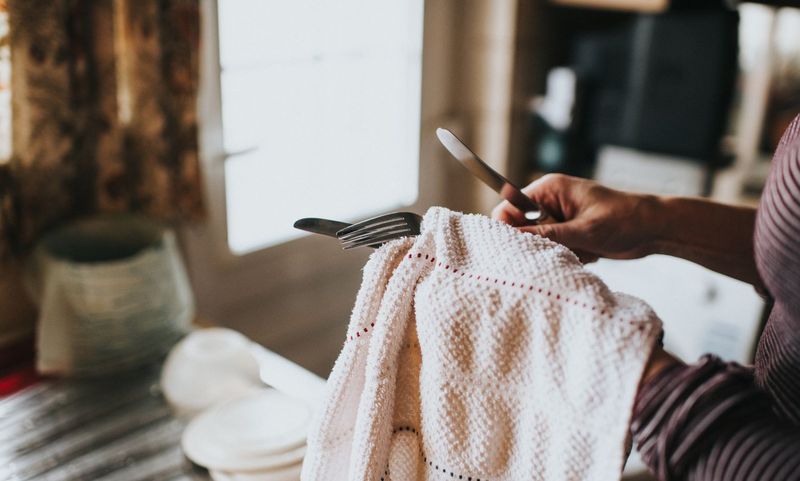
Air drying is perfectly fine, but some people cannot leave dishes sitting on a rack. Hand-drying everything and putting it away immediately is a habit that often comes from a parent who kept the kitchen in constant, deliberate order.
Beyond neatness, drying by hand prevents water spots and keeps the counter from staying damp. If you do this without thinking, you are probably channeling someone who took pride in a kitchen that always looked ready for company.
15. Storing Bread on the Counter Instead of the Fridge
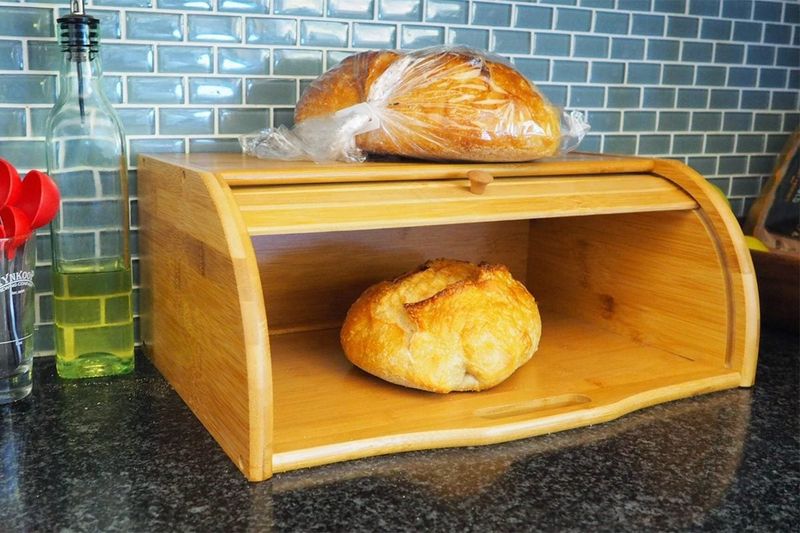
Refrigerating bread makes it go stale faster due to a process called retrogradation. Many parents stored bread at room temperature simply because that is how they were taught, and now their kids do the same thing, often without knowing the science behind it.
Counter storage keeps bread softer for everyday use. A bread box or cloth bag works even better.
This is one of those inherited habits that turns out to be completely correct, even if you never knew why.
16. Adding Oil to Pasta Water
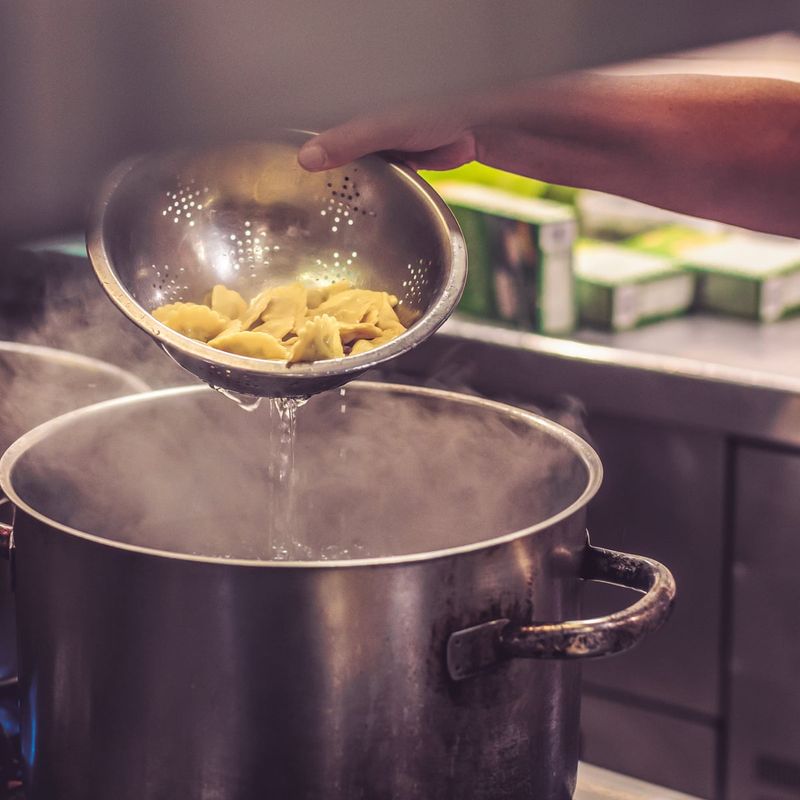
Generations of home cooks swore by adding olive oil to boiling pasta water to stop the noodles from sticking. If your parent did this, you probably do too.
Interestingly, chefs widely disagree on whether it actually helps or just coats the pasta and prevents sauce from sticking.
The habit persists because it feels purposeful and was passed down with confidence. Whether it works or not, it is a small ritual that connects you to the person who taught you to cook.
17. Never Throwing Away Vegetable Scraps
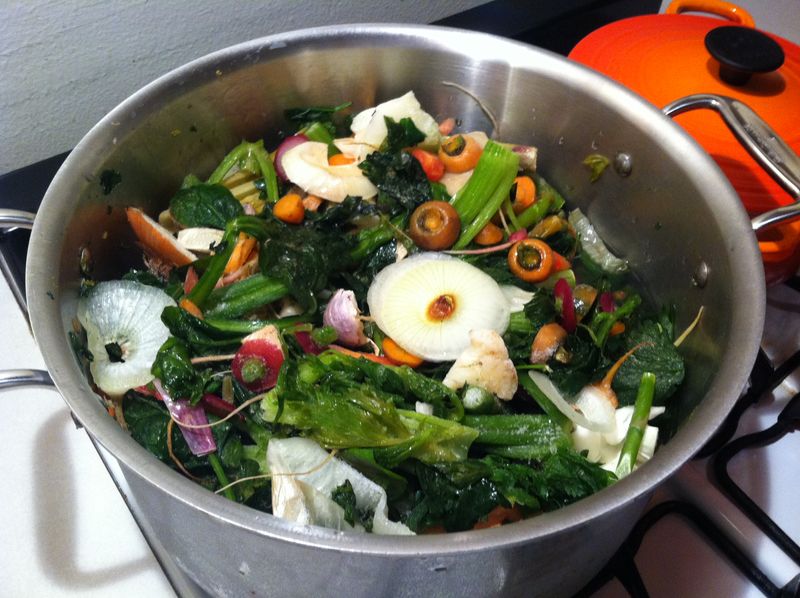
Onion skins, carrot tops, celery ends. In some households, these never go in the trash.
A parent who made stock from scraps instills a deep reluctance to waste anything that still has flavor left in it.
Vegetable scrap stock is easy, free, and genuinely delicious. It is also a satisfying way to use every part of what you buy.
If you keep a bag of scraps in your freezer, you almost certainly learned that trick from someone who came before you.
18. Rinsing Meat Before Cooking It
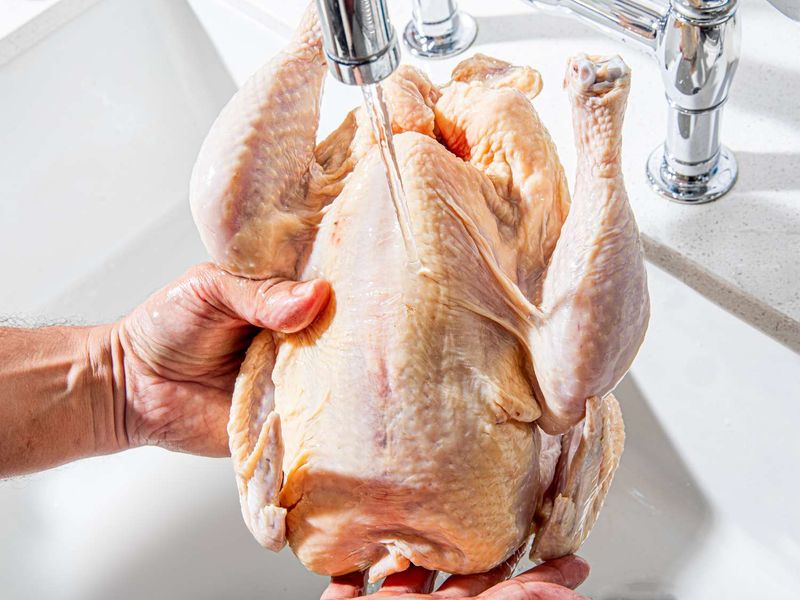
Food safety experts now advise against rinsing raw meat because it can splash bacteria around the sink and surrounding surfaces. But many households have rinsed chicken, beef, and pork for decades, and the habit carries forward simply because a parent did it with such certainty.
This is one inherited habit worth reconsidering. Proper cooking temperatures kill bacteria far more effectively than rinsing ever could.
Knowing where a habit came from sometimes gives you the freedom to leave it behind.
19. Finishing Every Meal with a Hot Drink
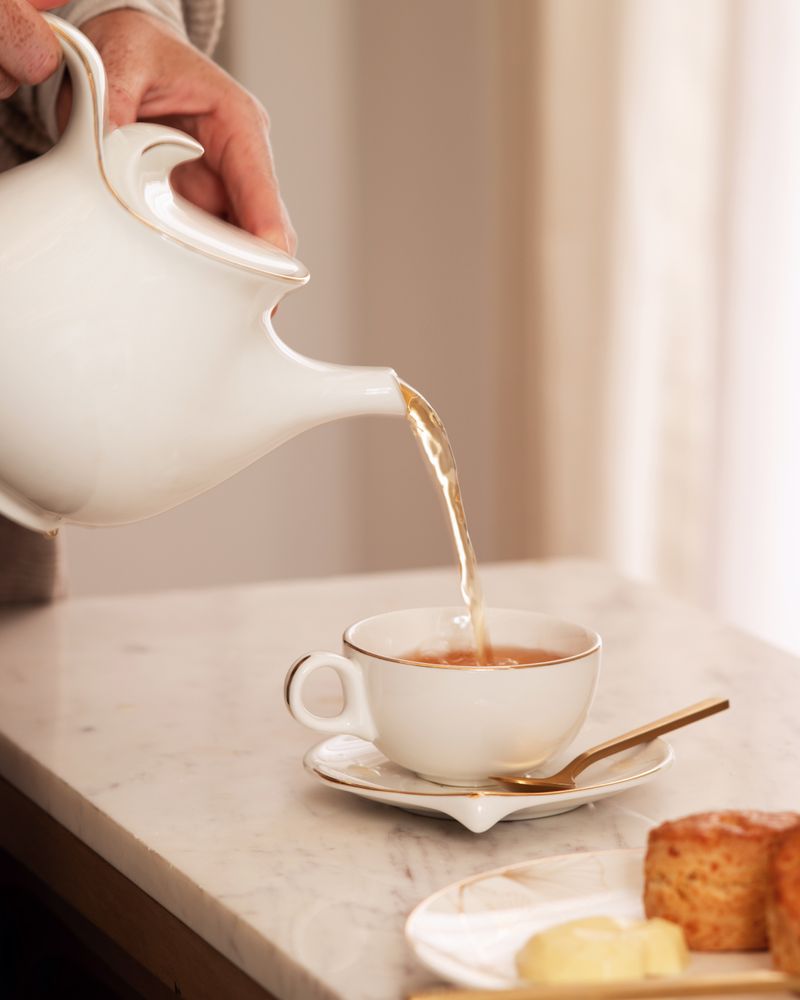
Tea after dinner. Coffee after a big meal.
For many families, no meal is truly finished without something warm to sip. This wind-down ritual is so automatic for some people that skipping it feels like leaving a sentence unfinished.
Hot drinks after eating can aid digestion and signal to your brain that the meal is over. Whether it is herbal tea or a strong espresso, this comforting habit is often one of the most pleasant things inherited from a parent's daily rhythm.

Comments
No Comments