













Polish cuisine is packed with bold flavours, comforting textures, and recipes that have been passed down through generations. From smoky stews to pillowy dumplings, these dishes tell the story of a country that knows how to cook with heart.
British food lovers are already warming up to pierogi and bigos, but there is so much more to discover. Get ready to explore 19 Polish classics that could easily become your next kitchen favourites.
1. Bigos (Hunter's Stew)
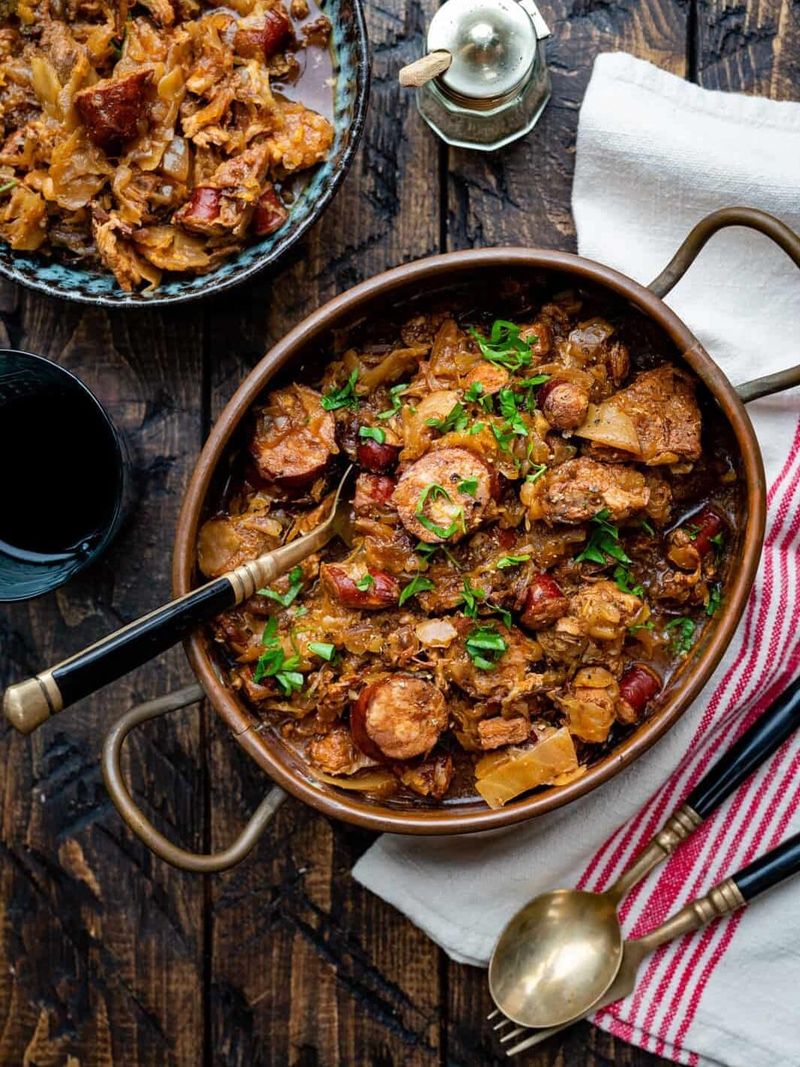
Called the national dish of Poland, bigos has been simmering on Polish stoves for centuries. It combines sauerkraut, fresh cabbage, various meats, and dried mushrooms into a deeply savoury stew that gets better with every reheat.
British cooks who love a slow-cooked Sunday pot will feel right at home with this one. The smoky, tangy flavours pair beautifully with crusty bread.
Make a big batch on the weekend and enjoy it all week long.
2. Pierogi (Stuffed Dumplings)
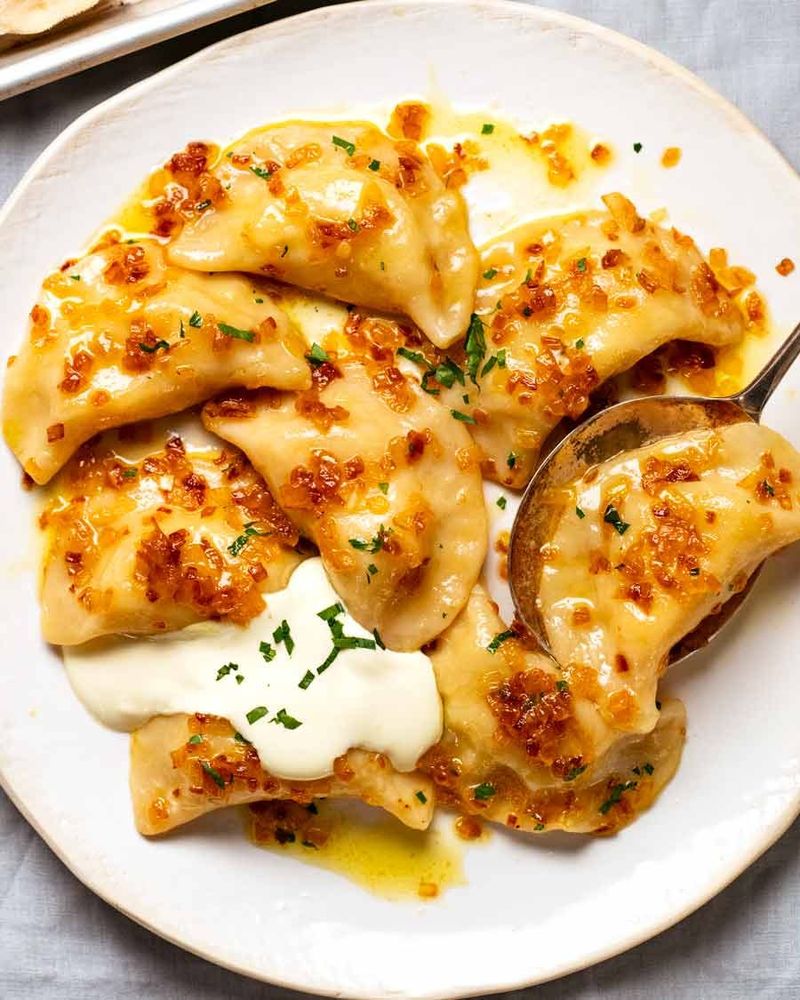
If you have never eaten a pierogi, you are genuinely missing out on one of the most satisfying bites in European cooking. These half-moon dumplings are stuffed with fillings like potato and cheese, minced meat, or even sweet fruit.
They can be boiled, then pan-fried in butter until golden and slightly crispy on the outside. Served with sour cream and caramelised onions, pierogi feel like a warm hug on a cold British evening.
3. Żurek (Sour Rye Soup)
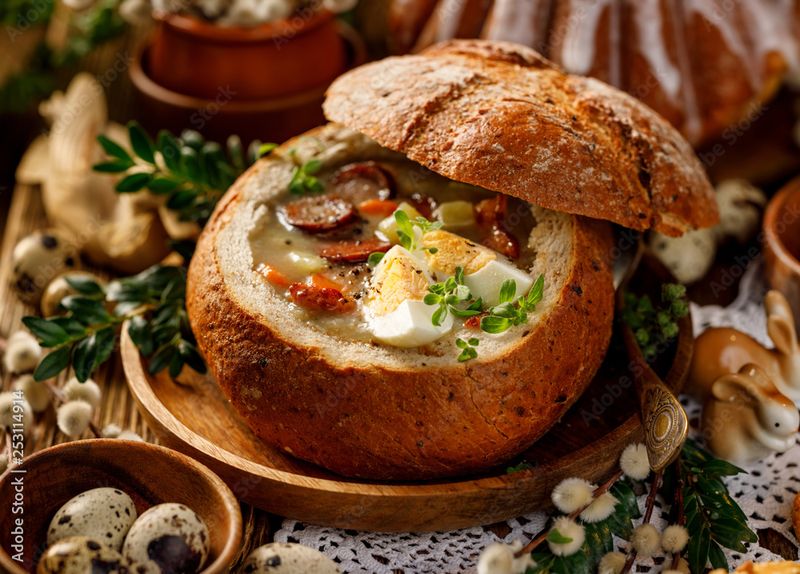
Żurek has a flavour unlike anything most British people have tried before. Made from a fermented rye flour starter, it has a pleasantly sour, slightly tangy taste that is completely addictive once you get used to it.
Traditionally served with slices of white sausage and a hard-boiled egg, it is often presented in a hollowed-out bread bowl for extra drama. This soup is a staple at Polish Easter tables and deserves a regular spot in British kitchens year-round.
4. Kotlet Schabowy (Polish Pork Schnitzel)
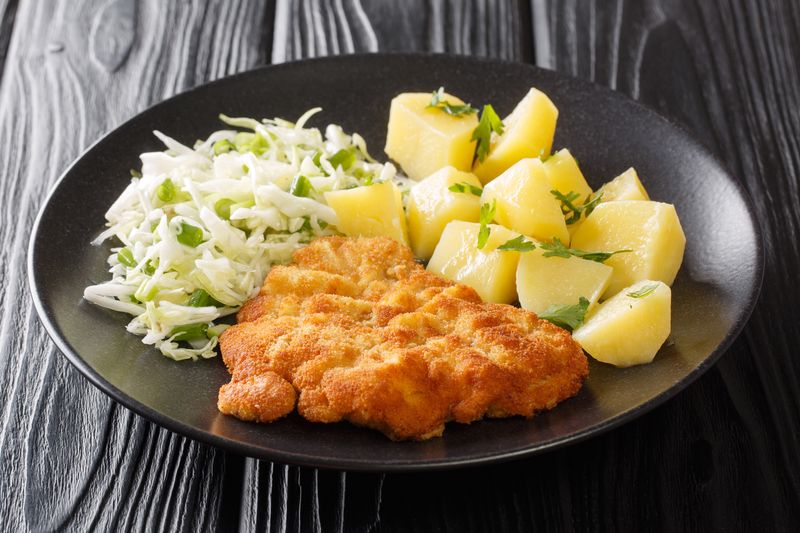
Think of kotlet schabowy as Poland's answer to the Viennese schnitzel, and you will understand why it has been a weeknight staple for Polish families for decades. A pork loin is pounded thin, coated in breadcrumbs, and fried until perfectly golden and crunchy.
Served alongside creamy mashed potatoes and a tangy cabbage salad, it is the kind of meal that fills you up and makes you feel genuinely content. British families who love a proper meat-and-two-veg dinner will adore this one.
5. Barszcz (Beetroot Soup)
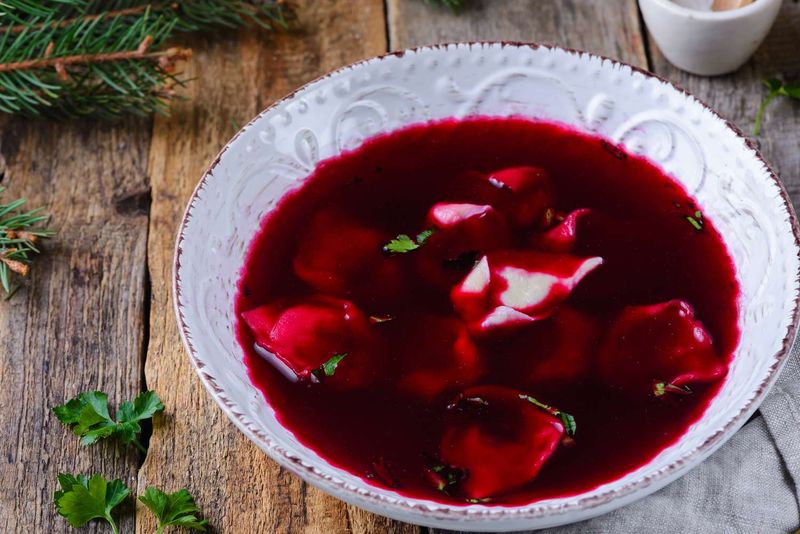
Barszcz is strikingly beautiful, arriving at the table as a deep crimson liquid that looks almost too pretty to eat. Made from slow-cooked beetroots, it has a sweet, earthy flavour with a gentle sourness that makes it surprisingly refreshing.
Clear barszcz is often served with tiny mushroom-filled dumplings called uszka, especially at Christmas. For British diners who are already fans of roasted beetroot, this soup will feel like a natural and exciting next step.
6. Gołąbki (Stuffed Cabbage Rolls)
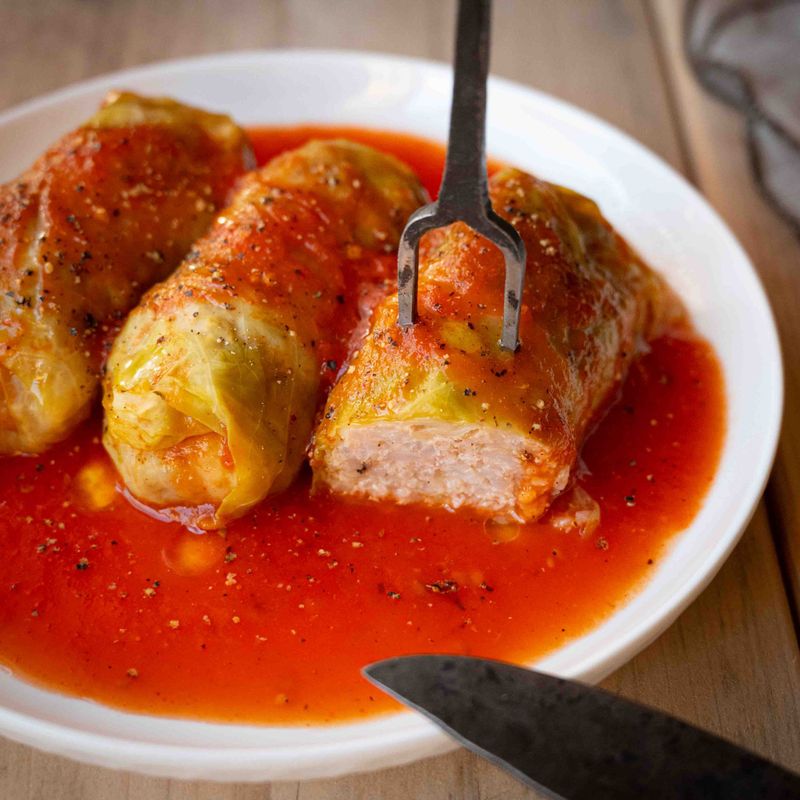
Gołąbki are one of those dishes that practically every Polish grandmother has a slightly different recipe for, and every version is somehow the best one you have ever tried. Soft cabbage leaves are wrapped around a filling of minced meat and rice, then baked slowly in a rich tomato sauce.
The result is tender, juicy, and deeply comforting. British cooks who enjoy stuffed peppers or lasagne will find gołąbki surprisingly familiar yet excitingly different at the same time.
7. Flaczki (Tripe Soup)
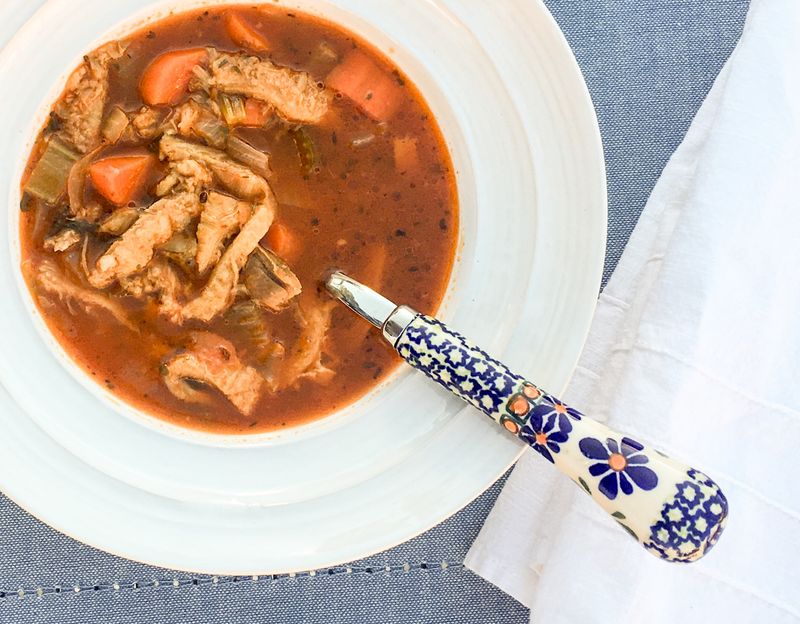
Flaczki is not for the faint-hearted, but adventurous eaters will be rewarded with one of the most flavoursome soups in the Polish repertoire. Strips of slow-cooked beef tripe swim in a golden, marjoram-spiced broth alongside root vegetables and warming spices.
Historically considered a dish of Polish nobility, it has remained popular across all social classes for good reason. If you have enjoyed offal dishes before, flaczki is an experience worth having at least once.
8. Kielbasa (Polish Sausage)
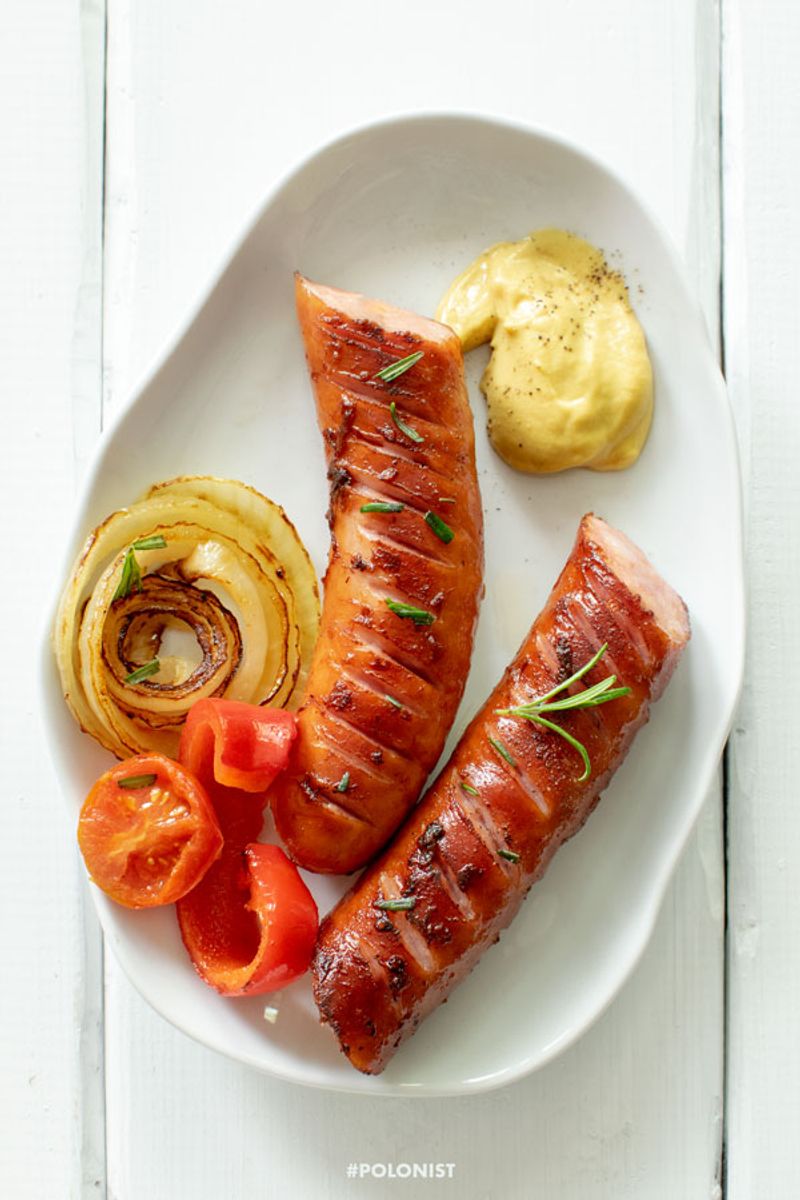
Kielbasa is arguably Poland's most famous food export, and for very good reason. These smoked pork sausages come in dozens of regional varieties, ranging from thin and garlicky to thick and deeply smoky, each with its own distinct character.
Grilled, boiled, or sliced into stews, kielbasa is incredibly versatile. British barbecue enthusiasts should absolutely throw a few links on the grill this summer.
Paired with mustard and a cold beer, it is pure, uncomplicated joy.
9. Placki Ziemniaczane (Potato Pancakes)
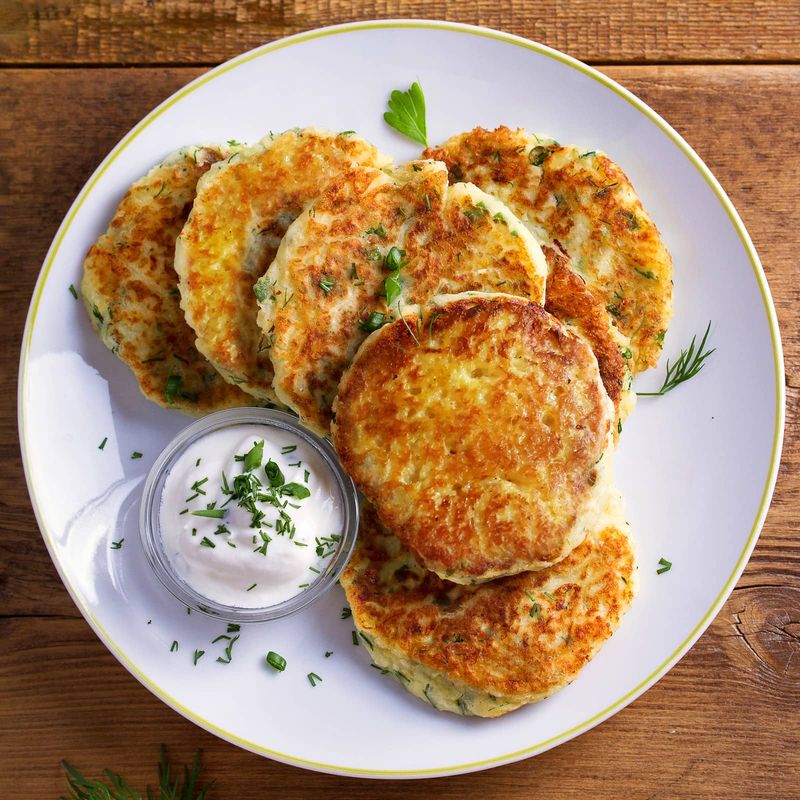
Crispy on the outside and soft in the middle, placki ziemniaczane are the kind of comfort food that transcends cultural boundaries. Grated potato is mixed with egg and onion, then fried in oil until beautifully golden and satisfyingly crunchy.
They can be served savoury with sour cream or sweet with apple sauce, making them wonderfully adaptable. British cooks who enjoy potato rostis or hash browns will immediately recognise the appeal, though the Polish version has a richer, more flavourful edge.
10. Rosół (Polish Chicken Broth)
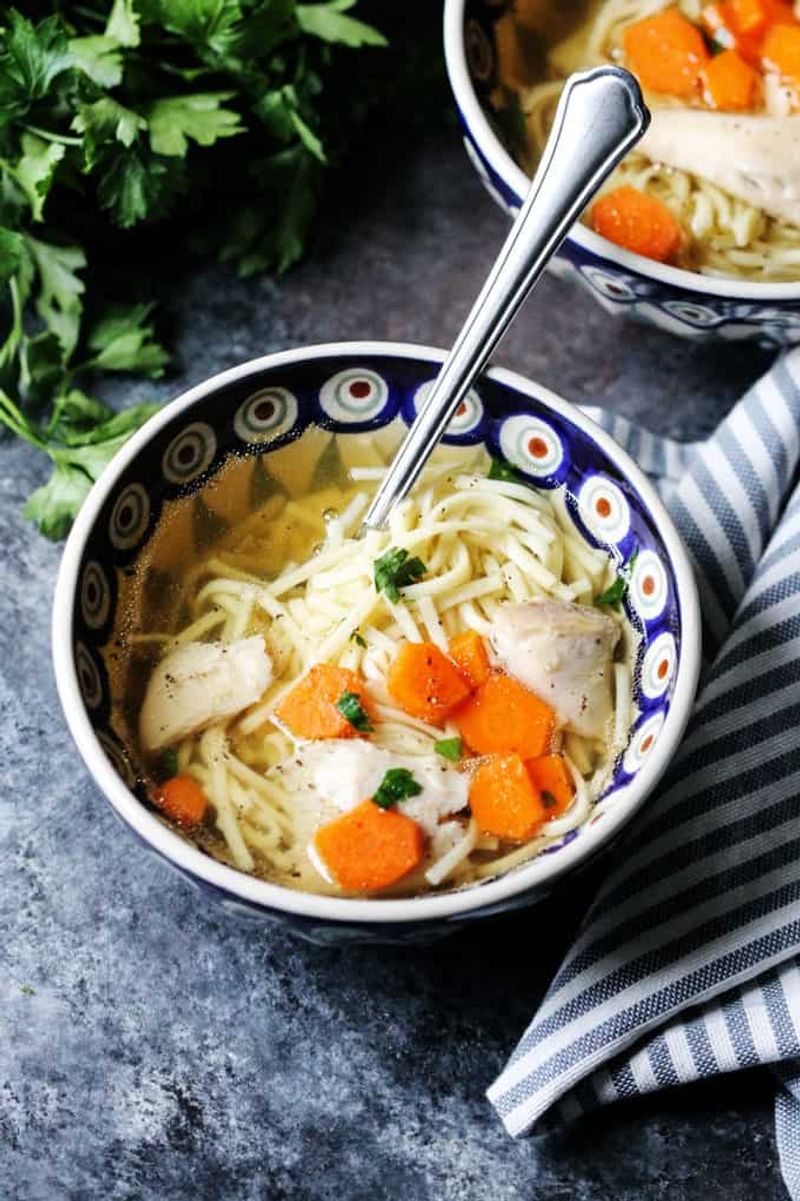
Every culture has its version of chicken soup, and Poland's rosół is among the most refined and delicate of them all. Slowly simmered for hours with vegetables, herbs, and a whole chicken, it produces a crystal-clear golden broth of extraordinary depth.
Served with thin egg noodles and a sprinkle of fresh parsley, rosół is the go-to remedy for colds, long weeks, and grey British Sundays alike. Once you try a proper homemade version, supermarket chicken soup will never satisfy you again.
11. Makowiec (Poppy Seed Roll)

Makowiec looks deceptively simple from the outside, but slice it open and you reveal a gorgeous dark swirl of sweet poppy seed paste wrapped inside soft, pillowy dough. It is a centrepiece of Polish Christmas and New Year celebrations.
The filling is made from ground poppy seeds, honey, nuts, and sometimes raisins, giving it a rich, nutty sweetness that pairs wonderfully with coffee or tea. British bakers looking for a festive showstopper should absolutely give this a go.
12. Kapuśniak (Sauerkraut Soup)
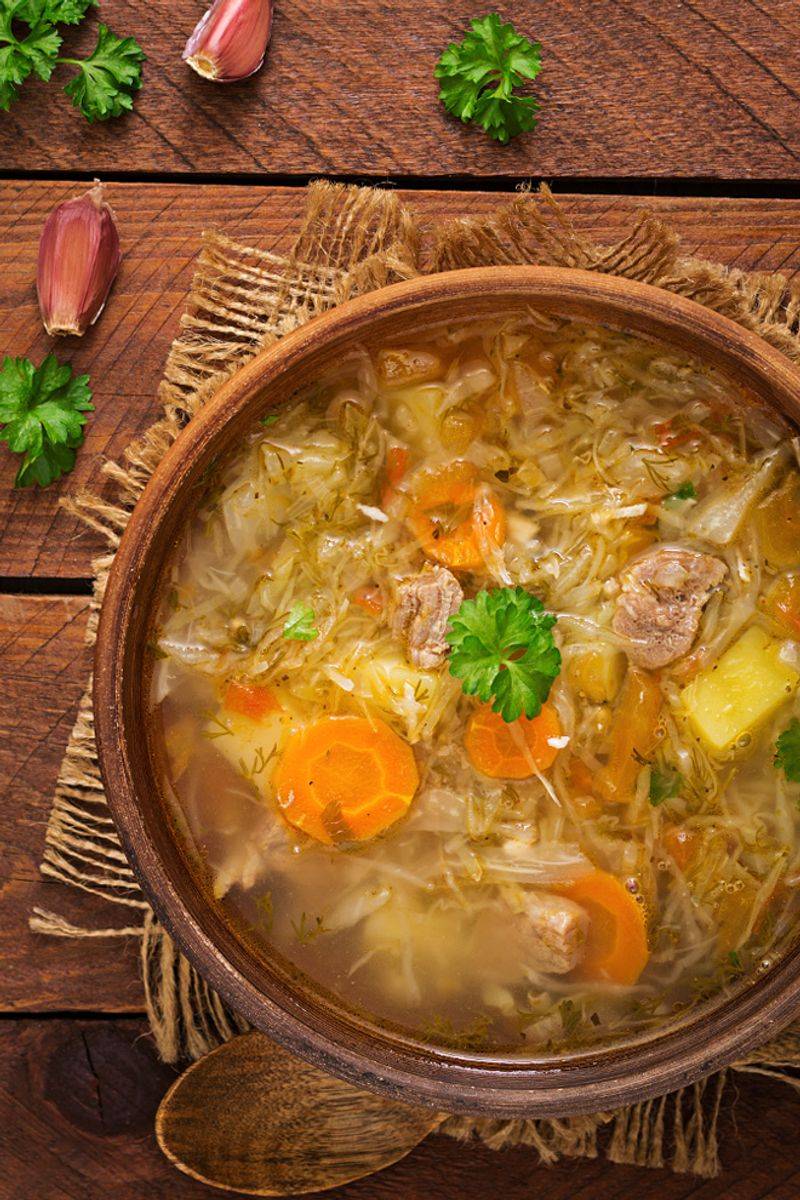
Kapuśniak proves that something as humble as fermented cabbage can become the star of a truly magnificent soup. Sauerkraut is simmered low and slow with pork ribs, root vegetables, and aromatic spices until the broth turns deeply tangy and impossibly savoury.
It is warming, filling, and surprisingly easy to make at home. On a cold and rainy British afternoon, a bowl of kapuśniak sitting next to a chunk of dark bread is about as satisfying as a meal can get.
13. Kopytka (Polish Potato Dumplings)
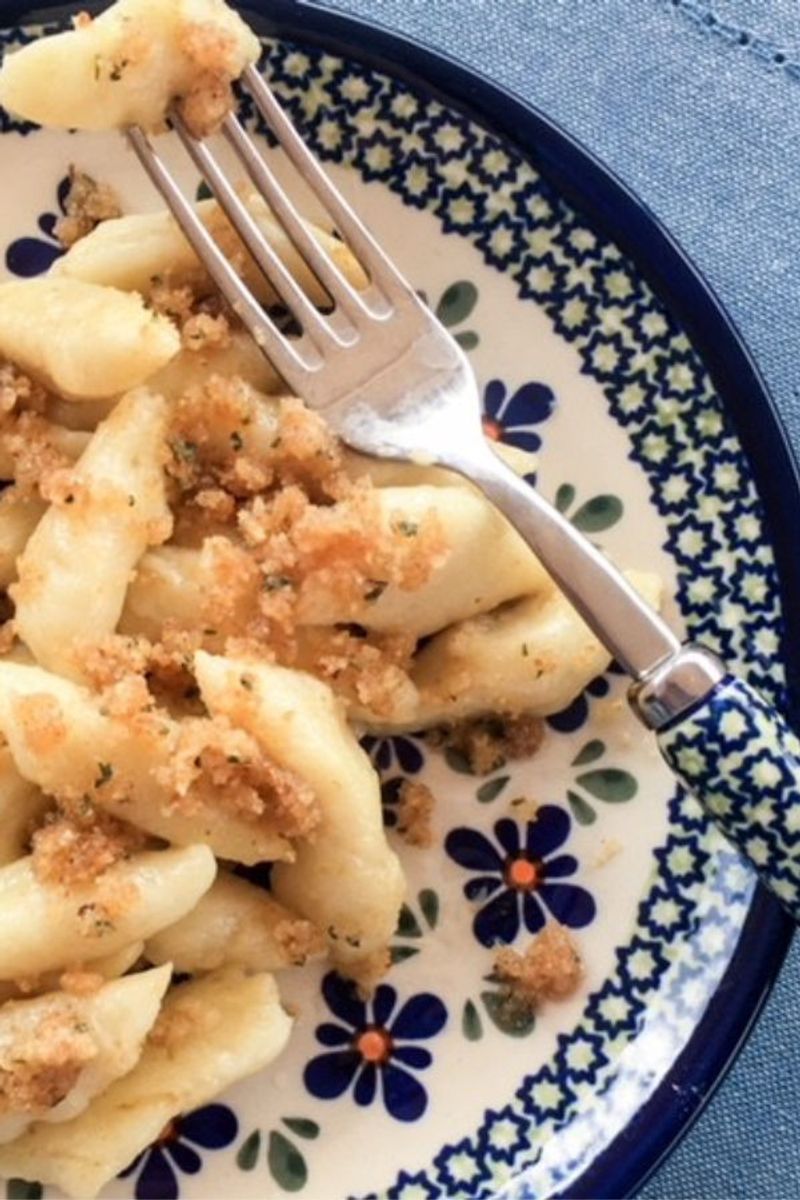
Kopytka translates roughly to "little hooves" because of their small, diamond-like shape, and they are every bit as charming as the name suggests. Made from mashed potato and flour, they have a soft, gnocchi-like texture that soaks up sauces and butter beautifully.
Tossed simply in browned butter and toasted breadcrumbs, kopytka are unpretentious and utterly delicious. British pasta lovers who enjoy gnocchi will find this Polish cousin equally satisfying, possibly even more so on a chilly evening.
14. Czernina (Duck Blood Soup)
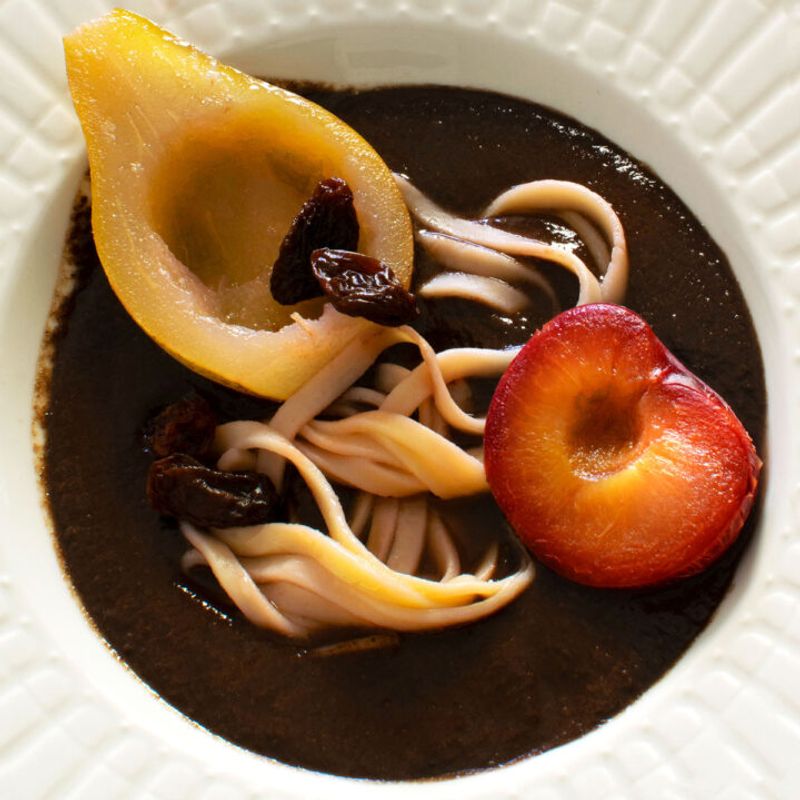
Czernina is one of Poland's most historic and intriguing dishes, with roots going back hundreds of years. Made from duck blood, broth, dried fruits, and vinegar, it has a complex sweet-sour flavour profile that sounds unusual but tastes genuinely extraordinary.
Historically, being served czernina by a girl's family was a signal that your marriage proposal had been rejected. Today, it is simply a dish worth trying for its unique depth and fascinating culinary heritage that few outside Poland have experienced.
15. Sernik (Polish Cheesecake)
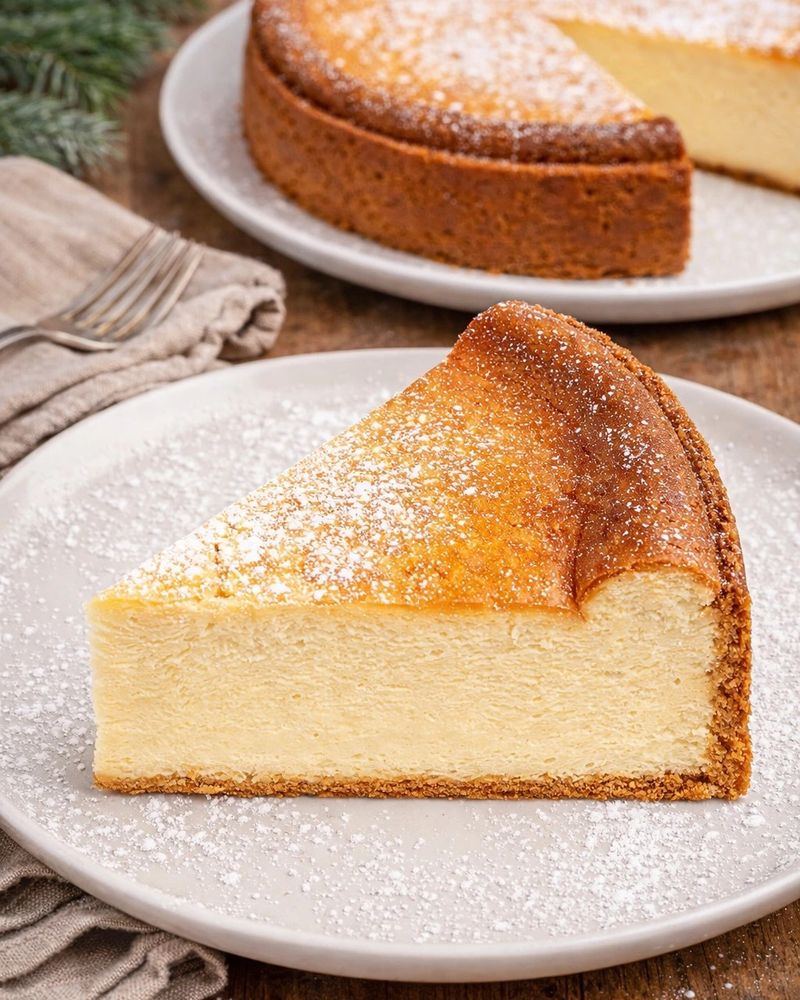
Polish sernik is not like the New York-style cheesecake most British people are familiar with. Made using twaróg, a dry, slightly grainy farmer's cheese, it has a denser, more crumbly texture with a subtle tang that makes it deeply addictive.
Often baked with a pastry base and topped with a simple sugar glaze or fruit, it is a staple at Polish celebrations. Anyone who finds standard cheesecakes a bit too rich will appreciate sernik's lighter, more old-fashioned charm.
16. Kluski Śląskie (Silesian Dumplings)
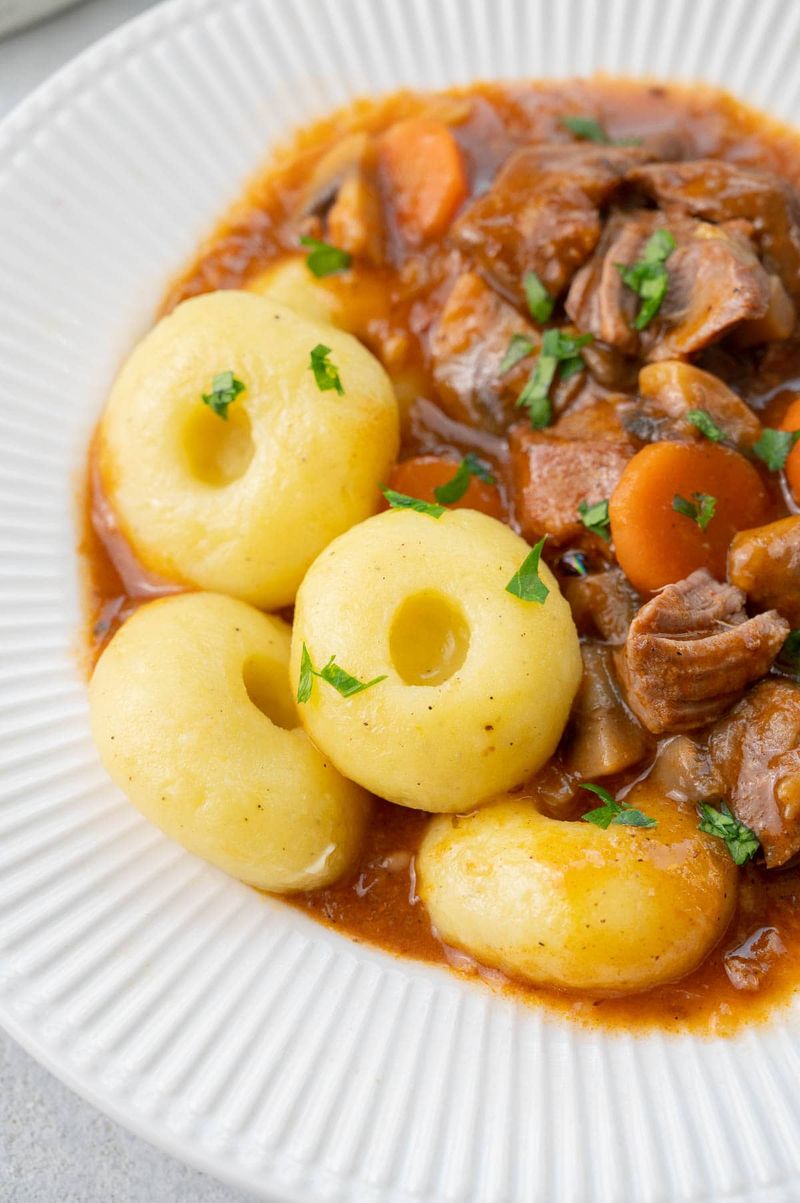
Recognisable by the little dimple pressed into their centre, kluski śląskie are round, pillowy dumplings from the Silesia region of southern Poland. Made from mashed potatoes and flour, they have a wonderfully soft texture that holds up beautifully to rich, meaty sauces.
Traditionally served alongside roast pork and red cabbage, they make an excellent alternative to roast potatoes on a Sunday dinner plate. British roast enthusiasts looking for something new to try alongside their joint should seriously consider these.
17. Fasolka po Bretońsku (Polish Baked Beans)
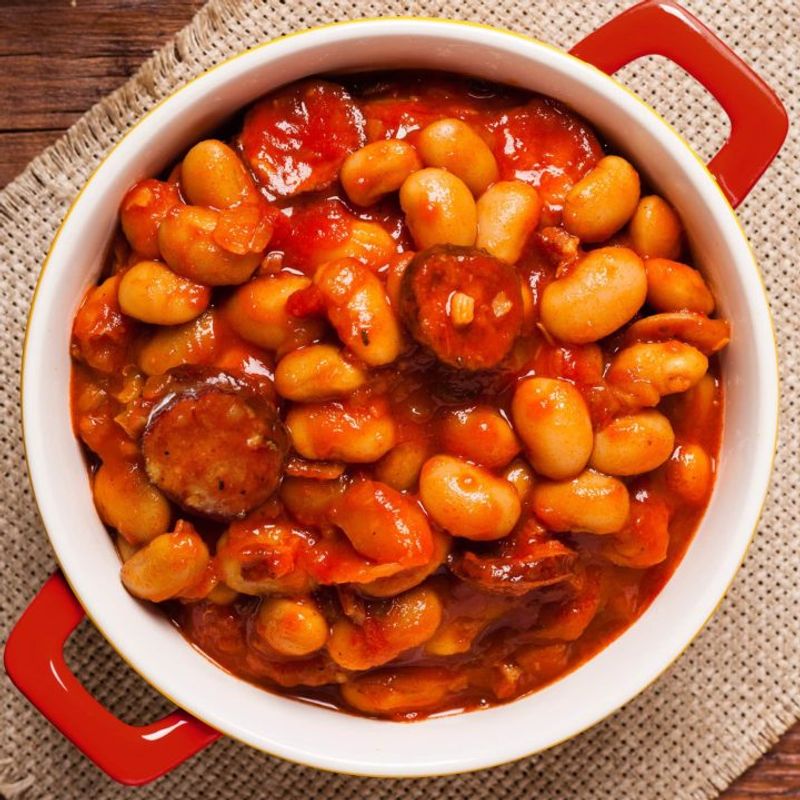
Do not let the name fool you into thinking this is anything like the tinned beans on British supermarket shelves. Fasolka po bretońsku combines white beans with smoked bacon, kielbasa, and a rich tomato-based sauce for a hearty, protein-packed dish full of smoky depth.
It is cheap to make, incredibly filling, and tastes even better the next day after the flavours have had time to meld together. This is Polish comfort food at its most honest and unpretentious.
18. Piernik (Polish Gingerbread)
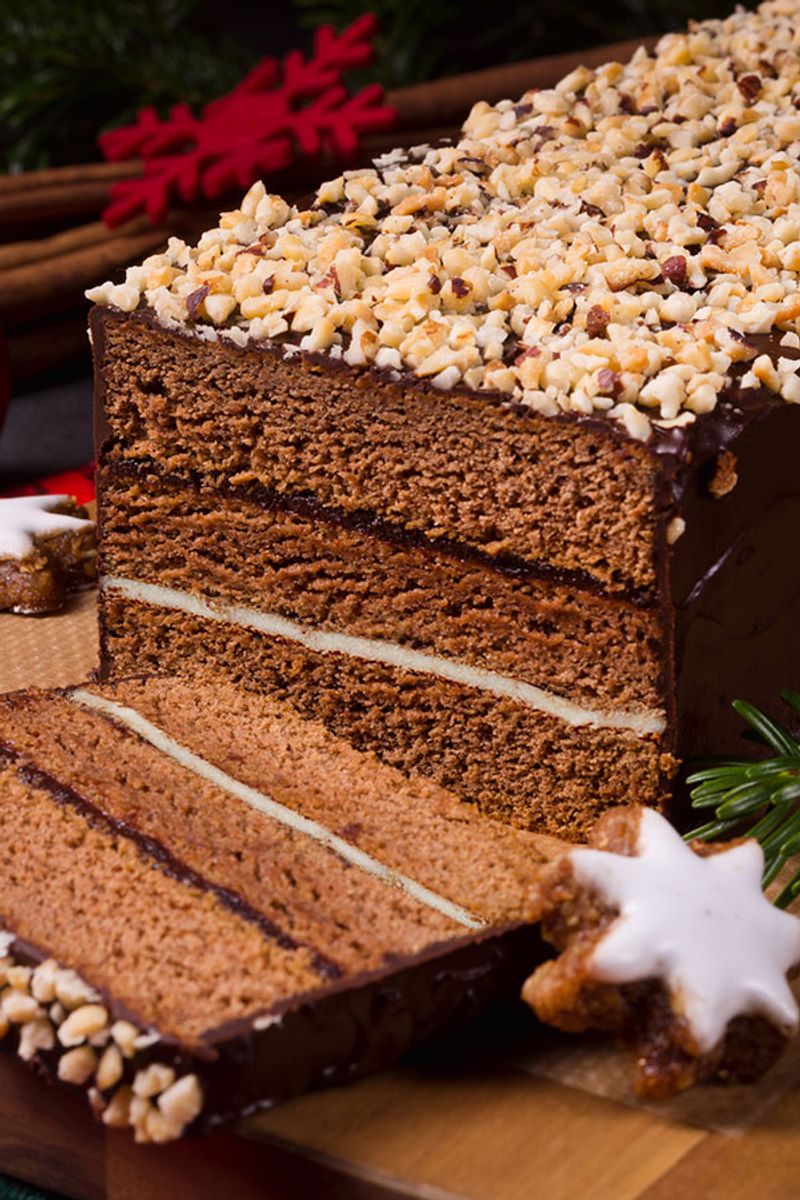
Piernik from the city of Toruń is so iconic that it has been awarded protected geographical status in Europe. This dark, spiced gingerbread is made with honey, cinnamon, cloves, and black pepper, giving it a complex, warming flavour that deepens over several days.
Unlike the crispy gingerbread biscuits familiar to British bakers, piernik is a moist, dense cake that improves with age. Spread with plum jam and coated in dark chocolate, it is an absolute treat worth baking at home.
19. Chłodnik (Cold Beetroot Soup)
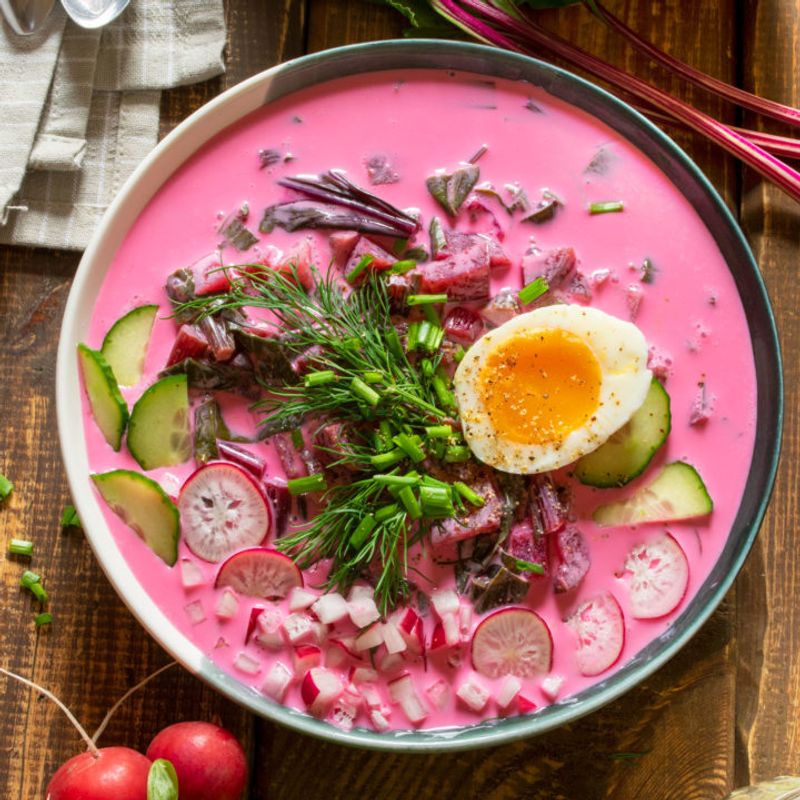
When summer arrives and no one wants to stand over a hot stove, chłodnik is exactly what you need. This chilled beetroot soup is a gorgeous shade of magenta pink, made from young beets, kefir or buttermilk, cucumbers, radishes, and fresh dill.
Light, refreshing, and ready in minutes once chilled, it is the Polish answer to gazpacho. British cooks looking for a stunning no-cook starter that impresses guests at a garden party should add this to their recipe collection immediately.




Comments
No Comments