













What you eat before bed can make a bigger difference than you might think. Some foods can mess with your sleep, cause discomfort, or leave you tossing and turning all night long.
Getting a good night's rest starts with knowing which foods to avoid in those final hours before you hit the pillow. Here are 19 foods worth reconsidering the next time a late-night snack is calling your name.
1. Spicy Foods
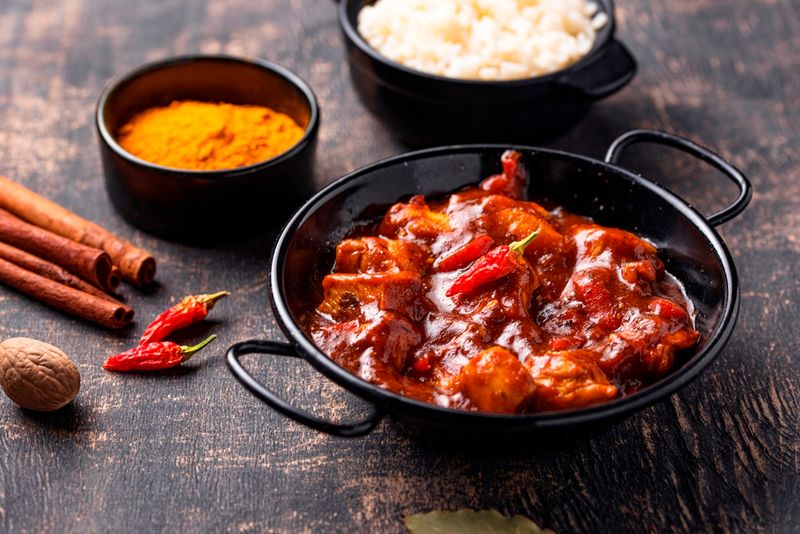
That burning sensation you love during dinner can turn into a nightmare once you lie down. Spicy foods trigger acid reflux and heartburn because they relax the valve that keeps stomach acid in place.
Lying flat makes it even worse, letting acid creep up into your throat.
Capsaicin, the compound that makes peppers hot, also raises your body temperature slightly, which can interfere with your natural sleep cycle. Save the spicy dishes for lunchtime instead.
2. Pizza

Pizza might be the ultimate comfort food, but eating it right before bed is a recipe for a restless night. The combination of fatty cheese, acidic tomato sauce, and processed meats creates a triple threat for your digestive system.
Your stomach has to work overtime just to process one slice.
High-fat foods slow digestion significantly, meaning your body is still hard at work long after you fall asleep. That effort can fragment your sleep without you even realizing it.
3. Ice Cream
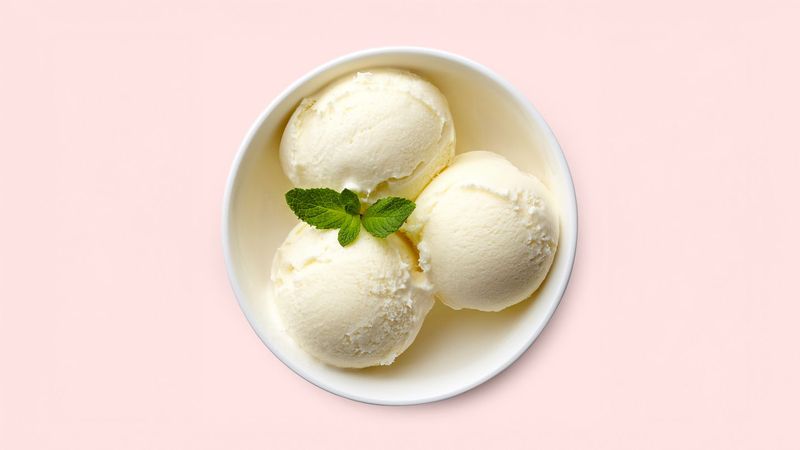
Few things feel more satisfying than a bowl of ice cream at night, but your body tells a different story. Ice cream is loaded with sugar and fat, two things that make it hard for your body to wind down.
The sugar spike triggers a burst of energy right when you need to be calming down.
High-fat dairy also takes a long time to digest. Studies suggest that eating sugary foods before bed can lead to more active, disturbing dreams.
Sweet dreams? Not quite.
4. Alcohol

Alcohol might make you feel sleepy at first, but it seriously disrupts your sleep quality. It blocks REM sleep, which is the deep, restorative stage your brain needs to process memories and emotions.
You may fall asleep faster, but you wake up feeling groggy and unrested.
Alcohol also relaxes throat muscles, which can worsen snoring and sleep apnea. The diuretic effect means more bathroom trips in the middle of the night, further breaking up your rest.
5. Coffee and Caffeinated Drinks

Caffeine is one of the most well-known sleep disruptors out there, yet so many people still reach for a cup of coffee after dinner. Caffeine blocks adenosine, the brain chemical that makes you feel sleepy, and its effects can last six hours or longer in your system.
Even decaf coffee contains small amounts of caffeine that can affect sensitive sleepers. Energy drinks, certain teas, and even some chocolate beverages fall into this category too.
Cutting off caffeine by early afternoon is a smart habit worth building.
6. Dark Chocolate
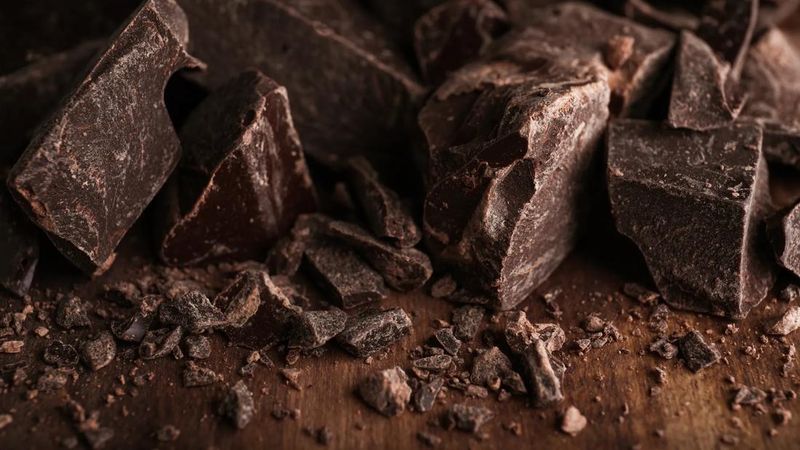
Dark chocolate fans might be surprised to learn their favorite evening treat contains more caffeine than they expect. A single ounce of dark chocolate can have around 12 milligrams of caffeine, plus theobromine, another stimulant that increases heart rate and keeps you alert.
The combination of these two compounds can make falling asleep noticeably harder. Dark chocolate is genuinely healthy in many ways, but timing matters.
Enjoy it earlier in the day and give your body enough time to process those stimulants before bedtime arrives.
7. Cheese
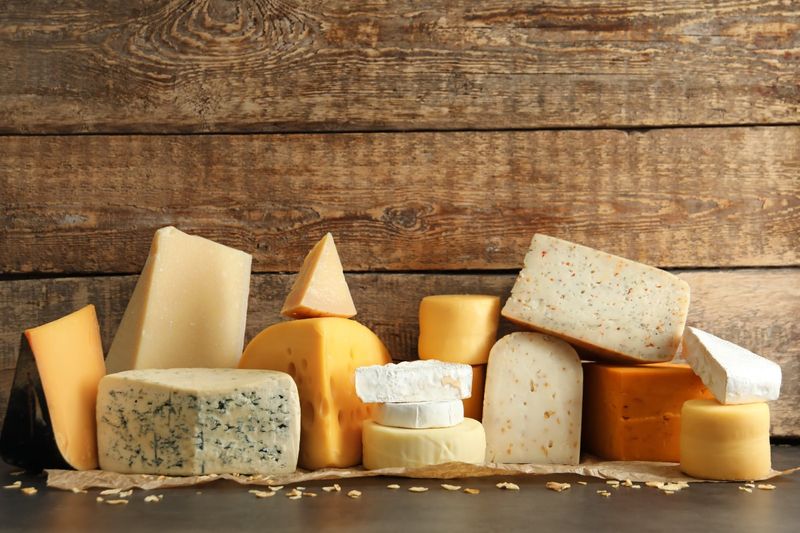
Cheese before bed has a surprisingly complicated reputation. Aged cheeses like cheddar, brie, and parmesan contain an amino acid called tyramine, which signals the brain to stay alert.
That is the last thing you want when you are trying to wind down for sleep.
High-fat cheeses also sit heavy in the stomach and slow digestion. Some people even report vivid or strange dreams after eating cheese at night, though scientists are still debating whether that connection is real or just folklore passed down through generations.
8. Chips and Salty Snacks

Reaching into a bag of chips while watching TV at night feels harmless enough, but salty snacks can seriously mess with your rest. High sodium intake causes water retention and can raise blood pressure temporarily, making it harder for your body to relax fully into sleep.
Salty snacks also tend to make you thirsty, leading to extra water intake and inevitable bathroom trips during the night. Beyond that, the satisfying crunch of chips can actually stimulate your brain and make winding down feel even harder.
9. Citrus Fruits
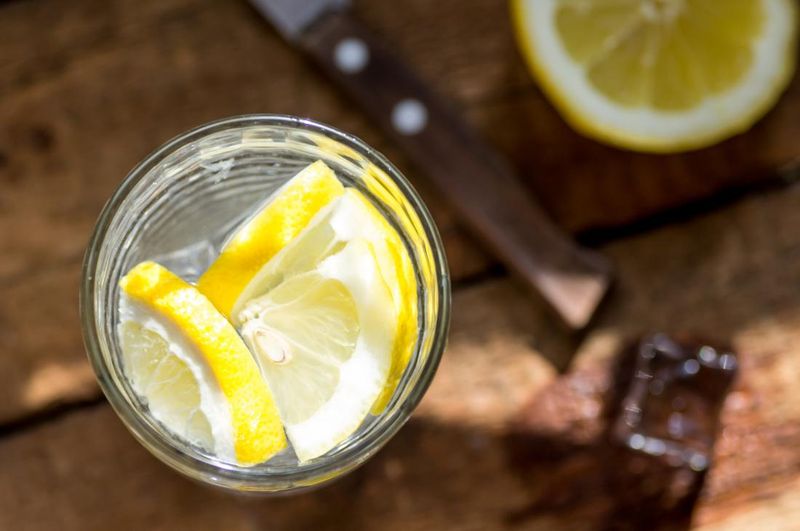
Oranges, grapefruits, and lemons are packed with vitamins, but their high acidity makes them a poor choice for late-night snacking. Eating acidic fruits before bed increases the likelihood of acid reflux, especially if you lie down within an hour or two of eating them.
The acidity irritates the esophagus and can cause that uncomfortable burning sensation in your chest or throat. If you love citrus, enjoy it earlier in the day when your body has plenty of time to digest it properly before you sleep.
10. Red Meat
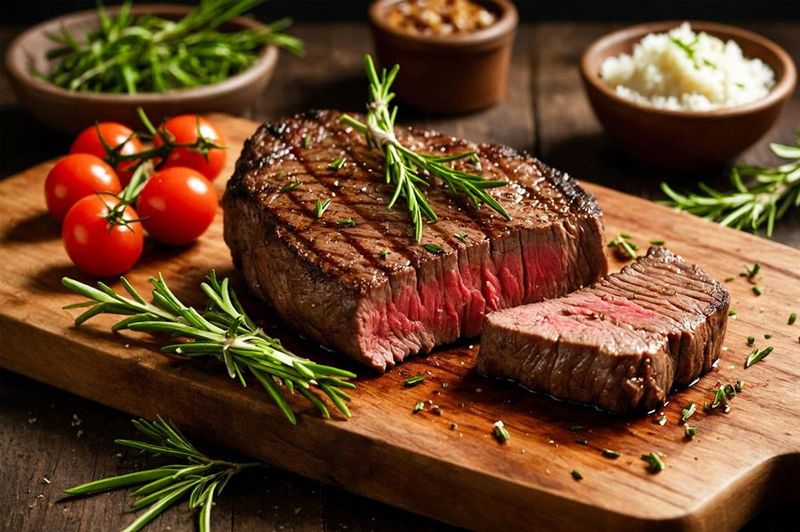
A big steak dinner late in the evening puts your digestive system through serious work right when it should be slowing down. Red meat is high in protein and fat, both of which take significantly longer to digest compared to lighter foods.
Your body essentially stays in active mode while you try to sleep.
This prolonged digestion can cause discomfort, bloating, and even disrupted sleep patterns. Eating red meat earlier in the evening gives your stomach the time it needs to do its job before you hit the pillow.
11. Sugary Cereals
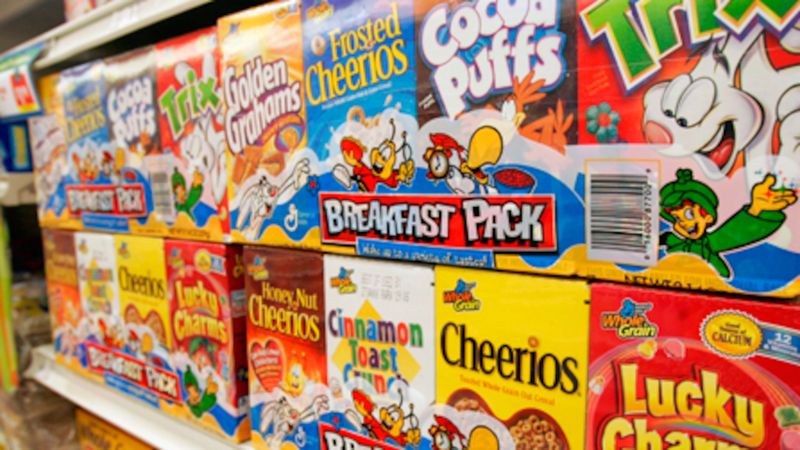
Sugary cereals might feel like a quick and easy bedtime snack, but they send your blood sugar on a rollercoaster ride at the worst possible time. A rapid spike in blood sugar is followed by a sharp crash, which can actually wake you up in the middle of the night feeling hungry or restless.
Many popular cereals marketed to kids are surprisingly high in sugar and refined carbohydrates. Swapping to a small handful of nuts or a banana can satisfy hunger without the blood sugar drama.
12. Fast Food Burgers
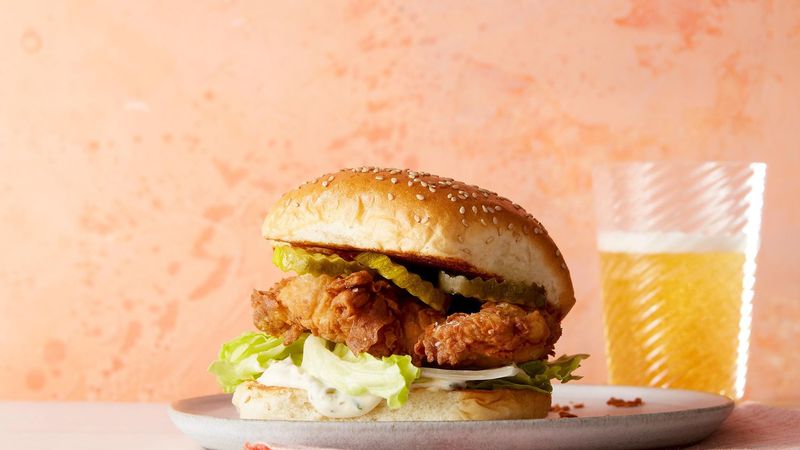
Fast food burgers are a late-night staple for many people, but they are one of the worst things you can eat before trying to sleep. The combination of high fat, refined carbs from the bun, and processed meat puts enormous strain on your digestive system.
Your body simply cannot rest while it is working that hard.
Fast food is also loaded with sodium, which causes bloating and water retention overnight. Frequent late-night fast food habits have been linked to poorer overall sleep quality over time.
13. Tomato-Based Foods
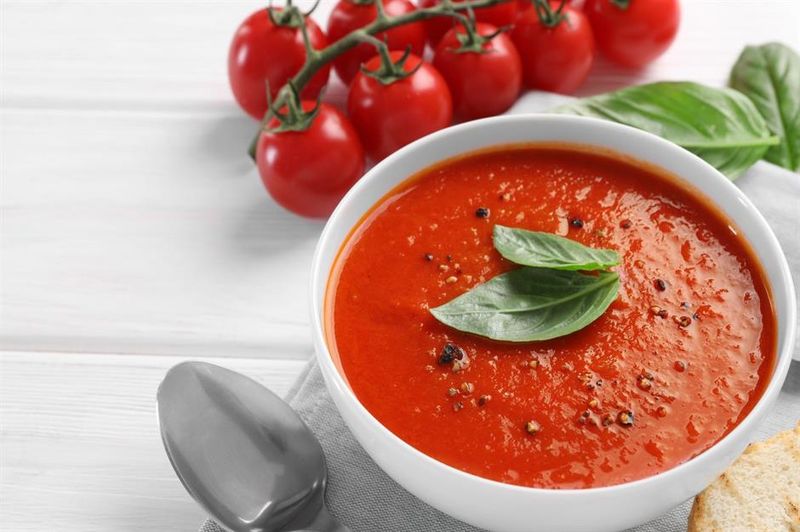
Tomatoes are incredibly nutritious, but their natural acidity makes them tricky to eat close to bedtime. Foods like marinara sauce, tomato soup, and salsa can trigger acid reflux in many people, especially when eaten within a couple of hours of lying down.
The stomach acid has nowhere to go once you are horizontal.
Even people who do not usually experience heartburn may notice irritation after a tomato-heavy late meal. Pairing tomato dishes with dinner earlier in the evening is a simple swap that can protect your sleep quality.
14. Energy Bars
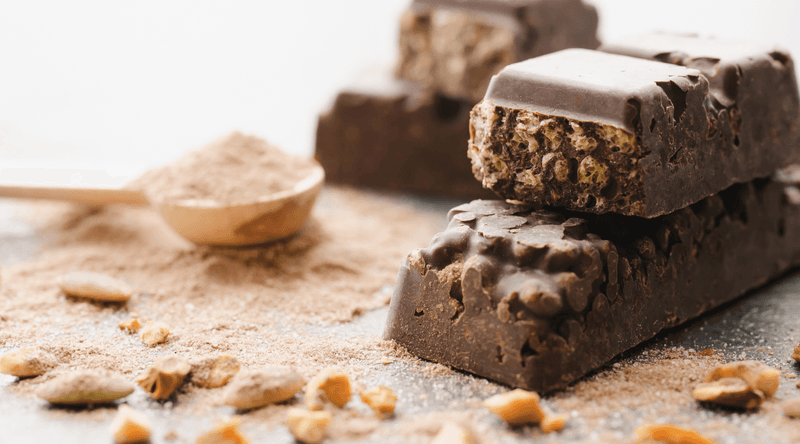
Energy bars are marketed as healthy snacks, but many are essentially candy bars in disguise. They are often packed with sugar, caffeine, and stimulating ingredients like guarana or green tea extract, none of which belong in your system right before sleep.
The high sugar content causes the same blood sugar spike and crash cycle that disrupts sleep. If you genuinely need a small snack before bed, choose something simple and low in sugar, like a few crackers with peanut butter or a small handful of almonds.
15. Fried Foods

Fried chicken, french fries, and onion rings are hard to resist, but they are genuinely terrible for your sleep. The extremely high fat content in fried foods slows your digestion to a crawl, keeping your body busy processing food long into the night.
This ongoing digestive effort can cause discomfort and broken sleep.
Fried foods are also common triggers for acid reflux, especially when eaten in large portions late at night. Your body deserves a break too, so give it lighter fuel as the evening winds down.
16. Onions and Garlic
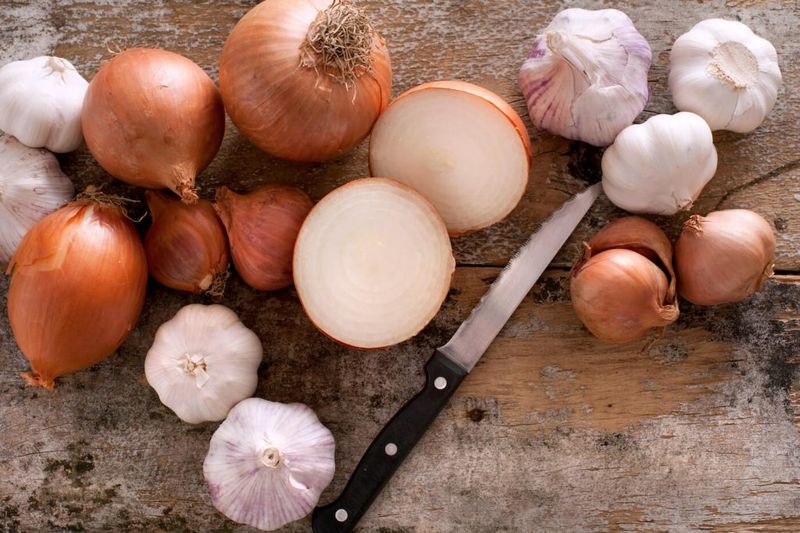
Onions and garlic add incredible flavor to meals, but eating them close to bedtime can cause real trouble. Both are known to trigger heartburn and acid reflux in many people, particularly when consumed in large amounts or in rich, cooked dishes late at night.
Beyond the digestive issues, onions and garlic can cause gas and bloating that makes lying down uncomfortable. There is also the obvious issue of bad breath, which is not exactly ideal for a peaceful night.
Enjoy them freely at dinner, just not too close to lights out.
17. Soda and Carbonated Drinks

Popping open a soda before bed seems innocent enough, but it can cause more sleep disruption than you might expect. Carbonated drinks introduce gas into your digestive system, causing bloating and discomfort that makes lying down anything but relaxing.
Regular sodas also come loaded with sugar that spikes your energy levels right when you need them lowest.
Diet sodas are no better, as the caffeine content in many popular brands is enough to delay sleep onset. Stick to water or herbal tea as your nighttime drink of choice.
18. Celery and High-Water Vegetables
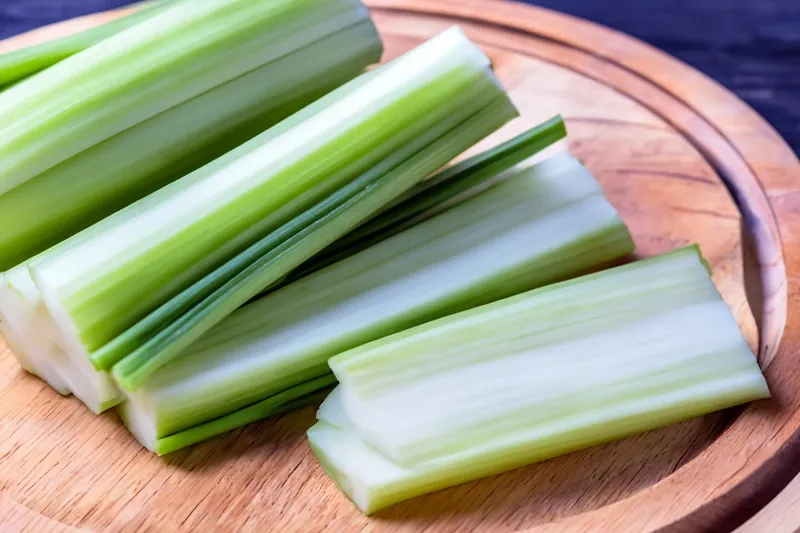
Celery and other water-dense vegetables like cucumbers and asparagus might seem like the healthiest possible bedtime snack, but they come with a hidden downside. These foods are natural diuretics, meaning they encourage your kidneys to produce more urine.
Eating them before bed almost guarantees extra bathroom trips overnight.
Fragmented sleep from repeated wakings is just as harmful over time as not getting enough total sleep. Save the crunchy veggie snacks for earlier in the day when your body can make better use of that extra hydration.
19. Peppermint Tea

Peppermint tea sounds like the perfect wind-down drink, and many people reach for it specifically because it feels relaxing. Here is the twist though: peppermint actually relaxes the lower esophageal sphincter, the muscle that keeps stomach acid from rising up into your throat.
For people prone to acid reflux, this can be a real problem.
The refreshing, minty sensation can also feel slightly stimulating rather than calming for some individuals. Chamomile or valerian root tea are gentler, more sleep-friendly alternatives worth trying instead.




Comments
No Comments