













Your gut does a lot of hard work every single day, breaking down everything you eat and drink. When digestion is off, you might feel bloated, sluggish, or just plain uncomfortable.
The good news is that certain foods can actually help your digestive system run more smoothly. Adding these to your meals is one of the easiest ways to feel better from the inside out.
1. Yogurt
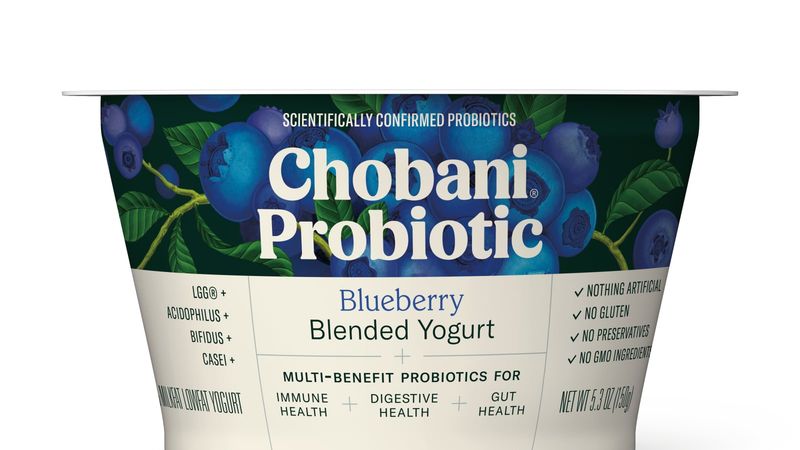
Packed with live bacteria called probiotics, yogurt is one of the most well-known foods for gut health. These friendly microbes help balance the bacteria living in your digestive tract.
Look for yogurt labels that say "live and active cultures" to make sure you are getting the real deal. Greek yogurt is especially popular because it also delivers a good amount of protein, making it both filling and gut-friendly.
2. Ginger
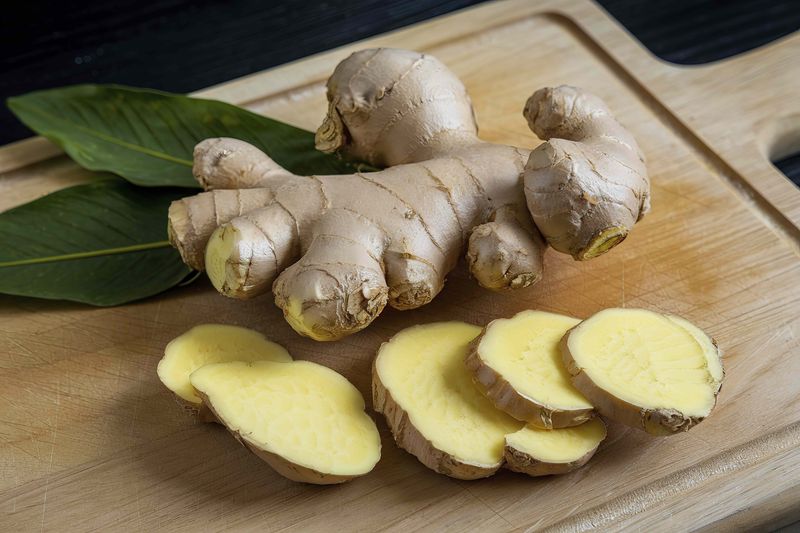
For thousands of years, people across Asia have reached for ginger whenever their stomach felt off. It contains natural compounds called gingerols and shogaols that help speed up the movement of food through your stomach.
Feeling nauseous or bloated after a big meal? A warm cup of ginger tea can work wonders.
You can also grate fresh ginger into stir-fries, smoothies, or soups for a spicy kick that your gut will appreciate.
3. Bananas
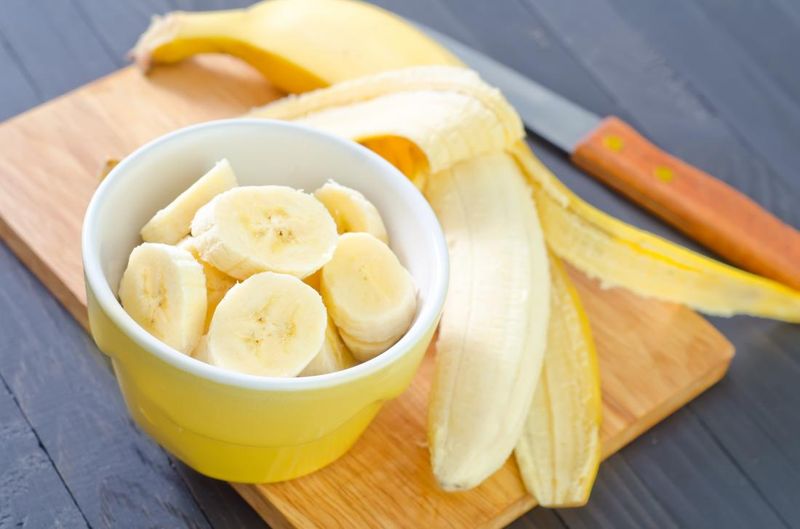
Bananas are one of the most gut-friendly fruits you can snack on. They contain a type of fiber called pectin, which helps firm up loose stools and keeps things moving at a healthy pace.
Slightly underripe bananas are rich in resistant starch, which acts like food for the good bacteria in your colon. They are also easy on a sensitive stomach, making them a go-to choice when you are feeling digestively off-balance.
4. Oats
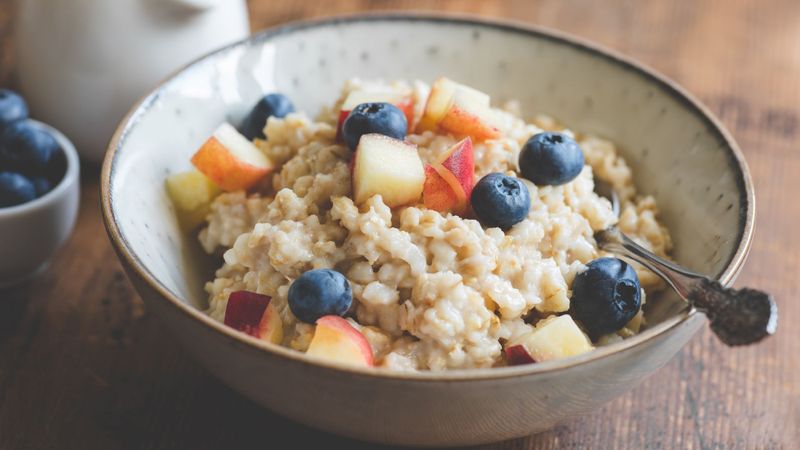
Starting your morning with a bowl of oats is like giving your gut a warm hug. Oats are loaded with a soluble fiber called beta-glucan, which forms a gel-like substance in your intestines that slows digestion and feeds beneficial bacteria.
This slow-moving process helps you feel full longer and keeps blood sugar steady. Steel-cut oats tend to have even more fiber than instant varieties, so they are worth the extra cooking time when you can manage it.
5. Kefir

Think of kefir as yogurt's tangier, drinkable cousin. This fermented milk drink can contain up to 61 different strains of probiotic bacteria and yeast, making it one of the most powerful fermented foods available.
Studies suggest kefir may help with lactose digestion, reduce gut inflammation, and even support immunity. It has a slightly fizzy, sour taste that takes some getting used to, but mixing it into smoothies makes it much easier to enjoy daily.
6. Sauerkraut
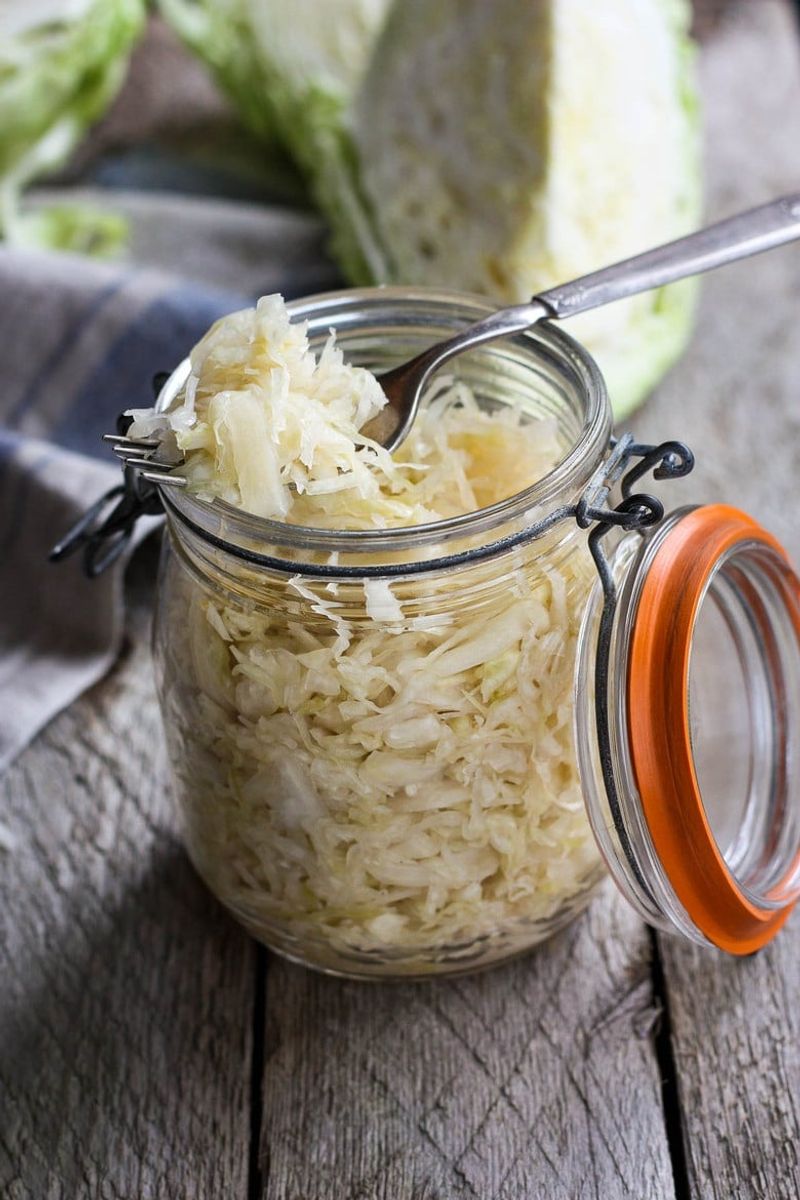
Fermented cabbage might not sound glamorous, but sauerkraut is a digestive powerhouse. The fermentation process creates lactic acid bacteria that survive in your gut and help crowd out harmful microbes.
Just one or two tablespoons added to a meal can make a noticeable difference over time. Make sure to buy unpasteurized sauerkraut from the refrigerated section, since the heating process in pasteurized versions kills off most of those helpful live cultures.
7. Apples
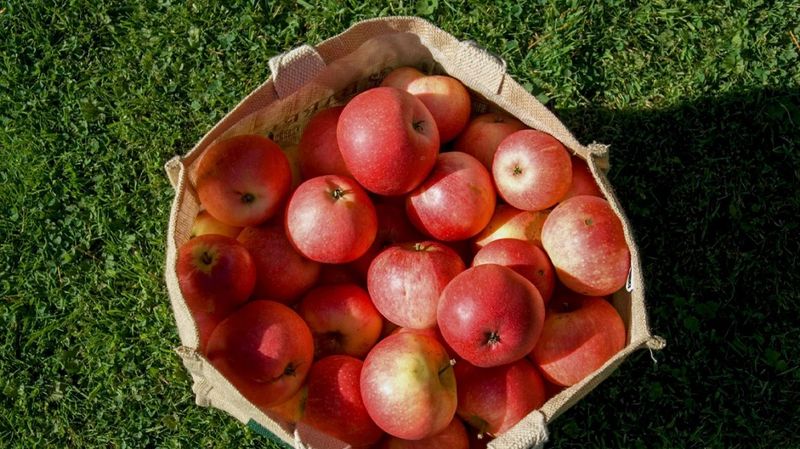
An apple a day really might keep digestive trouble away. Apples are rich in pectin, a soluble fiber that acts as a prebiotic, meaning it feeds the good bacteria already living in your gut rather than adding new ones.
Research has shown that pectin helps increase the volume and speed of stool, reducing constipation. Eating apples with the skin on gives you the most fiber, so skip the peeler and enjoy them whole for the biggest digestive benefit.
8. Fennel
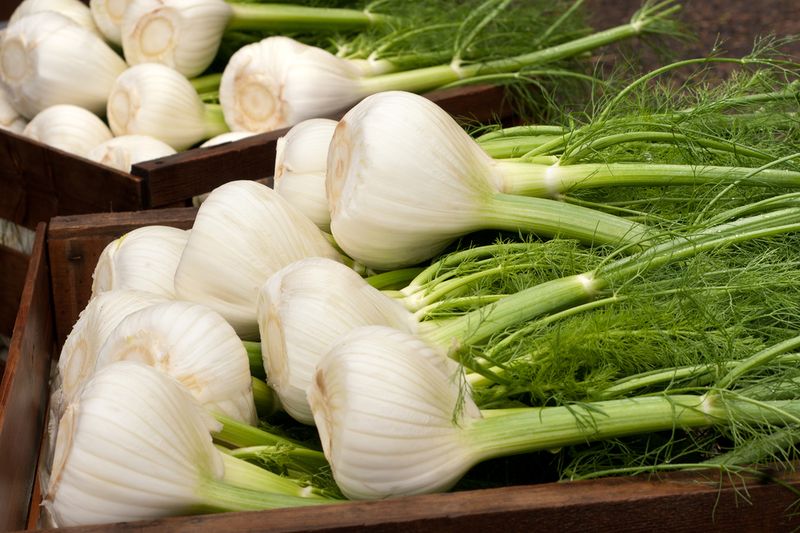
Fennel has a mild licorice flavor and a long history of being used to calm digestive discomfort. The fiber in fennel helps prevent constipation by adding bulk to stools and keeping things moving through the intestines at a comfortable pace.
Beyond fiber, fennel also contains antispasmodic properties that relax the muscles in your gut, reducing cramping and bloating. Roasting fennel brings out a sweeter side that even picky eaters tend to enjoy alongside grilled proteins or in pasta dishes.
9. Chia Seeds
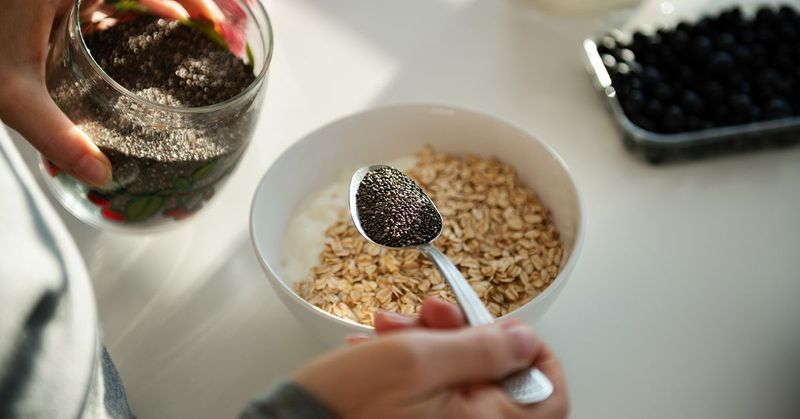
Tiny but mighty, chia seeds absorb up to 12 times their weight in water and form a thick gel in your digestive tract. This gel-like texture helps soften stools and makes them easier to pass, which is great news for anyone dealing with constipation.
Chia seeds are also packed with both soluble and insoluble fiber, giving your gut a well-rounded boost. Stirring them into overnight oats or blending them into smoothies is one of the simplest ways to sneak more fiber into your day.
10. Leafy Greens
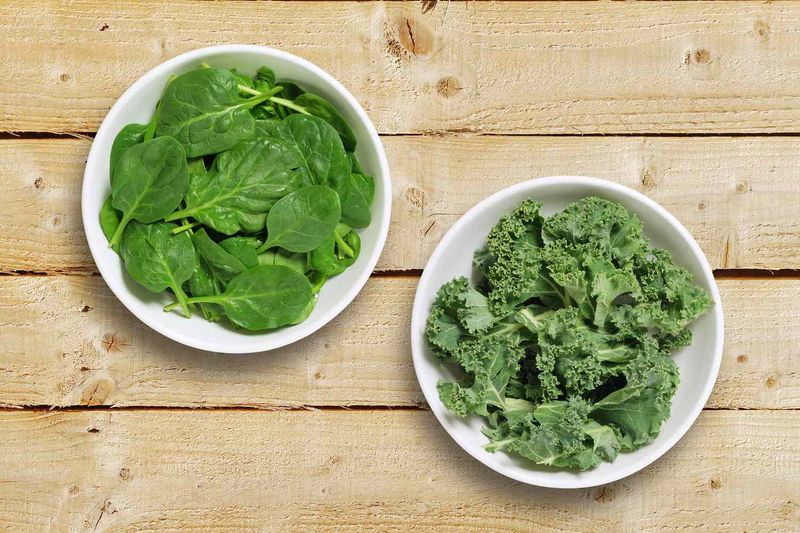
Spinach, kale, and other leafy greens are among the most fiber-dense vegetables you can eat. They also contain a unique sugar molecule called sulfoquinovose, which researchers believe specifically feeds beneficial gut bacteria.
Greens are also rich in magnesium, a mineral that helps relax the muscles of the digestive tract and can ease constipation. Tossing a handful of spinach into a smoothie or building a quick salad are both effortless ways to get more greens into your routine.
11. Kimchi
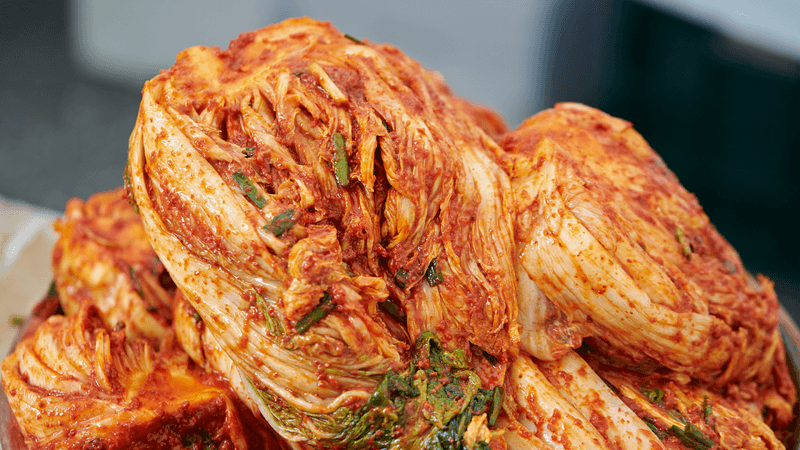
Originating in Korea, kimchi is a spicy fermented vegetable dish that has been eaten for over 2,000 years. Like sauerkraut, it goes through a lacto-fermentation process that produces beneficial bacteria excellent for gut health.
Beyond probiotics, kimchi contains fiber, vitamins C and K, and antioxidants. Research suggests regular kimchi consumption may help reduce gut inflammation and support a more diverse microbiome.
Start with small portions if you are new to fermented foods to let your gut adjust gradually.
12. Bone Broth
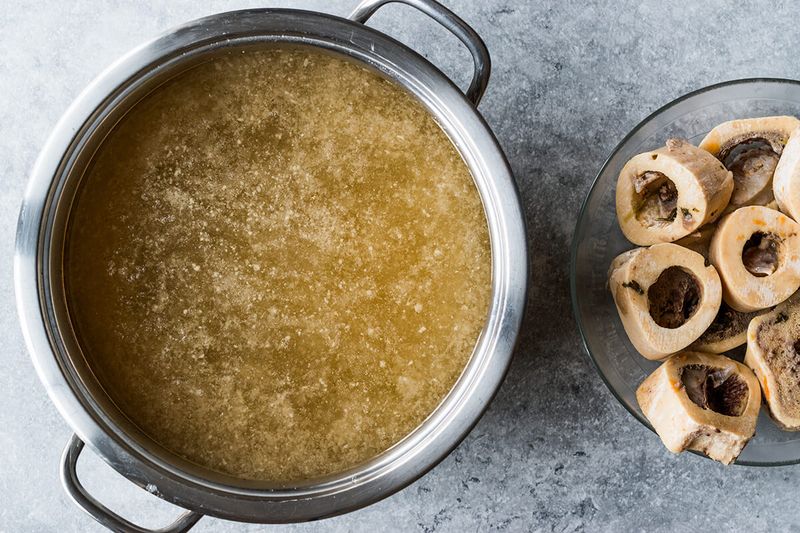
Sipping on warm bone broth has become a popular wellness habit, and your gut has good reason to appreciate it. Bone broth contains gelatin, which is derived from collagen and helps reinforce the lining of your intestinal walls.
A stronger gut lining means fewer chances for irritants to "leak" into your bloodstream, a condition sometimes called leaky gut. The amino acid glutamine found in bone broth also supports the repair of intestinal tissue, making it especially helpful during periods of digestive stress.
13. Peppermint
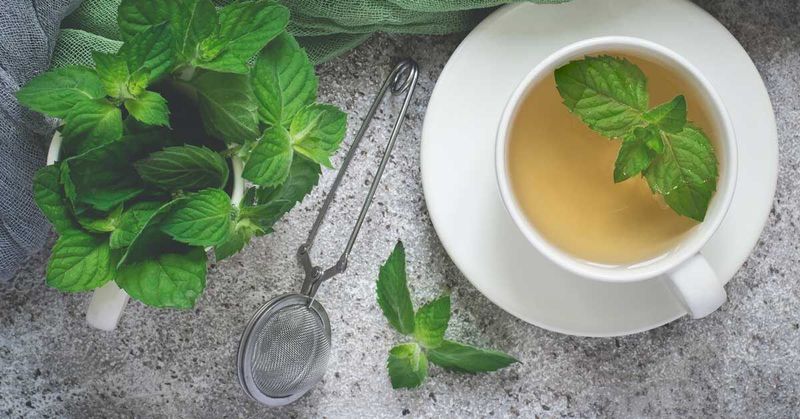
Peppermint has a refreshing, cooling quality that goes far beyond freshening breath. The active compound menthol relaxes the smooth muscles of the gastrointestinal tract, which can relieve spasms, cramping, and the uncomfortable pressure of trapped gas.
Peppermint oil capsules are commonly recommended for irritable bowel syndrome symptoms, but even a simple cup of peppermint tea after meals can provide noticeable comfort. Just be cautious if you have acid reflux, since peppermint can sometimes relax the valve between the stomach and esophagus.
14. Lentils
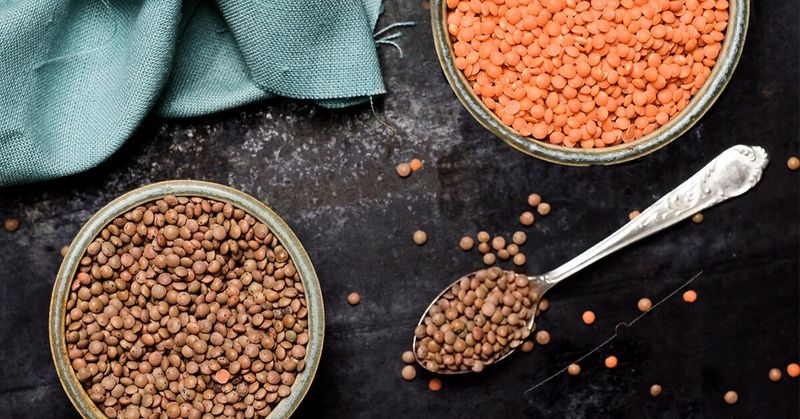
Lentils are one of the most fiber-rich legumes on the planet, with about 15 grams of fiber per cooked cup. That impressive number supports regular bowel movements and feeds the beneficial bacteria that thrive in your large intestine.
They also contain resistant starch, which passes through the small intestine undigested and becomes fuel for gut microbes. Lentils are affordable, versatile, and easy to cook, making them one of the smartest additions you can make to a digestion-friendly diet.
15. Papaya
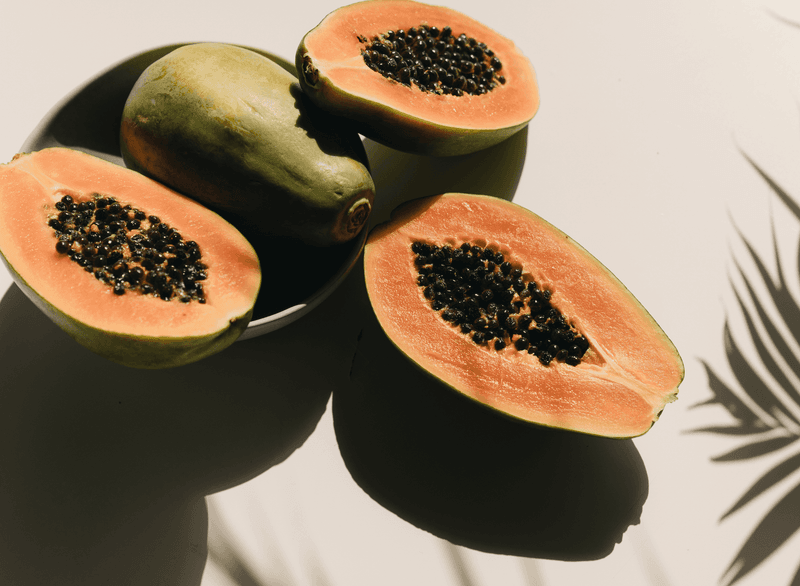
Papaya contains a natural digestive enzyme called papain that breaks down proteins in food, making them easier for your body to absorb. This is why papaya has long been used in traditional medicine across tropical regions as a remedy for indigestion.
Eating fresh papaya after a heavy, protein-rich meal can help reduce that heavy, overly full feeling. The fruit is also high in water and fiber, both of which support smooth, comfortable digestion throughout the rest of your digestive system.
16. Whole Grains
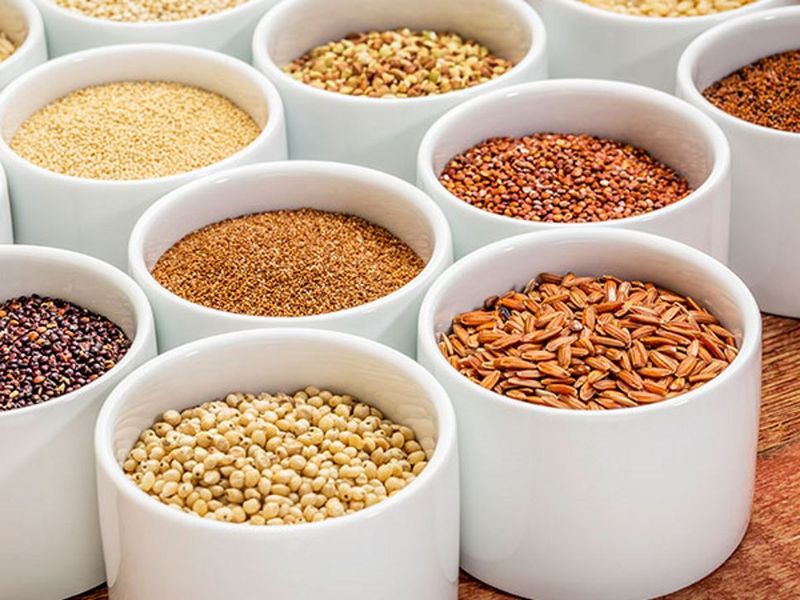
Swapping refined grains for whole grains like brown rice, quinoa, and barley is one of the simplest upgrades you can make for your digestive system. Whole grains retain their outer bran layer, which is packed with insoluble fiber that adds bulk to stools.
This bulk helps food move through the colon more efficiently, reducing the risk of constipation and keeping you feeling comfortable. Whole grains also contain prebiotics that nourish gut bacteria, supporting a healthier, more balanced microbiome over time.
17. Miso

Miso is a traditional Japanese seasoning made from fermented soybeans, and it has been a staple of gut-conscious eating for centuries. The fermentation process creates beneficial bacteria and enzymes that support digestion and help maintain a balanced gut microbiome.
A simple bowl of miso soup before or during a meal can stimulate digestive juices and ease the digestive process. Since miso is quite salty, a small amount goes a long way, so use it as a flavor enhancer rather than the main ingredient in your meals.
18. Beets

Beets have a vivid color that is hard to miss, and their digestive benefits are just as striking. They are rich in fiber, folate, and a compound called betaine, which supports healthy stomach acid levels and improves the breakdown of food.
Beets also contain betalains, powerful antioxidants that help reduce inflammation in the gut lining. Roasting brings out their natural sweetness, and pairing them with a tangy goat cheese or vinaigrette turns a digestive superfood into a genuinely delicious meal component.
19. Kombucha

Kombucha is a fizzy fermented tea that has gained a huge following among health-conscious drinkers. It is made by adding a SCOBY, which stands for symbiotic culture of bacteria and yeast, to sweetened tea and letting it ferment for one to four weeks.
The result is a tangy, slightly carbonated drink loaded with organic acids and beneficial bacteria. Regular consumption may support gut microbiome diversity and improve digestive comfort, though choosing low-sugar varieties ensures you get the benefits without unnecessary added sweeteners.




Comments
No Comments