













Professional bakers have a few tricks up their sleeves, and many of them start right at the local supermarket. You might walk past these everyday ingredients without a second thought, but skilled bakers know exactly how to use them to make their breads, cakes, and pastries taste extraordinary.
From the baking aisle to the dairy section, these humble staples can seriously upgrade your home baking. Get ready to look at your grocery store in a whole new way.
1. Instant Nonfat Dry Milk Powder
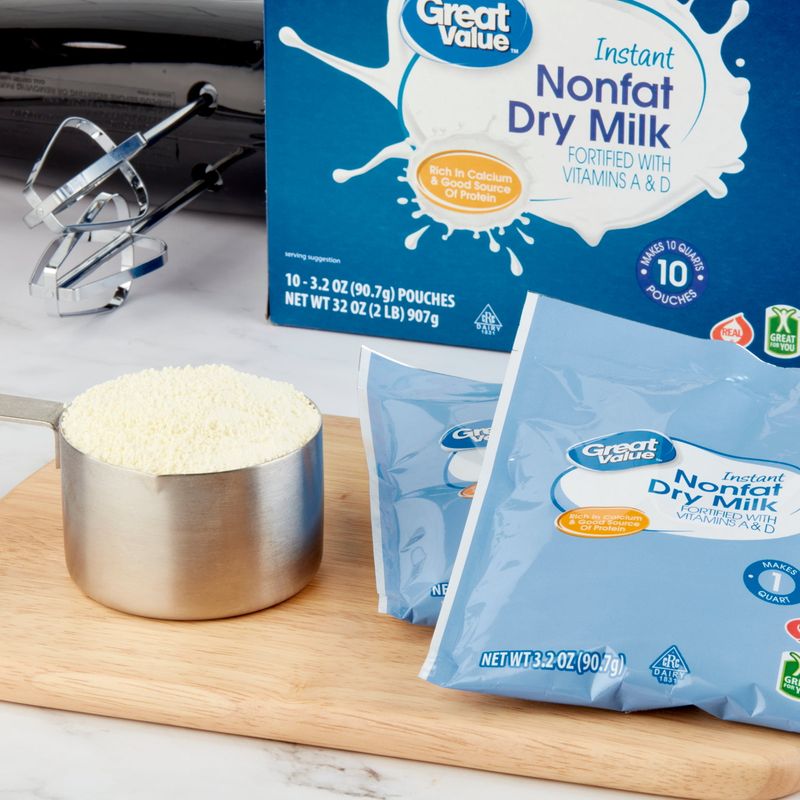
Milk powder is one of those quiet workhorses that professional bakers swear by but rarely talk about. Adding just a few tablespoons to bread dough creates a softer crumb and a richer, slightly sweet flavor that regular milk alone cannot match.
It also helps crusts brown more beautifully in the oven. You can find it in the baking aisle for just a few dollars, and a single bag lasts months.
Try adding two tablespoons to your next loaf recipe.
2. Apple Cider Vinegar

A splash of apple cider vinegar in cake batter sounds strange, but experienced bakers have trusted this trick for generations. The mild acid reacts with baking soda to create extra lift, making cakes noticeably lighter and fluffier without any vinegary taste in the finished product.
It also helps activate gluten properly in bread doughs. Most supermarkets stock it near the condiments for under three dollars.
Start with just one teaspoon and watch your baked goods transform completely.
3. Cream of Tartar
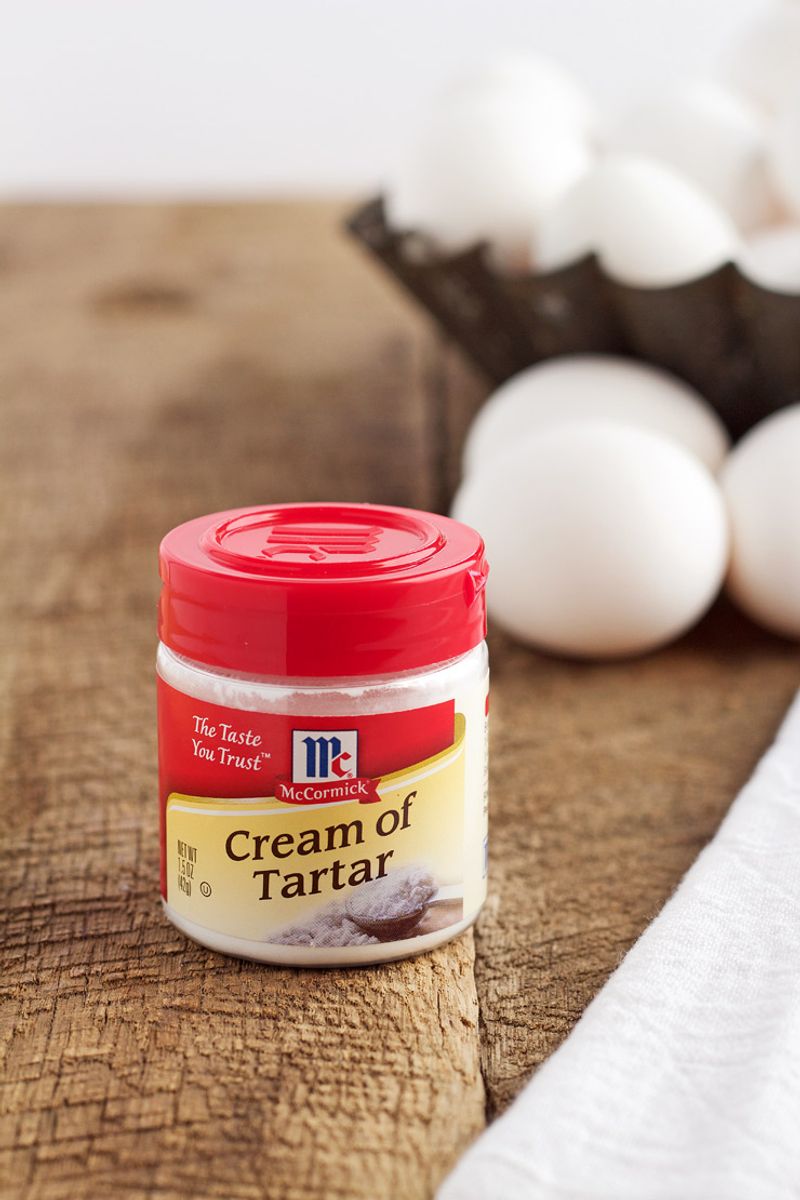
Cream of tartar has been a quiet hero in professional bakeries for centuries. This fine white powder, a natural byproduct of winemaking, stabilizes whipped egg whites so they hold stiff peaks far longer without collapsing.
Drop a pinch into meringues, angel food cakes, or even snickerdoodle dough for that signature chewy texture. It costs almost nothing and comes in a tiny jar tucked in the spice aisle.
Bakers who skip it often wonder why their meringues weep.
4. Mayonnaise
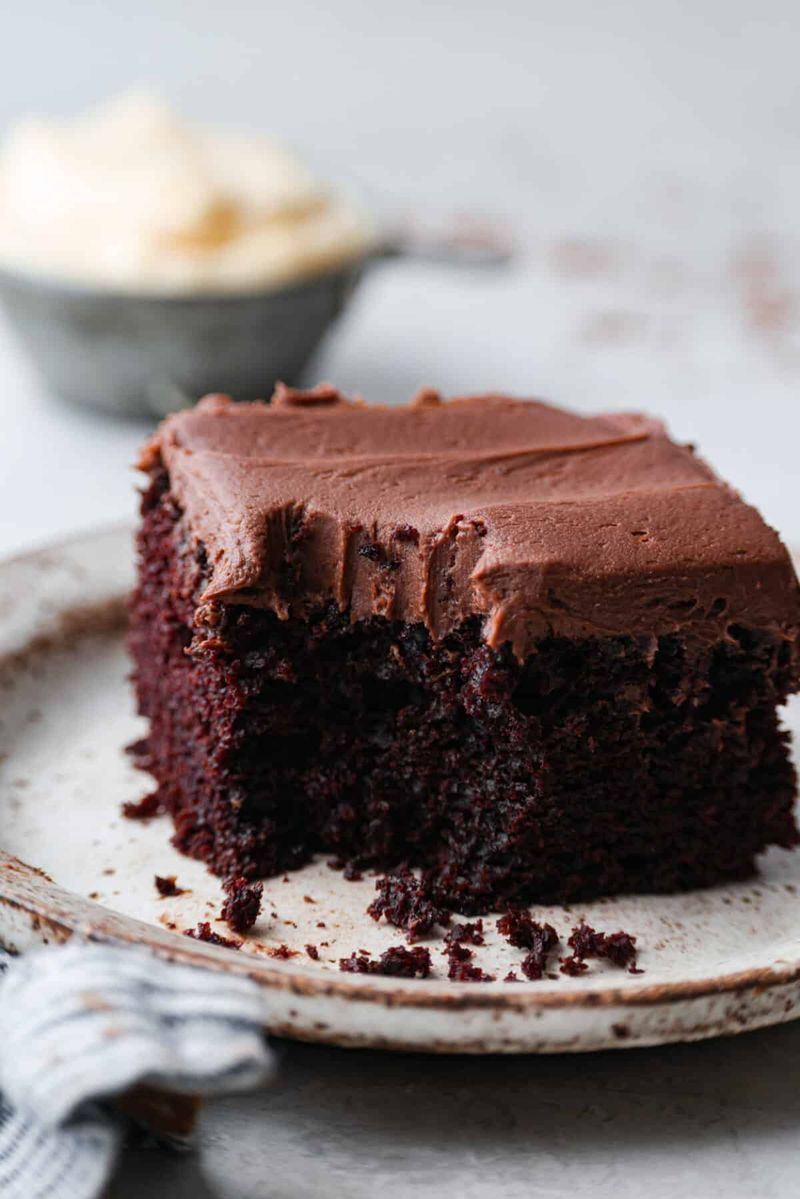
Surprised? Mayonnaise in a cake might sound wild, but bakery-quality chocolate cakes often owe their incredible moisture to a secret spoonful.
Mayo is essentially oil and eggs blended together, which means it adds fat and richness without any noticeable flavor change in sweet baked goods.
Professional bakers quietly swap it for sour cream or oil in recipes when they want an extra-moist crumb. Two to three tablespoons stirred into your batter is all it takes.
Your family will definitely notice the difference.
5. Cornstarch
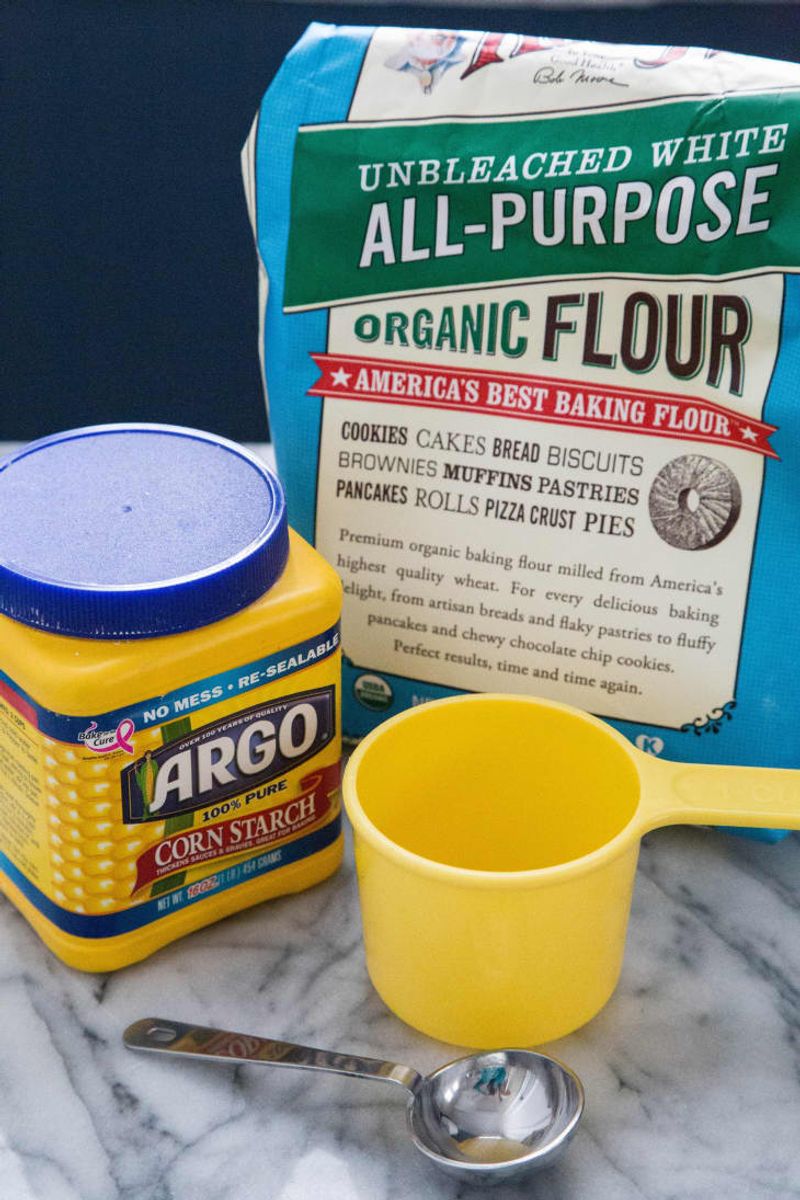
Here is a fun one: mixing a little cornstarch into all-purpose flour essentially creates a homemade cake flour. Cake flour has less protein, which means more tender, delicate crumb in layer cakes and cupcakes.
Professional bakers use this swap constantly when they run out of specialty flour.
Beyond that, cornstarch added to cookie dough produces that thick, soft, bakery-style texture everyone loves. Use about one tablespoon per cup of flour.
It costs almost nothing and makes a genuinely noticeable difference in texture.
6. Espresso Powder
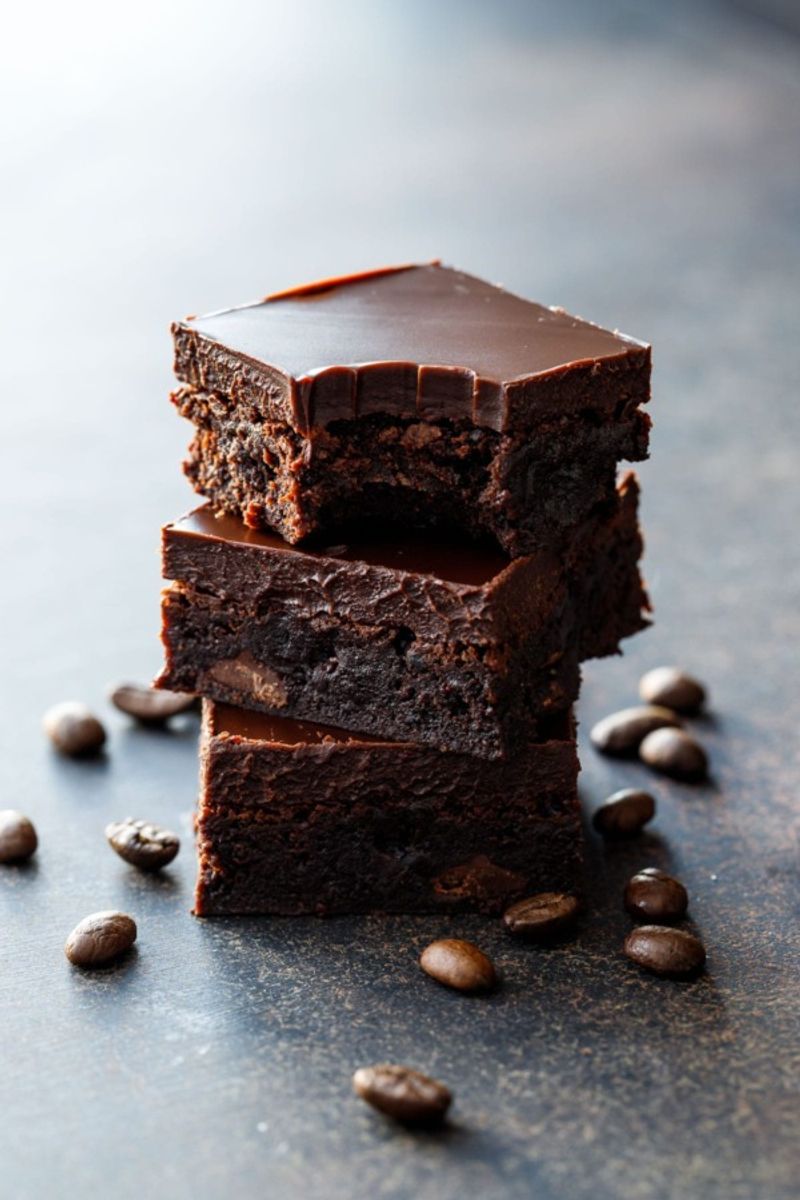
Chocolate and coffee are best friends, and professional bakers have known this secret for a long time. A small amount of espresso powder added to chocolate cake batter or brownie mix does not make anything taste like coffee.
Instead, it deepens and intensifies the chocolate flavor dramatically.
You only need about a teaspoon for an entire batch, so a small jar lasts practically forever. Look for it in the coffee or baking aisle.
Your brownies will taste noticeably richer and more complex.
7. Full-Fat Sour Cream
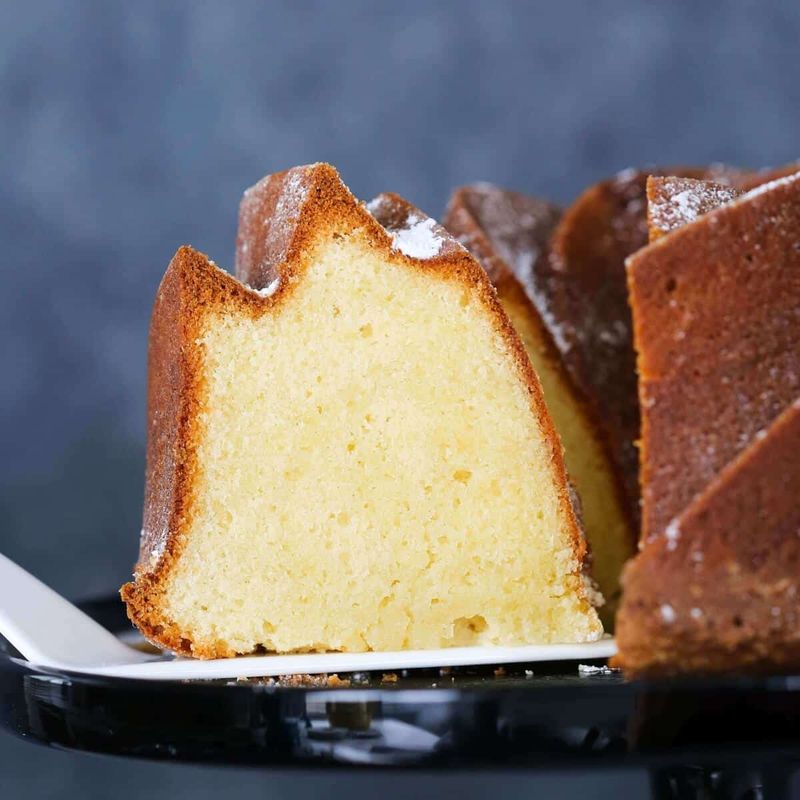
Full-fat sour cream is one of the most versatile ingredients in a professional baker's refrigerator. Its thick consistency and mild tang add moisture, richness, and a subtle flavor that keeps cakes and muffins tasting fresh for days longer than usual.
The acidity also reacts with leavening agents to create a better rise. Swap it one-for-one with plain yogurt or buttermilk in most recipes for outstanding results.
Coffee cake, pound cake, and banana bread especially benefit from a generous dollop of this creamy ingredient.
8. Bread Flour
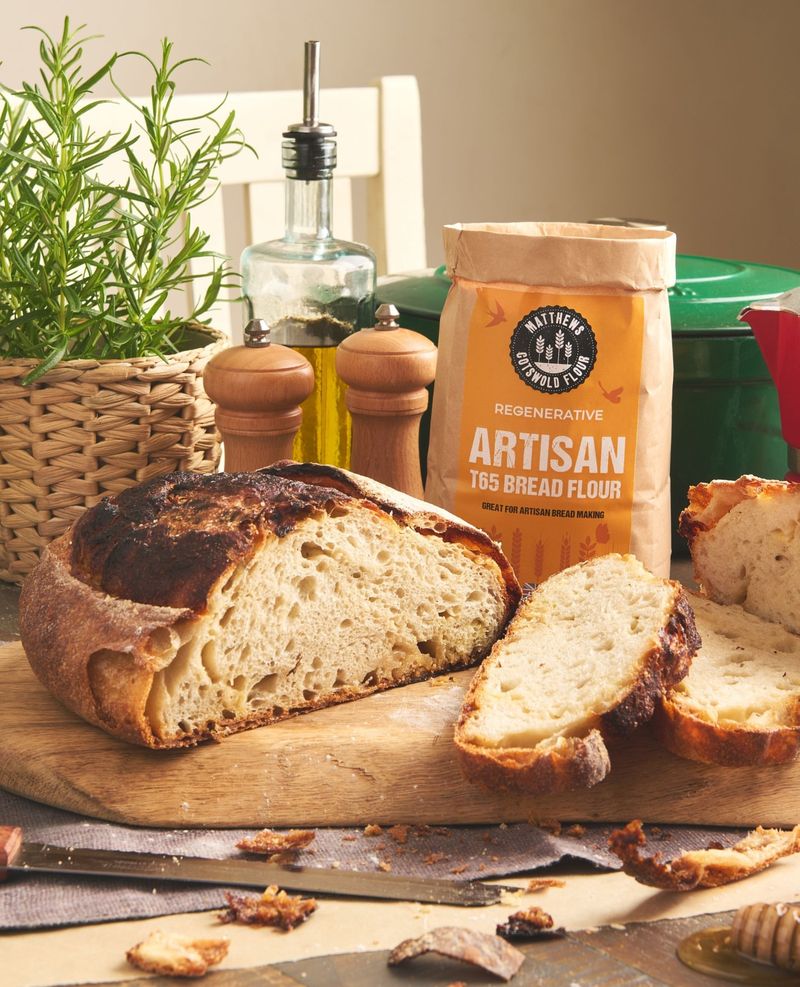
Bread flour has a higher protein content than all-purpose flour, and that extra protein builds stronger gluten networks that trap gas bubbles from yeast. The result is bread with a chewier, more satisfying texture and a beautiful open crumb structure that home bakers dream about.
Professional bakers rarely use all-purpose flour for yeast breads if they can help it. Most large supermarkets stock bread flour right alongside regular flour.
Switching to it for your next homemade loaf could be the single biggest upgrade you make this year.
9. Vanilla Bean Paste
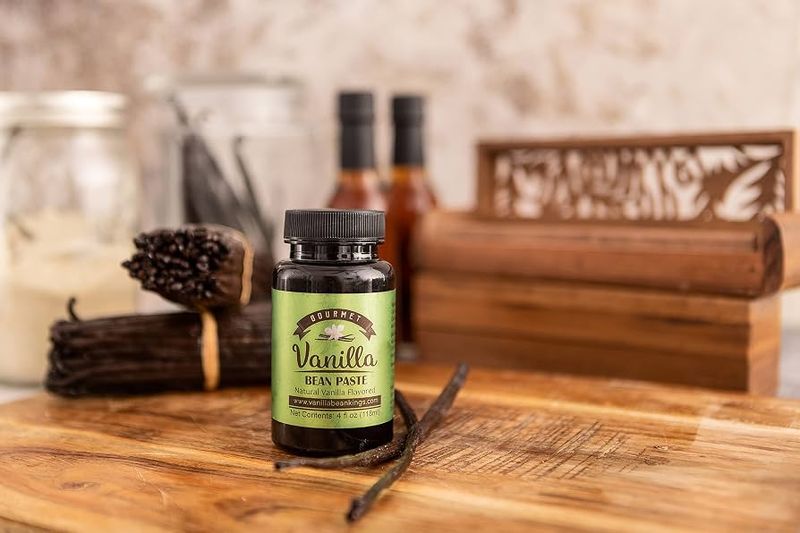
Vanilla extract is good, but vanilla bean paste is extraordinary. Packed with real vanilla seeds suspended in a thick syrup, it delivers intense, complex vanilla flavor and those gorgeous little black specks that signal quality in everything from custards to buttercream frosting.
Professional bakers reach for it whenever presentation and flavor both matter. A teaspoon replaces a teaspoon of extract in any recipe.
Many supermarkets now stock it in the baking aisle, and while it costs a bit more, the flavor payoff is absolutely worth every cent.
10. Unsalted Butter
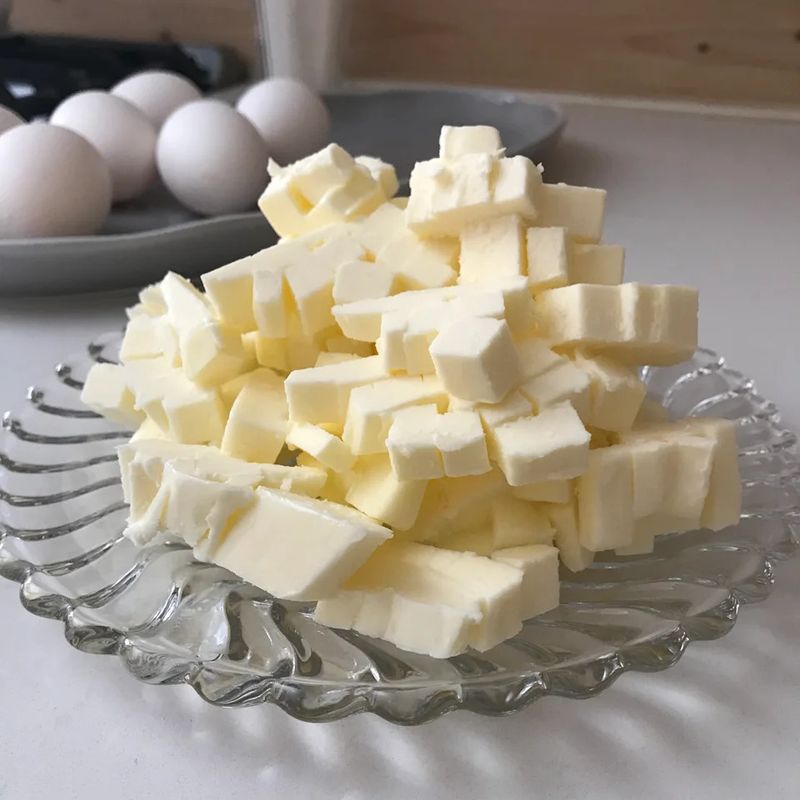
Salted versus unsalted butter might seem like a minor detail, but professional bakers are strict about using unsalted. The salt content in salted butter varies by brand, which means using it can throw off the delicate balance of flavors in a carefully crafted recipe.
Unsalted butter lets bakers control exactly how much salt goes into their baked goods. It also tends to be fresher since salt acts as a preservative that can mask off flavors.
For consistently great results, always bake with unsalted butter and add salt separately.
11. Dutch-Process Cocoa Powder
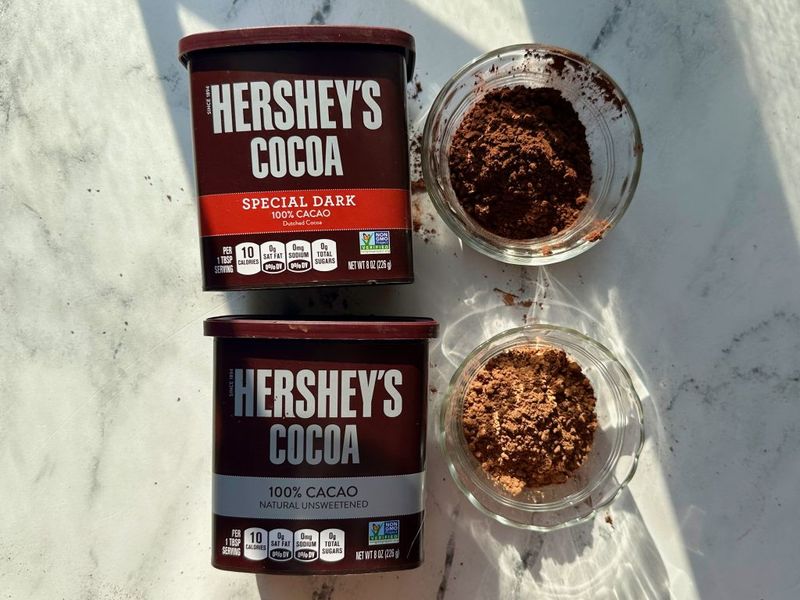
Not all cocoa powders are created equal, and professional bakers know this well. Dutch-process cocoa has been treated with an alkalizing agent that neutralizes its natural acidity, producing a smoother, deeper chocolate flavor and a rich, dark color that natural cocoa simply cannot match.
It works beautifully in recipes that do not rely on baking soda as the only leavener. Look for it in the baking aisle of larger supermarkets.
Your chocolate cookies, cakes, and hot cocoa will taste noticeably more sophisticated and intense.
12. Whole Milk
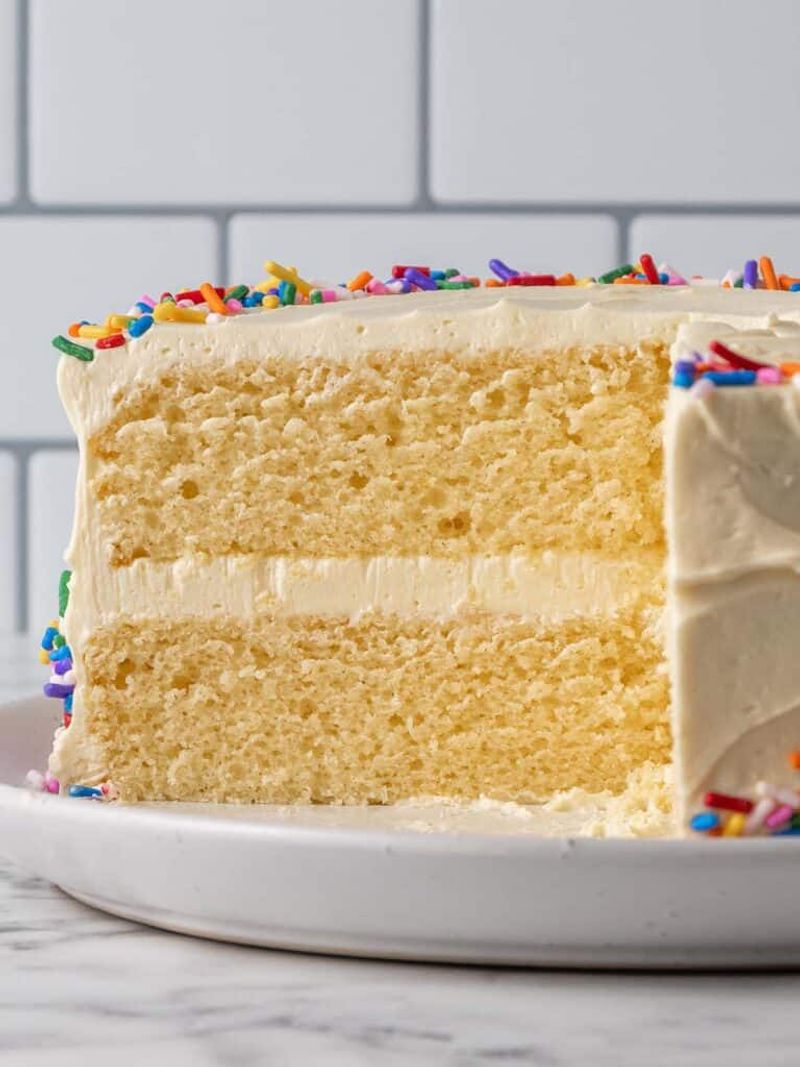
When a recipe calls for milk, most home bakers grab whatever is in the fridge, but professional bakers insist on whole milk for a good reason. The higher fat content in whole milk adds richness and moisture to batters and doughs that lower-fat alternatives just cannot replicate.
It also creates a more tender crumb in cakes and a creamier texture in custards and pastry creams. The difference between a cake made with skim milk versus whole milk is genuinely noticeable.
Whole milk is a simple, affordable upgrade worth making every time.
13. Baking Powder (Double-Acting)
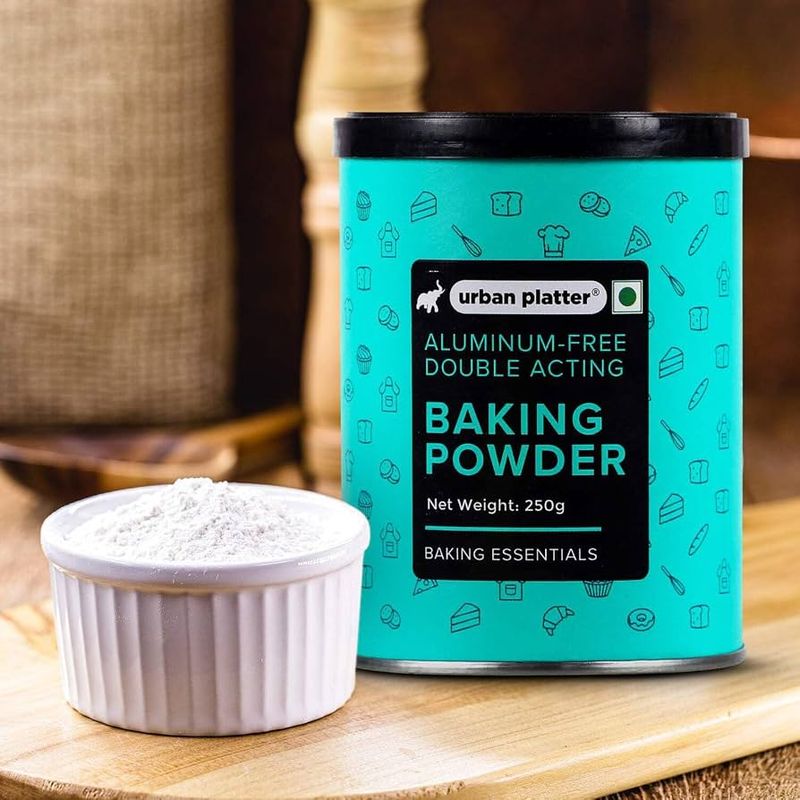
Double-acting baking powder releases carbon dioxide gas twice: once when it gets wet and again when it hits heat. This two-stage lift is exactly why professional bakers prefer it over single-acting versions for consistently tall, fluffy cakes and biscuits every single time.
Old or expired baking powder is one of the most common reasons home-baked goods turn out flat. Check the date on your can and replace it every six months.
A fresh can costs under two dollars and can completely rescue your baking results.
14. Fine Sea Salt
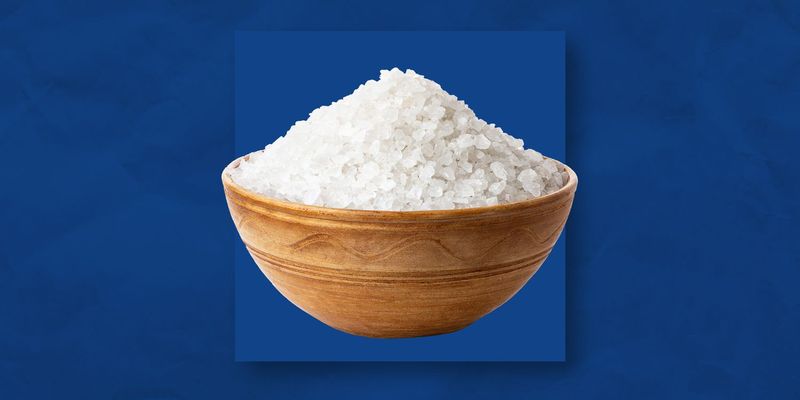
Salt in baking is not just about flavor. It controls yeast activity in bread, strengthens gluten structure, and most importantly, it enhances every other flavor in a recipe.
Professional bakers use fine sea salt because it dissolves quickly and evenly into batters and doughs without leaving any gritty texture behind.
Table salt and sea salt are not perfectly interchangeable by volume, so switching matters. A pinch of flaky sea salt on top of chocolate chip cookies right before baking creates a contrast that makes each bite genuinely unforgettable.
15. Active Dry Yeast
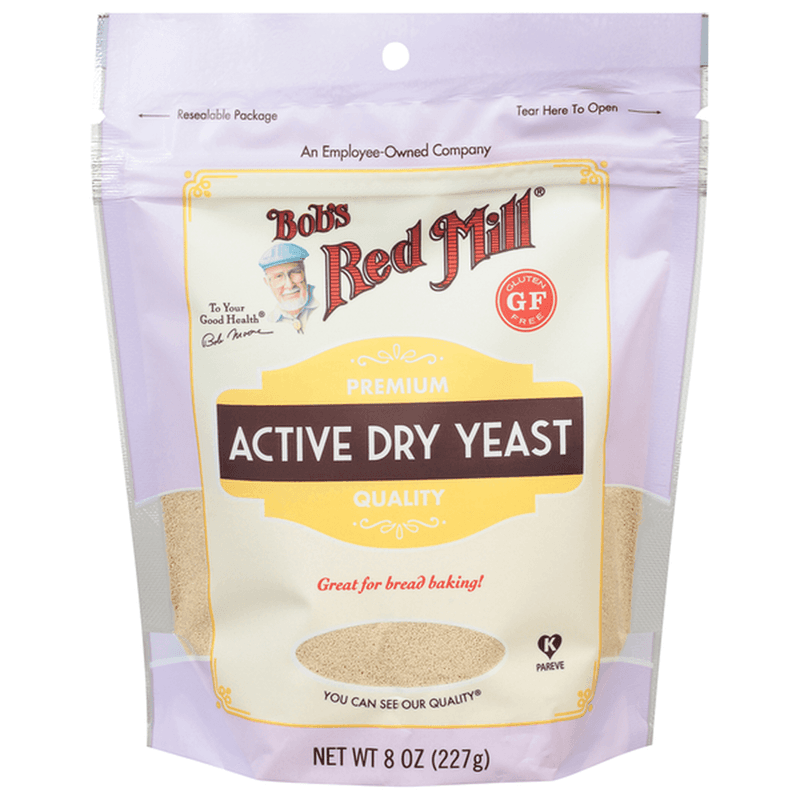
Yeast is alive, and that makes it one of the most fascinating ingredients in any baker's pantry. Active dry yeast needs to be dissolved in warm water before use, which gives bakers a chance to check that it is still alive and active before committing it to a full batch of dough.
Professional bread bakers prefer this slightly slower-acting yeast because it develops more complex flavor during a longer rise. Store unopened packets in a cool, dry place and always proof your yeast before using it for foolproof bread every time.
16. Light Brown Sugar
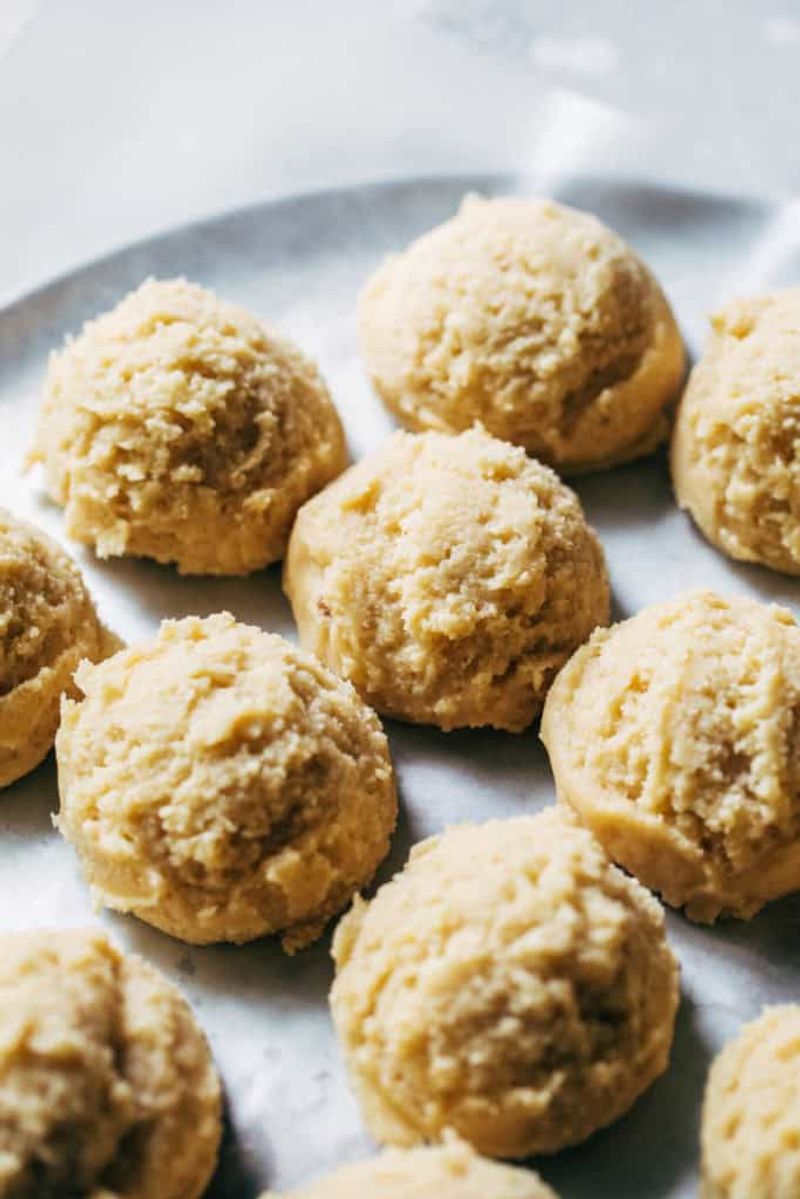
Brown sugar is white sugar with molasses added back in, and that molasses makes a world of difference in baking. The moisture in brown sugar keeps cookies soft and chewy for days, while also adding a warm, caramel-like depth of flavor that plain white sugar simply cannot provide.
Professional bakers often use a blend of both sugars to balance texture and taste. Light brown sugar is milder, while dark brown sugar has a bolder molasses flavor.
Packing it firmly into your measuring cup ensures you use the right amount every time.
17. Heavy Whipping Cream
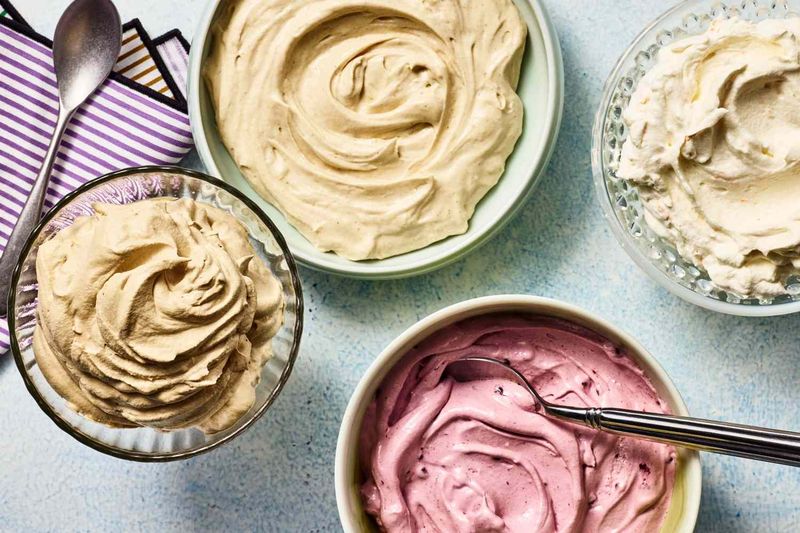
Heavy whipping cream contains at least 36 percent fat, which is exactly why professional pastry chefs reach for it constantly. At that fat content, it whips up into a stable, cloud-like cream that holds its shape beautifully on cakes and tarts without weeping or collapsing quickly.
It is also the key ingredient in ganache, the silky chocolate glaze found on professional-quality truffles and tarts. Simply heat equal parts cream and chopped chocolate together and stir.
The result is a glossy, rich ganache that looks and tastes completely bakery-worthy.
18. Pure Almond Extract
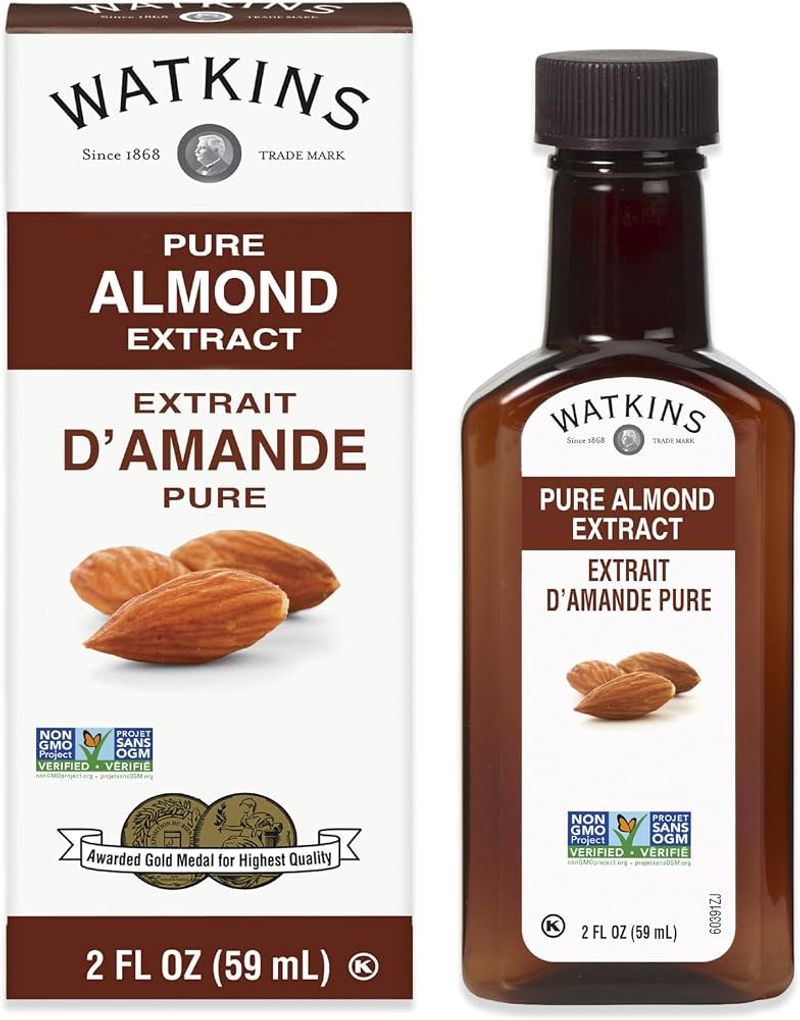
A tiny bottle of pure almond extract packs an enormous punch, and professional bakers use it strategically. Even a quarter teaspoon added to vanilla cake batter creates a mysterious, bakery-style flavor that most people cannot quite identify but absolutely love.
It is the secret behind many classic wedding cakes and cherry-flavored pastries.
The key word is pure. Imitation almond extract tastes artificial and sharp by comparison.
Most supermarkets carry both, so check the label carefully. A little goes a very long way, making one small bottle last through many, many batches.




Comments
No Comments