













Some of the best flavors in cooking have been quietly collecting dust on forgotten shelves. Old-fashioned ingredients that grandparents once swore by have slowly vanished from modern kitchens, replaced by convenience foods and trendy substitutes.
But many of these classic staples are making a well-deserved comeback, and for good reason. Rediscovering them can transform everyday meals into something truly special.
1. Lard
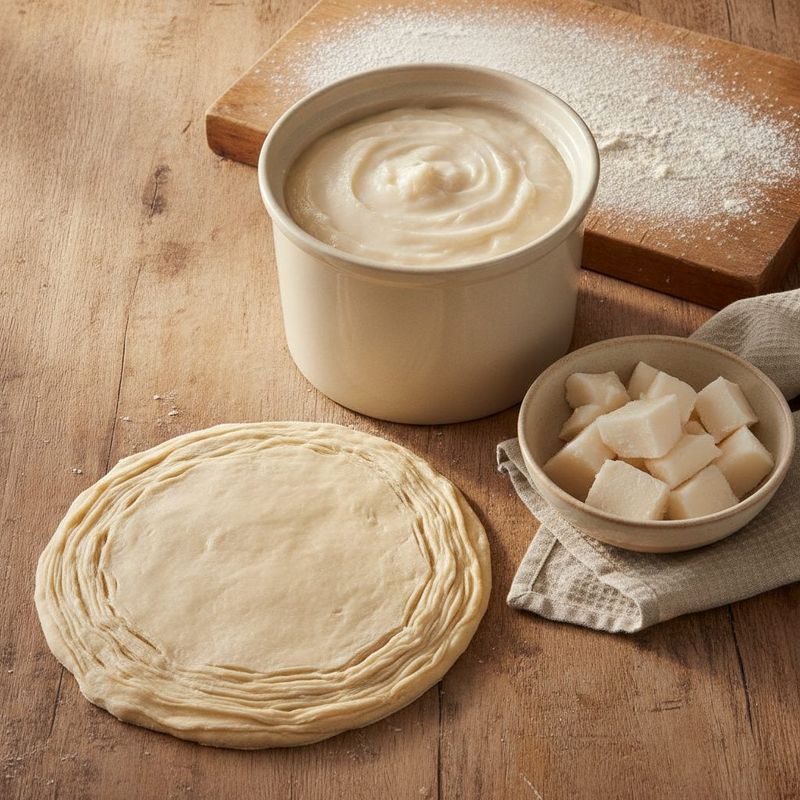
Before vegetable oil took over, lard was the fat every kitchen relied on. Rendered from pork fat, it creates the flakiest pie crusts and crispiest fried foods you have ever tasted.
Many bakers who switch back to lard say store-bought crusts simply cannot compete.
Lard also has a higher smoke point than butter, making it great for high-heat cooking. It contains less trans fat than many processed shortenings, which surprises most people.
2. Bone Broth
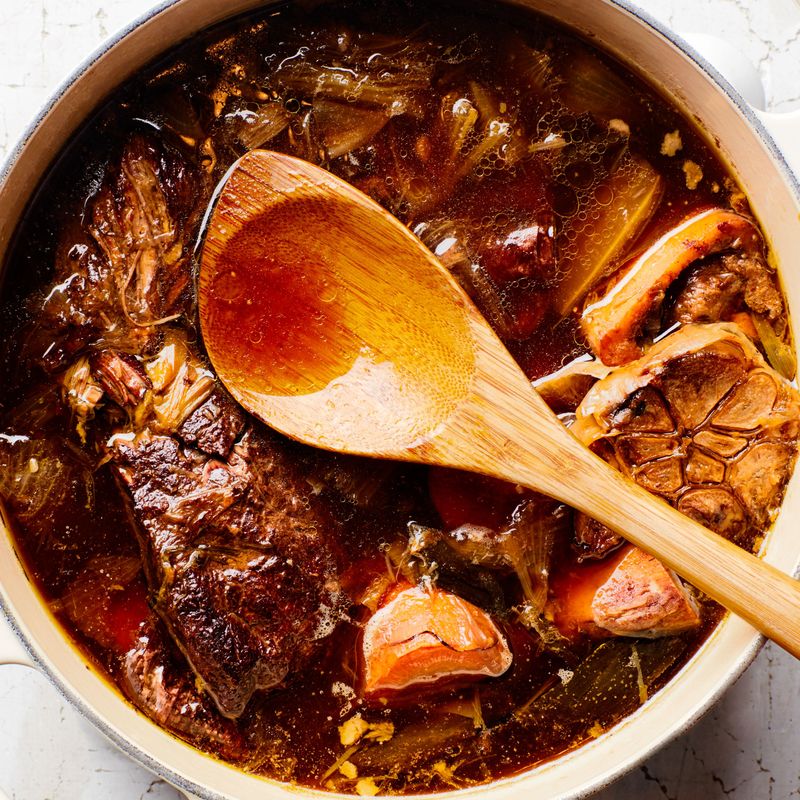
Long before protein powders existed, grandmothers simmered bones for hours to make a deeply nourishing broth. The slow cooking draws out collagen, minerals, and flavor that regular stock simply cannot match.
Every sip carries the warmth of old-world cooking wisdom.
Bone broth works beautifully as a soup base, a cooking liquid for grains, or even a warm morning drink. Butchers often sell bones cheaply, making this one of the most affordable ingredients you can use.
3. Molasses
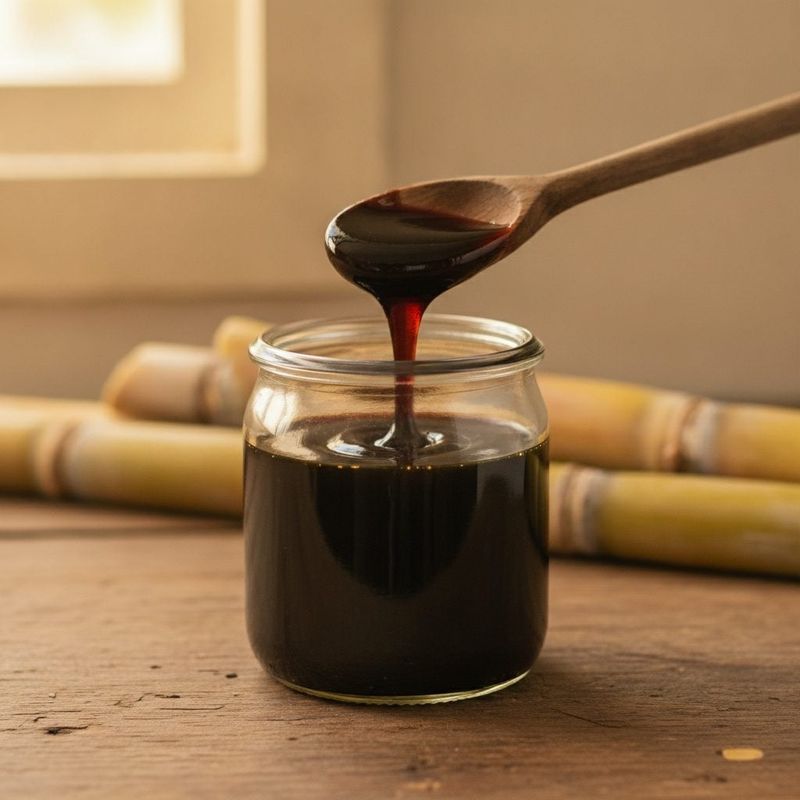
Molasses is the bold, bittersweet syrup left behind after sugar is refined, and it was a pantry staple for centuries. It brings deep, complex flavor to gingerbread, baked beans, and barbecue sauces that regular sugar simply cannot replicate.
One spoonful transforms a recipe in the most satisfying way.
Packed with iron, calcium, and potassium, molasses also offers real nutritional value. Blackstrap molasses, the darkest variety, is especially rich in minerals and worth keeping on hand.
4. Suet
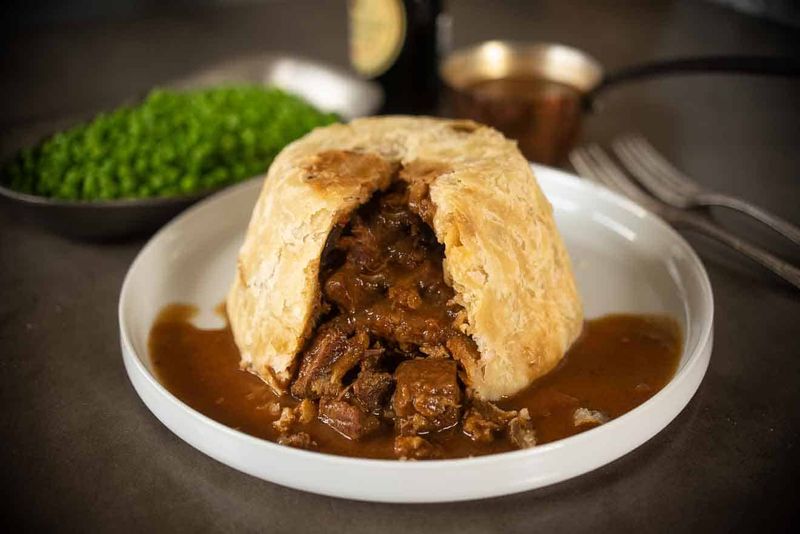
Suet is the hard fat found around beef or mutton kidneys, and it was once the secret ingredient in classic British puddings and savory pies. Its high melting point gives pastries and dumplings an incredibly light, crumbly texture that butter struggles to match.
Today, suet is mostly forgotten outside of traditional British cooking, but chefs who experiment with it quickly become devoted fans. It can also be used to make suet cakes for feeding garden birds during cold months.
5. Malt Vinegar

Sharp, tangy, and deeply malty, malt vinegar was once a beloved condiment found on nearly every table. Made from fermented barley ale, it has a rich depth that white vinegar simply cannot offer.
Sprinkled over fish and chips, it creates an experience that feels genuinely nostalgic.
Malt vinegar also works wonderfully in pickling recipes, salad dressings, and marinades. It gives braised meats a lovely brightness that cuts through richness without overpowering the dish.
6. Dried Beans
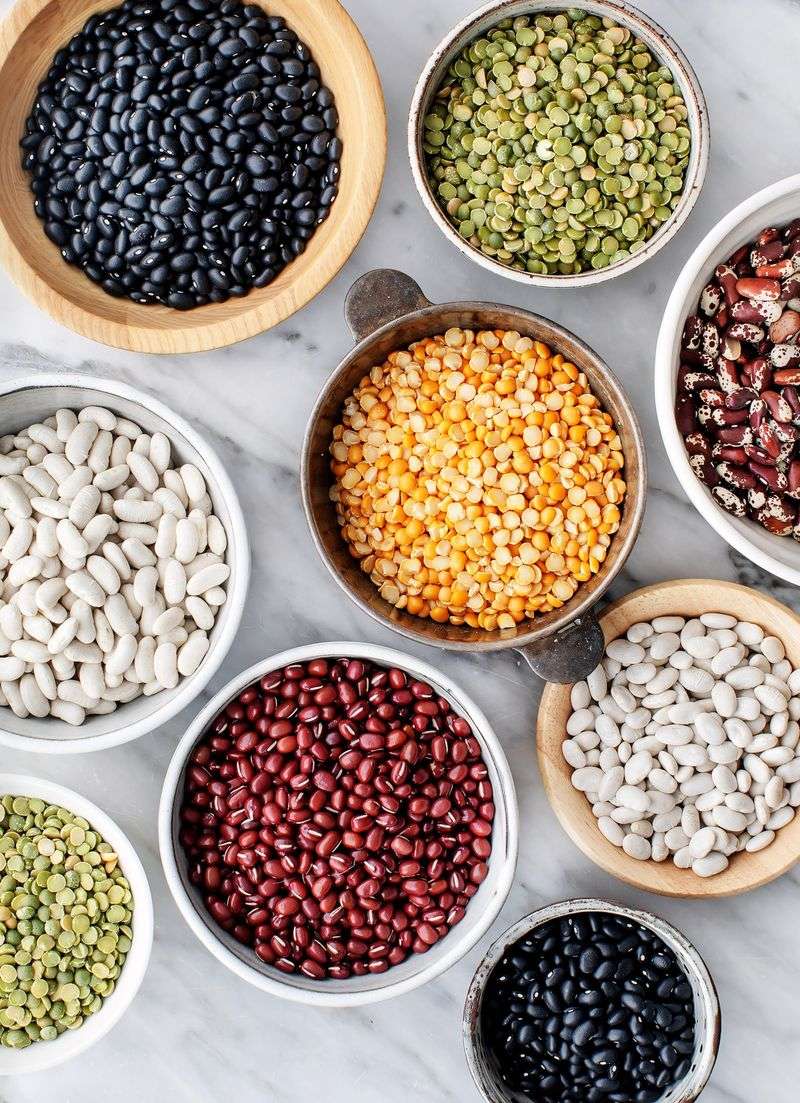
Canned beans are convenient, but dried beans cooked from scratch are in a completely different league. The texture is creamier, the flavor is richer, and you have full control over seasoning from the very start.
People who grow up eating dried beans from scratch often find canned versions disappointing by comparison.
Dried beans are also incredibly affordable and store for years in a cool, dry pantry. Soaking them overnight cuts the cooking time significantly and improves digestibility too.
7. Rose Water

Delicate and floral, rose water was once a prized flavoring used across Middle Eastern, South Asian, and European kitchens for centuries. A few drops added to rice pudding, cookies, or lemonade creates an elegant, perfumed quality that feels both exotic and comforting at once.
Rose water fell out of fashion as artificial flavorings became dominant, but food lovers are rediscovering its magic. Look for pure distilled rose water without additives for the best, most authentic flavor experience.
8. Barley
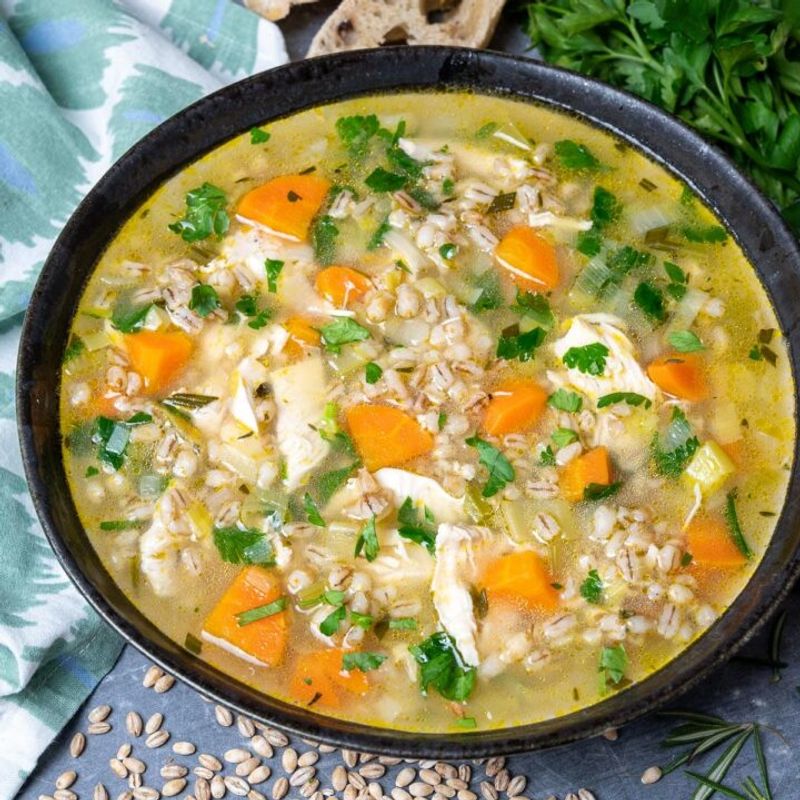
Barley was once as common as rice or pasta in everyday cooking, showing up in soups, stews, porridges, and breads across many cultures. Its chewy texture and mild, nutty taste make it deeply satisfying in a way that lighter grains often are not.
Pearl barley absorbs broth beautifully, thickening soups naturally without any flour or starch. It is also high in fiber, which helps you feel full longer.
Swapping barley into your weekly meal rotation is an easy, rewarding change.
9. Buttermilk

Buttermilk was once a humble byproduct of churning butter, and farm families drank it daily or used it in baking. Its natural acidity activates baking soda, creating the most tender, fluffy pancakes, biscuits, and cakes imaginable.
There is a reason old Southern recipes call for it constantly.
Beyond baking, buttermilk makes an outstanding marinade for chicken, tenderizing the meat beautifully overnight. Its tangy flavor also shines in salad dressings, giving creamy sauces a pleasant, refreshing lift.
10. Rendered Duck Fat
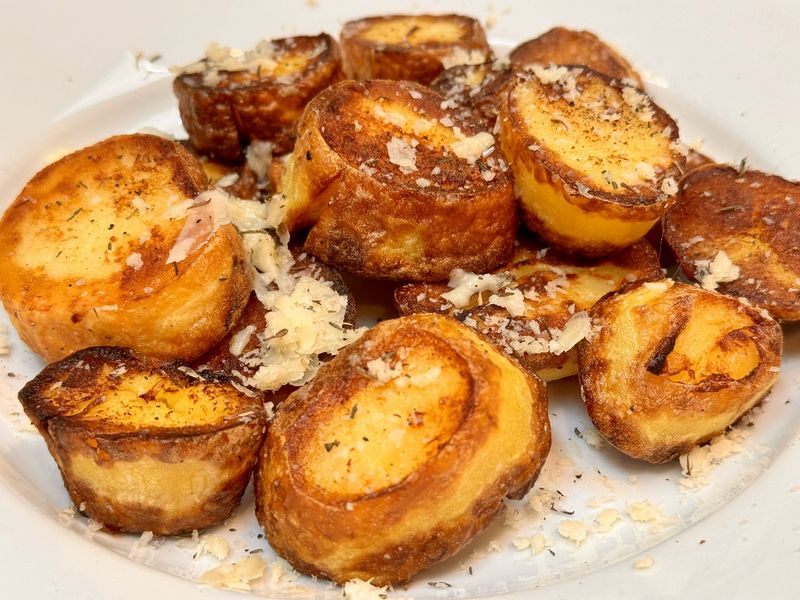
Roasting potatoes in duck fat is one of those experiences that permanently changes how you think about side dishes. The fat creates an impossibly crispy exterior while keeping the inside fluffy and rich.
French cooks have relied on it for generations, and the results speak for themselves.
Duck fat has a high smoke point and a savory, subtly gamey flavor that elevates vegetables, eggs, and even popcorn. Specialty grocery stores often sell it jarred, and a little goes a very long way.
11. Tapioca
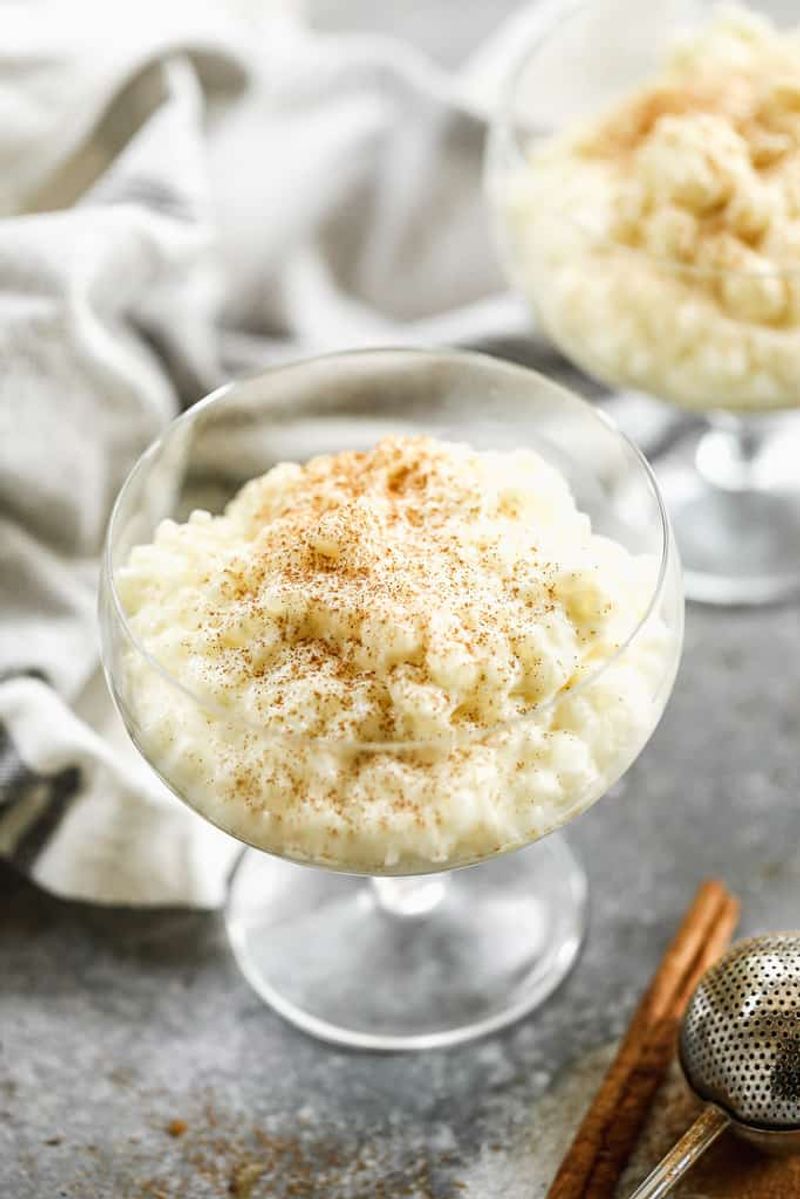
Tapioca pudding was once a beloved comfort dessert that appeared on dinner tables across America, made from the starchy pearls extracted from cassava root. Somewhere along the way, it got labeled as old-fashioned and quietly disappeared from menus.
That reputation is completely undeserved.
Cooked slowly with milk, sugar, and vanilla, tapioca becomes silky, creamy, and deeply satisfying. It is also naturally gluten-free, making it a smart choice for anyone avoiding wheat without sacrificing comfort food pleasures.
12. Anchovies

Anchovies have a reputation problem that is completely unfair. When used correctly, these tiny, salt-cured fish do not taste fishy at all.
Instead, they dissolve into sauces and dressings, adding a deep, savory richness that makes every other ingredient taste more like itself.
Caesar salad dressing, pasta puttanesca, and classic Worcestershire sauce all owe their bold umami backbone to anchovies. Adding just two or three fillets to a tomato sauce creates a flavor depth that hours of simmering alone cannot achieve.
13. Sorghum Syrup
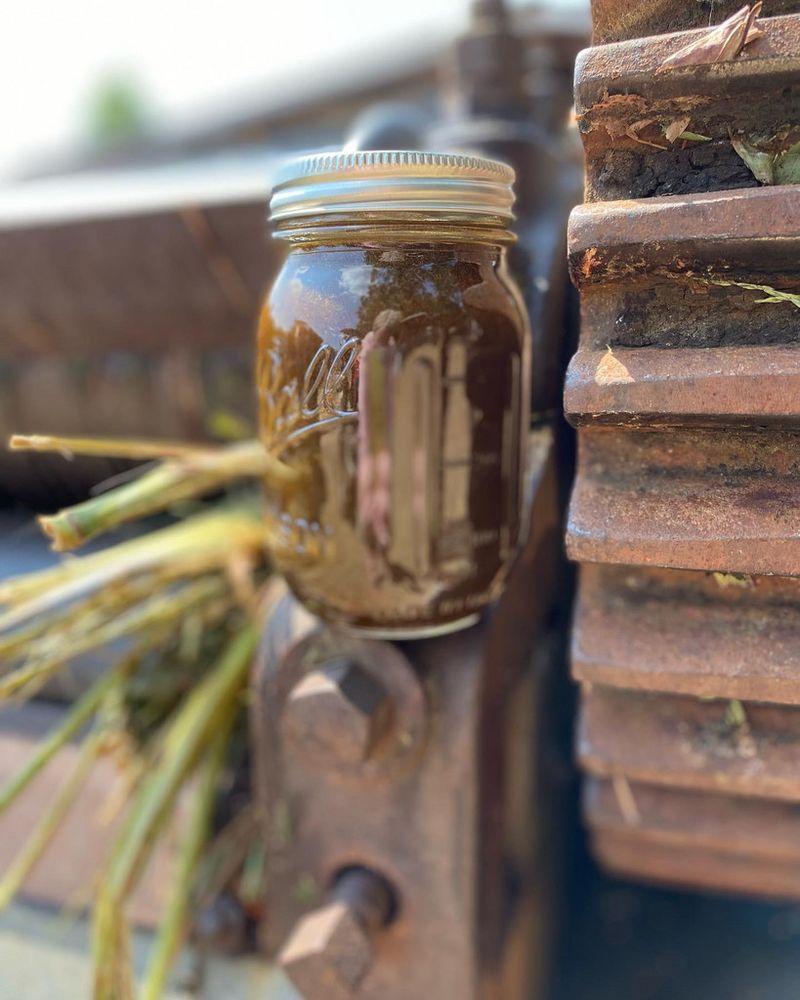
Sorghum syrup was a Southern pantry essential long before corn syrup flooded the market, made by pressing juice from sorghum cane stalks and slowly cooking it down. Its flavor is earthy, slightly tart, and wonderfully complex, sitting somewhere between molasses and honey.
Drizzled over biscuits, stirred into baked beans, or used to glaze ham, sorghum syrup adds a distinctive character that feels rooted in American food history. Small regional producers still make it the old-fashioned way, and it is well worth seeking out.
14. Celery Root (Celeriac)
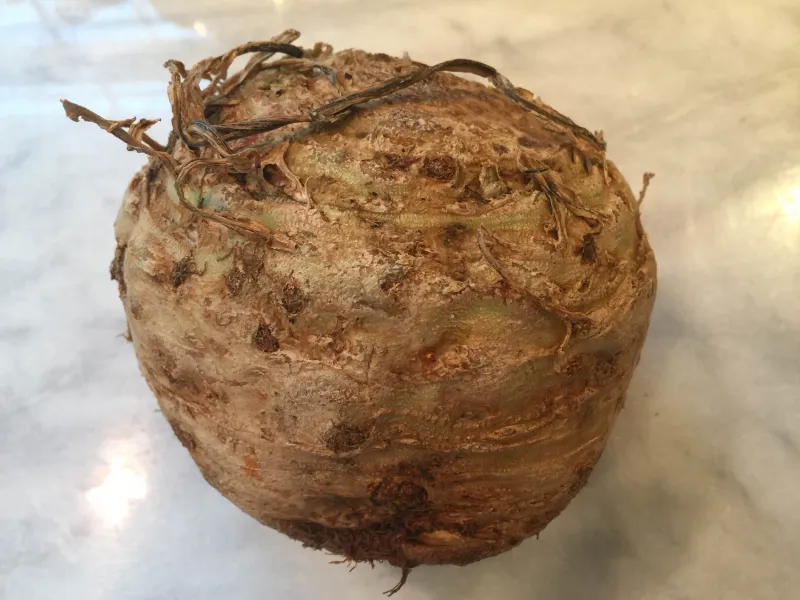
Knobby, rough, and honestly a little intimidating to look at, celery root hides one of the most interesting flavors in the vegetable world beneath its ugly exterior. Once peeled, it reveals a creamy white flesh with a mild, nutty taste that works beautifully raw or cooked.
Roasted celery root becomes sweet and caramelized, while raw it makes a classic French remoulade salad with mustard dressing. It was a cold-weather staple for European cooks for centuries and deserves far more attention today.
15. Dried Mushrooms
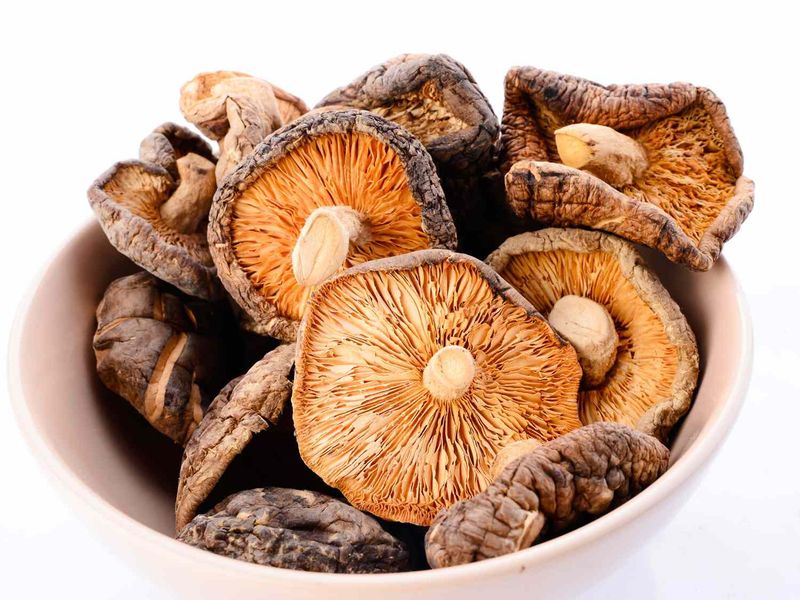
Before fresh mushrooms were available year-round, dried mushrooms were the way cooks captured that deep, woodsy flavor in soups, sauces, and risottos. The drying process actually concentrates the umami compounds, making dried mushrooms even more intensely flavored than their fresh counterparts in many recipes.
Soaking dried porcini in warm water creates a rich, fragrant liquid that functions as a fantastic cooking broth. Adding that soaking liquid to a pasta sauce or risotto introduces a layer of flavor complexity that fresh mushrooms simply cannot provide.
16. Whey
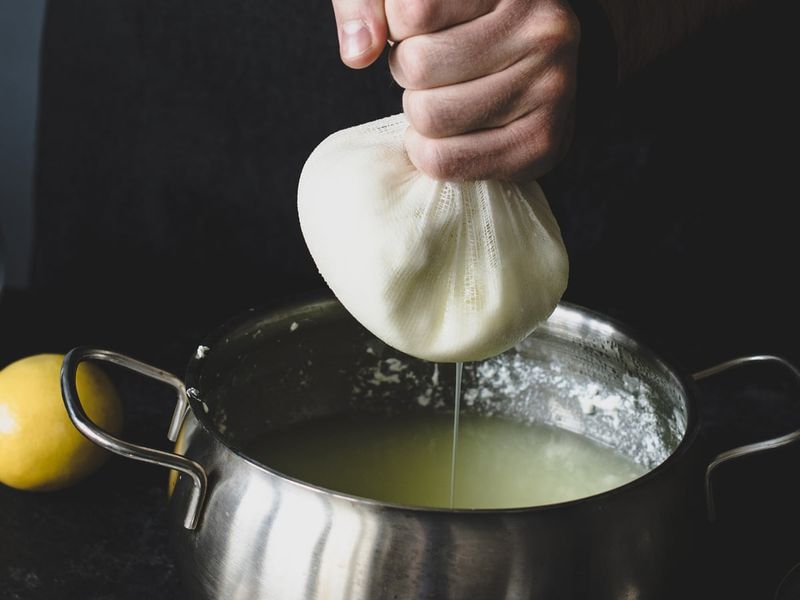
Most people pour whey down the drain after straining yogurt or making homemade cheese, which is genuinely a shame. This thin, pale liquid is loaded with protein, probiotics, and a mild tangy flavor that makes it surprisingly useful throughout the kitchen.
Whey can replace water or milk in bread, pancake, and muffin recipes, adding tenderness and a subtle tang. It also works beautifully as a starter for fermenting vegetables, helping to develop complex, probiotic-rich flavors the old-fashioned way.
17. Caraway Seeds
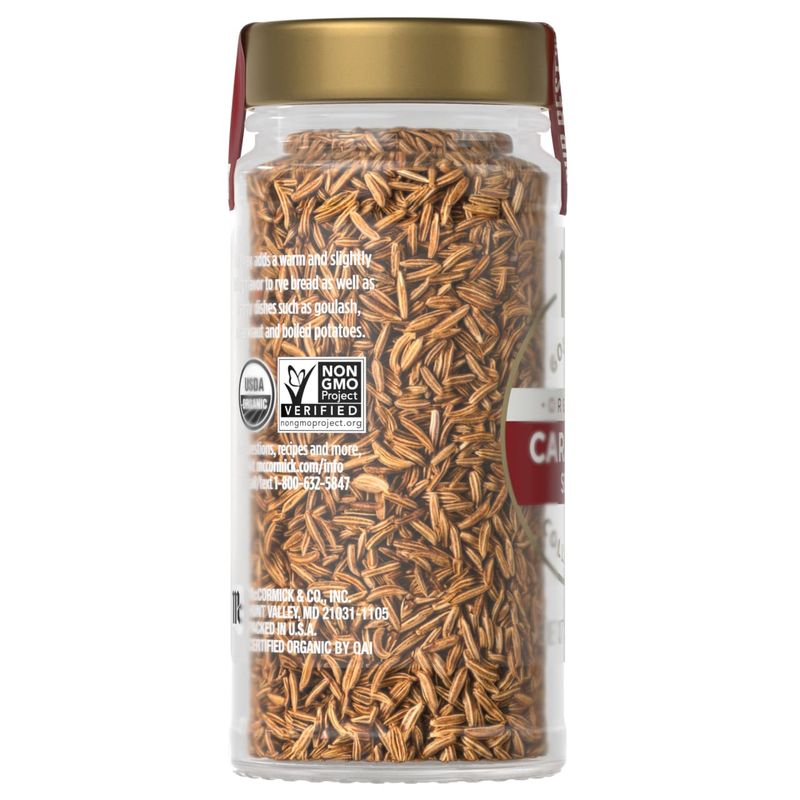
Caraway seeds have a warm, slightly anise-like flavor that has been used in European cooking for thousands of years. They are the unmistakable taste in traditional rye bread, German sauerkraut, and Irish soda bread, yet many modern cooks have never intentionally added them to anything.
Tossing caraway seeds into roasted carrots or cabbage dishes adds an aromatic, old-world depth that transforms simple vegetables into something memorable. They also pair wonderfully with pork and sharp cheeses, making them remarkably versatile for such a small, humble seed.
18. Salt Cod
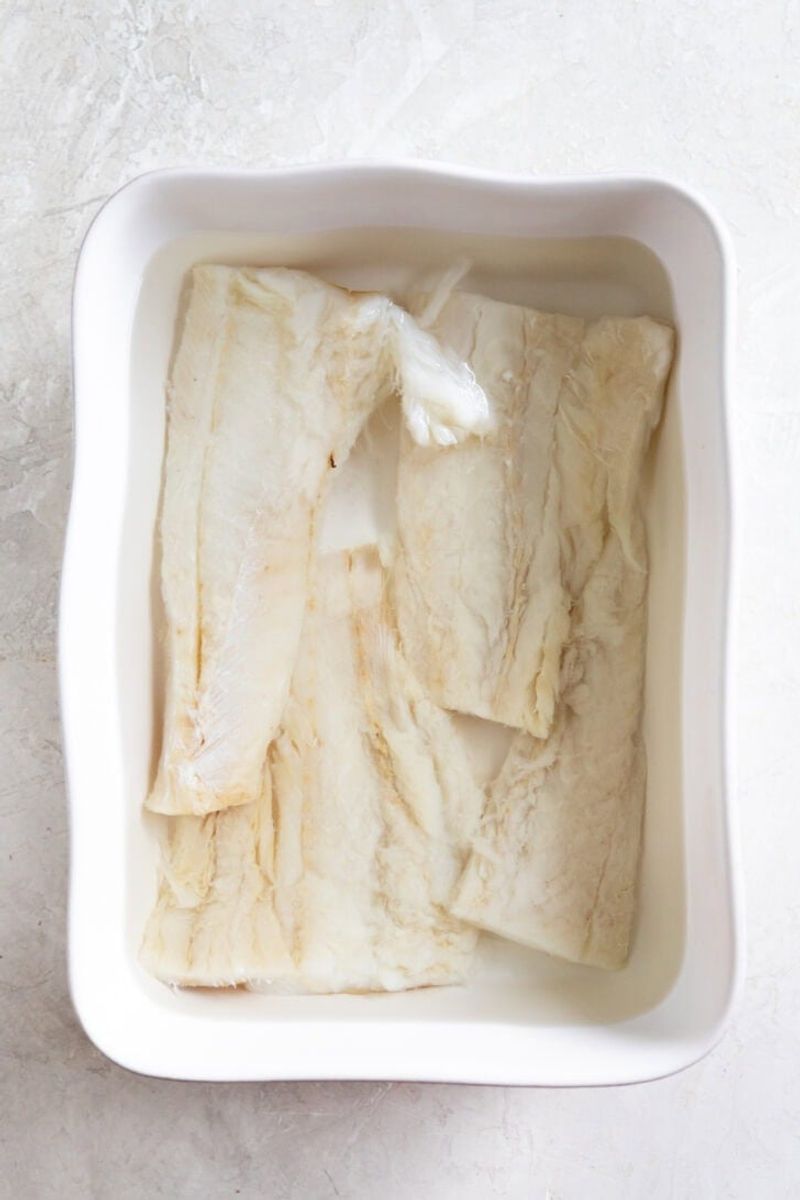
Salt cod, known as bacalao in Spanish and Portuguese cooking, was once a global trade commodity that fed entire nations for centuries. The salting and drying process creates a product with an intense, concentrated seafood flavor that bears little resemblance to bland fresh cod.
After soaking in cold water for a day or two to remove excess salt, it transforms into a tender, deeply savory fish perfect for fritters, stews, and creamy potato dishes. Many coastal cultures around the world still celebrate it as a treasured culinary tradition.


Comments
No Comments