













Seeds are tiny powerhouses packed with nutrients, healthy fats, and minerals that your body truly needs. Yet most people walk right past them in the grocery store without a second thought.
Adding a handful of the right seeds to your meals can make a surprisingly big difference in how you feel every day. Here are 18 incredibly nutritious seeds worth adding to your regular diet.
1. Hemp Seeds
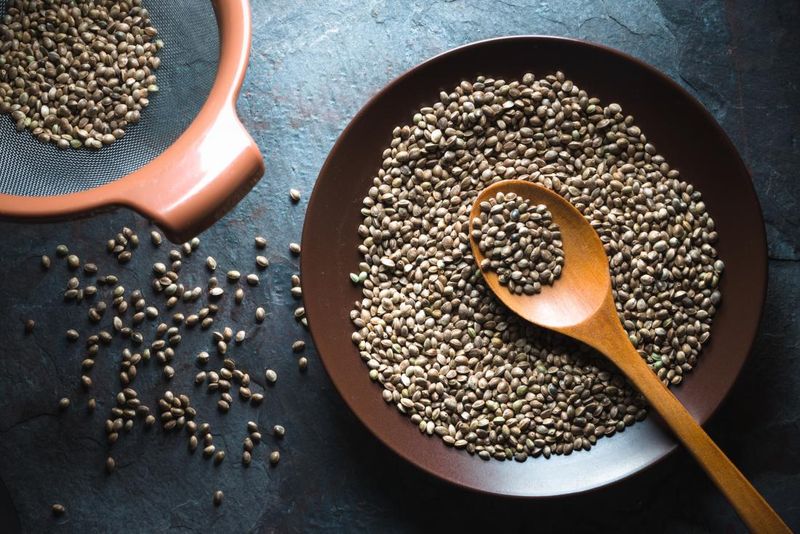
Forget protein shakes for a moment, because hemp seeds deliver all nine essential amino acids in one tiny package. That makes them a complete protein source, which is rare in the plant world.
Just three tablespoons give you about 10 grams of protein. Sprinkle them on yogurt, oatmeal, or salads for an easy nutritional boost.
They have a mild, nutty taste that blends into almost anything without overpowering the flavor.
2. Flaxseeds
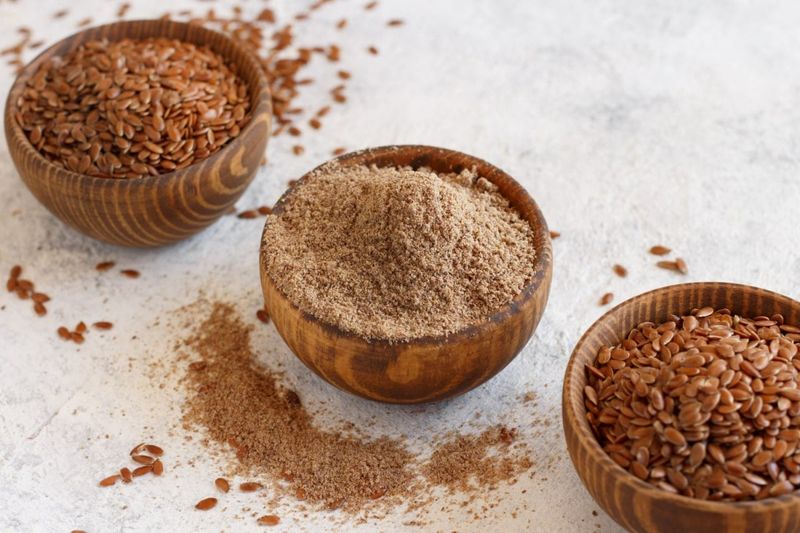
Flaxseeds have been used as a health food for thousands of years, and ancient Egyptians were among the first to recognize their power. They are loaded with omega-3 fatty acids, which support heart health and reduce inflammation.
One key tip: grind them before eating so your body can actually absorb the nutrients. Whole flaxseeds often pass through undigested.
Add ground flax to smoothies, baked goods, or even pasta sauces for a hidden health upgrade.
3. Chia Seeds
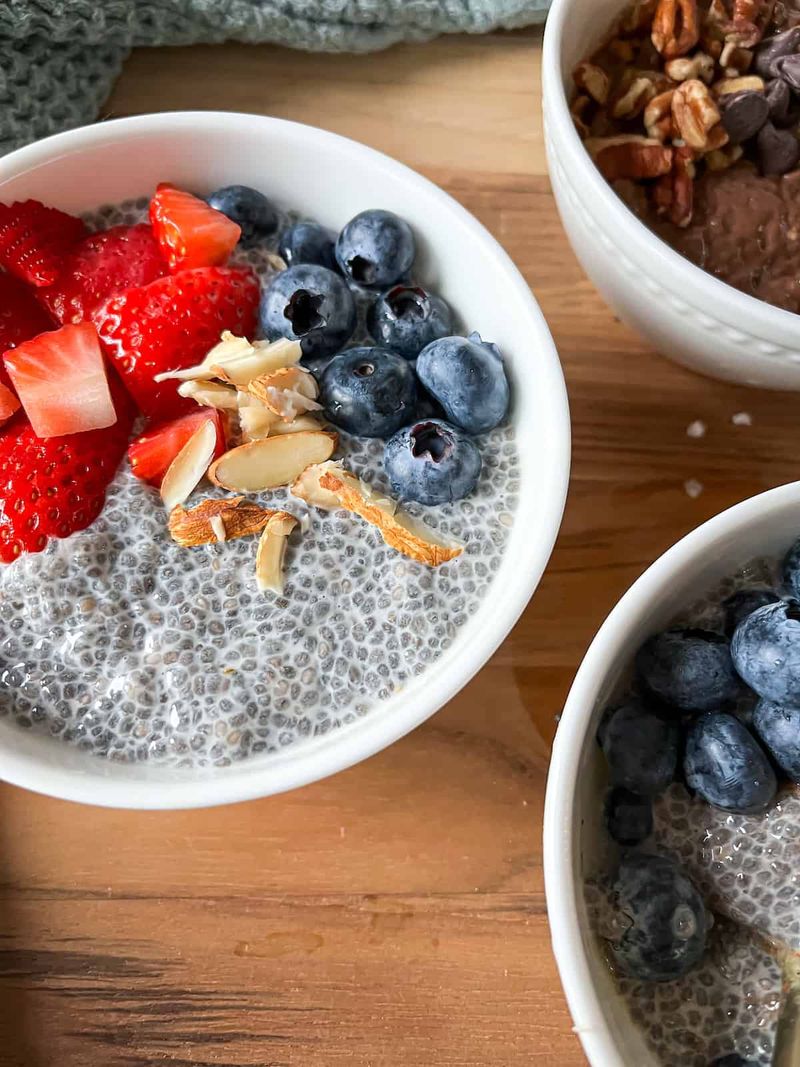
Chia seeds can absorb up to 12 times their weight in water, forming a gel that keeps you feeling full for hours. That alone makes them worth knowing about.
Beyond that, they are rich in fiber, calcium, and antioxidants. Mix them into water or milk overnight and you get a creamy pudding-like breakfast with almost zero effort.
Ancient Aztec warriors reportedly relied on chia seeds for sustained energy during long journeys.
4. Pumpkin Seeds
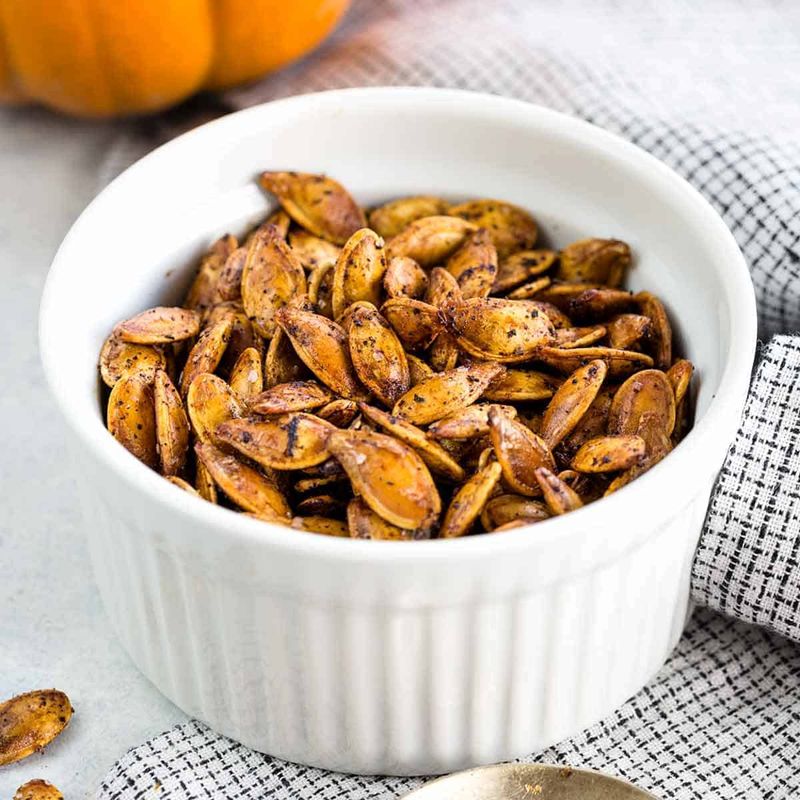
Pumpkin seeds, also called pepitas, are one of the best plant-based sources of zinc, a mineral essential for immune function and wound healing. Most people only think of them around Halloween, but they deserve a permanent spot in your pantry.
They are also high in magnesium, which supports healthy sleep and muscle function. Roast them lightly with a pinch of sea salt for a satisfying snack that beats chips any day of the week.
5. Sesame Seeds
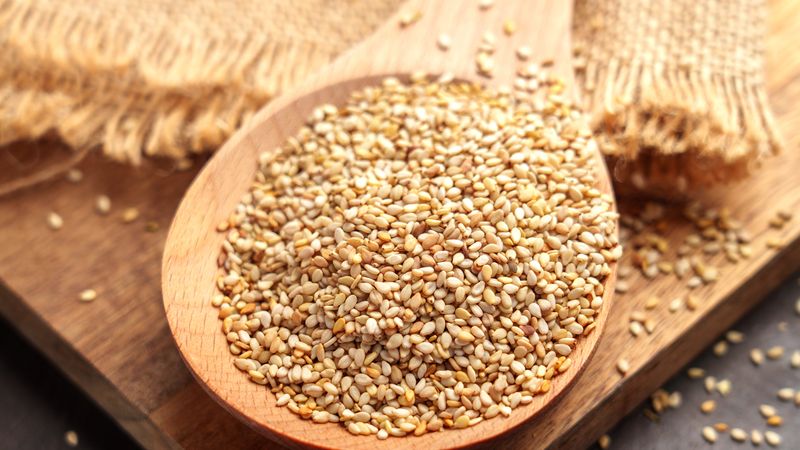
Sesame seeds are one of the oldest condiment crops in human history, cultivated for over 3,500 years. Despite their tiny size, they are bursting with calcium, iron, and healthy fats that support bone and cardiovascular health.
Tahini, the creamy paste made from ground sesame, is just one delicious way to enjoy them. Try toasting sesame seeds and adding them to stir-fries, rice dishes, or homemade salad dressings for an easy flavor and nutrition upgrade.
6. Sunflower Seeds
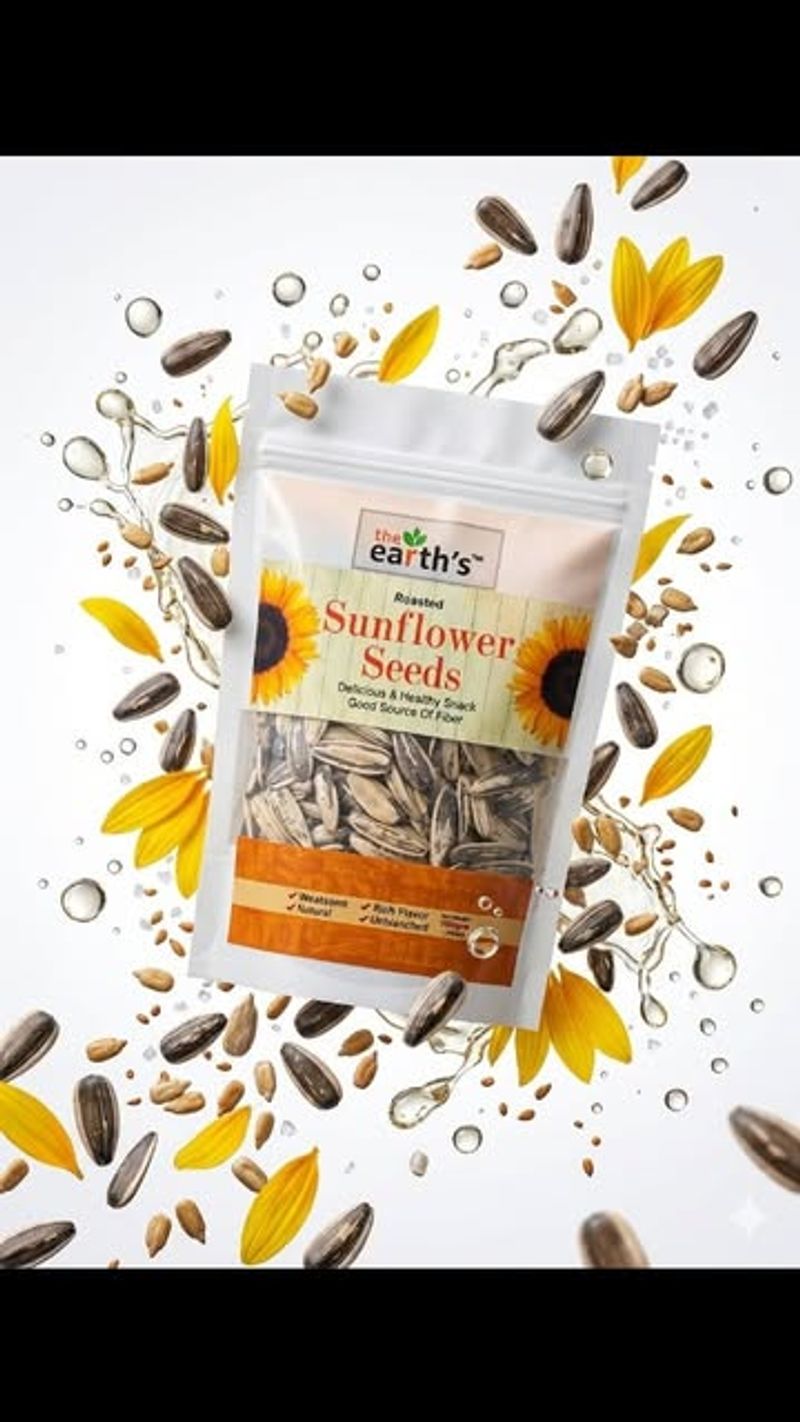
Crunchy, satisfying, and wildly underrated as a daily snack, sunflower seeds are packed with vitamin E, a powerful antioxidant that protects your cells from damage. One ounce delivers nearly half your daily recommended intake of this vitamin.
They are also a solid source of selenium and B vitamins. Grab the unsalted, shelled variety for the healthiest option.
Toss them into salads, trail mix, or even stir them into peanut butter for a nutty twist.
7. Sacha Inchi Seeds
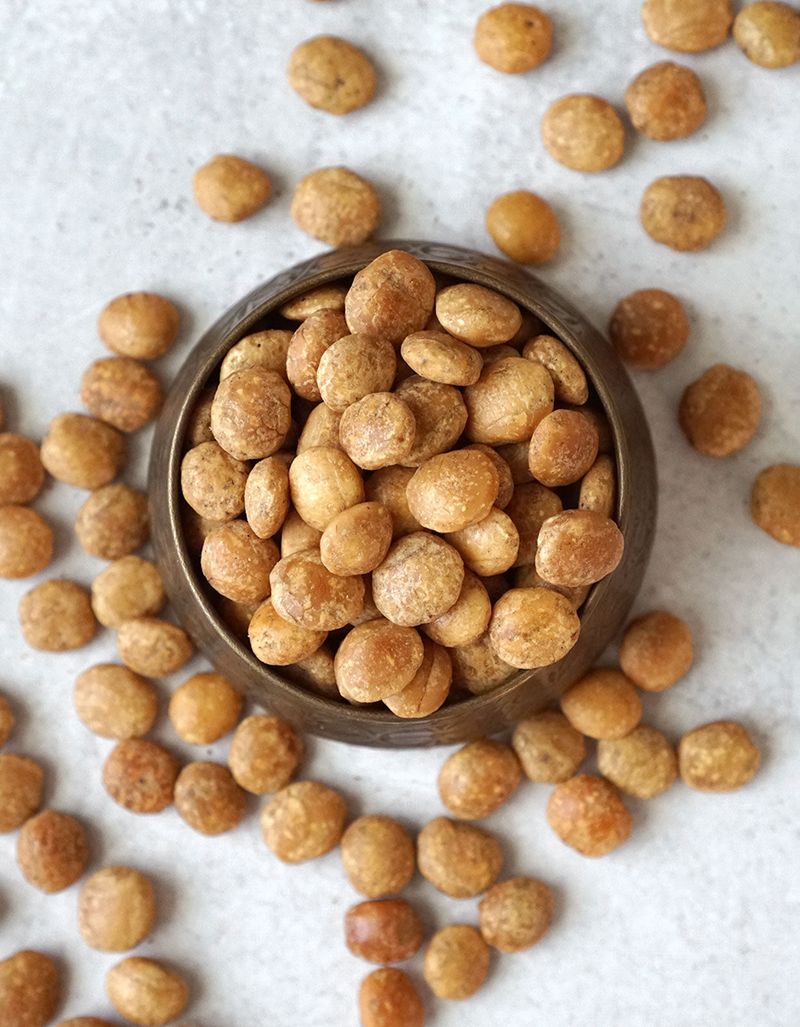
Sacha inchi seeds come from the Amazon rainforest and have been eaten by indigenous communities for centuries, yet most grocery shoppers have never even heard of them. They pack an impressive amount of omega-3 fatty acids, even rivaling fish oil in plant form.
Protein content is also high, making them a smart choice for plant-based eaters. Their flavor is earthy and slightly nutty.
Look for them roasted at health food stores or online for a crunchy, satisfying snack.
8. Black Cumin Seeds

Known in Arabic as "habbatus sauda," black cumin seeds have been called a cure for everything except death in ancient texts, which gives you a sense of how highly they were valued. Modern research backs up some of that reputation.
These seeds contain thymoquinone, a compound studied for its anti-inflammatory and antioxidant properties. Add them to bread, soups, or sprinkle over hummus.
Their slightly bitter, peppery taste adds depth to savory dishes without much effort.
9. Watermelon Seeds
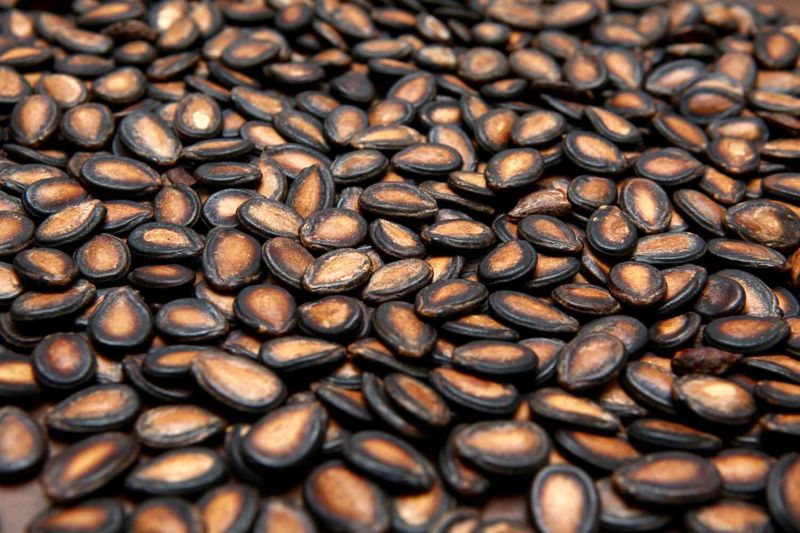
Most people spit them out without thinking twice, but watermelon seeds are actually a nutritional gem hiding in plain sight. Roasted and dried, they deliver a surprising amount of protein, iron, magnesium, and zinc per serving.
In parts of Africa and Asia, watermelon seeds have long been used as a snack and cooking ingredient. Try roasting them in the oven with a little olive oil and your favorite spices for a crunchy, protein-rich treat you probably never expected.
10. Pomegranate Seeds
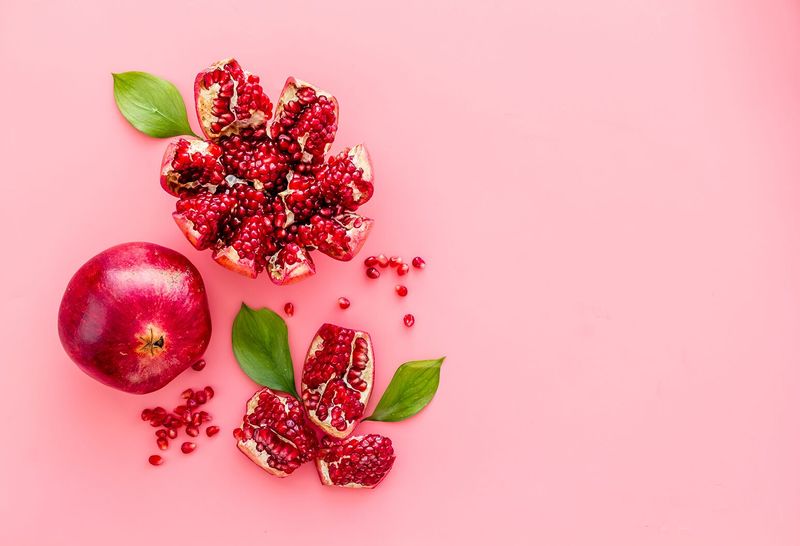
Pomegranate seeds, called arils, are juicy little bursts of flavor loaded with antioxidants called punicalagins, which are found almost exclusively in pomegranates. Studies suggest they may help lower blood pressure and fight inflammation over time.
Each crunchy, jewel-like seed also contains fiber and vitamin C. Scatter them over salads, mix into grain bowls, or stir into plain yogurt for a pop of color and nutrition.
They are as beautiful on the plate as they are good for you.
11. Grape Seeds
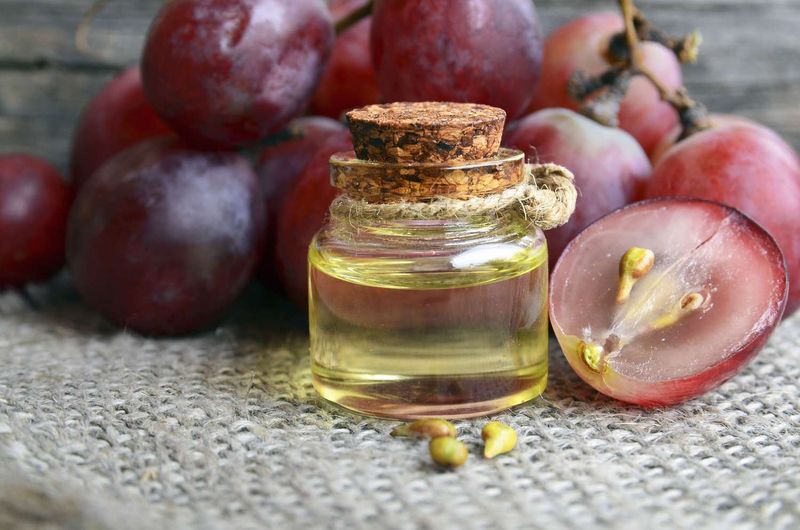
Grape seeds are usually discarded along with the skin, but they contain some of the most potent antioxidants found in any food, particularly compounds called oligomeric proanthocyanidins, or OPCs. These antioxidants are believed to support circulation and skin health.
Most people consume grape seed in extract or oil form since raw seeds are quite bitter. Grape seed oil works beautifully in cooking due to its high smoke point.
It is a simple, underused swap that adds nutritional value to everyday meals.
12. Lotus Seeds
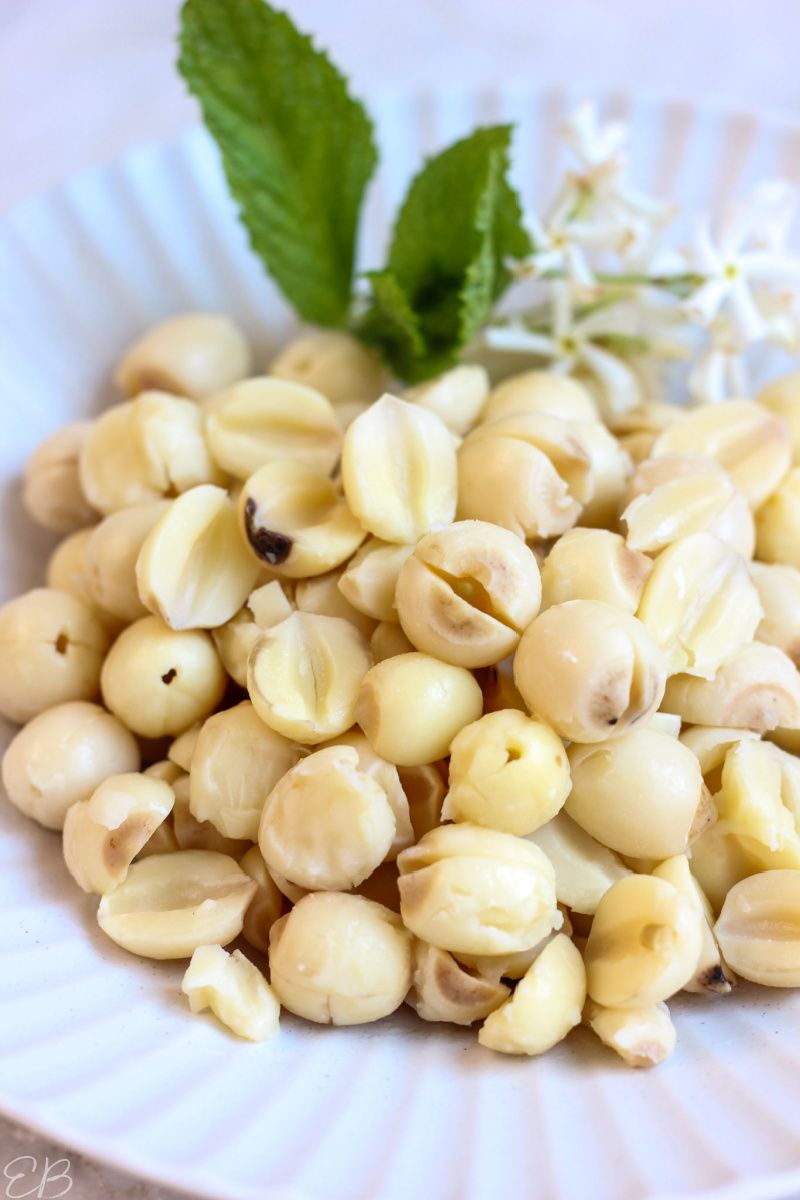
Lotus seeds carry a calm, almost meditative reputation in Asian cultures, where they have been used in traditional medicine and cuisine for centuries. Nutritionally, they are rich in potassium, phosphorus, and protein, making them more than just a cultural symbol.
They have a mild, starchy flavor similar to a cashew but lighter. You can find them dried, canned, or fresh in Asian grocery stores.
Add them to soups, desserts, or stir-fries for a subtle, nourishing touch that surprises most first-time tasters.
13. Papaya Seeds
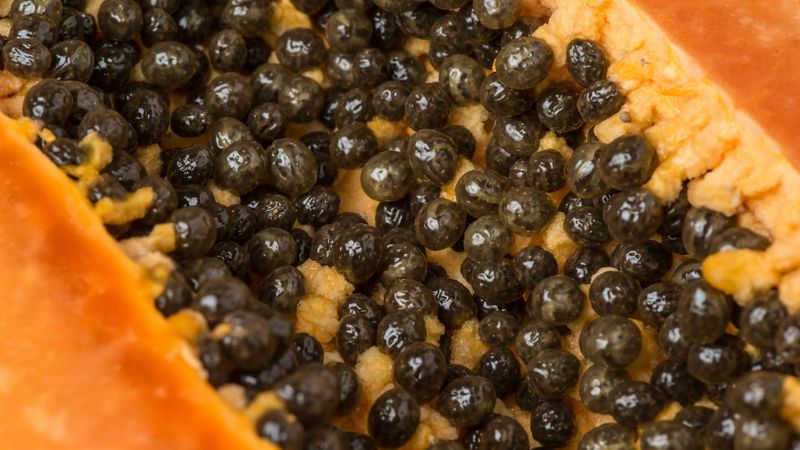
Nearly everyone scoops out papaya seeds and throws them away, never knowing they are edible and genuinely useful. Papaya seeds have a sharp, peppery bite similar to black pepper and can actually be dried and used as a spice substitute.
They contain compounds that may support digestive health and have been studied for potential anti-parasitic properties. Blend a small amount into smoothies or dry and grind them as a seasoning.
A little goes a long way with their bold, punchy flavor.
14. Mustard Seeds
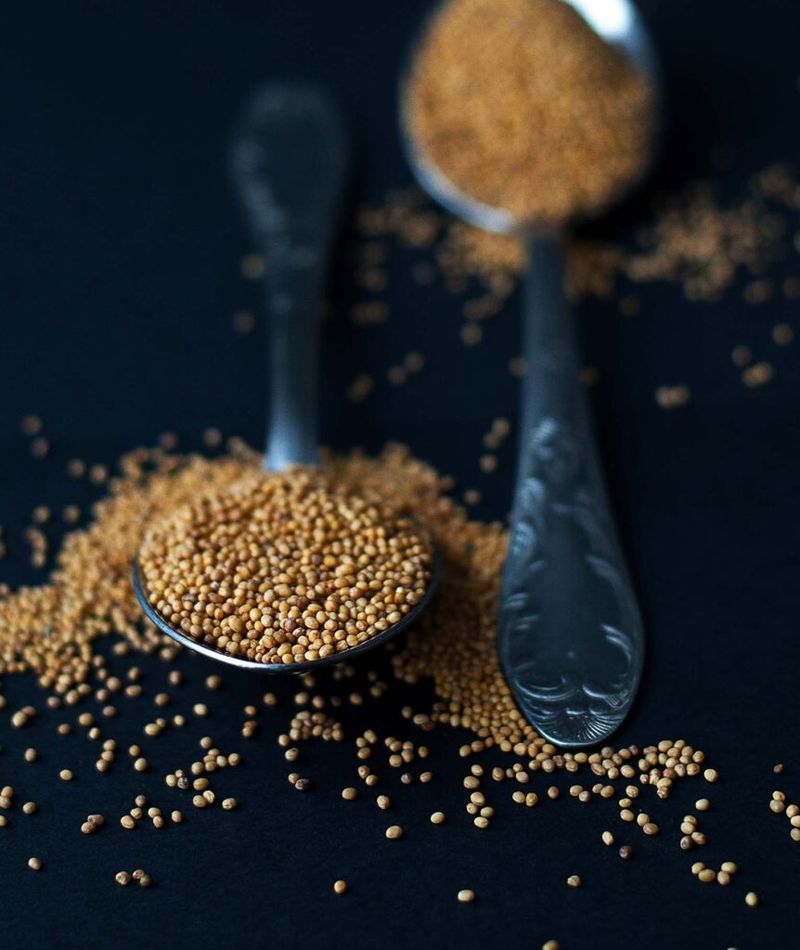
Mustard seeds are a staple in Indian cooking and European condiments, but most people in Western countries never think to eat them as a nutritional food on their own. That is a missed opportunity, because they are surprisingly rich in selenium, omega-3 fatty acids, and glucosinolates.
Glucosinolates are plant compounds linked to cancer-fighting properties in early research. Toast them in a hot pan for a few seconds to release their nutty, aromatic flavor, then add to curries, roasted vegetables, or pickled dishes.
15. Quinoa Seeds
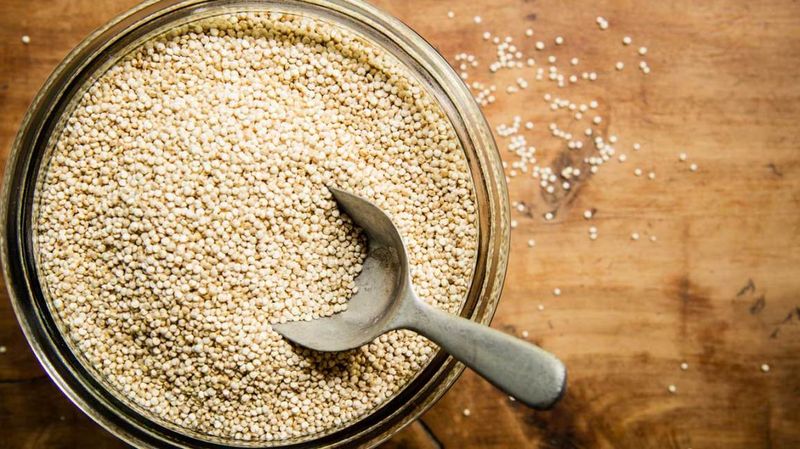
Technically a seed rather than a grain, quinoa is one of the few plant foods that qualifies as a complete protein, meaning it has all nine essential amino acids your body needs. That is a big deal for vegetarians and vegans especially.
It is also gluten-free and cooks in about 15 minutes, making it one of the fastest nutritious options available. Use it in place of rice, mix it into salads, or even cook it as a warm breakfast porridge with fruit and honey.
16. Amaranth Seeds
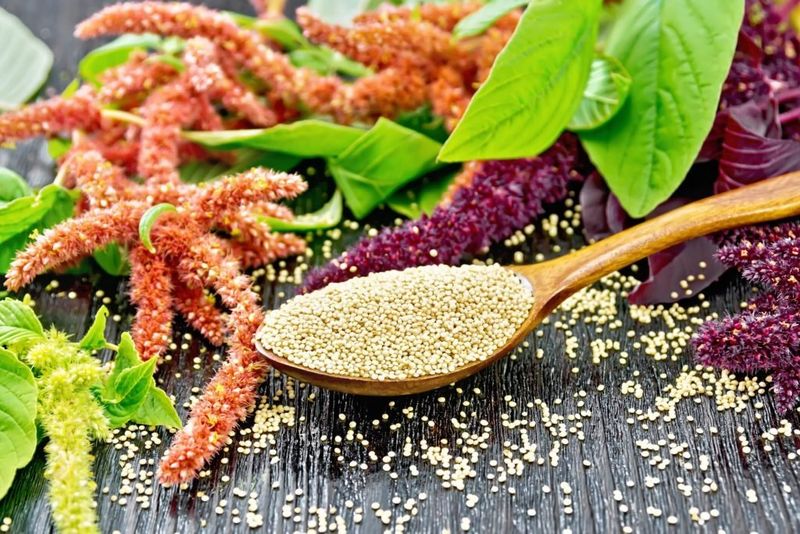
Amaranth was a sacred crop of the Aztecs, and Spanish colonizers actually banned it in an attempt to weaken indigenous culture, which tells you how powerful this little seed was considered. Today it is having a quiet comeback in health food circles.
Rich in lysine, an amino acid lacking in most grains, amaranth supports muscle repair and immune function. Pop it like popcorn in a dry pan for a crunchy topping, or cook it into a warm, creamy porridge that rivals oatmeal in nutrition.
17. Fenugreek Seeds
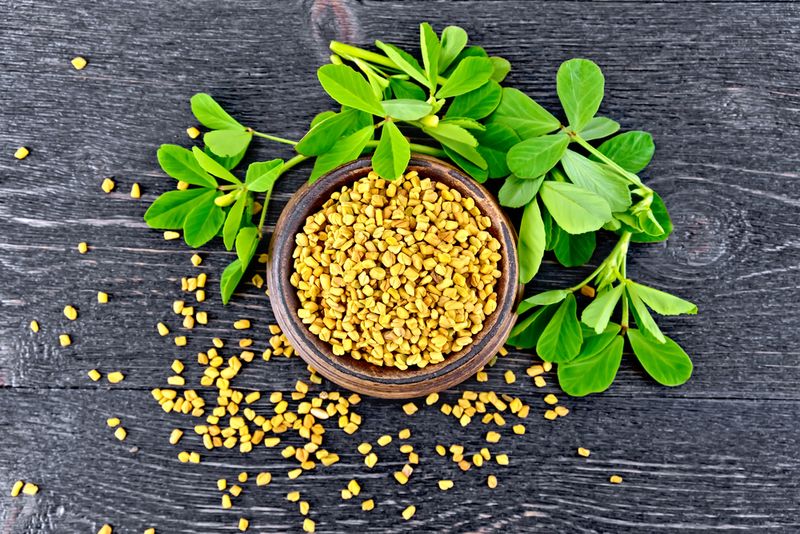
Fenugreek seeds smell faintly of maple syrup, which is actually why some food companies use fenugreek extract as a natural flavoring. Beyond the interesting aroma, these seeds are packed with soluble fiber, iron, and compounds that may help regulate blood sugar levels.
Traditional medicine systems from Ayurveda to ancient Egypt have used fenugreek for centuries. Soak them overnight to soften the bitterness, then add to curries, lentil dishes, or brew as a tea for a warming, earthy drink.
18. Caraway Seeds
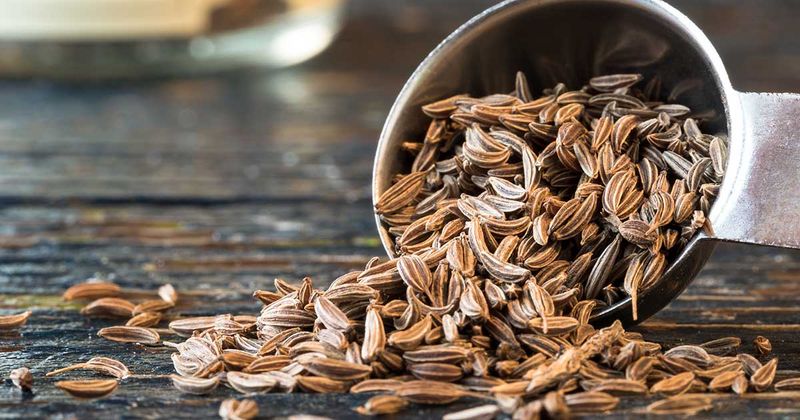
Caraway seeds are the reason rye bread has that distinctive, slightly anise-like flavor most people love but cannot quite name. Beyond baking, these seeds have a long history in European herbal medicine as a digestive aid.
They contain compounds that help relax the muscles of the digestive tract, reducing bloating and gas. Toss them into roasted vegetables, homemade bread, or cabbage dishes for a warm, aromatic depth.
A small sprinkle goes a long way, and your gut will likely thank you for it.




Comments
No Comments