













Korean food is bold, colorful, and packed with flavors that make every bite feel like an adventure. From spicy stews to savory pancakes, Korean cooking uses simple ingredients that come together in truly exciting ways.
Whether you are new to Korean cuisine or already a fan, these recipes are easy enough to try in your own kitchen. Get ready to explore some of the most delicious dishes Korea has to offer!
1. Bibimbap (Mixed Rice Bowl)
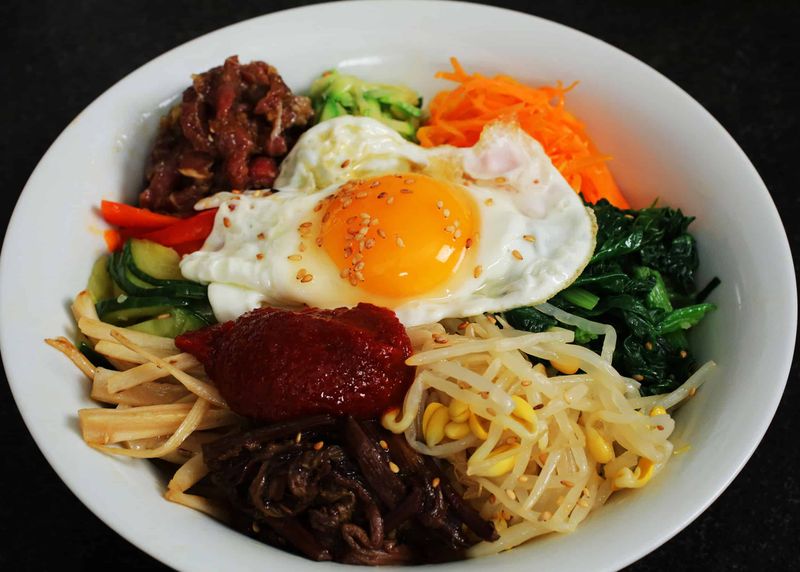
Few meals are as satisfying as a bowl of bibimbap, where every ingredient brings its own color and flavor to the table. This iconic Korean dish layers seasoned vegetables, rice, a fried egg, and a spoonful of spicy gochujang paste on top.
The magic happens when you mix everything together before eating.
Making bibimbap at home is surprisingly simple. You can use leftover vegetables and customize toppings to suit your taste, making it both budget-friendly and endlessly adaptable.
2. Kimchi Jjigae (Kimchi Stew)
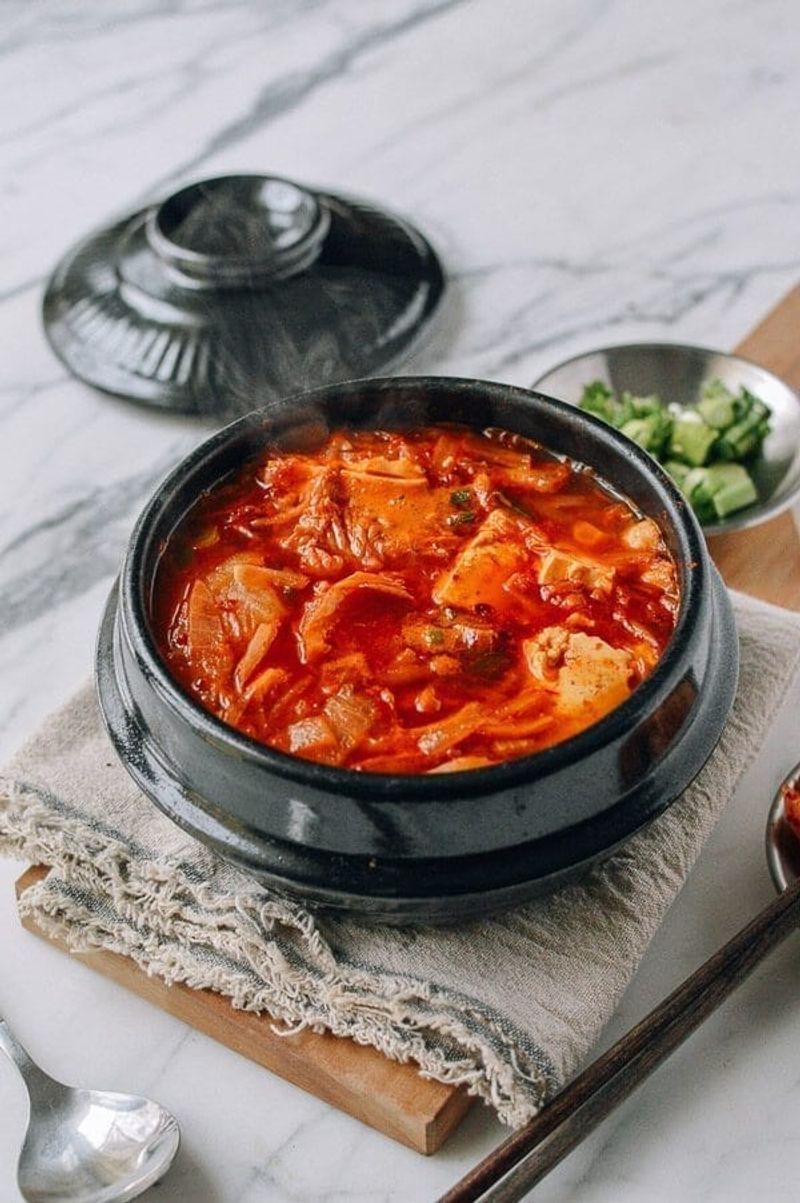
There is something deeply comforting about a pot of kimchi jjigae simmering on the stove, filling the kitchen with a rich, tangy aroma. This hearty stew uses aged kimchi, soft tofu, and pork to create a broth that is sour, spicy, and completely irresistible.
Korean grandmothers have been perfecting this recipe for generations.
The older your kimchi, the better the stew tastes. Serve it with steamed rice for a warming meal that feels like a cozy hug on a cold day.
3. Tteokbokki (Spicy Rice Cakes)
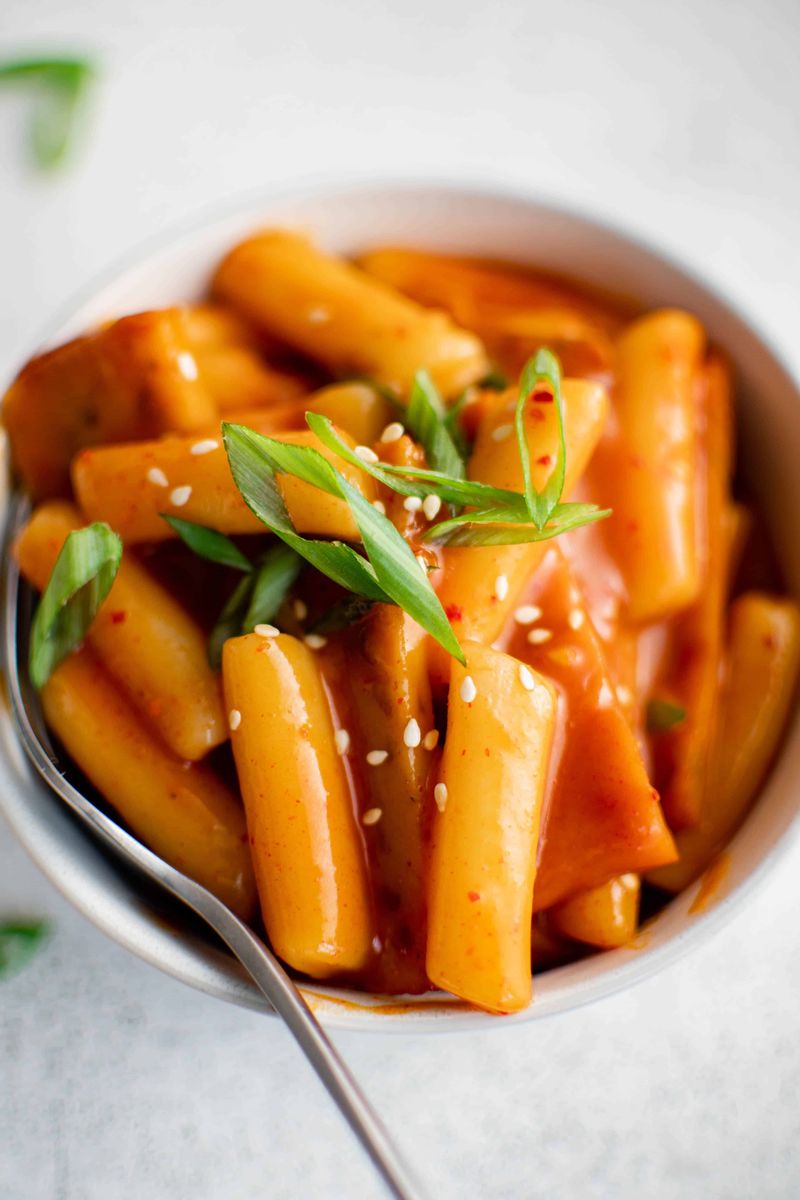
Walk past any Korean street food stall and you will almost certainly spot tteokbokki bubbling away in a fiery red sauce. These chewy rice cakes soaked in gochujang and gochugaru are one of Korea's most beloved snacks, enjoyed by kids and adults alike.
The texture is wonderfully sticky and satisfying.
At home, you can tweak the spice level to match your preference. Add fish cakes, boiled eggs, or even ramen noodles to make it a full and filling meal.
4. Bulgogi (Korean BBQ Beef)
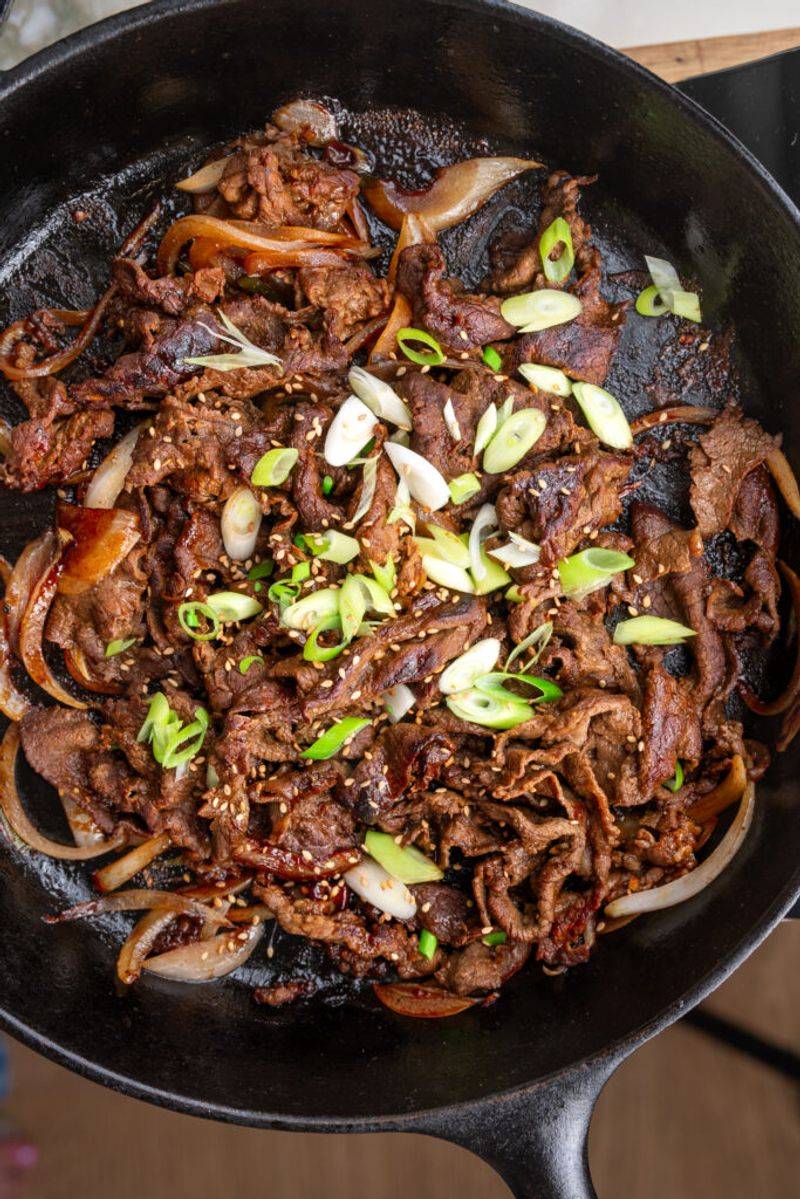
Bulgogi might just be the dish that makes everyone fall in love with Korean food at first bite. Thin slices of beef are marinated in a sweet and savory blend of soy sauce, garlic, pear, and sesame oil before being grilled to juicy perfection.
The pear in the marinade naturally tenderizes the meat.
You do not need a fancy grill to make bulgogi at home. A regular skillet works beautifully, and the results are just as delicious wrapped in lettuce leaves with a dab of ssamjang paste.
5. Japchae (Glass Noodle Stir-Fry)
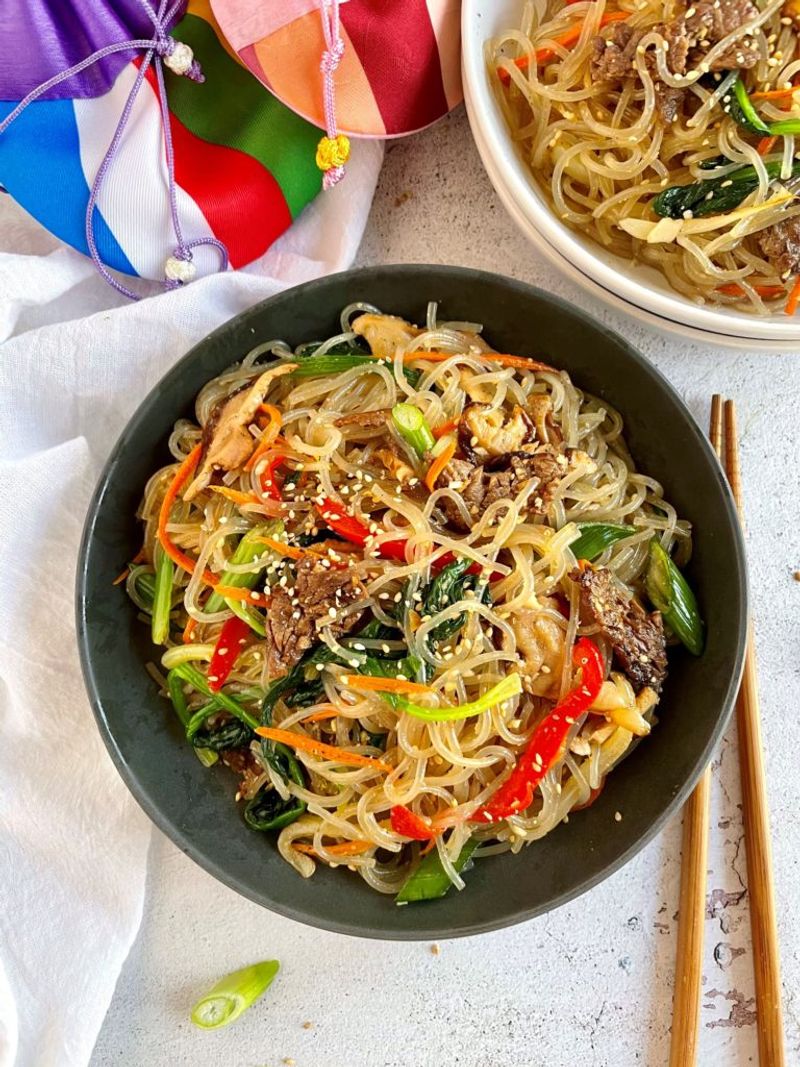
Japchae has a special place at Korean celebration tables, but honestly, it deserves to be enjoyed any day of the week. These slippery, chewy sweet potato glass noodles are stir-fried with a rainbow of vegetables and seasoned beef in a lightly sweet soy and sesame sauce.
The result is elegant and deeply flavorful.
Preparing each ingredient separately before combining them is the secret to getting japchae just right. It takes a little patience, but every twirl of noodles is absolutely worth the effort.
6. Sundubu Jjigae (Soft Tofu Stew)
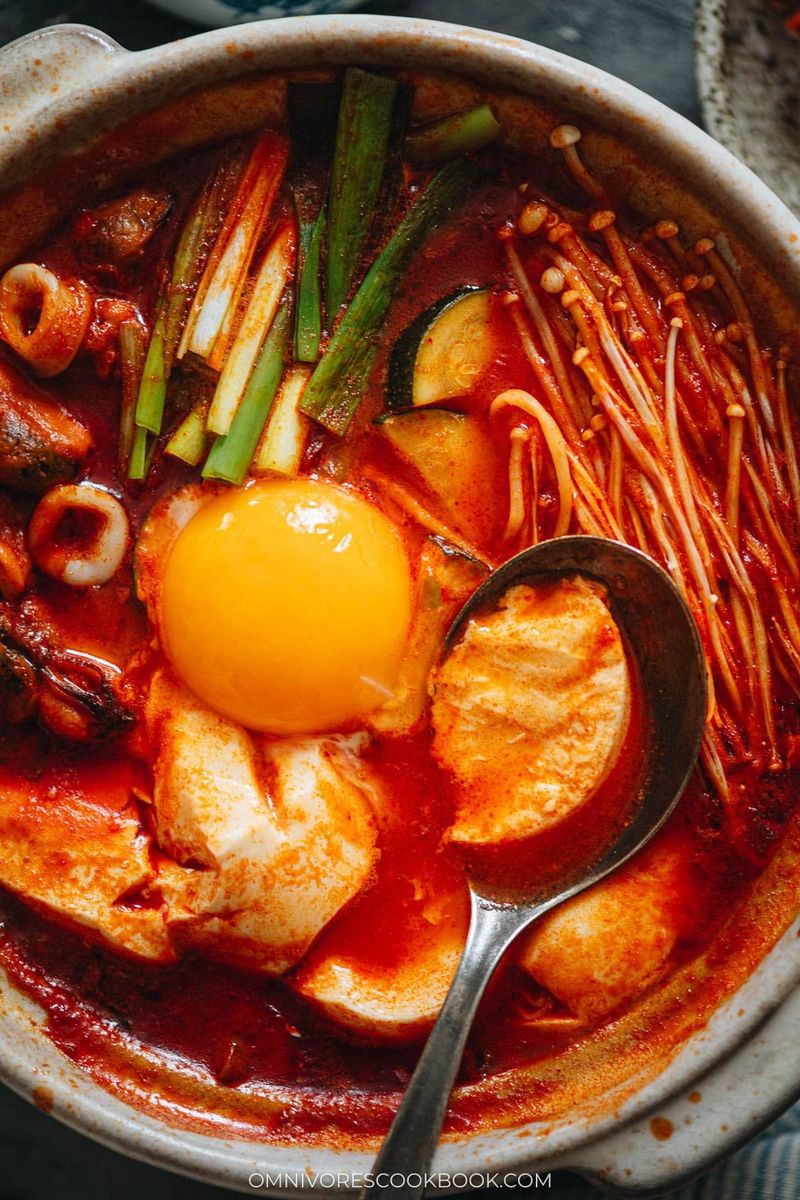
Silky, soft tofu tumbling around in a fiery, seafood-rich broth - that is the magic of sundubu jjigae. This stew is one of Korea's most popular comfort foods, known for its deep, spicy flavor and the way the tofu melts right into the broth.
A raw egg cracked in at the end adds richness.
Clams or shrimp boost the umami level beautifully. Even without seafood, a vegetarian version using mushrooms and vegetable broth delivers a stew that is just as soul-warming and satisfying.
7. Dakgalbi (Spicy Stir-Fried Chicken)
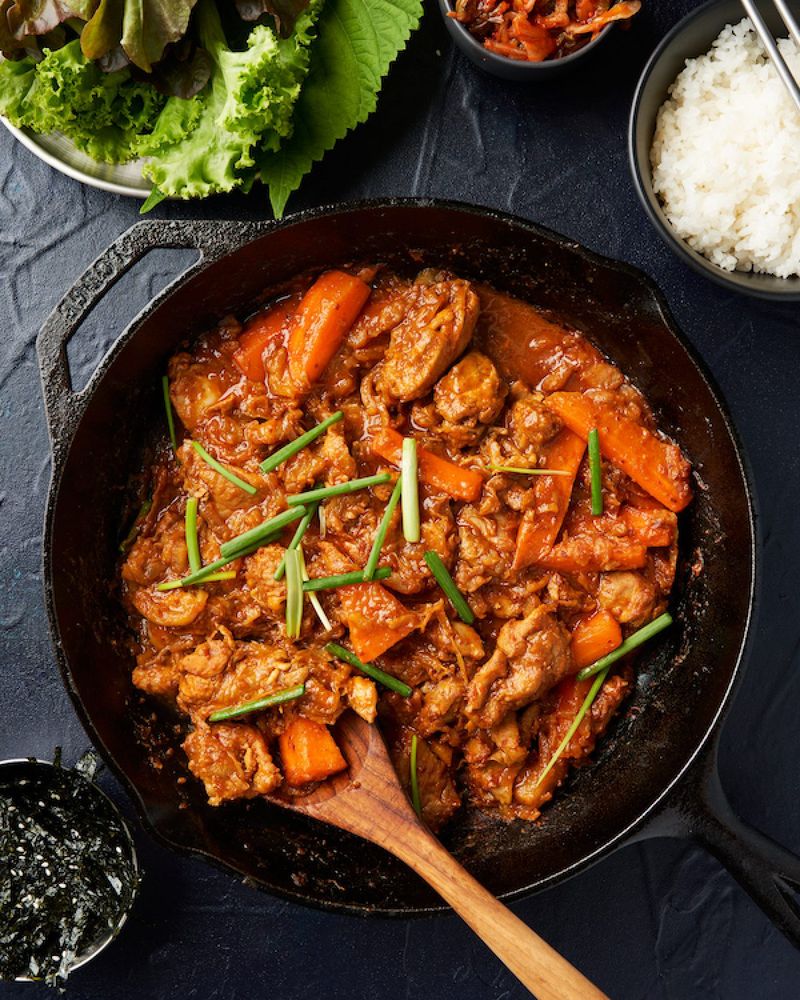
Originally a street food from Chuncheon city, dakgalbi has become a nationwide favorite that is easy to recreate at home. Chunks of marinated chicken are stir-fried with cabbage, sweet potato, and chewy rice cakes in a bold gochujang-based sauce.
The combination of textures makes every forkful exciting.
Cooking it in a wide pan over high heat gives you those delicious caramelized edges. Add mozzarella cheese on top at the end for a trendy, gooey twist that Koreans absolutely love.
8. Doenjang Jjigae (Soybean Paste Stew)
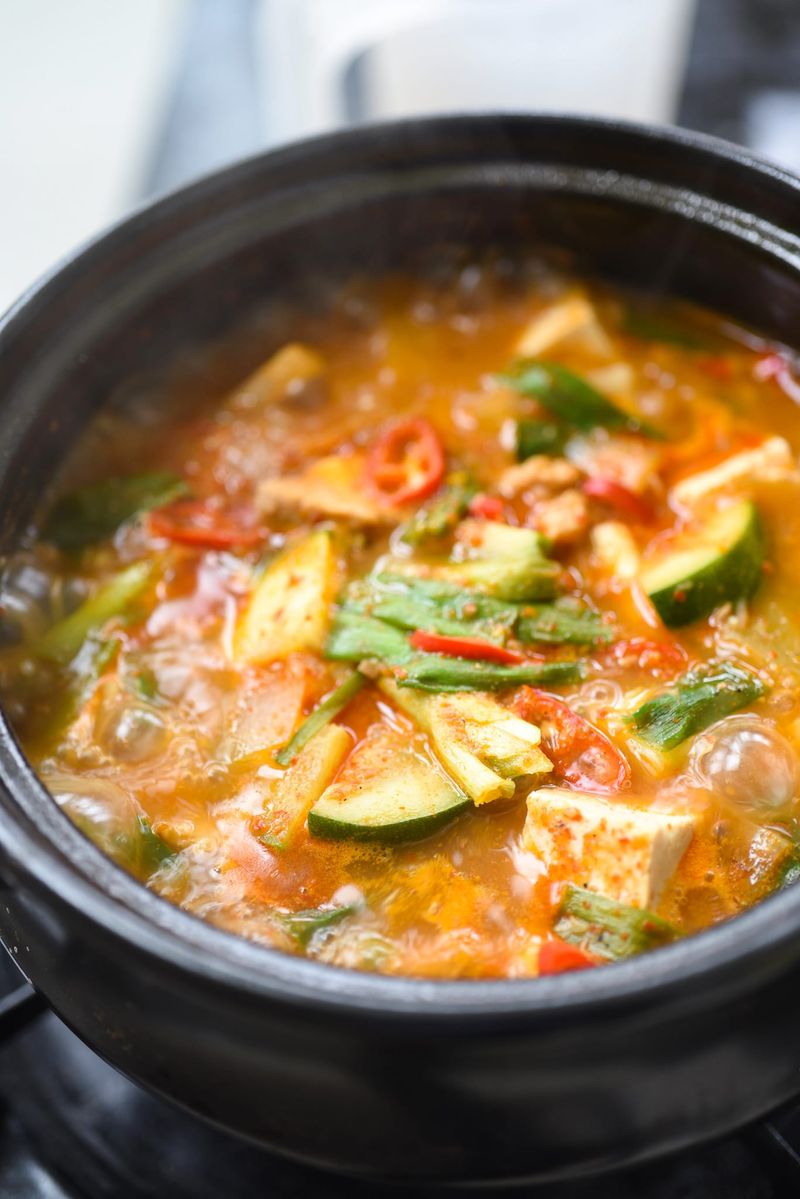
If kimchi jjigae is Korea's spicy comfort stew, then doenjang jjigae is its earthy, mellow counterpart. Made with fermented soybean paste, zucchini, mushrooms, and soft tofu, this stew has a deep, nutty flavor that feels ancient and nourishing.
Many Koreans say it reminds them of home-cooked meals at their parents' table.
Doenjang paste is packed with probiotics, making this stew as healthy as it is delicious. Just a small amount of paste transforms plain water into a broth full of incredible depth and character.
9. Pajeon (Korean Scallion Pancake)
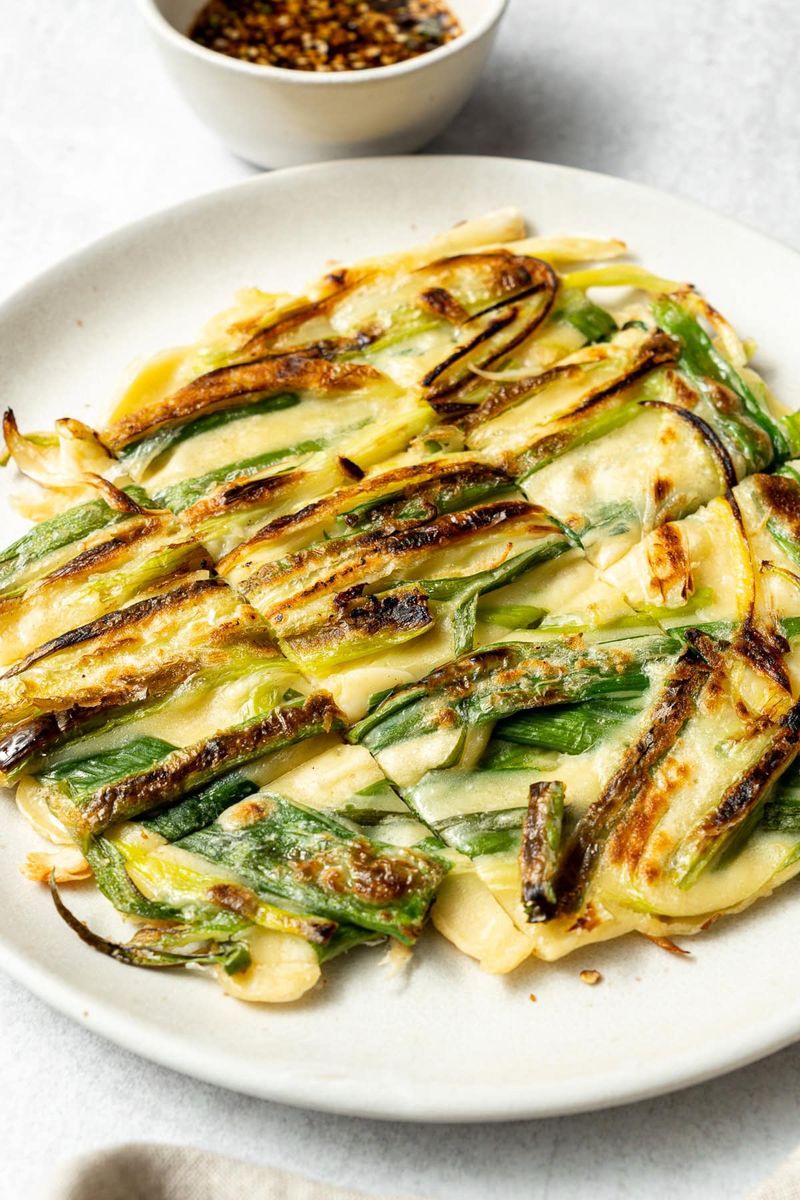
Rainy days in Korea are practically synonymous with pajeon, because Koreans love making these savory scallion pancakes when the weather turns grey. The batter is simple, but the crispy, golden edges and tender green onion strips inside make pajeon feel like something truly special.
The sizzle in the pan is oddly satisfying.
You can jazz it up with seafood like squid or shrimp for haemul pajeon. Served alongside a tangy soy dipping sauce, these pancakes disappear from the plate faster than you can make them.
10. Samgyeopsal (Grilled Pork Belly)
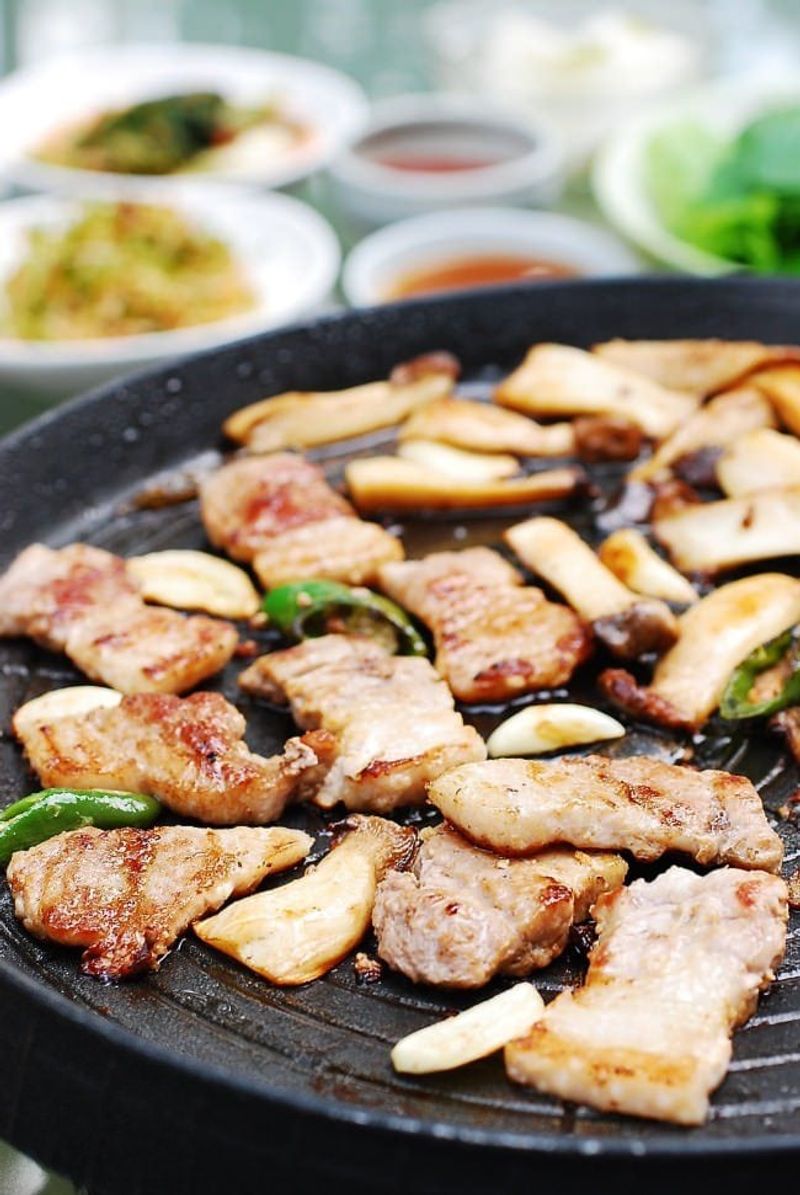
Samgyeopsal nights are less about the food and more about the experience - gathering around a table grill with friends, cooking thick slabs of pork belly until the edges turn perfectly crispy. The meat is then wrapped in fresh lettuce with garlic, sliced green chili, and a smear of ssamjang paste.
Pure joy.
You can replicate this fun experience at home with a grill pan. The key is cooking the pork belly over medium-high heat so the fat renders out slowly, creating that irresistible crispy-yet-juicy bite.
11. Galbi (Korean Short Ribs)
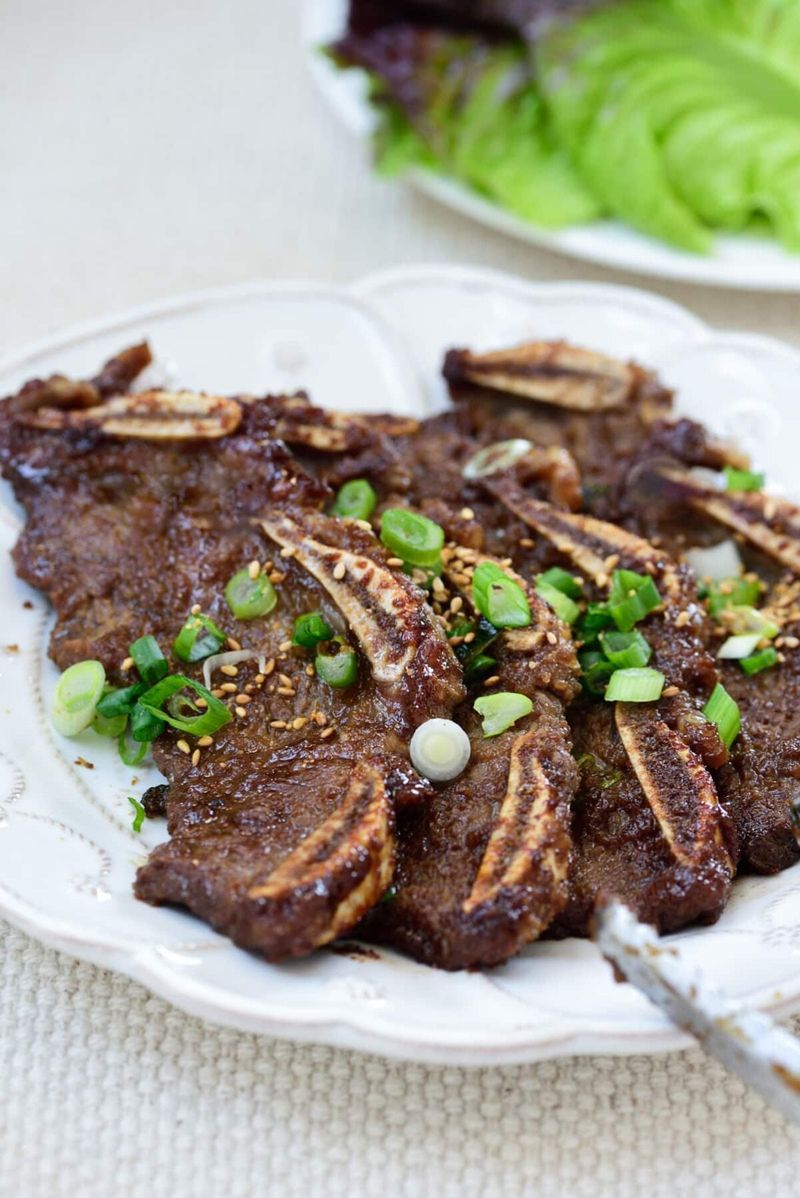
Galbi is the kind of dish that makes people stop mid-conversation just to appreciate how good it smells. These cross-cut beef short ribs are soaked in a marinade of soy sauce, garlic, ginger, sugar, and Asian pear for hours, allowing the flavors to penetrate deep into the meat.
Grilling brings out a gorgeous caramelized crust.
Did you know galbi is traditionally served at Korean celebrations and holidays? Making it at home is a wonderful way to bring that festive spirit into your everyday cooking routine.
12. Jajangmyeon (Black Bean Noodles)
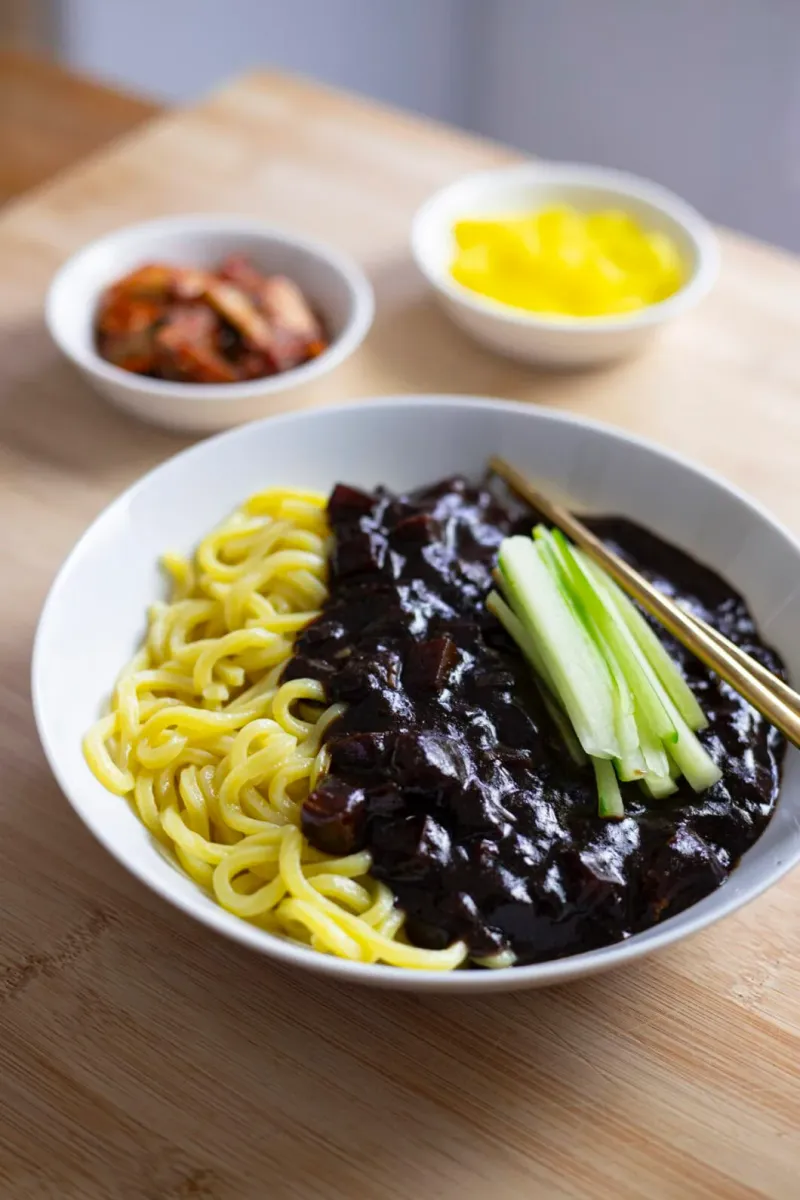
Jajangmyeon holds a quirky cultural status in Korea - it is the dish people traditionally eat on Black Day, April 14th, when singles gather to celebrate being unattached. But you absolutely do not need a reason to enjoy these thick wheat noodles smothered in a savory, slightly sweet black bean sauce with pork and vegetables.
The sauce is made from chunjang, a fermented black soybean paste that turns glossy and rich when stir-fried. Toss it over freshly boiled noodles and add cucumber strips for a refreshing crunch contrast.
13. Gamjatang (Pork Bone Soup)
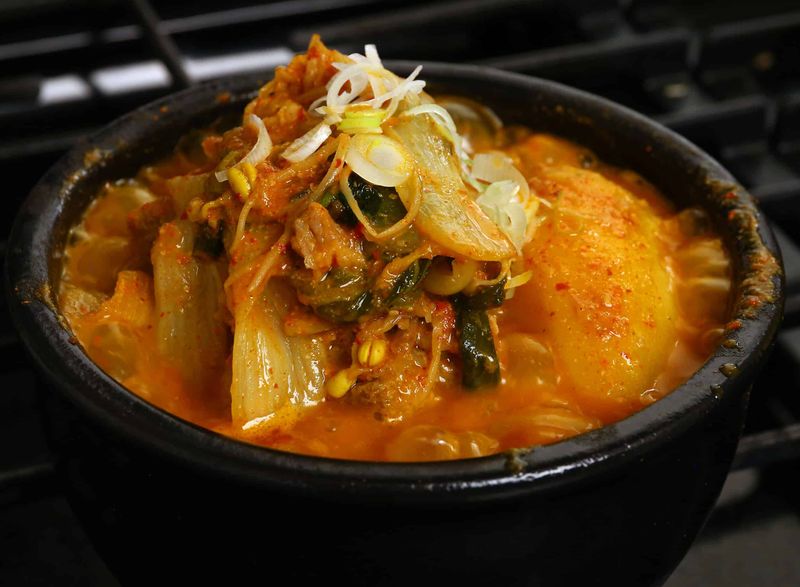
Gamjatang is a boldly flavored pork bone soup that warms you from the inside out, especially on cold winter nights. Pork neck bones are simmered low and slow until the meat falls off the bone, while potatoes soak up the spicy, savory broth beautifully.
Perilla leaves stirred in at the end add an herby freshness.
This soup takes time to make, but most of that is hands-off simmering. The reward is a deeply complex broth that tastes like it has been cooking all day - because it has.
14. Hobakjuk (Pumpkin Porridge)
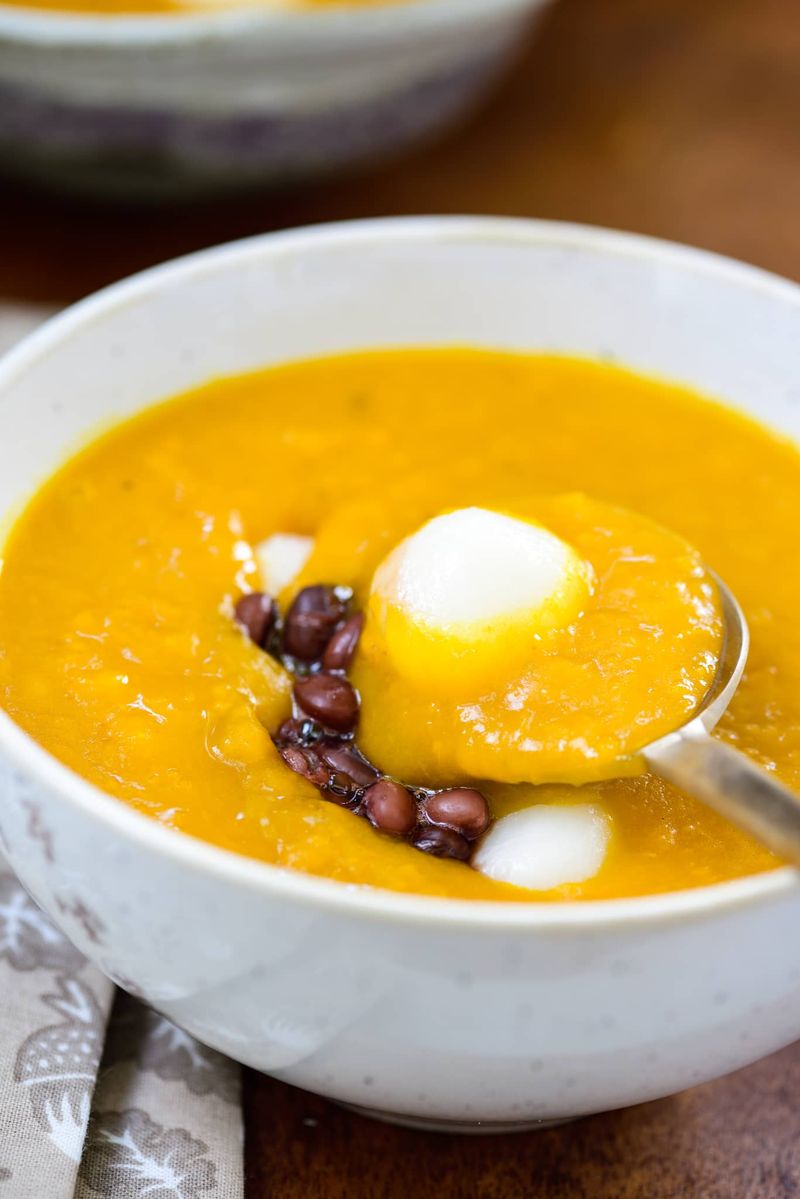
Smooth, sweet, and the color of a sunset, hobakjuk is a traditional Korean porridge made from pureed pumpkin or kabocha squash. It is often eaten when someone is feeling under the weather, as it is gentle on the stomach and naturally nutritious.
Small glutinous rice balls hidden inside make every spoonful a delightful surprise.
Making this at home requires just a blender and a little patience. The natural sweetness of the squash means you barely need to add any sugar at all.
15. Haemul Pajeon (Seafood Pancake)
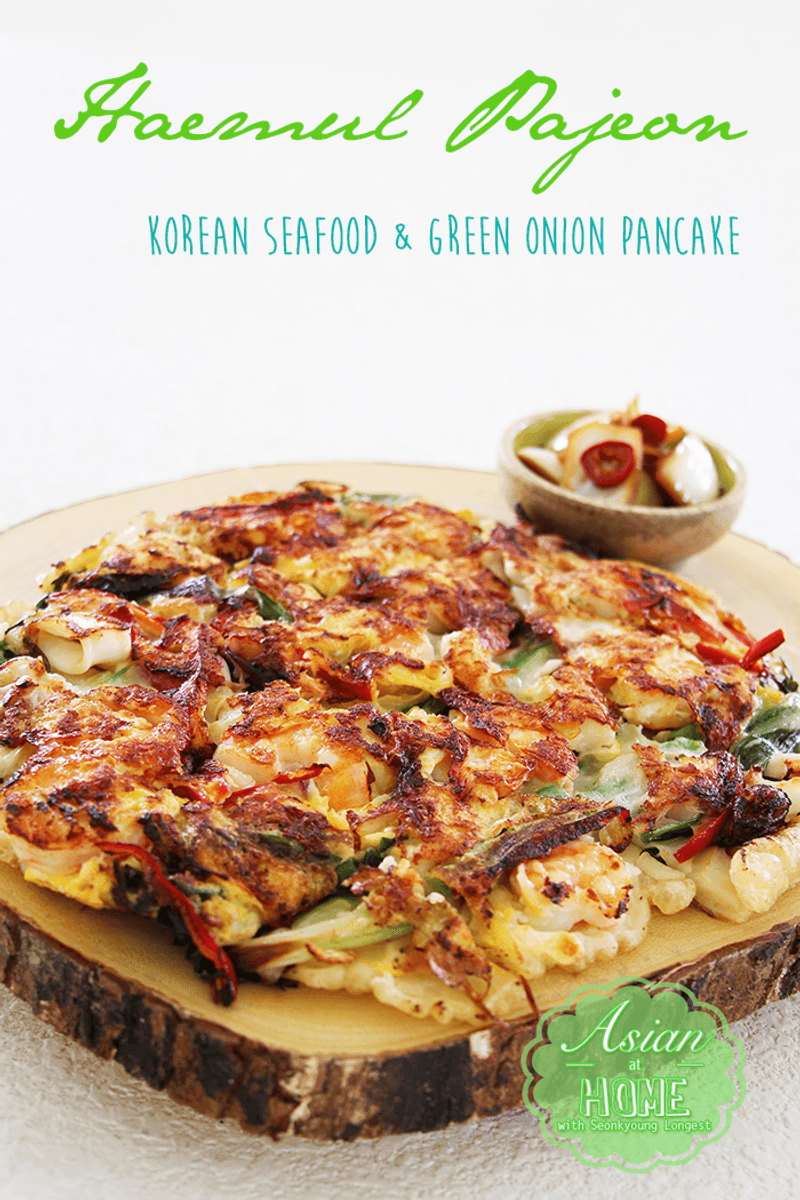
Haemul pajeon takes the classic scallion pancake and loads it with squid, shrimp, and sometimes clams for an oceanic twist that seafood lovers will adore. The outside turns wonderfully crispy while the inside stays moist and packed with flavor.
Korean bars often serve this alongside makgeolli rice wine as a classic pairing.
Getting the pan hot enough before adding the batter is the trick to a truly crispy pancake. A generous pour of oil and a confident flip halfway through cooking makes all the difference.
16. Bossam (Boiled Pork Wraps)
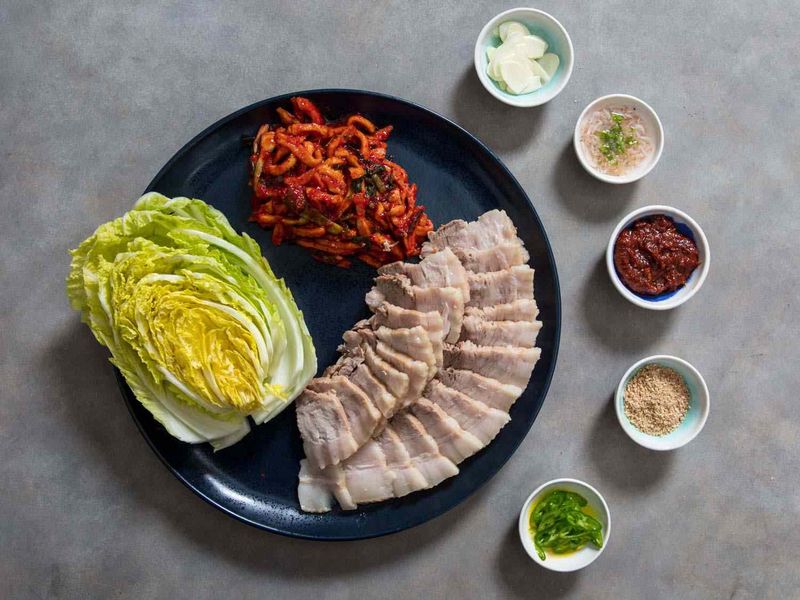
Bossam is proof that simple cooking methods can produce extraordinary results. Pork belly is slowly boiled with aromatics like ginger, doenjang, and garlic until it becomes meltingly tender, then sliced and wrapped in fresh cabbage or napa leaves.
The contrast of warm, fatty pork with cold, crunchy wraps is absolutely brilliant.
Traditionally served with kkakdugi radish kimchi and fermented salted shrimp, bossam is a dish meant for sharing. Set everything out on the table and let everyone build their own wraps to their liking.
17. Dakdoritang (Spicy Braised Chicken)
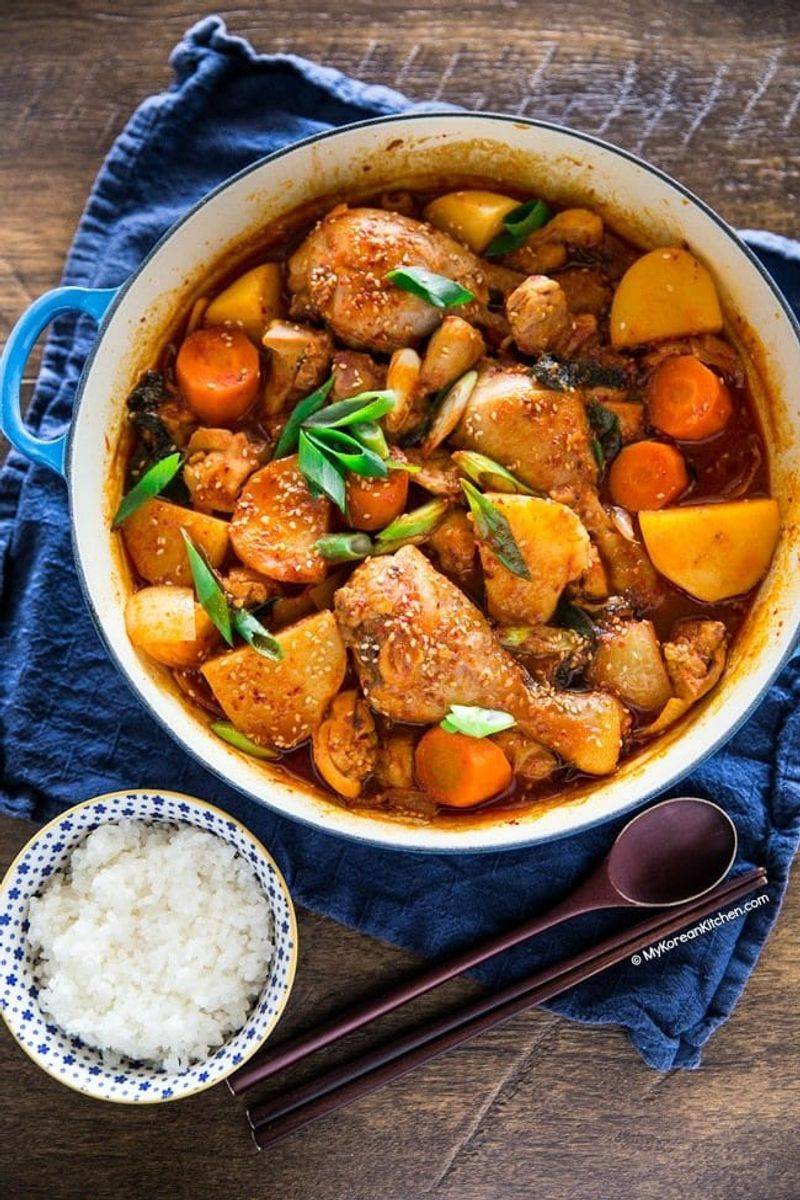
Dakdoritang is a no-fuss, one-pot Korean braised chicken dish that delivers big, bold flavors with minimal effort. Bone-in chicken pieces are simmered alongside potatoes and carrots in a punchy sauce made from gochugaru, soy sauce, garlic, and ginger.
The sauce thickens as it cooks, clinging to every piece of chicken beautifully.
This dish is a weeknight hero because everything goes into one pot and practically cooks itself. Spoon the glossy, spicy sauce generously over steamed white rice for a meal that hits every flavor note perfectly.
18. Hotteok (Sweet Korean Pancakes)

Hotteok is the Korean street food that turns any ordinary afternoon into something magical. These plump, golden pancakes are filled with a gooey mixture of brown sugar, cinnamon, and crushed nuts that melts the moment you take a bite.
Watching the sugar filling bubble out at the edges is honestly half the fun.
The dough is yeast-based, so it needs a little rising time, but the process is beginner-friendly and very forgiving. Make a batch on a weekend morning and serve them warm - they are impossible to resist fresh off the pan.

Comments
No Comments