













Some foods just hit different depending on the time of year. A bowl of chili tastes completely wrong in July, and a light summer salad feels out of place on a cold winter night.
Certain meals are deeply tied to the season they belong to, and eating them at the wrong time can leave you feeling like something is missing. These 18 dishes prove that timing really is everything when it comes to food.
1. Fresh Corn Succotash
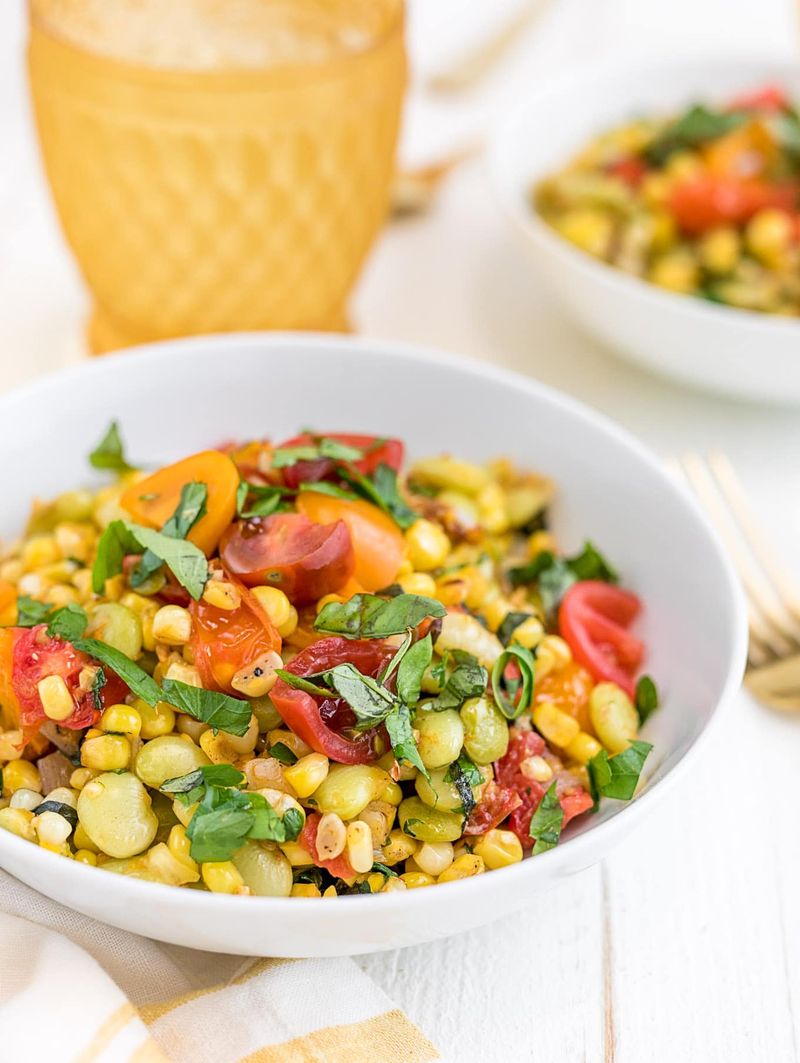
Nothing captures a summer afternoon quite like fresh corn succotash. The sweetness of just-picked corn is something frozen or canned versions simply cannot replicate.
When corn is in peak season, every bite bursts with natural sugar and crunch.
Pull it out of season and the whole dish falls flat. Summer corn is the soul of this recipe, and without it, you are just eating a sad vegetable mix.
Farmers market corn from July or August makes all the difference.
2. Butternut Squash Soup
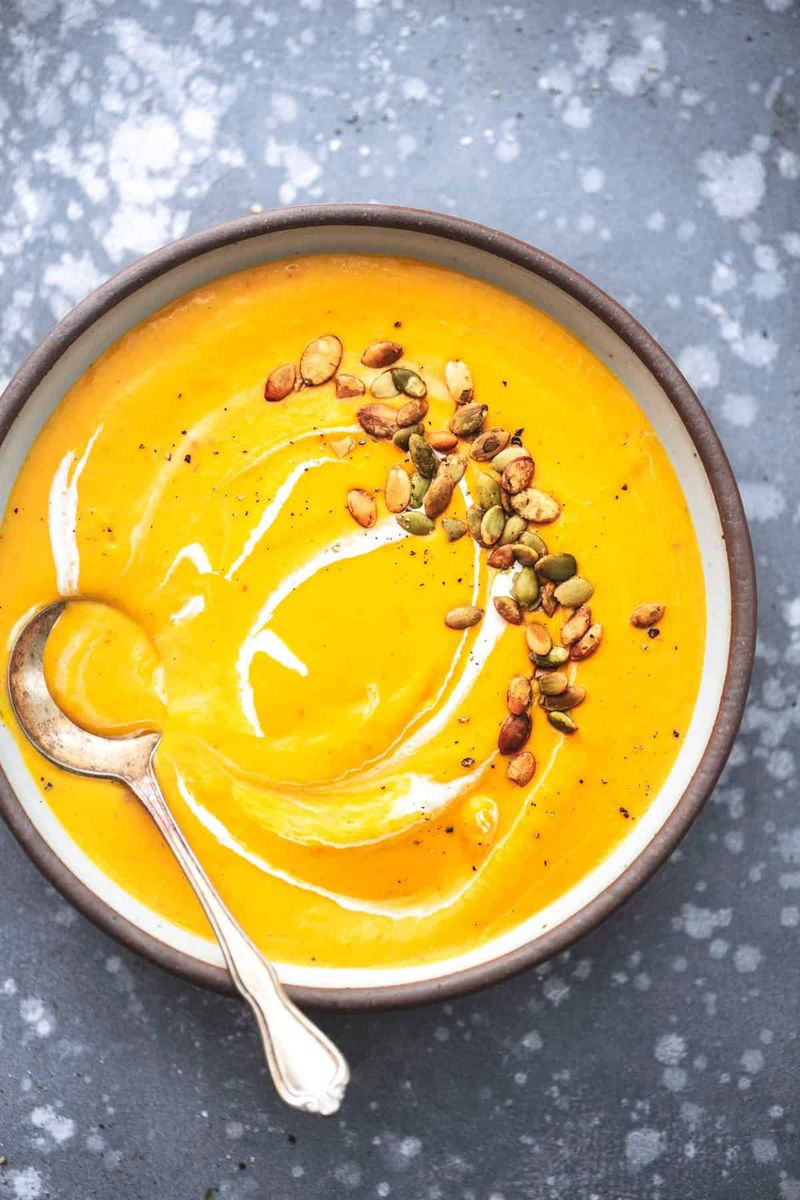
Butternut squash soup belongs to fall the way pumpkins belong to Halloween. When squash is harvested in October, it carries a natural sweetness and depth that earlier or later versions just cannot match.
Roasting it brings out a caramelized richness that is pure autumn in a bowl.
Try making this in spring and something feels off. The squash is less sweet, the flavor thinner.
Wait for the season and this soup becomes one of the most satisfying things you will ever eat on a chilly evening.
3. Strawberry Shortcake
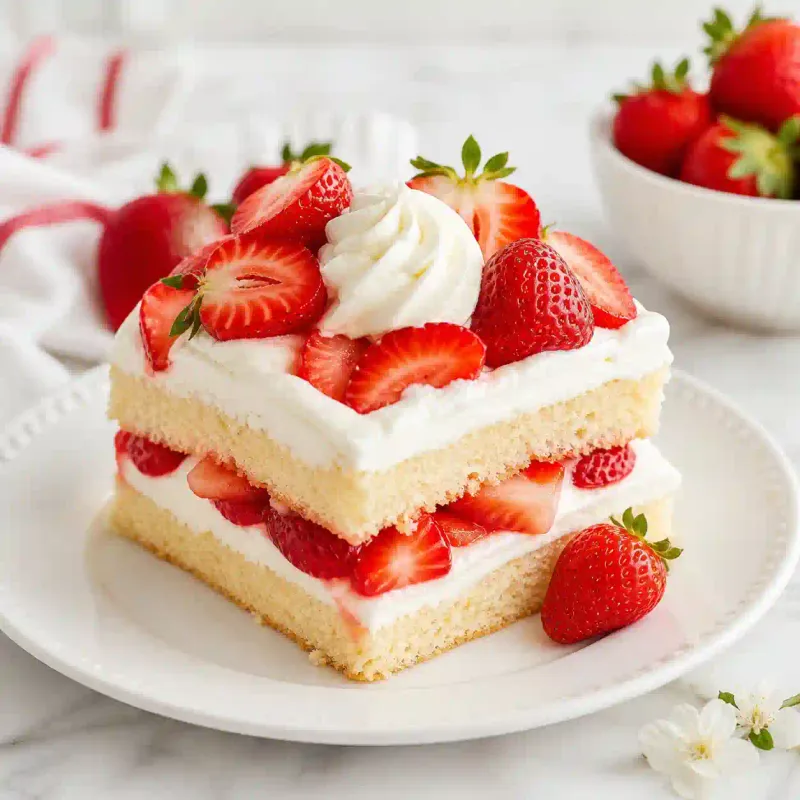
Strawberry shortcake made with out-of-season strawberries is honestly a little heartbreaking. Those pale, mealy berries from January have none of the fragrant, ruby-red magic that June strawberries bring to the table.
Peak strawberry season runs from late spring to early summer, and that is the only time this dessert truly sings. The berries should be so ripe they barely need sugar.
When you hit that window, strawberry shortcake becomes one of the most joyful desserts imaginable.
4. Roasted Root Vegetable Stew
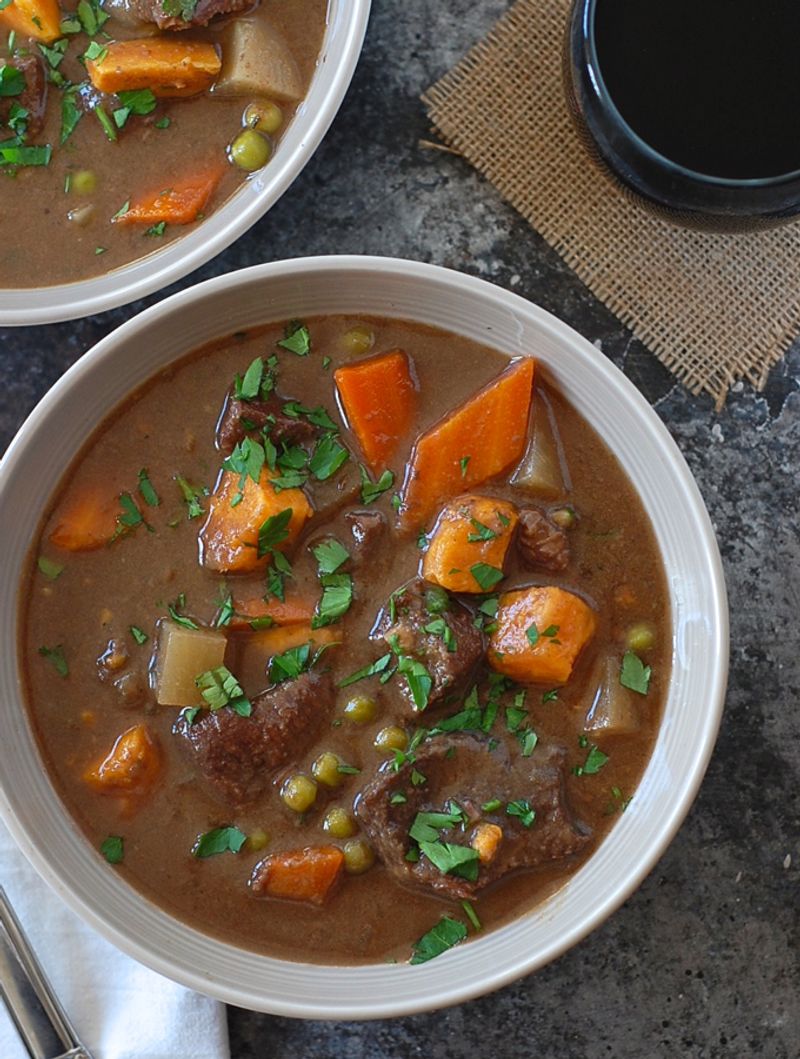
Parsnips, turnips, and carrots taste completely different after the first frost of the season. Cold temperatures trigger a natural conversion of starches into sugars inside root vegetables, making them noticeably sweeter and more flavorful.
A roasted root vegetable stew made in January uses produce at its absolute peak. The flavors meld together into something earthy, warming, and deeply satisfying.
Try this in August with the same vegetables and you will wonder why it tastes so bland by comparison.
5. Asparagus Frittata
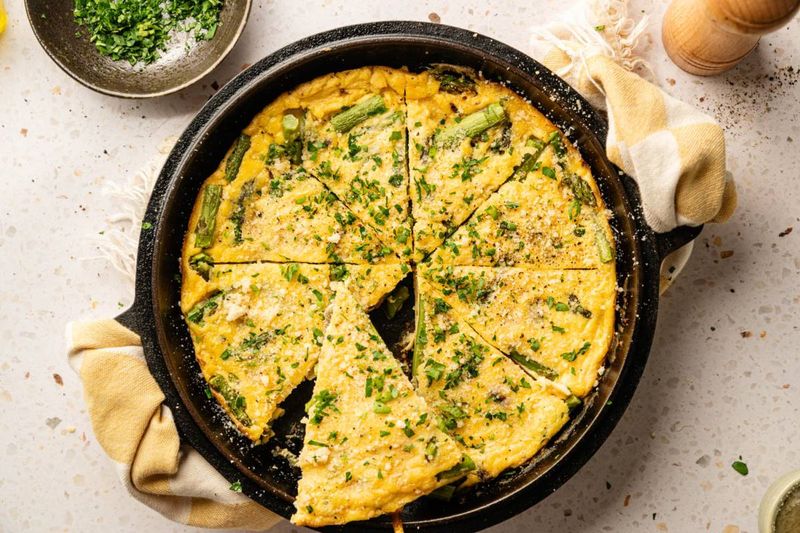
Spring asparagus has a tenderness and grassy sweetness that disappears completely by summer. The short window when fresh local asparagus appears at markets is the only time an asparagus frittata truly delivers on its promise.
Asparagus grown in season snaps cleanly and has a vibrant green color that practically glows. Out-of-season asparagus tends to be woody, bitter, and limp.
Build your frittata around peak spring stalks and you have an elegant, satisfying meal that celebrates the season beautifully.
6. Pumpkin Pie
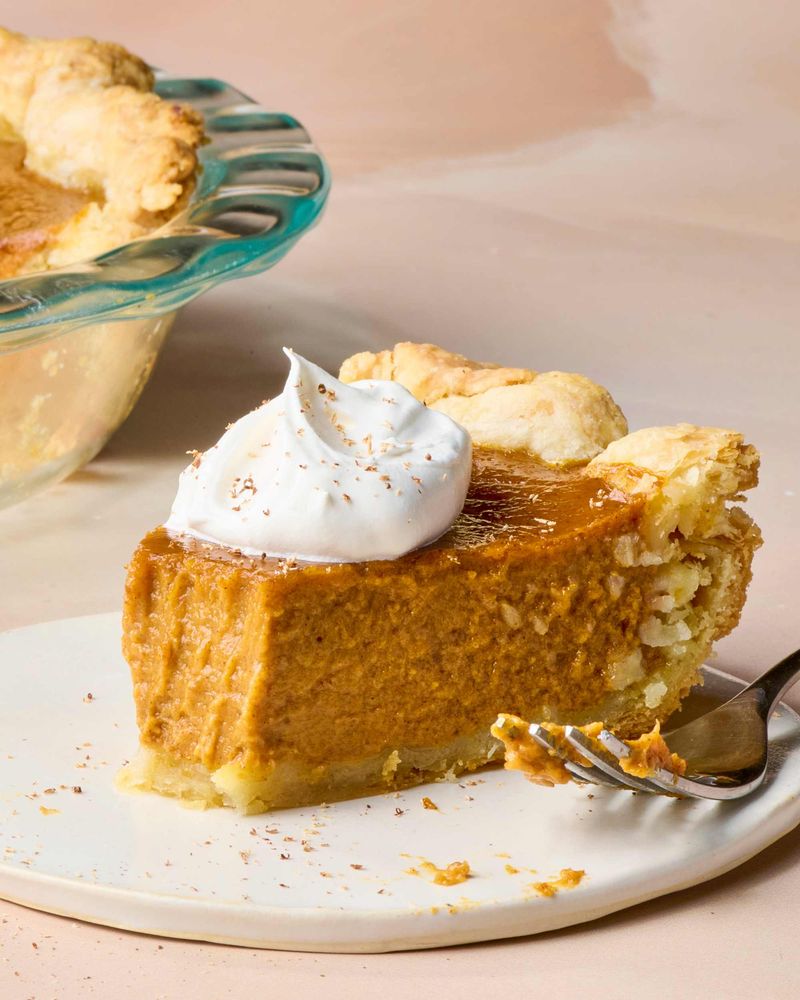
Pumpkin pie made from scratch with real sugar pumpkins is a completely different experience from the canned version you can make any time of year. Fresh pumpkin puree has a lighter, more nuanced flavor with a silky texture that makes every slice feel special.
Sugar pumpkins peak in October and November, which is exactly why this pie belongs to Thanksgiving. Using fresh seasonal pumpkin takes a little more effort, but the reward is a custard filling with genuine depth and warmth that no can can replicate.
7. Tomato Bruschetta
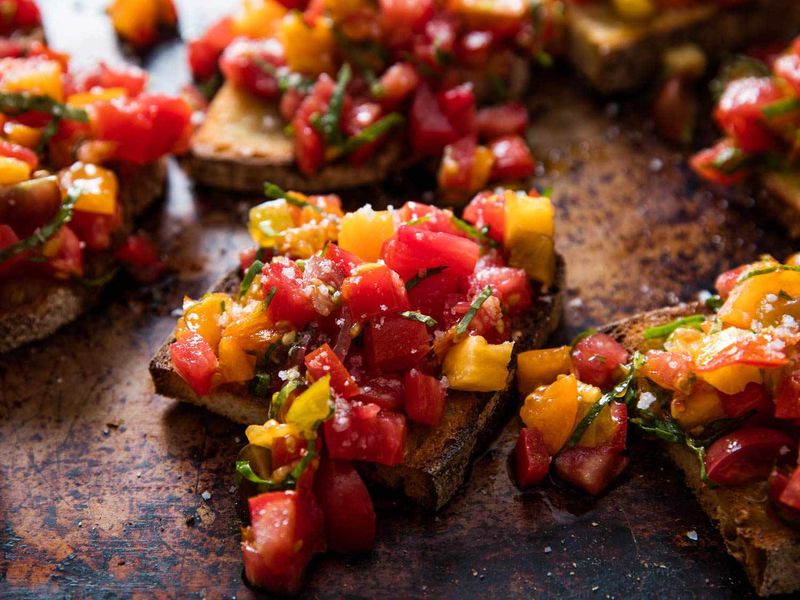
A tomato bruschetta made with a grocery store tomato in February is almost an insult to the dish. Heirloom and garden tomatoes at the height of summer are juicy, acidic, and packed with flavor that supermarket tomatoes grown in off-season greenhouses will never have.
August is peak tomato month in most of North America, and that is when bruschetta becomes something almost magical. The tomatoes need no seasoning beyond salt and basil.
Get the timing right and this simple appetizer outshines far more complicated dishes.
8. Clam Chowder
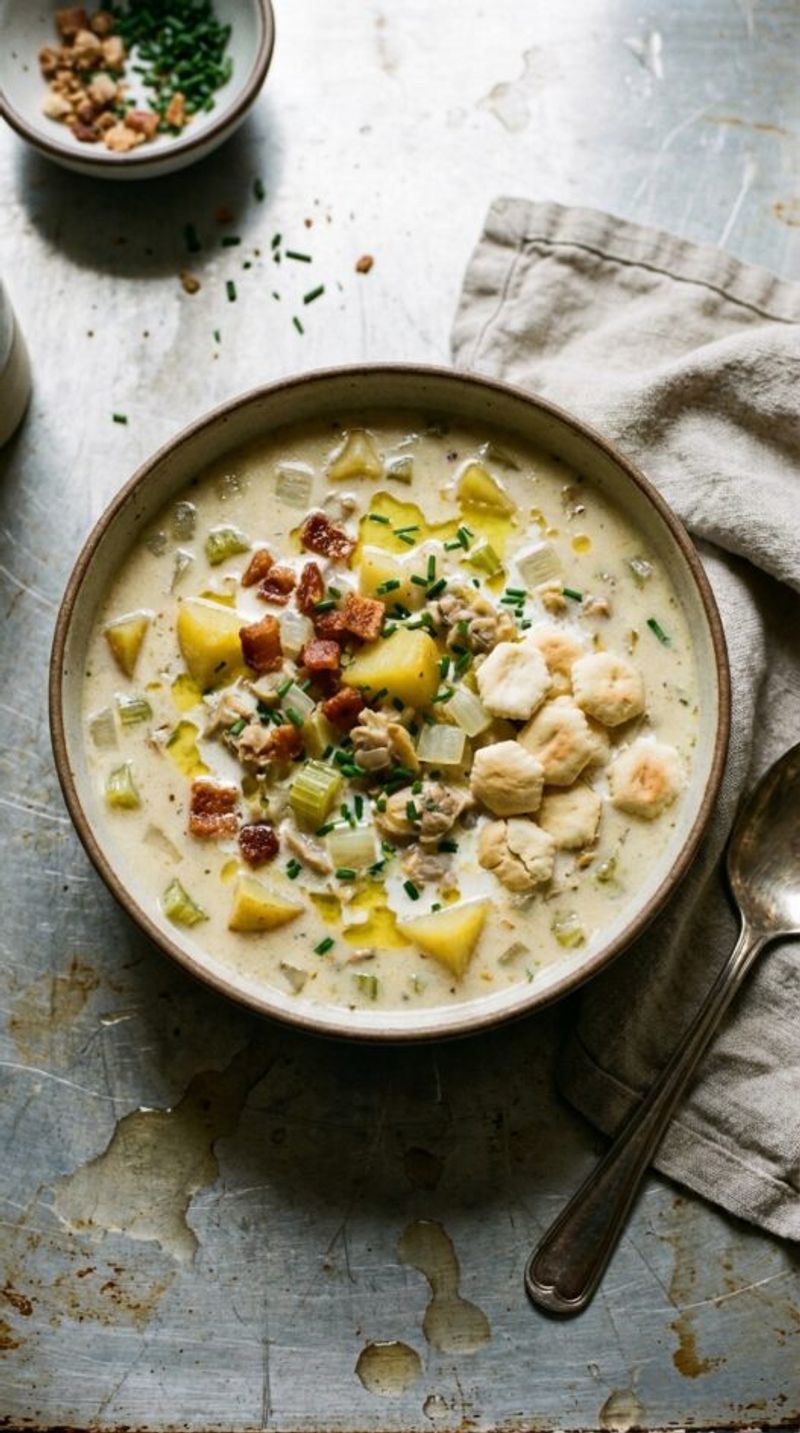
There is a reason New England clam chowder feels so right on a cold, gray October afternoon by the coast. Fresh clams are at their best in the cooler months when water temperatures drop, making them plumper, brinier, and more flavorful.
Eating clam chowder in peak summer heat feels oddly out of sync. The richness of cream and clams calls for cold air and wool sweaters.
Pair it with crusty bread on a crisp fall or winter day and it becomes pure coastal comfort.
9. Peach Cobbler
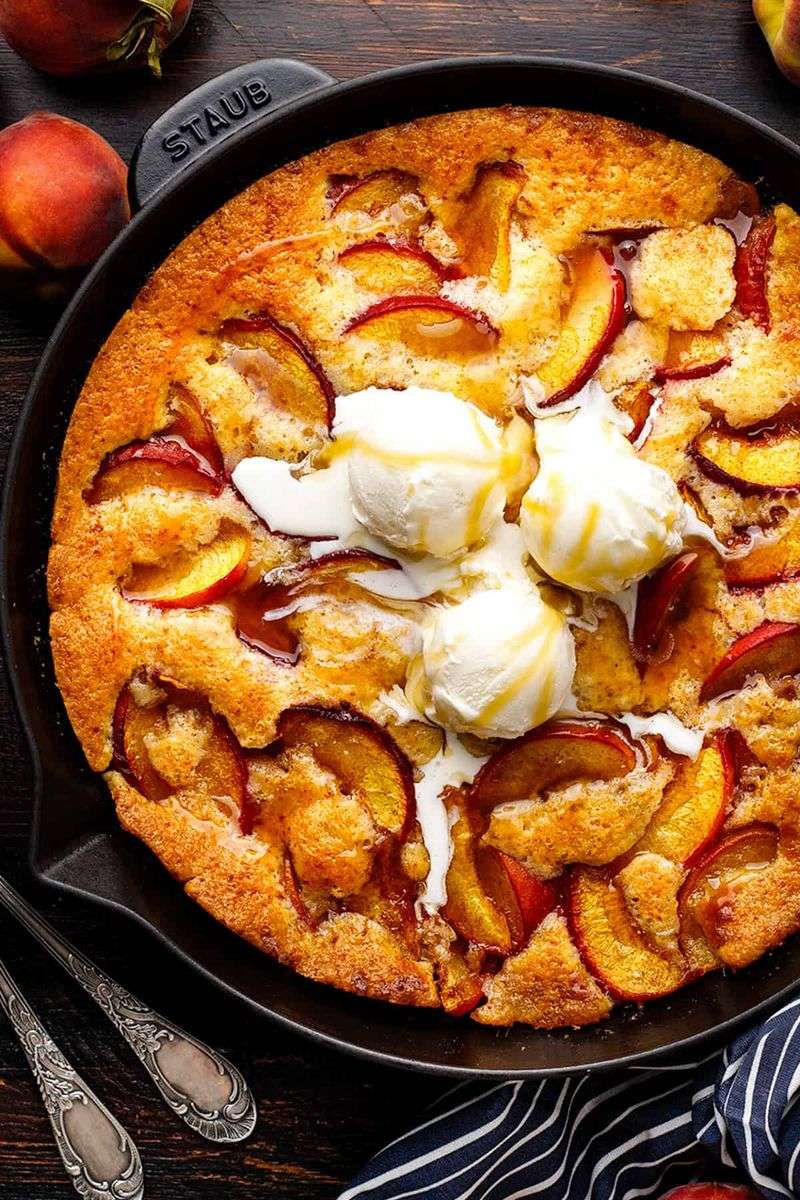
Peach cobbler made with fresh summer peaches is one of those desserts that makes people close their eyes when they take the first bite. Peak peaches from July and August are so sweet and aromatic that they barely need sugar to taste incredible.
Off-season peaches are mealy, pale, and almost flavorless by comparison. The cobbler ends up tasting more like sweetened mush than a celebration of fruit.
Wait for summer stone fruit season and this dish becomes the dessert everyone asks you to bring to every cookout.
10. French Onion Soup
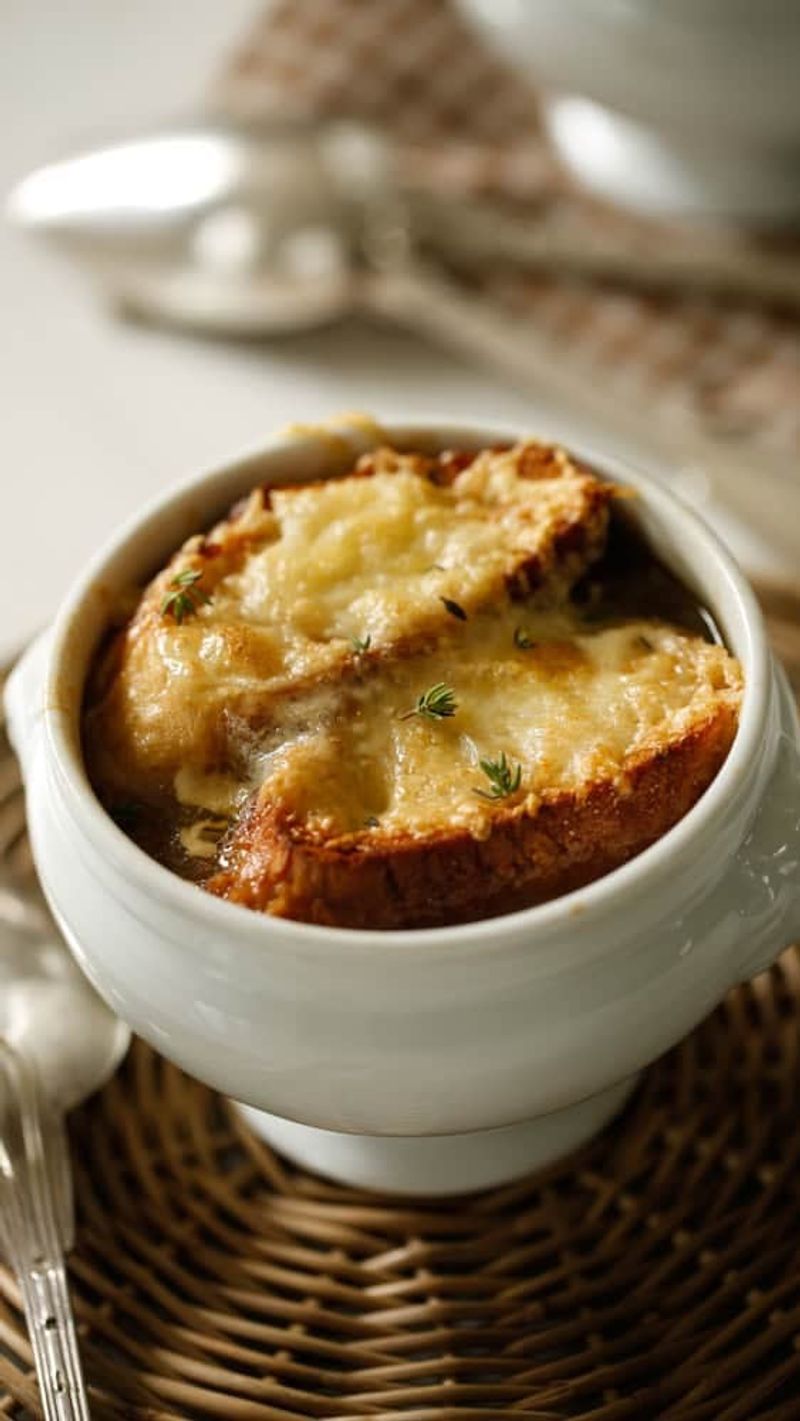
French onion soup is a winter dish through and through. Sweet yellow onions caramelized low and slow, rich beef broth, and bubbling Gruyere cheese combine into something that feels like a warm hug during the coldest months of the year.
Late fall and winter onions have had time to develop their full sweetness, which is essential for the caramelization process. Eating this soup on a cold January night with snow outside the window is the exact right context.
Any other season and it just feels excessive.
11. Rhubarb Crisp
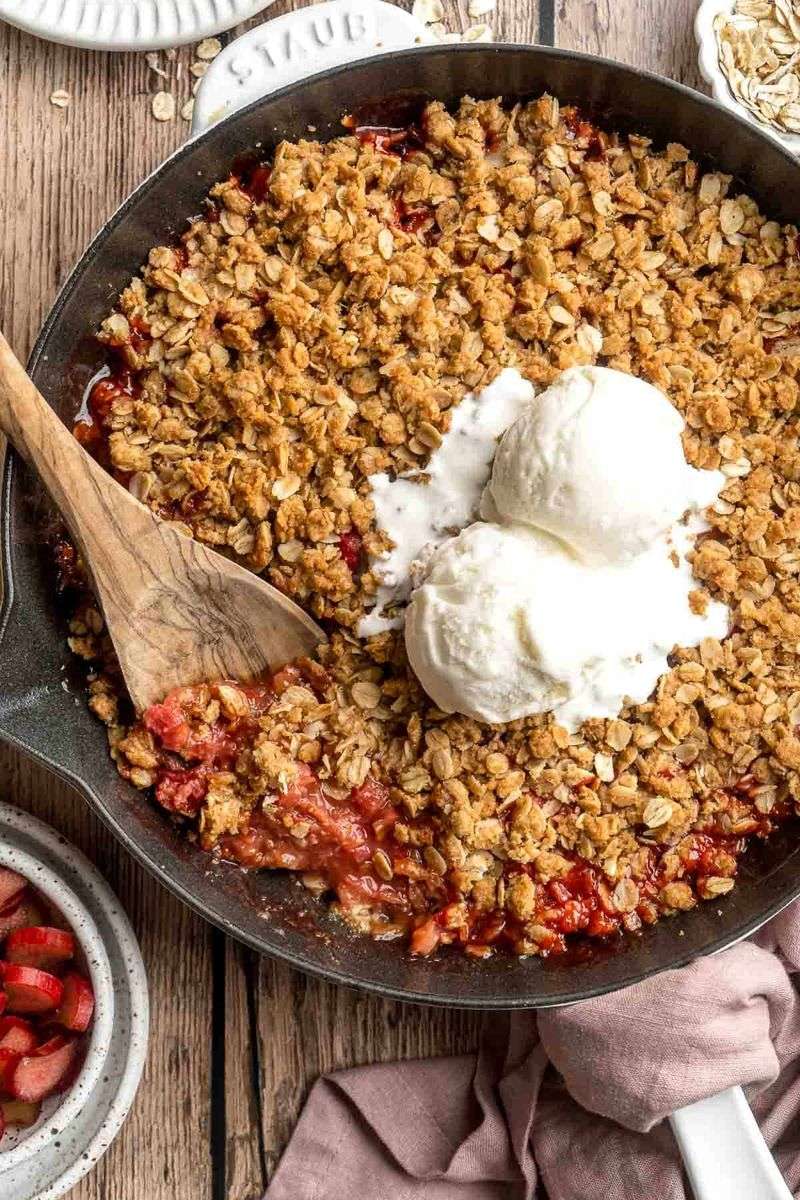
Rhubarb is one of the earliest plants to emerge in spring, and its tart, almost shocking flavor makes it one of the most exciting seasonal ingredients of the year. A rhubarb crisp made in April or May captures that bright, punchy sourness before it fades.
By midsummer, rhubarb stalks become tough and lose their peak flavor. Miss the spring window and you miss the dish entirely.
Paired with a buttery oat topping and a scoop of vanilla ice cream, springtime rhubarb crisp is a genuine seasonal treasure.
12. Lamb Stew with Spring Peas
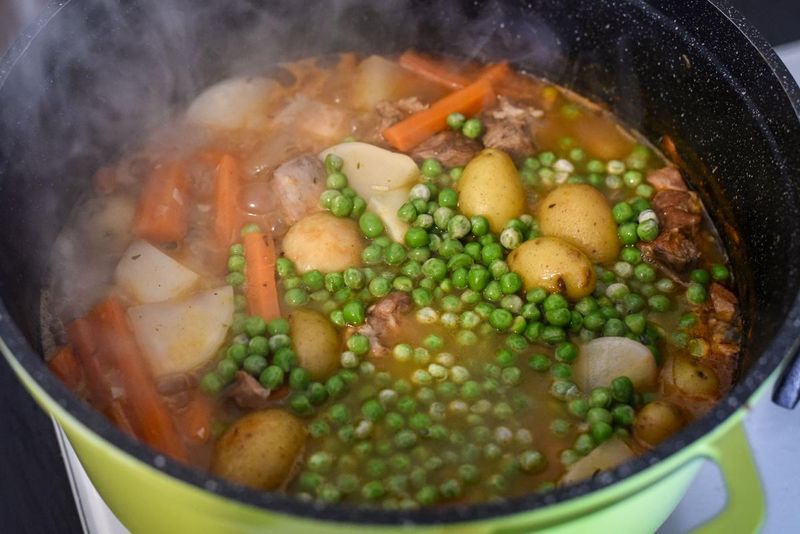
Lamb and spring peas are one of those classic seasonal pairings that make complete sense once you taste them together. Young spring lamb is mild, tender, and delicate, while fresh peas picked in April or May add a sweetness that frozen peas simply cannot replicate.
This stew feels deeply connected to the renewal energy of spring. The combination of earthy lamb and bright green peas is a flavor contrast that only works when both ingredients are at their freshest.
Try it in winter and the magic is mostly gone.
13. Cranberry Sauce
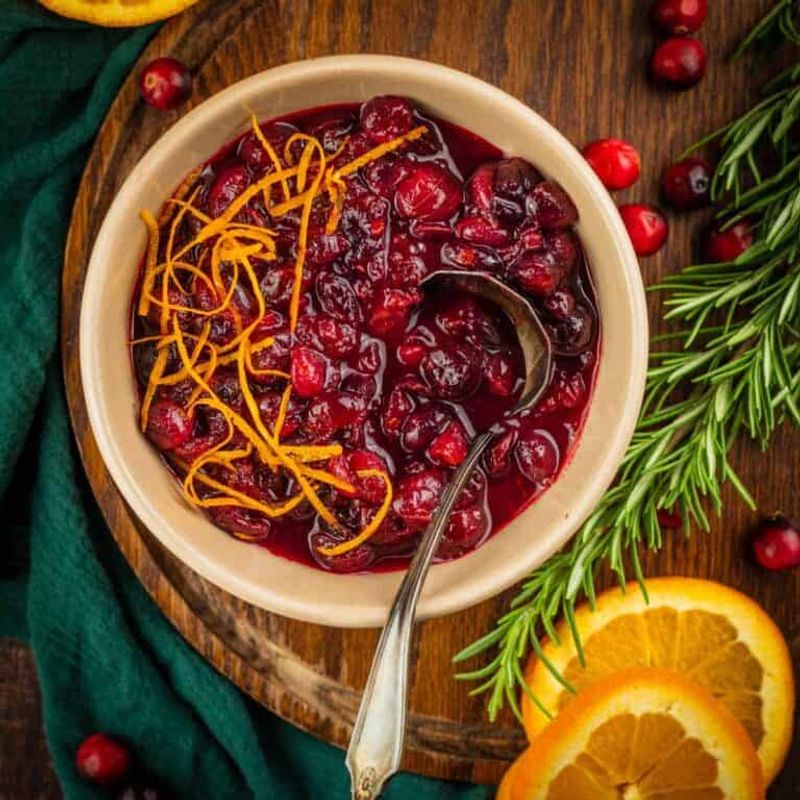
Fresh cranberries appear in stores for only a brief window from October through December, and that is exactly when cranberry sauce should be made. The tartness of fresh cranberries has a brightness and complexity that the canned jellied version cannot touch.
Cranberry sauce made from scratch with fresh fall berries, orange zest, and a little sugar is a completely different food than the canned cylinder most people grew up with. Serve it at Thanksgiving and it transforms from a side dish into a genuine highlight of the meal.
14. Watermelon Gazpacho
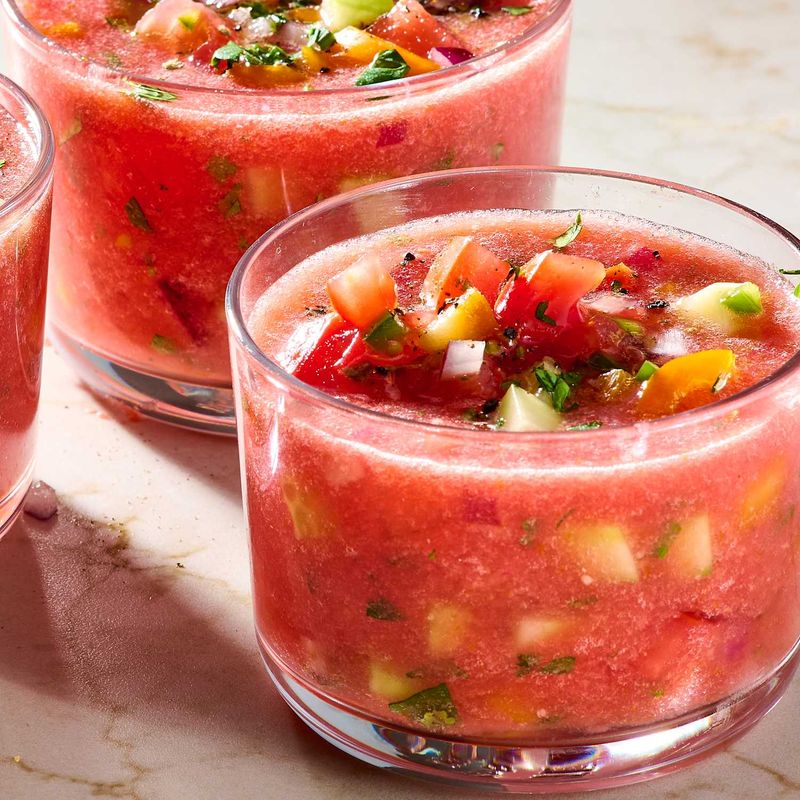
Watermelon gazpacho is one of those dishes that sounds unusual until you try it on a sweltering August afternoon. Ripe, cold watermelon blended with cucumber, lime, and fresh herbs creates a soup that is refreshing in a way that feels almost impossible to describe.
The key is peak-season watermelon, which is sweet enough to carry the whole dish without added sugar. Make this in spring with an early watermelon and the flavor profile collapses.
Summer is the only season where this chilled soup makes complete, glorious sense.
15. Apple Cider Braised Pork
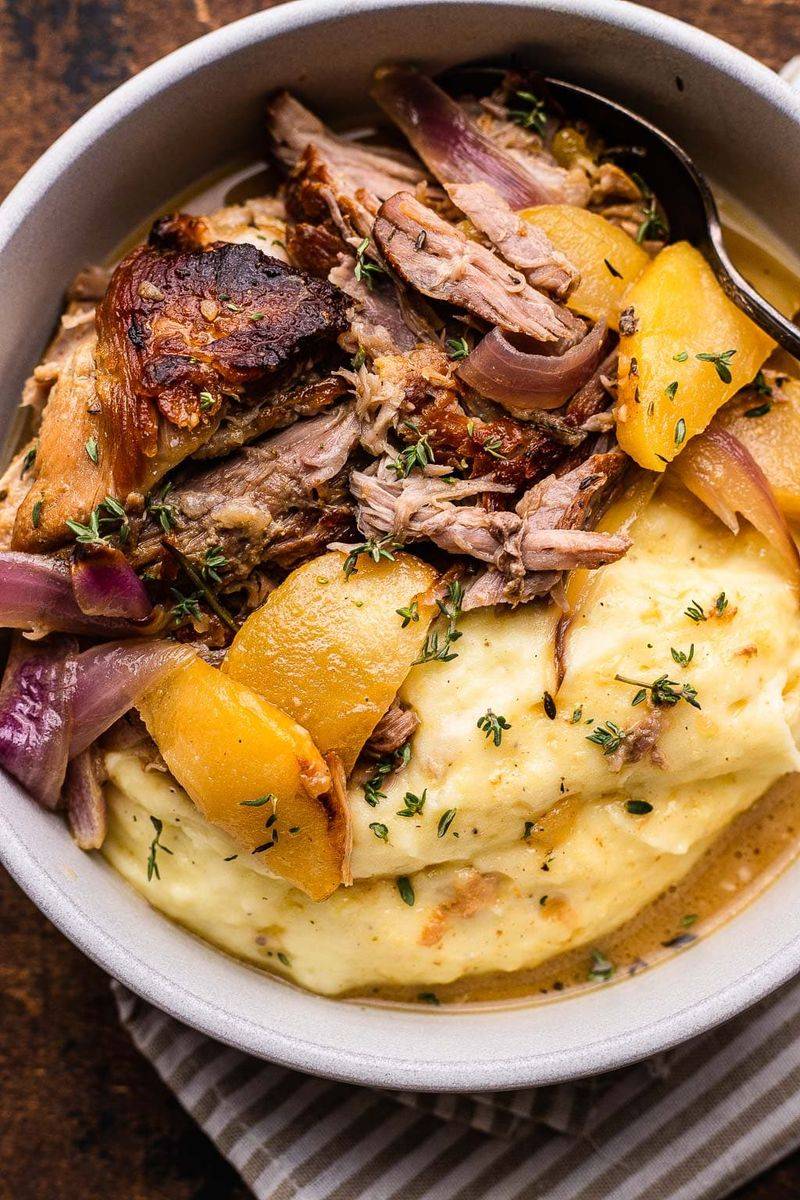
Fresh-pressed apple cider from an autumn orchard is a completely different ingredient than the pasteurized juice sitting on grocery shelves year-round. When you braise pork in real fall cider, the natural sugars caramelize into the meat and create a sweet, tangy depth of flavor that is hard to achieve any other way.
October apple harvest season is the moment this dish reaches its full potential. The combination of tender pork, aromatic thyme, and freshly pressed cider smells like fall itself.
Timing this recipe to apple season is absolutely worth it.
16. Blueberry Pancakes
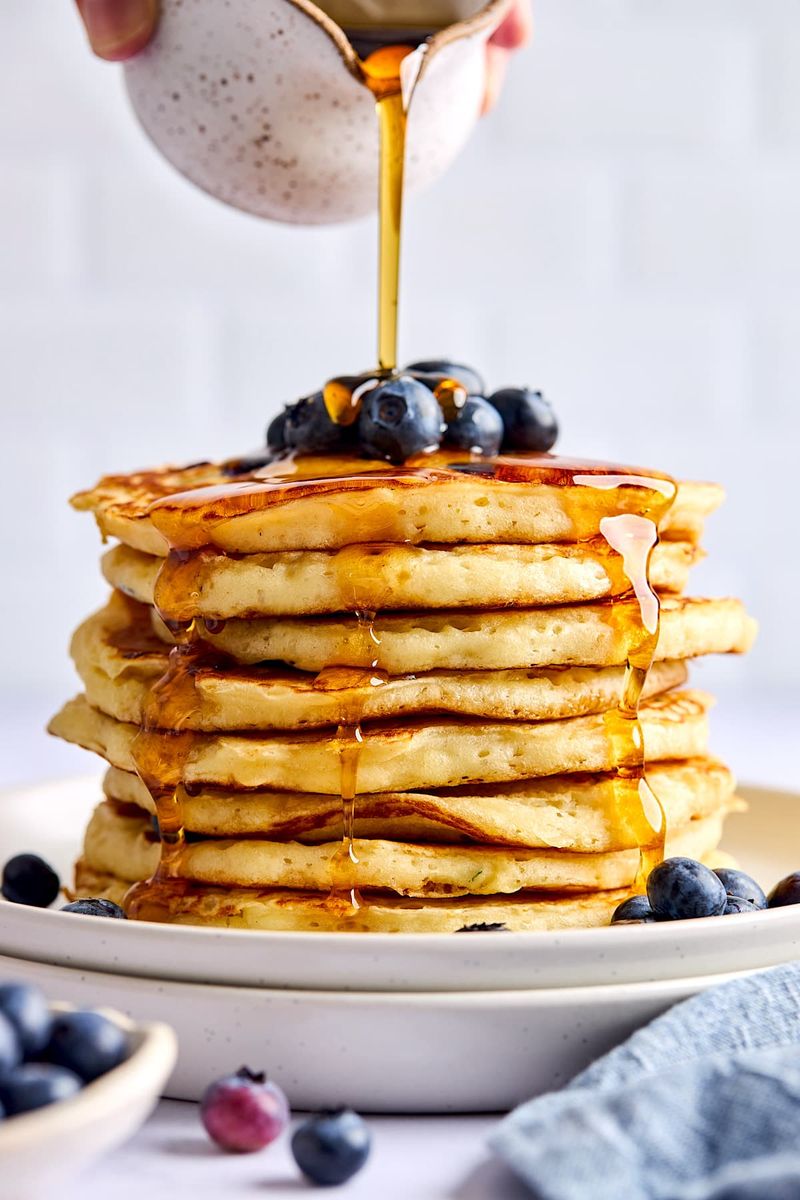
Wild blueberries harvested in July and August have an intensity of flavor that cultivated off-season berries cannot come close to matching. Fresh blueberries folded into pancake batter burst open during cooking and release a jammy, sweet-tart juice that makes every bite memorable.
Frozen blueberries turn the batter purple and taste muted by comparison. When summer blueberry season hits, making a proper stack of blueberry pancakes on a slow weekend morning becomes one of the most satisfying rituals of the year.
The season is short, so make the most of it.
17. Mushroom Risotto with Wild Porcini
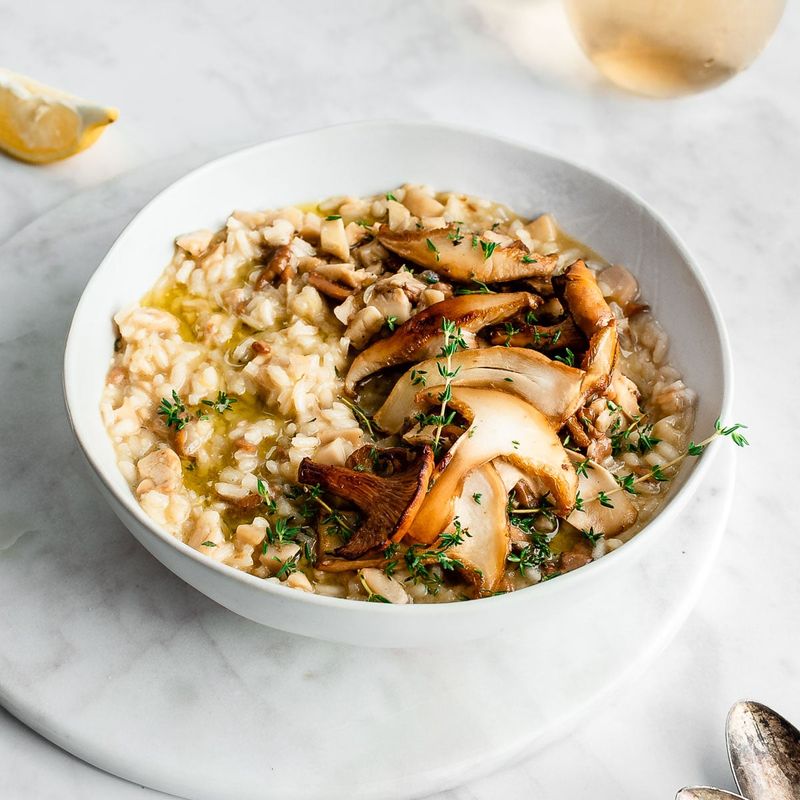
Wild porcini mushrooms have a brief and glorious season in early fall that serious cooks plan their menus around. Fresh porcini have an earthy, almost meaty intensity that dried versions hint at but never fully deliver.
When they appear at farmers markets in September and October, it is time to make risotto.
The combination of creamy arborio rice and freshly foraged porcini is one of autumn cooking's great pleasures. Use dried mushrooms in July and the dish is merely good.
Use fresh fall porcini and it becomes genuinely unforgettable.
18. Mango Sticky Rice
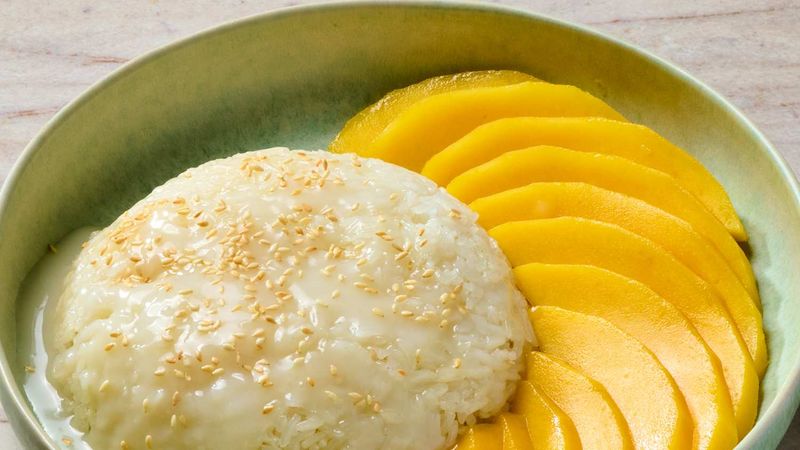
In Thailand, mango sticky rice is a dish that locals eat with almost reverent excitement during the Ataulfo mango season from April through June. The mangoes at peak ripeness are so fragrant and honey-sweet that they transform this humble rice dessert into something extraordinary.
Out of season, the mangoes are fibrous, sour, and dull, and the whole dish loses its soul. Authentic mango sticky rice is genuinely worth waiting for.
When the right mango season arrives, this dessert becomes a reminder of how powerfully timing shapes the flavor of food.

Comments
No Comments