













Salt gets all the credit, but it is not the only ingredient that can make your food taste amazing. Many other ingredients work behind the scenes to add depth, richness, and complexity to your meals.
Whether you are trying to cut back on sodium or just want to level up your cooking, these pantry staples can transform even a simple dish into something truly special.
1. Miso Paste
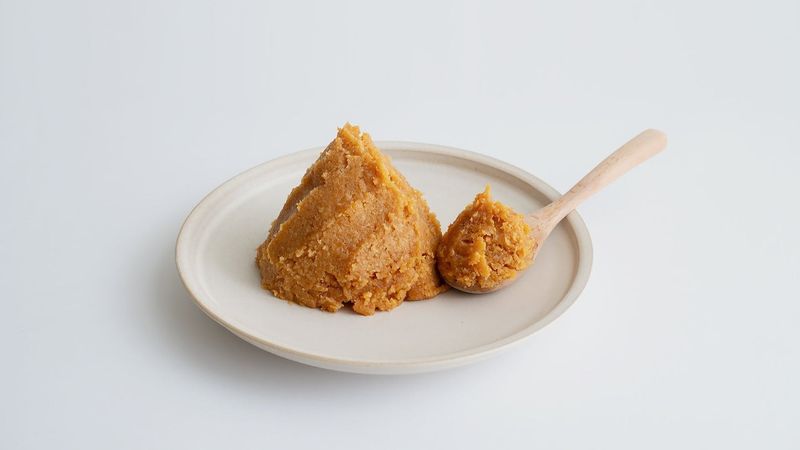
Miso paste is one of those secret weapons that professional chefs swear by. Made from fermented soybeans, it carries a deep, savory flavor called umami that instantly makes soups, sauces, and marinades taste more complex.
Just a small spoonful stirred into a broth or blended into a dressing can completely change the character of a dish. It works especially well in vegetable-based meals that need a little more punch.
2. Nutritional Yeast
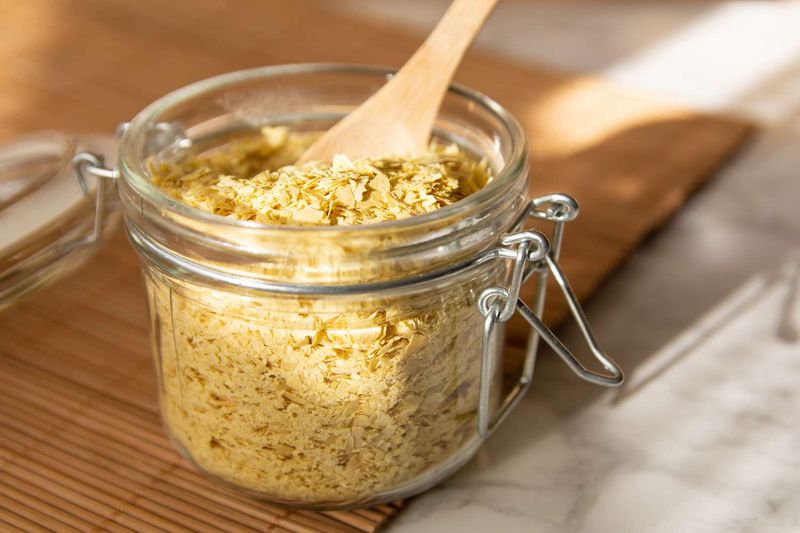
Nutritional yeast sounds like something from a science class, but it tastes like melted cheese. Sprinkled over pasta, popcorn, or roasted vegetables, it adds a nutty, savory richness that feels indulgent without any dairy.
Popular in plant-based cooking, it is packed with B vitamins and protein too. Think of it as a flavor booster and a nutritional bonus rolled into one bright yellow flake.
3. Fish Sauce
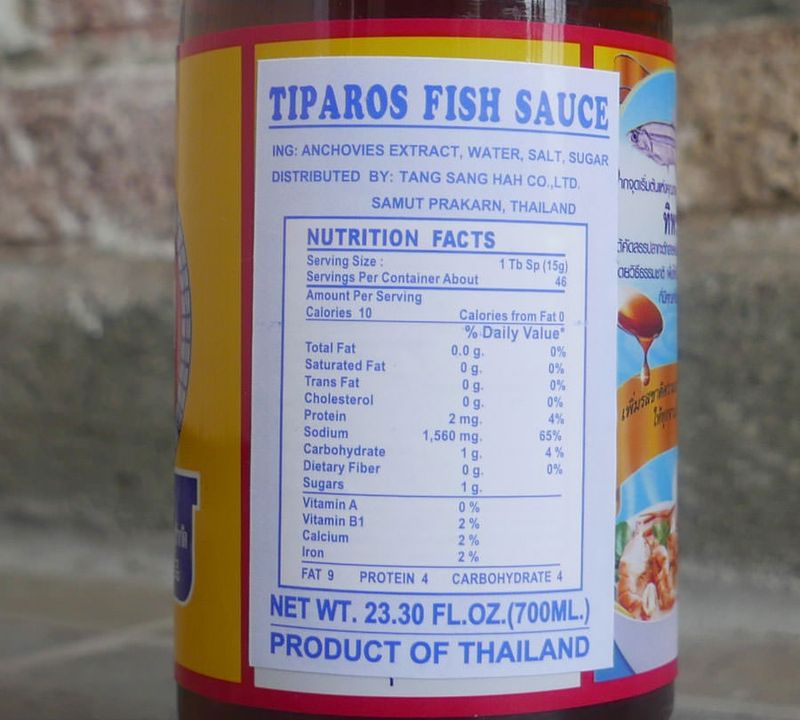
Do not let the smell fool you. Fish sauce is one of the most powerful flavor enhancers in the kitchen, and once it hits the heat of a pan, that pungent aroma mellows into pure savory magic.
Used in Thai, Vietnamese, and Filipino cooking for centuries, just a few drops can deepen the flavor of stir-fries, noodles, and soups dramatically. A little goes a very long way here.
4. Worcestershire Sauce
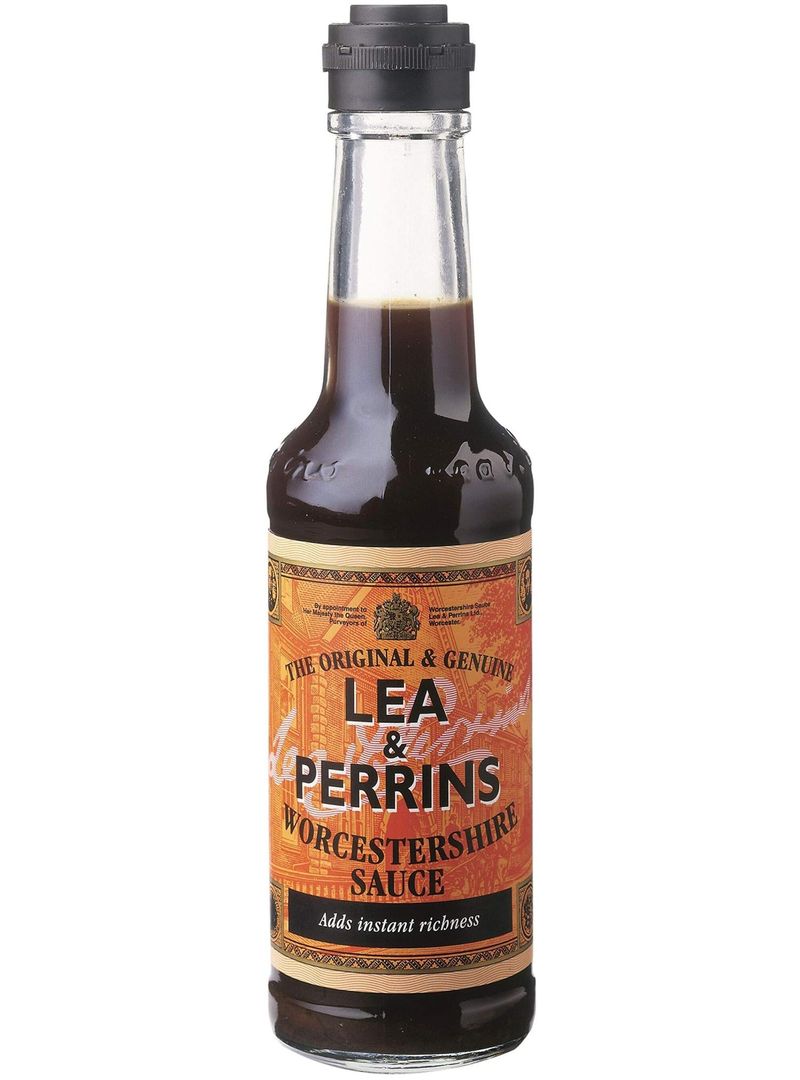
Worcestershire sauce has a backstory as complex as its flavor. Originally created in England in the 1830s, it is made from fermented anchovies, tamarind, vinegar, and spices, creating a tangy, savory depth that is hard to pin down.
Add it to burgers, stews, or salad dressings and you will notice a mysterious richness that makes people ask what your secret ingredient is. It is the kind of flavor that hides in plain sight.
5. Tomato Paste
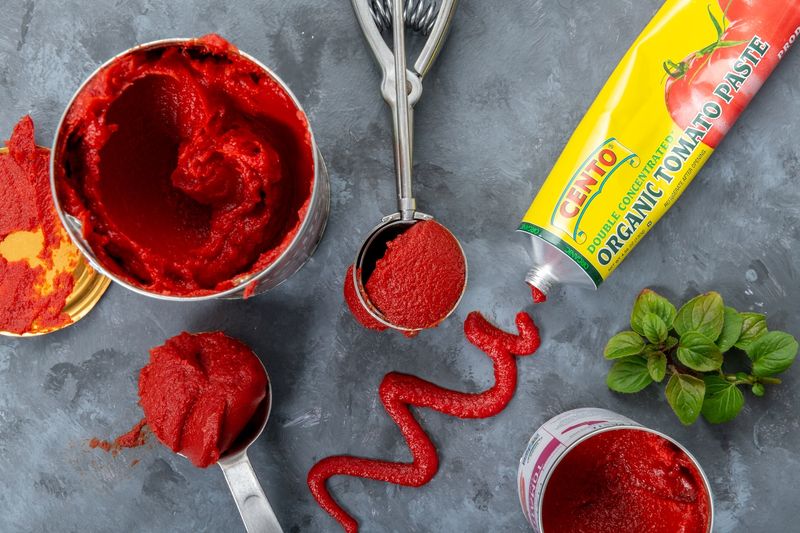
Tomato paste is concentrated sunshine in a can. When you cook it in a hot pan for just a minute or two before adding other ingredients, it caramelizes and develops a deep, sweet, almost meaty flavor that elevates the whole dish.
It is the secret behind rich pasta sauces, hearty chili, and comforting stews. Even recipes that do not taste tomato-y at all often include a small spoonful hiding in the background.
6. Soy Sauce
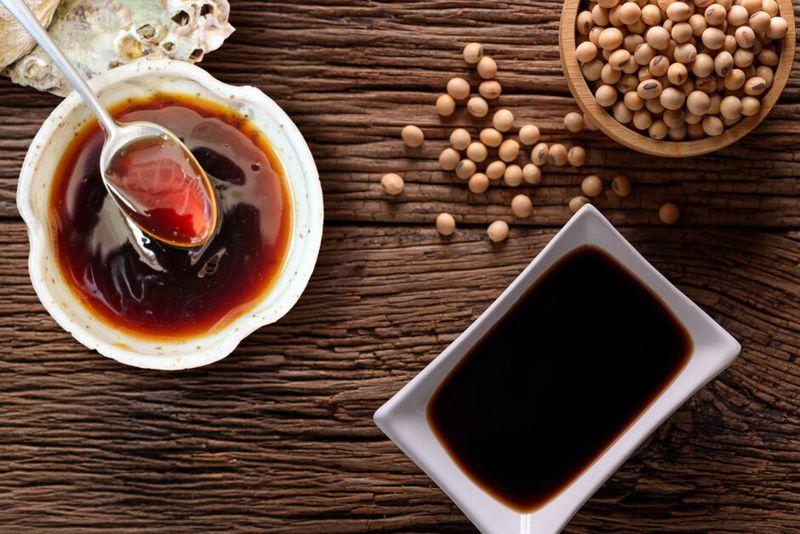
Soy sauce is probably already sitting in your fridge, but you might not be using it to its full potential. Beyond dipping sushi, it can be splashed into scrambled eggs, drizzled over roasted vegetables, or stirred into caramel for a salty-sweet treat.
Its fermented base gives it that same umami punch as miso and fish sauce. Low-sodium versions offer all the flavor with less of the sodium concern for health-conscious cooks.
7. Dried Mushrooms
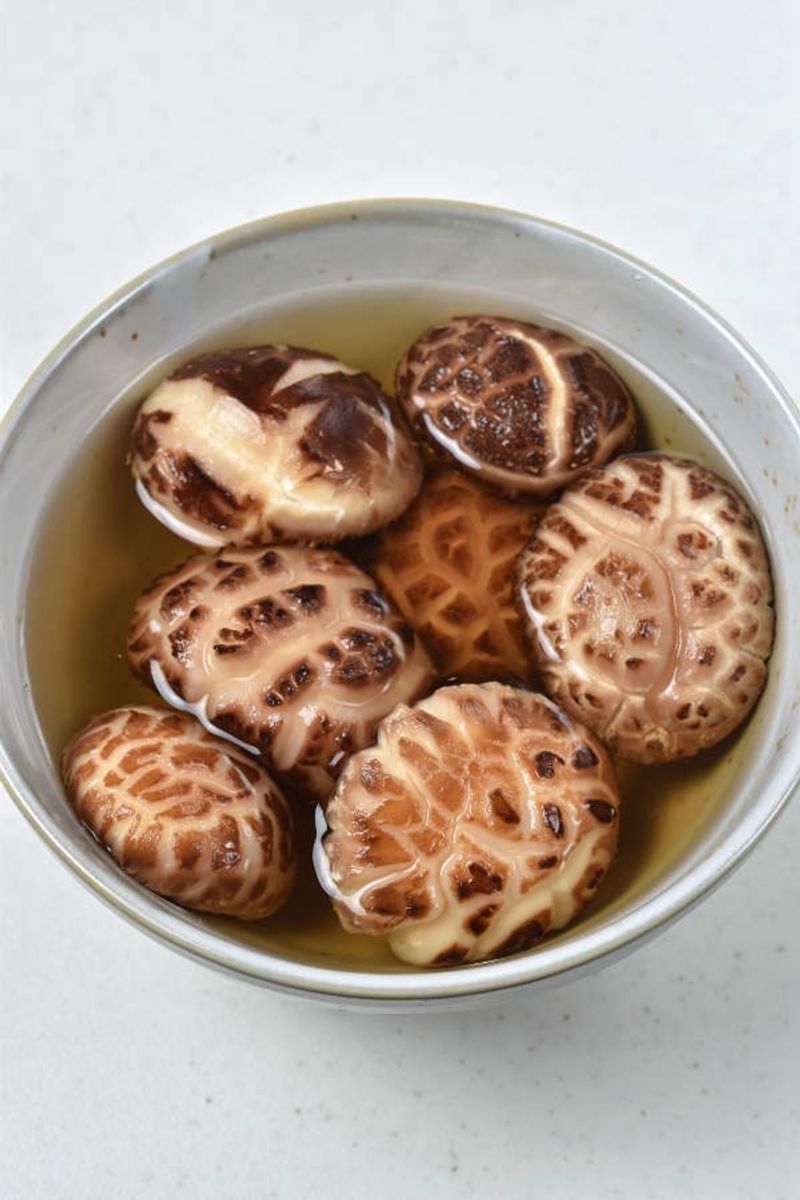
Dried mushrooms are basically flavor bombs in disguise. When rehydrated, they release a deeply earthy, savory liquid that is almost too good to pour down the drain.
Many experienced cooks use that soaking liquid as a broth base.
Ground into powder, dried mushrooms become an invisible flavor booster you can stir into anything from pasta to burger patties. Porcini and shiitake are especially prized for their intense, woodsy richness.
8. Anchovy Paste
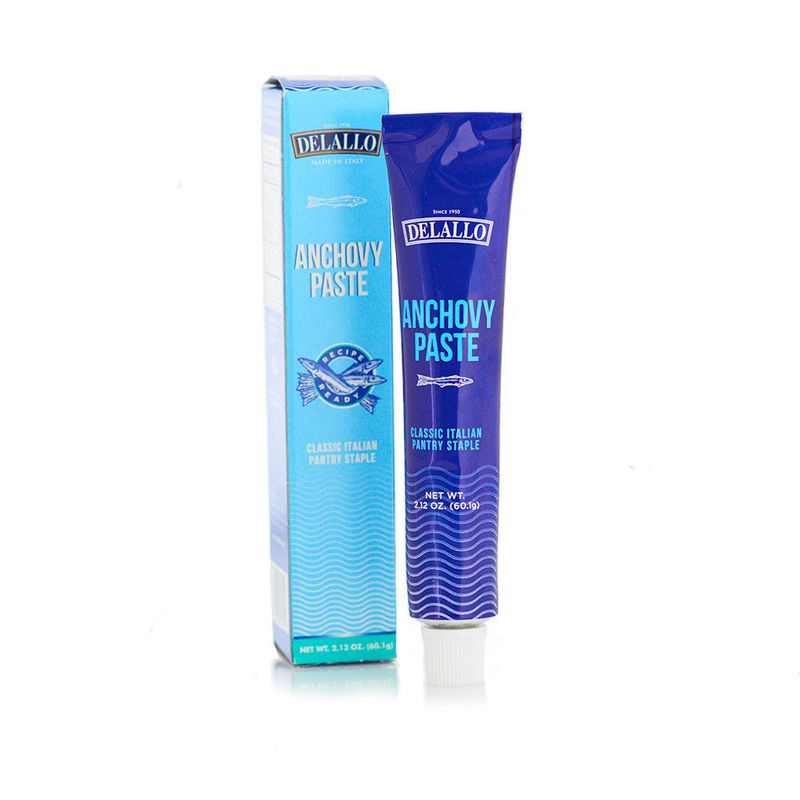
Anchovies have a reputation that is bigger than their actual flavor contribution. When cooked down into a sauce or stirred into olive oil, they completely dissolve and leave behind nothing but a rich, savory depth that most people cannot identify.
Caesar salad dressing owes its iconic flavor largely to anchovy paste. A tiny squeeze into a tomato sauce or a braise can make the whole dish taste like it simmered for hours longer than it did.
9. Butter
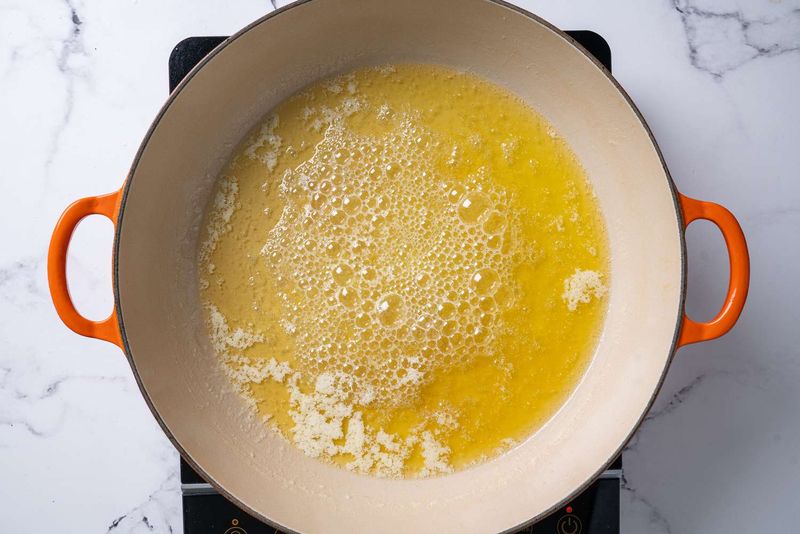
Butter has been making food taste better for thousands of years, and for very good reason. The fat in butter coats your taste buds and carries flavor compounds from other ingredients, making everything around it taste more vibrant and full.
Finishing a sauce or soup with a small knob of cold butter right before serving is a classic restaurant trick. It creates a silky, glossy texture and rounds out sharp or acidic flavors beautifully.
10. Parmesan Rind
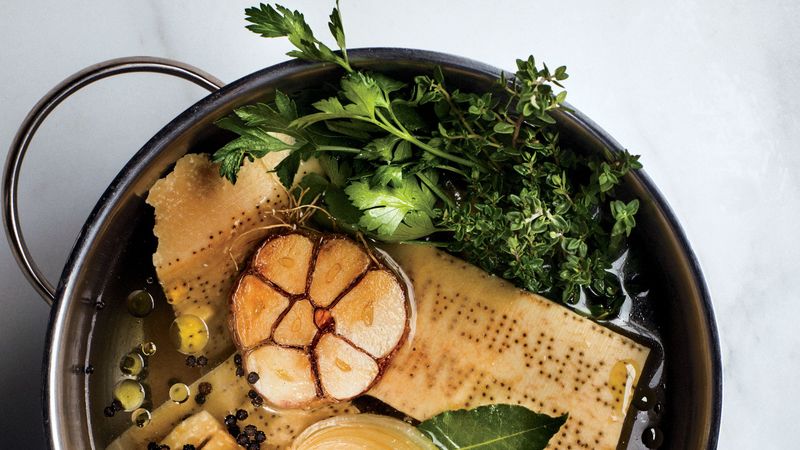
Before you throw that Parmesan rind in the trash, stop. Simmering it in soups, stews, or braises is one of the oldest tricks in Italian cooking, and it works like a charm.
The rind slowly releases proteins and fat into the liquid, adding a nutty, cheesy richness that no other ingredient quite replicates. Keep a small bag of rinds in your freezer and reach for one whenever a soup or sauce feels like it is missing something.
11. Apple Cider Vinegar
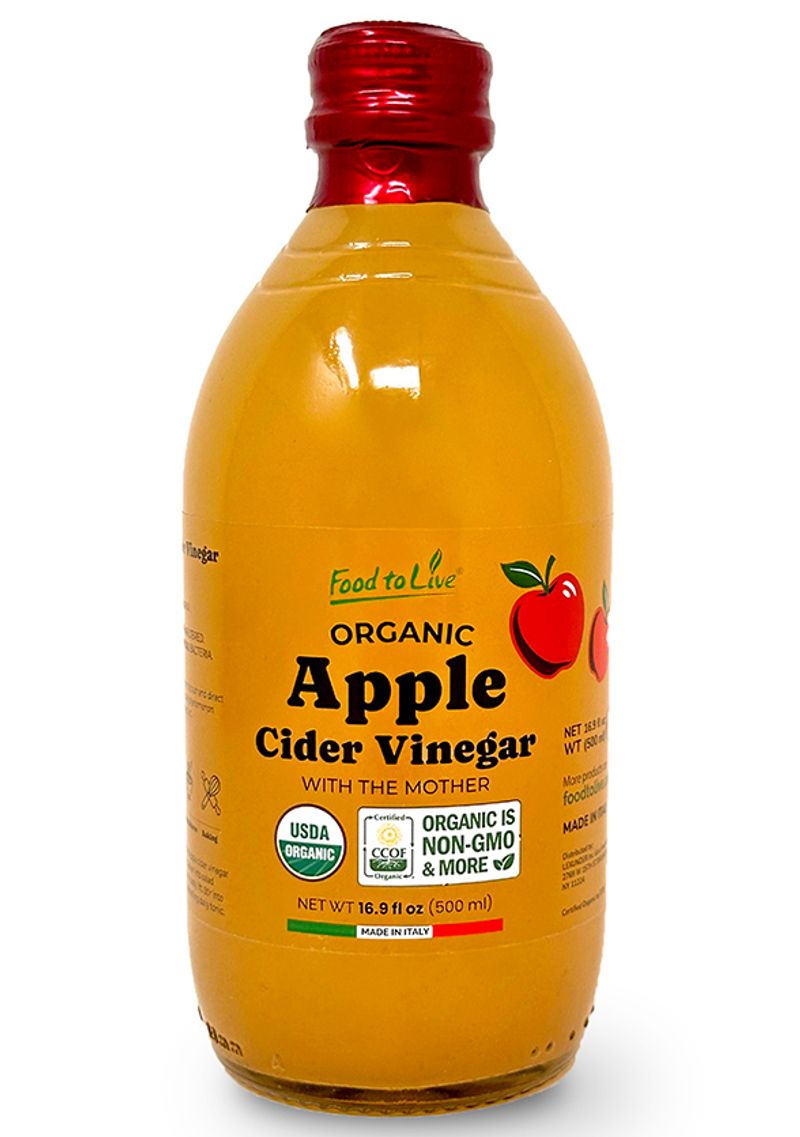
Acid is flavor. A small splash of apple cider vinegar at the end of cooking can wake up a dish that tastes flat or one-dimensional.
It brightens everything around it without making the food taste sour.
Think of it like a volume knob for your other ingredients. Braised meats, bean dishes, and even chocolate cake benefit from a tiny amount of this tangy liquid.
It has a gentler, fruitier edge compared to white vinegar.
12. Smoked Paprika
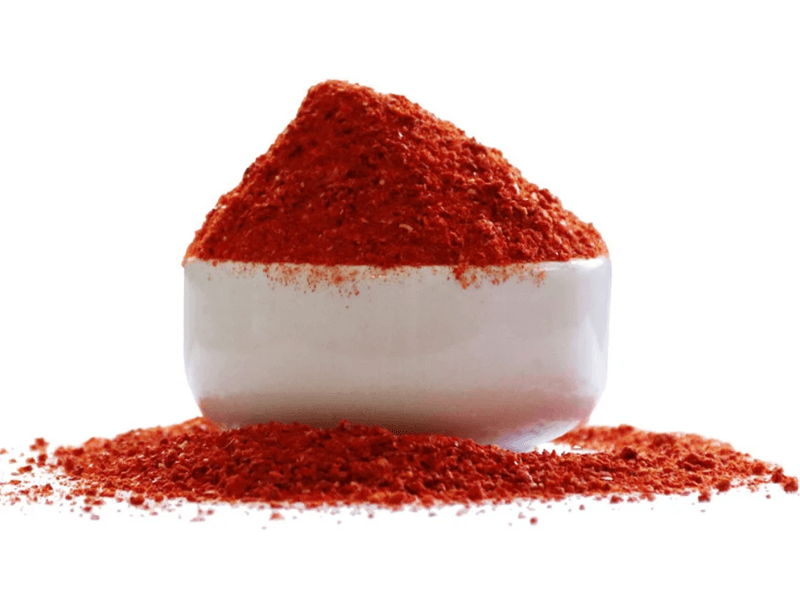
Regular paprika is nice, but smoked paprika is on a completely different level. Made from peppers that are slowly dried over wood fires, it carries a rich, campfire-like flavor that makes dishes taste like they have been cooking outdoors all day.
Stir it into hummus, rub it on chicken, or sprinkle it over deviled eggs for an instant upgrade. The color it adds is gorgeous too, a deep, burnished red that makes food look as good as it tastes.
13. Tahini
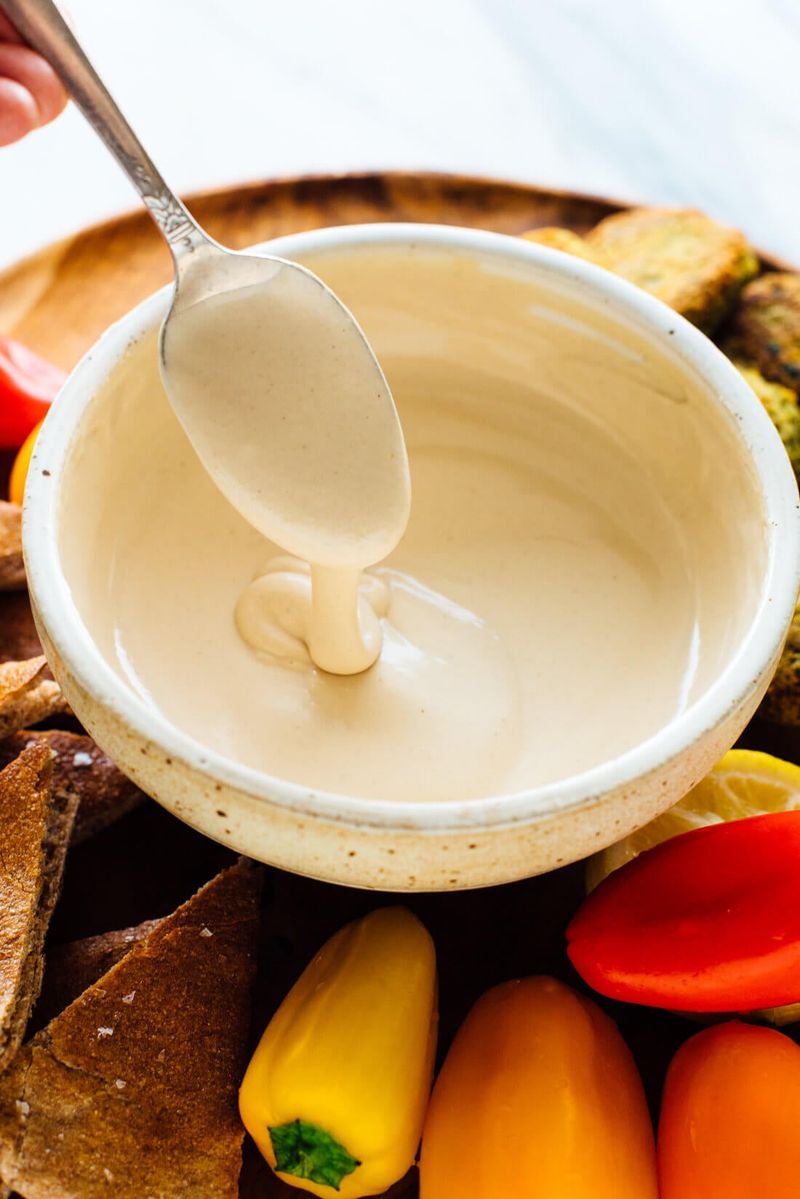
Tahini is simply ground sesame seeds, but its flavor is anything but simple. Nutty, slightly bitter, and wonderfully creamy, it adds a richness to sauces, dressings, and dips that feels luxurious without being heavy.
Beyond hummus, tahini is incredible drizzled over roasted cauliflower, stirred into noodle dishes, or blended into chocolate chip cookies for a toasty depth. Once you start cooking with it regularly, it becomes very hard to stop.
14. Caramelized Onions
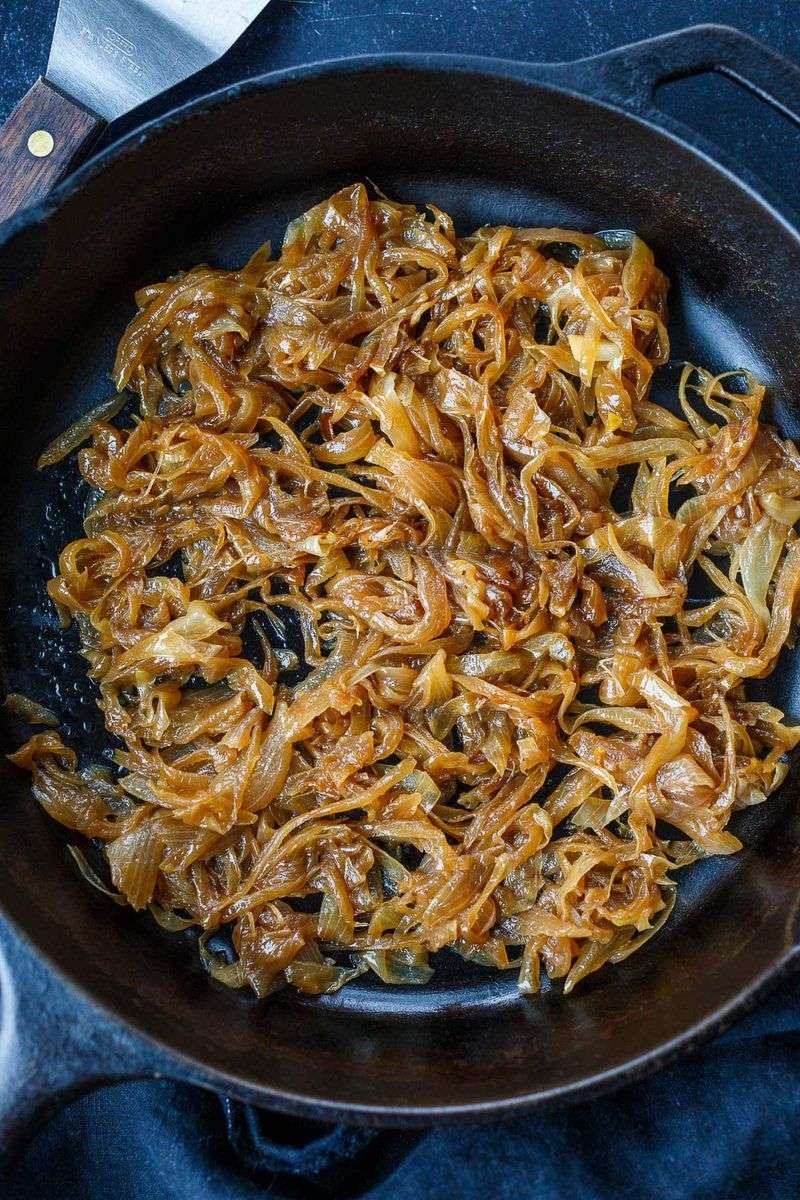
Patience transforms onions from sharp and pungent to golden, sweet, and deeply savory. When you cook onions slowly over low heat for 30 to 45 minutes, their natural sugars caramelize and concentrate into something almost jam-like.
Spread them on a sandwich, pile them on a burger, or stir them into a creamy dip and the result is instant richness. They are proof that simple ingredients, given enough time and heat, can become extraordinary.
15. Coconut Milk
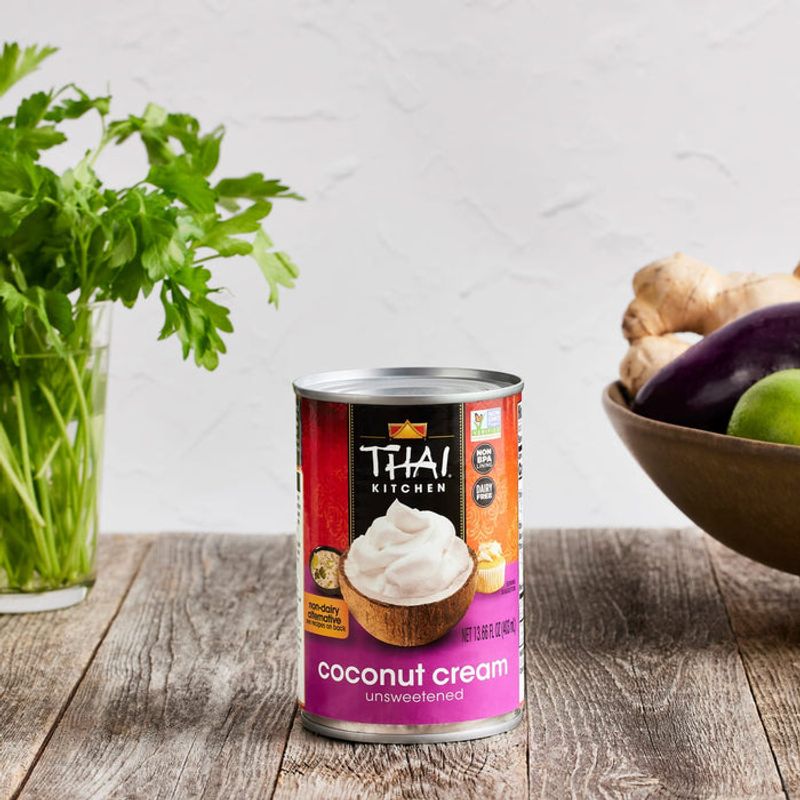
Full-fat coconut milk brings a velvety, subtly sweet creaminess to dishes that dairy sometimes cannot match. It softens bold spices in curries, enriches soups, and creates dreamy sauces that cling beautifully to noodles or rice.
Even savory dishes that do not taste coconutty at all often rely on coconut milk for body and richness. Try it in a lentil soup or a braised chicken dish and notice how the whole texture shifts into something more satisfying.
16. Dijon Mustard
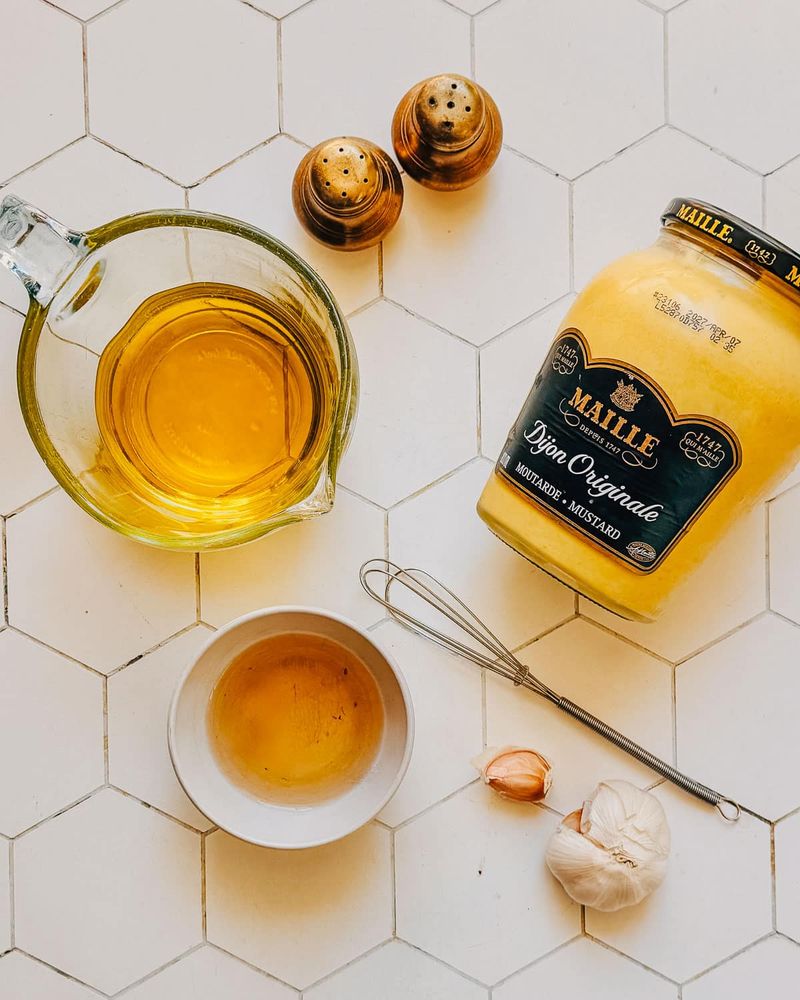
Dijon mustard does something quietly brilliant in cooking. Stirred into a vinaigrette or whisked into a cream sauce, it acts as an emulsifier, holding everything together while adding a sharp, complex tang that elevates the whole dish.
It is not just for sandwiches. A spoonful blended into a pan sauce after searing chicken or pork creates a restaurant-quality result with very little effort.
French cooks have known this trick for centuries, and now you do too.
17. Lemon Zest
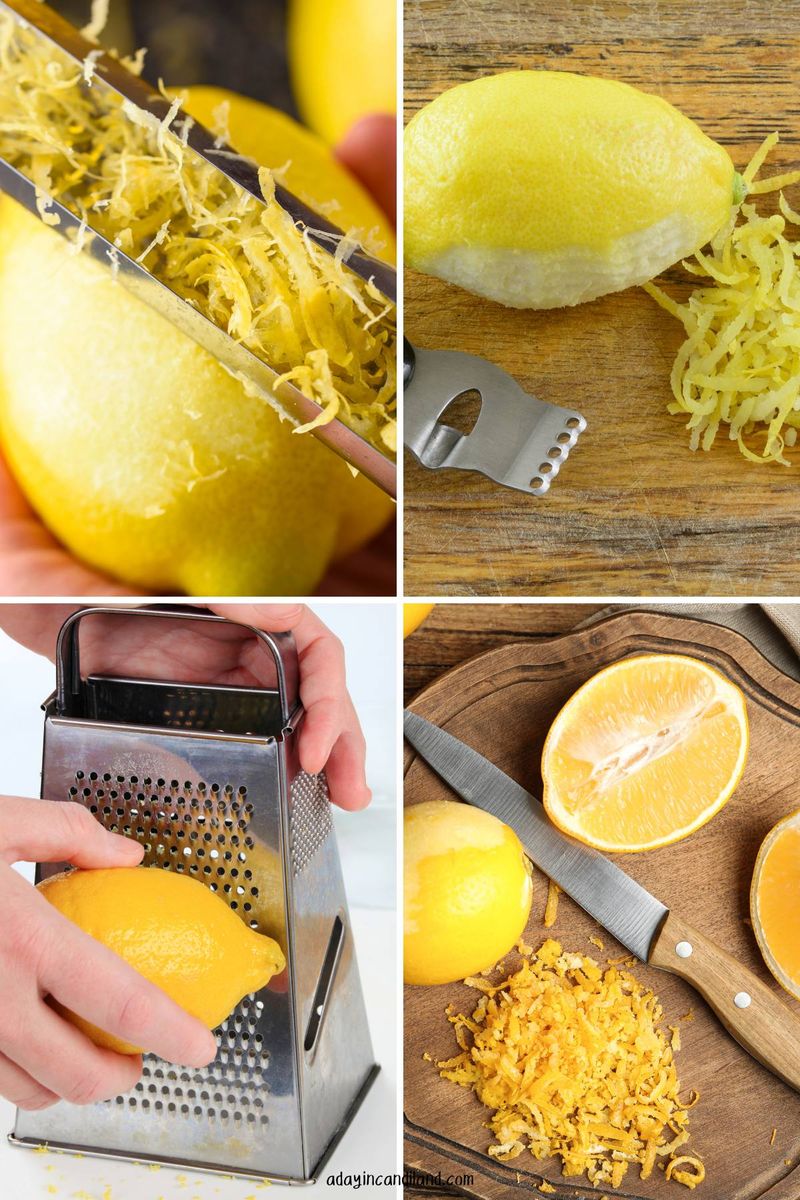
The juice gets all the attention, but lemon zest is where the real magic lives. The oils in lemon peel are intensely aromatic and bright, adding a floral, citrusy punch that lifts the flavor of everything from pasta to baked goods.
Grate a little over finished risotto, roasted fish, or even a bowl of soup and watch the whole dish come alive. Unlike juice, zest adds fragrance and complexity without adding extra acidity or liquid to your recipe.
18. Toasted Sesame Oil
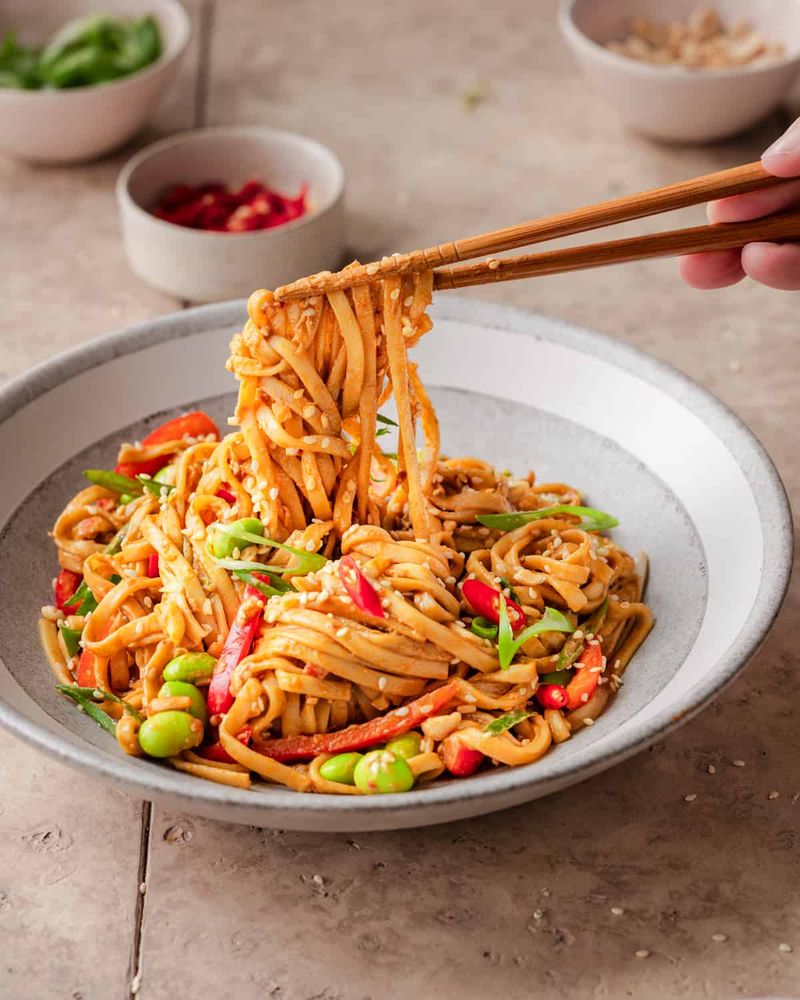
A single teaspoon of toasted sesame oil can do more for a dish than a whole tablespoon of regular oil. Its deep, nutty, almost smoky aroma is incredibly concentrated, which means a little drizzle goes a very long way.
Always add it at the end of cooking rather than using it for frying, because high heat destroys its delicate flavor. Use it to finish stir-fries, noodle bowls, or cucumber salads for an instant hit of rich, toasty depth.




Comments
No Comments