













Keeping your blood pressure in a healthy range is one of the best things you can do for your heart and overall wellbeing. What you eat plays a big role, and colourful vegetables are packed with nutrients that may naturally support healthy levels.
From deep purple beets to bright orange carrots, nature has loaded these foods with potassium, magnesium, and antioxidants. Adding more of these vibrant veggies to your plate could be a simple and delicious step toward better health.
1. Beetroot
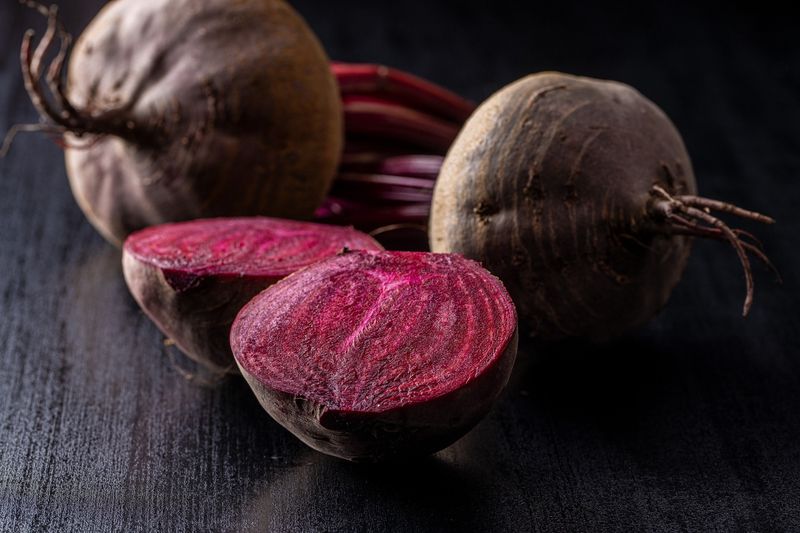
Beetroot has a secret weapon: natural nitrates. When you eat them, your body converts these nitrates into nitric oxide, which helps relax and widen blood vessels.
That widening effect can lead to lower blood pressure readings over time.
Studies have shown that drinking beetroot juice may produce noticeable results within just a few hours. Try roasting beets or adding them to salads for an easy, tasty boost to your heart-health routine.
2. Spinach
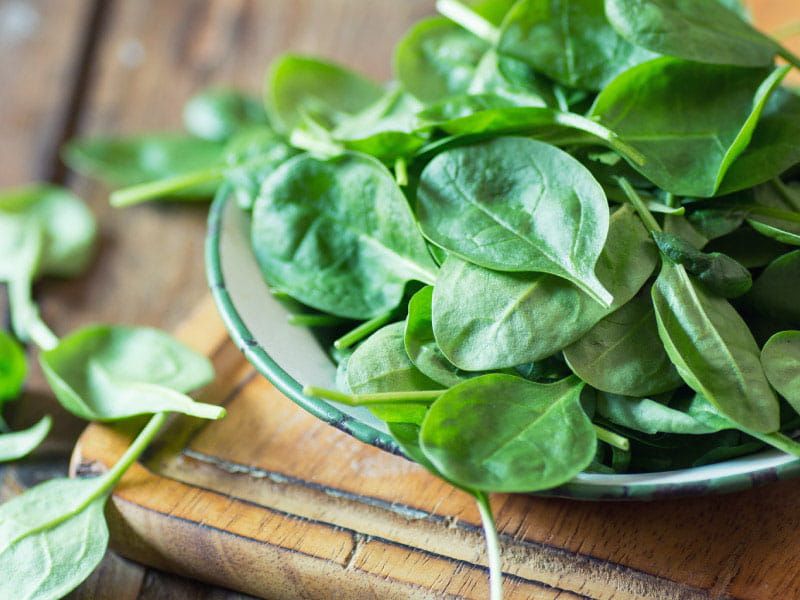
Popeye was onto something. Spinach is loaded with potassium, magnesium, and folate, three nutrients strongly linked to healthy blood pressure management.
Potassium helps your kidneys flush out excess sodium, which is a major contributor to high blood pressure.
Raw spinach in a smoothie or lightly sauteed with garlic are both great options. Even a couple of handfuls a day can make a meaningful difference when eaten regularly as part of a balanced diet.
3. Swiss Chard
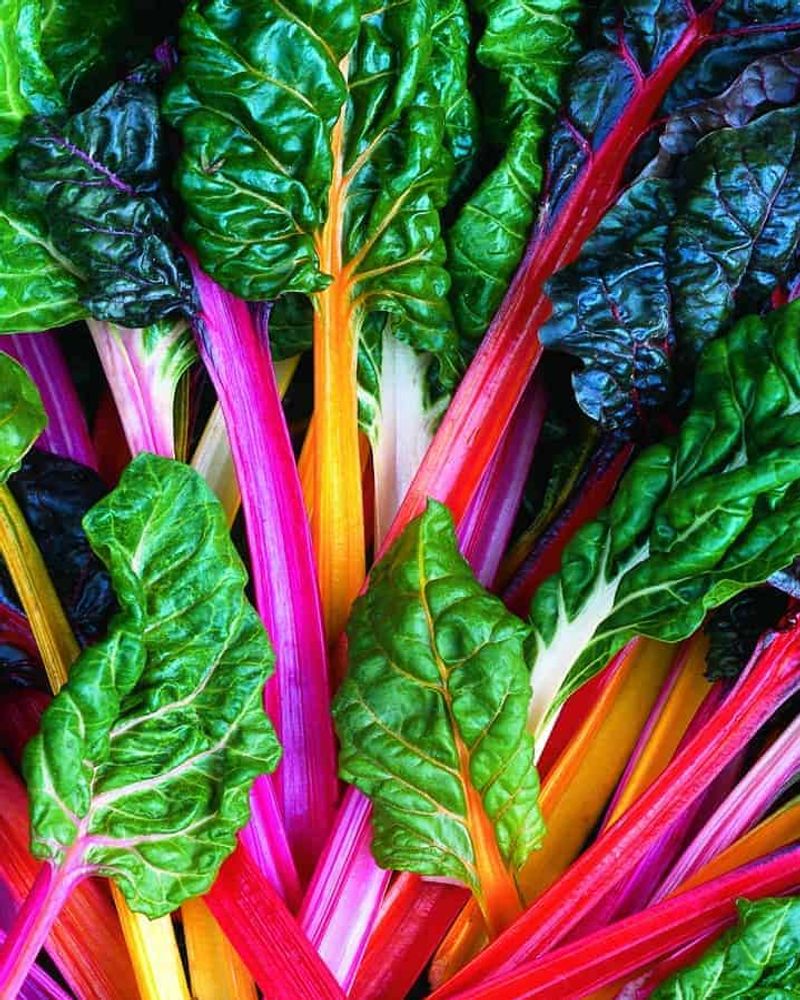
Swiss chard looks almost too pretty to eat, with its rainbow-coloured stems and deep green leaves. Beneath that beauty lies an impressive nutritional profile rich in potassium and magnesium, both of which play a key role in keeping blood vessels relaxed and functioning well.
One cooked cup of Swiss chard delivers a significant portion of your daily potassium needs. Toss it into soups, stir-fries, or pasta dishes for a colourful and heart-friendly meal upgrade.
4. Carrots
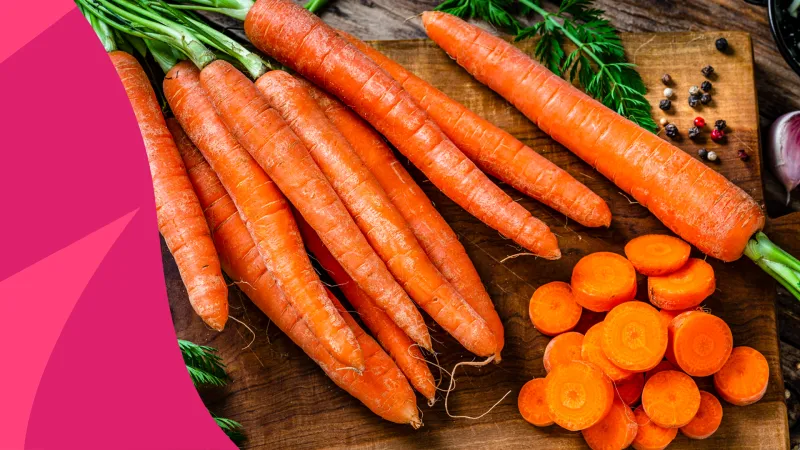
Crunchy, sweet, and satisfying, carrots are a classic snack that also happens to support cardiovascular health. They contain potassium and beta-carotene, an antioxidant that may help reduce inflammation linked to high blood pressure over time.
Research suggests that people who eat more carotenoid-rich vegetables tend to have better heart health outcomes. Raw carrots make a perfect grab-and-go snack, or you can roast them with olive oil and herbs for a warming side dish any night of the week.
5. Broccoli
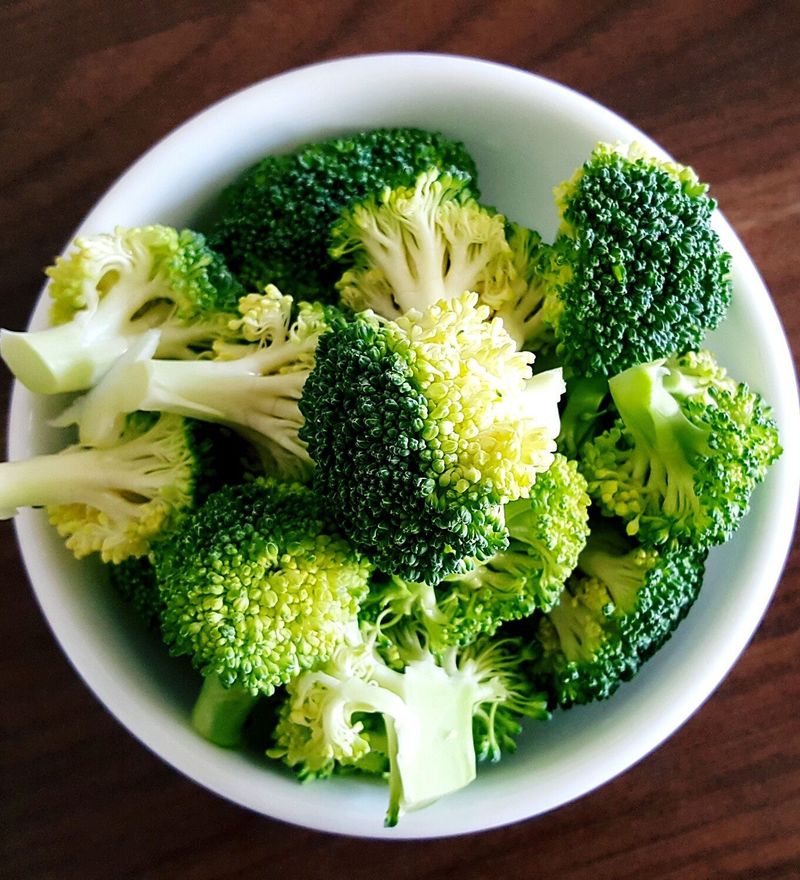
Broccoli is basically a nutritional powerhouse hiding in plain sight. It contains sulforaphane, a compound that research suggests may support the health of blood vessel walls.
It also provides potassium, calcium, and magnesium, all tied to healthy blood pressure regulation.
Steaming broccoli preserves more of its nutrients compared to boiling. Serve it alongside lean proteins or toss it into a stir-fry with garlic and sesame oil for a flavourful dish your heart will genuinely thank you for eating.
6. Red Bell Pepper

Few vegetables match the cheerful colour and sweet crunch of a red bell pepper. Beyond their flavour, they are rich in vitamin C and potassium, two nutrients that support blood vessel health and help regulate fluid balance in the body.
Vitamin C also acts as an antioxidant, protecting blood vessel walls from damage caused by free radicals. Slice them raw for dipping, roast them for a smoky sweetness, or stuff them with grains and lean proteins for a complete, heart-friendly meal.
7. Purple Cabbage
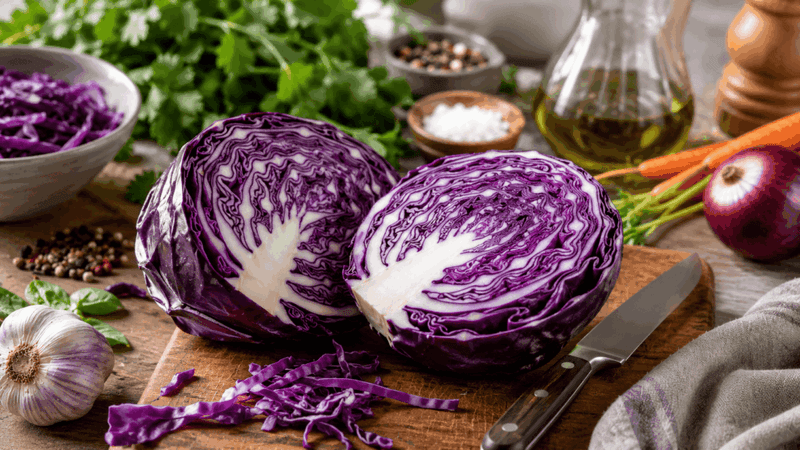
That deep purple colour in cabbage is not just for show. It comes from anthocyanins, powerful antioxidants that studies suggest may help lower blood pressure by improving blood vessel function and reducing arterial stiffness.
Purple cabbage is also low in calories and high in fibre, making it a smart addition to any heart-healthy eating plan. Shred it into coleslaw, ferment it into sauerkraut, or add it to tacos for a satisfying crunch that your cardiovascular system will appreciate.
8. Kale
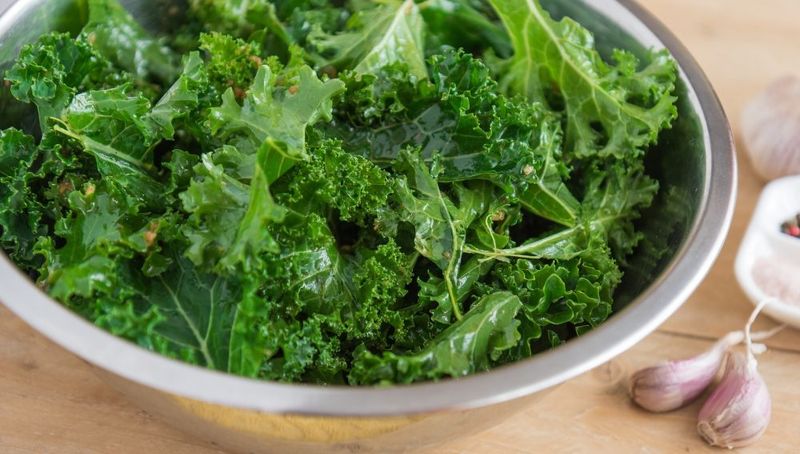
Kale has earned its superfood reputation, and the science backs it up. Packed with potassium, calcium, and magnesium, this leafy green targets the three minerals most closely associated with maintaining healthy blood pressure levels in the body.
One interesting fact: kale contains more calcium per calorie than milk. Massage raw kale with olive oil to soften it for salads, or bake it into crispy chips for a snack that satisfies cravings while quietly supporting your heart health every single day.
9. Celery
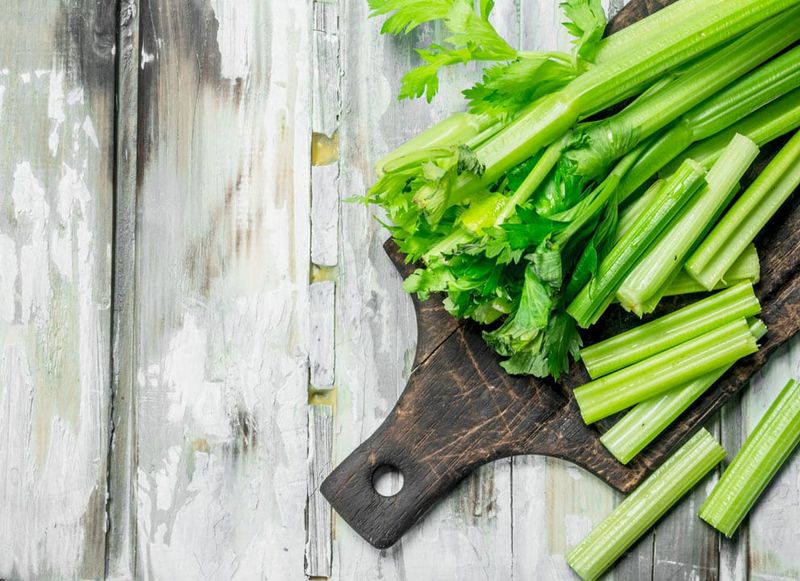
Traditional Chinese medicine has used celery for centuries to address high blood pressure, and modern research is starting to catch up. Celery contains a compound called phthalide, which may help relax artery walls and reduce blood pressure over time.
It is also incredibly high in water content, which supports healthy circulation and kidney function. Snack on raw celery with nut butter, blend it into green juices, or add it to soups and stews for a subtle flavour boost with real heart benefits.
10. Sweet Potato
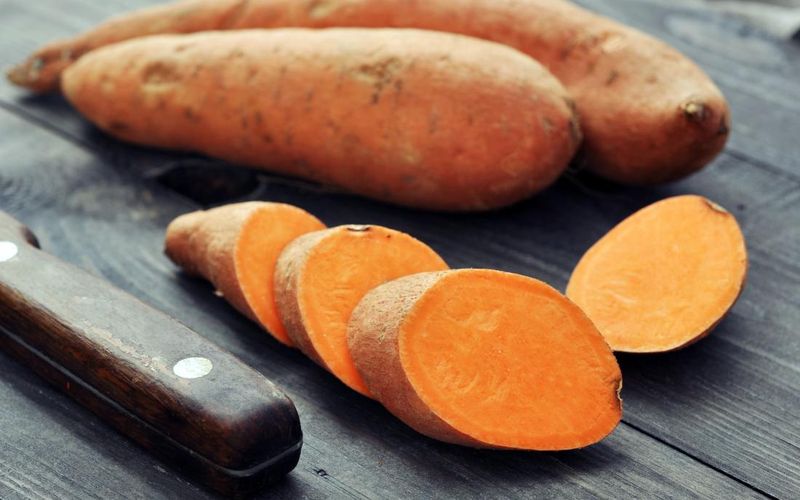
Sweet potatoes are comfort food that actually comforts your heart too. They are one of the richest plant sources of potassium available, and higher potassium intake is directly linked to lower blood pressure readings in numerous studies.
They also provide magnesium and fibre, rounding out their cardiovascular credentials nicely. Bake them whole and top with a drizzle of olive oil, or mash them with a pinch of cinnamon for a naturally sweet, blood-pressure-friendly side dish your whole family will enjoy eating.
11. Tomatoes
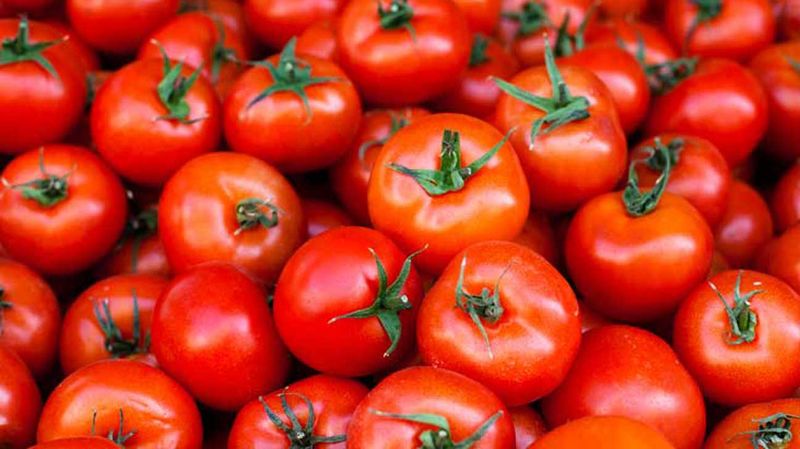
Technically a fruit but eaten like a vegetable, tomatoes bring lycopene to the table, a red-pigmented antioxidant linked to reduced blood pressure and improved heart health in multiple clinical studies. Interestingly, cooking tomatoes actually increases lycopene availability.
Tomatoes also supply potassium and vitamin C, adding more heart-protective nutrients to the mix. Use them in sauces, soups, or roast them slowly with herbs for a deeply flavourful side dish that does double duty for your taste buds and your cardiovascular system.
12. Garlic
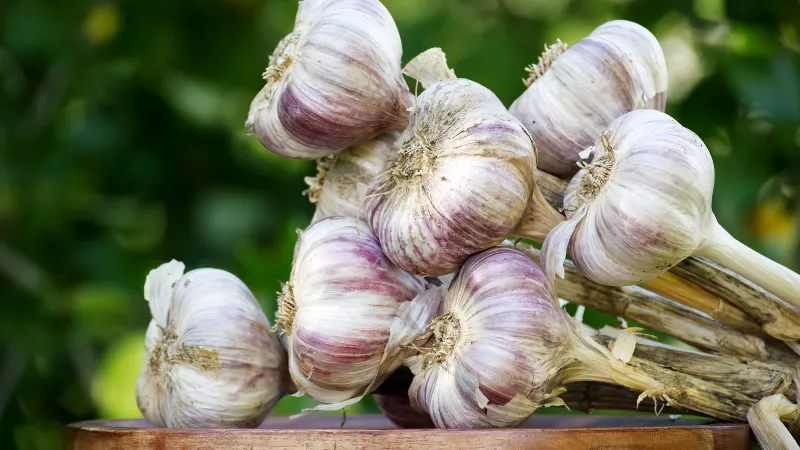
Garlic has been a go-to remedy in kitchens and medicine cabinets for thousands of years, and science continues to validate its reputation. Allicin, the compound released when garlic is crushed or chopped, has been shown in studies to help relax blood vessels and modestly reduce blood pressure.
Even small amounts consumed regularly may add up to meaningful benefits over time. Add fresh minced garlic to dressings, sauces, or roasted vegetables to enhance both flavour and your heart-health efforts simultaneously.
13. Edamame
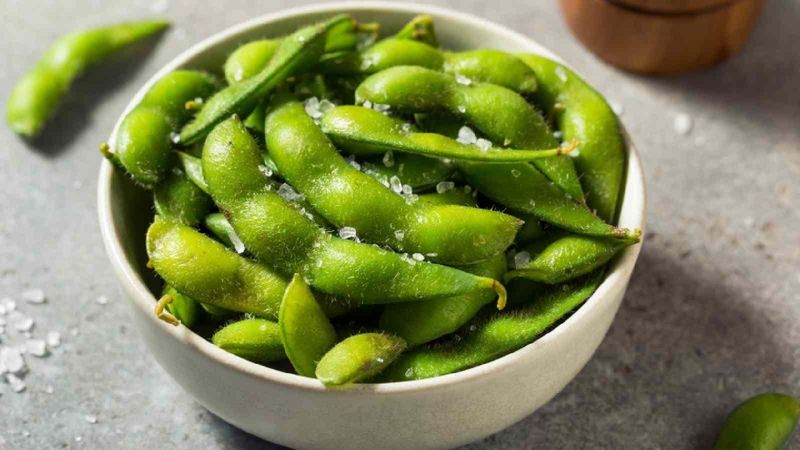
Bright green and satisfying to pop open, edamame is a young soybean packed with isoflavones, plant compounds that research suggests may help lower blood pressure, particularly in women. They also deliver a solid hit of potassium and magnesium in every serving.
A cup of edamame provides around 9 grams of protein too, making it one of the most nutritionally complete snacks available. Steam them from frozen, sprinkle with sea salt, and enjoy them as a quick snack or toss them into grain bowls for extra substance.
14. Peas
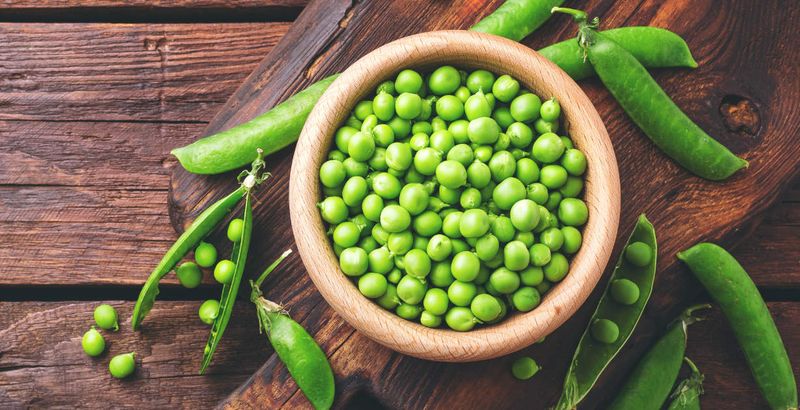
Small but mighty, green peas deliver a surprising combination of nutrients that support blood pressure health, including potassium, magnesium, and a decent amount of fibre. Fibre helps reduce cholesterol, which works hand in hand with blood pressure management for overall cardiovascular wellness.
Peas are also one of the more affordable and accessible vegetables on this list, which makes them easy to incorporate daily. Add them to rice dishes, mash them onto toast, or stir them into pasta for an instant nutritional upgrade.
15. Asparagus
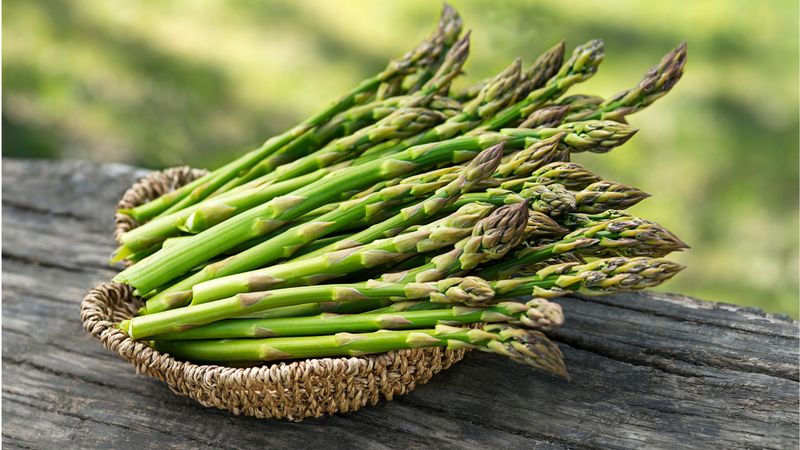
Asparagus has a natural diuretic effect, helping the body flush out excess sodium and fluid, which can directly contribute to lower blood pressure. It also contains folate, a B vitamin linked to reduced cardiovascular disease risk in long-term population studies.
Roasting asparagus with a light coat of olive oil and lemon juice brings out its natural nuttiness beautifully. It cooks in minutes and pairs well with almost any protein, making it one of the easiest heart-friendly vegetables to add to your weekly dinner rotation.
16. Pumpkin
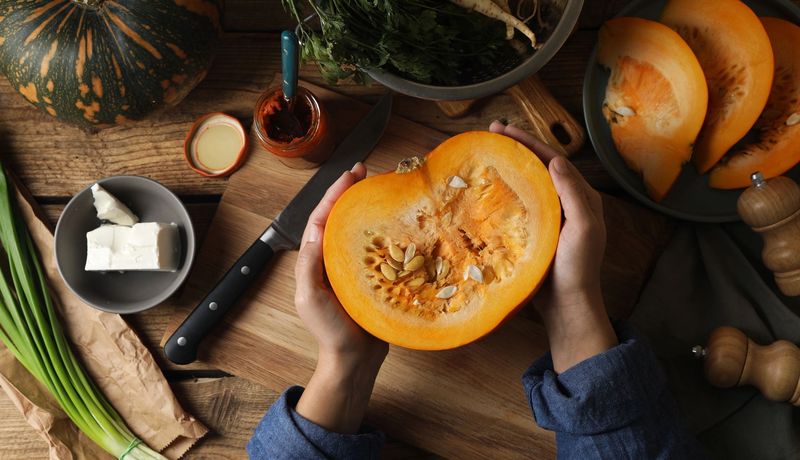
Pumpkin is not just for autumn decorating. Its vibrant orange flesh is loaded with potassium and beta-carotene, a combination that supports healthy blood vessel function and may help keep blood pressure in a favourable range over time.
One cup of cooked pumpkin contains more potassium than a banana, which surprises most people. Roast cubed pumpkin as a side dish, blend it into soups, or stir it into oatmeal with warming spices for a seasonal treat that genuinely supports your heart health goals.
17. Artichoke
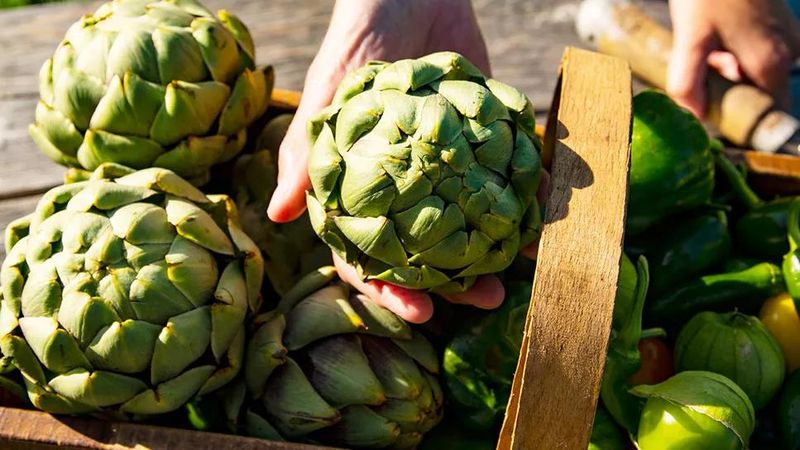
Artichokes look intimidating, but they are worth the effort. They contain a unique antioxidant called chlorogenic acid, which some research suggests may help lower blood pressure and support healthy cholesterol levels at the same time.
They are also rich in potassium, magnesium, and fibre, covering multiple bases for cardiovascular wellness in one vegetable. Steam or boil artichokes and serve them with a light vinaigrette for dipping.
Canned artichoke hearts are a convenient shortcut for adding them to salads and pasta dishes.
18. Pak Choi (Bok Choy)
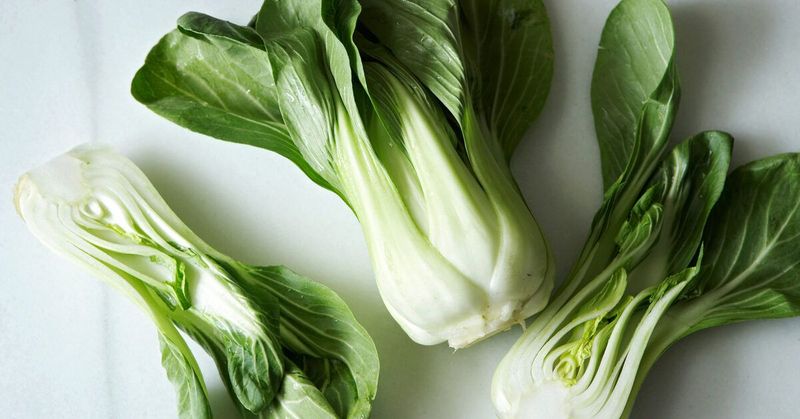
Popular across Asian cuisines, pak choi is a mild, versatile leafy green that deserves far more attention for its heart health credentials. It provides potassium, calcium, and magnesium, the trio of minerals most consistently associated with healthy blood pressure in nutrition research.
Its high water content and low calorie count make it an excellent choice for anyone watching their weight alongside their blood pressure. Stir-fry it quickly with ginger and soy sauce, or add it to noodle soups for a nourishing, flavour-packed bowl.




Comments
No Comments