













Syrups aren't just for pancakes and coffee anymore. Some of the most surprising flavors in cooking come from bottles you'd never expect to find in a kitchen.
From smoky and savory to floral and spicy, unusual syrups can completely transform a dish with just a drizzle. Get ready to discover 17 syrups that bring way more than sweetness to the table.
1. Black Garlic Syrup
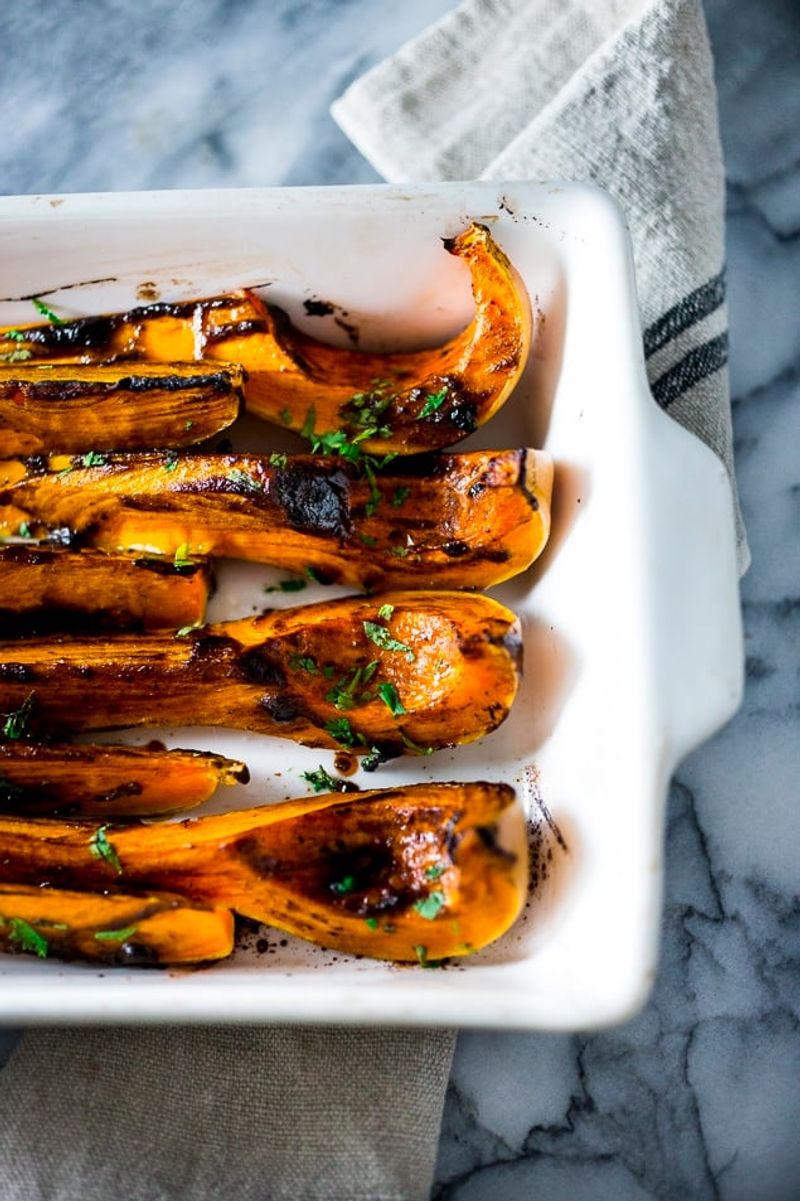
Aged garlic turns surprisingly sweet and almost balsamic-like after weeks of slow fermentation. Black garlic syrup captures that deep, umami-rich flavor in liquid form, making it a secret weapon for glazing meats or finishing roasted vegetables.
Chefs drizzle it over duck breast or mix it into vinaigrettes for a savory-sweet punch that regular sweeteners simply cannot match. A little goes a long way, so start with just a teaspoon.
2. Smoked Maple Syrup
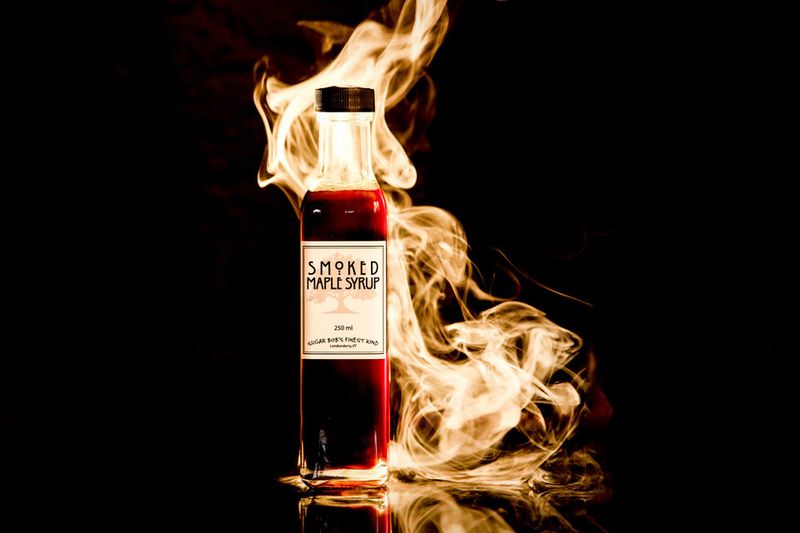
Imagine your favorite pancake syrup decided to spend a weekend at a BBQ cookout. Smoked maple syrup carries that same woodsy, campfire depth that makes ribs and brisket so irresistible.
Beyond breakfast, it works brilliantly in bourbon cocktails, salad dressings, and even ice cream toppings. The smokiness adds a layer of complexity that surprises anyone who tastes it for the first time.
Try it brushed over grilled salmon for a quick weeknight win.
3. Lavender Syrup
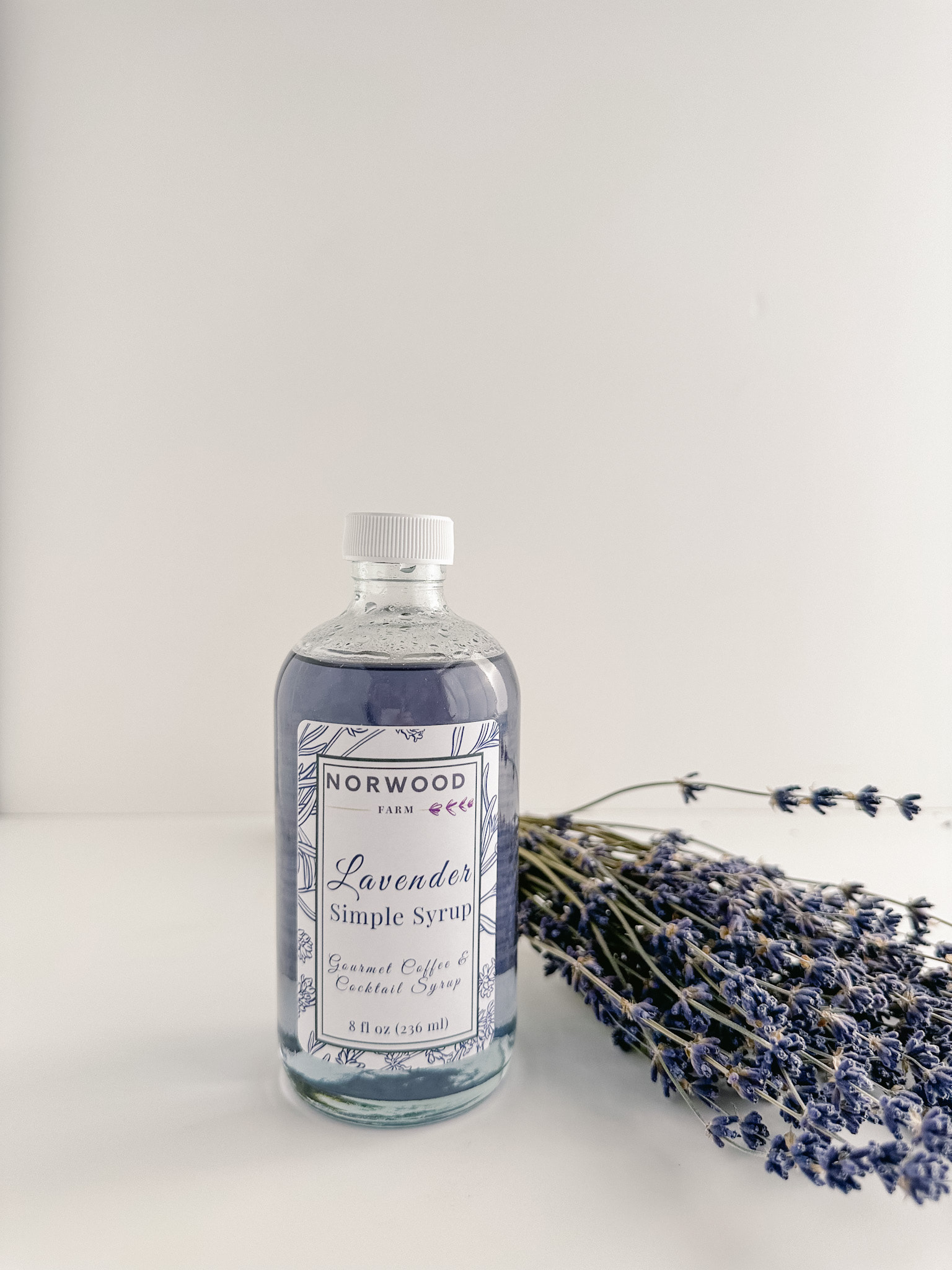
There is something almost magical about lavender syrup. Borrowed from French countryside traditions, this floral syrup transforms lemonade, cocktails, and baked goods with a calm, aromatic sweetness that feels both elegant and unexpected.
Stir it into whipped cream or drizzle it over a simple pound cake for an instant upgrade. The key is balance because too much can taste soapy.
A light hand makes all the difference when cooking with lavender syrup.
4. Miso Caramel Syrup
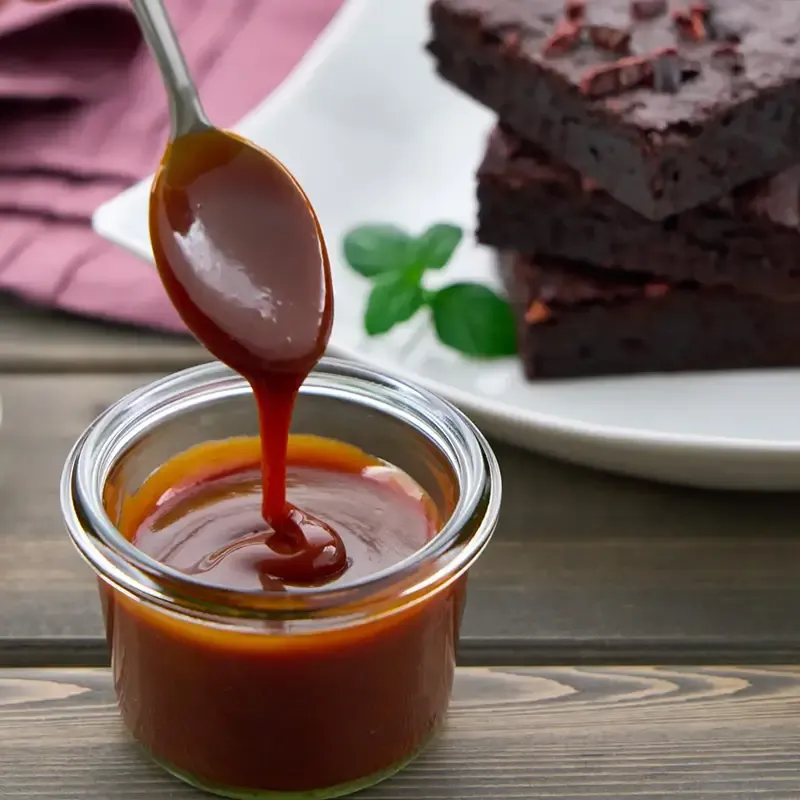
Caramel already has fans worldwide, but adding miso takes it somewhere entirely different. The fermented soybean paste brings a salty, funky depth that makes the sweetness feel richer and more interesting on your tongue.
Miso caramel syrup works beautifully over vanilla ice cream, stirred into oatmeal, or used as a glaze for roasted sweet potatoes. It has become a favorite among pastry chefs looking to add a savory twist to classic desserts without overcomplicating the process.
5. Saffron Syrup
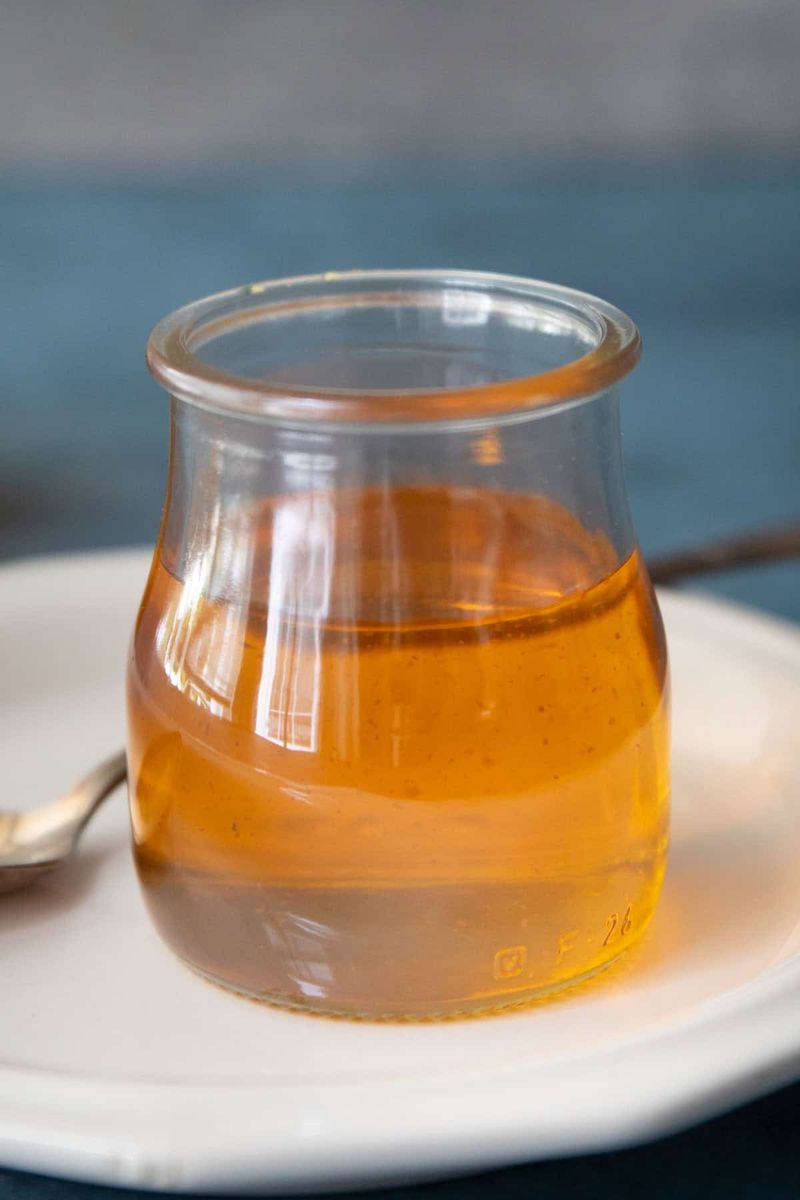
Saffron is the most expensive spice in the world, and its syrup form makes that luxury a little more accessible. Golden in color and floral in flavor, saffron syrup adds an exotic warmth to rice puddings, cocktails, and Middle Eastern pastries.
Just a few drops transform a plain sparkling water into something that feels truly special. The subtle honey-like aroma it leaves behind is part of what makes it so unforgettable.
Persian and Indian cuisines have used it for centuries.
6. Tamarind Syrup
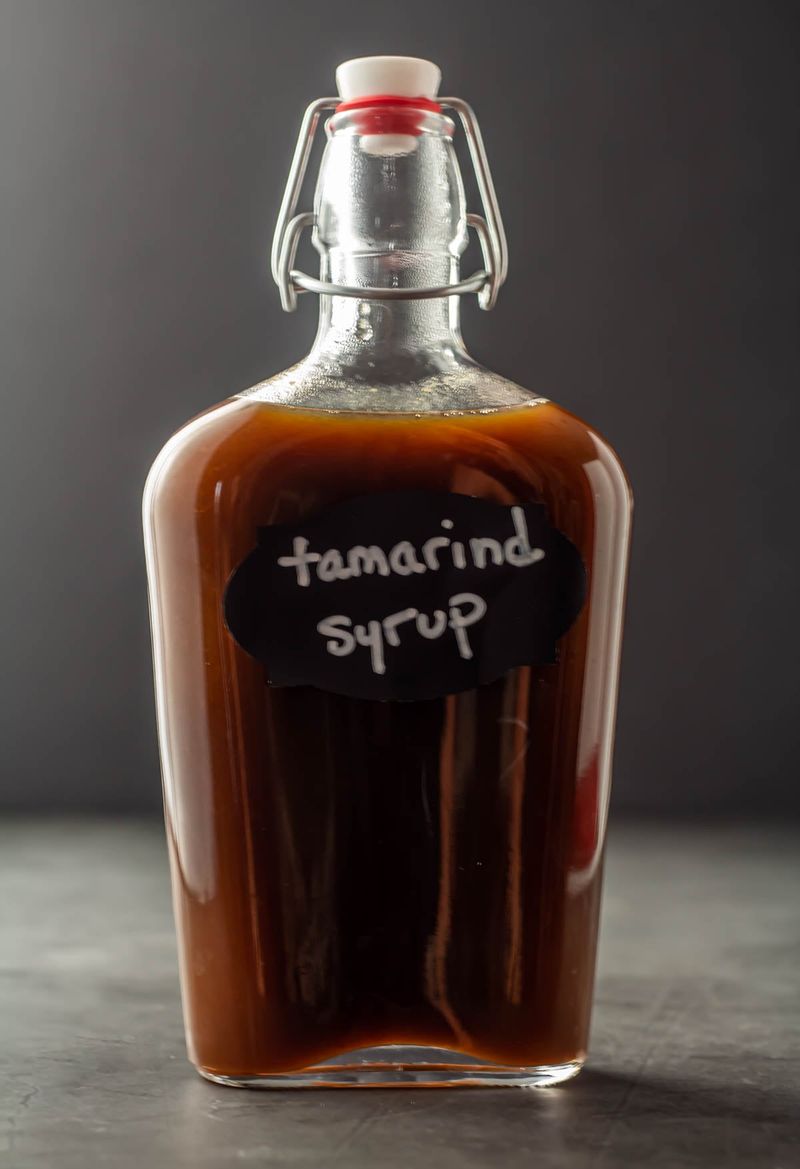
Tangy, sour, and slightly sweet all at once, tamarind syrup is a powerhouse of flavor that most Western kitchens have barely discovered. It is a staple across South Asian, Mexican, and Caribbean cooking, used in everything from street food sauces to refreshing aguas frescas.
Mix it into a margarita for a citrusy twist, or stir it into BBQ sauce for added depth. The tartness cuts through rich dishes beautifully, making it an excellent balancing ingredient in both cooking and mixology.
7. Cardamom Syrup
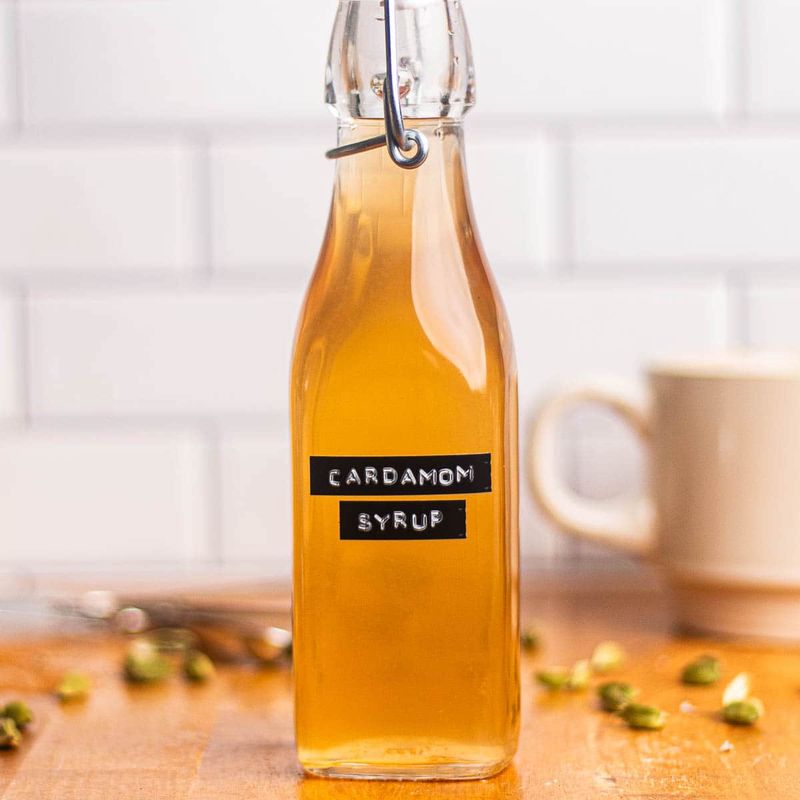
Cardamom has been warming hearts in Scandinavian pastries and Indian chai for generations. Its syrup form concentrates that citrusy, spicy, slightly floral flavor into something incredibly versatile and easy to use in modern cooking.
Add it to cold brew coffee for a Middle Eastern-inspired treat, or drizzle it over poached pears for a simple but impressive dessert. It also pairs surprisingly well with chocolate, making it a go-to for adventurous bakers who want bold flavor without extra effort.
8. Beet Molasses Syrup
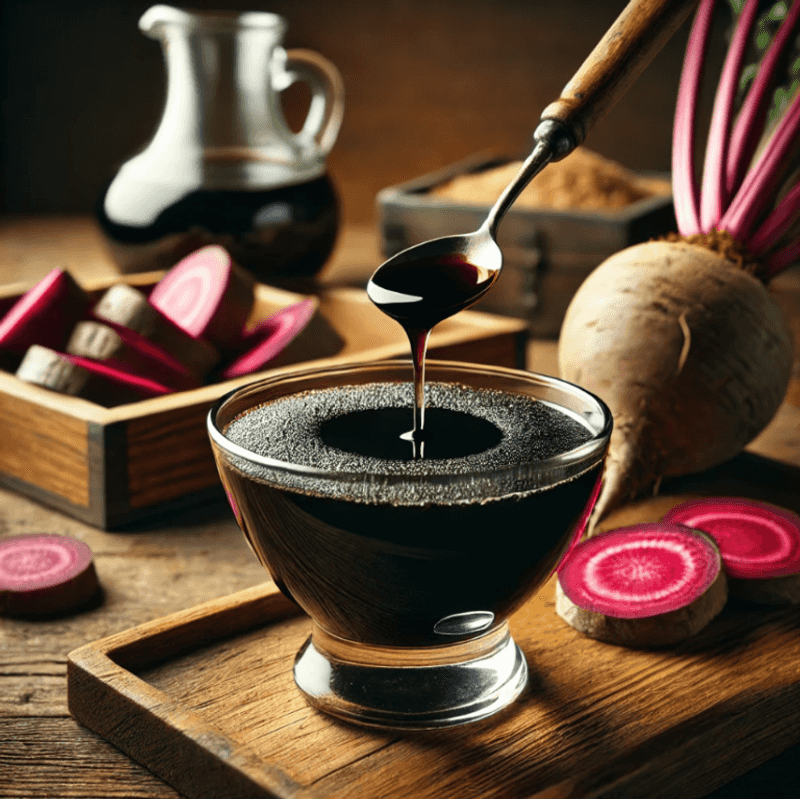
Earthy, slightly sweet, and packed with natural minerals, beet molasses syrup is one of those underappreciated gems hiding in specialty grocery stores. It tastes less sugary than regular molasses and carries a pleasantly earthy undertone that works well in savory cooking.
Use it to glaze roasted carrots, stir it into dark bread dough, or add it to a vinaigrette for depth. Health-conscious cooks love it for its iron and potassium content, making it both a flavorful and nutritious swap.
9. Hibiscus Syrup
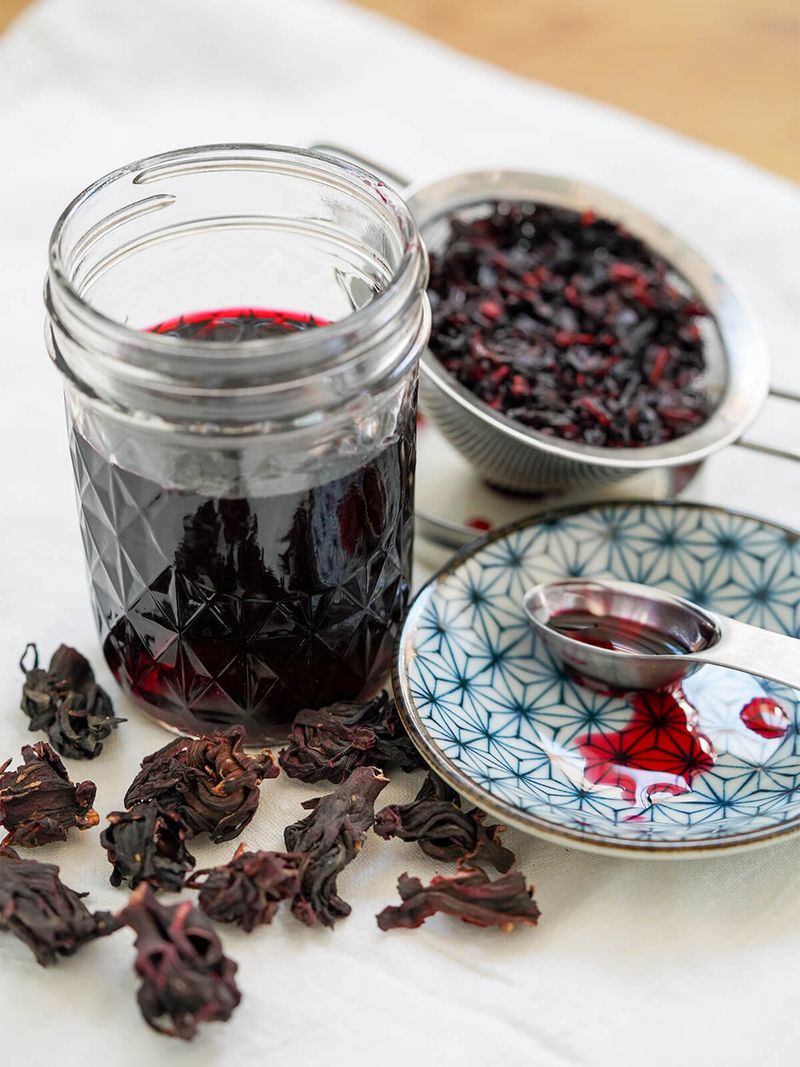
Few syrups are as visually stunning as hibiscus. That deep crimson color alone is enough to make any drink or dessert look like it came from a fancy restaurant.
The flavor is tart and berry-like with a floral finish that is hard to describe but easy to love.
Swirl it into yogurt, use it in mocktails, or glaze chicken thighs for an unexpected sweet-tart crust. Popular in Mexican agua de jamaica and West African bissap, hibiscus syrup has a rich cultural history worth exploring.
10. Yuzu Syrup
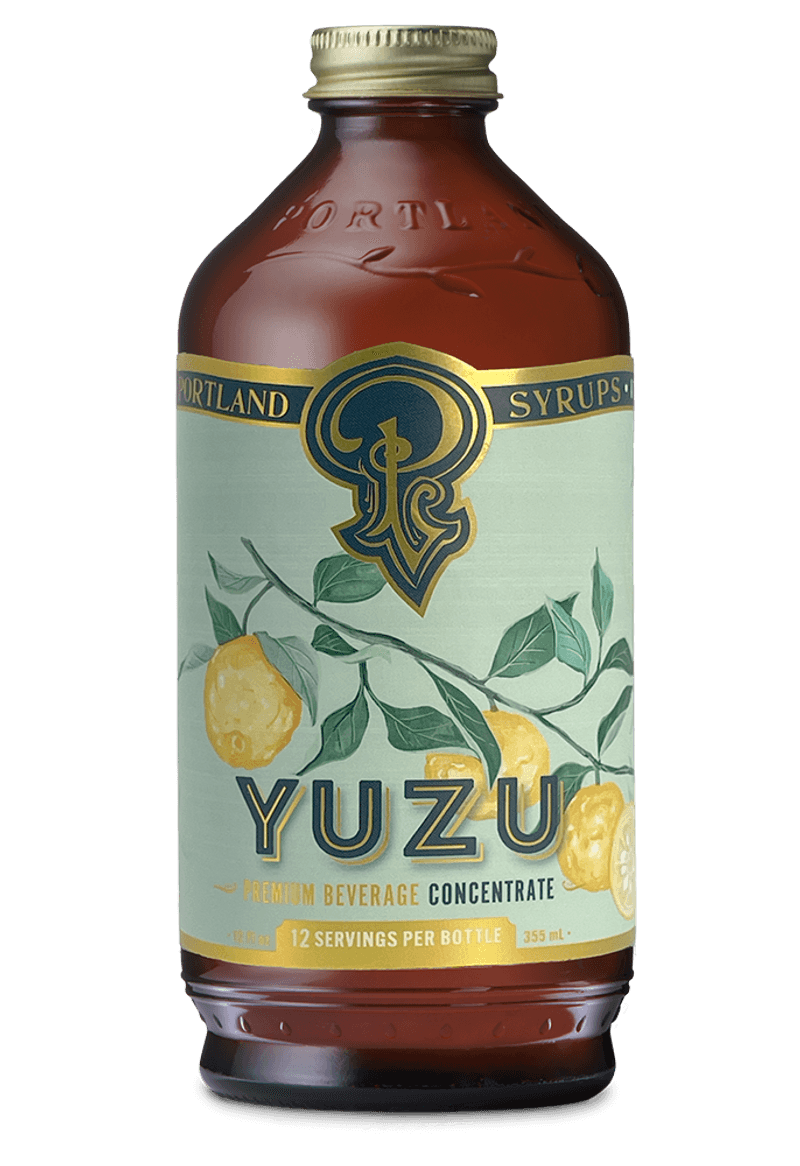
Yuzu is a Japanese citrus fruit that tastes like a lemon and grapefruit had a very fragrant baby. Its syrup is bright, aromatic, and intensely citrusy in a way that wakes up your taste buds instantly.
Chefs use yuzu syrup in salad dressings, marinades, and cocktails to add a burst of sunshine without the sourness of straight citrus juice. Drizzle it over a cheesecake or stir it into sparkling water for a refreshing, restaurant-worthy drink at home.
11. Chili-Infused Honey Syrup
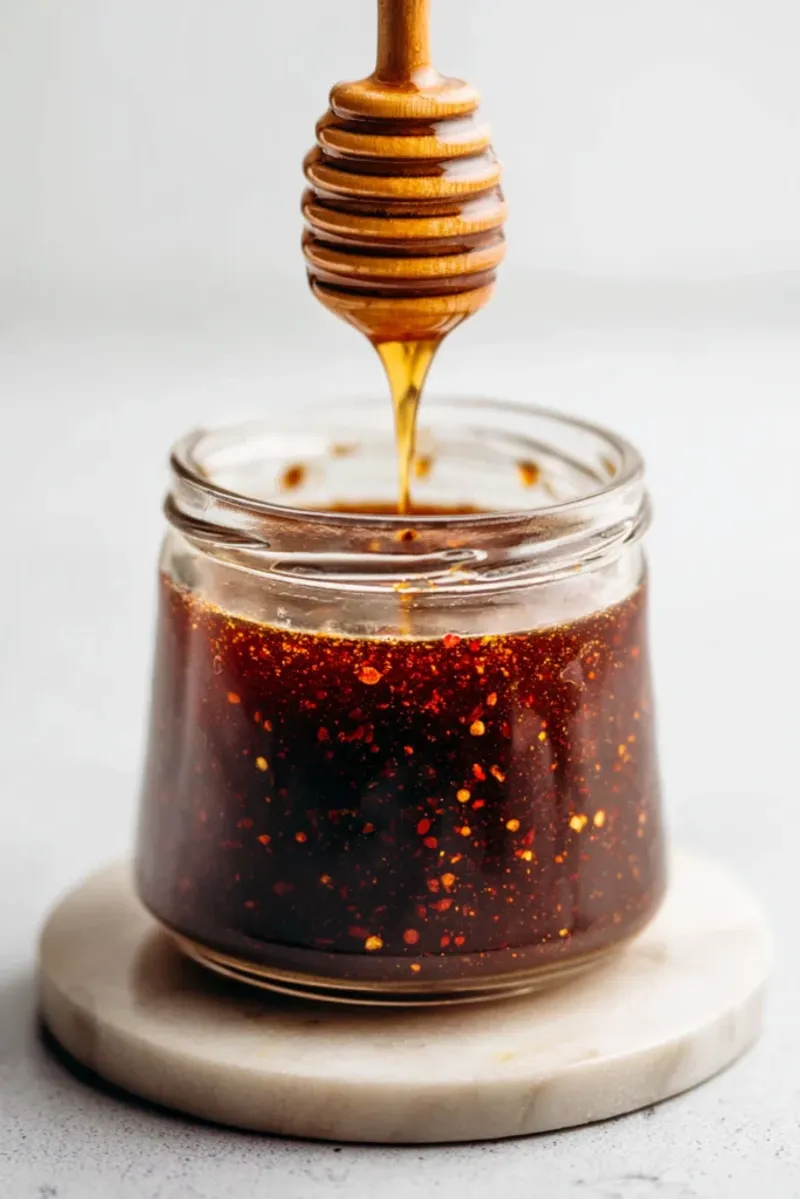
Sweet heat is one of those flavor combinations that hooks you after the very first taste. Chili-infused honey syrup delivers a slow, building warmth that rides right alongside natural honey sweetness, creating a push-pull sensation that keeps you reaching for more.
Drizzle it over fried chicken, pizza, or a cheese board to instantly impress guests. It also makes a killer glaze for grilled shrimp or pork ribs.
Hot honey has been trending in restaurants for good reason, and making your own at home is surprisingly simple.
12. Rose Water Syrup
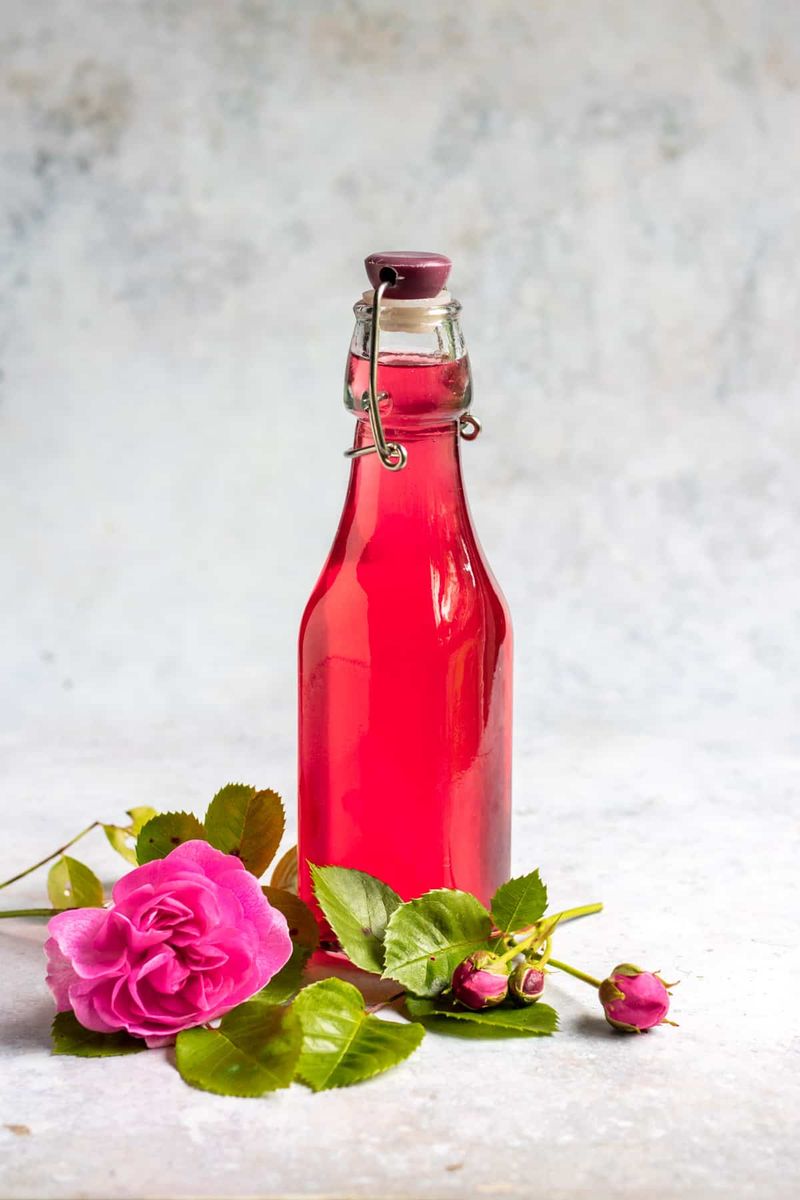
Rose water syrup sounds fancy, but it has been used in everyday cooking across the Middle East, South Asia, and North Africa for centuries. The flavor is floral and lightly sweet, almost perfume-like, which makes it perfect for desserts that need a touch of elegance.
Stir it into milk for a simple rose milk drink, or use it to soak sponge cakes and baklava. A little restraint is important here because the aroma is powerful and too much can easily overwhelm a dish.
13. Pomegranate Molasses Syrup
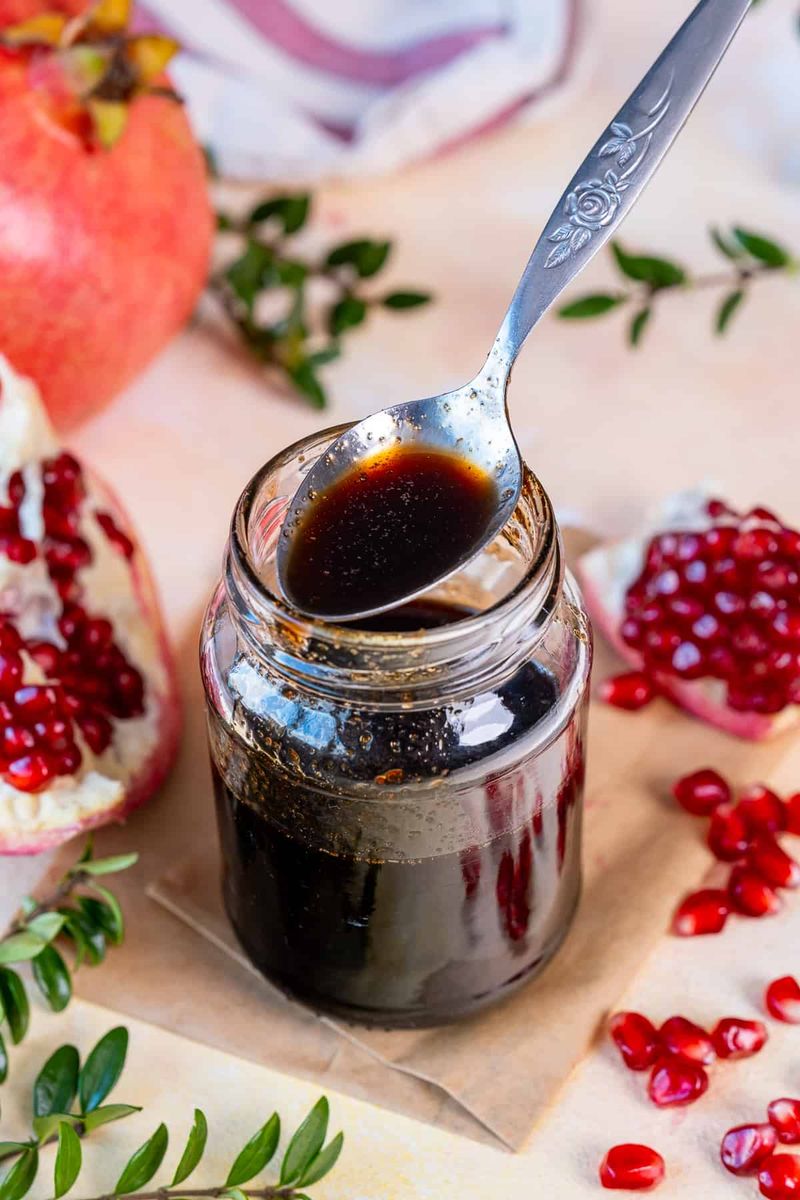
Thick, tart, and intensely fruity, pomegranate molasses syrup is the backbone of countless Middle Eastern and Mediterranean dishes. It is made by reducing pomegranate juice until it becomes a concentrated, syrupy liquid with a tangy sweetness that is completely its own.
Drizzle it over hummus, use it in marinades for lamb, or mix it into a vinaigrette for salads that actually excite you. Muhammara, the famous Syrian walnut dip, relies on it for that signature sweet-sour kick that makes the dish unforgettable.
14. Matcha Syrup
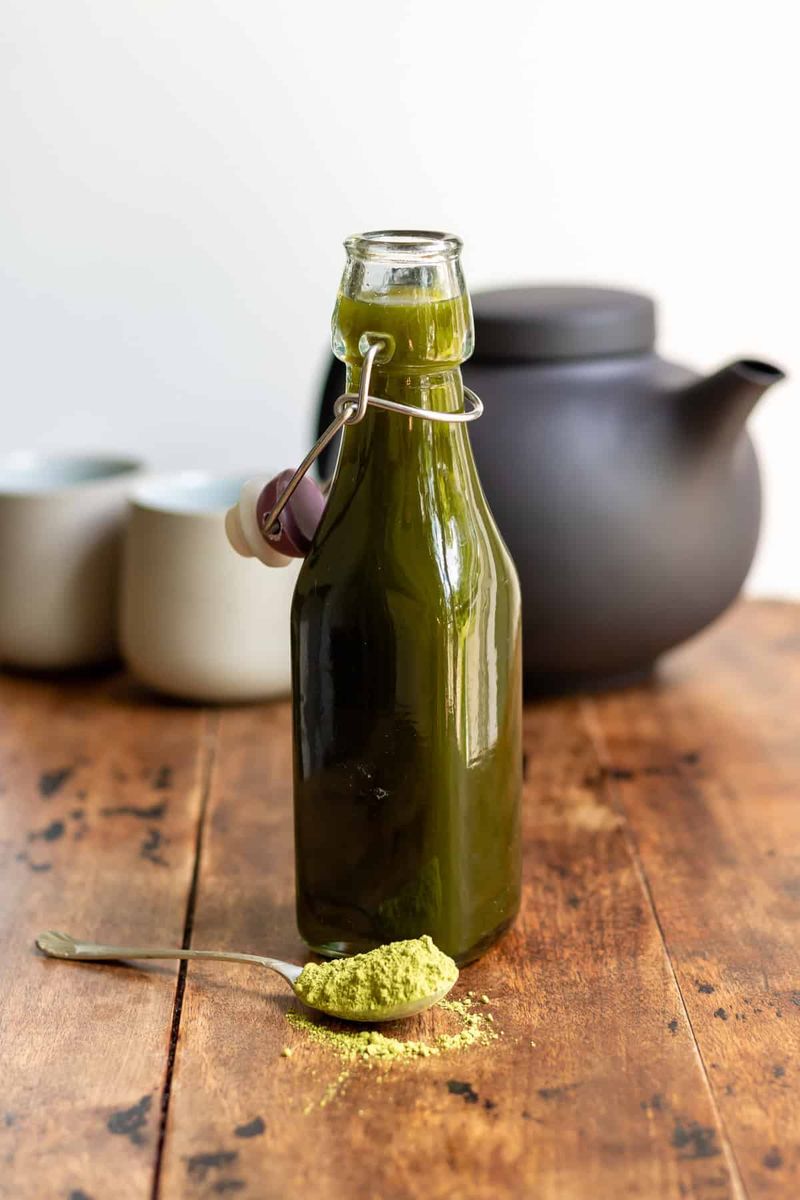
Matcha has taken the food world by storm, and its syrup version brings that earthy, slightly bitter green tea flavor to drinks and desserts with ease. Unlike a cup of matcha tea, the syrup is sweeter and easier to incorporate into recipes without any whisking or fuss.
Add it to lattes, drizzle it over pancakes, or swirl it into vanilla ice cream for a striking green dessert. The grassy, umami-tinged flavor pairs especially well with white chocolate and coconut in baked goods.
15. Vanilla Bean Black Pepper Syrup
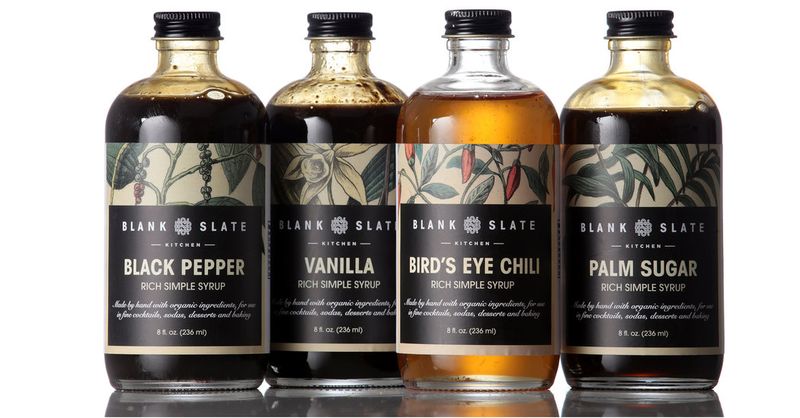
Vanilla alone is comforting and familiar, but adding black pepper creates a syrup that is warm, complex, and surprisingly sophisticated. The pepper does not make it spicy so much as it adds a subtle tingle that makes the vanilla flavor pop in a completely new way.
Try it in cocktails, over fresh strawberries, or stirred into whipped cream for a next-level topping. This combination has roots in classic French cooking, where pepper has long been used to enhance sweet dishes and fruit desserts.
16. Turmeric Ginger Syrup
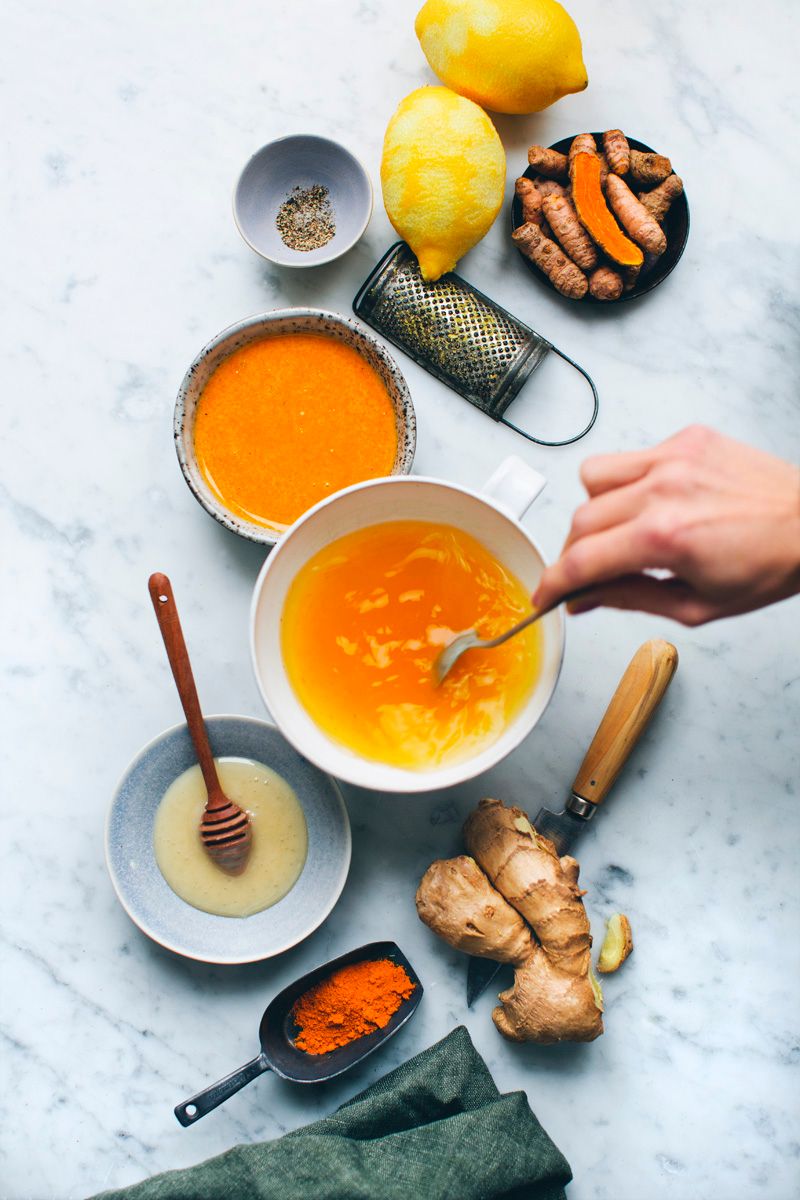
Golden, warming, and packed with anti-inflammatory benefits, turmeric ginger syrup is the kind of ingredient that makes you feel good about what you are eating. The sharp heat of ginger meets the earthy warmth of turmeric in a syrup that is bold without being overpowering.
Stir it into warm lemon water for a morning wellness tonic, or use it to glaze roasted carrots and cauliflower. It also makes a fantastic addition to homemade salad dressings and smoothies, bringing both color and nutritional value to everyday meals.
17. Aged Balsamic Reduction Syrup
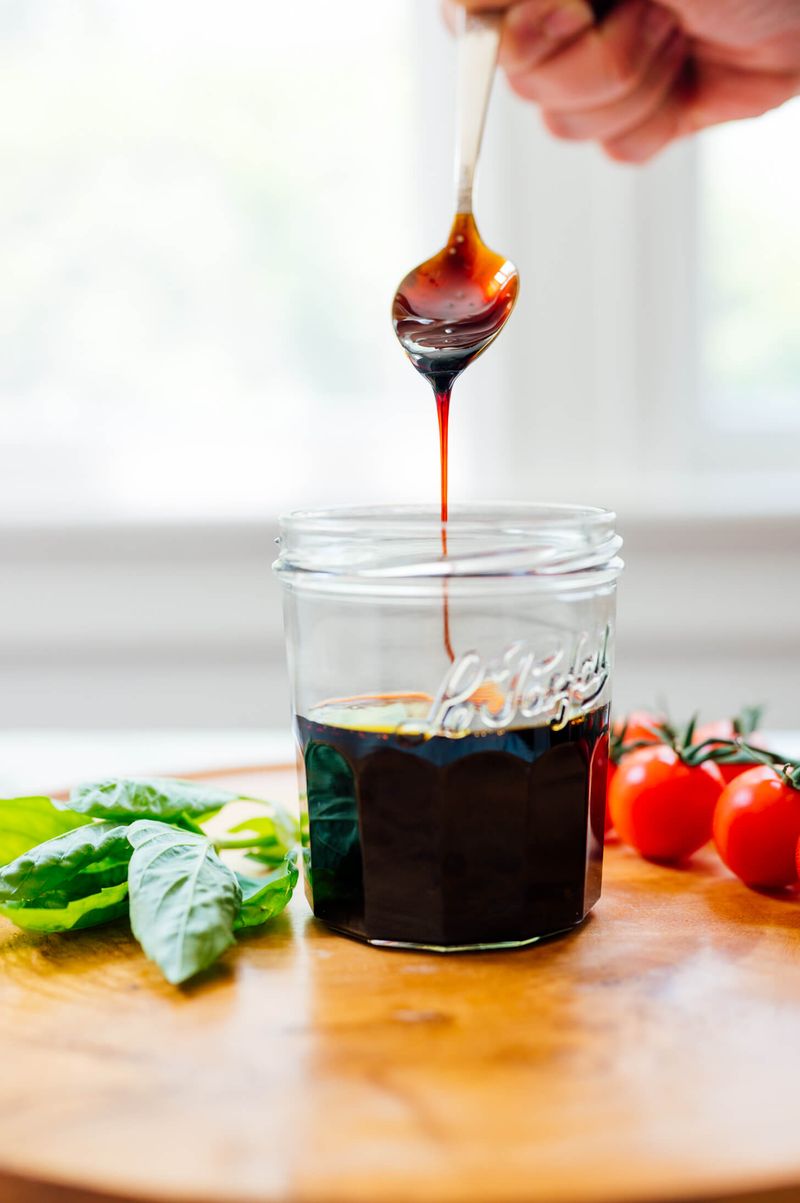
Balsamic vinegar that has been reduced into a syrup is one of those kitchen transformations that feels like actual magic. The sharp acidity mellows out, and what remains is a thick, glossy syrup with a complex sweet-tart flavor that elevates nearly everything it touches.
Drizzle it over strawberries and cream, grilled peaches, or a caprese salad for instant sophistication. Aged balsamic from Modena, Italy can take up to 25 years to produce, making each drop genuinely worth savoring on your plate.




Comments
No Comments