








The UK is packed with incredible baked goods, but most people only know the famous ones like scones, shortbread, and Victoria sponge. Hidden in bakeries, farmhouse kitchens, and local markets across England, Scotland, Wales, and Northern Ireland are dozens of incredible treats that rarely get the spotlight they deserve.
From crumbly pastries to sticky, spiced loaves, these regional bakes carry centuries of history in every bite. Get ready to discover some seriously delicious and underrated baking traditions from all corners of the UK.
1. Singing Hinnies (North East England)
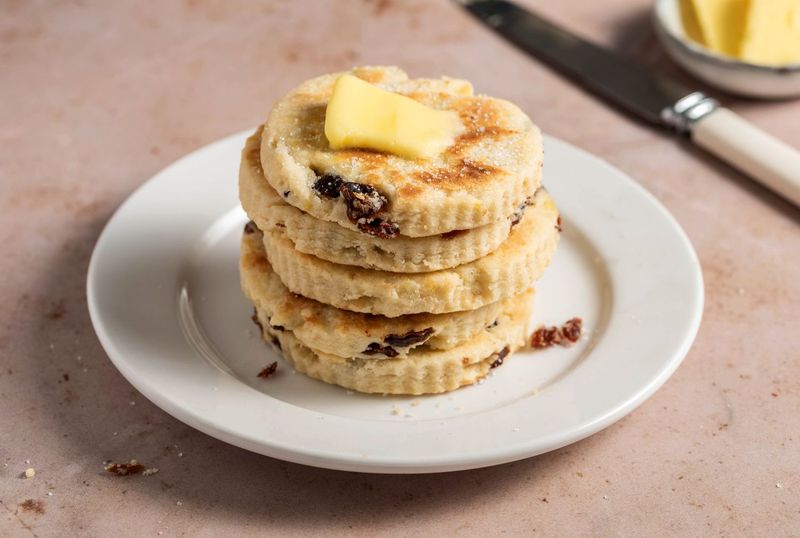
Named for the sizzling sound they make on the griddle, Singing Hinnies are a beloved treat from Northumberland and County Durham. They are thick, round griddle scones packed with currants and a hint of lard, giving them a wonderfully flaky texture.
Best eaten warm with a generous smear of butter, they are the kind of comforting, no-fuss bake that grandmothers have been making for generations. You won't find them in supermarkets, which makes finding a homemade batch feel extra special.
2. Lardy Cake (Wiltshire)
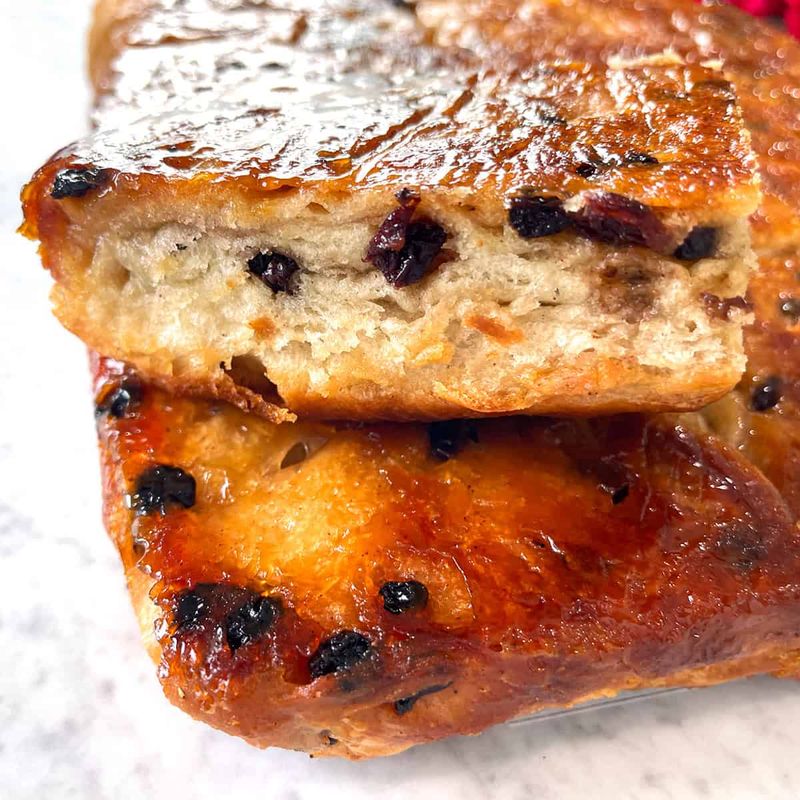
Lardy Cake sounds simple, but one bite explains why people in Wiltshire have been obsessed with it for centuries. Layers of lard, sugar, and dried fruit are folded into bread dough and baked until sticky, caramelised, and deeply satisfying.
It was originally made as a weekend treat when bakers had leftover bread dough and wanted to use up lard. The result is rich, chewy, and slightly crispy on the bottom.
It is absolutely worth tracking down at a local Wiltshire bakery.
3. Selkirk Bannock (Scotland)
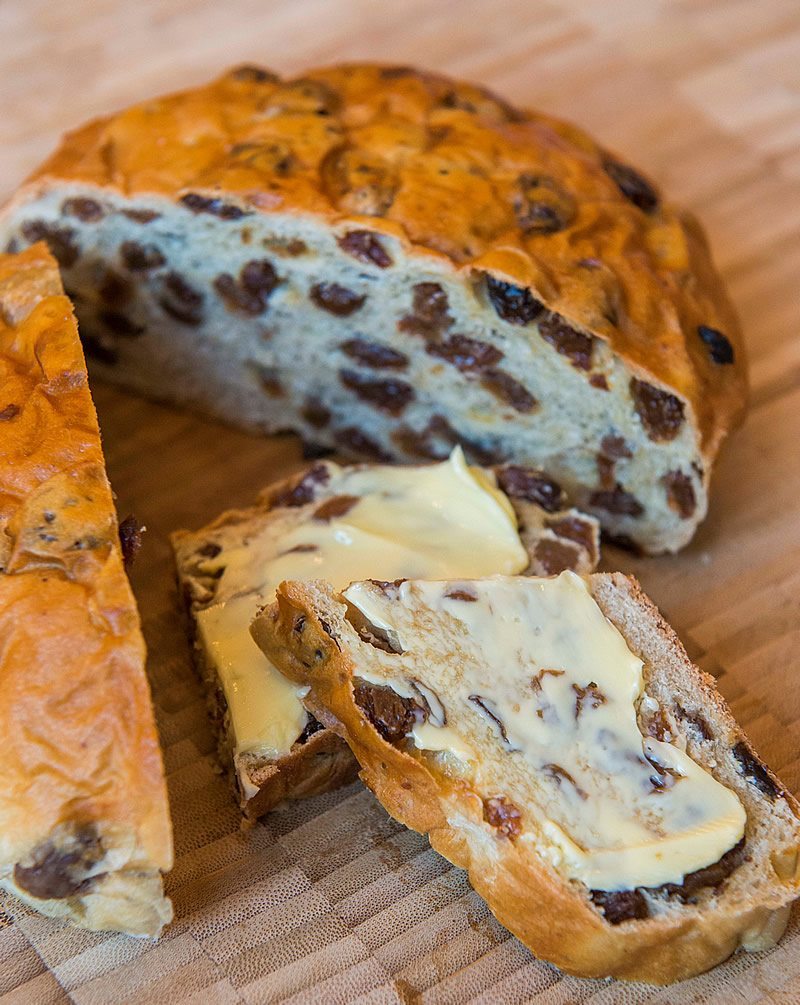
Robbie Burns himself was said to prefer Selkirk Bannock over any other treat at his famous tea table. This rich, fruited bread from the Scottish Borders is packed with sultanas and made with a buttery, slightly sweet dough that bakes up beautifully golden.
Unlike a typical fruit loaf, the bannock has a denser, more satisfying crumb. Slice it thickly and eat it plain or with salted butter.
It is a true taste of Scottish baking heritage that deserves far more fame than it gets.
4. Bara Brith (Wales)
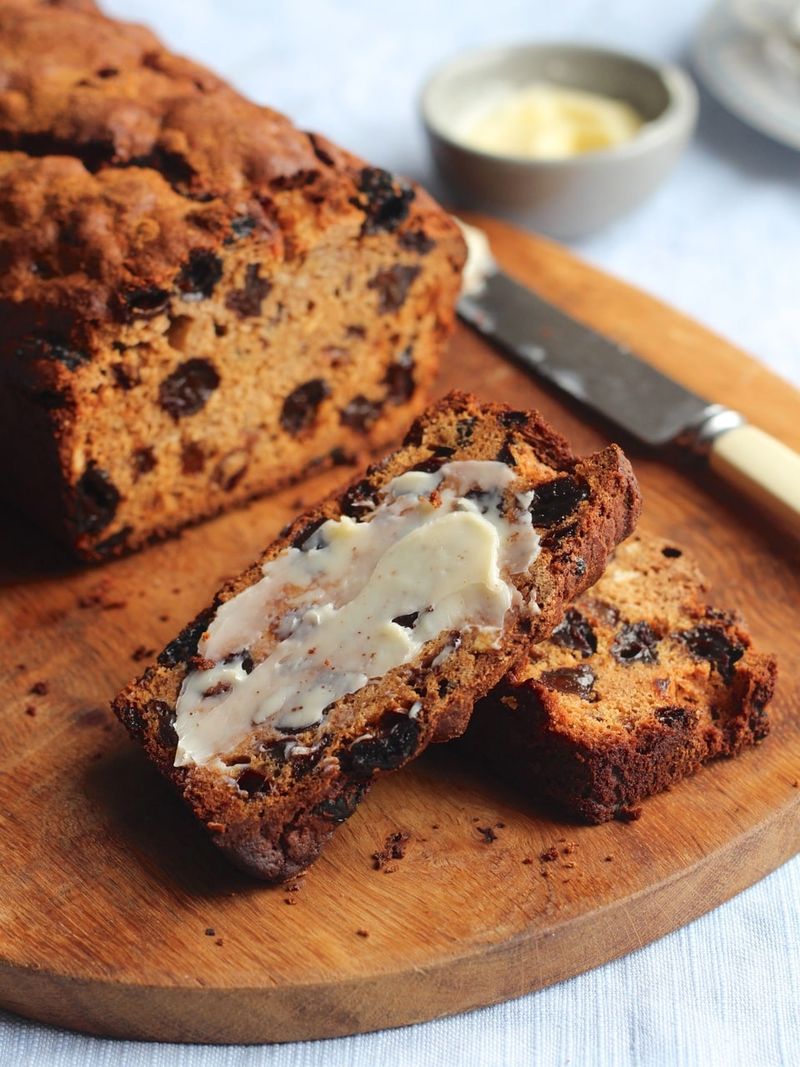
Bara Brith means "speckled bread" in Welsh, and the name perfectly describes this gorgeous, fruit-studded tea loaf. Dried fruit is soaked overnight in strong black tea, then folded into a spiced dough and slowly baked until moist and deeply flavourful.
Every Welsh family seems to have their own version, with small tweaks passed down through generations. It is traditionally served sliced and buttered alongside a cup of tea.
Try it once and you will understand why the Welsh are so fiercely proud of this humble bake.
5. Hawkshead Wig (Cumbria)
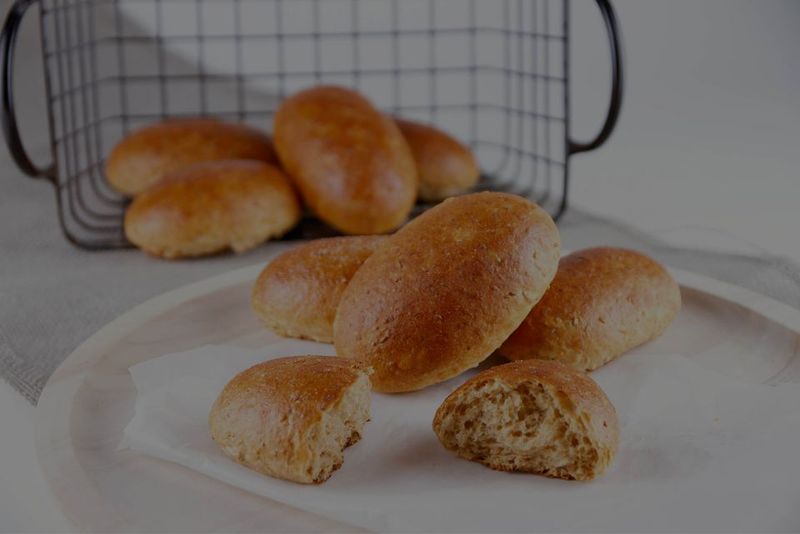
Few people outside of Cumbria have ever heard of a Hawkshead Wig, which is a real shame because these lightly spiced sweet buns are genuinely delicious. Made with caraway seeds, a touch of nutmeg, and enriched dough, they have a warm, fragrant flavour that feels wonderfully old-fashioned.
The name is thought to come from the Old Norse word for a wedge shape. Hawkshead, the charming Cumbrian village where Beatrix Potter once lived, is still the best place to try one fresh from a local bakery.
6. Cornish Saffron Cake
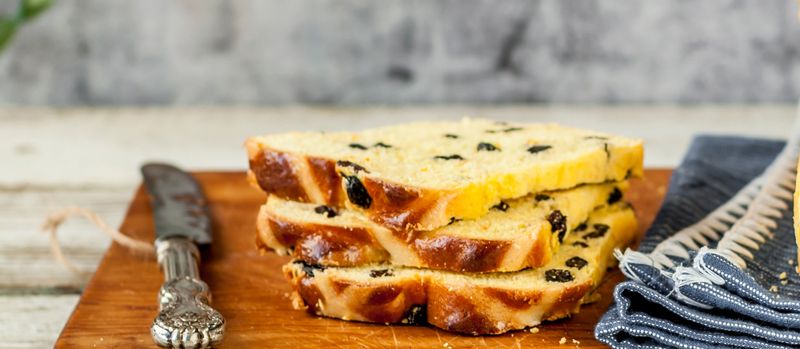
Saffron has been used in Cornish baking for hundreds of years, brought over by traders who sailed into the ports of Cornwall long ago. The result is this beautiful, sunshine-yellow loaf with a subtle floral flavour and a crumb dotted with currants and sometimes mixed peel.
It is richer and more aromatic than a standard fruit loaf, and the saffron gives it a colour that makes it instantly recognisable. Served fresh with clotted cream, it is one of Cornwall's most underrated culinary treasures.
7. Yorkshire Fat Rascals
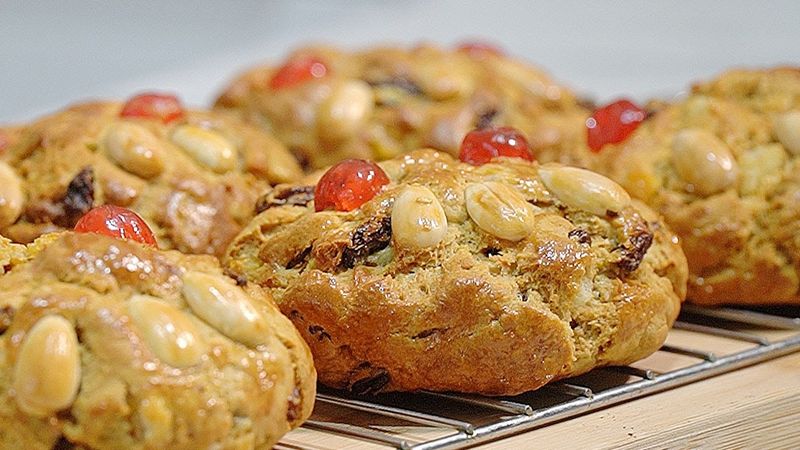
Yorkshire Fat Rascals are basically scones that refused to be ordinary. These large, chunky, fruit-filled cakes are decorated with glace cherries and blanched almonds, giving them a cheeky, distinctive face-like appearance that makes them instantly recognisable.
Betty's Tea Rooms in Harrogate made them famous, but the recipe has roots going back to Tudor times when similar spiced cakes were sold at fairs. Crispy on the outside and soft within, a warm Fat Rascal with clotted cream is pure Yorkshire joy.
8. Coventry Godcakes
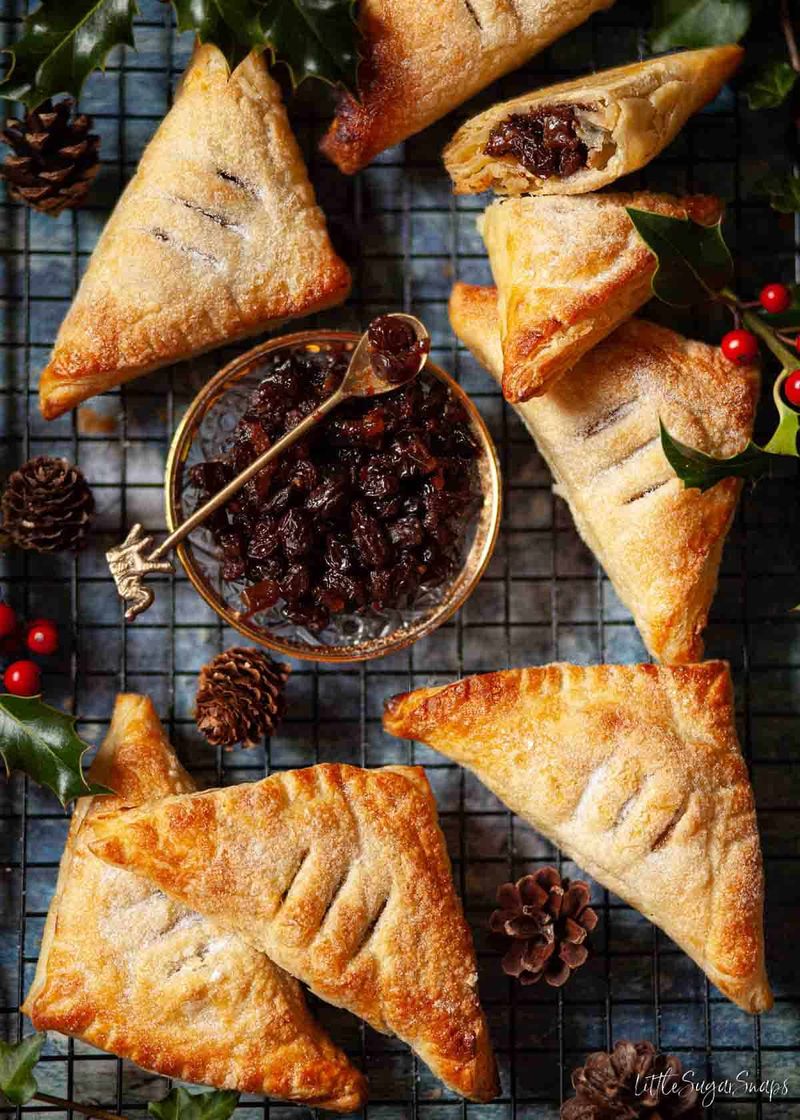
Shaped like a triangle and filled with spiced mincemeat, Coventry Godcakes have one of the most charming origin stories in British baking. Godparents traditionally gave these pastries to their godchildren on New Year's Day as a token of good luck and blessing.
The three points of the triangle are said to represent the Holy Trinity. They are made with flaky puff pastry, dusted with icing sugar, and are crispy, sweet, and utterly moreish.
Coventry bakers still make them today, keeping this lovely tradition alive.
9. Forfar Bridie (Scotland)
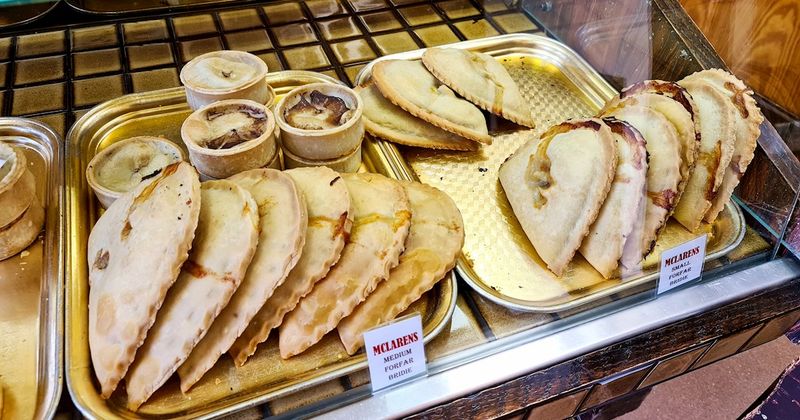
If you have ever visited the small Scottish town of Forfar in Angus, chances are you left clutching a warm Bridie. These horseshoe-shaped pastries are filled with minced beef, onion, and seasoning, all wrapped in a short, crumbly pastry that shatters satisfyingly when you bite in.
Unlike a Cornish pasty, the Bridie uses no potato and has a distinctly different pastry texture. They date back to the 1850s and are still made fresh daily in Forfar bakeries.
Simple, hearty, and completely addictive.
10. Staffordshire Oatcakes
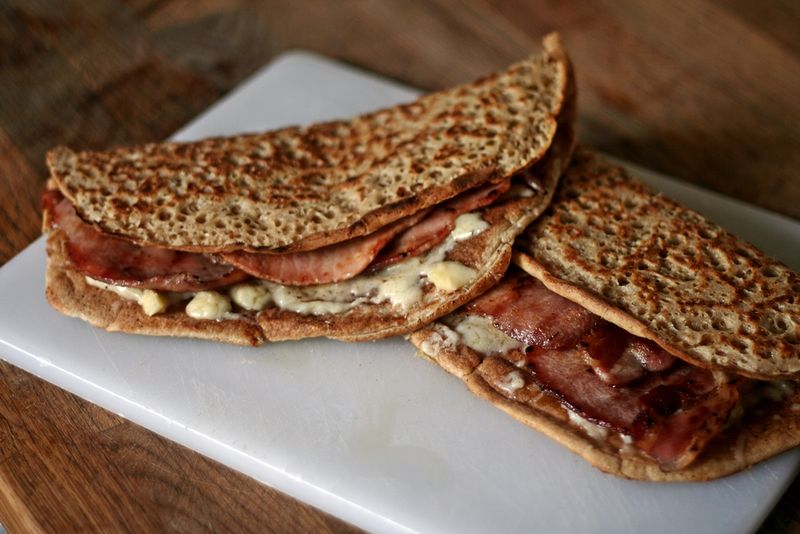
Staffordshire Oatcakes are nothing like the hard, crunchy oatcakes you find in Scotland. These are soft, lacy, pancake-like flatbreads made from oatmeal, flour, and yeast, cooked on a griddle until golden and slightly chewy with crispy edges.
They are a staple of the Potteries region, traditionally eaten for breakfast wrapped around bacon, cheese, or eggs. Locals are deeply passionate about them, and dedicated oatcake shops still operate in Stoke-on-Trent.
Try one fresh off the griddle and you will instantly understand the devotion.
11. Barm Brack (Northern Ireland)
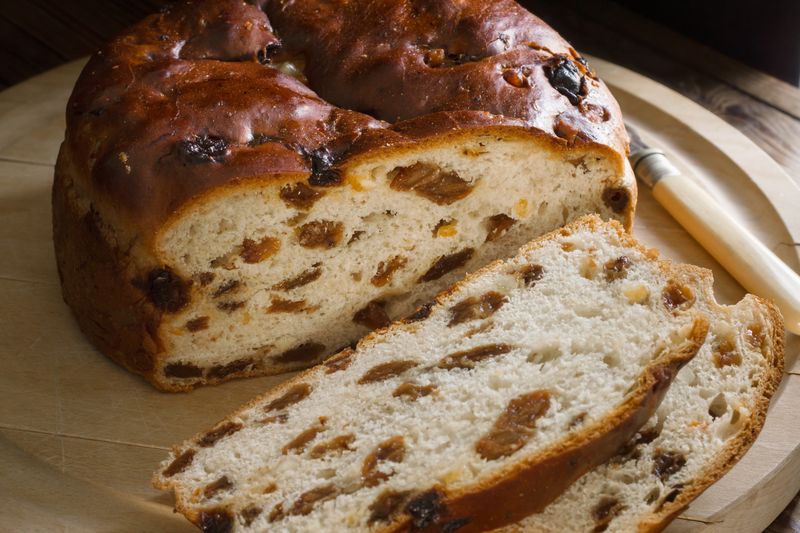
Halloween in Northern Ireland is not complete without a Barm Brack on the table. This spiced fruit loaf hides small charms baked inside the dough, and whatever charm you find in your slice is said to predict your future, a ring means marriage, a coin means wealth.
It is moist, lightly spiced, and packed with raisins and sultanas soaked in tea. Beyond Halloween, Barm Brack is enjoyed year-round with butter and a strong cup of tea.
It is warm, playful baking with a side of fortune-telling.
12. Eccles Cakes (Lancashire)
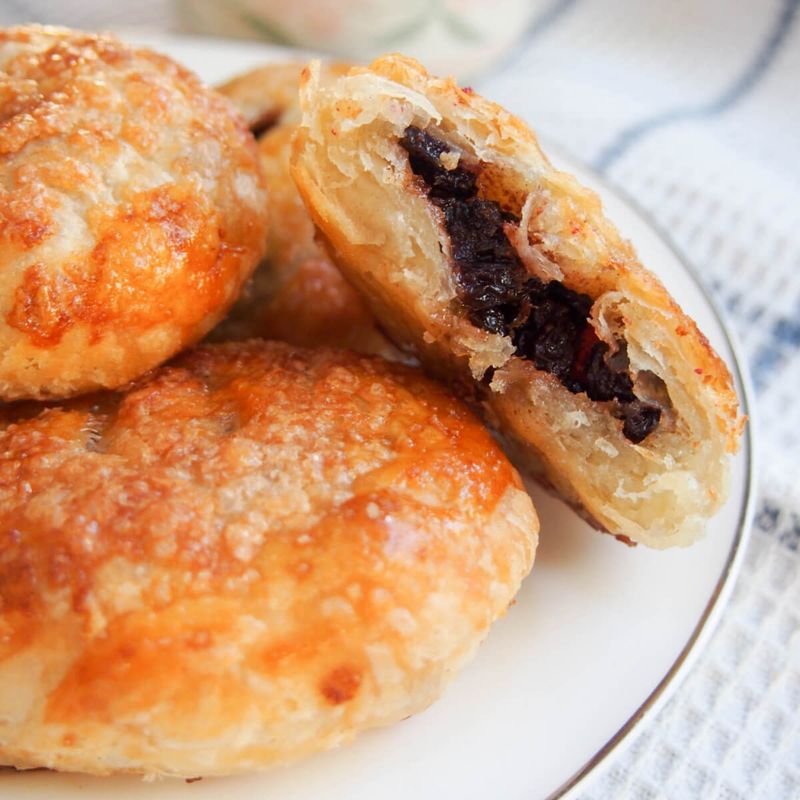
Eccles Cakes come from the town of Eccles in Greater Manchester, and they have been delighting people since at least 1793. These small, round pastries are made from flaky puff pastry wrapped around a buttery, spiced currant filling, then slashed across the top and dusted with sugar before baking.
The pastry caramelises into something almost toffee-like at the edges, while the filling stays sticky and intensely fruity. Lancashire cheese is the traditional accompaniment, and that sweet-salty combination is genuinely extraordinary.
Do not knock it until you try it.
13. Welsh Cakes (Wales)
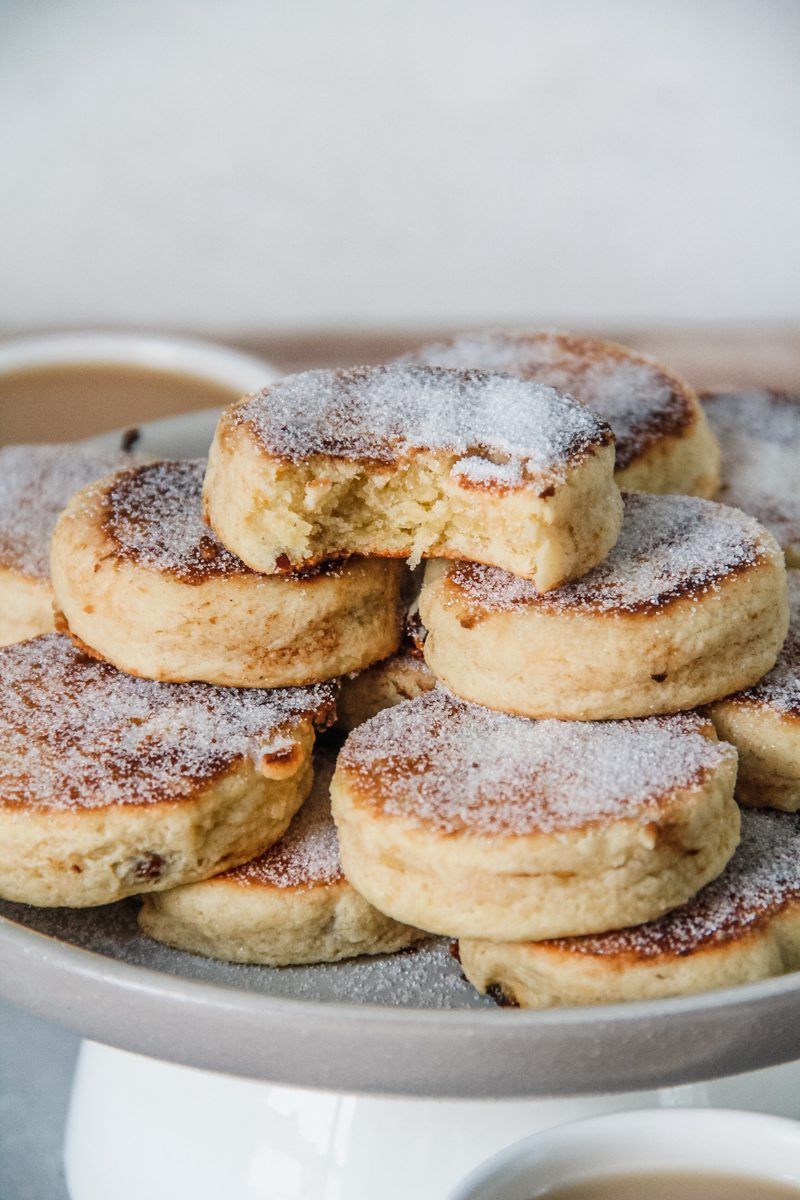
Welsh Cakes, known locally as picau ar y maen, are cooked on a flat griddle rather than baked in an oven, which gives them their distinctive slightly crisp exterior and soft, tender middle. They are flavoured with mixed spice and packed with currants.
Sold at every market stall and bakery in Wales, they are best eaten warm, fresh off the griddle, with a dusting of caster sugar. They travel well too, making them a brilliant snack to take on a hike through the Welsh hills.
14. Devonshire Splits
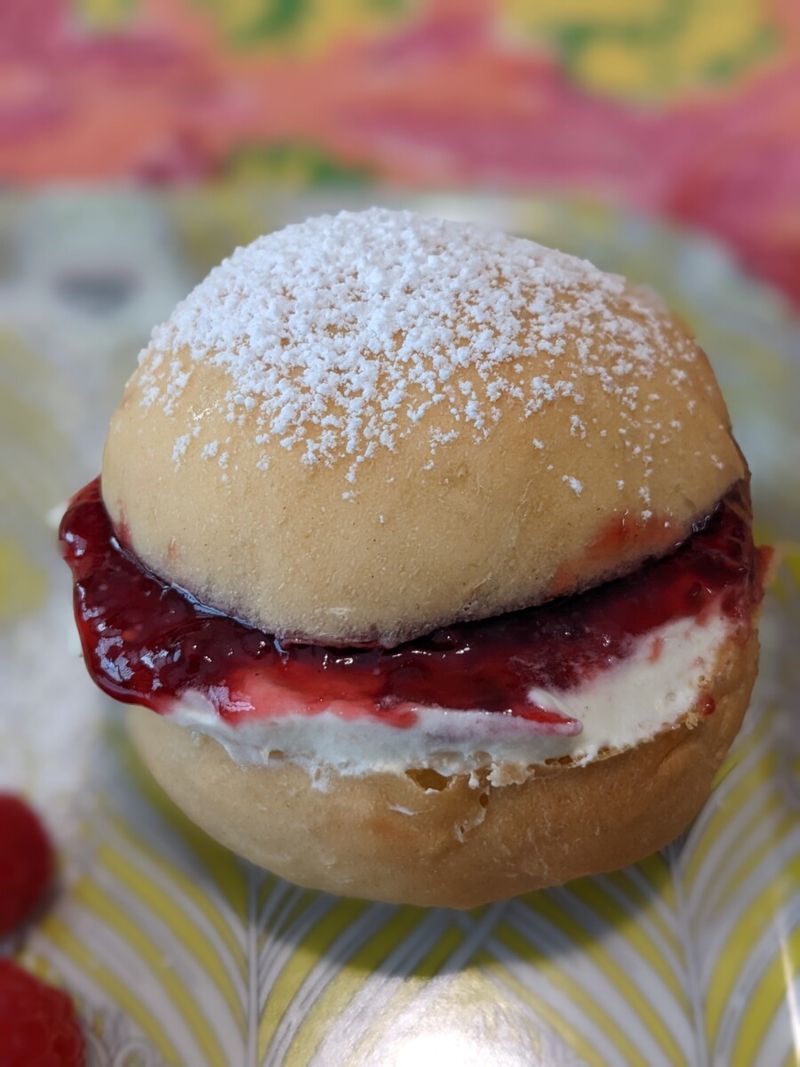
Devonshire Splits are the less-famous cousins of scones, but locals in Devon will tell you they are just as worthy of cream tea glory. These soft, pillowy white bread rolls are split open and generously filled with clotted cream and jam, creating a messy, glorious mouthful.
The debate about whether cream or jam goes on first is just as fierce here as it is with scones. Made from enriched dough with a hint of sweetness, Devonshire Splits have a lighter, fluffier texture that makes them utterly irresistible on a warm afternoon.
15. Parkin (Yorkshire and Lancashire)
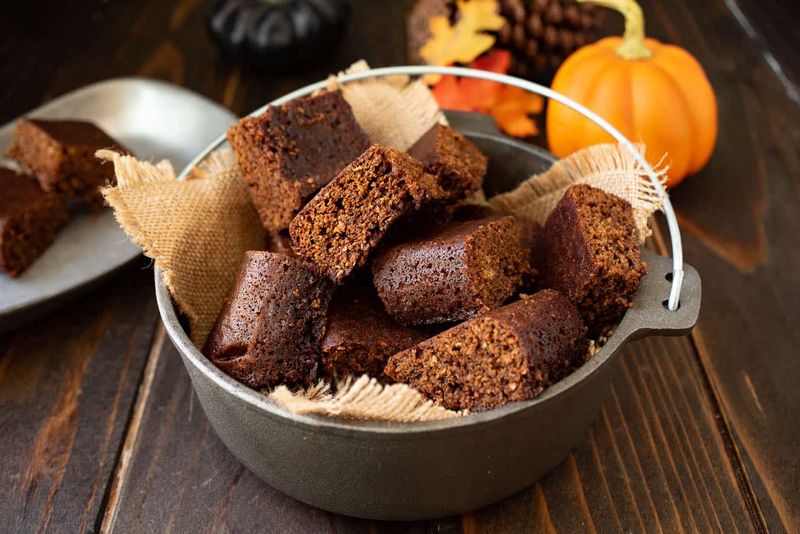
Bonfire Night without Parkin is practically illegal in Yorkshire and Lancashire. This dark, sticky cake is made with oatmeal, black treacle, and ginger, giving it a deeply intense, slightly smoky sweetness that is unlike any other bake in Britain.
The magic of Parkin is that it actually gets better with age. Baked days before eating, it softens and becomes stickier and more flavourful as it sits.
Cut into thick squares and eaten beside a bonfire, it is one of the most atmospheric and satisfying seasonal bakes the UK has to offer.
16. Cornish Heavy Cake
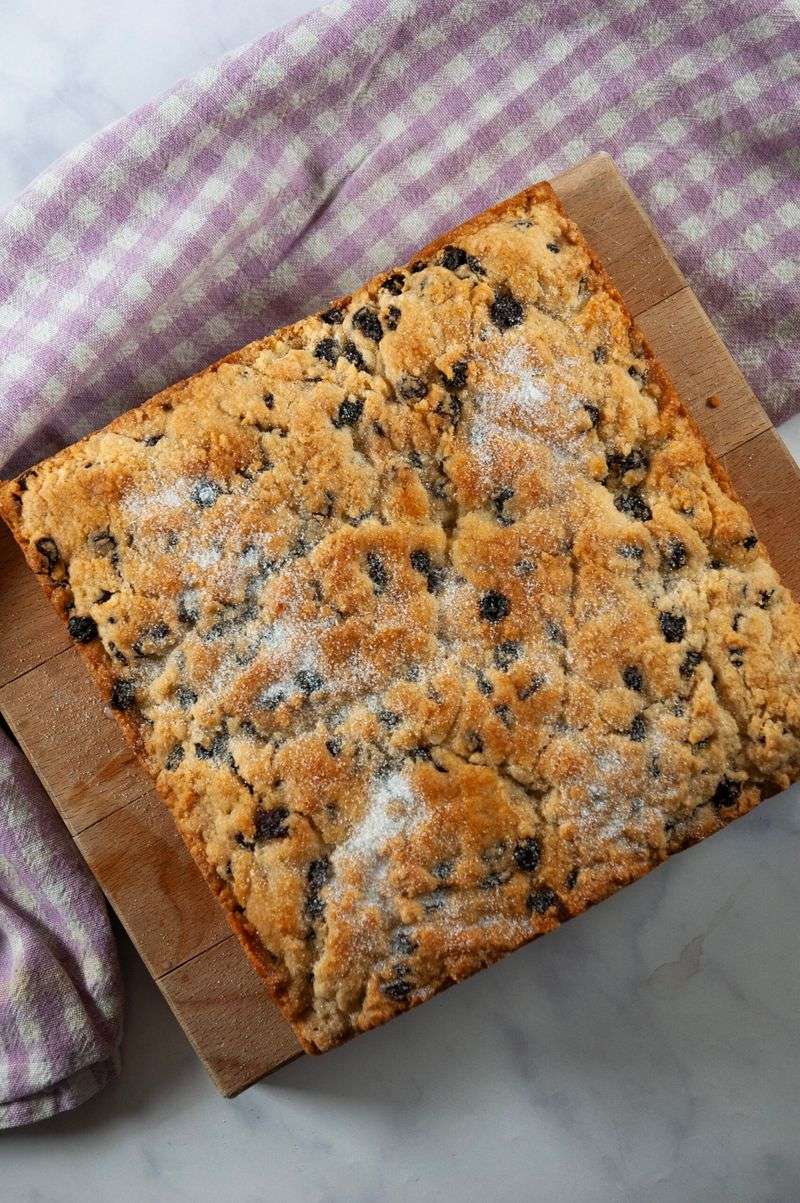
Despite the name, Cornish Heavy Cake is not actually a cake at all. It is a flat, dense pastry made from a simple shortcrust dough layered with lard, sugar, and currants, then rolled and folded before baking into something crumbly, buttery, and unexpectedly wonderful.
Fishermen's wives in Cornwall used to bake these for their husbands to take out to sea, as they kept well and provided serious energy. The name likely comes from the Cornish word "hevva," a call used by pilchard lookouts.
History baked right into the pastry.
17. Black Bun (Scotland)
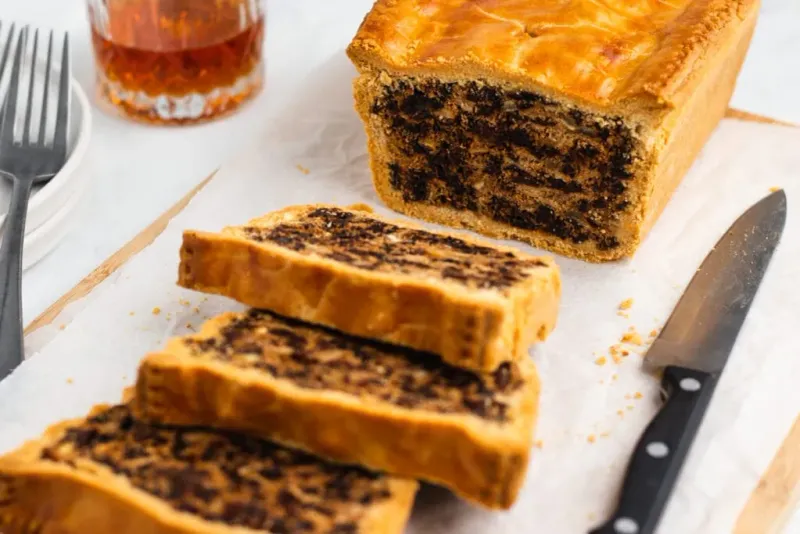
Black Bun is one of Scotland's most dramatic bakes, and it looks unlike anything else in British baking. A thick, dark spiced fruit filling made with raisins, currants, almonds, and warming spices is encased entirely in a plain shortcrust pastry shell, creating a bake that looks plain outside but is explosive inside.
Traditionally eaten at Hogmanay, Scotland's New Year celebration, it is given as a gift during first-footing visits. The flavour is bold, rich, and intensely spiced.
It is the kind of bake that demands a dram of whisky alongside it.




Comments
No Comments