













Eating the right vegetables can make a huge difference in how your body feels every single day. Many leafy greens and veggies are packed with fibre, which helps your digestive system run smoothly and keeps you feeling full longer.
Adding more of these foods to your meals is one of the easiest ways to boost your gut health naturally. Here are 17 fantastic options worth putting on your plate.
1. Spinach
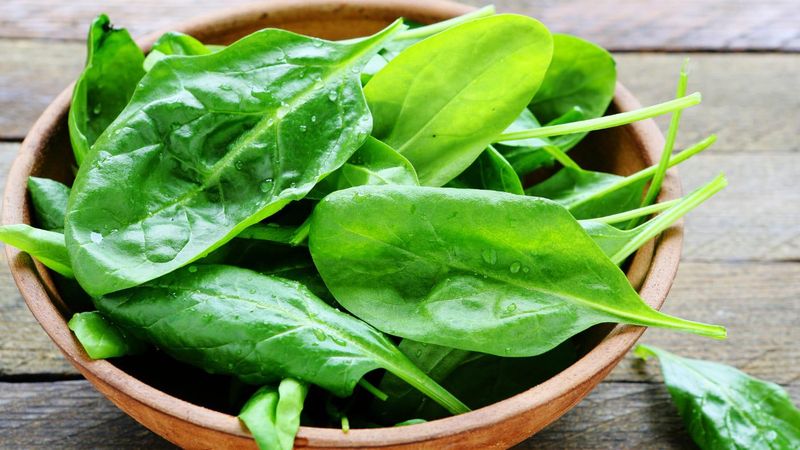
Spinach might look simple, but it packs a serious punch when it comes to gut health. It contains both soluble and insoluble fibre, which work together to keep digestion moving at a healthy pace.
Adding a handful to smoothies, salads, or scrambled eggs is effortless. Ancient Romans actually prized spinach for its strength-giving properties, and modern science backs that up with impressive nutritional data.
2. Kale
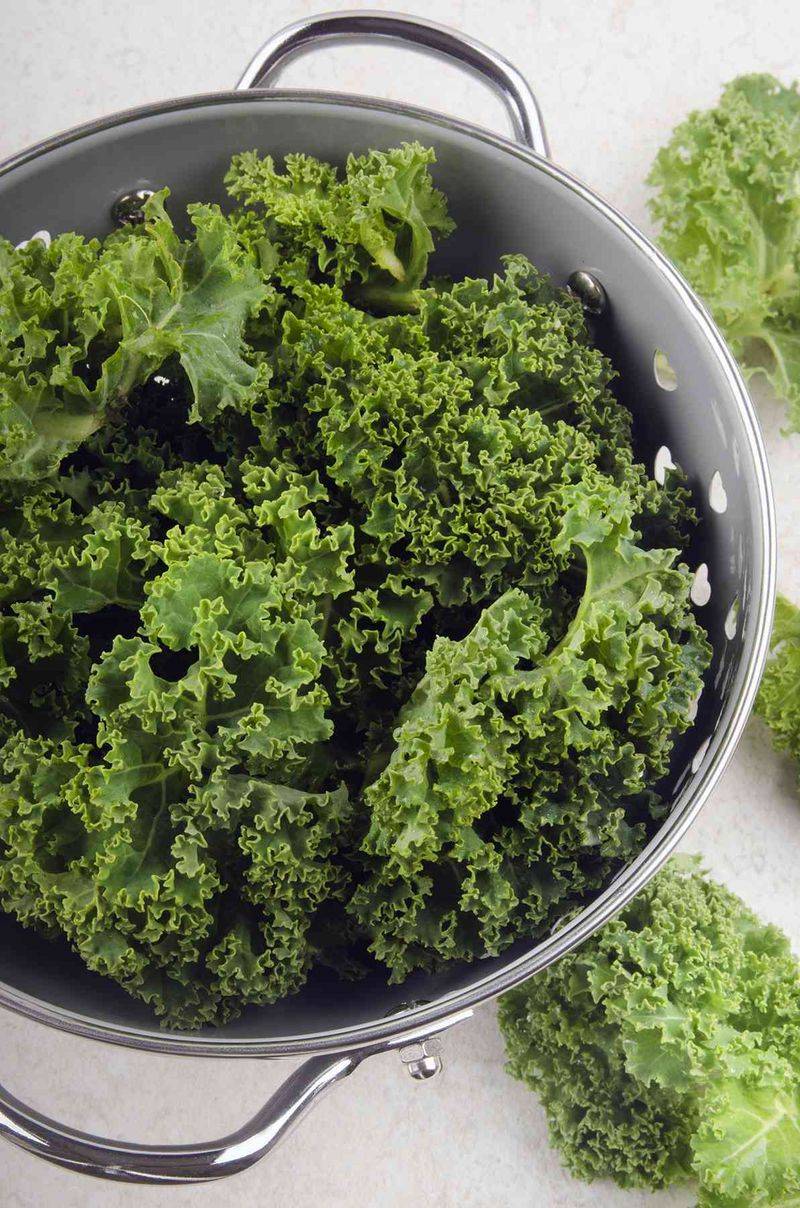
Kale has earned its superfood reputation for good reason. Loaded with fibre and powerful antioxidants, it supports healthy digestion while also feeding the beneficial bacteria living in your gut.
Massaging raw kale with a little olive oil before eating it softens the tough leaves and makes it much easier to digest. One cup of cooked kale delivers around 2.6 grams of fibre, which is a solid contribution toward your daily goal.
3. Broccoli
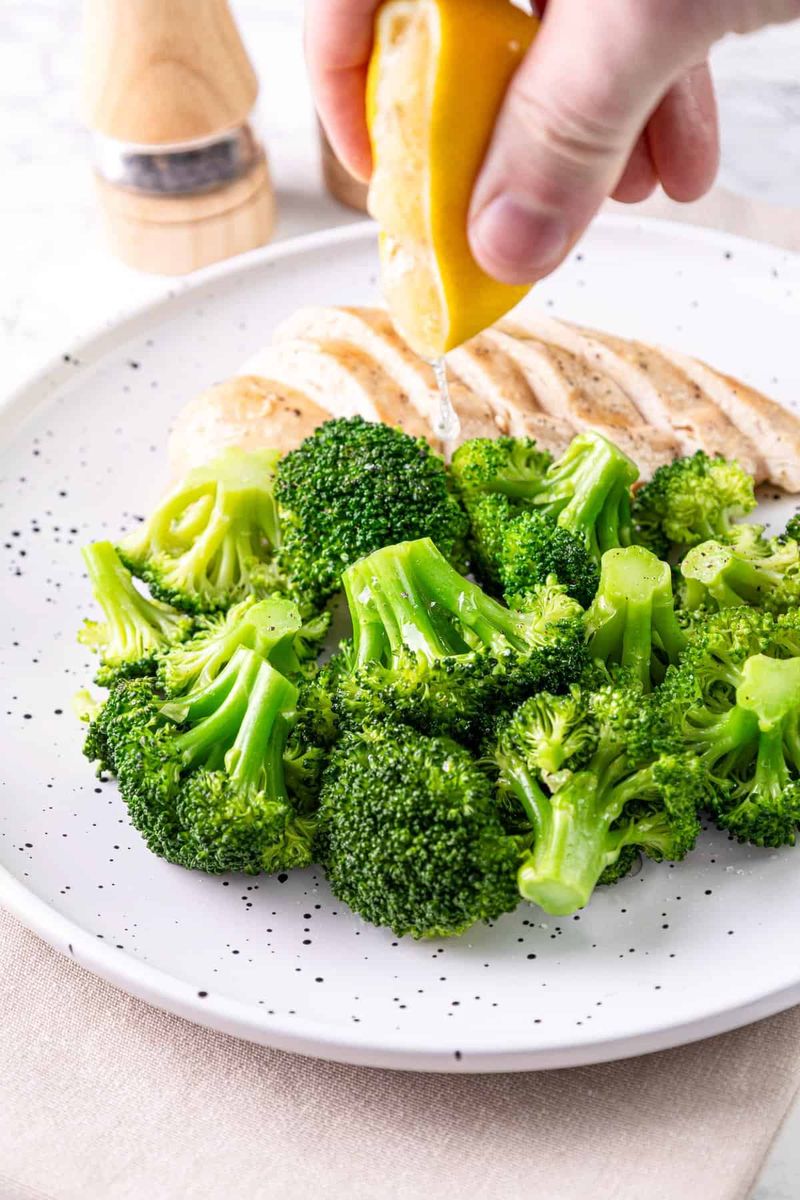
Broccoli is basically a digestive powerhouse disguised as a tree-shaped vegetable. It contains a unique compound called sulforaphane that actively supports a balanced gut microbiome.
Steaming broccoli rather than boiling it preserves more of its fibre and nutrients. One cup of cooked broccoli delivers roughly 5 grams of fibre, making it one of the most efficient vegetables you can eat for keeping your digestive system happy and on track.
4. Brussels Sprouts
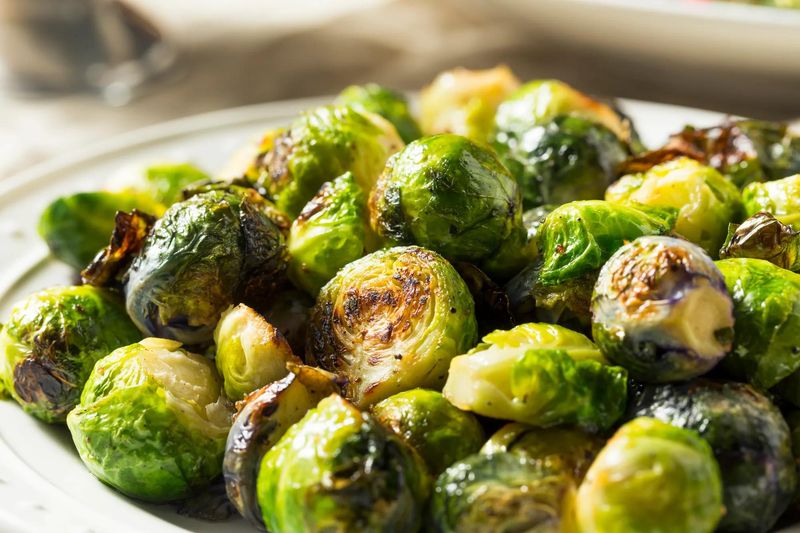
Brussels sprouts get a bad reputation, but roast them properly and they become caramelized, nutty, and genuinely delicious. Beyond taste, they are exceptional for digestive health thanks to their high fibre content and prebiotic properties.
Prebiotics act like food for the good bacteria in your gut, helping them thrive. Half a cup of cooked Brussels sprouts contains around 2 grams of fibre, which quietly contributes to better digestion with every meal you enjoy them.
5. Cabbage
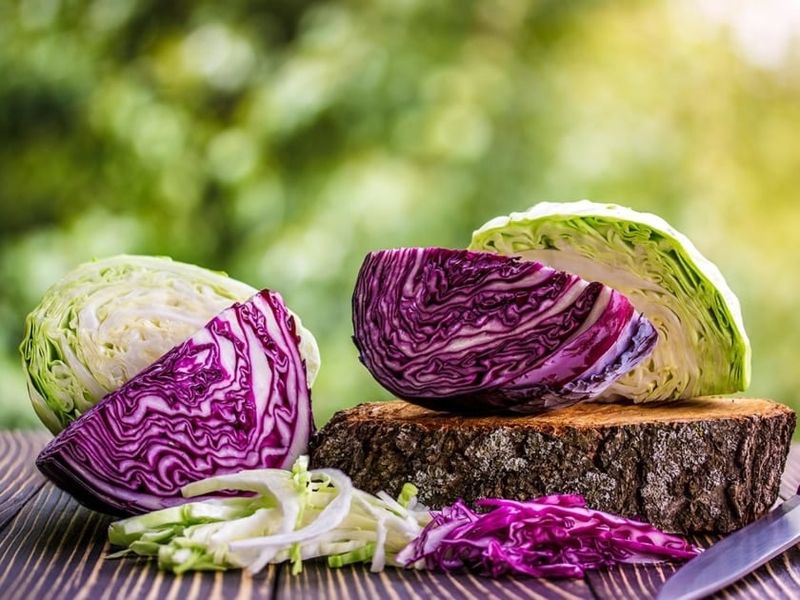
Cabbage has been used as a digestive remedy for centuries across many cultures, and it still earns its place on the list today. Fermented versions like sauerkraut and kimchi introduce beneficial probiotics that work hand in hand with fibre to support gut health.
Even raw cabbage in coleslaw provides a satisfying crunch along with meaningful fibre. One cup of shredded raw cabbage contains about 2 grams of fibre, making it an affordable and accessible choice.
6. Swiss Chard
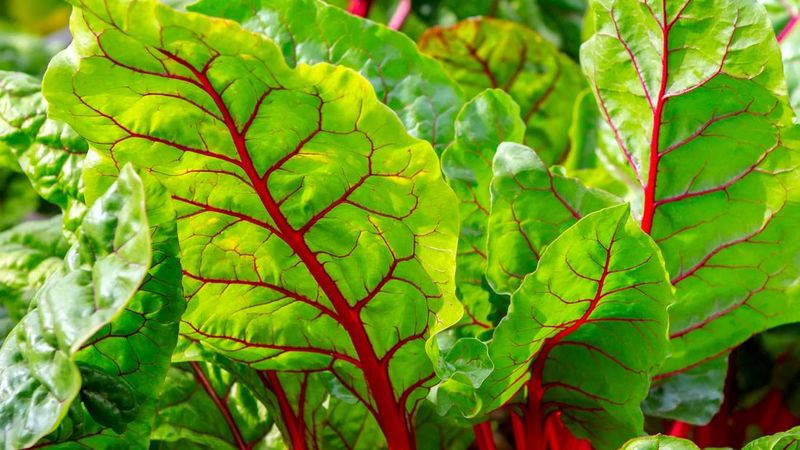
Swiss chard might be the most underrated leafy green on the planet. Its vibrant stems come in red, yellow, and orange, and the whole plant is rich in fibre, magnesium, and compounds that help regulate digestion.
Magnesium plays a key role in muscle contractions throughout the digestive tract, helping food move along efficiently. Saute Swiss chard with garlic and olive oil for a quick, flavourful side dish that genuinely does your gut a favour.
7. Artichokes
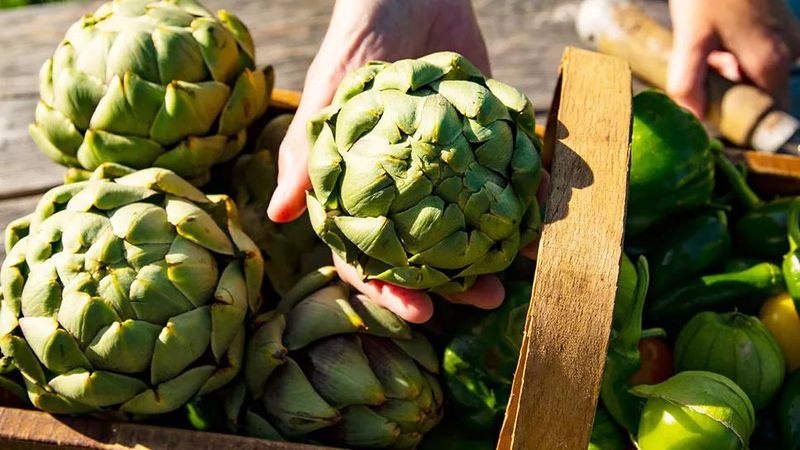
Did you know artichokes contain one of the highest fibre counts of any vegetable? A single medium artichoke delivers around 7 grams of fibre, which is remarkable for one serving of anything.
They also contain inulin, a prebiotic fibre that specifically nourishes healthy gut bacteria. Steamed with a dipping sauce of lemon butter, artichokes make an impressive dinner party starter that secretly doubles as one of the best gut-health foods you will ever eat.
8. Asparagus
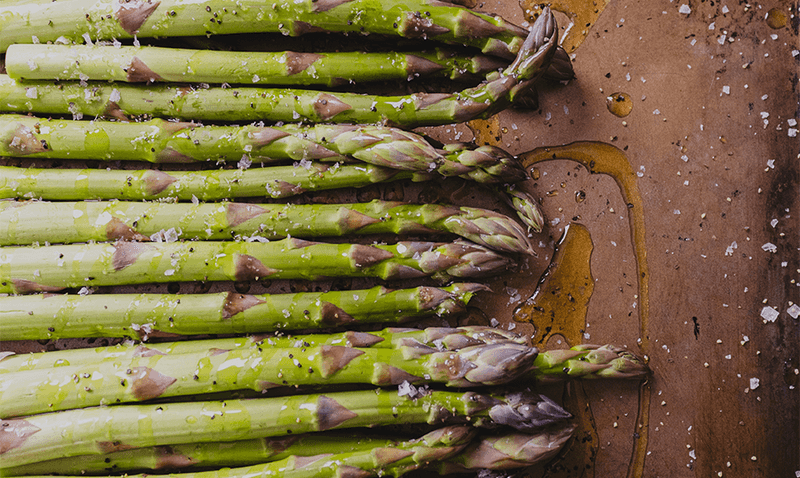
Asparagus is a true spring favourite with a lot more going on beneath the surface than its elegant appearance suggests. It contains inulin, the same prebiotic fibre found in artichokes, which feeds beneficial gut bacteria and promotes a balanced digestive environment.
Roasting asparagus in the oven with olive oil and a pinch of sea salt takes only 15 minutes and produces a delicious result. Four spears provide roughly 1.2 grams of fibre, so portions add up quickly.
9. Peas
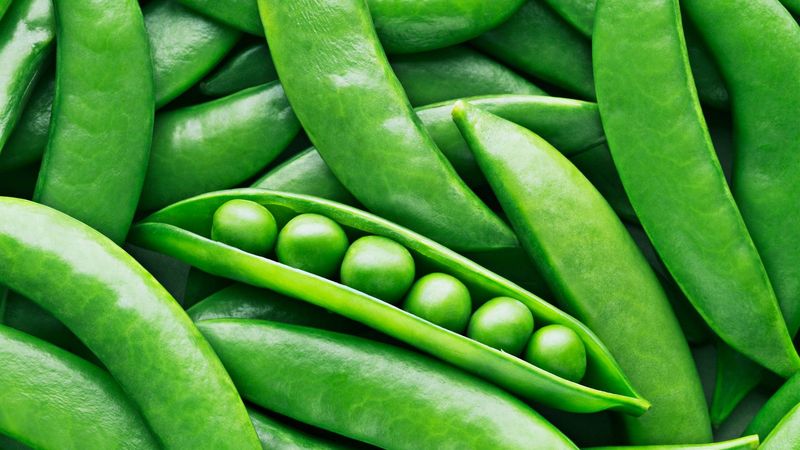
Sweet, satisfying, and surprisingly fibre-rich, peas deserve far more credit than they typically receive. A single cup of cooked peas contains around 8 grams of fibre, which is genuinely impressive for such a small and humble vegetable.
Peas also contain resistant starch, a type of carbohydrate that bypasses normal digestion and feeds good gut bacteria instead. Toss them into pasta, soups, or rice dishes for an easy fibre boost that kids and adults alike actually enjoy eating.
10. Beetroot Greens
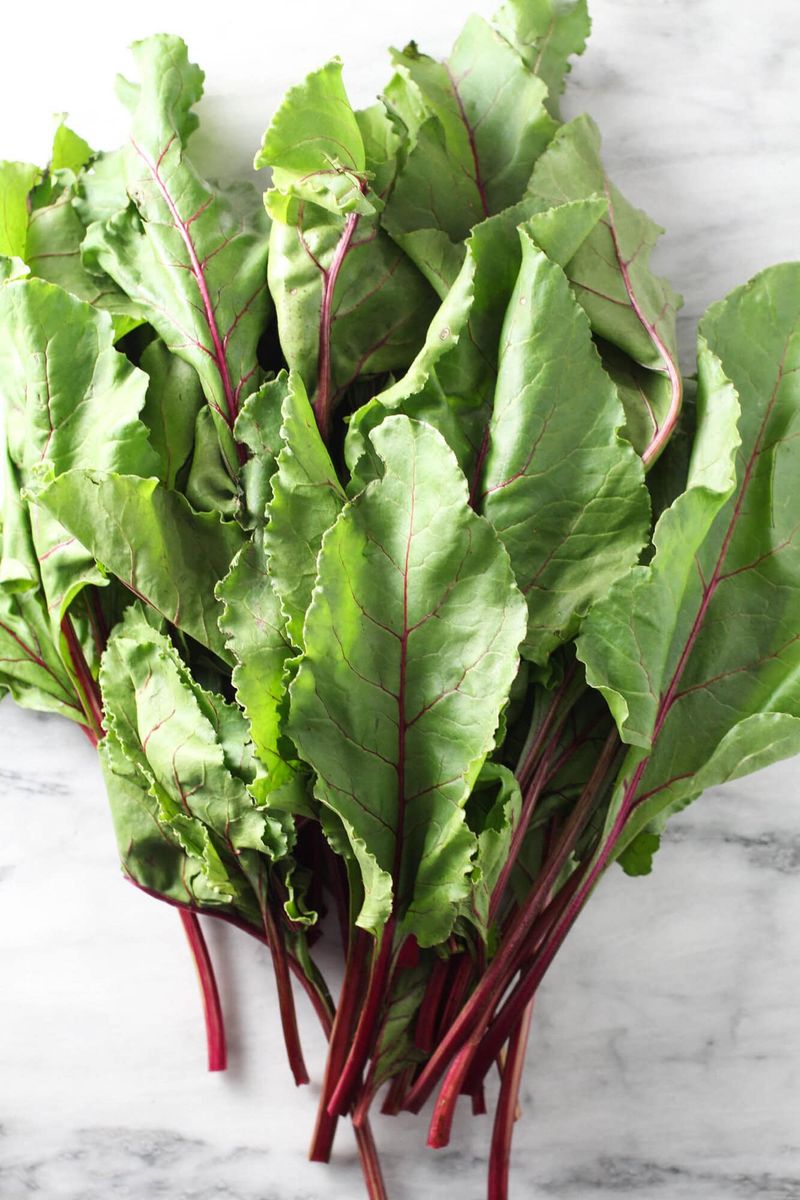
Most people throw away the leafy tops of beetroot without realising they are actually more nutritious than the beet itself. Beetroot greens are loaded with fibre, calcium, and iron, and they have a mild, slightly earthy flavour that works beautifully in stir-fries and salads.
The fibre in these greens helps bulk up stool and supports regular bowel movements. Next time you buy fresh beets, hold onto those tops and give them a quick saute with garlic.
11. Collard Greens
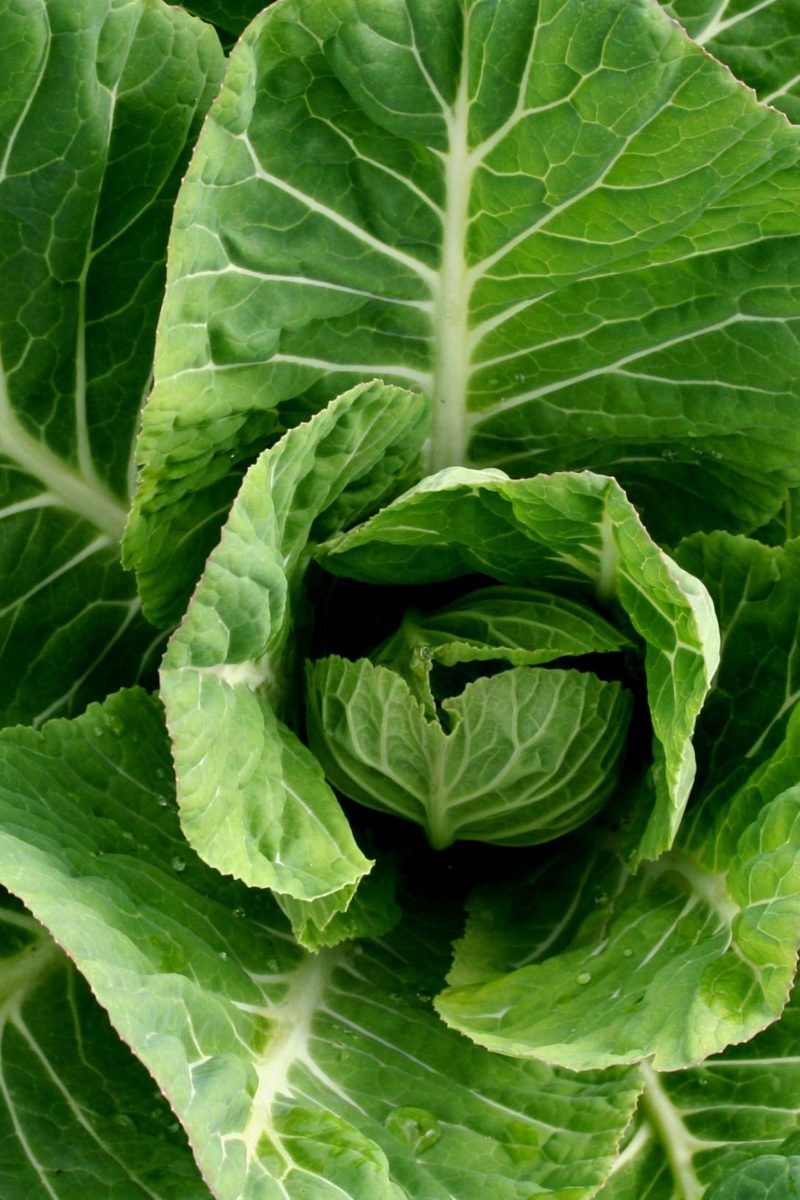
Collard greens are a Southern cooking staple with deep roots in African-American culinary tradition, and they are absolutely brilliant for digestive health. Their thick, hearty leaves are rich in insoluble fibre, which adds bulk to digestion and helps prevent constipation.
Slow-cooking collards with a little smoked turkey or vegetable broth makes them tender and flavourful. One cup of cooked collard greens contains around 5 grams of fibre, making them one of the most fibre-dense leafy greens available.
12. Leeks
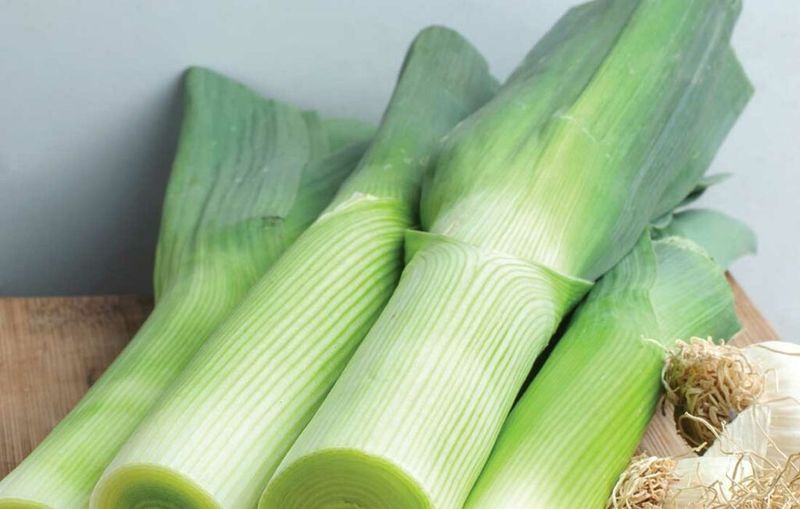
Leeks belong to the same family as garlic and onions, and like their relatives, they are packed with prebiotic properties that support a thriving gut microbiome. Their mild, sweet flavour makes them far more versatile in cooking than their stronger-tasting cousins.
Leeks contain fructooligosaccharides, a type of prebiotic fibre that selectively nourishes beneficial bacteria. Add them to soups, quiches, or pasta dishes for a subtle flavour upgrade that also quietly improves your digestive wellbeing every time.
13. Fennel
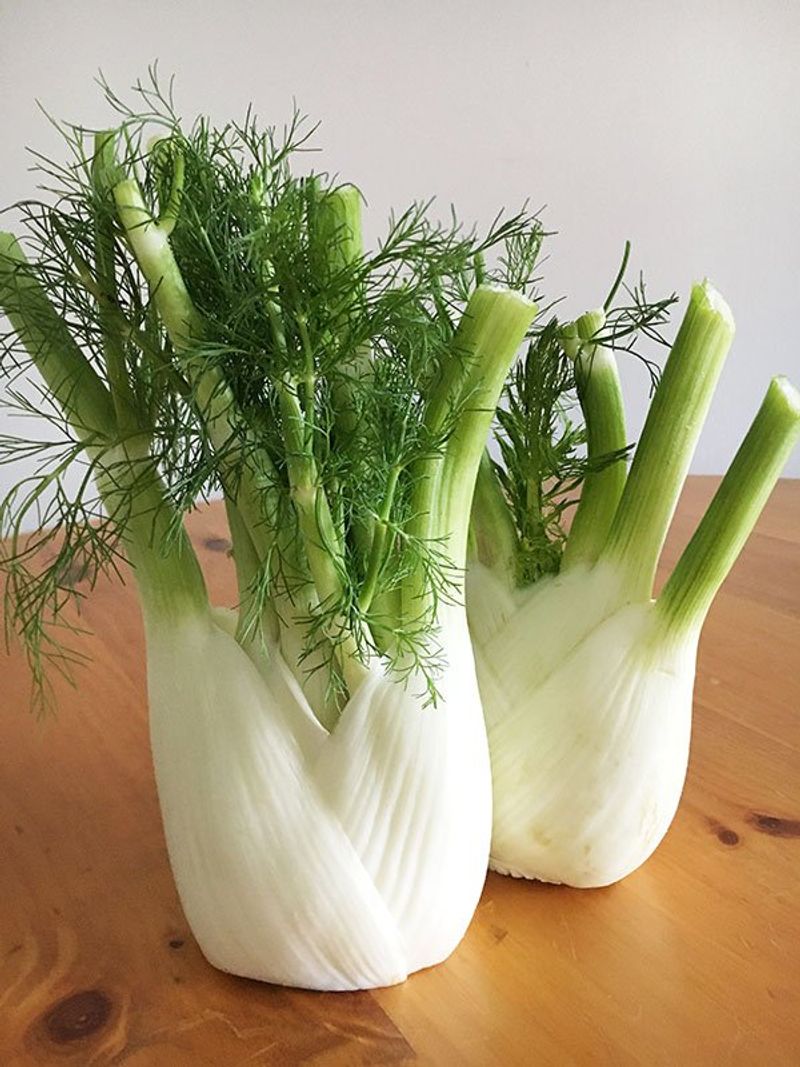
Fennel has been used as a natural digestive remedy since ancient times, and it remains one of the most effective vegetables for soothing an unsettled stomach. Its crunchy bulb contains around 3 grams of fibre per cup, supporting healthy bowel movements and reducing bloating.
The natural compounds in fennel relax the muscles of the gastrointestinal tract, easing cramps and discomfort. Slice it thinly into salads or roast it alongside fish for a surprisingly elegant and gut-friendly meal.
14. Mustard Greens
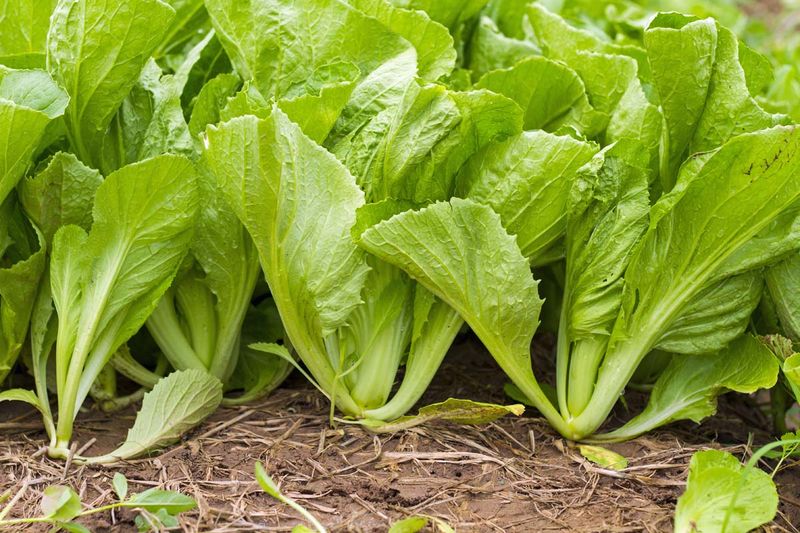
Mustard greens bring a peppery, bold flavour that sets them apart from milder leafy greens like spinach or romaine. That distinctive kick comes from natural compounds called glucosinolates, which also happen to support healthy gut function and reduce inflammation in the digestive tract.
One cup of cooked mustard greens contains roughly 2.8 grams of fibre. They cook down quickly in a hot pan and pair wonderfully with garlic, chilli flakes, and a splash of apple cider vinegar for maximum flavour.
15. Turnip Greens
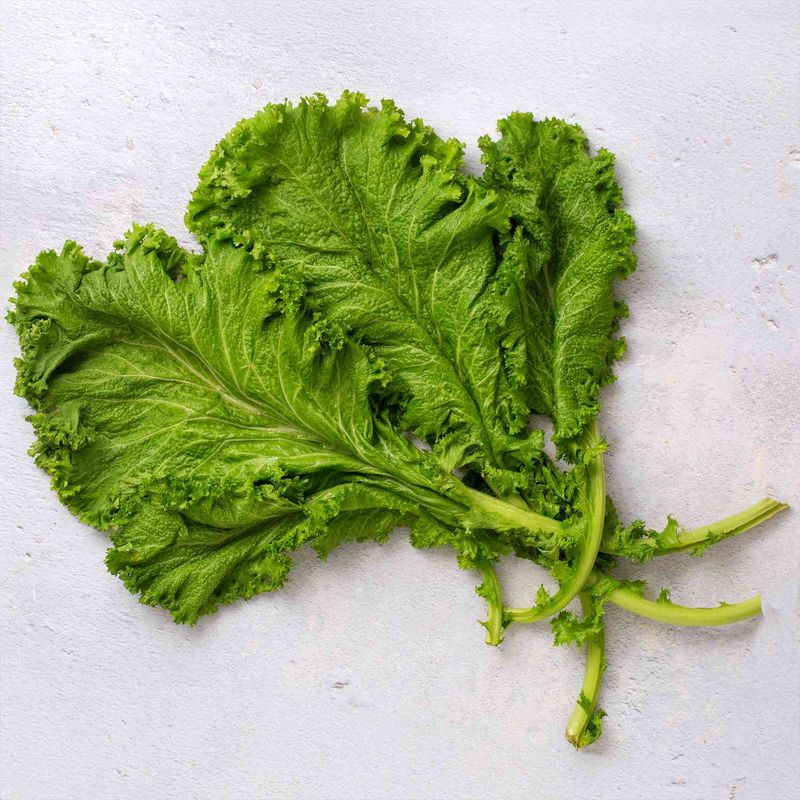
Turnip greens are another overlooked gem in the leafy green world. They have a slightly bitter, robust flavour and contain more fibre per serving than many more popular greens, making them a quiet champion for digestive health.
One cup of cooked turnip greens provides around 5 grams of fibre, along with calcium and vitamins A and C. Braising them slowly with onions and a touch of broth mellows their bitterness and creates a deeply satisfying, gut-nourishing side dish.
16. Watercress
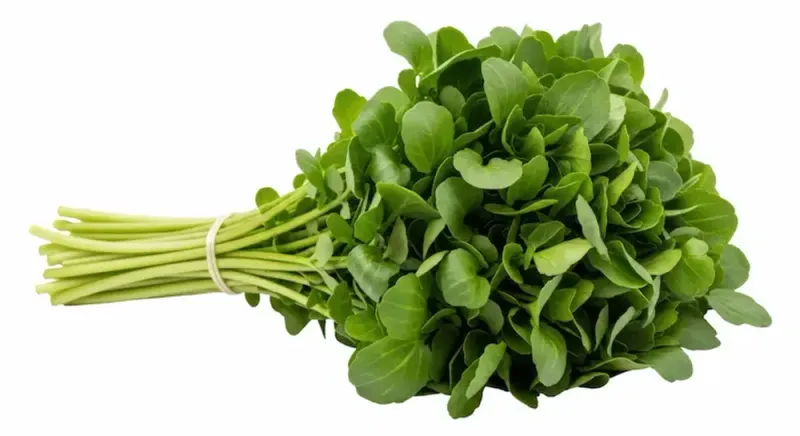
Watercress has a sharp, peppery bite and a long history as a health food dating back to ancient Greece. Hippocrates, the father of medicine, reportedly grew it near streams to ensure a fresh supply for his patients.
Beyond its impressive history, watercress contains fibre and powerful antioxidants that support a healthy digestive lining. Toss it into salads, blend it into soups, or layer it onto sandwiches for a fresh, fiery flavour boost with real gut-health benefits.
17. Dandelion Greens

Most people pull dandelions out of their gardens without realising the leaves are actually edible and remarkably good for digestion. Dandelion greens are rich in inulin, the same prebiotic fibre that feeds healthy gut bacteria and promotes regular bowel movements.
Their slightly bitter flavour pairs well with sweet dressings or roasted vegetables. One cup of raw dandelion greens contains around 1.9 grams of fibre, and they are also a natural mild diuretic, supporting overall digestive and kidney health simultaneously.




Comments
No Comments