













Sometimes food just needs a little something extra — a hint of sweetness that makes every bite feel complete. But not everything has to come from a sugar bowl.
Nature has packed plenty of ingredients with a subtle, satisfying sweetness that enhances flavor without sending your taste buds into sugar overload. From roasted vegetables to fragrant spices, these 17 ingredients are kitchen game-changers worth knowing about.
1. Roasted Carrots
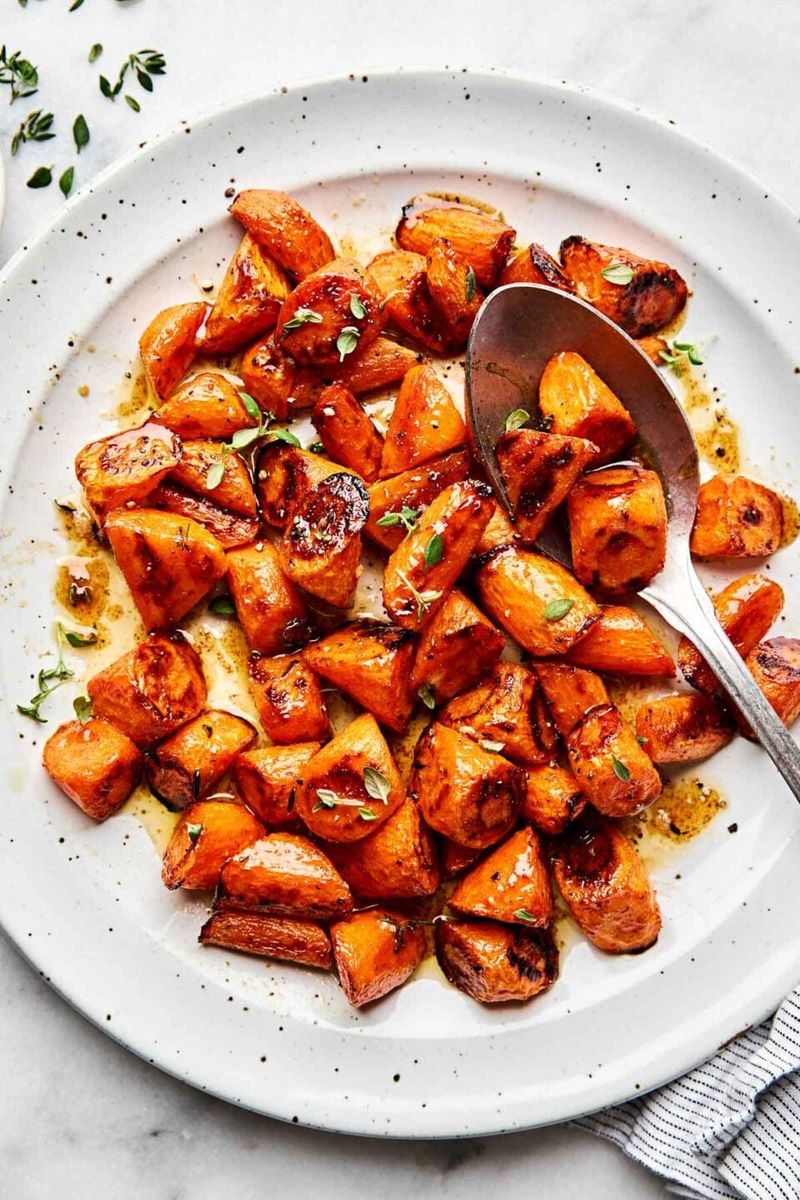
Pop carrots into a hot oven and something almost magical happens — their natural sugars caramelize, creating a deep, mellow sweetness that raw carrots just can't match.
Roasting concentrates the flavor without adding anything artificial. They pair beautifully with savory dishes like roasted chicken or grain bowls.
Even picky eaters tend to enjoy them because the sweetness sneaks up on you in the best way possible.
2. Medjool Dates

Sticky, rich, and almost toffee-like, Medjool dates are one of nature's most satisfying sweet treats. They've been enjoyed for thousands of years across the Middle East, and it's easy to see why.
Blended into smoothies or energy balls, they add body and sweetness without refined sugar. The fiber inside also slows digestion, so you won't get that familiar sugar crash an hour later.
3. Ripe Bananas
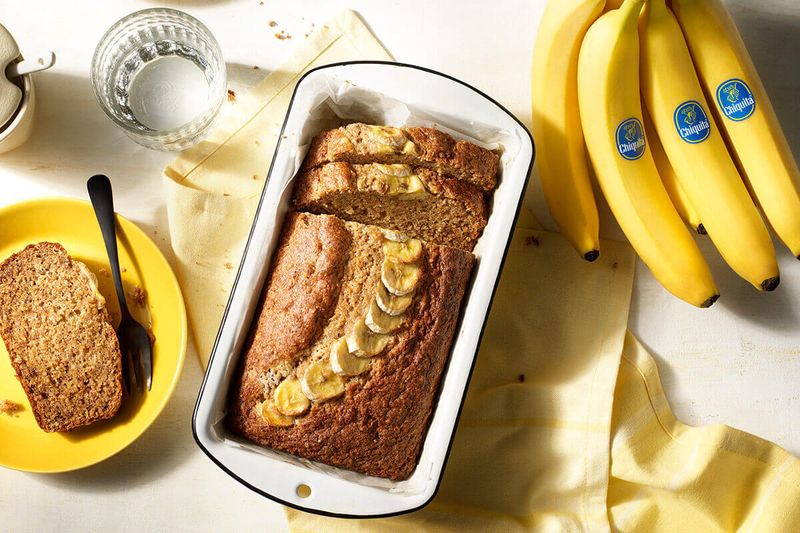
Here's a fun fact: the riper a banana gets, the sweeter it becomes. As bananas age, their starches convert into natural sugars, making them perfect for baking without any added sweetener.
Mashed ripe bananas work wonders in muffins, pancakes, and oatmeal. They also add moisture, which means you can cut back on butter or oil too.
It's basically a two-for-one deal in your kitchen.
4. Sweet Potatoes

Sweet potatoes have a naturally buttery, gentle sweetness that feels almost dessert-like — especially when roasted. Unlike regular potatoes, they're loaded with beta-carotene and fiber, making them as nutritious as they are delicious.
Mash them into soups, blend them into sauces, or simply bake them whole. Their earthy sweetness balances spicy and savory flavors beautifully, making them one of the most versatile ingredients in any kitchen.
5. Cinnamon
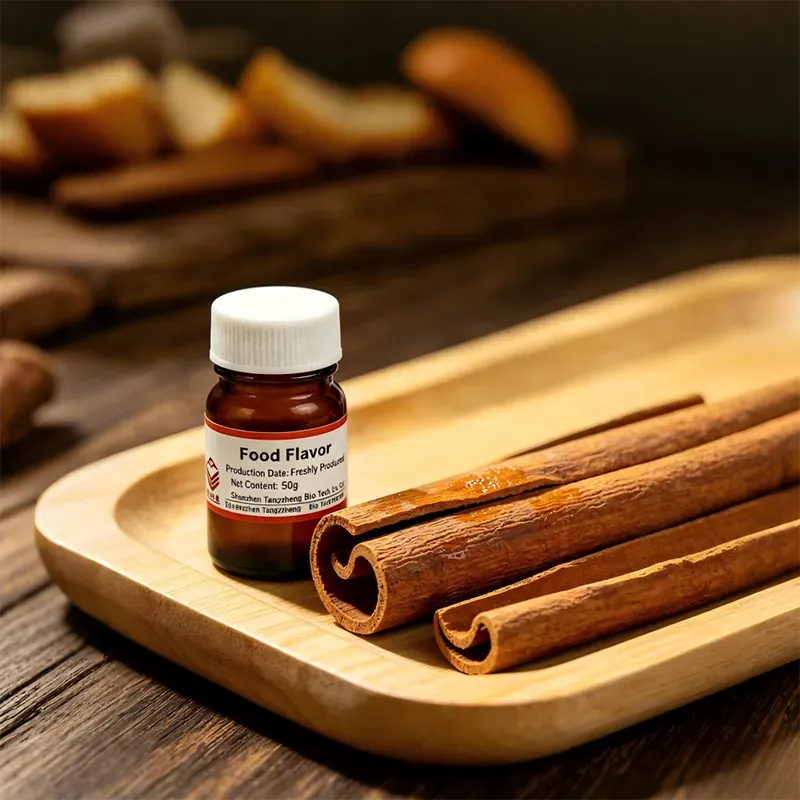
Cinnamon doesn't actually contain sugar, but it tricks your brain into thinking something is sweeter than it really is. Scientists believe it may even help regulate blood sugar levels.
Sprinkle it into your morning oatmeal, coffee, or yogurt and notice how much less sweetener you need. It's warm, slightly spicy, and deeply comforting — the kind of flavor that feels like a cozy sweater on a cold day.
6. Coconut Milk
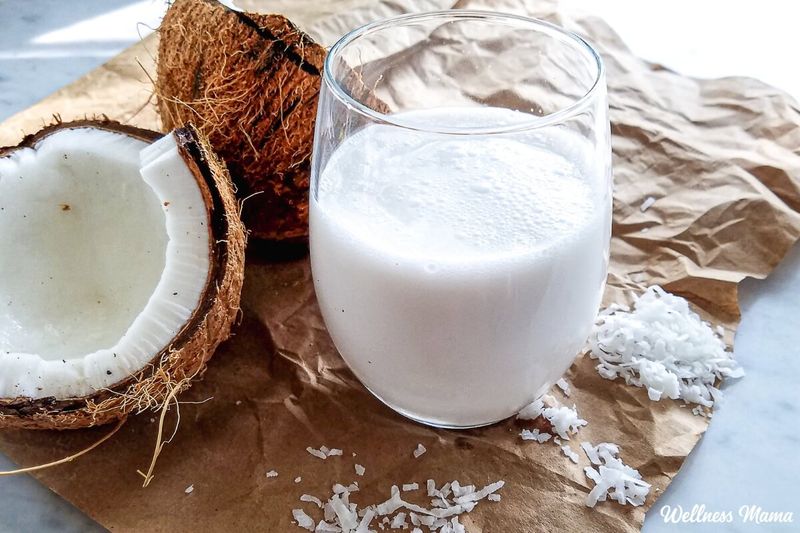
Full-fat coconut milk carries a rich, lightly sweet flavor that transforms curries, soups, and desserts without needing a single gram of added sugar. The natural fats are what give it that luxurious, almost velvety quality.
Try stirring it into overnight oats or using it as a base for smoothies. It balances heat from spices and adds a tropical warmth that makes even simple recipes feel a little extraordinary.
7. Vanilla Extract
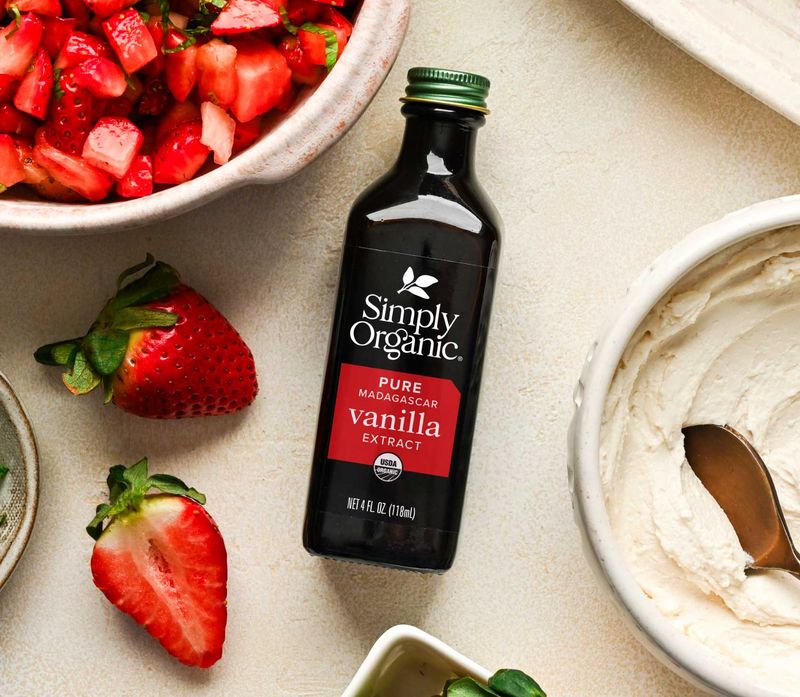
A splash of pure vanilla extract can make food taste sweeter without adding any sugar at all. It's one of the most underrated tricks bakers and chefs use every single day.
The aromatic compounds in vanilla stimulate sweetness receptors on your tongue, essentially enhancing what's already there. Add it to smoothies, yogurt, or baked goods and watch how the whole flavor profile deepens.
Always choose pure extract over imitation for the best results.
8. Beets
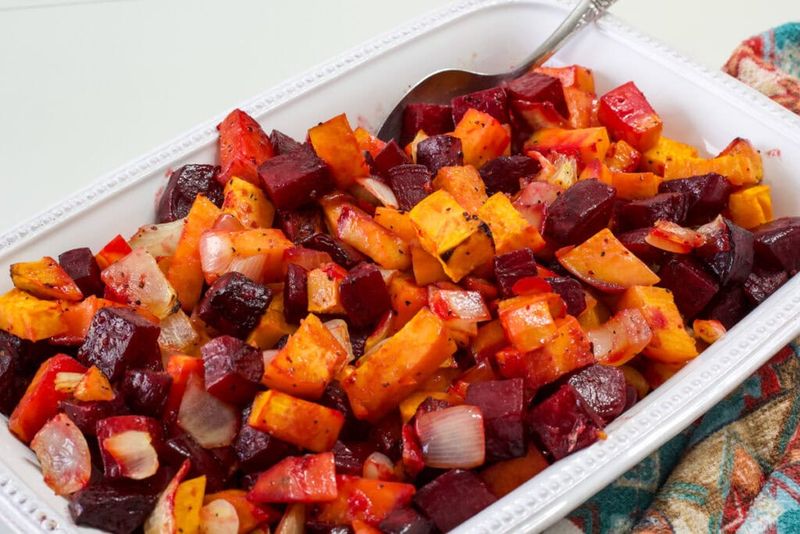
Beets have a bold, earthy sweetness that surprises people who've only ever eaten them from a can. Roasting them brings out their best qualities — a rich, almost wine-like flavor with a satisfying natural sugar content.
Blend roasted beets into hummus, smoothies, or chocolate cake batter for a deep, complex sweetness. They also add gorgeous color to any dish, making food look just as impressive as it tastes.
9. Applesauce (Unsweetened)
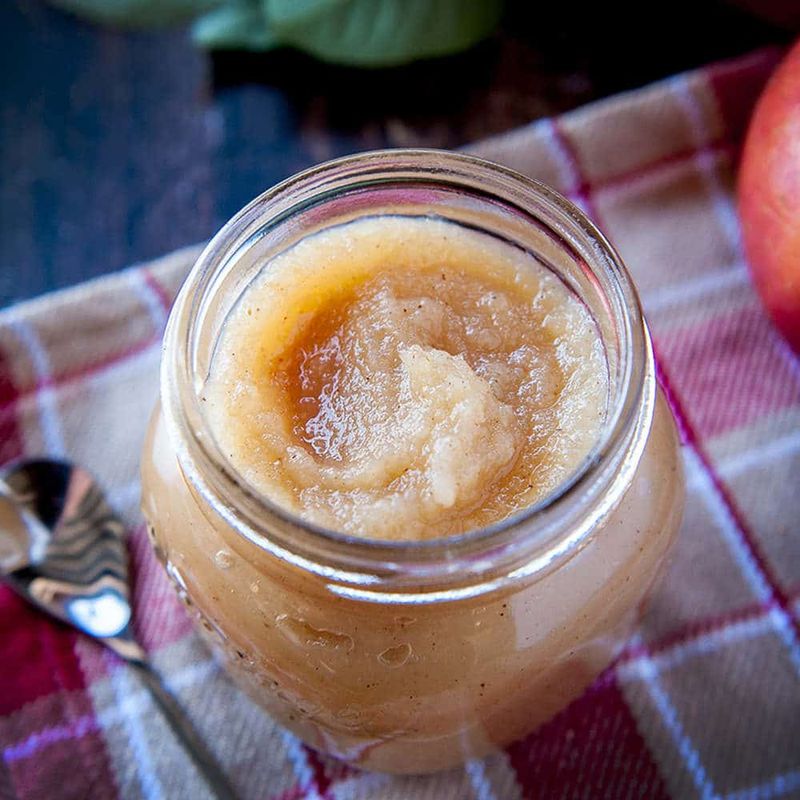
Unsweetened applesauce is one of those quiet heroes in the kitchen — mild, naturally sweet, and incredibly useful. It's been a go-to baking substitute for generations of home cooks trying to cut back on sugar and fat.
Use it in place of oil or sugar in muffins, quick breads, and pancakes. The natural fruit sugars add just enough sweetness, and the moisture it provides keeps baked goods soft for days longer than expected.
10. Butternut Squash
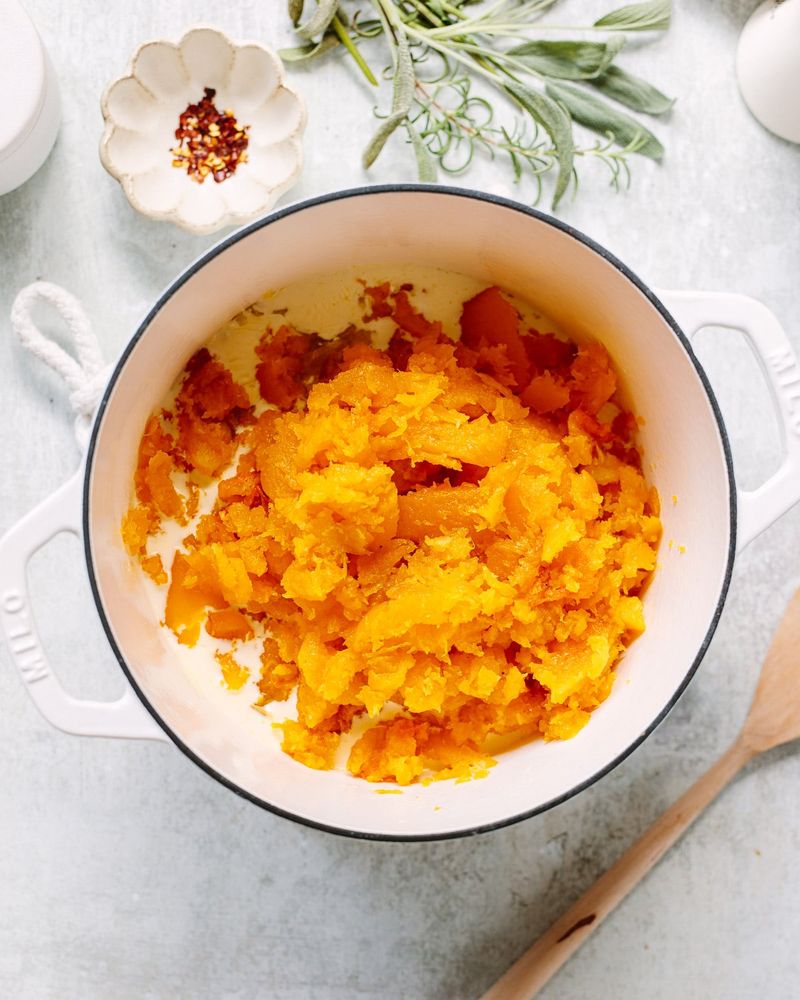
Butternut squash has a nutty, honeyed flavor that develops beautifully when roasted or pureed. It's one of those vegetables that could almost pass for dessert if you close your eyes.
Stir the puree into pasta sauces, soups, or mac and cheese for a creamy, subtly sweet depth. Kids especially tend to love it without even realizing they're eating a vegetable.
That's the kind of kitchen win everyone can celebrate.
11. Pineapple

Fresh pineapple packs a bright, tropical punch that's intensely sweet yet balanced by a pleasant tartness. It's the kind of fruit that makes you feel like you're on vacation with every single bite.
Add it to stir-fries, salsas, or grilled skewers where its natural sugars caramelize and deepen. The enzyme bromelain also helps tenderize meat, so pineapple does double duty as both a flavor booster and a handy cooking tool.
12. Fennel
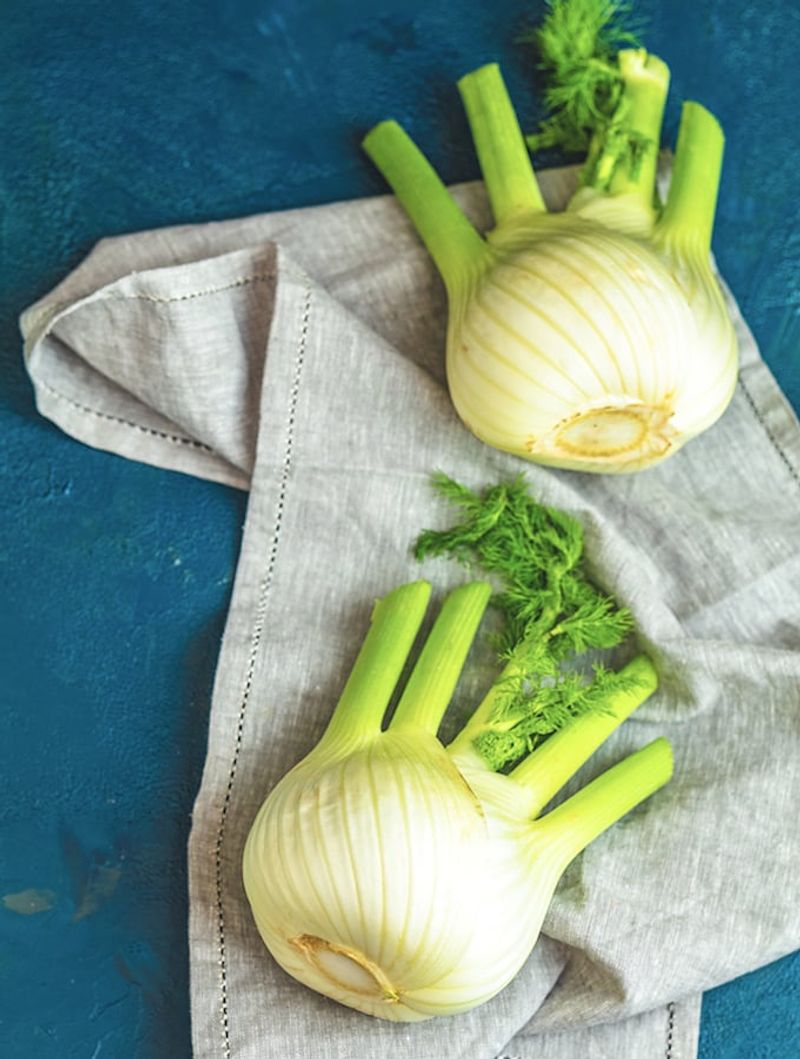
Fennel is one of those ingredients that quietly blows people away the first time they really taste it. Raw, it has a crisp texture and a light, anise-like sweetness that feels refreshing and clean.
When roasted or sauteed, that sweetness mellows into something almost caramel-like. Slice it thin into salads or braise it alongside fish and chicken.
Fennel adds complexity to simple dishes without overwhelming the other flavors around it.
13. Mango
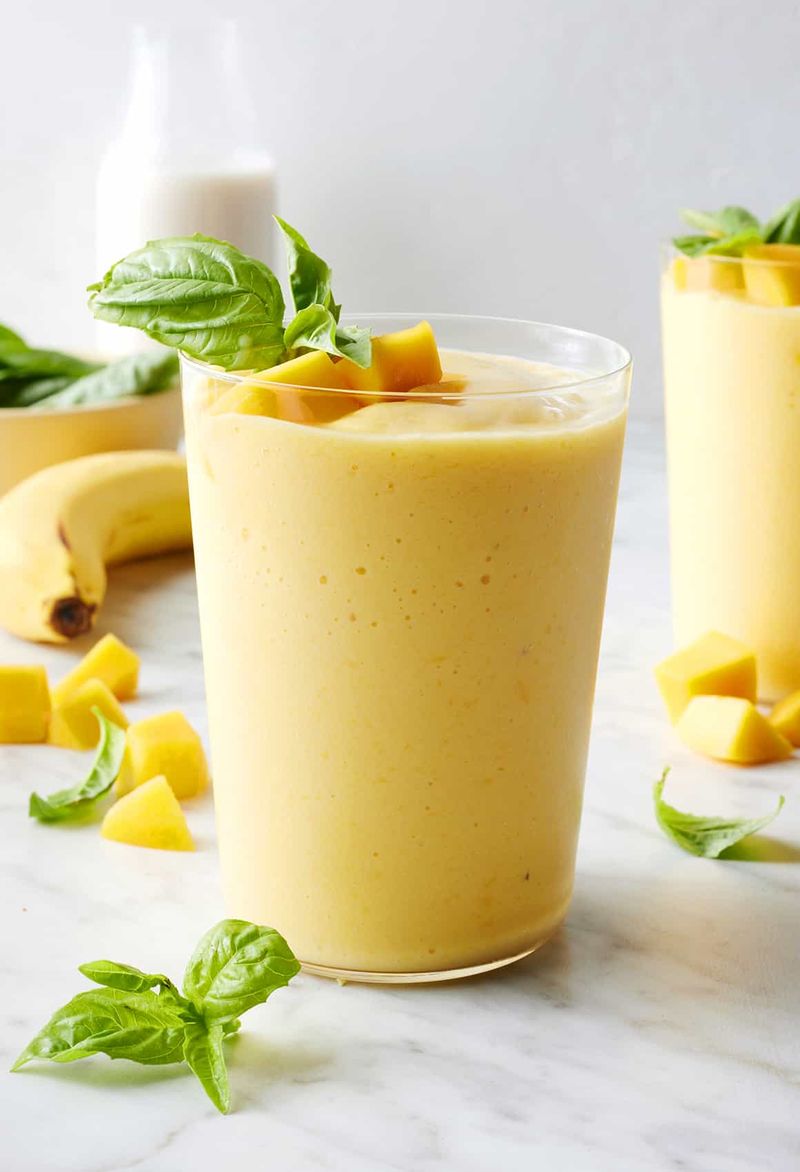
Few fruits are as generously sweet as a perfectly ripe mango. Its tropical, floral flavor is bold enough to stand on its own but also plays well with spice, salt, and acid.
Blend it into dressings, chutneys, or smoothie bowls where its natural sugars do all the sweetening work. Frozen mango chunks are just as effective as fresh ones — a handy trick for getting that bright sweetness year-round without spending extra.
14. Caramelized Onions
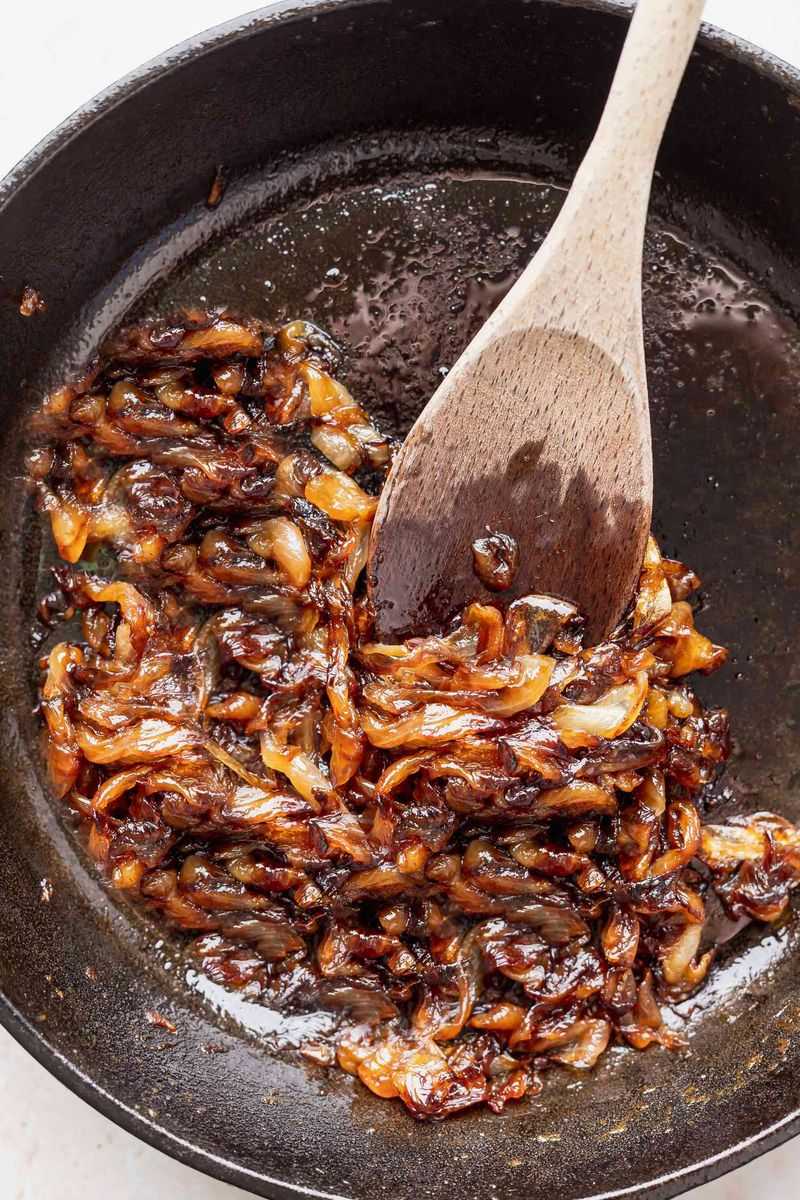
Onions and sweetness don't seem like they'd belong in the same sentence — until you've tasted them properly caramelized. Slow-cooking onions over low heat for 30 to 45 minutes transforms their sharpness into a deeply rich, jam-like sweetness.
Pile them onto burgers, stir them into soups, or spread them over flatbreads. They add a savory-sweet complexity that no store-bought sauce can replicate.
Patience is the only real ingredient required for this transformation.
15. Pomegranate Molasses
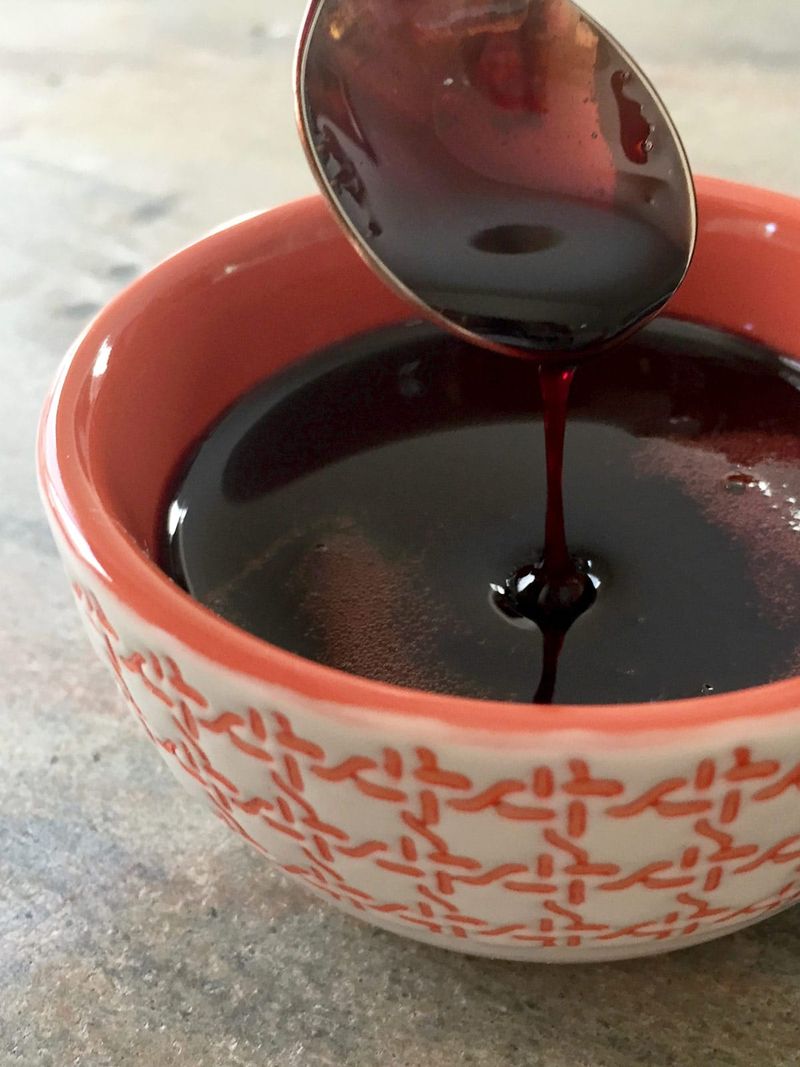
Pomegranate molasses is tart, tangy, and sweet all at once — a flavor combination that feels bold and sophisticated. It's made by reducing pomegranate juice until it becomes thick and syrupy, concentrating all that natural fruit goodness.
Drizzle it over roasted vegetables, use it in marinades, or stir it into salad dressings. A little goes a long way, and it adds a fruity depth that transforms even the most ordinary recipe into something genuinely memorable.
16. Roasted Garlic

Raw garlic is sharp and pungent — but roast it low and slow and it becomes something completely different: sweet, nutty, and almost spreadable. The transformation feels like a small kitchen miracle every time.
Squeeze it out of its papery skin and blend it into dips, mashed potatoes, or salad dressings. Roasted garlic adds a mellow, rounded sweetness that layers beautifully with other savory flavors and makes everything it touches taste more interesting.
17. Coconut Aminos
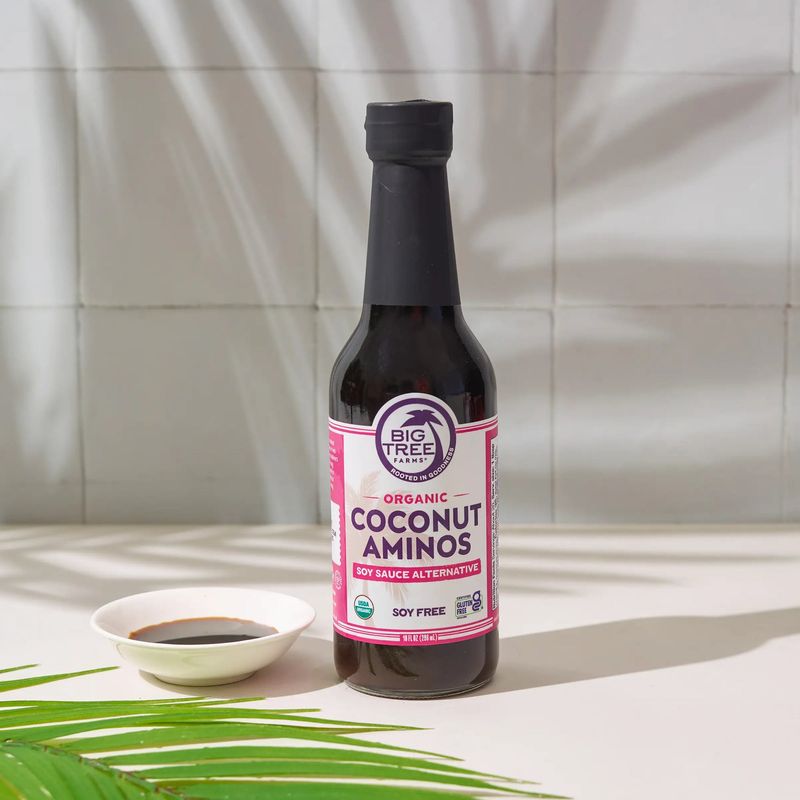
Coconut aminos is made from fermented coconut sap and has a slightly sweet, mildly salty flavor that works as a fantastic soy sauce alternative. It's lower in sodium and brings a gentle natural sweetness that soy sauce simply doesn't have.
Use it in stir-fries, marinades, or as a dipping sauce. The subtle sweetness rounds out bold, salty, and spicy flavors without overpowering them — making it one of the most quietly impressive pantry staples you can keep on hand.




Comments
No Comments