













English food has a reputation that does not always get the credit it deserves. From hearty breakfasts to comforting pies, the cuisine of England is packed with bold flavors and rich history.
Many of these dishes have been enjoyed for hundreds of years and are deeply woven into everyday life. Whether you are planning a trip to England or just want to explore new foods, these classics are absolutely worth knowing about.
1. Full English Breakfast
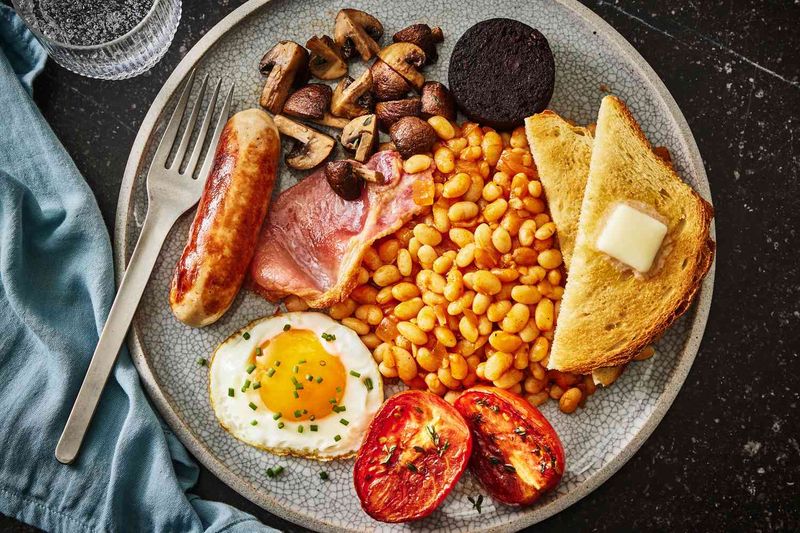
Wake up to the king of all breakfasts. The Full English is a legendary morning meal that packs bacon, eggs, sausages, baked beans, grilled tomatoes, black pudding, and buttered toast all onto one plate.
It started as a symbol of British prosperity in the 19th century and has never gone out of style. Whether you order it at a roadside cafe or a city diner, it fills you up and keeps you going all day long.
2. Fish and Chips
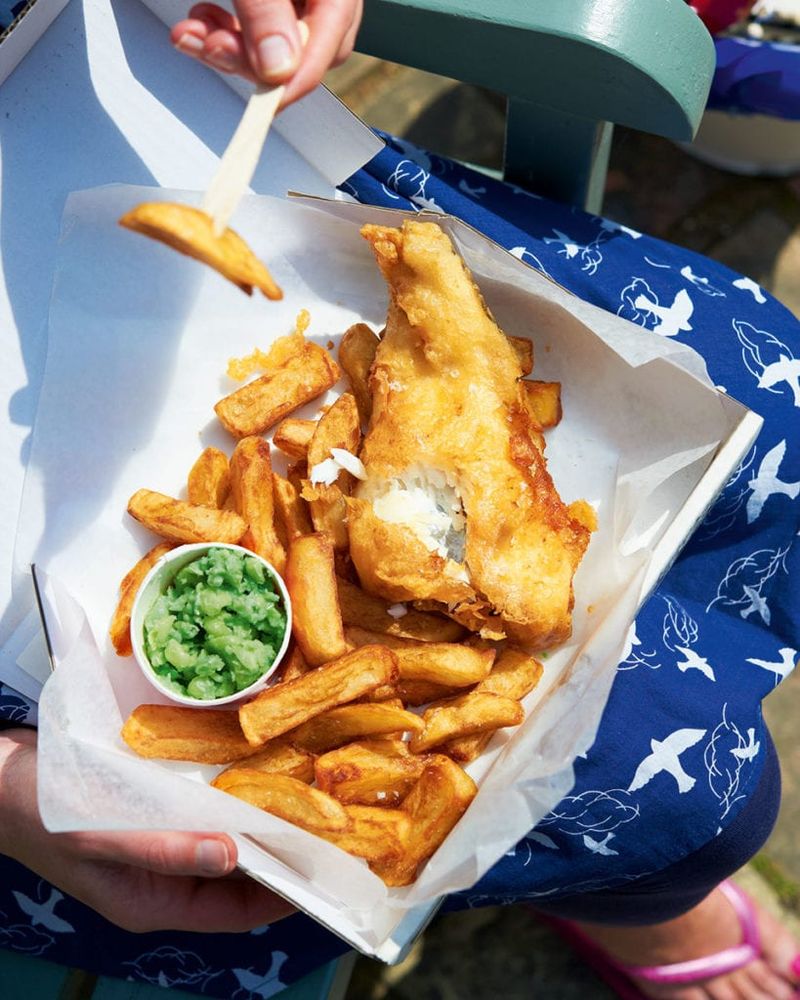
Nothing says England quite like a paper-wrapped parcel of fish and chips eaten by the sea. Crispy battered cod or haddock paired with thick, fluffy chips is the nation's most beloved takeaway meal.
The dish became popular in the 1860s when fish frying spread across working-class communities. Today, over 10,000 fish and chip shops operate across the UK.
Squeeze on some malt vinegar and a pinch of salt for the full experience.
3. Chicken Tikka Masala
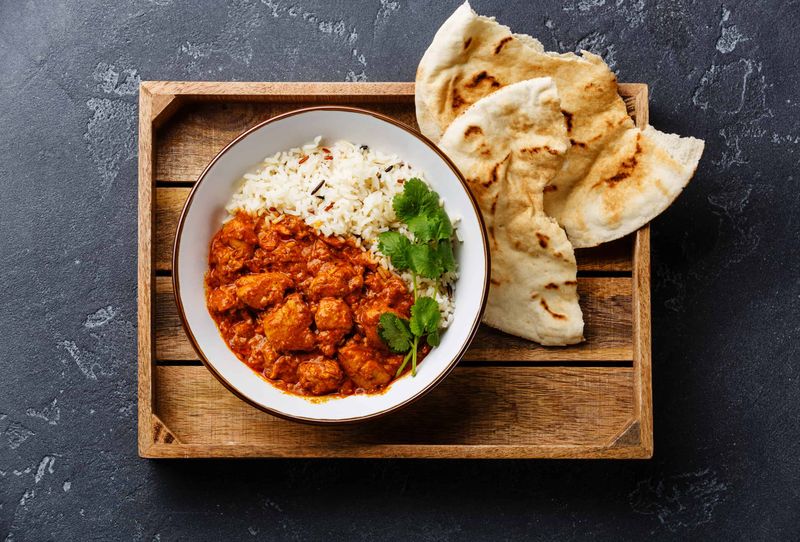
Officially considered a British national dish, chicken tikka masala is the ultimate fusion food story. Tender marinated chicken sits in a creamy, spiced tomato sauce that is hard to stop eating.
Its exact origins are debated, but most food historians believe it was developed in the UK by South Asian cooks adapting traditional recipes to local tastes. It became so popular that a British Foreign Secretary once declared it a symbol of multicultural Britain.
4. Shepherd's Pie
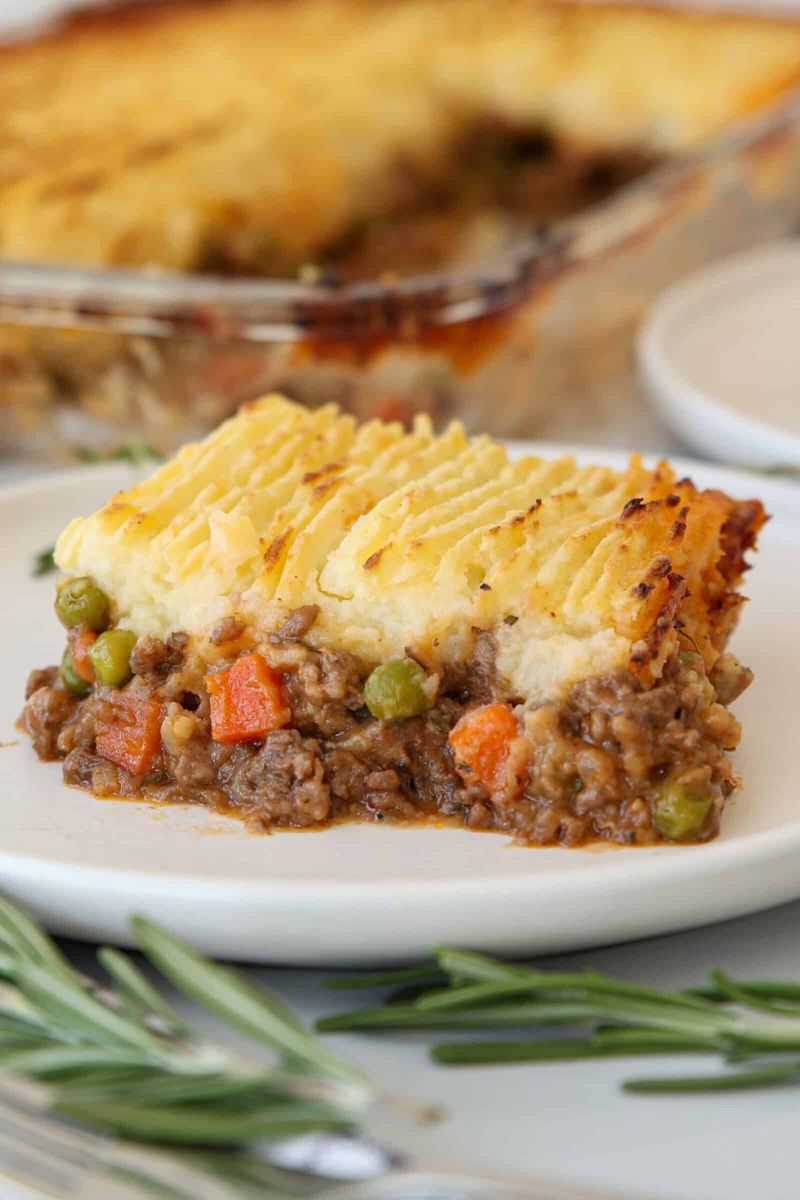
Shepherd's pie is the kind of dish that feels like a warm hug on a cold evening. Ground lamb is slow-cooked with vegetables and gravy, then topped with a thick layer of creamy mashed potatoes before being baked until golden.
The name comes from shepherds who traditionally raised sheep. A similar dish made with beef is called cottage pie.
Both versions have been a staple of British home cooking since the late 1700s.
5. Beef Wellington
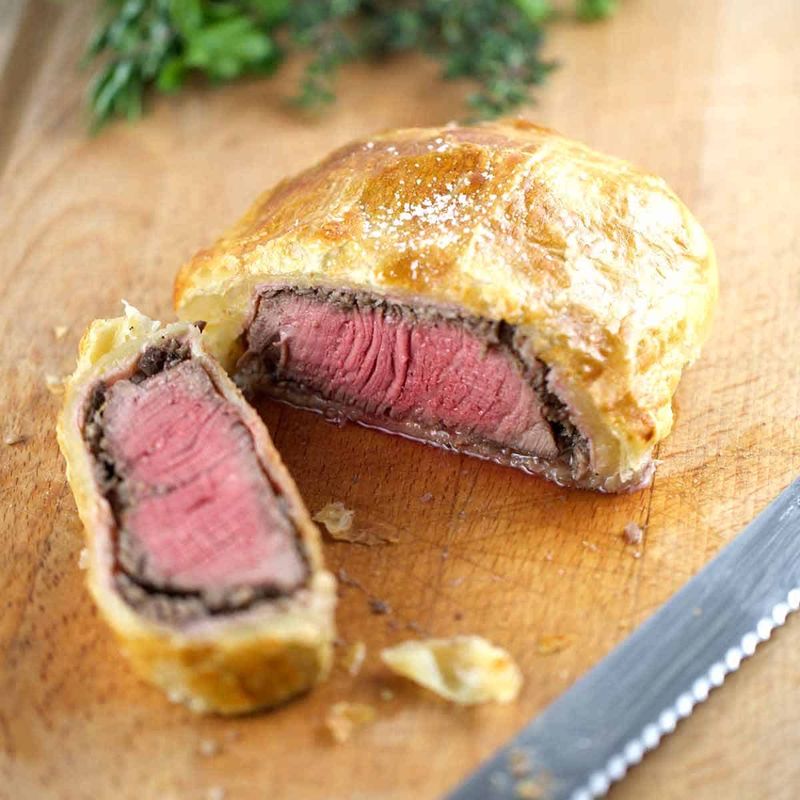
Few dishes command as much respect at a dinner table as Beef Wellington. A tender beef fillet is coated in savory mushroom paste, wrapped in flaky puff pastry, and roasted to golden perfection.
Slicing into it reveals a stunning pink center surrounded by earthy layers of flavor. Named in honor of the Duke of Wellington after his 1815 victory at Waterloo, this dish has remained a showstopper centerpiece for special occasions ever since.
6. Cornish Pasty
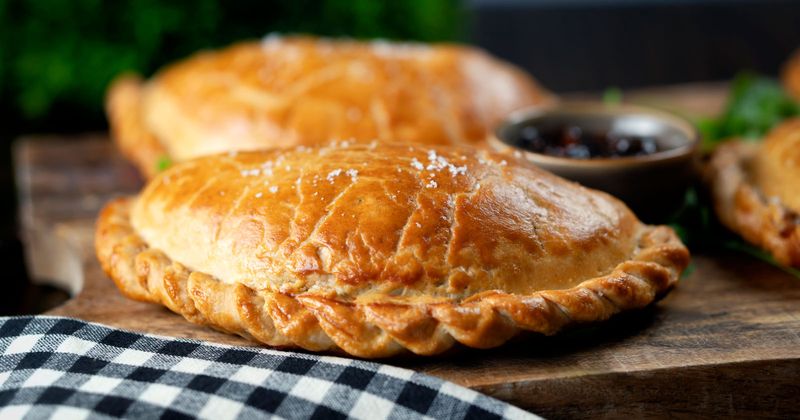
Miners in Cornwall once carried these sturdy pastries down into the tin mines for lunch. The thick crimped edge acted as a handle so workers could eat without getting dirt on their food.
A genuine Cornish pasty must contain beef skirt, potato, swede, and onion, with the filling placed raw inside the pastry before baking. It even has protected geographical indication status in the EU, meaning only pasties made in Cornwall can officially use the name.
7. Toad in the Hole
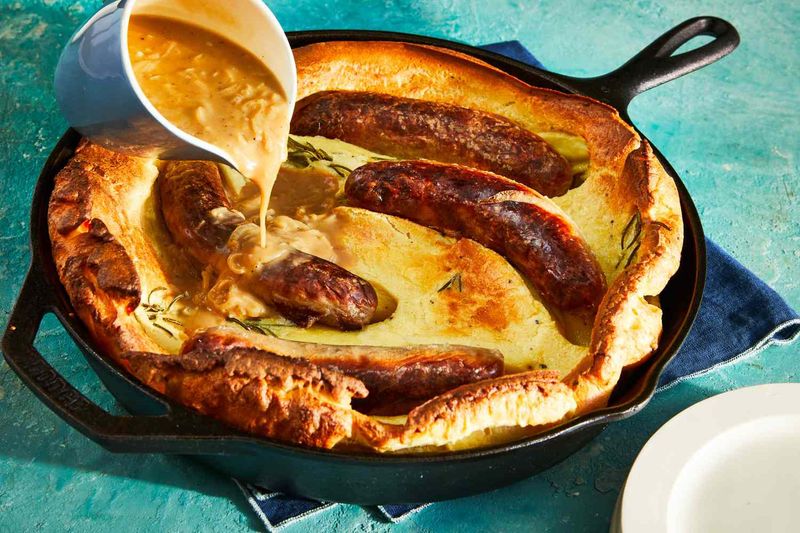
The name sounds bizarre, but the dish is absolutely delicious. Plump pork sausages are baked inside a light, puffy Yorkshire pudding batter until everything turns golden and crisp on the outside.
It is usually served with thick onion gravy and a side of mashed potatoes or greens. The dish dates back to at least the 18th century, and food writers believe the odd name refers to frogs peeking out from holes in rocks, mirroring how sausages peek through the batter.
8. Yorkshire Pudding
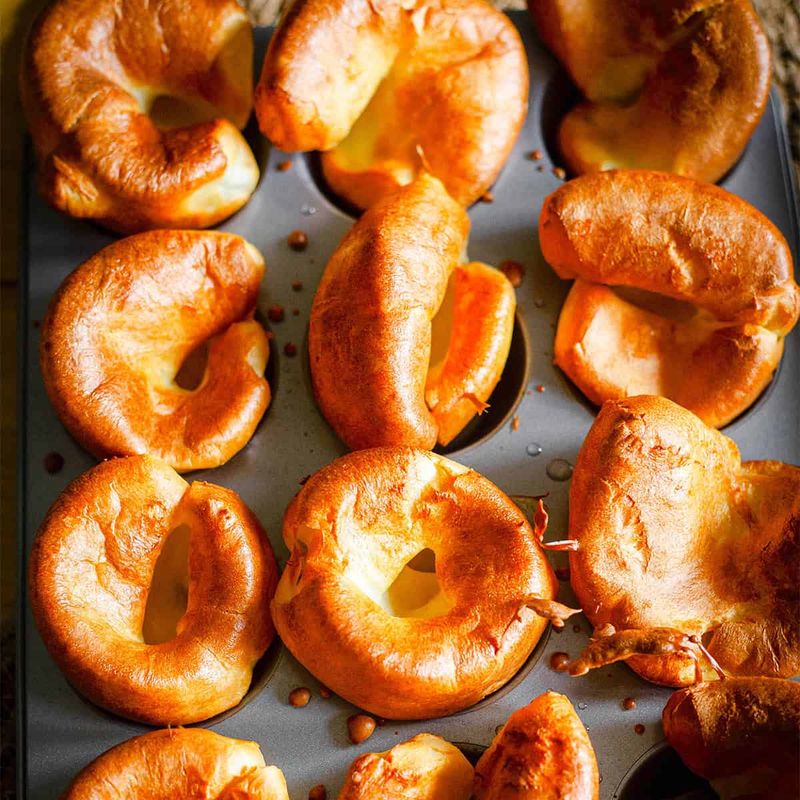
Originally cooked beneath roasting meat to catch the dripping fat, Yorkshire pudding has grown from a thrifty side dish into one of England's most celebrated foods. Made from a simple batter of eggs, flour, and milk, it puffs up dramatically in the oven.
Served alongside a Sunday roast with lashings of gravy, it is pure comfort. Yorkshire Day on August 1st even sees locals celebrating the pudding with pride.
Oversized versions are sometimes used as a bowl for stew.
9. Bangers and Mash
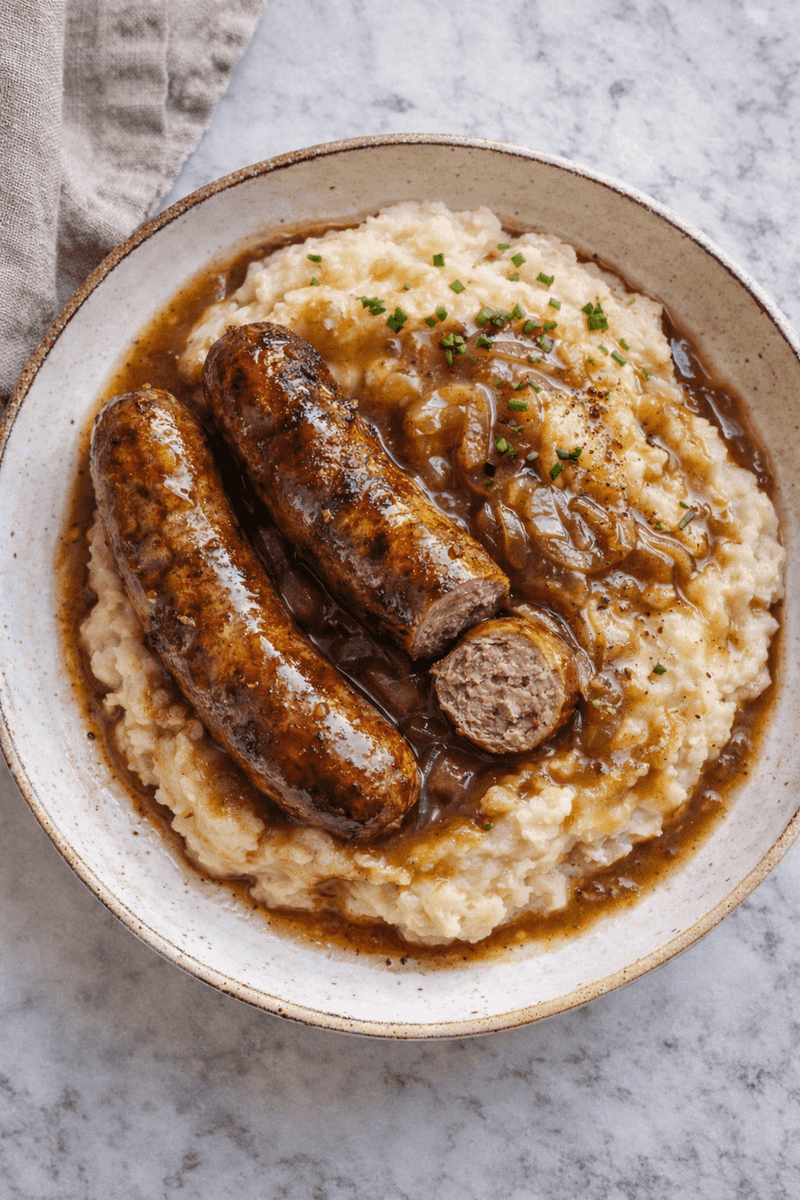
Simple, satisfying, and absolutely timeless, bangers and mash is pub food at its finest. Thick pork sausages, known as bangers, are grilled until they sizzle and then laid over a mountain of buttery mashed potatoes.
The gravy, usually made with caramelized onions, ties everything together beautifully. The nickname bangers dates to World War I, when sausages were packed with so much water that they would burst, or bang, while cooking in the pan.
10. Ploughman's Lunch
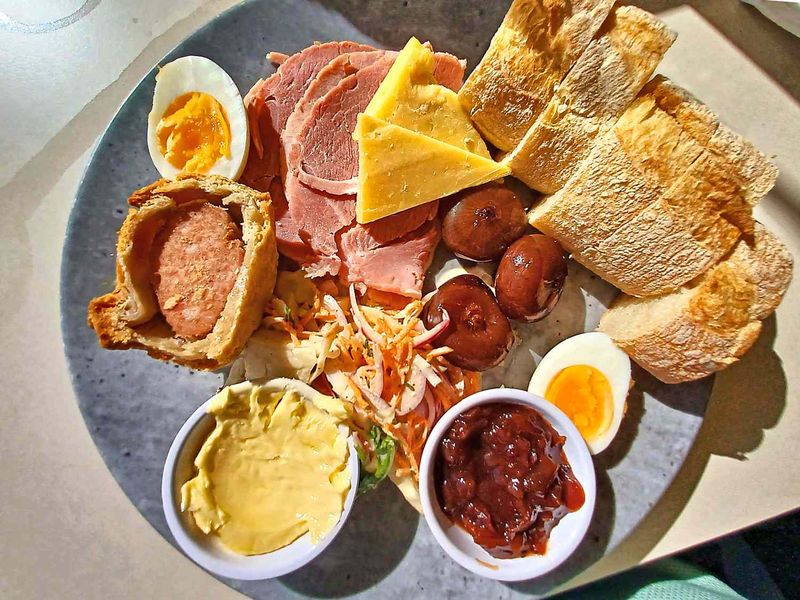
There is something wonderfully relaxed about a ploughman's lunch. No cooking required, just a generous spread of crusty bread, mature cheddar cheese, Branston pickle, pickled onions, and maybe a hard-boiled egg or two.
Despite sounding ancient, the name was largely popularized by the Milk Marketing Board in the 1950s and 60s as a way to sell more cheese. Either way, it became a beloved staple of English pub culture and remains a lunchtime favorite across the country.
11. Eton Mess
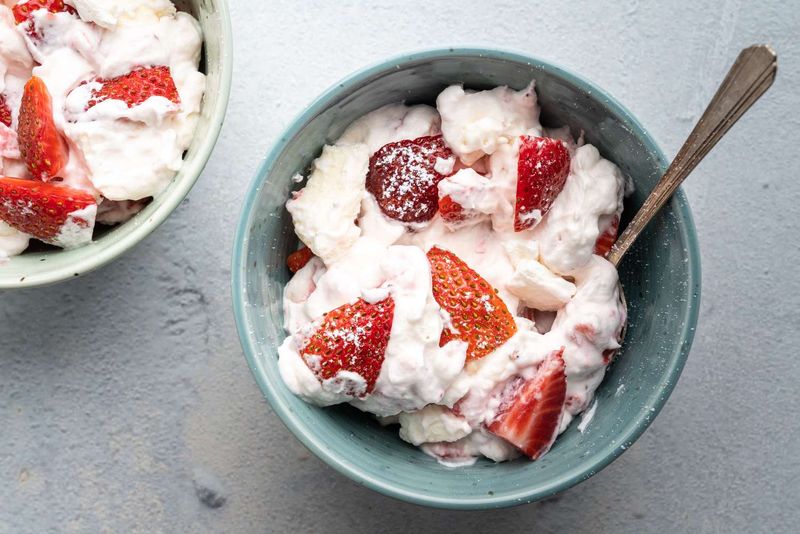
Chaos never tasted this good. Eton mess is a classic British dessert made by jumbling together crushed meringue, whipped cream, and fresh strawberries into a gloriously messy, sweet cloud of flavor.
Legend says it was accidentally created when a pavlova was sat upon during an Eton College cricket match. True or not, the story adds charm to an already lovable dish.
It is refreshing, light, and easy to make, which is why it pops up at every British summer gathering.
12. Sticky Toffee Pudding
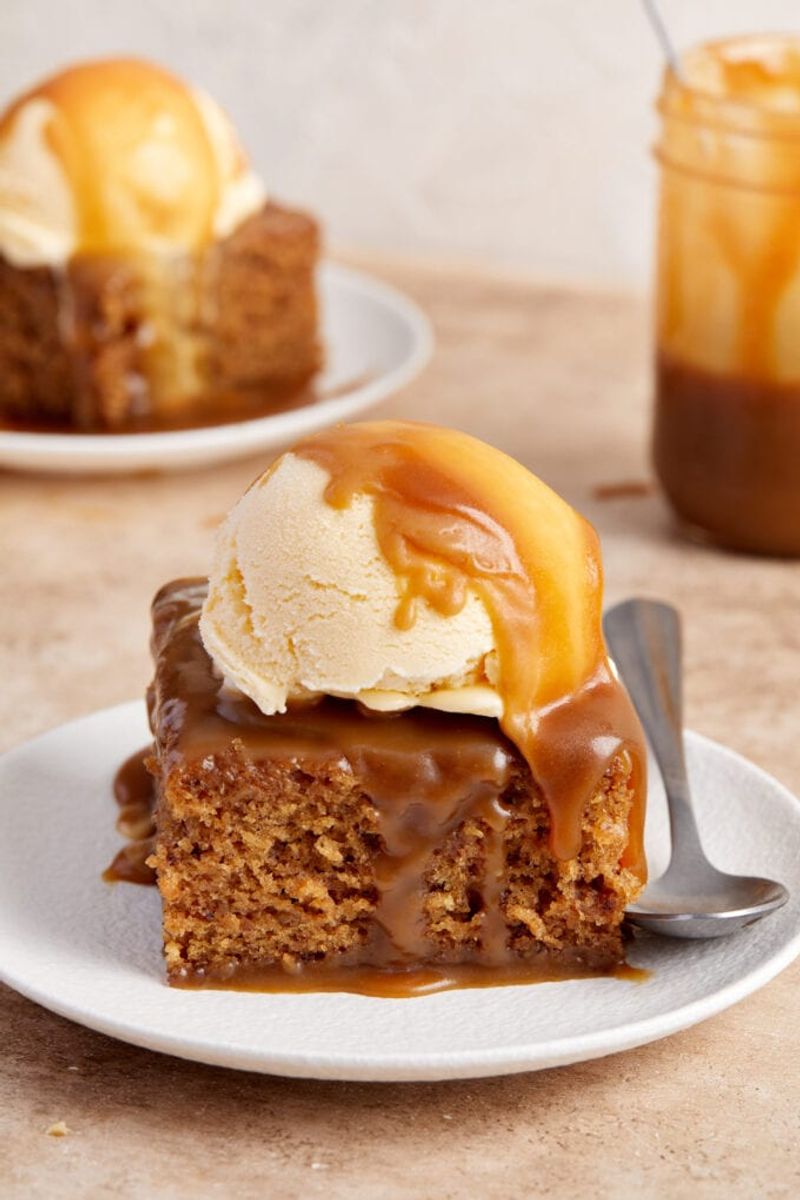
Sticky toffee pudding is the dessert England would claim as its soul food. A soft, moist sponge cake made with finely chopped dates is smothered in a rich, buttery toffee sauce that pools around every bite.
Served warm with clotted cream or vanilla ice cream, it is absolutely indulgent. The dish became popular at The Sharrow Bay Hotel in the Lake District during the 1970s and has since conquered dessert menus across the world.
13. Sunday Roast
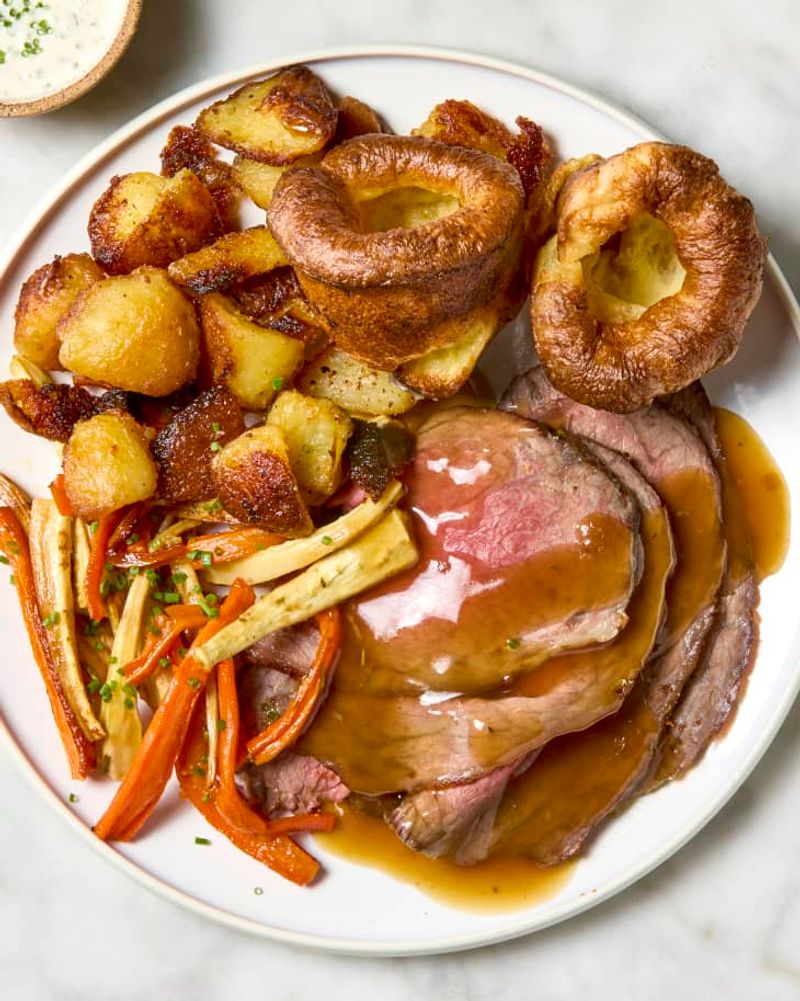
Sunday roast is less a meal and more a ritual. Families across England gather every week to share a table loaded with roasted meat, crispy potatoes, seasonal vegetables, and rich gravy.
Beef, lamb, chicken, or pork can take center stage, but the roasties and Yorkshire puddings are non-negotiable. The tradition dates back to medieval England when villagers would leave meat roasting while they attended Sunday church.
Even today, skipping Sunday roast feels almost unthinkable for many English households.
14. Welsh Rarebit
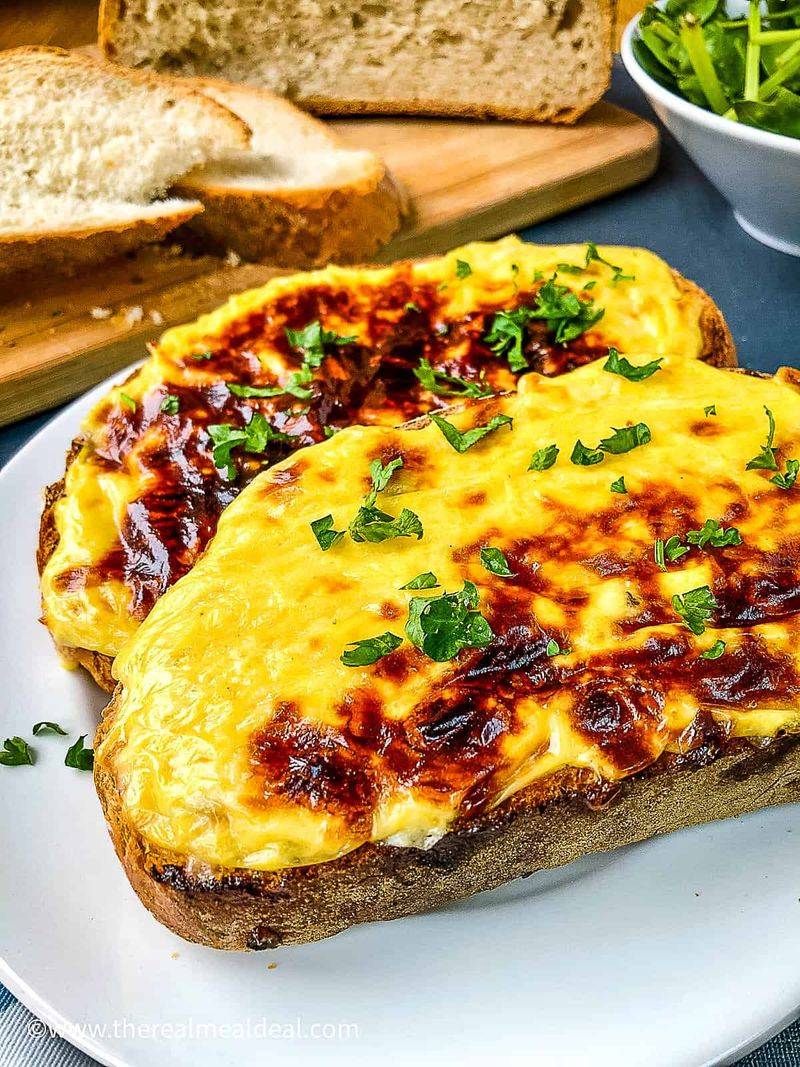
Do not let the humble ingredients fool you. Welsh rarebit is far more sophisticated than plain cheese on toast.
A savory sauce made from melted cheddar, ale, mustard, and Worcestershire sauce is poured over thick toast and then grilled until it bubbles and browns beautifully.
Despite the name, it has no connection to rabbit. Food historians believe the term rarebit was a playful nickname, possibly mocking the Welsh for eating a meatless alternative to game.
15. Scotch Egg
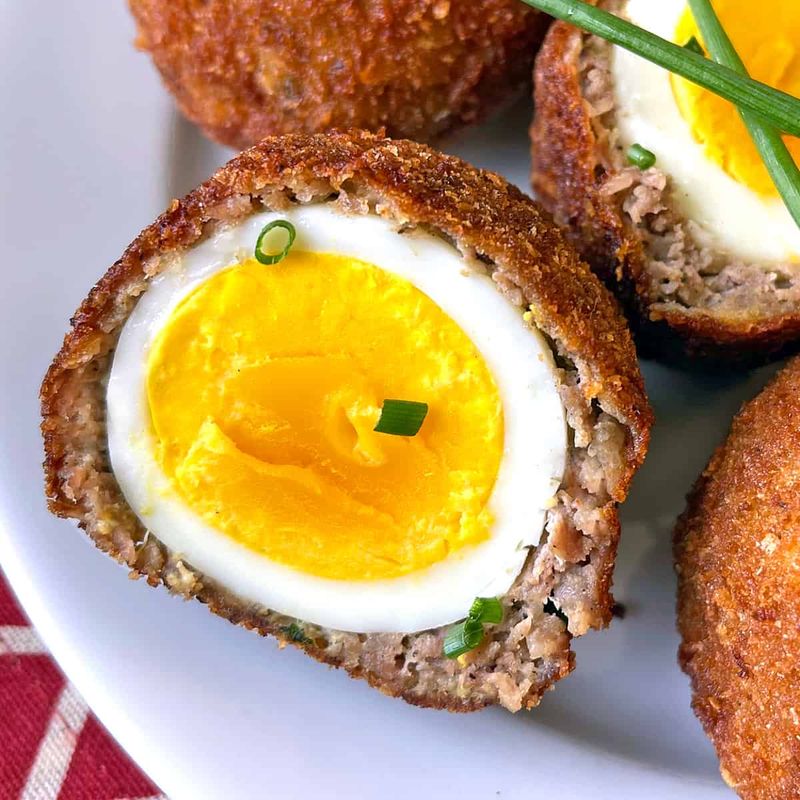
A Scotch egg is a portable masterpiece of British snacking. A soft or hard-boiled egg is wrapped in seasoned sausage meat, coated in crispy breadcrumbs, and deep-fried until perfectly golden.
Cut one open and you get a stunning cross-section of textures and flavors. Fortnum and Mason in London is often credited with inventing them back in 1738.
Today they are a staple at picnics, pub menus, and service station snack shelves across the entire country.
16. Bread and Butter Pudding
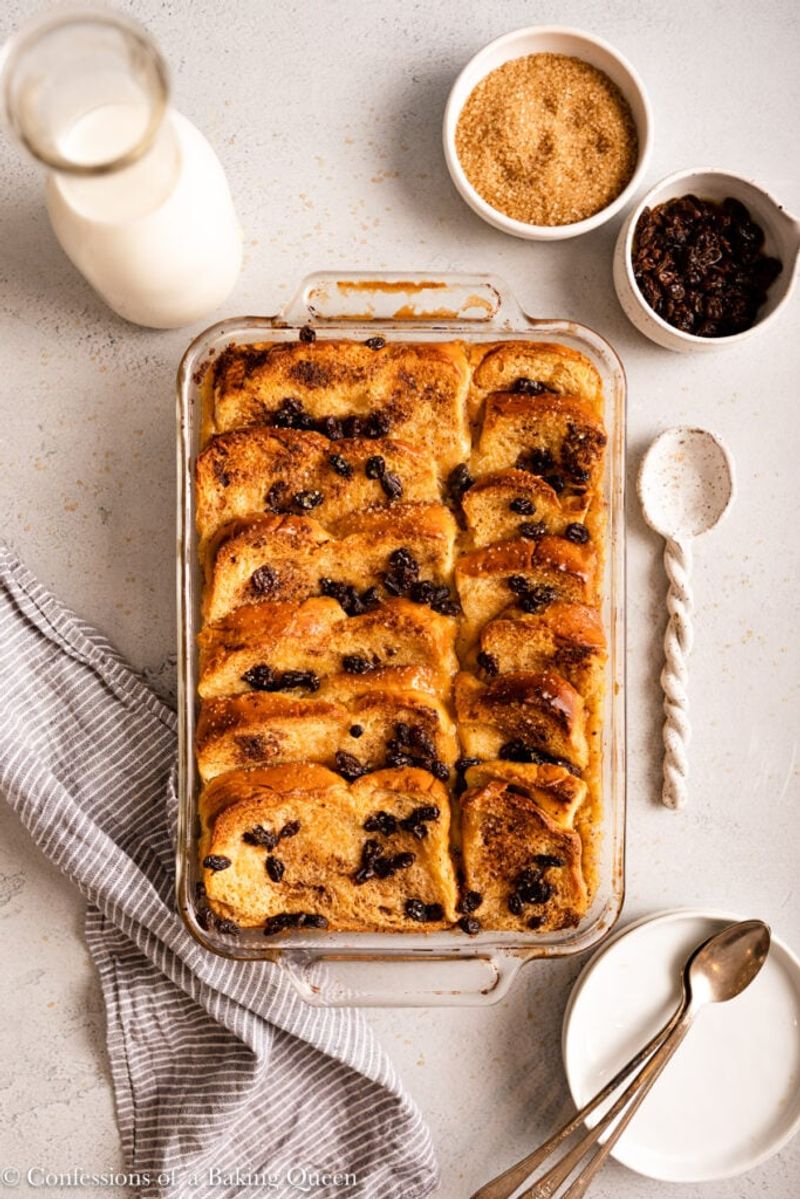
Few desserts carry as much nostalgia as bread and butter pudding. Stale bread slices are buttered, layered with raisins, and soaked in a sweet, spiced egg custard before being baked until golden and slightly crisp on top.
It was born out of necessity, designed to use up leftover bread during harder economic times. That practical origin story makes it even more endearing.
Today it is considered classic British comfort food and regularly appears on restaurant menus as an elevated, chef-crafted dessert.
17. Pork Scratchings
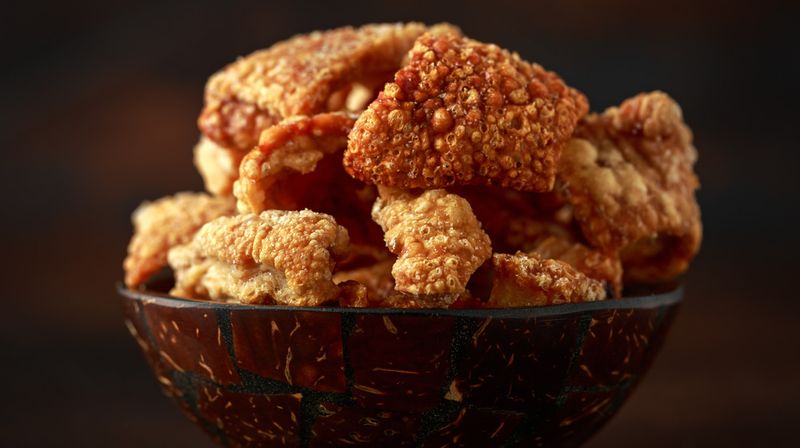
Loud, crunchy, and gloriously salty, pork scratchings are the ultimate British pub snack. Made from deep-fried pork rind, they deliver an intense crunch that is completely addictive once you start eating them.
Unlike pork rinds found elsewhere, the British version often retains a chewy layer of fat beneath the crispy skin, giving it a more intense texture. They have been a bar snack staple in England for centuries and pair perfectly with a cold pint of bitter ale.




Comments
No Comments