













Whole grains are packed with nutrients your body truly needs, from fiber and vitamins to minerals that keep your heart and gut happy. Unlike refined grains, whole grains keep all three parts of the grain intact, making them far more nutritious.
Dietitians consistently recommend eating more of them because they can lower disease risk, support healthy weight, and boost energy levels. Here are 17 of the healthiest whole grains worth adding to your plate.
1. Oats
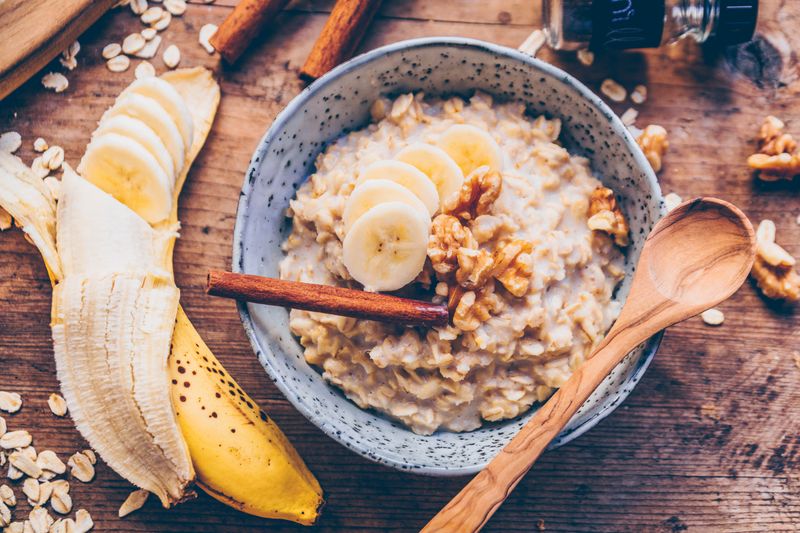
Few breakfast foods have earned as much scientific praise as oats. They contain a special type of soluble fiber called beta-glucan, which has been shown to lower LDL cholesterol and stabilize blood sugar levels.
Oats are also incredibly filling, helping you stay satisfied longer after eating. Try overnight oats, warm porridge, or blended oats in smoothies.
Steel-cut oats are the least processed option and offer the most nutritional benefit per serving.
2. Quinoa
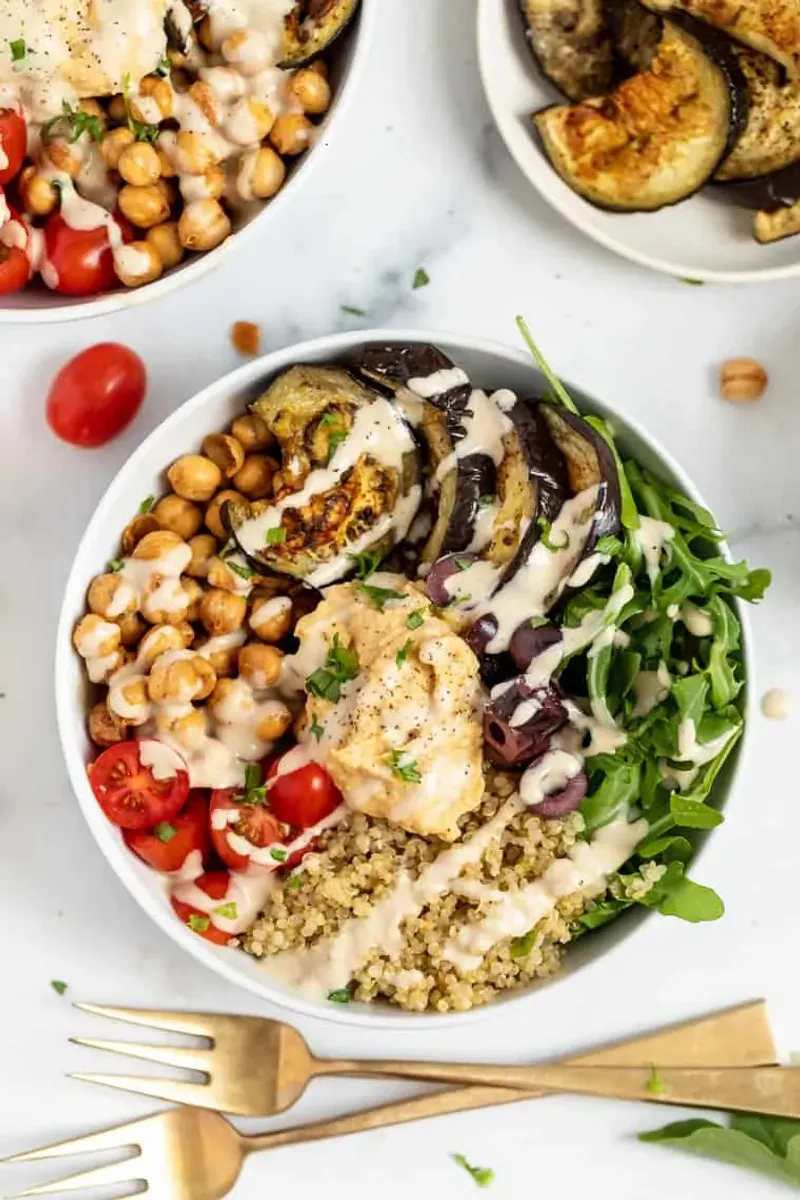
Technically a seed but eaten like a grain, quinoa is one of the few plant foods that contains all nine essential amino acids, making it a complete protein. That makes it especially valuable for vegetarians and vegans looking to hit their protein goals.
Quinoa cooks in about 15 minutes and works well in salads, grain bowls, or as a rice substitute. It also provides magnesium, iron, and zinc in impressive amounts per serving.
3. Brown Rice
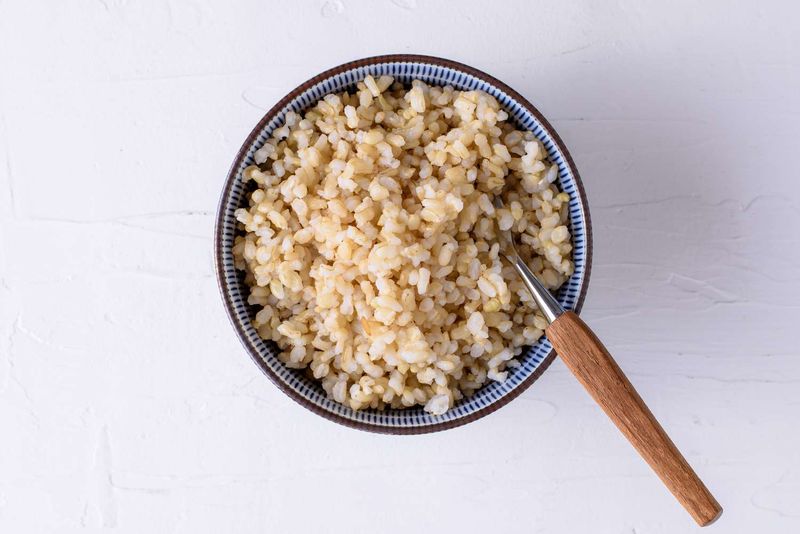
Brown rice is simply white rice that hasn't had its bran and germ layers stripped away, and that small difference makes a huge nutritional impact. It delivers more fiber, more B vitamins, and more minerals than its white counterpart.
Regular brown rice consumption has been linked to a lower risk of type 2 diabetes and heart disease. It pairs well with stir-fries, curries, and grain bowls, making it one of the easiest whole grain swaps to start with today.
4. Barley
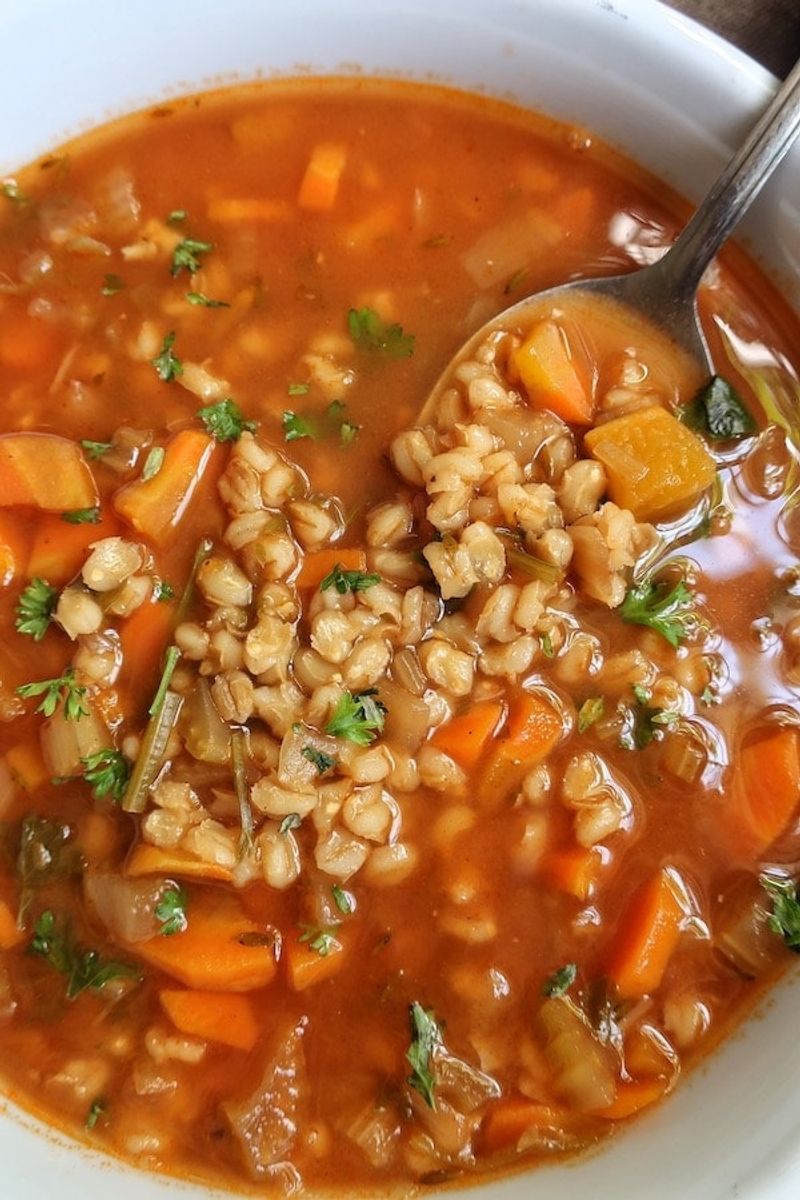
Barley has one of the highest fiber contents of any whole grain, and much of that fiber is the soluble kind that feeds beneficial gut bacteria. Ancient civilizations relied on barley as a dietary staple for thousands of years, and modern nutrition science shows why that was a smart choice.
Studies show barley can significantly reduce blood sugar spikes after meals. Add it to soups, stews, or use it as a hearty base for grain salads throughout the week.
5. Farro
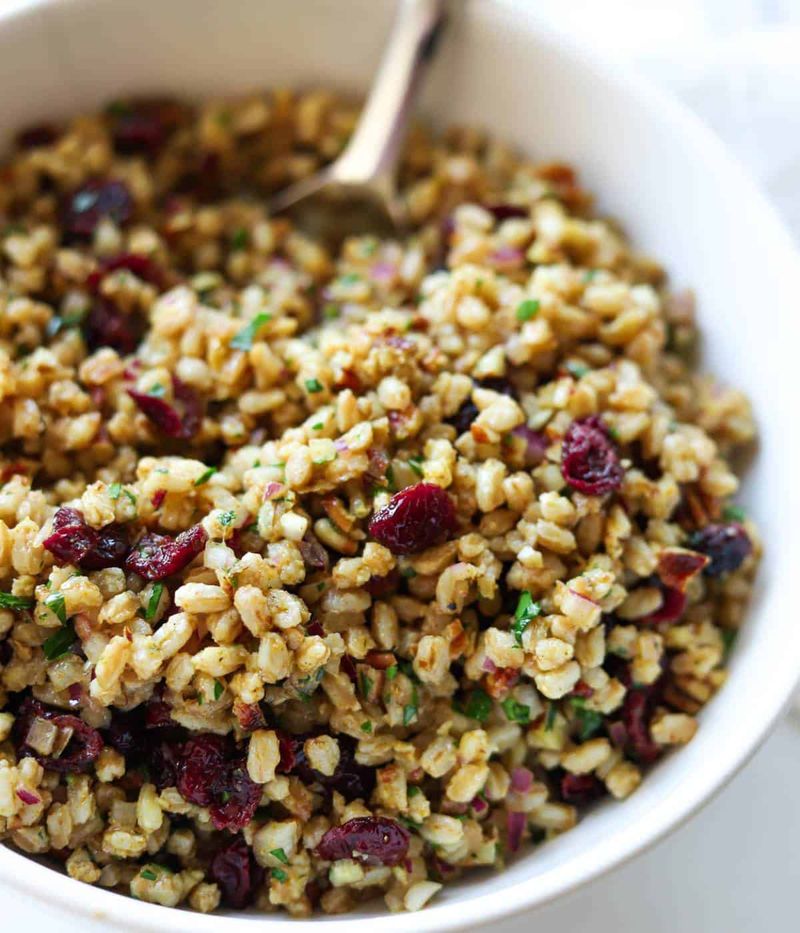
Farro is an ancient wheat grain with a nutty, chewy texture that makes it incredibly satisfying to eat. Popular in Italian cooking for centuries, it has recently gained attention from nutrition experts for its impressive nutrient profile.
One cup of cooked farro offers around 8 grams of protein and 7 grams of fiber. It holds up well in salads even after refrigerating, making it a smart meal prep grain.
Pair it with roasted veggies and a light vinaigrette for a quick weekday lunch.
6. Bulgur Wheat
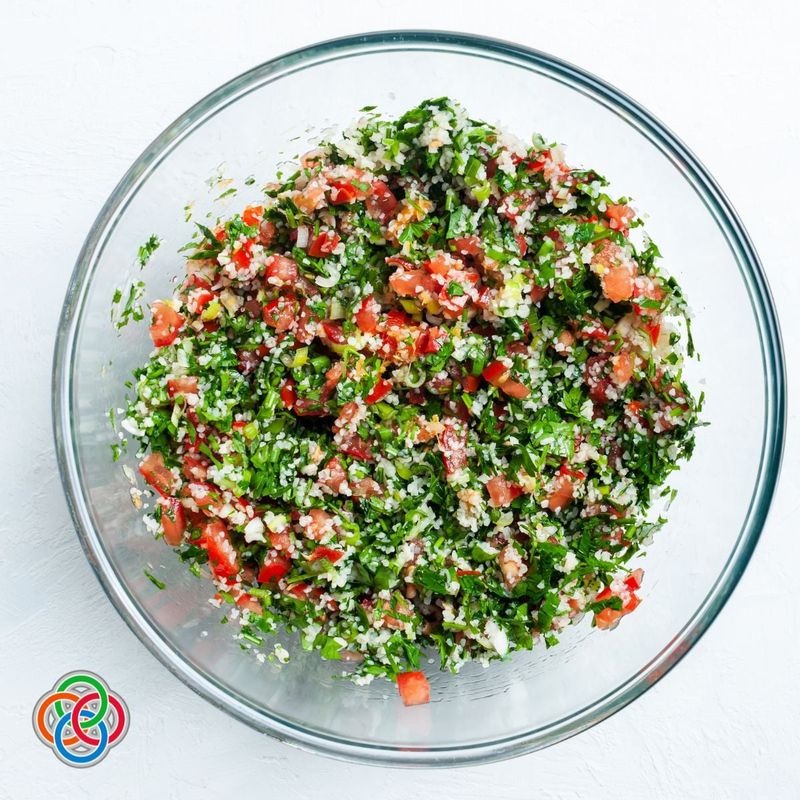
Bulgur wheat is a Middle Eastern staple best known as the main ingredient in tabbouleh, and it deserves way more attention in everyday cooking. It is made from cracked, parboiled wheat, which means it cooks incredibly fast, usually in under 15 minutes.
Bulgur is rich in manganese, magnesium, and iron, and it has a low glycemic index compared to many other grains. Its light, fluffy texture absorbs flavors beautifully, making it perfect for grain salads, stuffed peppers, and side dishes.
7. Millet
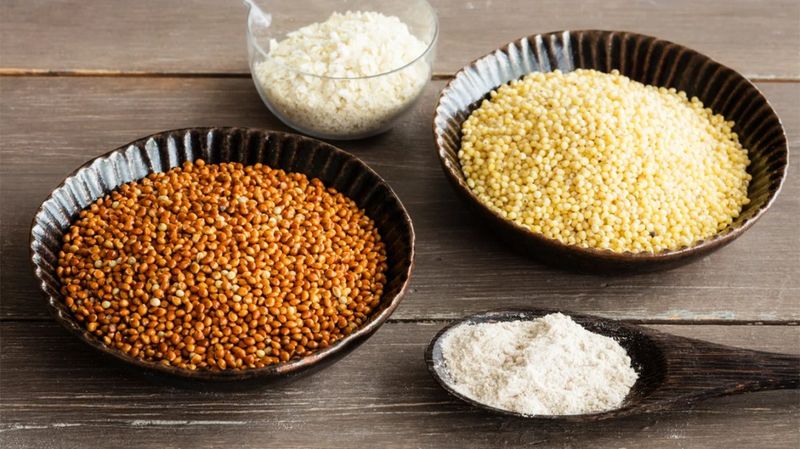
Millet might be one of the most underrated grains on the planet. Gluten-free and naturally alkaline, it is one of the few grains that actually supports healthy gut pH levels, which can help with digestion and inflammation.
This tiny golden grain is a staple food across Africa and Asia, where it has fed communities for over 7,000 years. Millet works wonderfully as a porridge, a rice substitute, or even baked into bread.
It is also a good source of phosphorus and B vitamins.
8. Sorghum
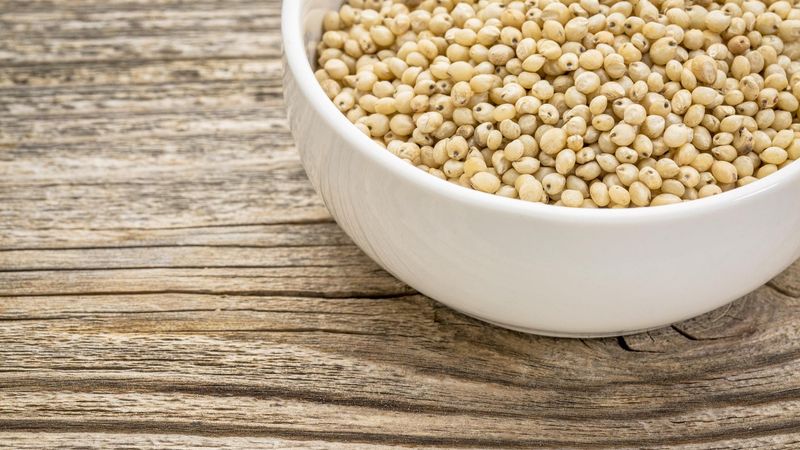
Sorghum is a powerhouse grain that most people in North America have never cooked with, yet it is the fifth most produced cereal grain in the world. It is naturally gluten-free and packed with antioxidants that rival those found in blueberries.
Research suggests sorghum may help manage blood sugar and reduce inflammation. Its chewy texture makes it great in grain bowls, soups, and even popped like popcorn for a crunchy snack.
Dietitians love it as a filling, nutrient-dense alternative to white rice.
9. Amaranth
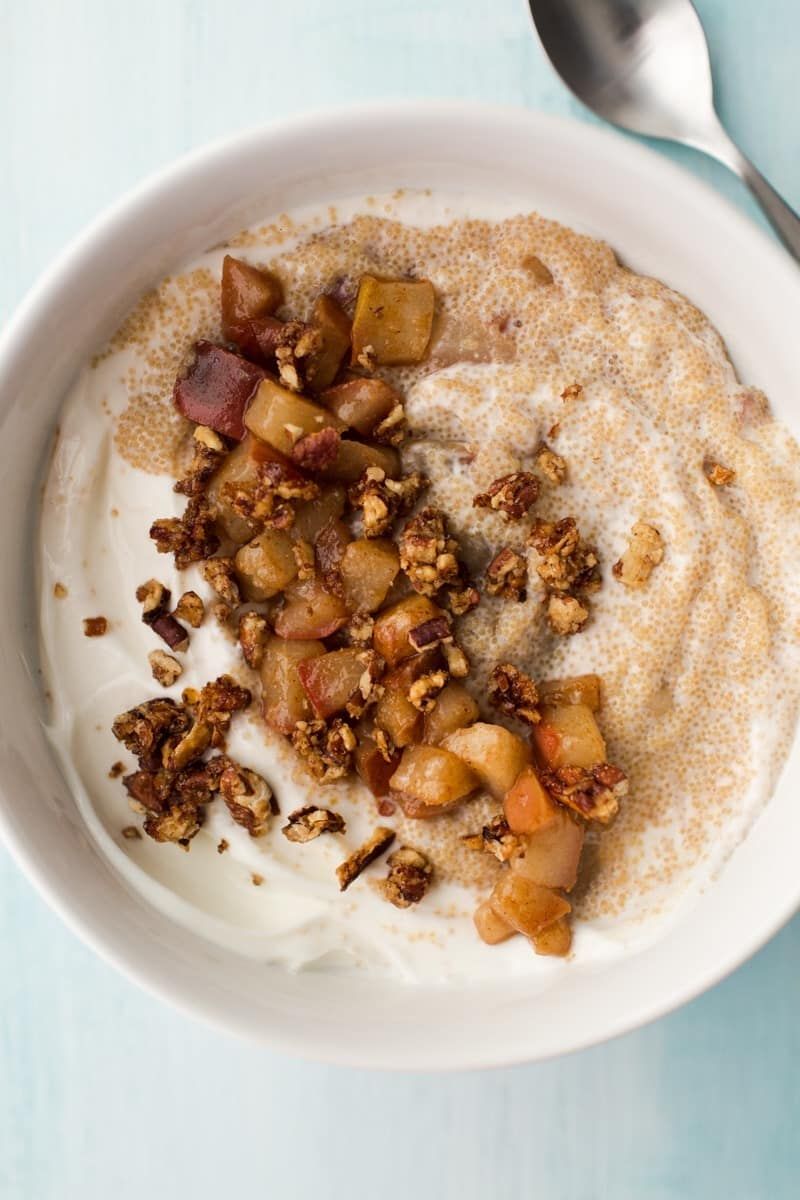
The Aztecs once considered amaranth sacred, and once you learn about its nutrition profile, you will understand why. Like quinoa, amaranth is a complete protein, meaning it contains all essential amino acids your body cannot make on its own.
It is also one of the richest plant sources of calcium and iron, making it excellent for bone health. Amaranth can be cooked into a creamy porridge, popped into tiny crunchy puffs, or added to soups for extra texture and nutrition.
10. Teff
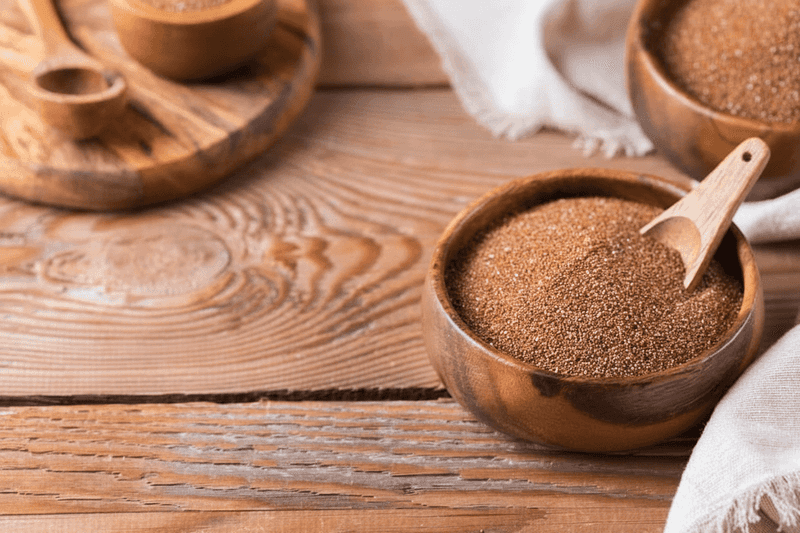
Teff is the world's tiniest grain, but its nutritional punch is anything but small. Native to Ethiopia, this ancient grain forms the base of injera, the spongy flatbread central to Ethiopian cuisine for thousands of years.
Teff is extraordinarily high in calcium for a grain, and it also provides resistant starch, which feeds good gut bacteria and helps with blood sugar control. Its mild, slightly earthy flavor works in pancakes, porridge, and baked goods.
Gluten-free eaters especially benefit from adding teff to their diet.
11. Freekeh
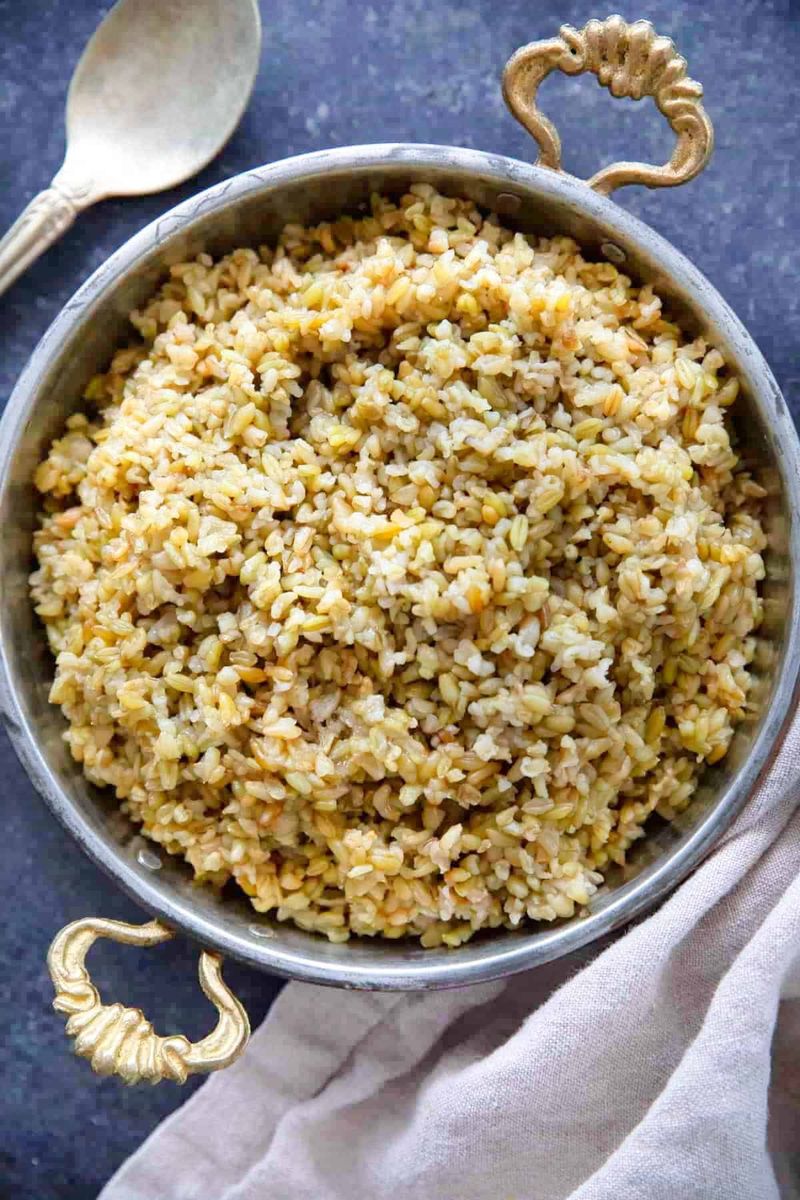
Freekeh sounds exotic, but it is simply young green wheat that has been roasted over an open flame, giving it a wonderfully smoky, nutty flavor that sets it apart from other grains. Middle Eastern cooks have used it in savory dishes for centuries.
Nutritionally, freekeh contains more protein and fiber than mature wheat and has a lower glycemic index, which means slower digestion and steadier energy levels. It works brilliantly with roasted meats, stuffed vegetables, or as a warm grain salad base.
12. Spelt
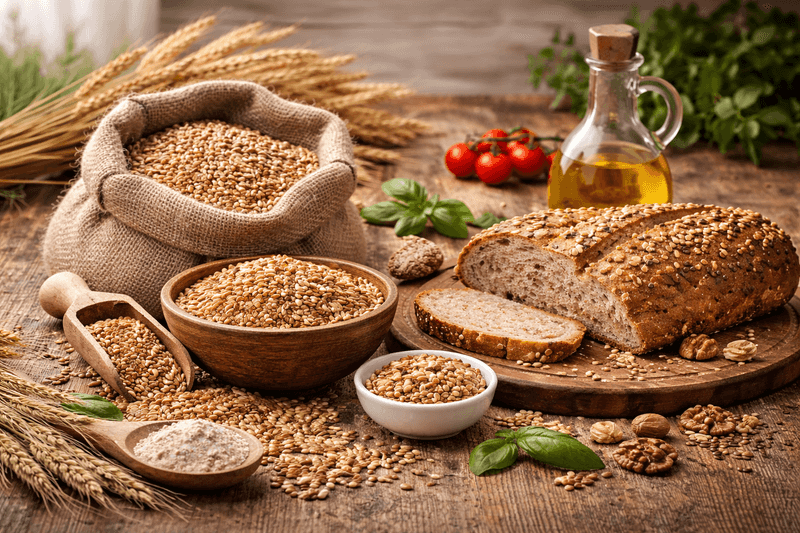
Spelt is an ancient cousin of modern wheat with a slightly sweeter, nuttier flavor and a more complex nutrient profile. Some people who have mild wheat sensitivities find spelt easier to digest, though it does still contain gluten.
It is higher in protein and certain minerals like zinc and iron compared to common wheat. Spelt flour bakes beautifully into bread, muffins, and pasta.
Whole spelt berries can also be cooked and eaten like farro or used as a hearty base in warm grain bowls.
13. Rye
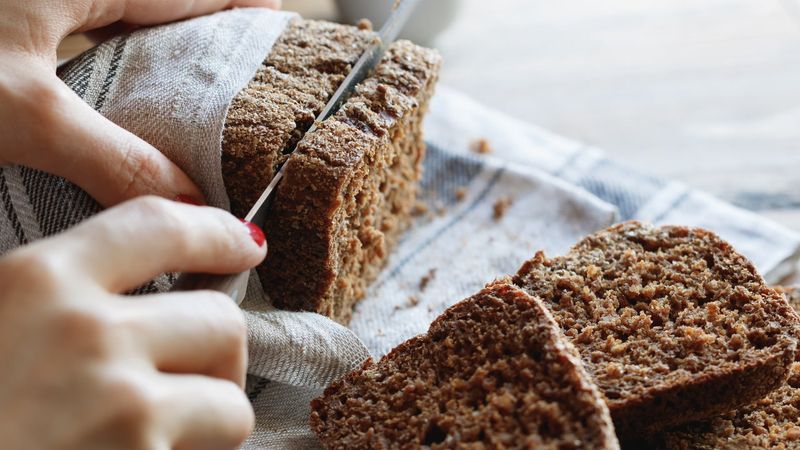
Rye bread might remind you of deli sandwiches, but whole grain rye is far more nutritious than the light, refined versions you often see in stores. Dark rye bread made from whole rye flour is packed with fiber, B vitamins, and lignans, which are plant compounds linked to heart health.
Studies show rye keeps you feeling fuller longer than wheat bread, partly because of its dense fiber content. Look for 100% whole rye on ingredient labels to get the full nutritional benefit.
14. Wild Rice
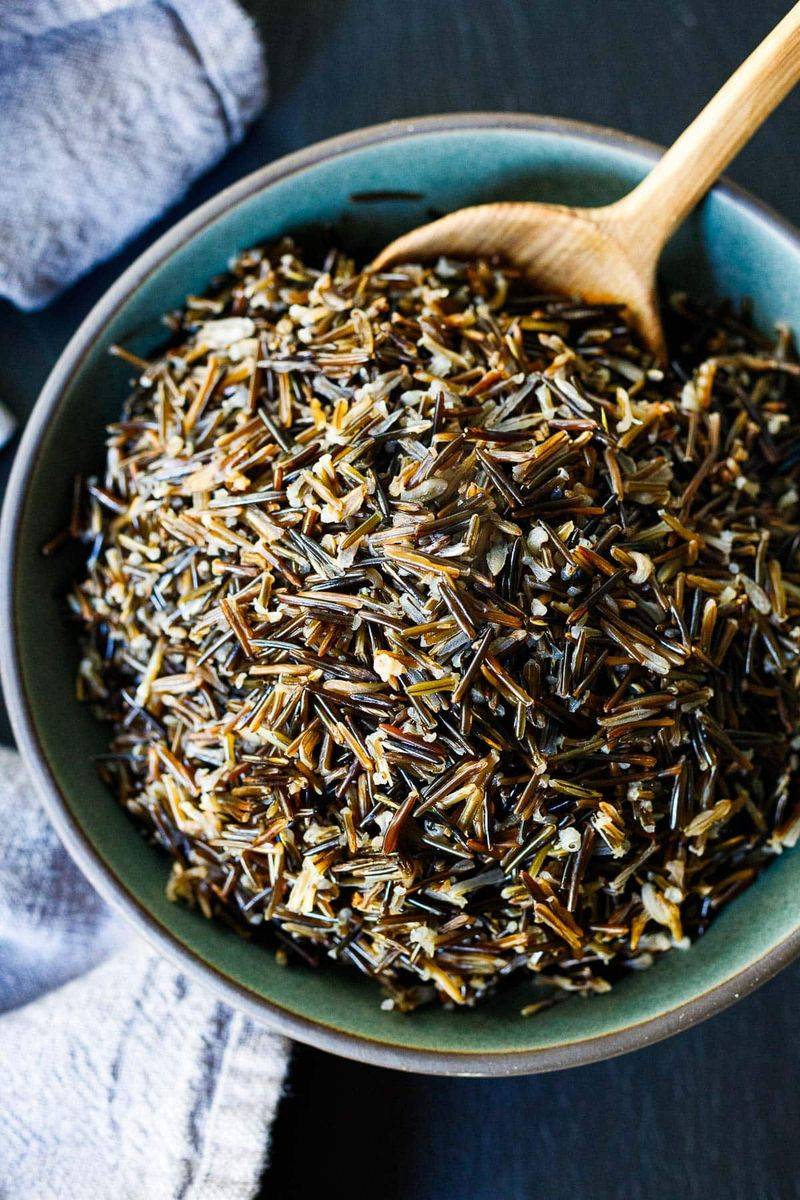
Wild rice is not technically rice at all. It is actually the seed of an aquatic grass native to North America, and it has been a treasured food source for Indigenous peoples of the Great Lakes region for centuries.
Compared to regular rice, wild rice has nearly twice the protein and significantly more fiber and antioxidants. Its bold, earthy flavor and chewy texture make it excellent in soups, stuffing, and grain salads.
It is also naturally gluten-free and low in calories for its nutrient density.
15. Buckwheat
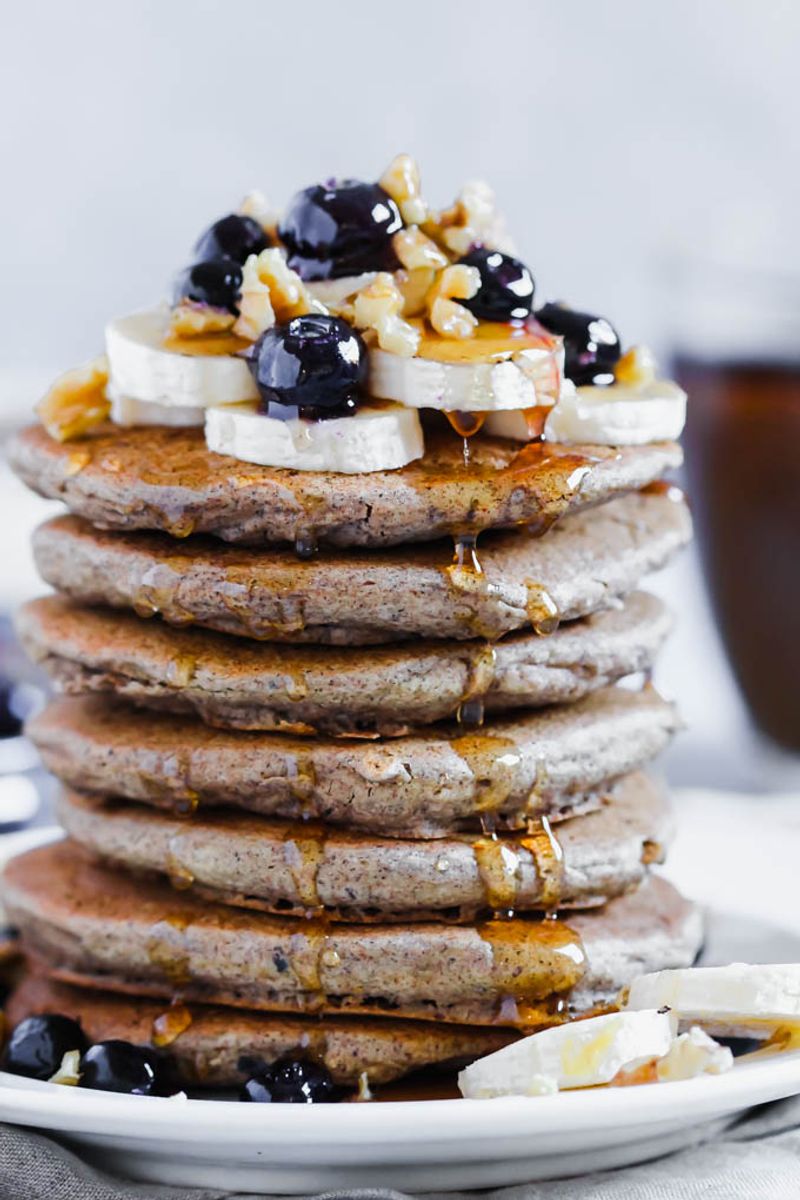
Despite having wheat in its name, buckwheat is completely gluten-free and not related to wheat at all. It is actually a fruit seed related to rhubarb and sorrel, which makes it a safe and nutritious option for people with celiac disease.
Buckwheat is loaded with rutin, a plant flavonoid that supports blood vessel health and may reduce blood pressure. Use buckwheat flour for pancakes and noodles, or cook the whole groats as a porridge or savory side dish for a hearty, satisfying meal.
16. Kamut (Khorasan Wheat)
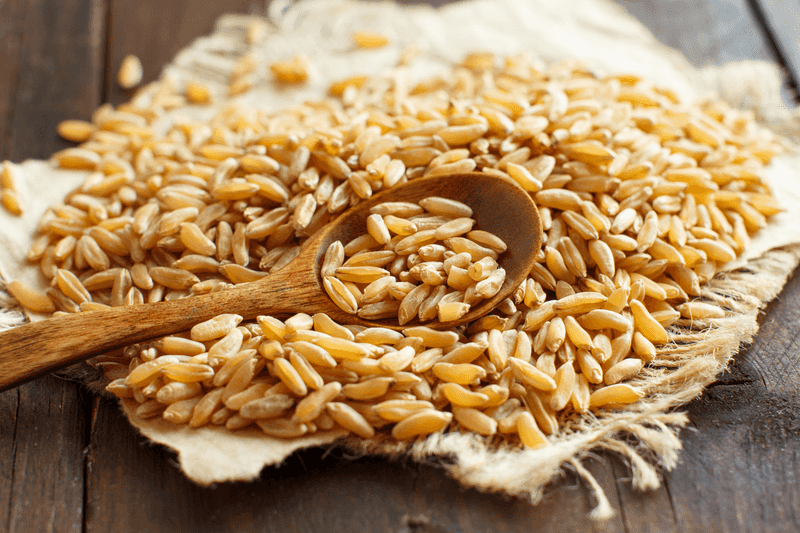
Kamut is a trademarked name for Khorasan wheat, an ancient grain that is nearly twice the size of modern wheat kernels and noticeably richer in flavor. It is often described as buttery and slightly sweet, which makes it enjoyable even for people who find other whole grains too earthy.
Kamut is higher in protein, zinc, and selenium than most modern wheat varieties. It is also grown under strict organic standards.
Cook the berries whole, use the flour in baked goods, or try it as a warm breakfast porridge.
17. Whole Wheat
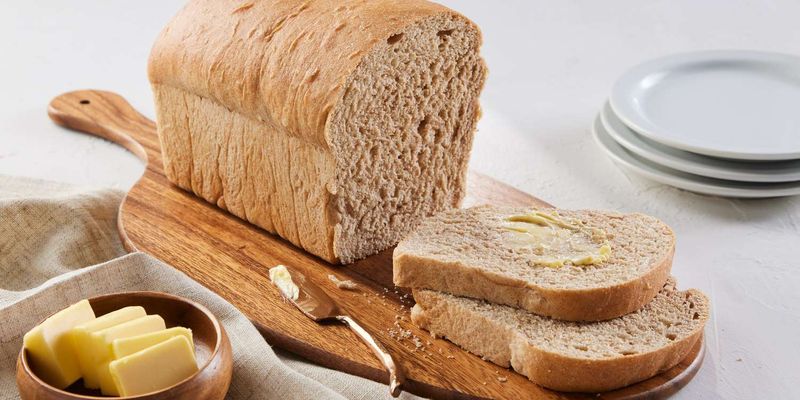
Whole wheat is probably the most accessible whole grain in most grocery stores, yet many people unknowingly buy bread that is mostly refined flour with just a touch of whole wheat added. Reading labels carefully and choosing products that list whole wheat flour as the first ingredient makes a real difference.
True whole wheat provides fiber, B vitamins, iron, and zinc in every serving. Swapping refined pasta and bread for 100% whole wheat versions is one of the simplest dietary upgrades you can make starting today.




Comments
No Comments