













Eating the right fruits and vegetables can make a real difference in how you feel each day. From boosting your energy to helping your body fight off sickness, nature has packed some incredible nutrients into everyday produce.
You do not need fancy supplements or expensive health products when your local grocery store is full of powerful options. Here are 17 fruits and vegetables that can help you feel your best, one bite at a time.
1. Blueberries
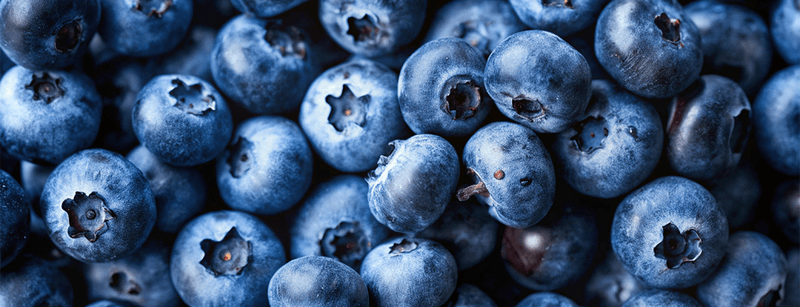
Tiny but mighty, blueberries are one of the most nutrient-packed fruits you can eat. They are loaded with antioxidants, which help protect your body from damage caused by stress and pollution.
Blueberries also support brain health and may help improve memory over time. Toss them into yogurt, oatmeal, or smoothies for an easy daily boost.
Fun fact: blueberries are one of the few fruits native to North America.
2. Spinach
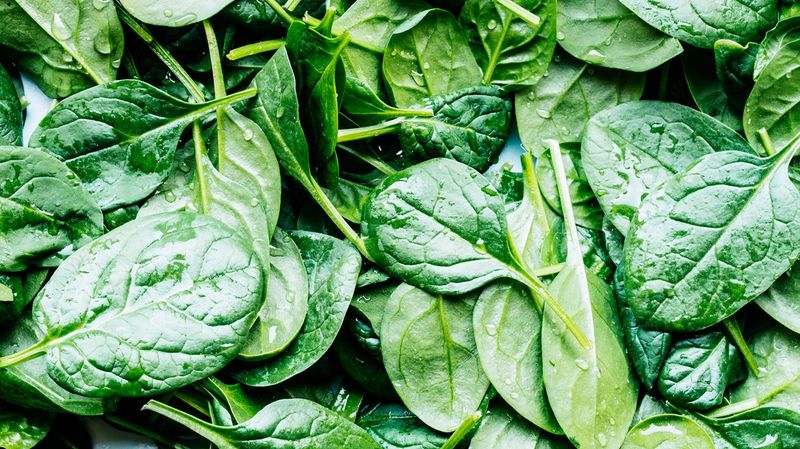
Popeye was onto something. Spinach is one of the most nutrient-dense leafy greens available, packed with iron, calcium, and vitamins A, C, and K.
Your bones, eyes, and immune system all benefit from regular spinach intake.
Raw spinach works wonderfully in salads, while wilted spinach blends easily into pasta, soups, or eggs. Even a small handful each day can add up to big health rewards over time.
3. Bananas

Bananas are nature's energy bar. Rich in potassium and natural sugars, they give your muscles and brain a quick, clean fuel source that lasts longer than processed snacks.
They also contain vitamin B6, which supports mood regulation and helps your body produce feel-good brain chemicals. Bananas are easy to carry, require no prep, and are affordable almost everywhere.
Eat one before exercise or pair it with peanut butter for a satisfying snack.
4. Broccoli
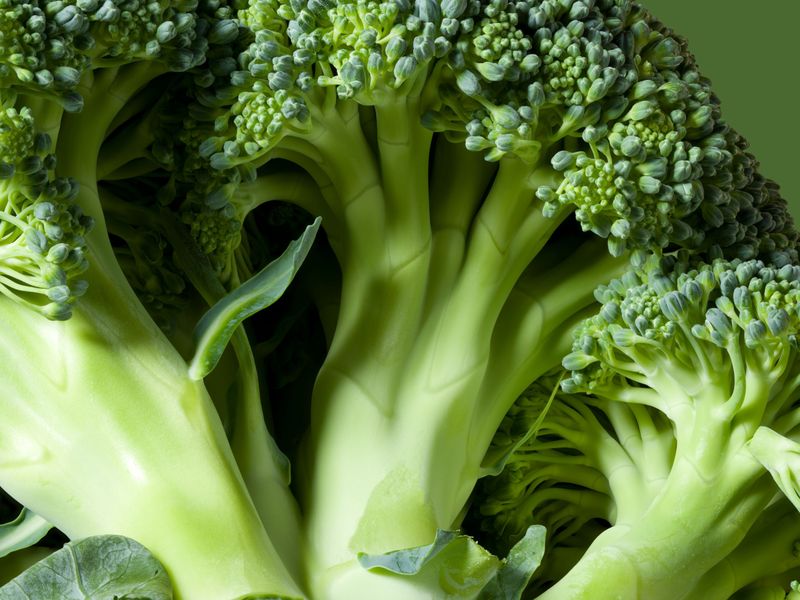
Broccoli might not be every kid's favorite, but it earns its reputation as a superfood. It is rich in vitamin C, fiber, and a compound called sulforaphane, which researchers believe may help protect cells from damage.
Steaming broccoli lightly keeps most of its nutrients intact. Add it to stir-fries, pasta, or eat it with hummus as a crunchy snack.
Just one cup of cooked broccoli provides more than your daily vitamin C needs.
5. Oranges

There is a reason orange juice has been a breakfast staple for generations. Oranges are bursting with vitamin C, which helps your immune system fight off colds and keeps your skin looking healthy.
Beyond vitamin C, oranges also contain fiber, folate, and potassium. Eating a whole orange is better than drinking juice because you get the fiber too.
Keep one in your bag for a refreshing, hydrating snack anytime during the day.
6. Sweet Potatoes

Sweet potatoes are comfort food with serious health credentials. They are one of the best sources of beta-carotene, which your body converts into vitamin A to support eye health and immune function.
High in fiber and natural sweetness, they keep you full longer and help stabilize blood sugar levels. Roast them, mash them, or bake them whole for a simple weeknight side dish.
Their vibrant orange color is basically a sign that goodness is inside.
7. Avocados
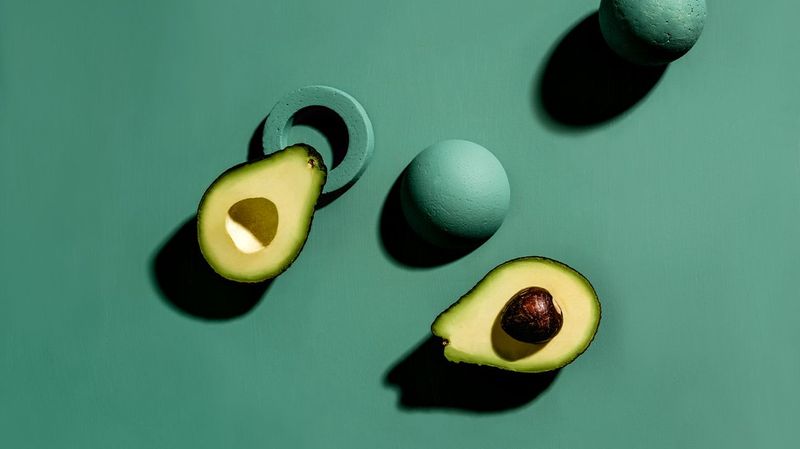
Avocados are the rare fruit that is actually high in healthy fat. The monounsaturated fats in avocados support heart health, help absorb fat-soluble vitamins, and keep you feeling satisfied after meals.
They also contain potassium, folate, and vitamin E. Spread avocado on toast, blend it into smoothies, or slice it over salads.
Despite being calorie-dense, research suggests avocado eaters tend to have better overall diet quality than those who skip them.
8. Carrots

Crunchy, colorful, and incredibly versatile, carrots have earned their place in the wellness conversation. They are rich in beta-carotene, which supports vision, especially night vision, and gives the vegetable its signature orange hue.
Carrots also provide fiber and vitamin K. Eat them raw with dip, roast them with olive oil and herbs, or add them to soups and stews.
Cooking carrots actually increases the availability of certain nutrients your body can absorb.
9. Strawberries

Strawberries are proof that healthy food can also be incredibly delicious. Just one cup of strawberries provides more than 100 percent of your daily recommended vitamin C, supporting immunity and collagen production for healthy skin.
They are also rich in antioxidants called anthocyanins, which may help reduce inflammation. Add strawberries to cereal, blend them into smoothies, or enjoy them plain.
Their natural sweetness makes them a smart swap for sugary desserts on most days.
10. Garlic

Do not let the strong smell fool you. Garlic has been used as a natural health remedy for thousands of years, and modern science backs up many of those ancient claims.
It contains allicin, a compound with powerful antibacterial and anti-inflammatory properties that can support your immune system. Studies suggest regular garlic consumption may help lower blood pressure and cholesterol.
Add it to almost any savory dish for both bold flavor and a quiet wellness upgrade.
11. Kale
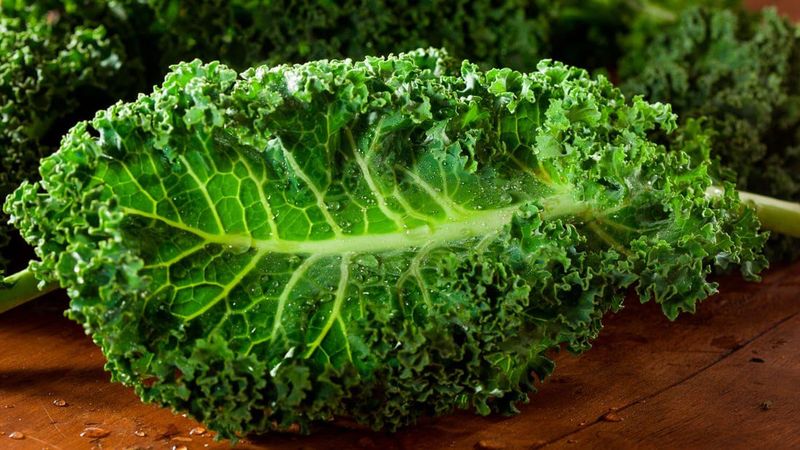
Kale became a wellness icon for good reason. It is one of the most nutrient-dense foods on the planet, offering high amounts of vitamins A, C, and K along with calcium, magnesium, and antioxidants all in one leaf.
Massaging raw kale with a little olive oil softens it and makes it easier to digest. Use it in salads, blend it into smoothies, or bake it into crispy chips.
Your body will quietly thank you every single time.
12. Tomatoes
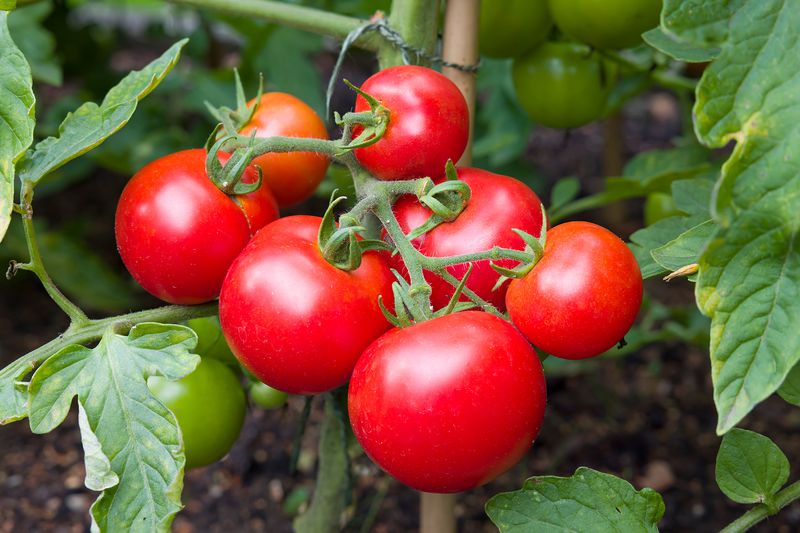
Technically a fruit, tomatoes are a kitchen staple with impressive health benefits. They are one of the best dietary sources of lycopene, a powerful antioxidant linked to reduced risk of heart disease and certain cancers.
Cooking tomatoes actually increases lycopene absorption, making sauces and soups a smart choice. They also supply vitamin C, potassium, and folate.
Whether fresh in a salad or slow-cooked in a sauce, tomatoes are a delicious way to support long-term health.
13. Apples
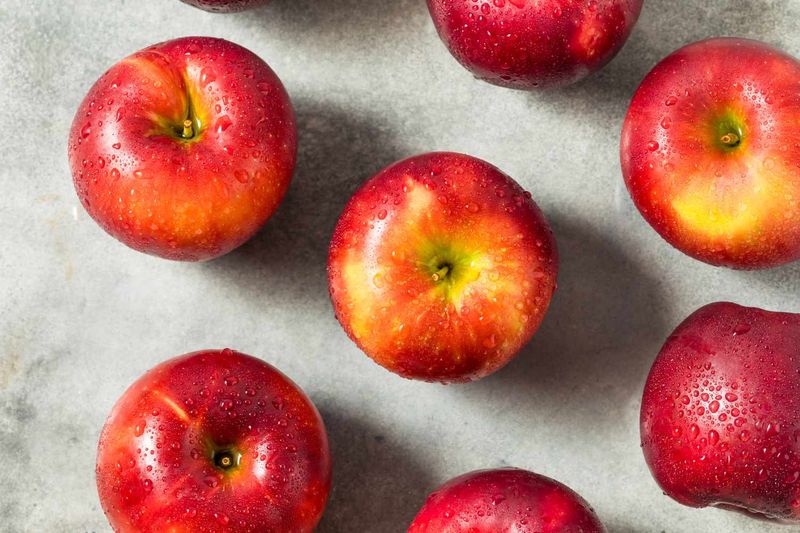
The old saying about an apple a day has genuine merit. Apples are high in quercetin and pectin, compounds that support gut health, reduce inflammation, and may help lower cholesterol levels over time.
Their fiber content helps you feel full and supports steady energy throughout the day. Choose whole apples over apple juice to get the full fiber benefit.
Red, green, or yellow, all varieties bring solid nutrition to the table without much effort at all.
14. Bell Peppers

Bell peppers are one of the most underrated vegetables in the produce section. Red bell peppers contain nearly three times more vitamin C than oranges, making them a surprisingly powerful immune booster in a crispy, satisfying package.
They also provide vitamin B6, folate, and antioxidants like beta-carotene. Eat them raw with hummus, roast them for sweetness, or toss them into stir-fries.
The different colors each offer slightly different nutrient profiles, so mixing them up is a smart strategy.
15. Mangoes

Sweet, juicy, and sunshine-colored, mangoes are more than just a tropical treat. They are packed with vitamins A and C, folate, and a group of antioxidants unique to mangoes called mangiferin, which researchers are studying for its anti-inflammatory effects.
Mangoes also support digestive health thanks to their fiber and enzymes. Blend them into smoothies, mix them into salsas, or just eat them fresh.
One cup of mango covers nearly 70 percent of your daily vitamin C needs.
16. Beets
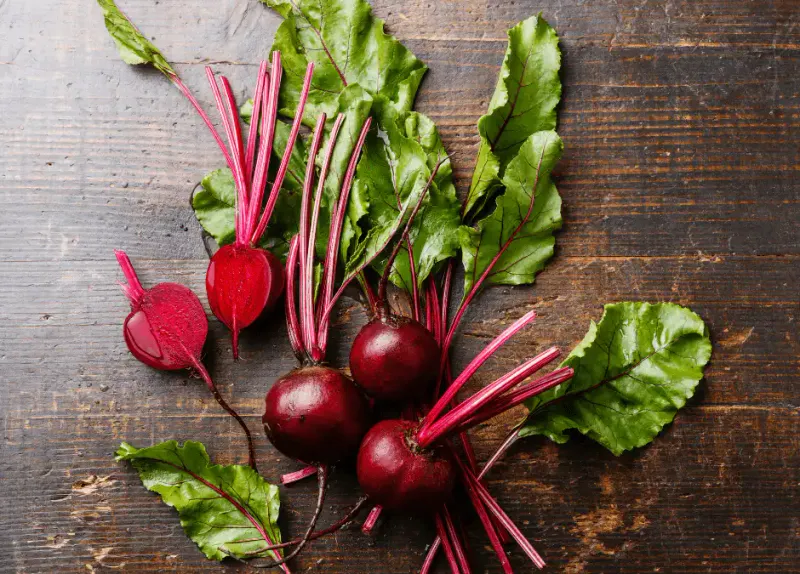
Beets have a bold color and an equally bold nutritional profile. They are rich in nitrates, which your body converts into nitric oxide, a compound that relaxes blood vessels and can naturally lower blood pressure.
Athletes often use beet juice to improve endurance because of this circulation-boosting effect. Beets also provide folate, manganese, and fiber.
Roast them for a sweet earthy side dish, grate them raw into salads, or blend them into a vibrant smoothie.
17. Lemons

Lemons bring a sharp brightness to food and drinks, but their wellness value goes far beyond flavor. Rich in vitamin C and citric acid, lemons support immune function, aid iron absorption from plant foods, and may help prevent kidney stones by increasing urine citrate levels.
Squeezing lemon juice over vegetables actually makes their nutrients easier to absorb. Start your morning with warm lemon water, add it to salad dressings, or use it to brighten up almost any savory or sweet dish.




Comments
No Comments