













Have you ever noticed that some foods just hit differently when they come in tiny bites? Something almost magical happens when certain ingredients are cut smaller, grated finer, or crumbled into little pieces.
The surface area increases, flavors concentrate, and your taste buds get a much bigger punch with every bite. Get ready to rethink how you slice, chop, and serve these 17 everyday foods.
1. Dark Chocolate
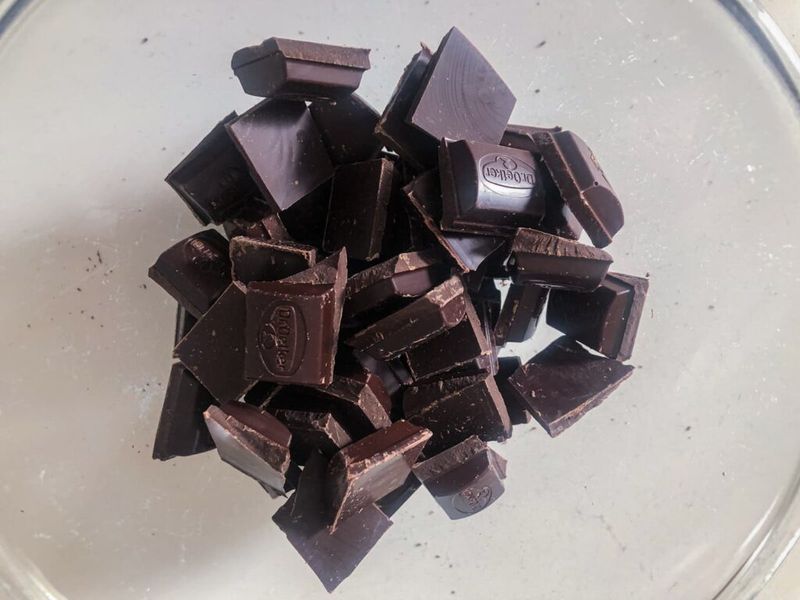
Break off a tiny square of dark chocolate and let it melt slowly on your tongue. That bitter, complex flavor blooms fast and lingers long.
Now try eating a thick chunk whole. The difference is surprising.
Smaller pieces melt quicker, releasing cocoa compounds that hit your palate more intensely. Chocolatiers actually recommend breaking chocolate into small shards before tasting to fully appreciate its depth.
Less really is more here.
2. Parmesan Cheese
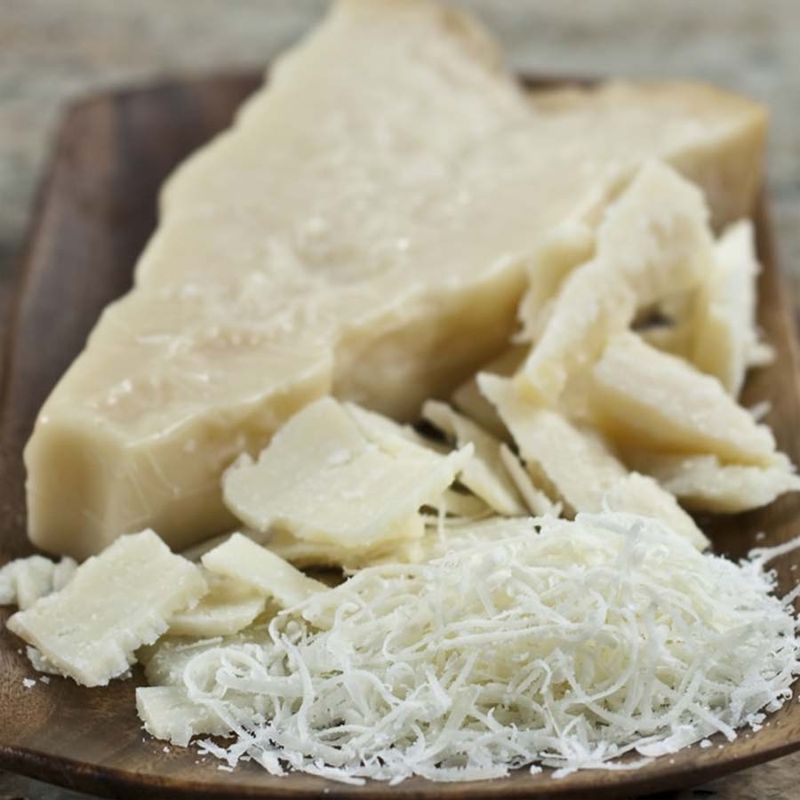
Grated Parmesan is a completely different experience from a thick slice of the same block. The fine shreds dissolve almost instantly, flooding your mouth with nutty, salty, umami-rich flavor.
Chefs call this the "surface area effect."
When more of the cheese touches your tongue at once, the taste receptors fire up faster. A light dusting of finely grated Parmesan on pasta will outperform a chunky slice every single time.
3. Garlic
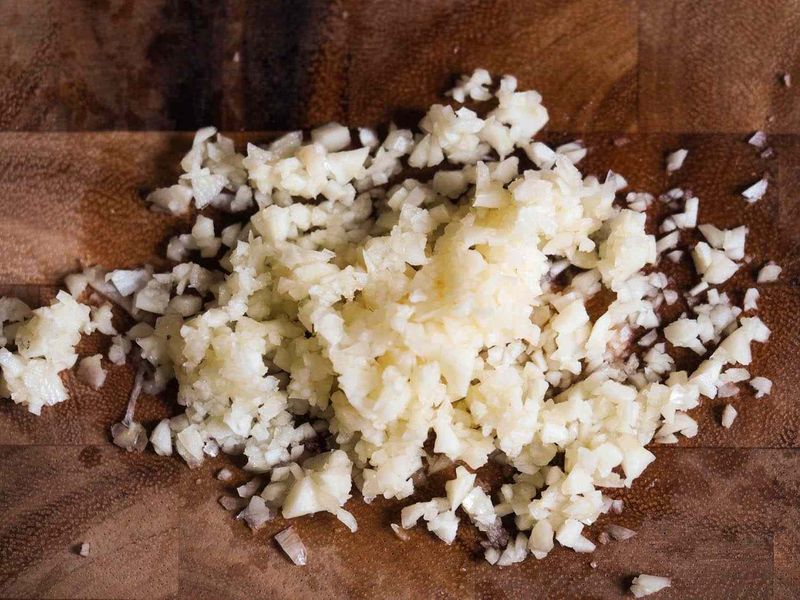
Minced garlic smells and tastes about ten times stronger than a whole clove sitting on your counter. Crushing and chopping garlic breaks open its cells, triggering a chemical reaction that creates allicin, the compound responsible for that sharp, pungent punch.
The finer you mince it, the more allicin gets released, and the more powerful the flavor becomes. That is why a tiny spoonful of minced garlic can completely dominate an entire dish.
4. Blue Cheese
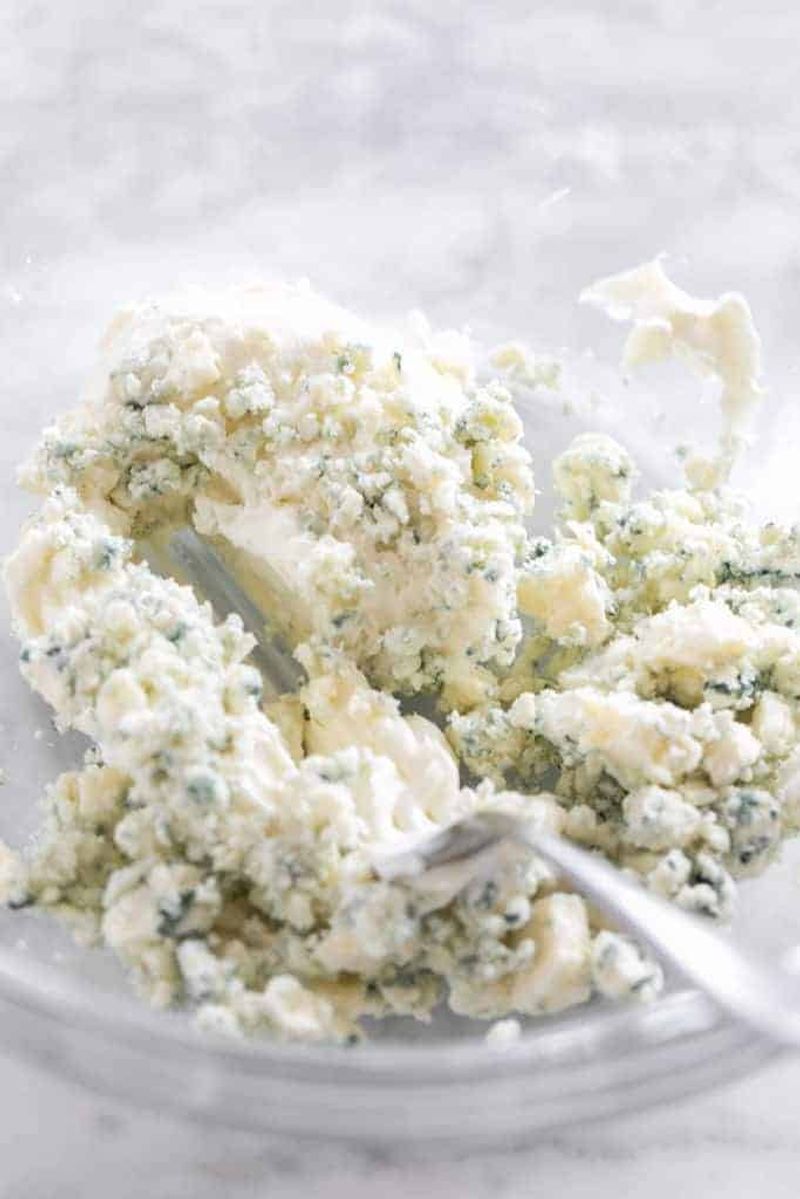
Crumbled blue cheese is bold, sharp, and almost aggressively tangy. Eating it in small crumbles rather than thick slices lets those pungent flavor compounds hit your taste buds all at once.
The mold-ripened interior opens up beautifully when broken apart.
Chefs routinely crumble blue cheese over salads and steaks precisely because the tiny pieces spread flavor evenly. A little goes a long way, and smaller pieces make sure every bite delivers maximum impact.
5. Chili Peppers
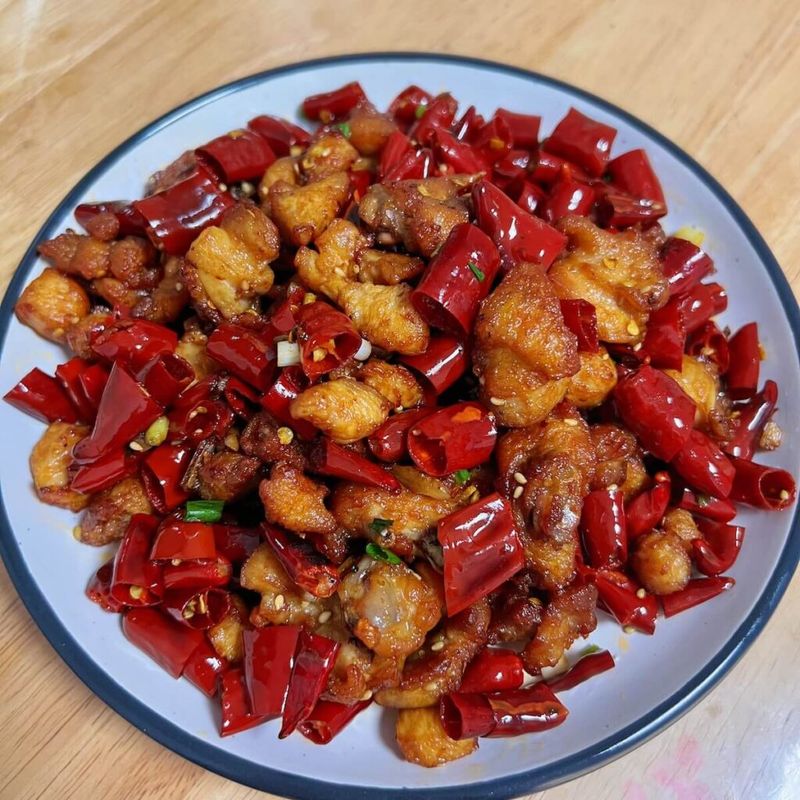
Slicing a chili pepper thin releases significantly more capsaicin than leaving it whole. Capsaicin is the heat-producing compound hiding mostly in the seeds and inner membrane, and cutting exposes all of it at once.
Finely chopped chilies spread heat more evenly through food, making every bite feel spicier. Whole peppers added to a stew release heat slowly and mildly.
Tiny pieces? They turn up the volume fast and keep it loud throughout the entire dish.
6. Fresh Ginger
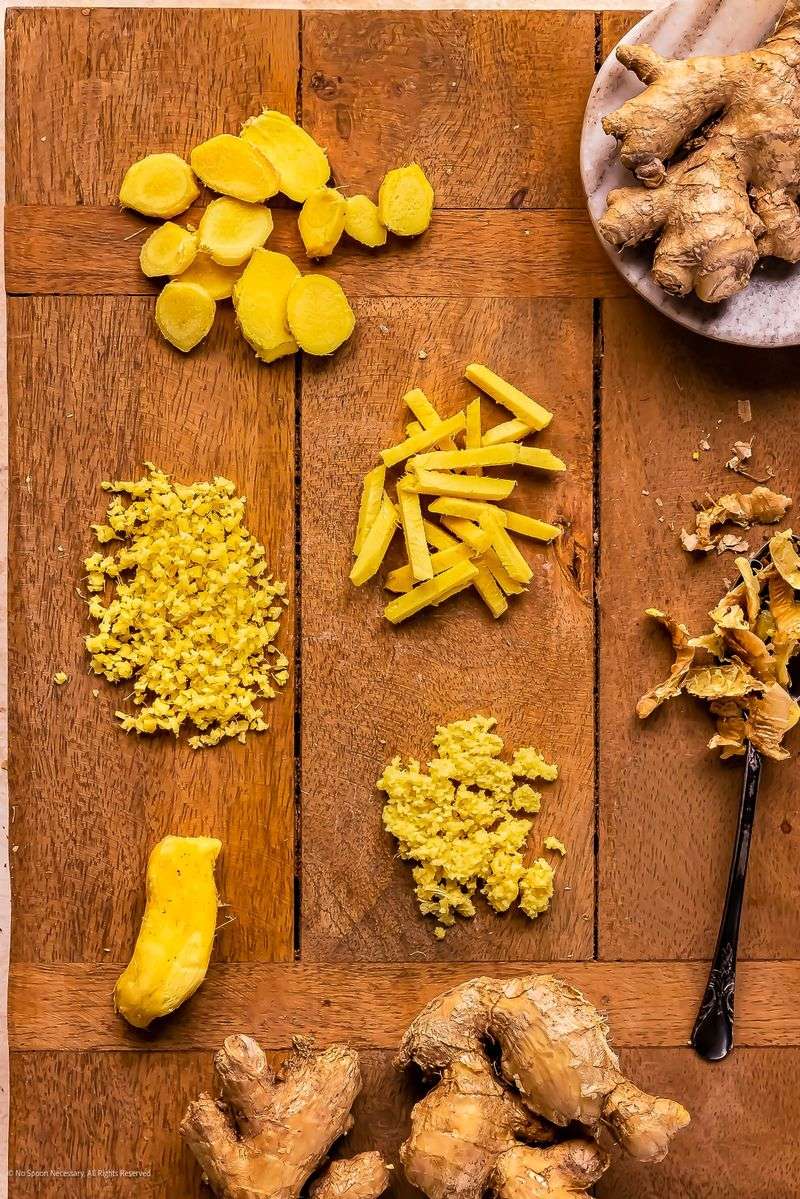
Grated ginger is fiery, warm, and almost electric on the tongue. The smaller the pieces, the more gingerols and shogaols, its active flavor compounds, get released into whatever you are cooking.
A whole chunk of ginger barely seasons a pot of soup.
Grate it fine and suddenly the entire dish wakes up. Sushi restaurants serve thinly sliced pickled ginger for this exact reason.
Smaller cuts let the bold, spicy-sweet flavor shine through completely.
7. Anchovies
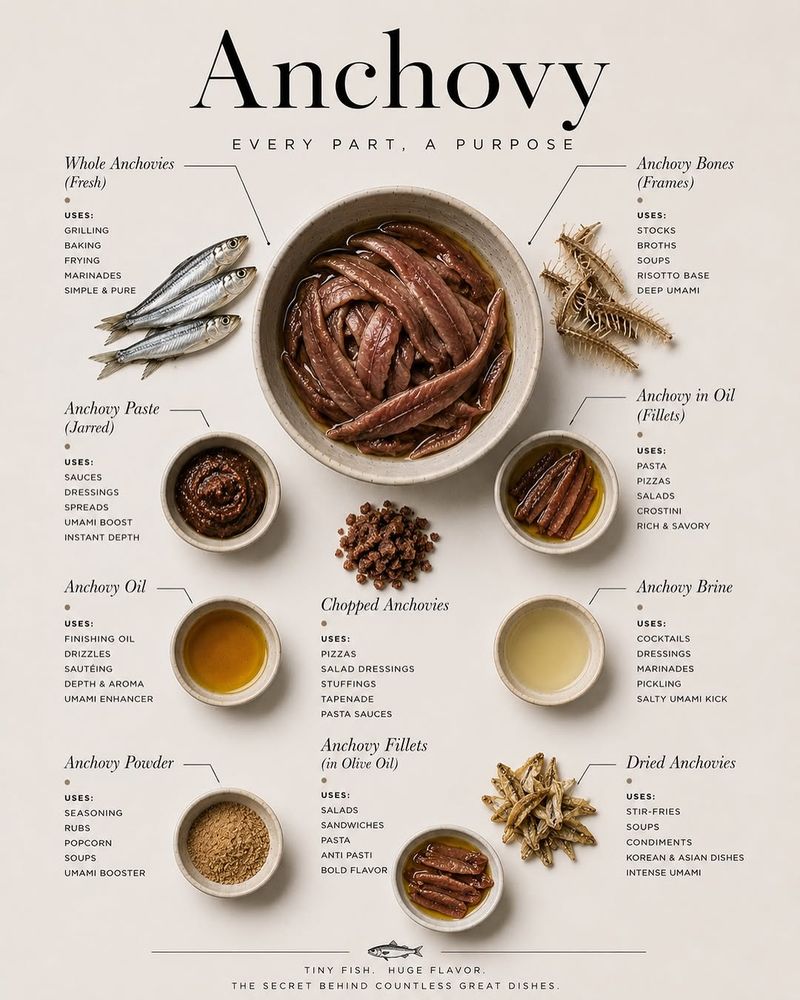
Whole anchovy fillets can feel overwhelming to some people, but finely minced anchovies practically disappear into sauces and dressings while delivering incredible depth of flavor. They melt away during cooking, leaving behind a savory, umami-packed backbone.
Caesar dressing owes its addictive quality largely to minced anchovies. Chop them small enough and even anchovy-skeptics will not notice them, but everyone will taste the richness they add.
Tiny pieces, enormous flavor contribution.
8. Truffle
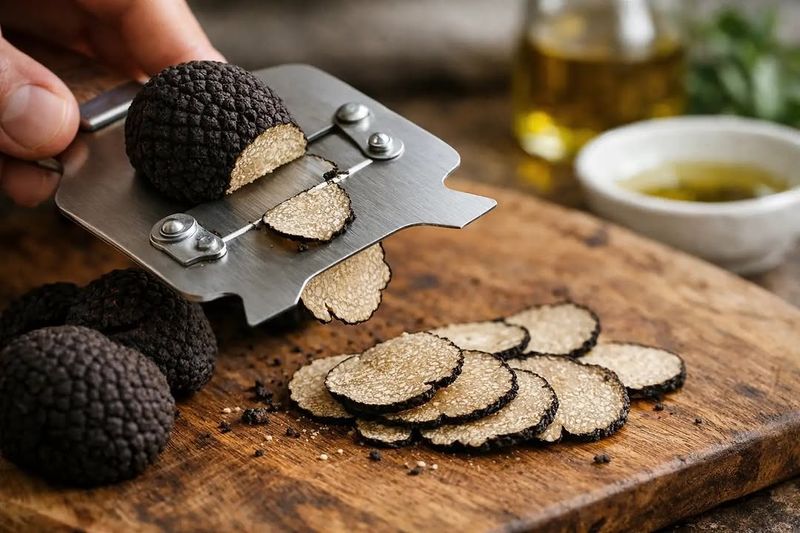
Truffles are one of the most expensive ingredients on earth, and they are always served shaved into paper-thin slices for a very good reason. Those whisper-thin pieces release maximum aroma and flavor from even a tiny amount of the precious fungus.
A thick chunk of truffle actually mutes its own scent. Shaving it fine lets the volatile aroma compounds escape freely, hitting your nose and taste buds simultaneously.
That combo is why truffle flavor feels so overwhelmingly luxurious.
9. Horseradish
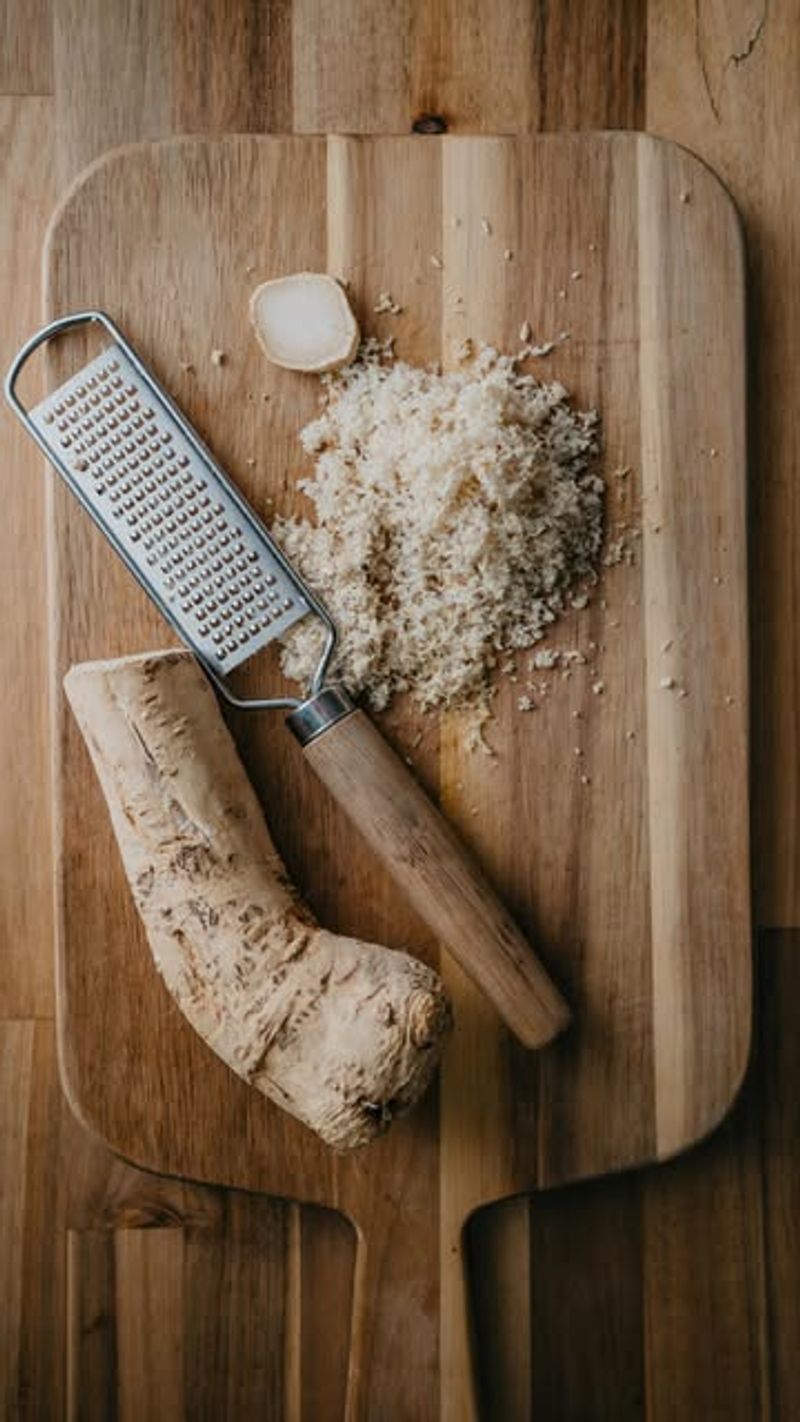
Freshly grated horseradish is one of the most nose-clearing, eye-watering experiences in the food world. Grating it releases isothiocyanates, the same volatile compounds found in wasabi, which evaporate quickly and hit your sinuses like a friendly punch.
A chunk of raw horseradish root is almost flavorless by comparison. The act of grating it into tiny shreds is what activates the intense, sharp heat.
That is why prepared horseradish always instructs you to use it fresh.
10. Capers
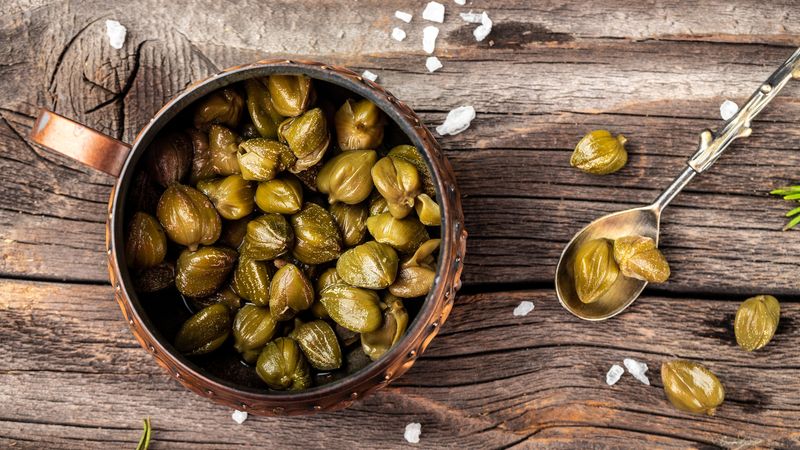
Capers pack an enormous brine-forward punch for their tiny size, but chopping them even smaller intensifies the effect further. Their outer skin holds concentrated flavor, and breaking that skin releases sharp, tangy, floral notes all at once.
Whole capers in a dish provide occasional bursts of flavor. Chopped capers distribute that bold, pickled intensity throughout every single bite.
Cooks use this trick in tartare, pasta, and sauces to ensure the flavor never gets lost in the background.
11. Walnuts
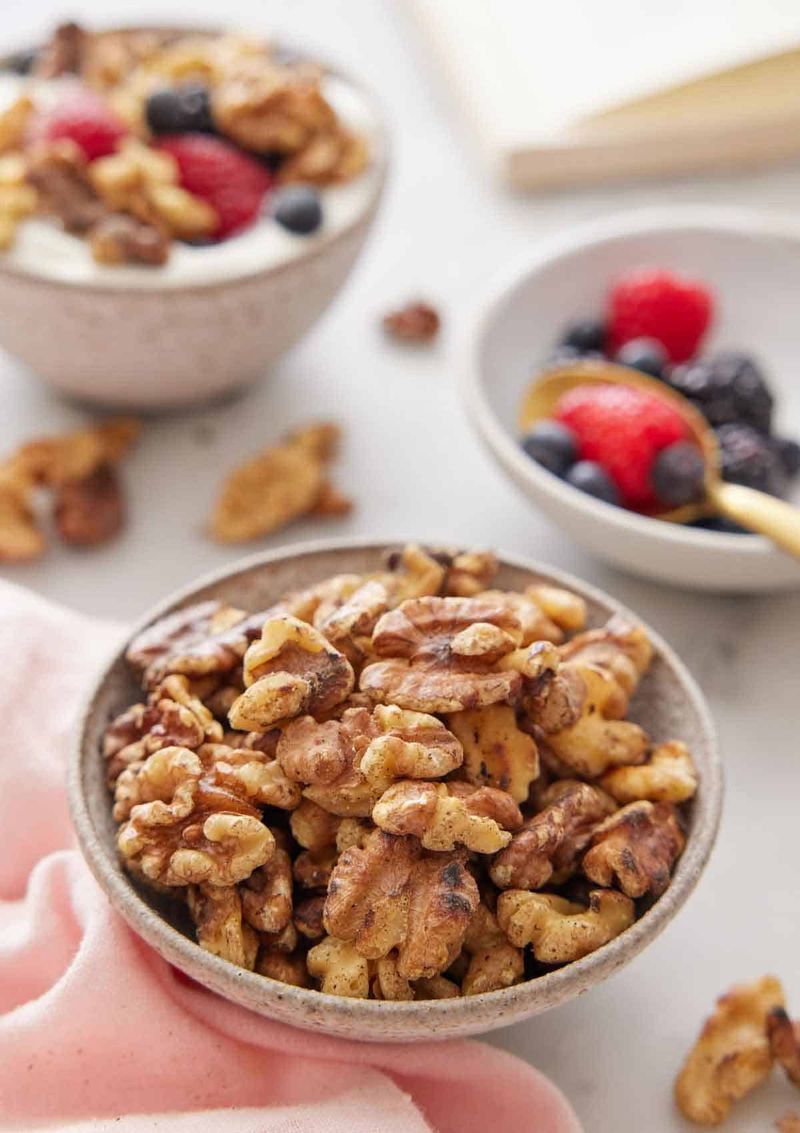
Chopping walnuts into small pieces unlocks a richer, more bitter, and more complex flavor than eating them whole. Walnuts contain tannins and natural oils that get exposed when the nut is broken down, intensifying the earthy, slightly astringent taste.
Whole walnuts can feel mild and almost rubbery. Finely chopped, they become aromatic and full-flavored, adding real personality to baked goods, salads, and pasta.
Toasting the small pieces first amplifies the effect even more dramatically.
12. Sun-Dried Tomatoes
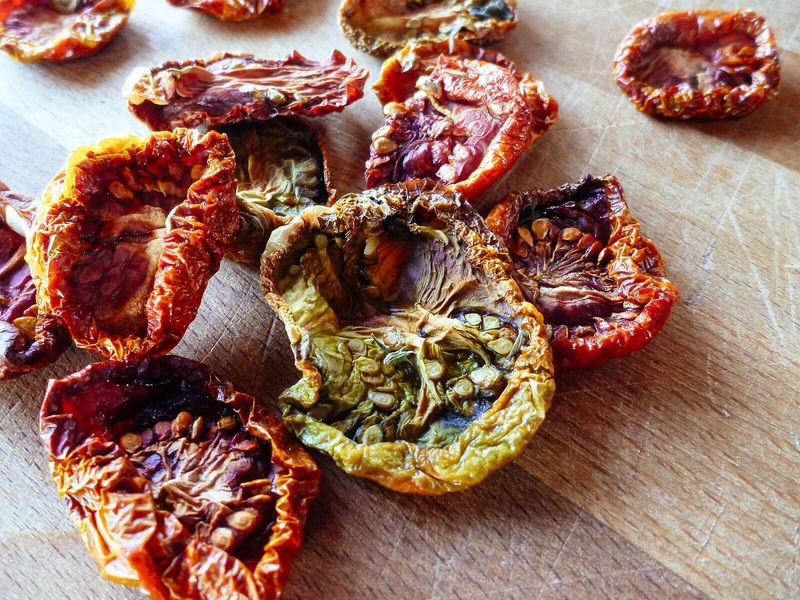
Sun-dried tomatoes are already a concentrated version of fresh tomatoes, with most of the water removed and the flavor packed tightly inside. Chop them into small pieces and that intensity multiplies, spreading through pasta, bread, or salads with every bite.
A whole sun-dried tomato can feel chewy and overpowering in one spot. Tiny chopped pieces distribute that rich, tangy, almost smoky flavor evenly.
It is one of the easiest tricks for making simple dishes taste deeply complex and satisfying.
13. Fresh Herbs
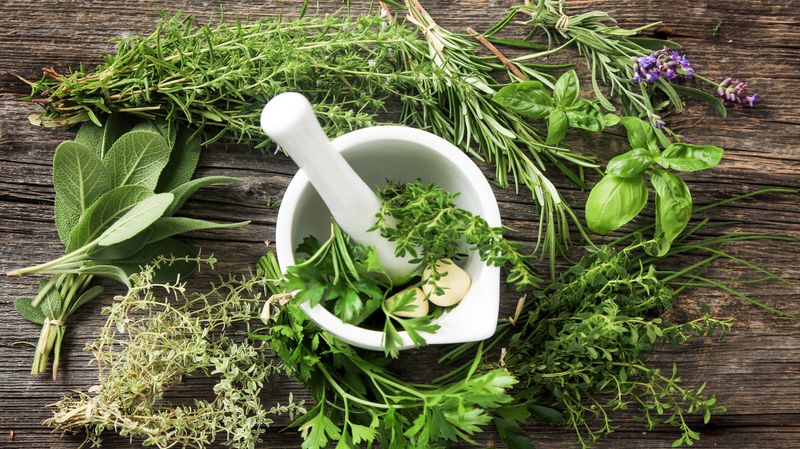
Chiffonade-cut basil or finely minced parsley releases far more aroma and flavor than whole leaves scattered on top of a dish. Cutting herbs breaks their cell walls, releasing essential oils that carry the bright, fresh flavors you associate with summer cooking.
Whole herb leaves on a pizza or salad look pretty but taste mild. Chop them small and they transform into an aromatic powerhouse.
This is why professional kitchens always mince herbs right before serving, never ahead of time.
14. Jalapeños
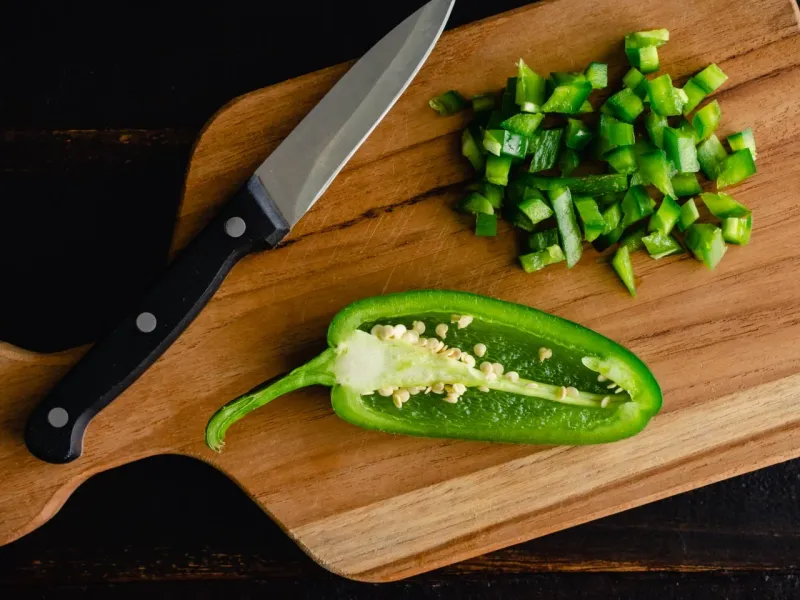
Dicing jalapeños into tiny pieces is a completely different sensory experience from biting into a thick ring. More cut surfaces mean more capsaicin exposure, and that translates directly into more heat per bite.
Seeds left in make the effect even stronger.
Restaurants that want serious heat in their salsa always mince the jalapeños fine. Those who prefer a milder kick keep them in larger slices.
The knife skills you use with this pepper literally control how spicy your food will taste.
15. Olives
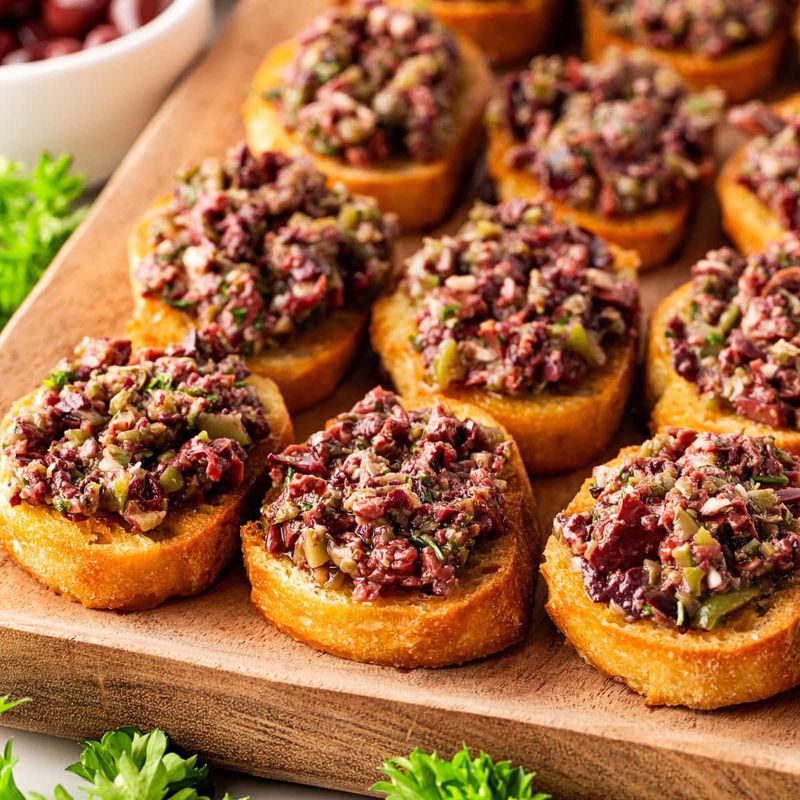
Whole olives are mild and pleasant, but chop them finely and something remarkable happens. The briny, fruity, slightly bitter flavor compounds spread across your entire palate at once instead of arriving in one concentrated spot.
Olive tapenade works so well precisely because the olives are minced to a paste, maximizing flavor release. Spread on bread or stirred into pasta, chopped olives deliver a savory Mediterranean punch that whole olives simply cannot match.
Smaller cuts, bigger personality.
16. Citrus Zest
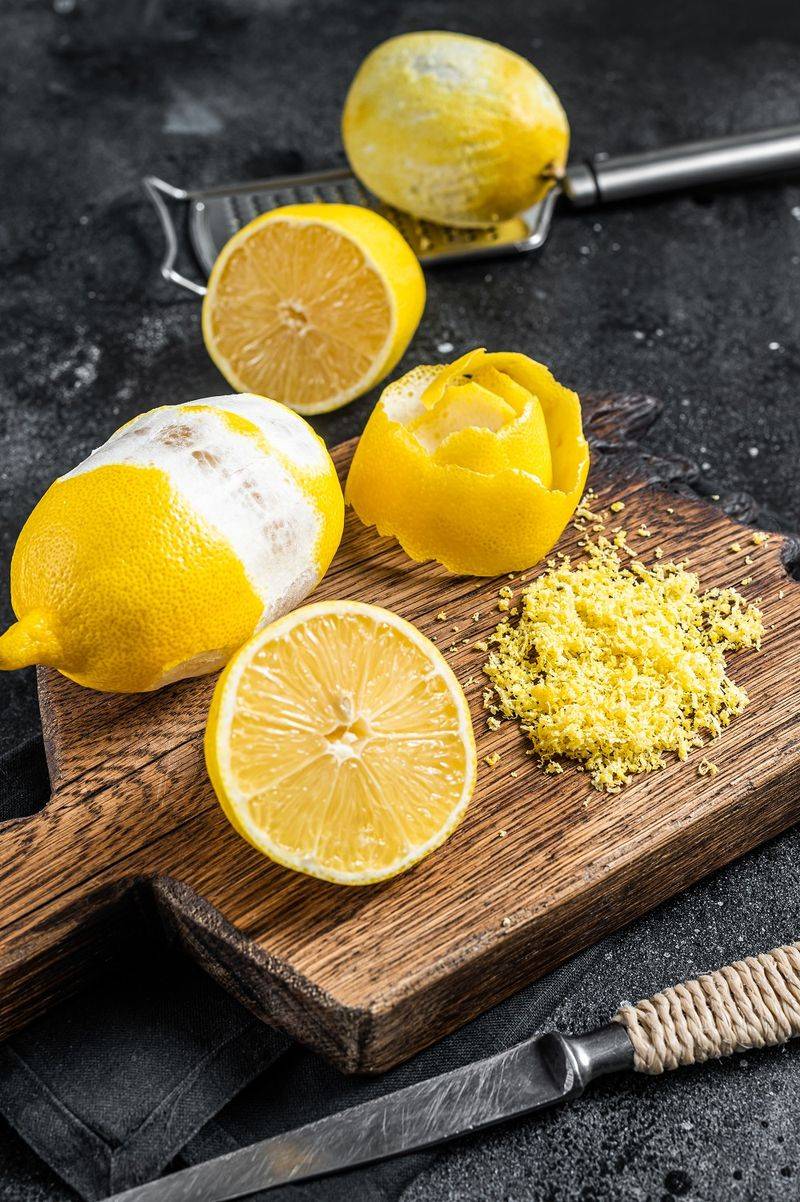
Citrus zest is where all the fragrant essential oils live, and grating it into fine, tiny shreds releases those oils instantly into whatever you are making. The result is a burst of bright, concentrated citrus flavor that juice alone can never provide.
A thick strip of lemon peel in a cocktail or stew gives mild background flavor. Finely grated zest, however, is boldly aromatic and almost perfume-like.
Bakers rely on it to make lemon cakes and cookies taste genuinely vibrant rather than flat.
17. Bacon
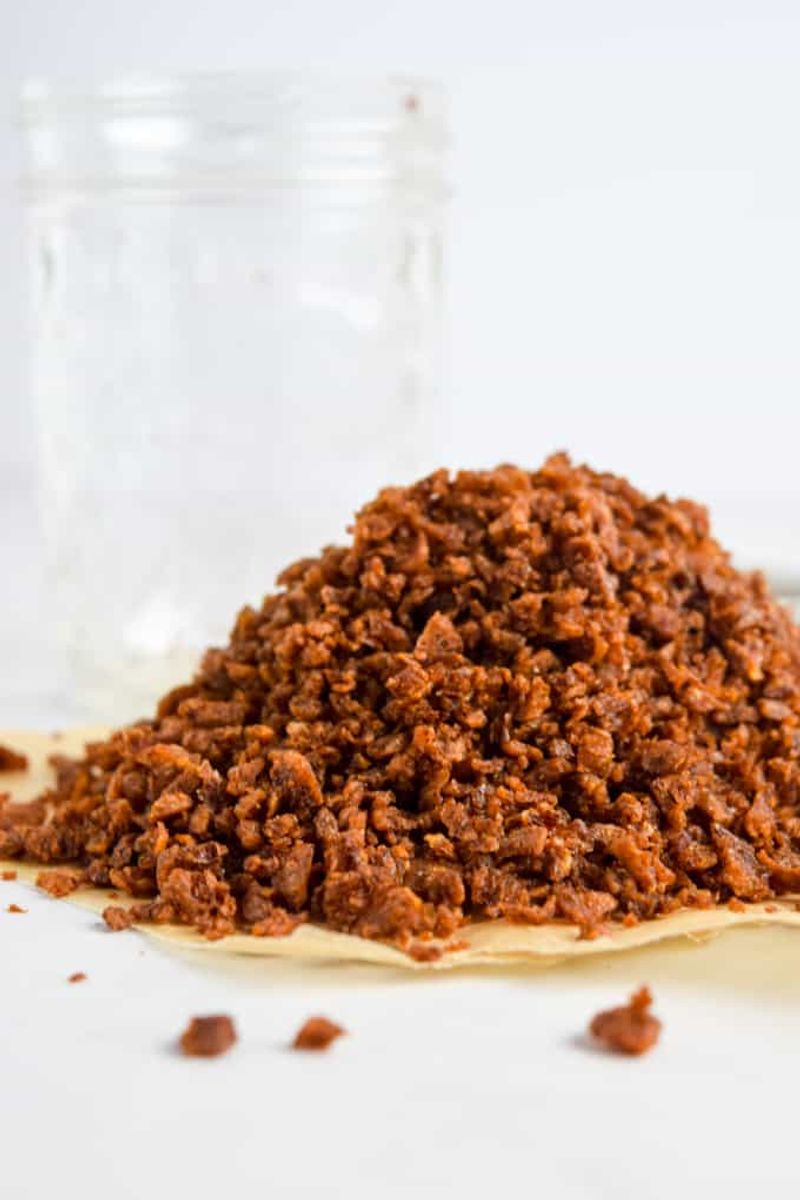
Crumbled bacon bits are a secret weapon in cooking, delivering smoky, salty, porky flavor in every single bite rather than just in the spots where a full strip happens to land. The small pieces also get crispier, adding a satisfying crunch.
A whole bacon strip on a burger is delicious, but crumbled bacon mixed into mashed potatoes, salads, or mac and cheese is transformative. Breaking it into tiny bits is the difference between a topping and an ingredient that truly becomes part of the dish.

Comments
No Comments