













You might be surprised to learn that some of the most powerful vitamins are hiding in foods you already eat every day. From the humble sweet potato to a simple handful of sunflower seeds, your kitchen may already be stocked with nutritional powerhouses.
Getting enough vitamins does not have to mean taking pills or eating strange superfoods. Sometimes, the best nutrition is already sitting right on your plate.
1. Sweet Potatoes
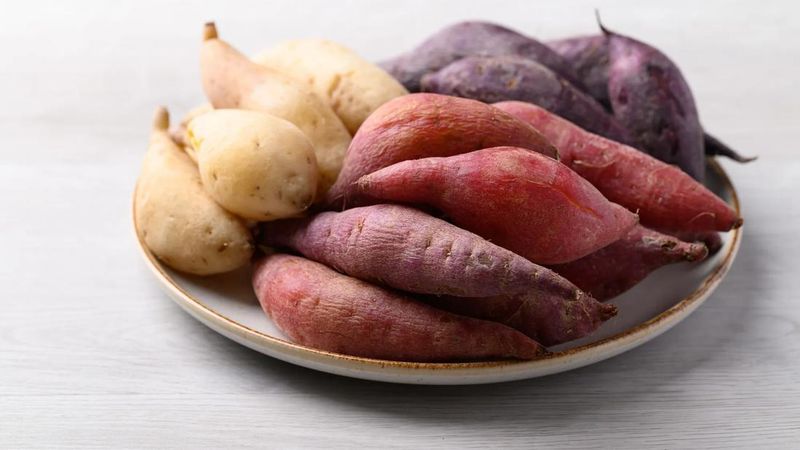
That bright orange color in sweet potatoes is not just for looks. It comes from beta-carotene, which your body converts into vitamin A.
Just one medium sweet potato can give you more than 100% of your daily vitamin A needs.
Vitamin A keeps your eyes healthy and supports your immune system. Roast them, mash them, or bake them whole.
However you enjoy them, sweet potatoes are one of the easiest ways to get a serious vitamin boost.
2. Sunflower Seeds
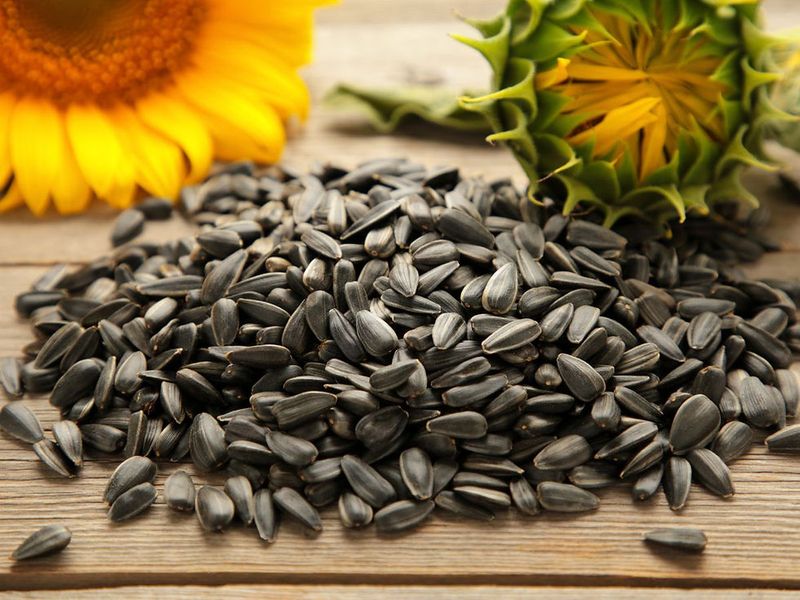
Tiny but mighty, sunflower seeds are one of the best plant-based sources of vitamin E you can find. Vitamin E acts as an antioxidant, protecting your cells from damage caused by everyday stress and pollution.
Just a small handful, about one ounce, delivers nearly half your daily vitamin E needs. Sprinkle them on salads, mix them into yogurt, or snack on them straight from the bag.
They are a crunchy, easy win for your health.
3. Eggs
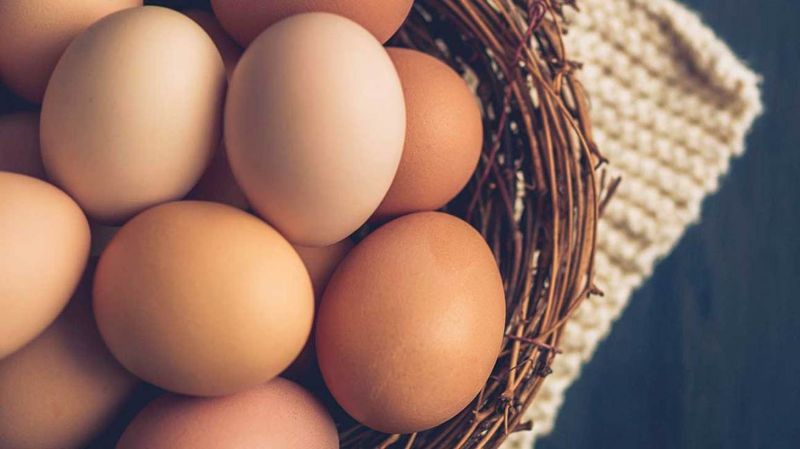
Eggs have been called nature's multivitamin, and for good reason. They contain vitamins B2, B5, B12, and D, all packed into one small shell.
The yolk especially is where most of those nutrients live.
Vitamin B12 helps your nervous system work properly, while vitamin D supports strong bones. Whether scrambled, poached, or hard-boiled, eggs are one of the most affordable and versatile vitamin-packed foods you can add to your daily routine.
4. Bell Peppers
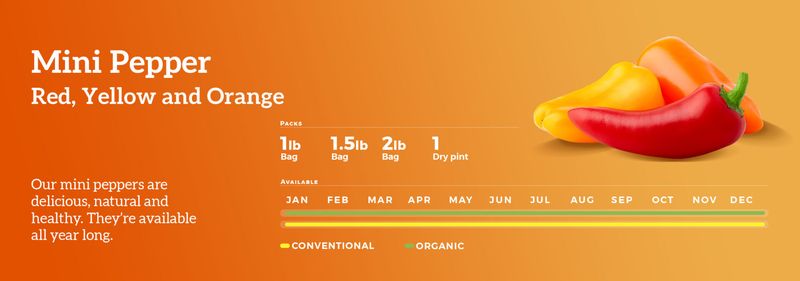
Forget oranges for a moment, because red bell peppers actually contain nearly three times more vitamin C. One medium red bell pepper packs over 150% of your daily recommended vitamin C intake.
That is a lot of immune-system support in one crunchy veggie.
Vitamin C also helps your body absorb iron and keeps your skin looking healthy. Eat them raw as a snack, toss them in stir-fries, or stuff them for a filling meal that works hard for your health.
5. Canned Tuna

Canned tuna is a budget-friendly food that many people overlook as a vitamin source. It is actually loaded with vitamin D and vitamin B12, two nutrients that a lot of people do not get enough of.
Vitamin D is especially hard to find in food, making tuna a standout option.
B12 supports energy levels and brain function, which is great news for busy students. Keep a few cans in your pantry for quick lunches or easy protein-packed snacks throughout the week.
6. Spinach
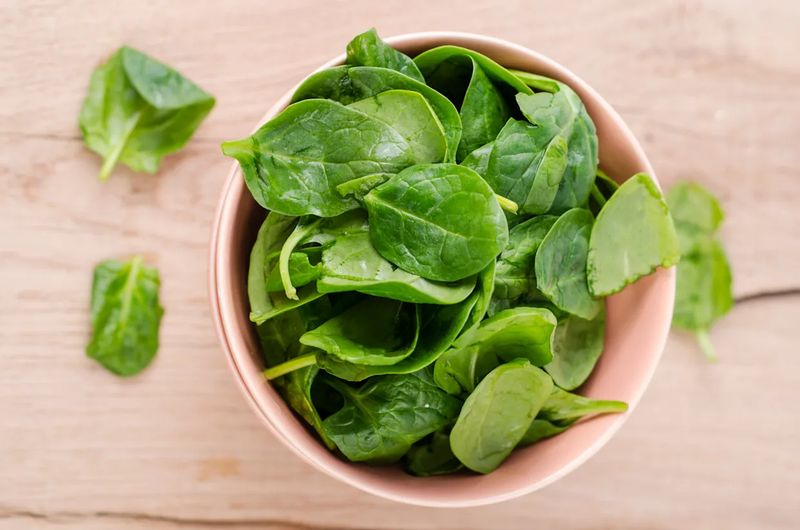
Popeye was onto something with his love of spinach. This leafy green is packed with vitamin K, which plays a key role in blood clotting and keeping your bones strong.
It also contains folate, a B vitamin that supports healthy cell growth.
Raw spinach is great in salads, but cooking it actually makes some of its nutrients easier for your body to absorb. Add it to smoothies, omelets, or pasta dishes for a sneaky but powerful nutritional upgrade.
7. Milk
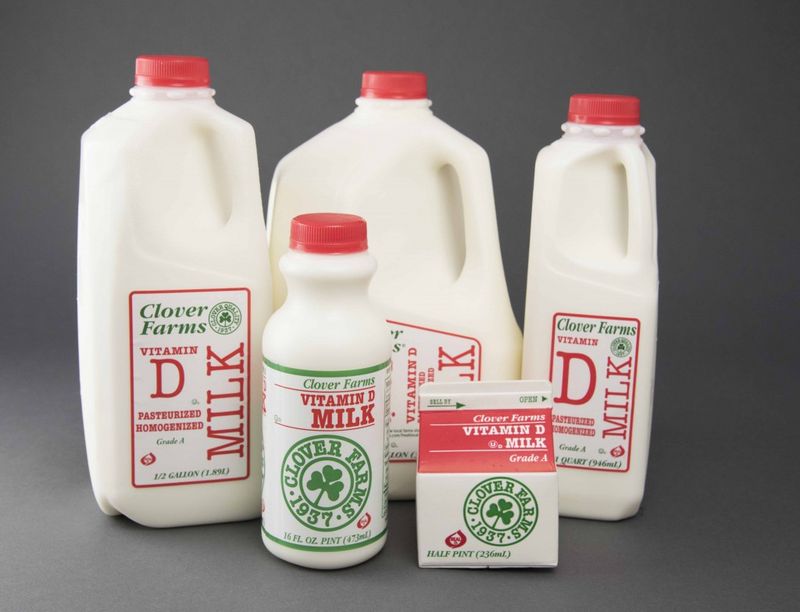
Milk has been a lunchbox staple for generations, and the vitamin content is a big reason why. It is one of the top food sources of vitamin D and calcium, which team up to build and maintain strong bones.
Many brands also fortify their milk with extra vitamins A and D.
Growing kids especially benefit from drinking milk regularly. If dairy does not work for you, fortified plant-based milks like almond or oat milk can offer similar vitamins with a different flavor profile.
8. Carrots
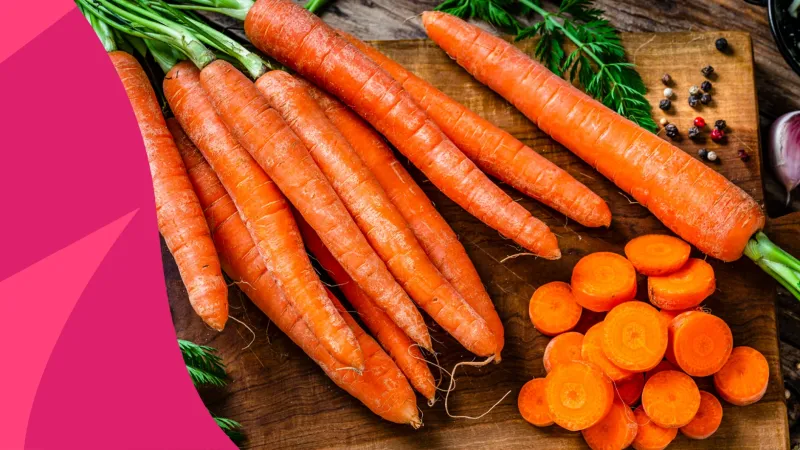
Carrots are one of the most classic snack vegetables, and they come loaded with beta-carotene, the same compound found in sweet potatoes that converts to vitamin A in your body. Good vision, healthy skin, and a strong immune system all benefit from this nutrient.
Eating carrots with a small amount of fat, like hummus or a drizzle of olive oil, actually helps your body absorb more of the beta-carotene. Snacking smarter has never been this simple or this crunchy.
9. Fortified Breakfast Cereal
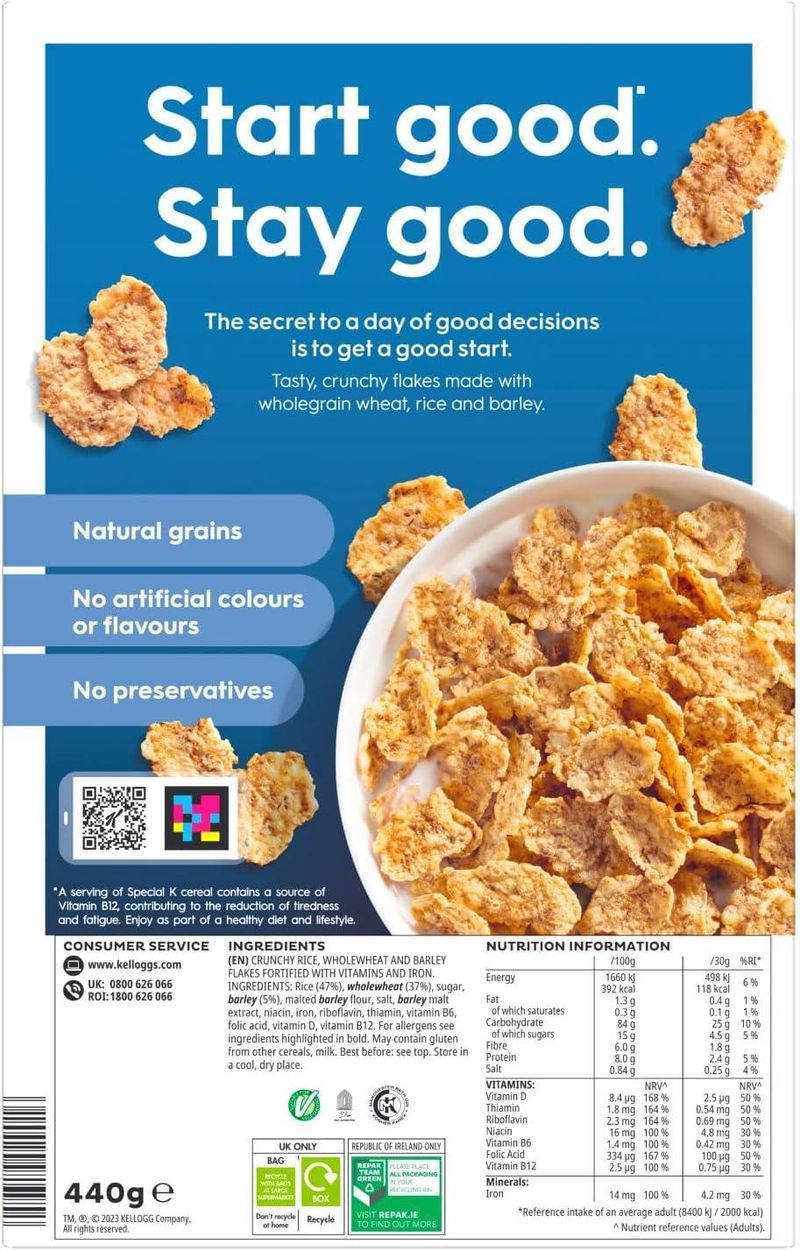
Many breakfast cereals are fortified with a long list of vitamins, including B vitamins like B6, B12, folic acid, and even iron. Checking the nutrition label on your cereal box can be a real eye-opener.
Some brands deliver up to 100% of several daily vitamins in just one serving.
While whole foods are always a great choice, fortified cereals can be a practical way to fill nutritional gaps, especially on rushed mornings. Pair with milk for an even more vitamin-rich breakfast combination.
10. Avocado
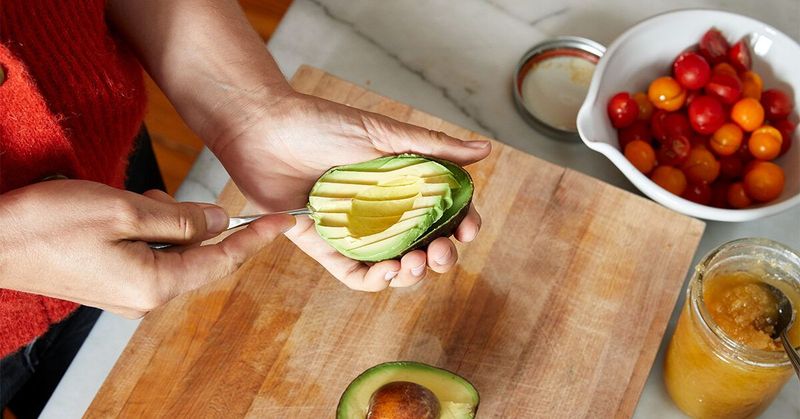
Avocados have earned their trendy reputation, and the vitamin content backs it up. They are rich in folate, vitamin K, and vitamin E, making them one of the most nutrient-dense fruits you can eat.
Yes, avocado is technically a fruit.
Folate is especially important for healthy cell development, which is why it matters for growing kids and teens. Spread it on toast, blend it into a smoothie, or slice it onto a salad to enjoy all of those hidden vitamins in a delicious way.
11. Broccoli
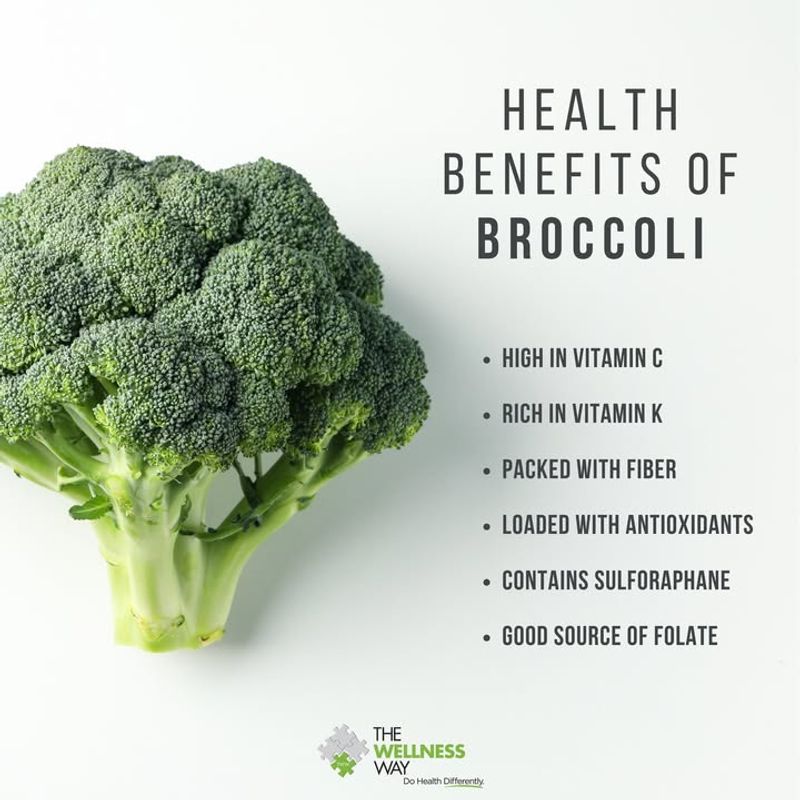
Broccoli might not be everyone's favorite at the dinner table, but it is quietly one of the most vitamin-packed vegetables around. It contains impressive amounts of vitamin C, vitamin K, and folate, all in one compact green floret.
Steaming broccoli rather than boiling it helps preserve more of its vitamins. Even a half-cup serving provides a meaningful dose of nutrients.
Try roasting it with a little garlic and olive oil to turn it into a side dish that even picky eaters tend to enjoy.
12. Salmon
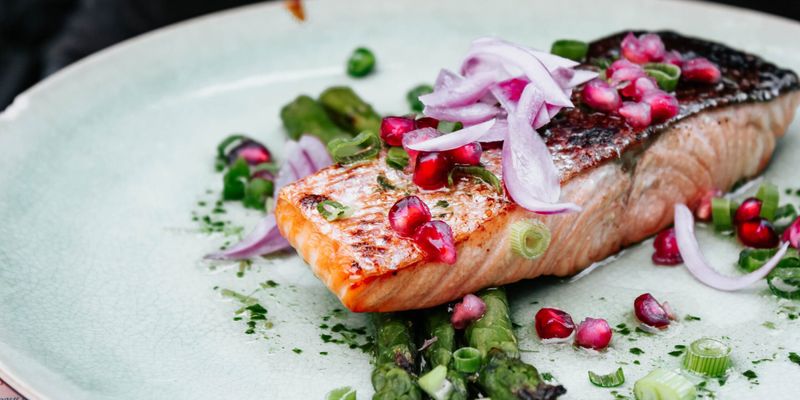
Salmon is one of the rare foods that delivers a powerful punch of vitamin D alongside heart-healthy omega-3 fatty acids. Most people struggle to get enough vitamin D from food alone, so salmon is a genuinely valuable addition to your diet.
It also contains B vitamins, especially B12 and niacin, which support your energy and brain health. Even eating salmon just once or twice a week can make a noticeable difference in how well your body gets the nutrients it needs.
13. Oranges

Oranges are practically synonymous with vitamin C, and they absolutely earn that reputation. One medium orange delivers about 70 milligrams of vitamin C, which is close to the full daily recommendation for most kids and teens.
Beyond vitamin C, oranges also contain folate and small amounts of thiamine, a B vitamin that helps your body convert food into energy. Drink the juice, eat the segments, or toss orange slices into a salad for a refreshing way to stay vitamin-rich throughout the day.
14. Potatoes
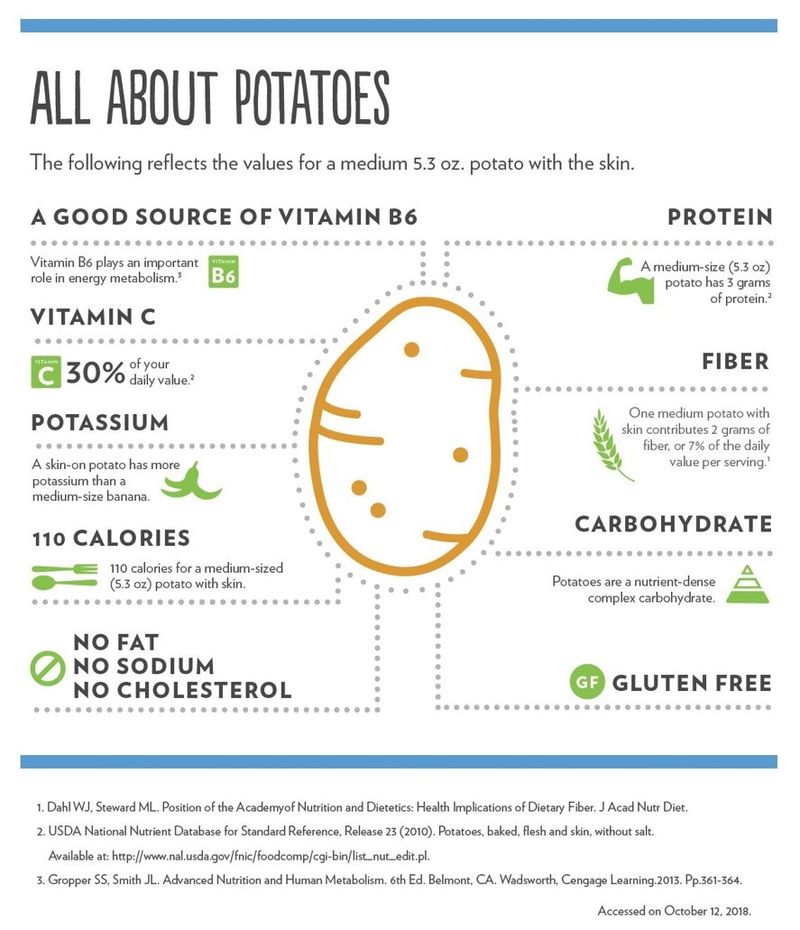
Plain potatoes often get a bad reputation, but they are actually a solid source of vitamin B6 and vitamin C. A medium baked potato with the skin on delivers around 30% of your daily vitamin B6 needs.
That skin is important, so do not peel it away.
Vitamin B6 supports brain development and helps your body produce hormones that regulate mood. Baking, boiling, or roasting potatoes without heavy toppings keeps them nutritious and filling.
They are far more impressive than their plain appearance suggests.
15. Mushrooms

Here is a fun fact: mushrooms are the only plant-based food that naturally produces vitamin D when exposed to sunlight, just like humans do. Leaving mushrooms gill-side up in the sun for even 15 minutes can significantly boost their vitamin D content.
They also contain B vitamins like riboflavin and niacin, which support energy production. Add sauteed mushrooms to omelets, pasta, or grain bowls for an earthy, savory way to sneak more vitamins into your everyday meals without much effort.
16. Black Beans
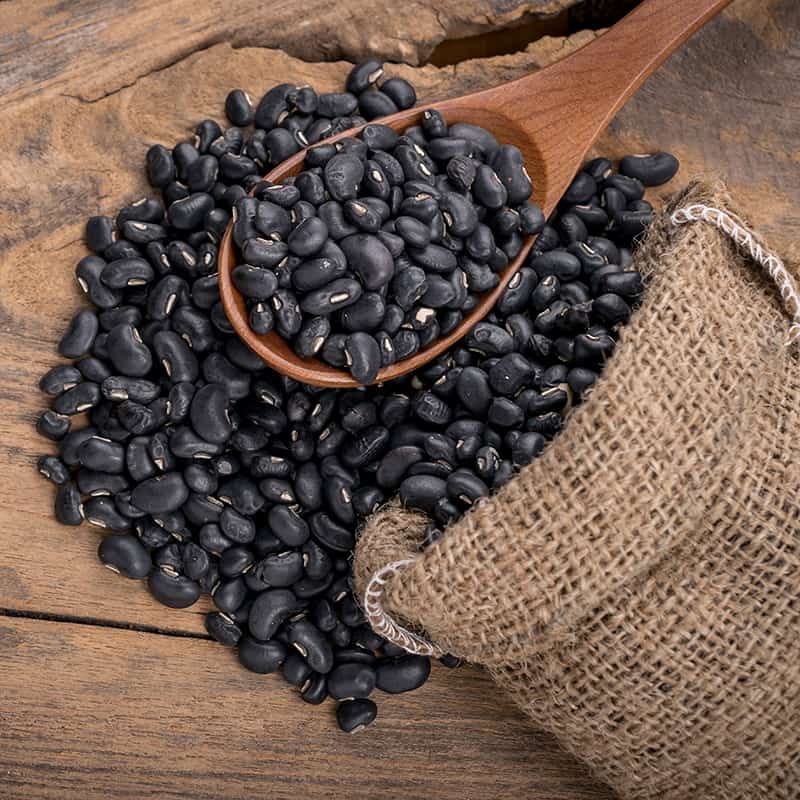
Black beans might be best known for their protein and fiber, but they are also quietly packed with folate, a B vitamin that supports healthy cell growth and DNA repair. One cup of cooked black beans provides over half of your daily folate needs.
Folate is especially important during periods of rapid growth, making it a key nutrient for kids and teens. Add black beans to tacos, rice bowls, or soups for a hearty, affordable way to keep your vitamin levels in great shape.
17. Greek Yogurt

Greek yogurt is a go-to snack for many people, but not everyone realizes how much vitamin B12 it contains. Just one cup of plain Greek yogurt can deliver around 20% of your daily B12 needs, along with a solid dose of riboflavin and phosphorus.
B12 is essential for healthy nerve function and red blood cell production, making it a nutrient worth tracking. Choose plain varieties over flavored ones to keep added sugar low, then sweeten naturally with fresh fruit or a small drizzle of honey.




Comments
No Comments