













Your gut does a lot more than just digest food — it plays a huge role in your energy, mood, and immune system. Eating the right vegetables can make a big difference in how well your digestive system works.
Some veggies are packed with fiber, natural enzymes, and beneficial compounds that feed good bacteria and keep things moving smoothly. Adding more of these gut-friendly vegetables to your meals is one of the easiest ways to feel better from the inside out.
1. Broccoli
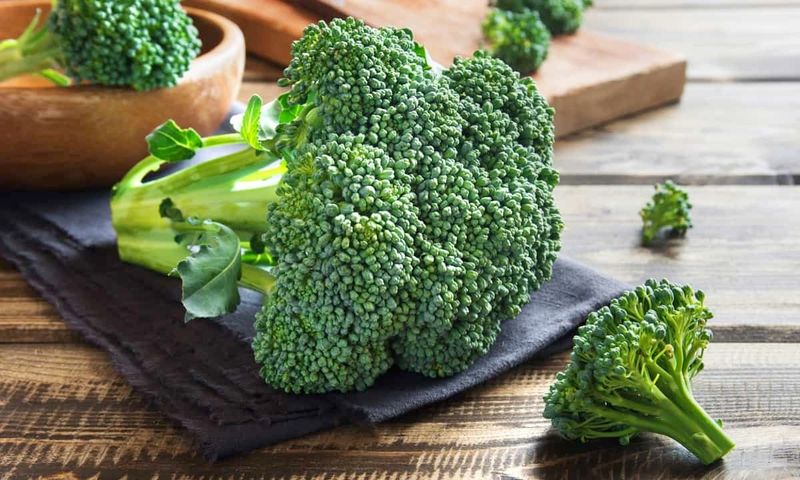
Broccoli is basically a superhero for your stomach. It contains a compound called sulforaphane, which helps protect the lining of your gut from harmful bacteria.
The fiber in broccoli also feeds the good bacteria living in your digestive tract.
Studies have shown that people who eat broccoli regularly have healthier gut microbiomes. Roasting or lightly steaming it preserves the most nutrients.
Try tossing it with olive oil and garlic for a simple, gut-boosting side dish.
2. Asparagus
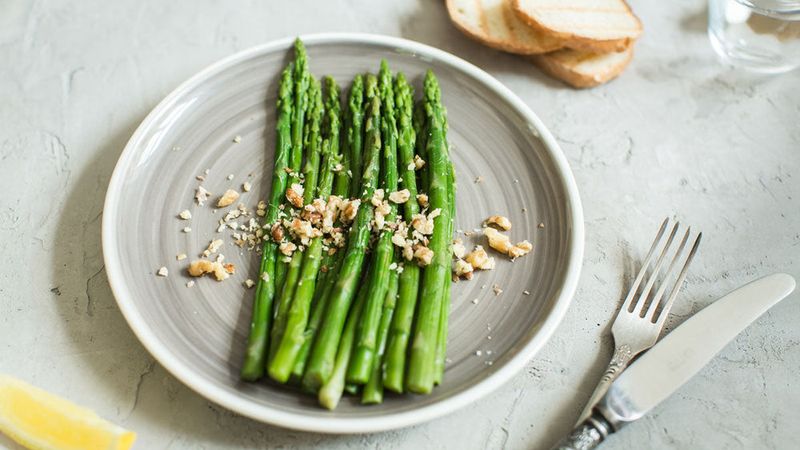
Asparagus is one of the best natural sources of inulin, a type of prebiotic fiber that acts like food for the beneficial bacteria in your gut. When those good bacteria thrive, your whole digestive system runs more efficiently.
That means less bloating and more comfort after meals.
Asparagus also contains anti-inflammatory compounds that help soothe the gut lining. Grilling or roasting it brings out a slightly nutty flavor that makes it genuinely enjoyable to eat regularly.
3. Artichokes
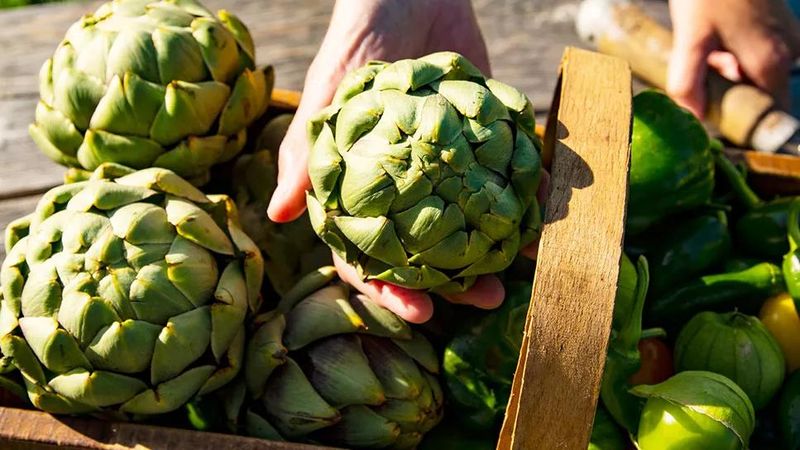
Artichokes have been used as a digestive aid for centuries, and modern science backs that up. They are loaded with inulin and cynarin, compounds that stimulate bile production and help your body break down fats more effectively.
Better fat digestion means your gut spends less time struggling after a meal.
Jerusalem artichokes, in particular, are especially rich in prebiotic fiber. Even globe artichokes steamed with a little lemon juice are a fantastic, fiber-rich addition to a gut-healthy diet.
4. Garlic
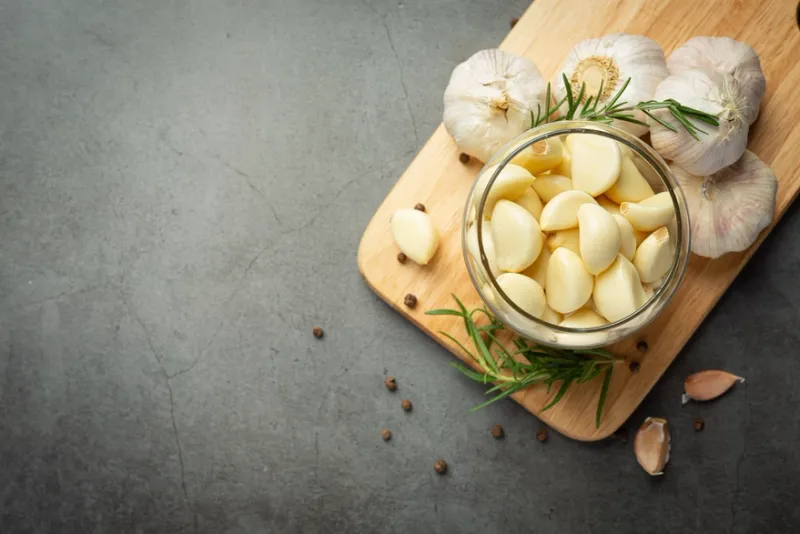
Few ingredients pack as much gut-healing power into such a small package as garlic. It contains fructooligosaccharides, which are prebiotic compounds that selectively feed beneficial gut bacteria while helping suppress harmful ones.
Garlic also has natural antimicrobial properties that keep bad bacteria in check.
Raw garlic offers the most potent benefits, but even cooked garlic contributes meaningfully to gut health. Adding a couple of cloves to soups, stir-fries, or roasted vegetables is an effortless way to upgrade your digestive wellness.
5. Onions
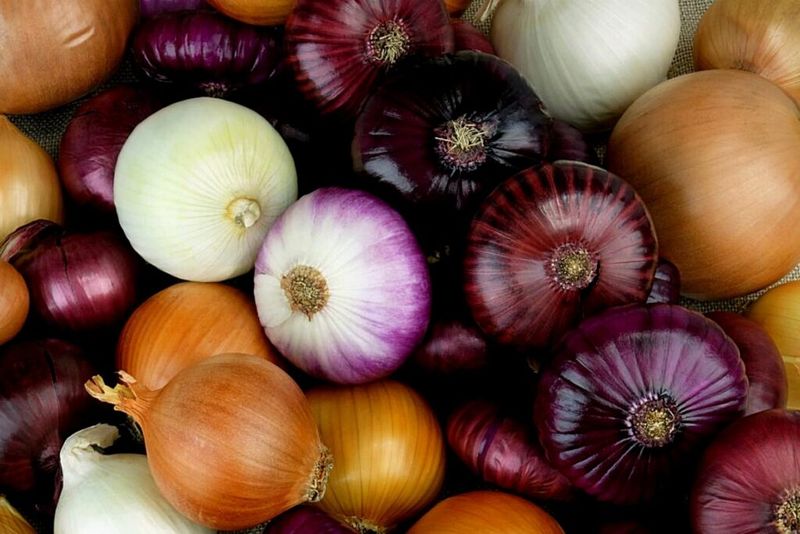
Onions are quietly one of the most powerful gut-health vegetables in any kitchen. Like garlic, they are rich in fructooligosaccharides and inulin, both of which nourish beneficial gut bacteria.
Regular onion consumption has been linked to a more diverse and resilient gut microbiome.
Raw onions deliver the highest prebiotic content, but caramelized or cooked onions still offer solid digestive benefits. Tossing them into salads, soups, or grain bowls is a simple habit that your gut will genuinely thank you for over time.
6. Leeks
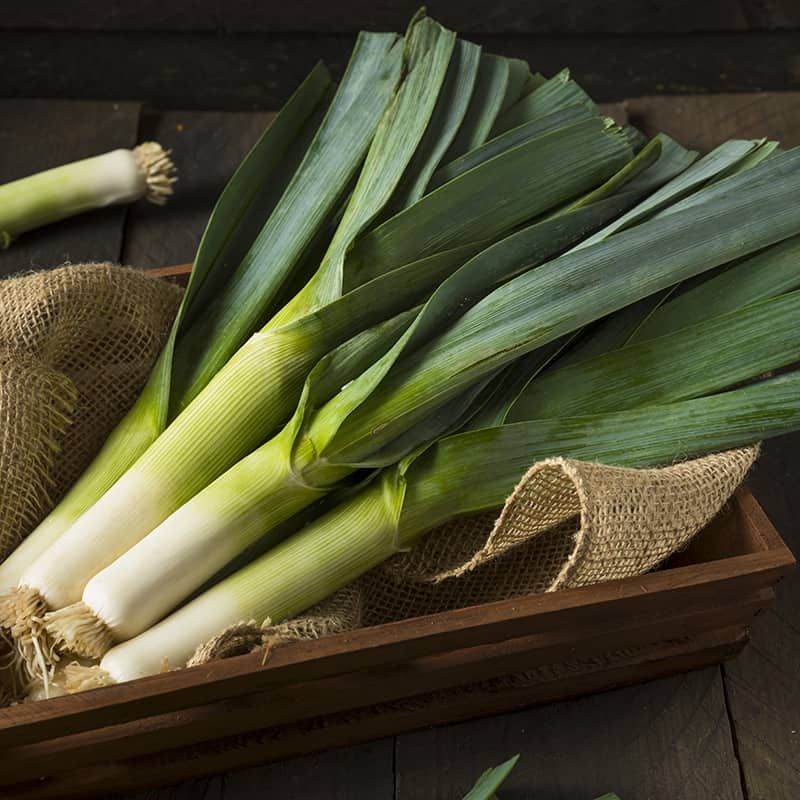
Leeks belong to the same family as garlic and onions, which means they share many of the same gut-boosting properties. They are particularly high in inulin fiber, which passes through the stomach undigested and becomes fuel for the good bacteria in your colon.
This process produces short-chain fatty acids that help keep the gut lining strong and healthy.
Mild and slightly sweet, leeks are easy to cook with. Slice them into soups or sauté them with butter and thyme for a comforting, digestion-friendly side dish.
7. Spinach
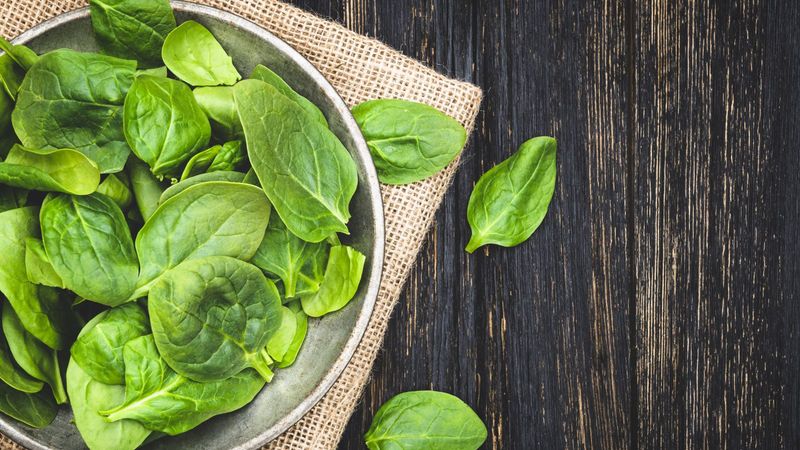
Spinach might seem ordinary, but it does something remarkable for your gut. It contains a specific type of sugar molecule called sulfoquinovose, which feeds beneficial bacteria in the digestive tract and helps prevent harmful bacteria from taking over.
That natural balance is key to smooth, comfortable digestion every day.
Spinach is also high in magnesium, which helps relax the muscles of the digestive tract and ease constipation. Throw a handful into smoothies, eggs, or pasta for an easy gut-health upgrade.
8. Kale
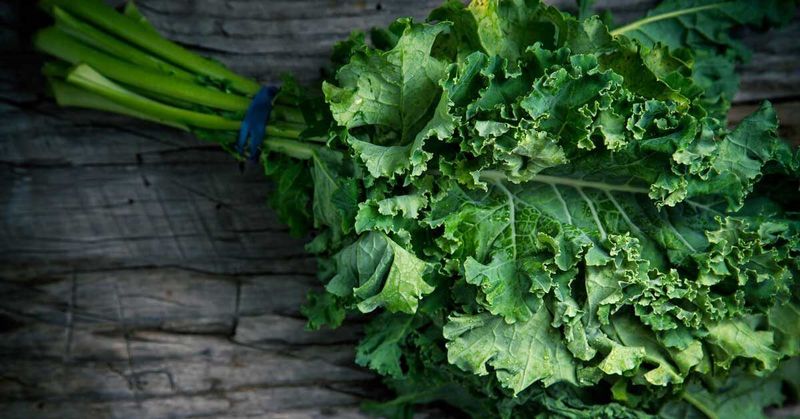
Kale has earned its reputation as a nutritional powerhouse, and your gut is one of its biggest fans. It is rich in fiber, antioxidants, and glucosinolates — compounds that support a healthy gut environment and may help reduce inflammation in the digestive tract.
A calmer, less inflamed gut means better nutrient absorption overall.
Massaging raw kale with a little olive oil and lemon juice breaks down its tough texture, making it easier to digest. Sautéed kale with garlic is another crowd-pleasing, gut-friendly option worth trying.
9. Cabbage
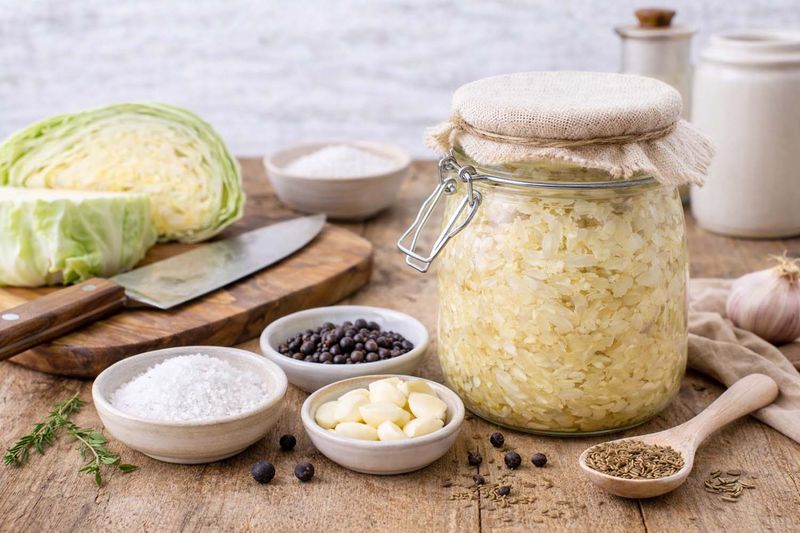
Cabbage is one of the oldest gut remedies in the book. Fermented versions like sauerkraut and kimchi are loaded with live probiotics that directly boost the population of good bacteria in your gut.
Even raw cabbage contains glutamine, an amino acid that helps repair and protect the gut lining.
Cabbage juice has traditionally been used to ease stomach ulcers and digestive discomfort. Whether you eat it raw in coleslaw, fermented in a jar, or cooked in soup, cabbage is a seriously underrated gut ally.
10. Beets
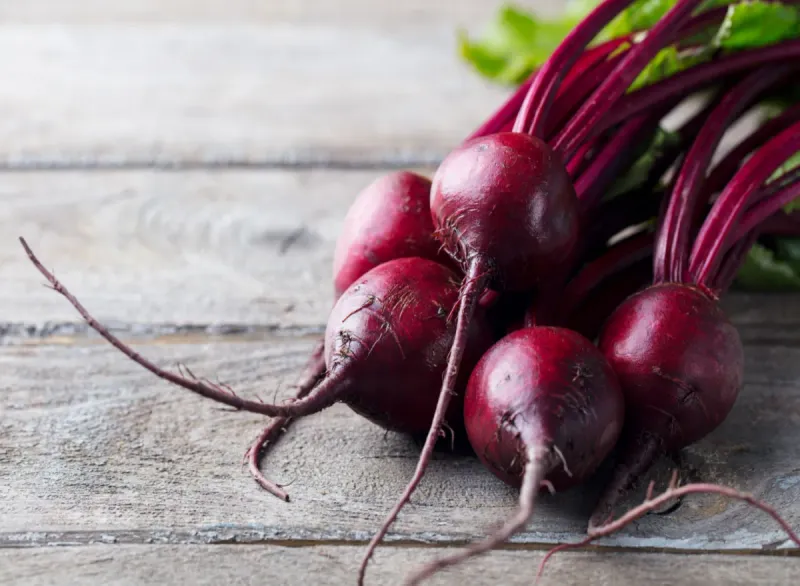
Beets have a naturally earthy sweetness that hides an impressive range of gut-health benefits. They are high in betaine, a compound that supports the production of stomach acid, which is essential for proper digestion and nutrient absorption.
Without enough stomach acid, food sits in the gut longer than it should.
Beets also contain fiber that feeds beneficial bacteria in the colon. Roasting them brings out their natural sugars beautifully, and pairing them with goat cheese or walnuts makes for a delicious, gut-supportive meal.
11. Carrots
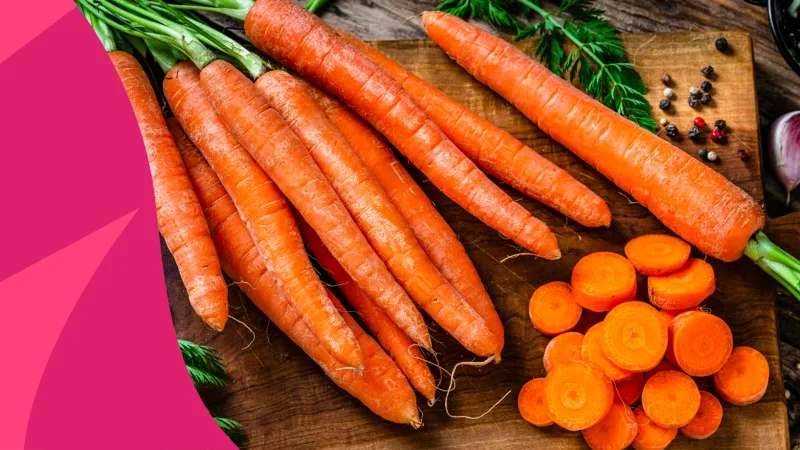
Carrots are a go-to snack for good reason — they are crunchy, satisfying, and genuinely good for your digestive system. They contain soluble fiber called pectin, which slows digestion in a helpful way, allowing your body more time to absorb nutrients.
Pectin also acts as a prebiotic, feeding the good bacteria in your colon.
Cooked carrots are actually easier to digest than raw ones, making them great for people with sensitive stomachs. Either way, they are a reliable, affordable vegetable for building better gut health.
12. Fennel
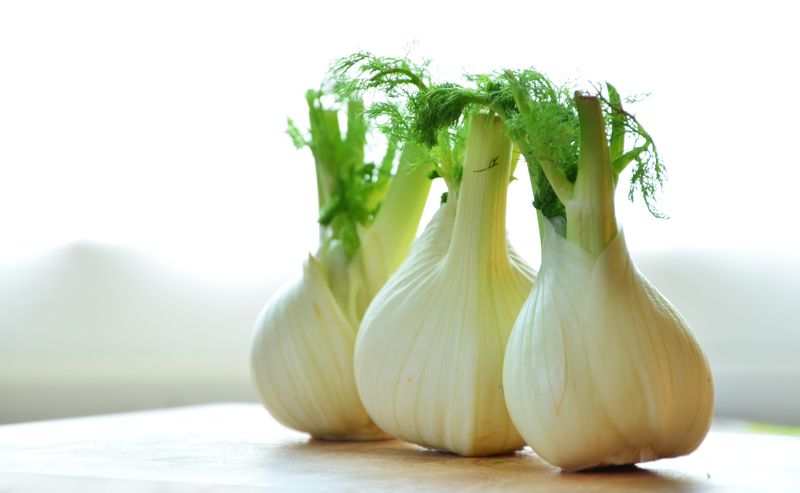
Fennel has been used as a digestive remedy across cultures for thousands of years, and it truly earns that reputation. Its seeds, bulb, and fronds all contain anethole, a compound that relaxes the muscles in the digestive tract and relieves gas, bloating, and cramps.
That makes fennel especially helpful after heavy or rich meals.
Sliced raw fennel adds a mild licorice flavor to salads, while roasted fennel becomes tender and slightly caramelized. Either way, it is a flavorful and effective tool for calming an unhappy digestive system.
13. Sweet Potatoes
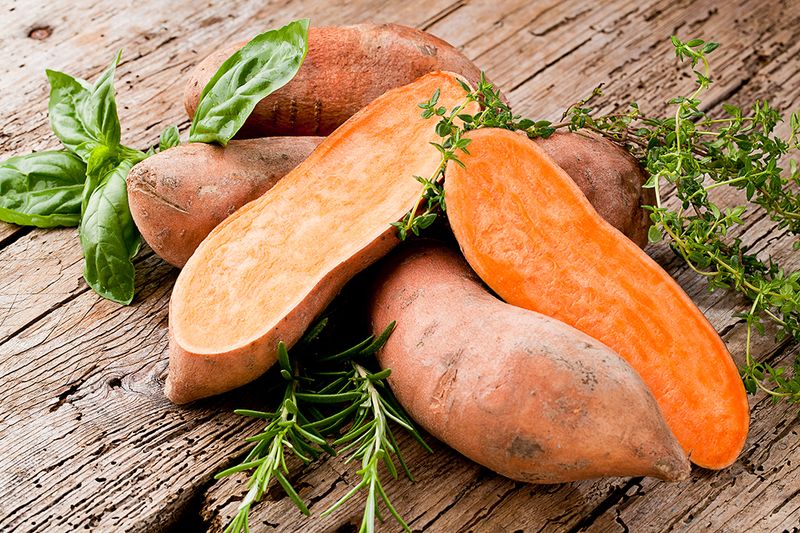
Sweet potatoes are comfort food with a purpose. They are packed with both soluble and insoluble fiber, which work together to keep digestion regular and support a healthy gut microbiome.
The soluble fiber slows things down for better nutrient absorption, while the insoluble fiber adds bulk and keeps things moving.
They are also rich in beta-carotene and antioxidants that reduce gut inflammation. Baked, mashed, or roasted, sweet potatoes are one of the most versatile and gut-friendly vegetables you can add to your weekly meals.
14. Peas
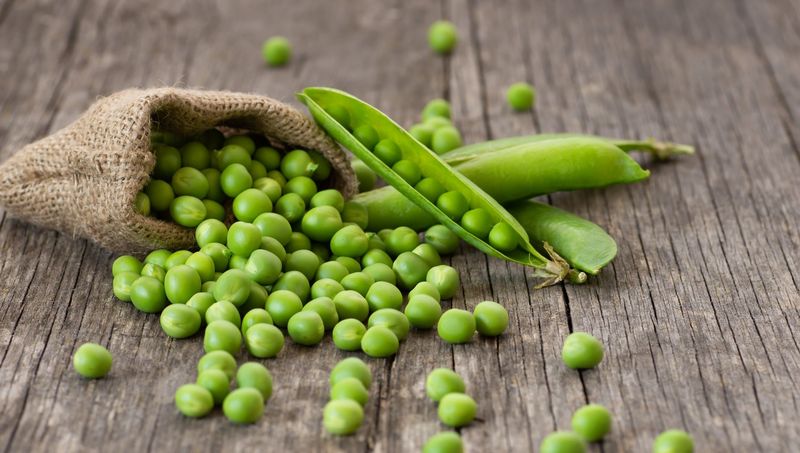
Peas might be small, but they deliver an impressive amount of fiber — both soluble and insoluble — in every serving. That combination supports the growth of beneficial gut bacteria while also helping regulate bowel movements.
People who eat peas regularly tend to experience less constipation and more consistent digestive comfort.
Peas also contain coumestrol, an antioxidant that may help protect the stomach lining from inflammation. Toss them into rice dishes, pasta, or soups for an easy, kid-friendly way to support your gut health daily.
15. Zucchini
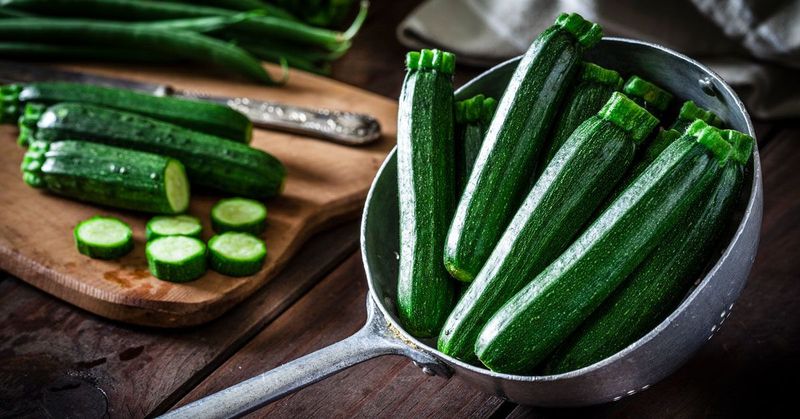
Zucchini is one of the most gut-friendly vegetables for people who deal with digestive sensitivity. It has a high water content that helps keep the digestive tract hydrated and moving, and its mild flavor makes it easy to eat in large quantities without irritation.
The soluble fiber in zucchini also gently feeds good gut bacteria.
Because it is so easy to digest, zucchini is often recommended for people recovering from digestive issues. Spiralized into noodles, grilled in slices, or stirred into soups, it fits naturally into almost any meal.
16. Ginger Root
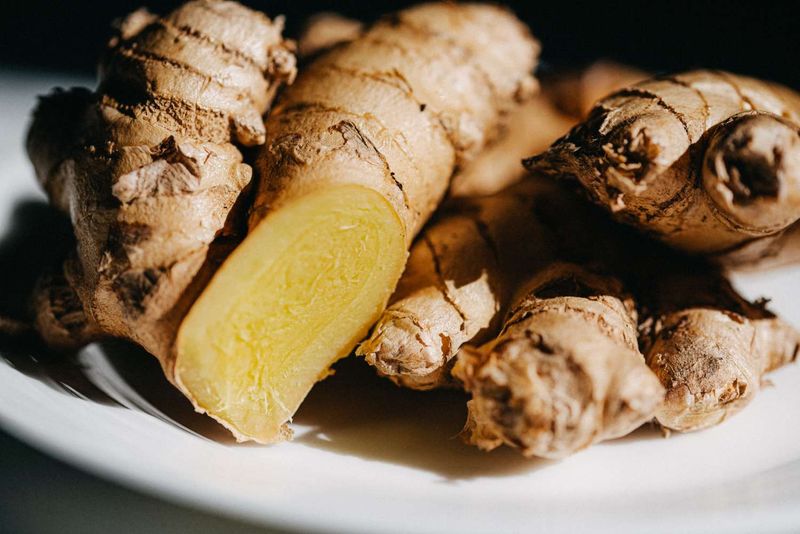
Technically a root vegetable, ginger is one of the most powerful natural digestive aids available. It contains gingerols and shogaols, active compounds that speed up the emptying of the stomach and reduce nausea, gas, and bloating.
Many people reach for ginger tea after a heavy meal for exactly this reason.
Ginger also has strong anti-inflammatory properties that protect the gut lining over time. Grate it into stir-fries, steep it in hot water for tea, or blend it into smoothies to keep your digestive system running at its best.




Comments
No Comments