













British stews have been warming hearts and bellies for centuries, turning simple ingredients into something truly special. From cozy farmhouse kitchens to busy city homes, these one-pot wonders carry stories of history, culture, and comfort in every spoonful.
Whether you love tender meat, hearty vegetables, or rich gravies, there is a British stew out there that will quickly become your new favorite meal.
1. Lancashire Hotpot
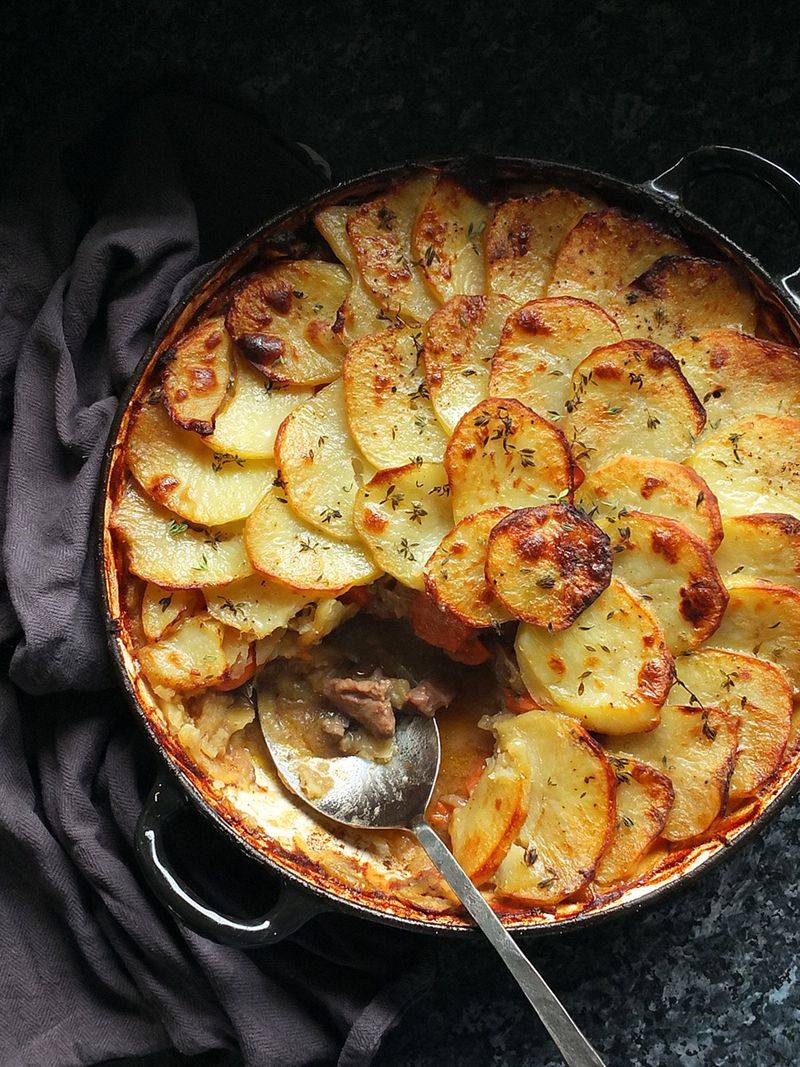
Few dishes carry the soul of northern England quite like Lancashire Hotpot. This beloved stew layers tender lamb chops or neck slices beneath a crown of thinly sliced potatoes that bake to a crispy, golden finish.
Originally made by mill workers who needed a filling, affordable meal, it has stood the test of time beautifully. A slow oven does all the hard work, filling your kitchen with an irresistible aroma.
Serve it with pickled red cabbage for an authentic touch.
2. Beef and Ale Stew
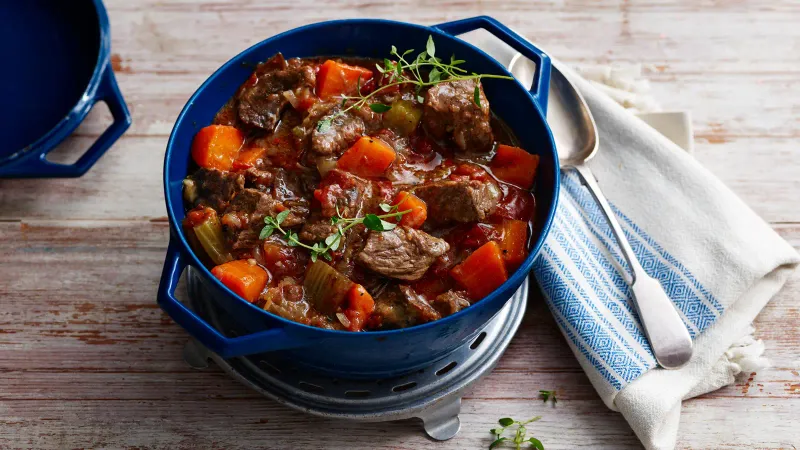
There is something almost magical about what a good British ale does to a beef stew. The bitterness of the beer melts away during cooking, leaving behind a deep, malty richness that plain stock simply cannot match.
Chunks of braising steak become fork-tender after hours of slow simmering with root vegetables and fresh thyme. Many British pubs still serve this classic on cold winter evenings.
Pair it with thick crusty bread to soak up every last drop of that glorious gravy.
3. Irish Stew
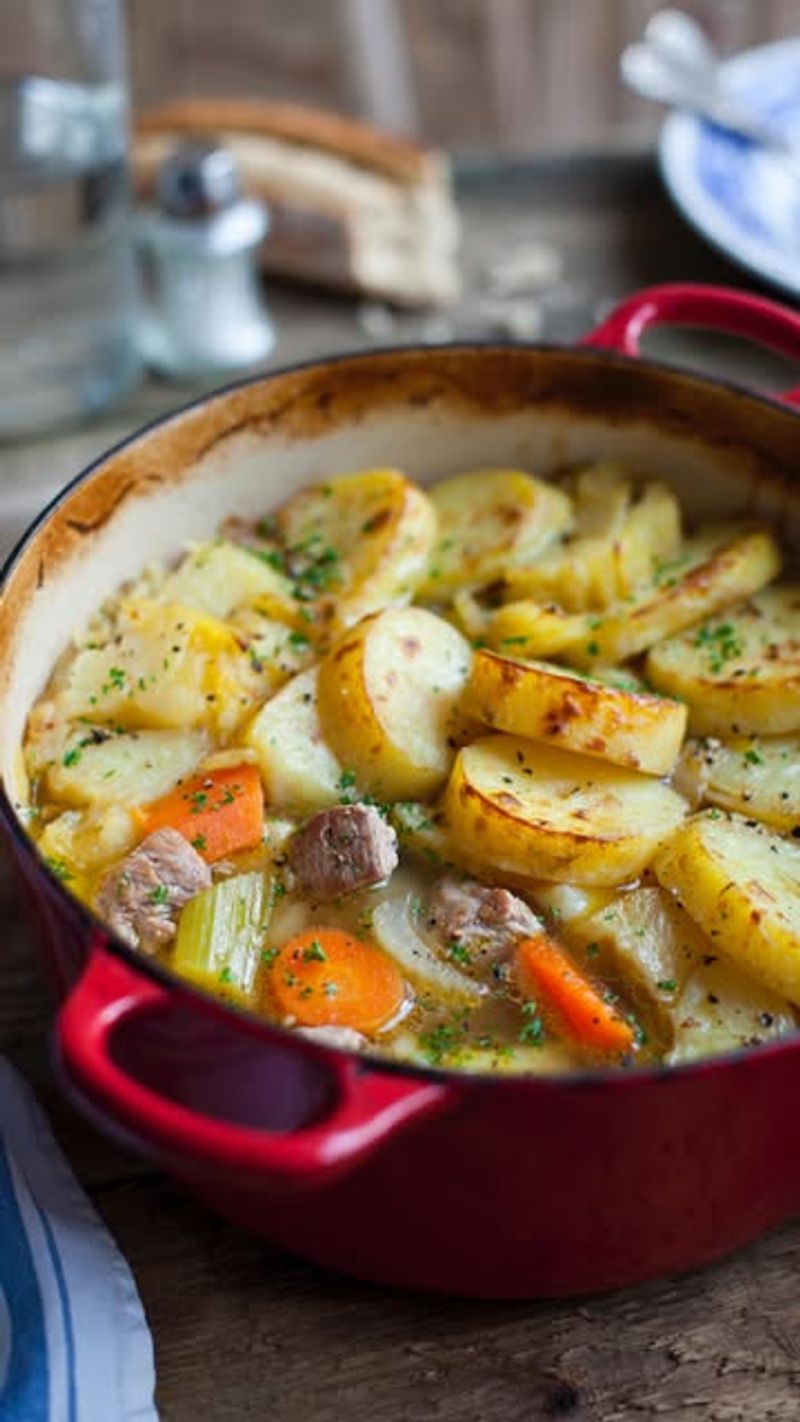
Deeply rooted in Irish and British culinary tradition, Irish Stew is the kind of dish that tastes like a warm hug on a cold day. Made with lamb or mutton, potatoes, onions, and sometimes carrots, it relies on simplicity to shine.
Unlike thicker stews, the broth here stays relatively clear and light, letting the natural sweetness of the vegetables come through. It has been a staple across the British Isles for generations.
Leftovers taste even better the next day.
4. Scouse
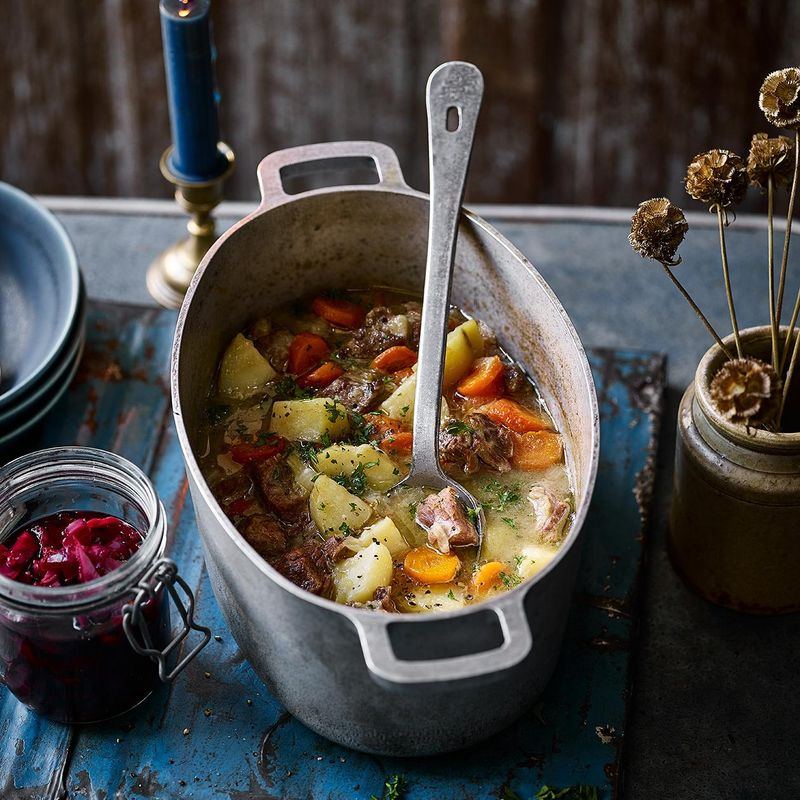
Ask anyone from Liverpool about Scouse and watch their eyes light up with pride. This thick, hearty stew of beef or lamb slow-cooked with root vegetables is so tied to the city that locals are nicknamed Scousers because of it.
Historians believe the dish arrived with Scandinavian and Baltic sailors who brought a similar stew called lobscouse to English ports centuries ago. Blind Scouse, the meatless version, was eaten during harder times.
Either way, it remains a badge of northern pride.
5. Cock-a-Leekie Soup Stew
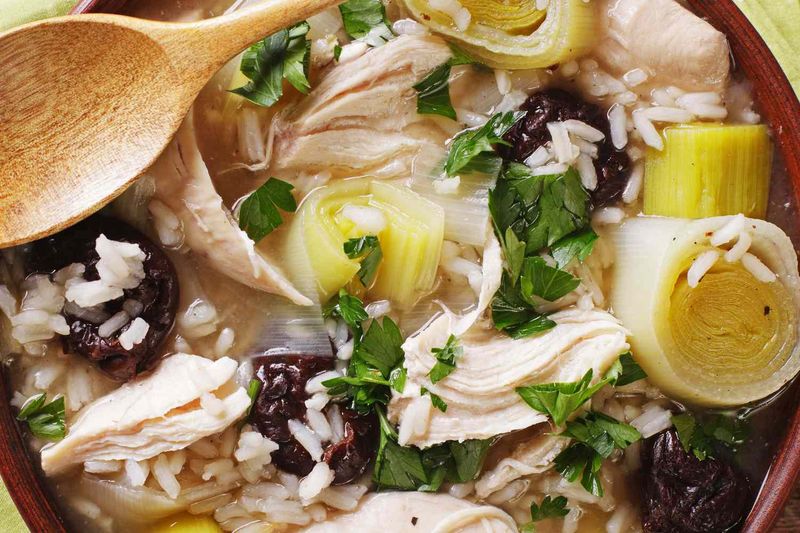
Scotland's contribution to the world of slow-cooked comfort food is Cock-a-Leekie, a wonderfully named dish that dates back to the 16th century. Chicken simmers gently with leeks and sometimes prunes in a golden, fragrant broth.
The prunes might sound unusual, but they add a subtle sweetness that balances the savory chicken beautifully. It was reportedly served at royal Scottish banquets long ago, making it one of the most historically prestigious stews on this list.
Rustic yet elegant, it suits any occasion.
6. Oxtail Stew
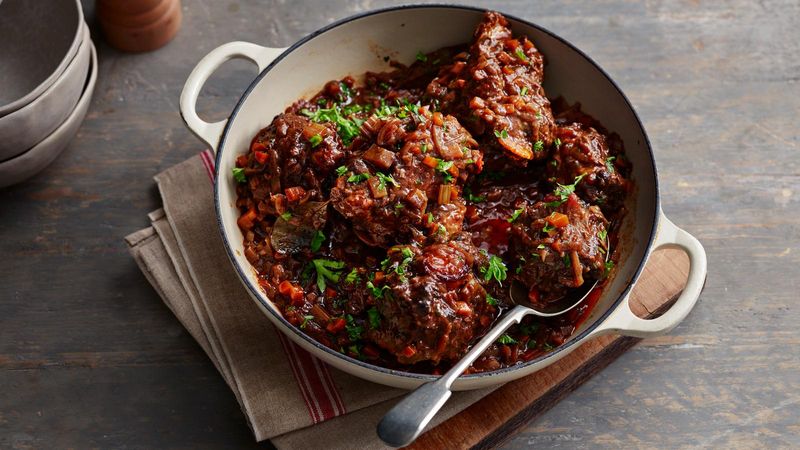
Oxtail Stew is the kind of old-fashioned British cooking that deserves a serious comeback. Slow-cooked for hours, the oxtail releases rich collagen into the broth, creating a sauce so silky and full-bodied it almost feels luxurious.
This was once considered a peasant dish because oxtail was cheap and overlooked. Today, it appears on menus of some of Britain's finest restaurants.
The meat falls effortlessly off the bone after braising. Mashed potatoes or creamy polenta make the perfect base to catch all that incredible gravy.
7. Mutton Stew
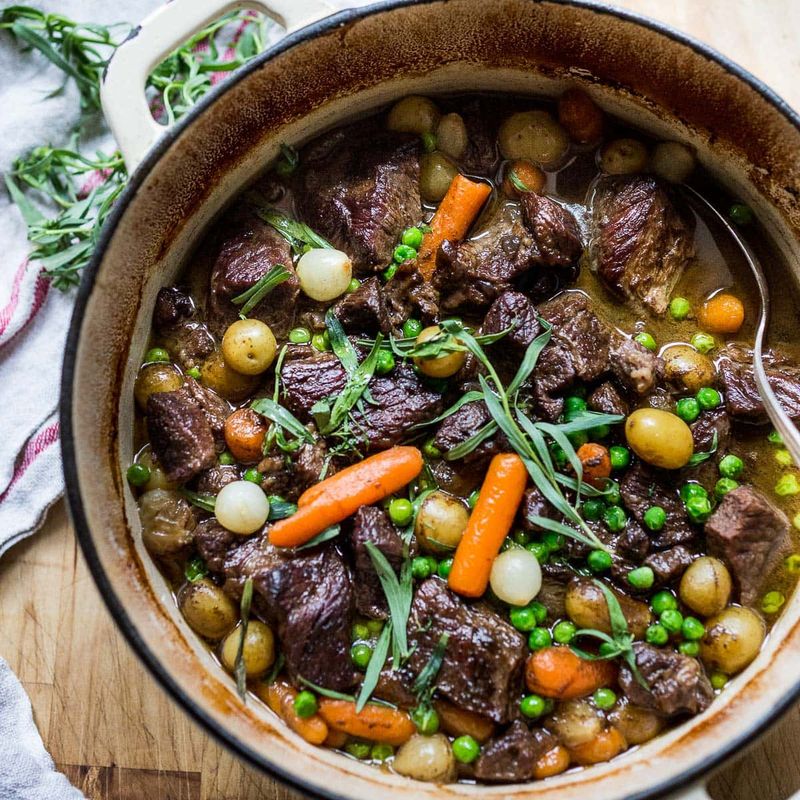
Before lamb became the go-to choice, mutton ruled the British table for centuries. Older sheep meat has a deeper, more complex flavor that rewards long, slow cooking in ways that younger lamb simply cannot replicate.
A good mutton stew with turnips, carrots, and pearl barley is a deeply satisfying meal that feels connected to Britain's agricultural past. The trick is patience, giving the meat plenty of time to tenderize and the flavors to develop fully.
Rediscovering mutton feels like uncovering a delicious secret.
8. Cullen Skink
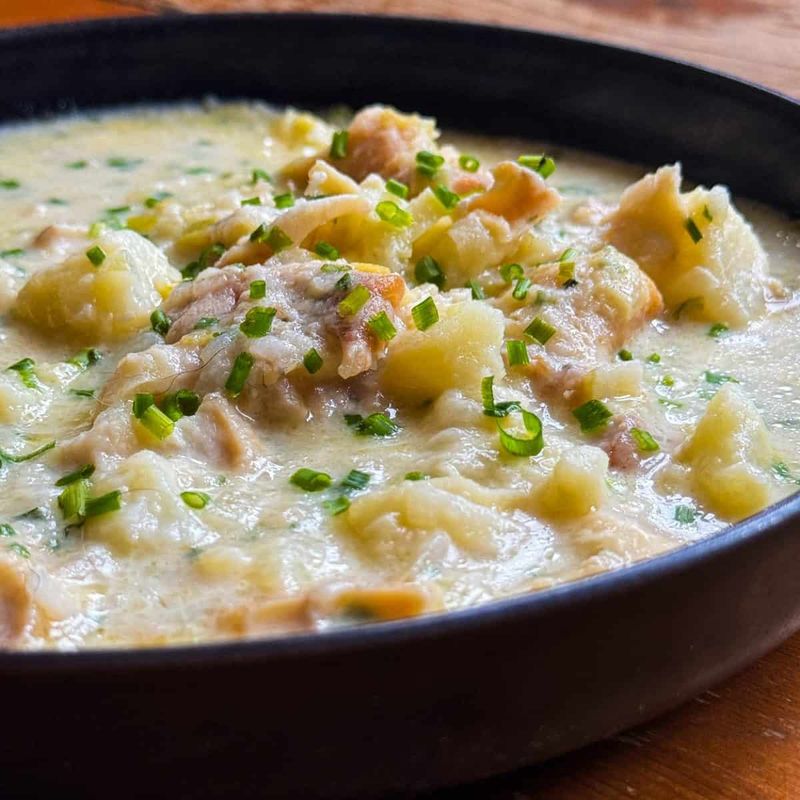
Named after the small Scottish fishing village of Cullen, this creamy smoked haddock stew is unlike anything else on this list. Thick, warming, and packed with smoky fish flavor, it sits somewhere between a chowder and a hearty soup.
Flaked smoked haddock, potatoes, onions, and cream come together in a broth that is comforting in a uniquely coastal way. Cullen Skink is traditionally served as a starter at Scottish celebrations like Burns Night.
One bowl is never quite enough to satisfy the craving it creates.
9. Pea and Ham Stew
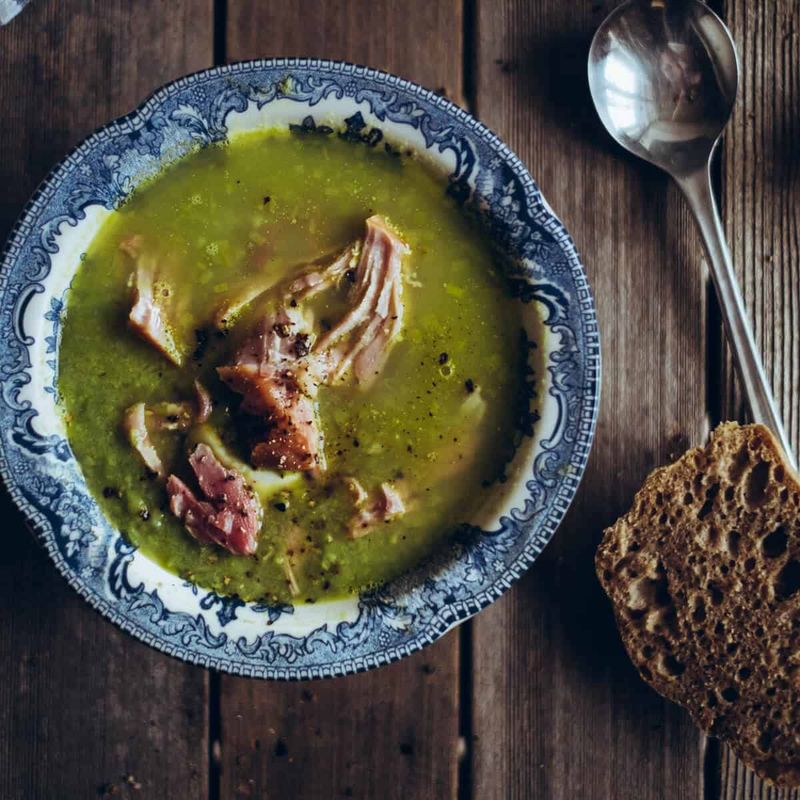
Pea and Ham Stew is one of those wonderfully thrifty British classics that transforms humble ingredients into something deeply satisfying. A ham hock simmers low and slow until the meat falls apart, while split peas dissolve into a thick, velvety green broth.
The combination of salty, smoky ham and earthy peas is one of the great flavor partnerships in British cooking. This stew was popular during wartime rationing and has never really gone away.
Serve it with doorstep slices of crusty bread.
10. Welsh Cawl
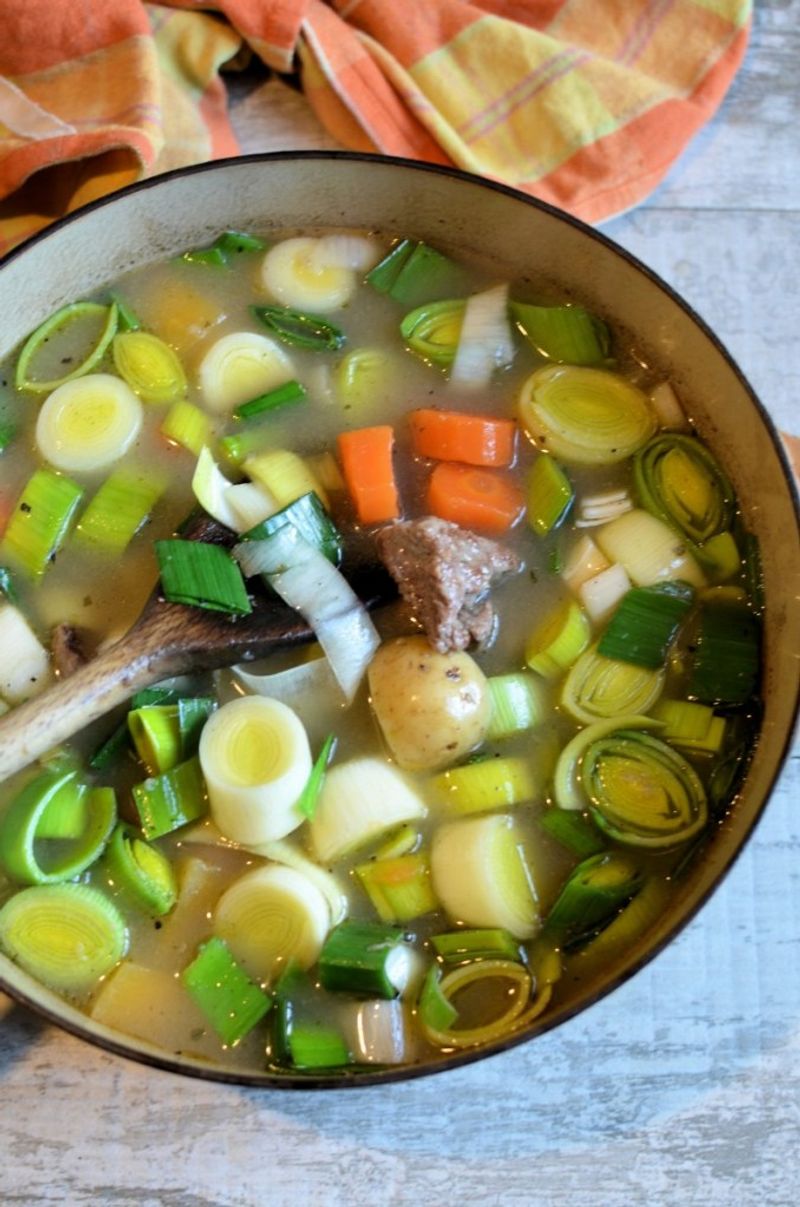
Wales has its own treasured national stew, and Cawl has been simmering on Welsh hearths for well over 600 years. Lamb or beef slow-cooks alongside leeks, carrots, parsnips, and potatoes in a broth that is simple but deeply nourishing.
Traditionally, the broth was served first as a soup course, and the meat and vegetables followed separately. Today, most people enjoy it all together in one generous bowl.
Cawl is especially popular on St. David's Day, the Welsh national holiday celebrated every March.
11. Steak and Kidney Pudding Stew
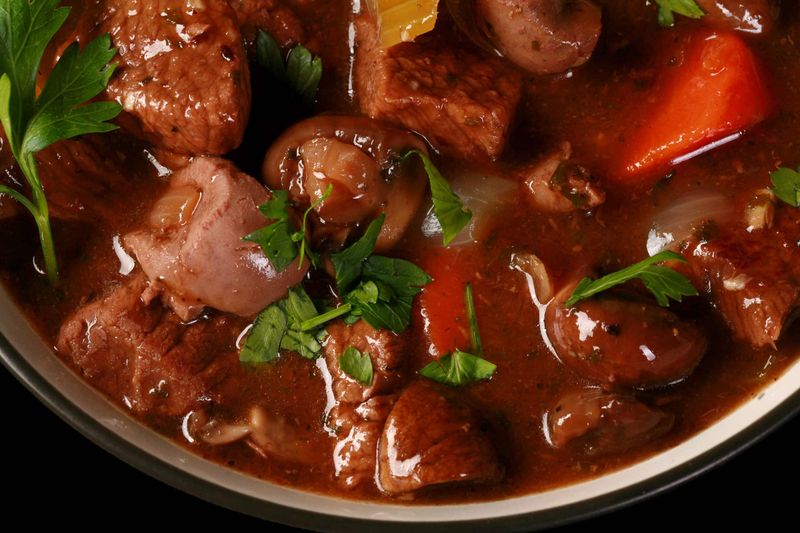
While the pudding version is famously wrapped in suet pastry, the stew form of Steak and Kidney is equally beloved across Britain. Chunks of beef steak and lamb or ox kidney braise slowly in a rich, wine-laced gravy until unbelievably tender.
Kidney adds an earthy, offal depth that makes this stew unlike any other. It might sound adventurous, but generations of British families have grown up loving it.
The gravy is extraordinarily thick and glossy. Serve over mashed potatoes or with a flaky pastry lid for pure indulgence.
12. Game Stew
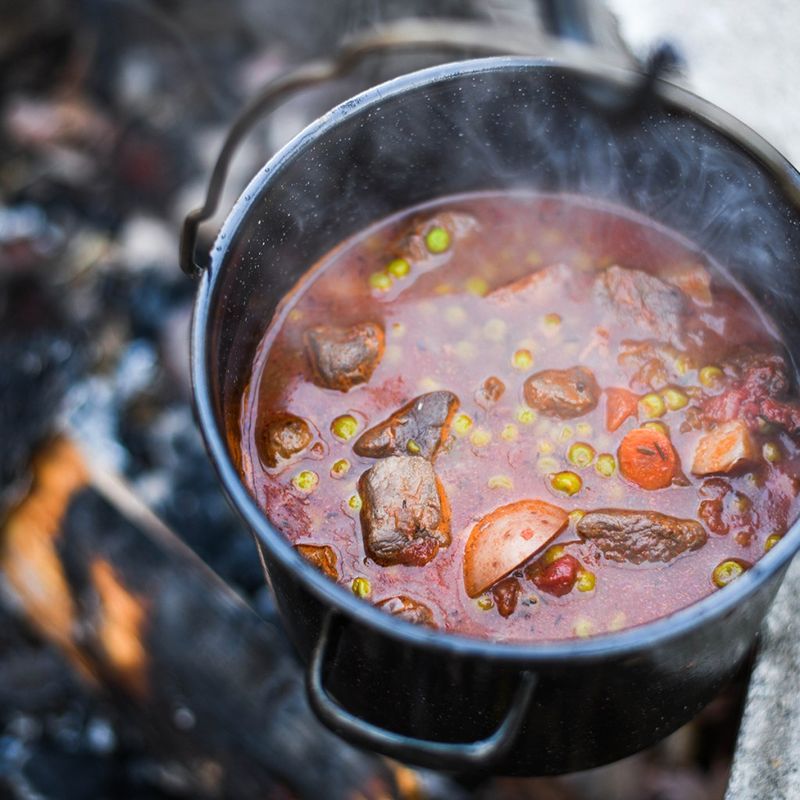
When autumn arrives in Britain, game season begins, and kitchens across the countryside fill with the rich aroma of venison, pheasant, and rabbit stewing together. British Game Stew is bold, earthy, and full of wild character that farmed meat cannot replicate.
Red wine, juniper berries, and bay leaves are classic additions that complement the strong flavors beautifully. Historically, game was reserved for the aristocracy, but today it is enjoyed by anyone who appreciates deep, complex flavors.
A sprinkle of fresh herbs brightens the finished dish wonderfully.
13. Lobster Bisque Stew
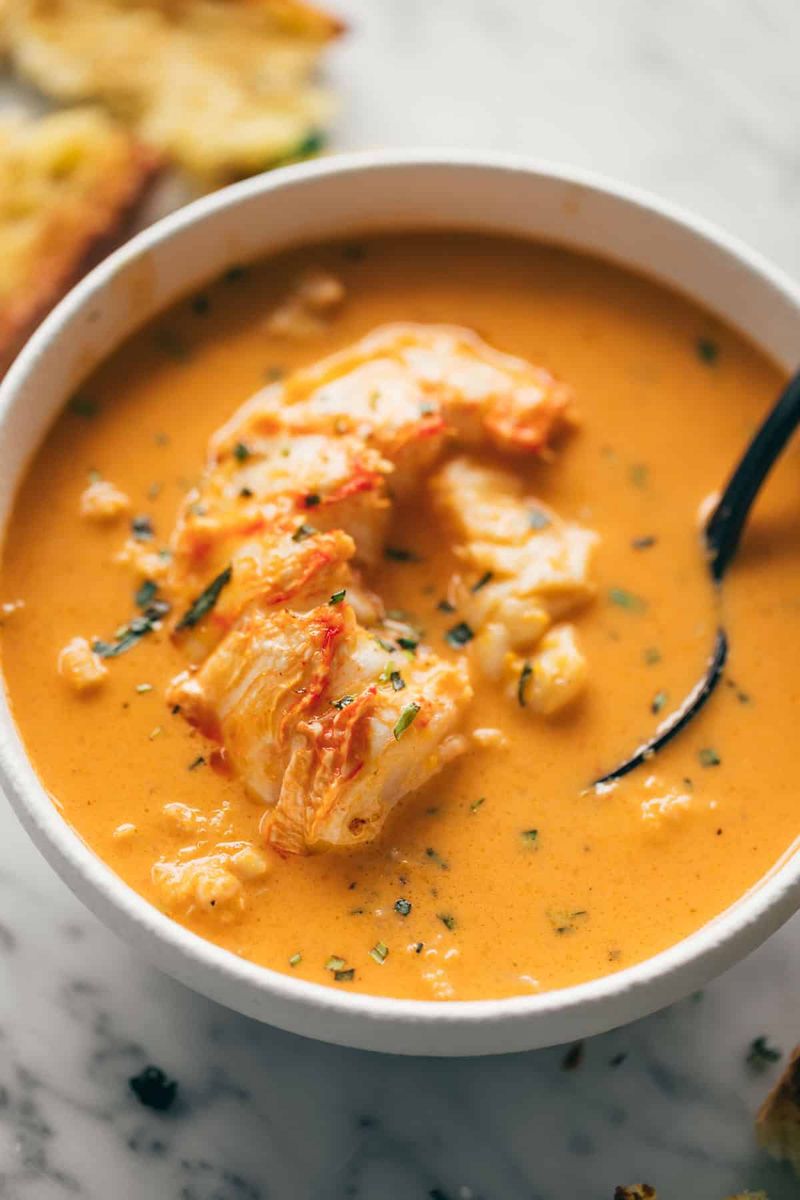
British coastal cuisine has always celebrated the bounty of the surrounding seas, and Lobster Bisque Stew is one of its most indulgent expressions. Lobster shells are roasted to extract every drop of flavor before being simmered into a velvety, cream-enriched broth.
A splash of cognac or sherry adds a sophisticated warmth that elevates the dish to special-occasion territory. While it requires more effort than most stews on this list, the result is absolutely worth it.
Rich, silky, and deeply satisfying, it is pure British coastal elegance in a bowl.
14. Bedfordshire Clanger Stew
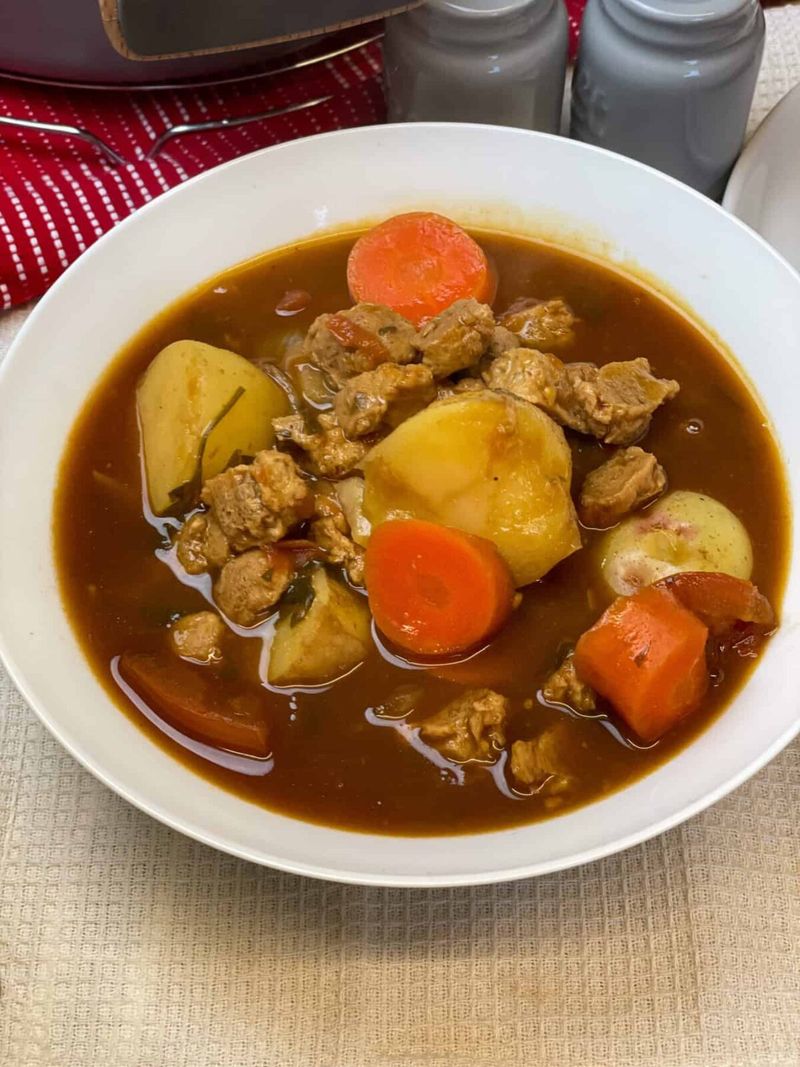
Most people know the Bedfordshire Clanger as a baked suet roll, but its stew cousin deserves recognition too. Inspired by the same flavors, this pork and potato stew with onions and thick gravy reflects the hearty eating traditions of the English Midlands perfectly.
Workers in the fields of Bedfordshire needed fuel to get through long, physical days, and this kind of stew delivered exactly that. It is unpretentious, filling, and genuinely delicious.
Sometimes the most straightforward dishes are the ones that leave the biggest impression on your taste buds.
15. Brown Windsor Soup Stew
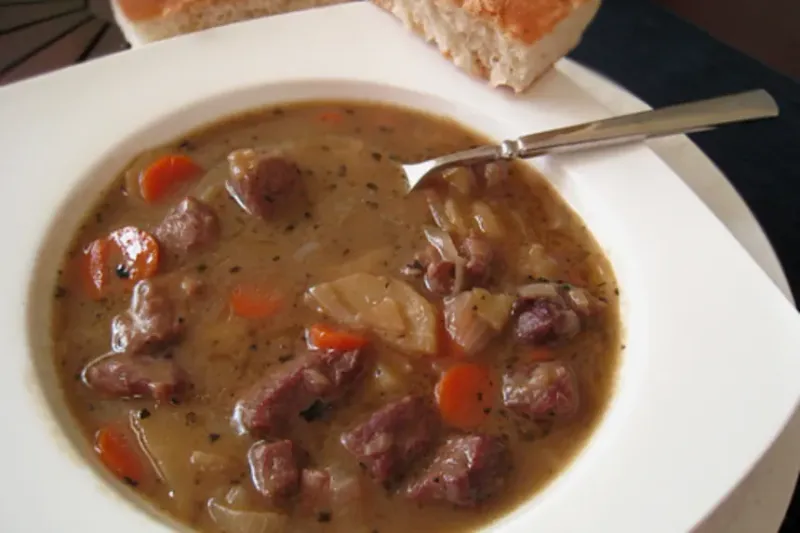
Brown Windsor Soup might be the most historically famous stew in all of British cooking. Served at Victorian and Edwardian dinner tables, including royal banquets, this dark, meaty broth of beef or lamb with root vegetables was once considered the height of British sophistication.
Its reputation faded in the 20th century, partly because of wartime versions that used poor-quality ingredients. Made properly with good stock and quality meat, it is a deeply savory and satisfying experience.
Reviving it feels like rescuing a small piece of British culinary history.
16. Fidget Pie Stew
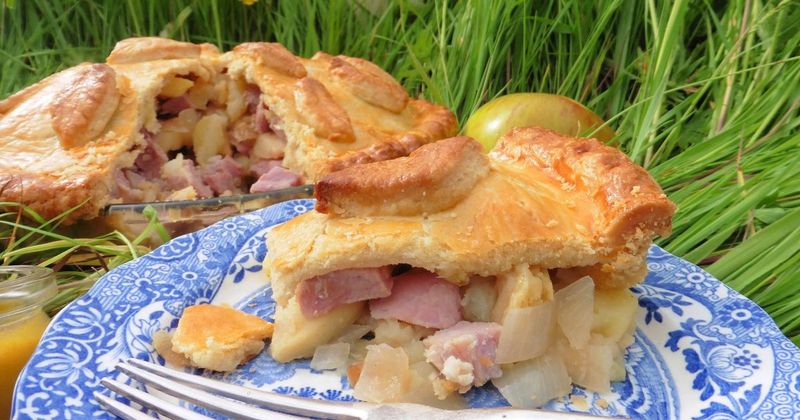
Originating in Shropshire and the English Midlands, Fidget Pie Stew is one of the quirkiest and most delightful dishes in British culinary tradition. Bacon, apple, onion, and potato simmer together in a cider-based broth that balances savory and sweet in the most unexpected way.
The name is thought to come from the word fitched, referring to the five-sided shape of the original pie. As a stew, those same ingredients become something wonderfully rustic and homey.
The apple-cider combination makes it genuinely unlike any other British stew you will ever taste.

Comments
No Comments