













Protein is one of the most powerful nutrients your body depends on every single day. When you suddenly start eating more of it than usual, some pretty surprising things begin to happen — both inside and outside your body.
Whether you're trying to build muscle, lose weight, or just feel better, upping your protein intake can change a lot more than you might expect. Here's a look at what really goes on when protein becomes the star of your plate.
1. Your Muscles Start Growing Faster

Protein is the building block muscles are made of, so eating more of it sends your body into repair-and-grow mode. Every time you work out, tiny muscle fibers tear — and protein swoops in to fix them, making them bigger and stronger than before.
Studies show that people who eat enough protein after exercise gain muscle significantly faster than those who don't. Think of protein as the bricks your body uses to build a stronger version of you.
2. You Feel Fuller for Much Longer
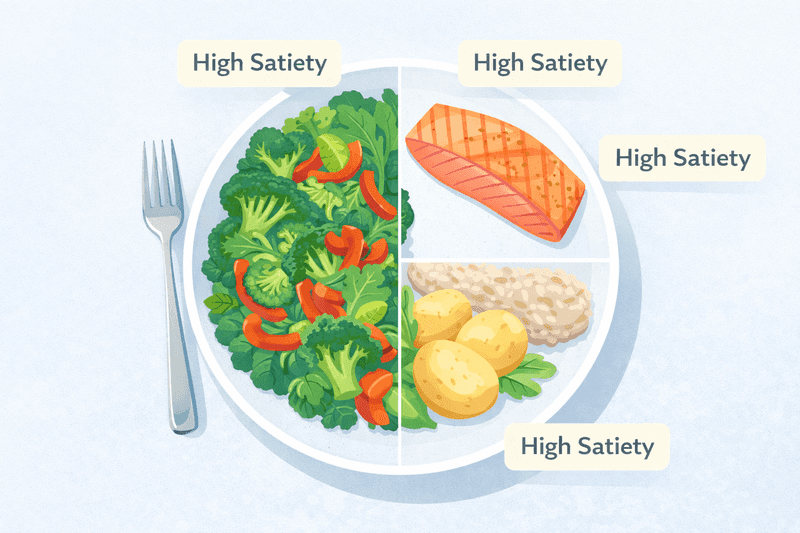
One of the first things people notice when they eat more protein is that hunger seems to quiet down for hours. Protein slows digestion and triggers hormones like PYY and GLP-1 that tell your brain, "Hey, we're good here!"
This means fewer trips to the snack cabinet and less mindless munching between meals. If you've ever felt hungry again just an hour after eating, adding more protein to your plate might be the simple fix you've been looking for.
3. Your Metabolism Gets a Noticeable Boost
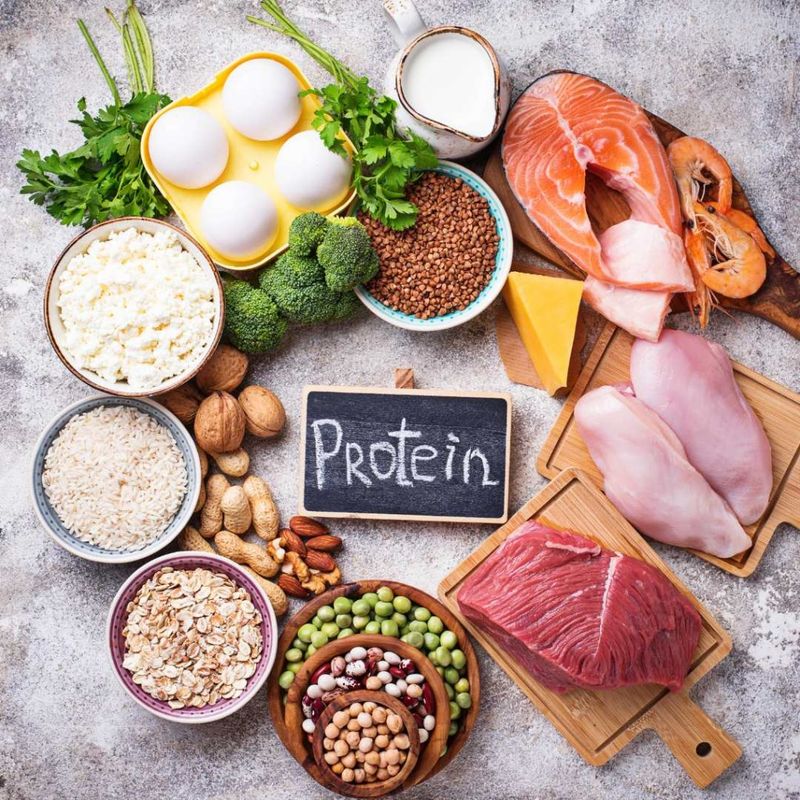
Here's a cool science fact: your body actually burns calories just by digesting food, and protein makes it work the hardest. This is called the thermic effect of food, and protein burns roughly 20-30% of its own calories during digestion — way more than carbs or fat.
So eating a high-protein meal is almost like giving your metabolism a mini workout. Over time, this can add up to a meaningful difference in how many calories you burn each day without even trying.
4. You Might Notice Some Digestive Changes

Suddenly eating a lot more protein than your body is used to can catch your gut off guard. Some people experience bloating, constipation, or even loose stools as the digestive system adjusts to the new workload.
Animal proteins like meat can be slower to digest, while plant proteins like beans may cause gas due to their fiber content. Drinking more water and gradually increasing your protein intake — rather than jumping in all at once — can help your gut adapt much more comfortably.
5. Your Energy Levels Even Out Throughout the Day
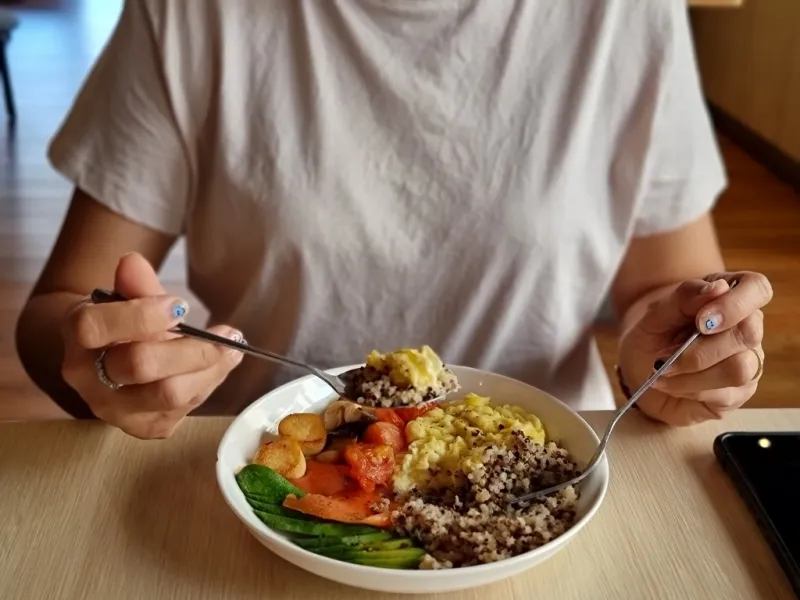
Carbs can give you quick energy that crashes just as fast, but protein is a slow and steady fuel source. When you eat more protein, your blood sugar stays more stable, which means fewer energy crashes in the middle of the afternoon.
Many people who switch to higher-protein diets report feeling more consistently awake and focused throughout the day. No more 3 p.m. slumps!
It's the kind of energy that feels calm and reliable rather than the jittery buzz you get from sugar or caffeine.
6. Weight Loss Becomes Easier to Maintain

Protein is one of the most effective tools for losing weight and keeping it off. Because it keeps you full and revs up your metabolism, you naturally eat fewer calories without feeling deprived or miserable.
Research has also shown that protein helps preserve lean muscle mass during weight loss, which is crucial. Losing muscle slows your metabolism — but protein helps prevent that from happening.
It's like having a secret weapon in your corner while you work toward a healthier body weight.
7. Your Cravings for Junk Food Decrease
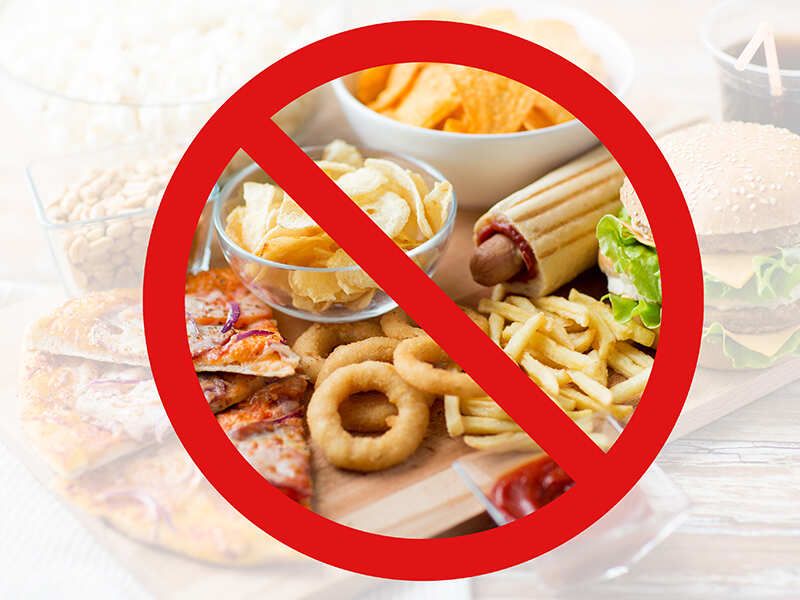
Sugar cravings and late-night snack attacks are often signs that your body isn't getting enough of the right nutrients — and protein is often the missing piece. When protein intake goes up, many people find that the urge to reach for chips, cookies, or candy fades noticeably.
A study found that increasing protein to 25% of daily calories reduced cravings by 60% in some participants. That's huge!
Your brain stops screaming for quick sugar fixes when it's already satisfied with something more substantial and nourishing.
8. Your Hair and Nails Grow Stronger
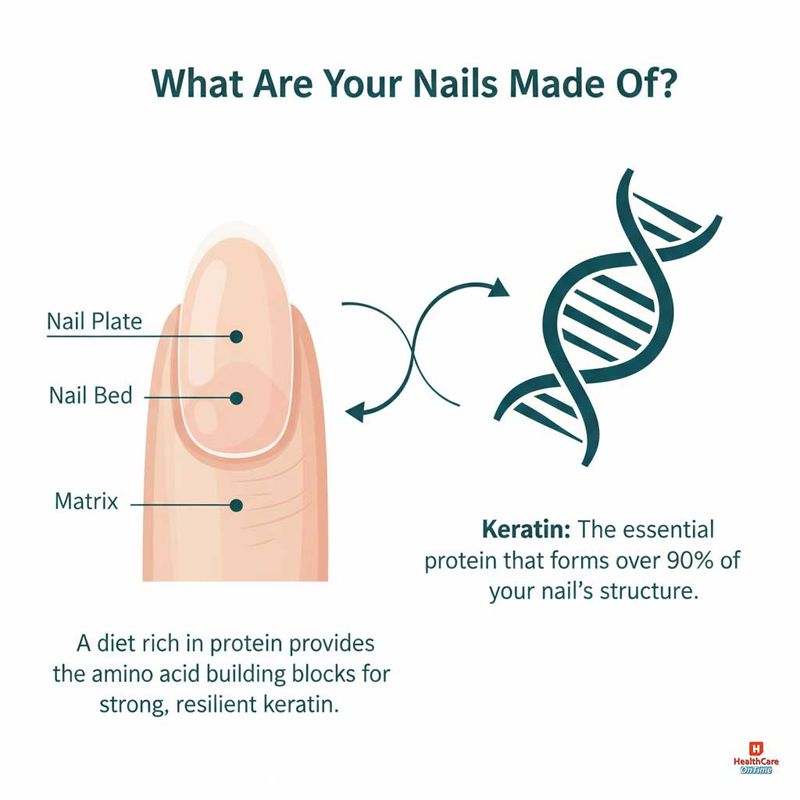
Hair and nails are made almost entirely of a protein called keratin, so when your body gets more protein, these areas often show visible improvement. Brittle nails that used to snap easily may start to feel tougher, and hair that seemed dull or prone to breakage can become shinier and more resilient.
It's one of those changes that sneaks up on you — one day you just notice your nails are longer than usual or your hair feels thicker. Protein truly works from the inside out.
9. Your Brain Function Gets Sharper
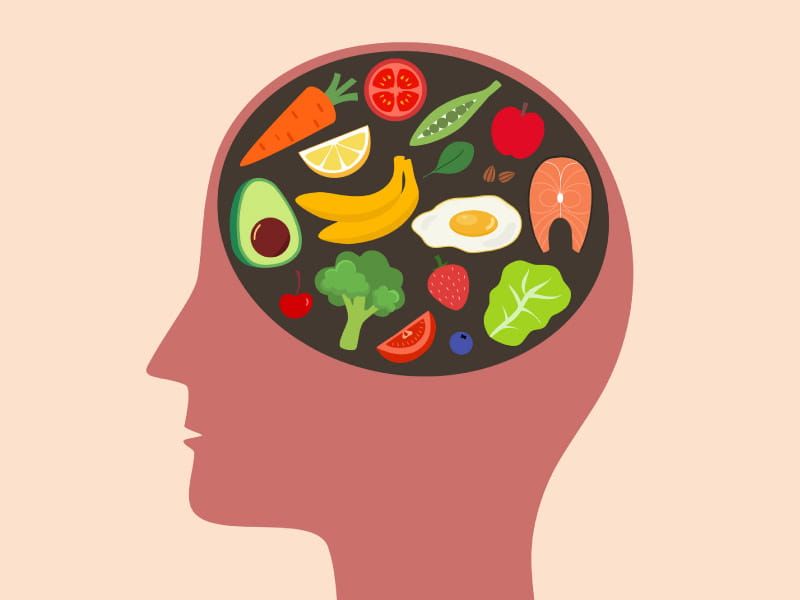
Protein doesn't just feed your muscles — it feeds your mind too. Amino acids from protein are used to make neurotransmitters like dopamine and serotonin, which control mood, focus, and memory.
When you eat more protein, your brain has more raw materials to work with, which can translate to better concentration and a more upbeat mood. Students and professionals who bump up their protein intake often report feeling mentally clearer and more alert.
Your brain is basically running on better fuel.
10. Your Body Recovers from Exercise Faster
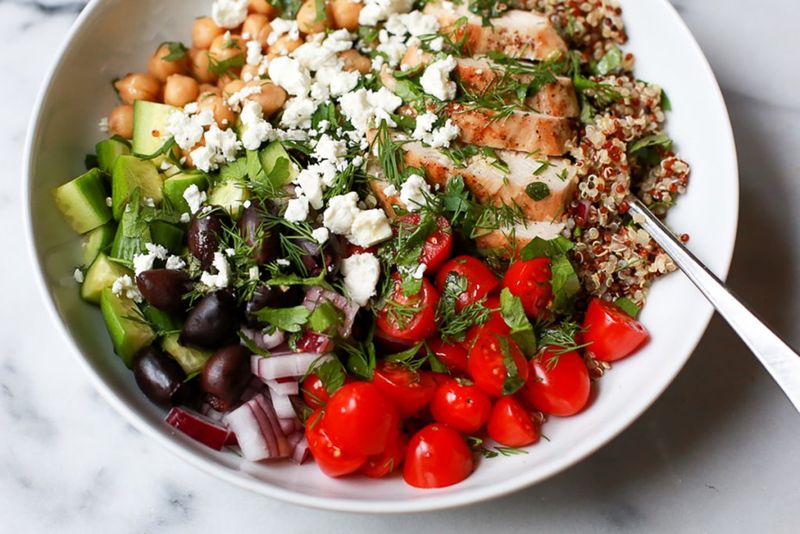
Waking up sore after a tough workout is normal, but staying sore for days is a sign your body needs more recovery support — and protein is the key player there. Amino acids rush to damaged muscle tissue and repair it, cutting down recovery time so you can get back to training sooner.
Athletes who consistently eat enough protein report less muscle soreness and faster bounce-back after hard sessions. Think of protein as your body's built-in repair crew, always ready to patch things up.
11. You May Experience Increased Thirst
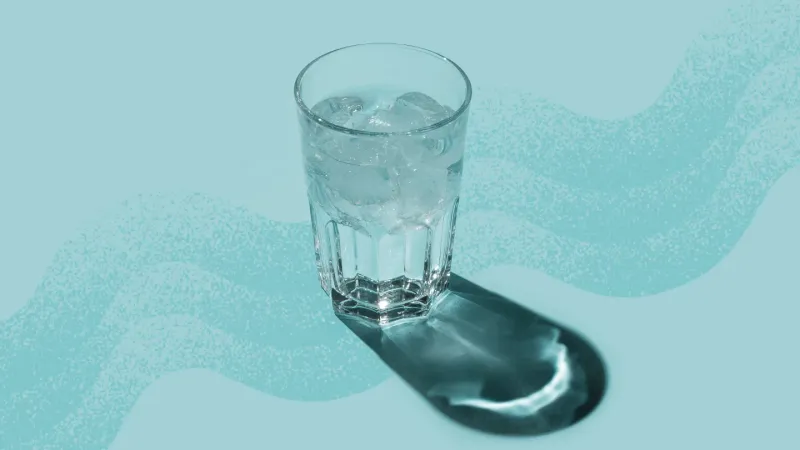
Eating more protein means your kidneys have to work harder to filter out the byproducts of protein metabolism, particularly a waste product called urea. This process requires more water, which is why many people feel noticeably thirstier when they increase their protein intake.
Staying well-hydrated is especially important on a high-protein diet. Aim for at least 8 glasses of water a day — more if you're active.
Dehydration can make you feel sluggish and can put unnecessary stress on your kidneys over time.
12. Your Skin May Start Looking Healthier

Collagen — the protein responsible for keeping skin firm, smooth, and elastic — depends on a steady supply of dietary protein to keep being produced. When you eat more protein, your body has the amino acids it needs to maintain and rebuild collagen at a healthy rate.
Many people on higher-protein diets notice their skin looks more hydrated, clearer, and even a bit more "bouncy" over time. It's not an overnight transformation, but within weeks, the difference can become genuinely noticeable in the mirror.
13. Your Bones Become Denser and Stronger
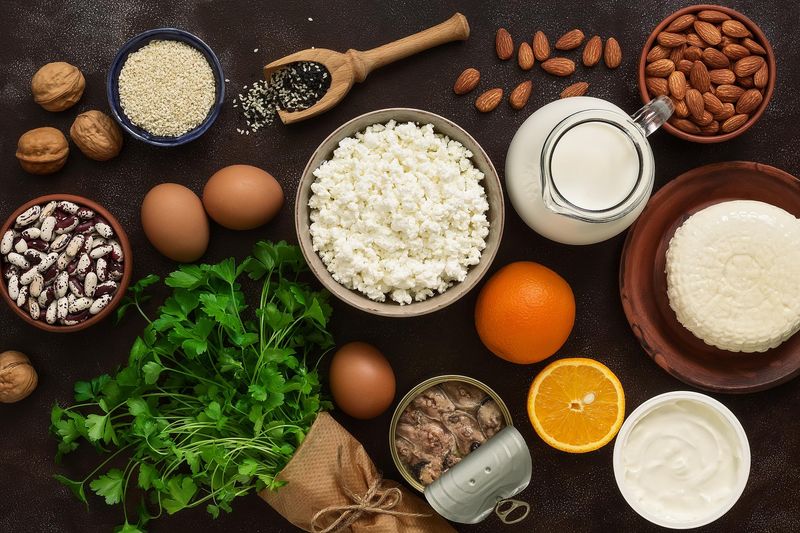
Most people think calcium is the only nutrient that matters for bone health — but protein is just as important. About 50% of bone volume is made up of protein, and eating enough of it helps your body absorb calcium more efficiently and maintain bone density.
Older adults especially benefit from higher protein intake because it helps slow the natural bone loss that comes with aging. Starting good protein habits young, though, is one of the smartest long-term investments you can make in your skeleton.
14. Your Mood Can Noticeably Improve
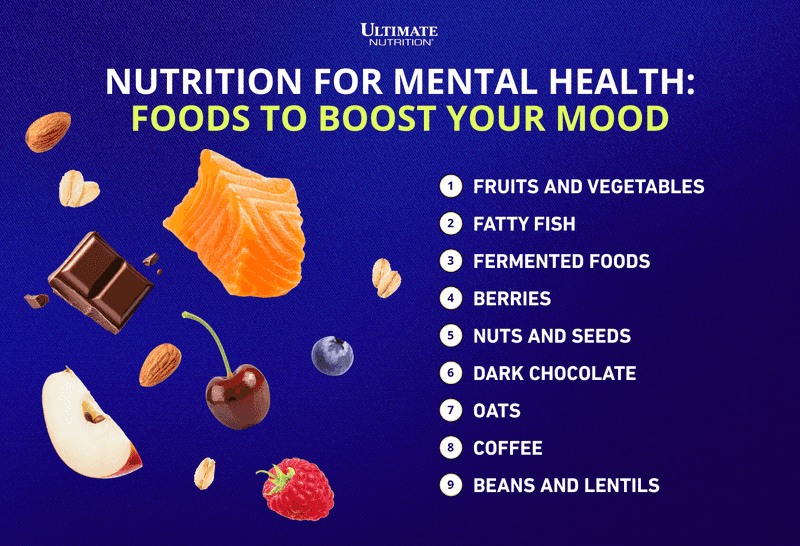
Ever heard the phrase "hangry"? That cranky, irritable feeling when you're hungry is often made worse by low protein intake.
Protein provides the amino acid tryptophan, which your body converts into serotonin — the feel-good chemical that regulates mood and emotional balance.
People who eat more protein often report feeling calmer, more optimistic, and less prone to emotional highs and lows. It's a quieter benefit that often goes unnoticed at first, but once you recognize it, the connection between what you eat and how you feel becomes crystal clear.
15. You Might Sleep Better at Night
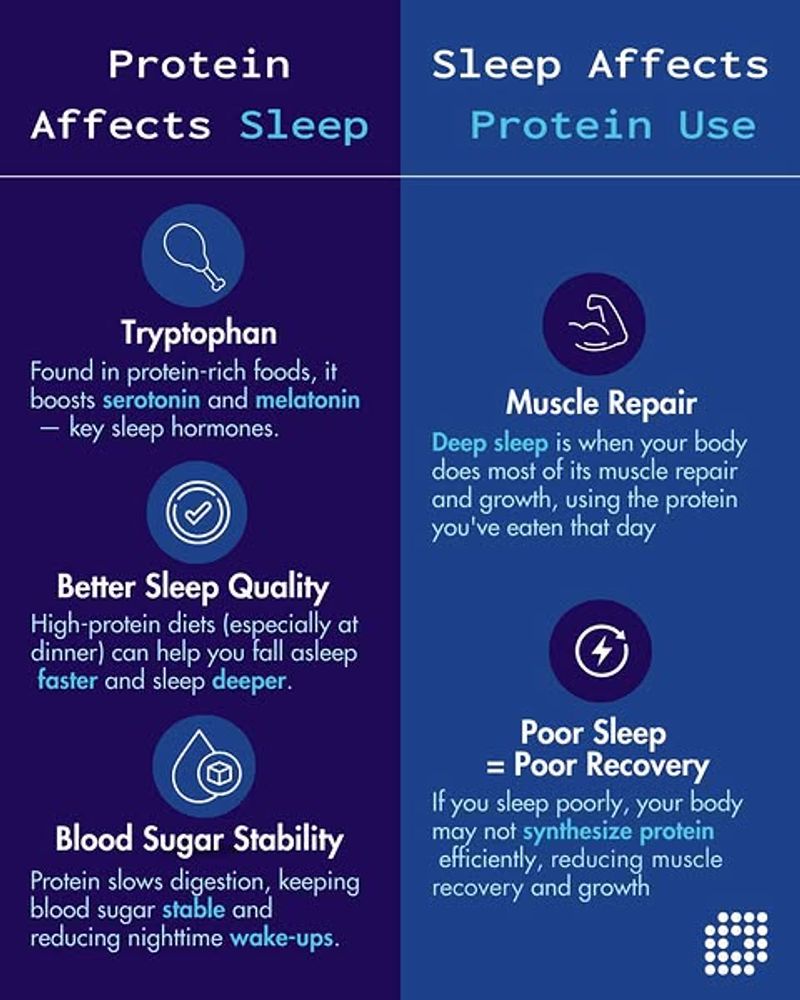
Protein's role in sleep is surprisingly significant. Tryptophan, an amino acid found in protein-rich foods like turkey, eggs, and cheese, is a direct precursor to melatonin — the hormone that signals your body it's time to sleep.
Eating enough protein during the day can lead to deeper, more restful sleep at night. Some research even suggests that higher-protein diets are linked to fewer nighttime wake-ups and better overall sleep quality.
Who knew that a chicken breast at dinner could help you snooze more soundly?
16. Your Immune System Gets a Helpful Upgrade
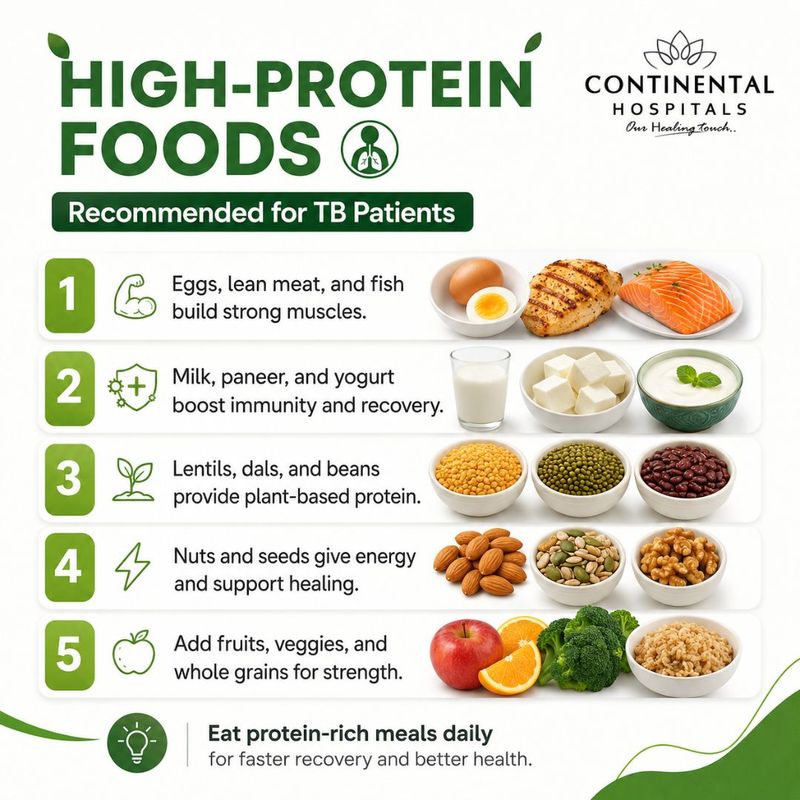
Antibodies — the proteins your immune system uses to fight off viruses and bacteria — are literally made from the protein you eat. When your intake is low, your body may struggle to produce enough of these defenders, leaving you more vulnerable to getting sick.
Ramping up your protein consumption gives your immune system the raw materials it needs to stay battle-ready. Many people on higher-protein diets notice they catch fewer colds and bounce back from illness faster.
Your body's defense system truly runs on protein.




Comments
No Comments