













Europe is home to some of the most extraordinary cheeses in the world, many of which never make it to grocery store shelves. From mountain caves in Spain to coastal dairies in Norway, hidden gems are waiting to be discovered by curious food lovers.
If your idea of a great snack goes beyond cheddar and mozzarella, you are in for a delicious adventure. Get ready to explore 16 rare European cheeses that will completely change the way you think about cheese.
1. Castelmagno (Italy)
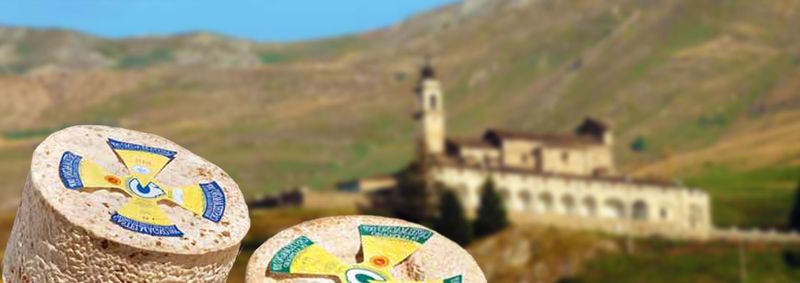
Crumbly, bold, and unmistakably Italian, Castelmagno comes from the mountains of Piedmont and has been made for over 800 years. Its flavor starts mild but deepens into something sharp and earthy as it ages.
Tiny blue veins sometimes appear naturally inside, adding complexity without any help from cheesemakers.
Locals traditionally crumble it over polenta or pasta dishes. You can taste centuries of mountain tradition in every bite of this rare, protected cheese.
2. Gamalost (Norway)
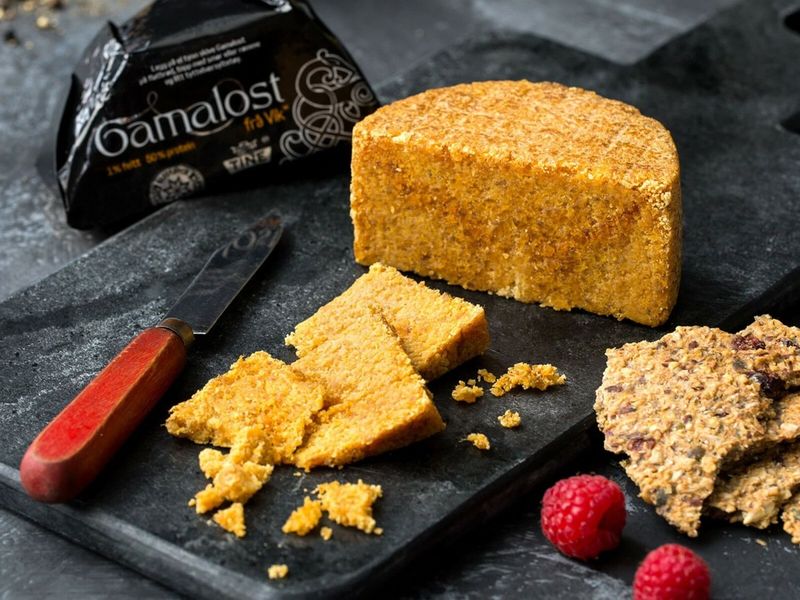
Gamalost literally means "old cheese" in Norwegian, and its history stretches back to the Viking Age. Made from soured skimmed milk, it has an intensely sharp, almost pungent flavor that surprises most first-timers.
The texture is crumbly and dry, quite unlike any soft cheese you might be used to.
Surprisingly, it is also incredibly low in fat. Scandinavian food historians consider it one of the oldest surviving cheese traditions in northern Europe.
3. Bryndza (Slovakia)
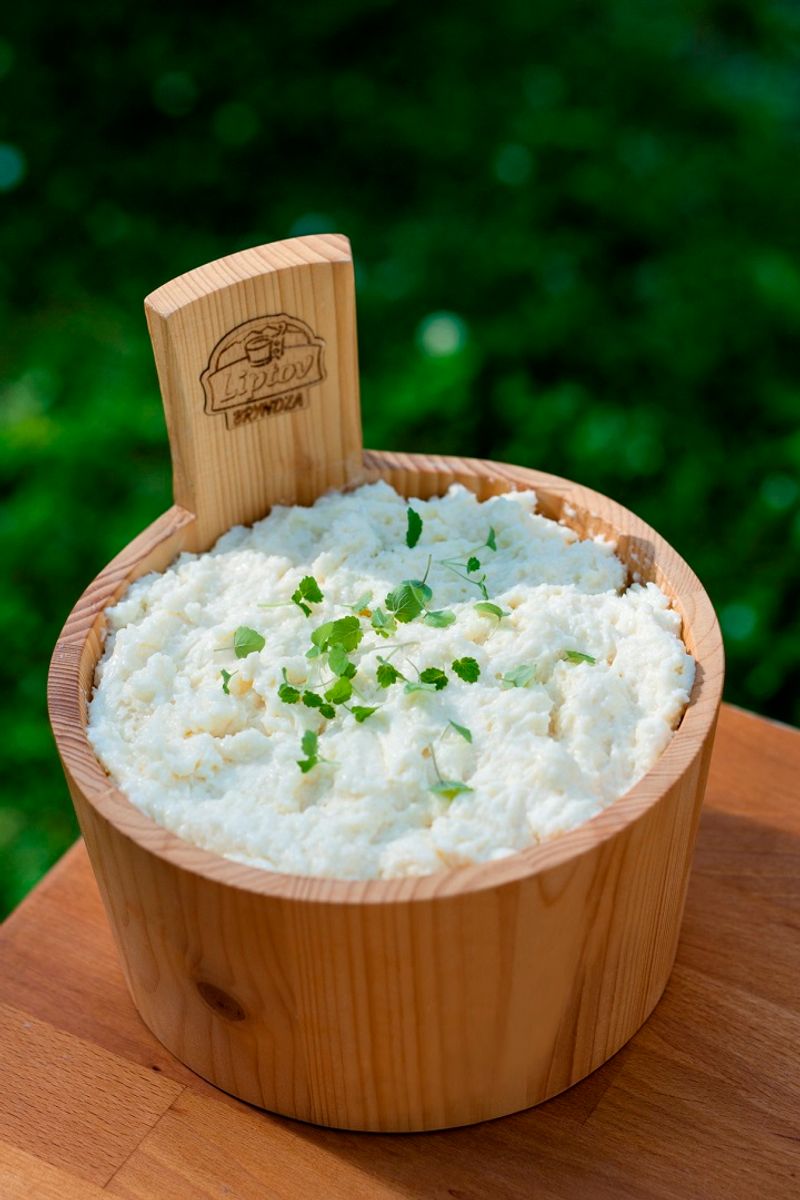
Salty, creamy, and made entirely from sheep's milk, Bryndza is Slovakia's most beloved national cheese. Shepherds in the Carpathian Mountains have been crafting it for centuries using techniques passed down through generations.
Its tangy flavor is sharper than feta but softer in texture, making it incredibly spreadable.
Spread it on dark rye bread or stir it into halusky dumplings like locals do. Bryndza earned EU protected status, meaning only authentic Slovakian versions carry the real name.
4. Epoisses (France)
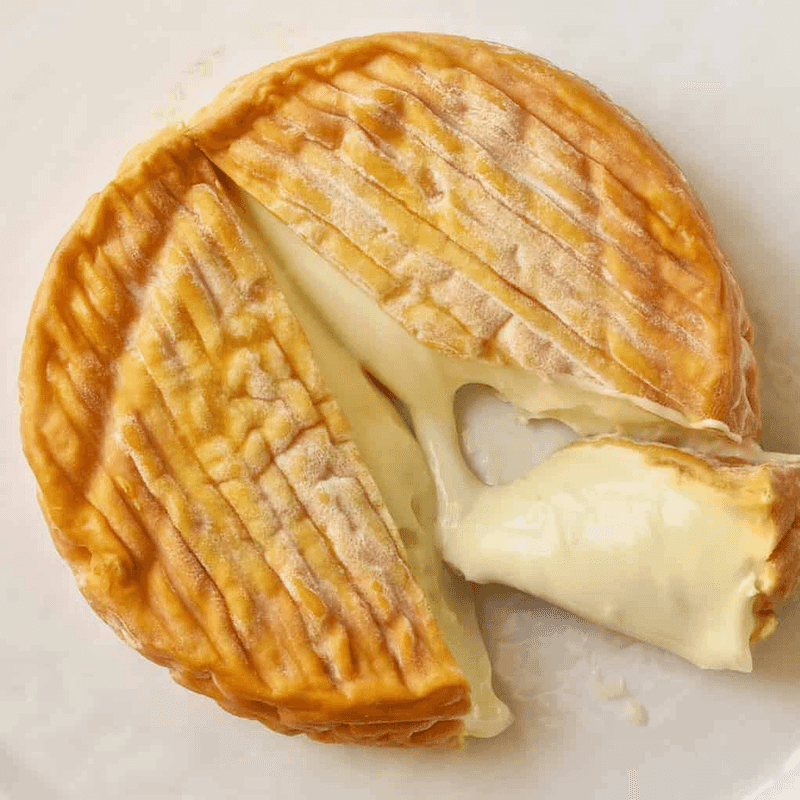
Napoleon reportedly adored Epoisses, calling it the king of all cheeses. Washed repeatedly in marc de Bourgogne brandy, its rind turns a deep orange-red and develops a smell so strong it is actually banned on French public transportation.
Cut it open and you will find a runny, ivory interior that tastes rich and buttery.
Pair it with a crusty baguette and a glass of Burgundy wine for the full experience. Bold eaters will absolutely love it.
5. Myzithra (Greece)
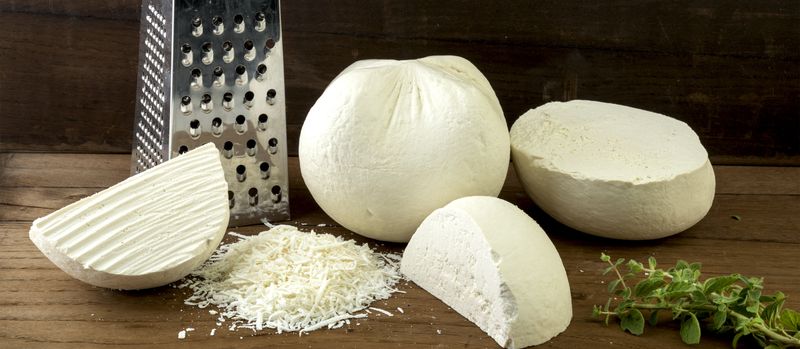
Myzithra is one of Greece's oldest cheeses, made from the leftover whey of sheep or goat milk production. Fresh versions are soft and mild, almost like ricotta, while aged versions become hard, salty, and perfect for grating.
Ancient Greek texts even mention this cheese, placing it among the earliest recorded dairy foods in history.
Try it grated over pasta with brown butter for a simple but unforgettable dish. Its clean, tangy flavor makes every meal feel like a Mediterranean escape.
6. Tete de Moine (Switzerland)
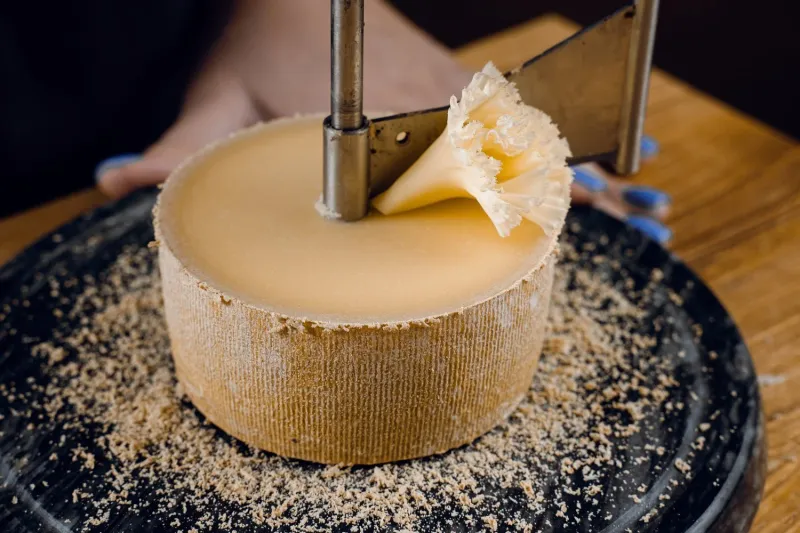
"Monk's Head" cheese from the Swiss Jura mountains is not just eaten, it is performed. A special spinning tool called a girolle scrapes thin, flower-like rosettes from the top of the cylindrical wheel.
Those delicate curls release more aroma and create a melt-in-your-mouth texture that flat slices simply cannot match.
Benedictine monks at Bellelay Abbey created this cheese back in the 12th century. Today it remains one of Switzerland's most theatrical and delicious cheese experiences.
7. Idiazabal (Spain)
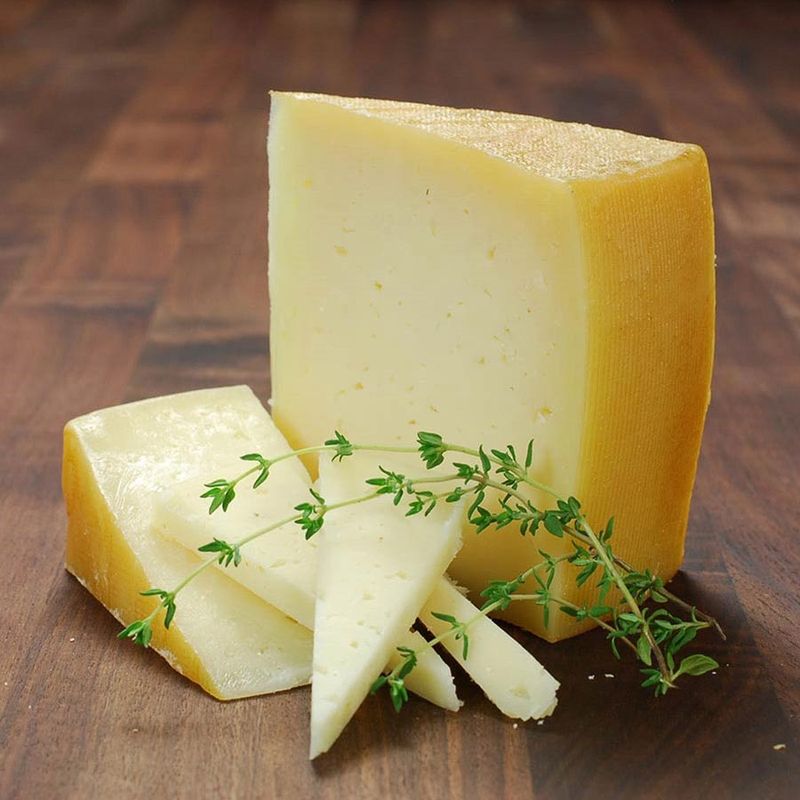
Smoked over cherry or beech wood in the Basque Country and Navarre, Idiazabal has a flavor that is impossible to forget. Made from raw Latxa sheep's milk, it carries a nutty, slightly smoky taste with a firm, waxy texture.
Basque shepherds have been making this cheese high in the Pyrenees mountains for thousands of years.
Slice it thin and pair with quince paste or walnuts. Its protected designation means every wheel tells a genuine story of Spanish mountain heritage.
8. Vieux Boulogne (France)
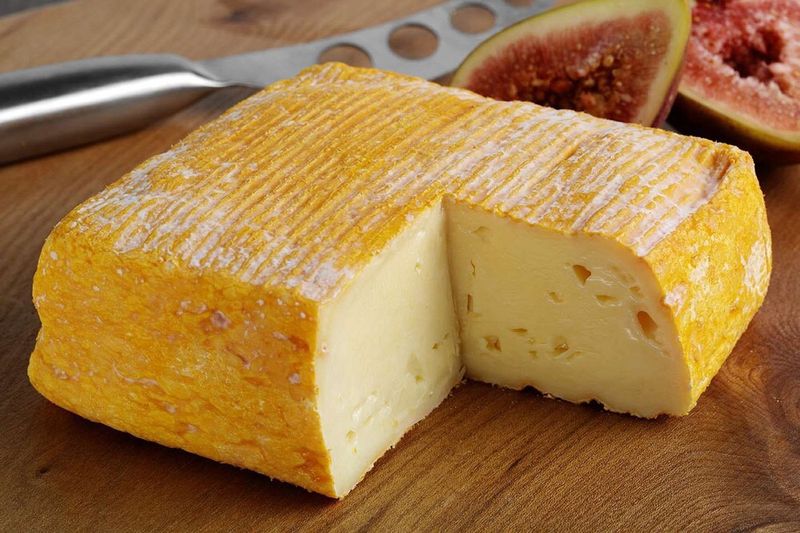
Scientists at Cranfield University once declared Vieux Boulogne the smelliest cheese in the world, and that title is well earned. Washed in local beer from northern France during its six to nine week aging process, the rind develops an intensely pungent aroma.
But here is the twist: the flavor inside is surprisingly mild and creamy.
Many cheese lovers say the smell is far more dramatic than the taste. If your nose can handle the challenge, your taste buds will be pleasantly rewarded.
9. Bitto Storico (Italy)
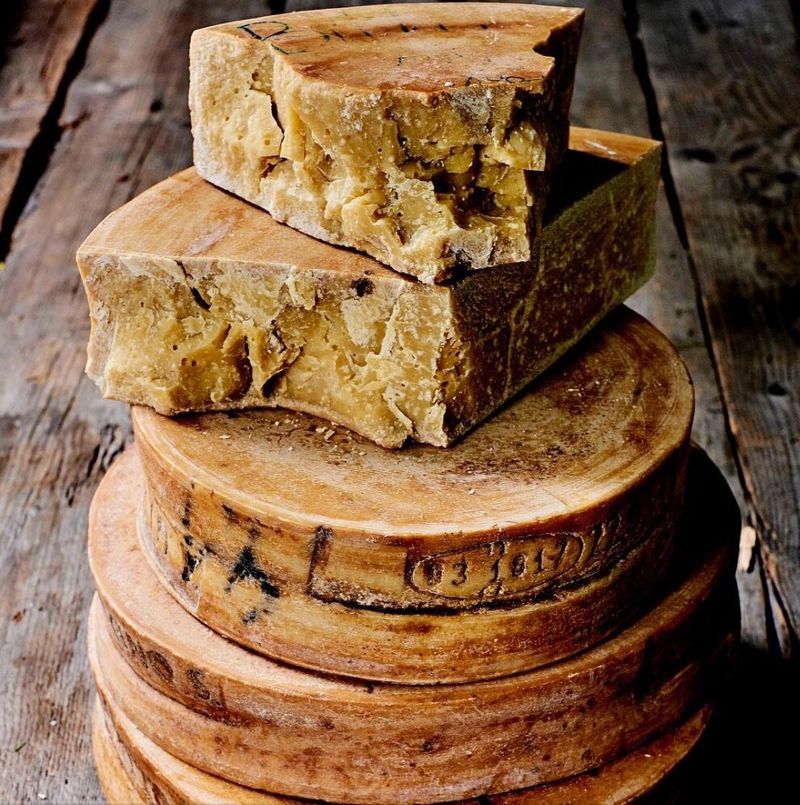
Bitto Storico is aged for up to ten years, making it one of the longest-aged cheeses in existence. Produced only during summer months in the Valtellina valleys of Lombardy, it is made from a mix of cow and rare Orobica goat milk.
As it ages, the flavor intensifies into something caramel-like, crystalline, and deeply complex.
Wheels over five years old can fetch extraordinary prices at specialty markets. Tasting it feels less like eating cheese and more like experiencing edible history.
10. Oscypek (Poland)
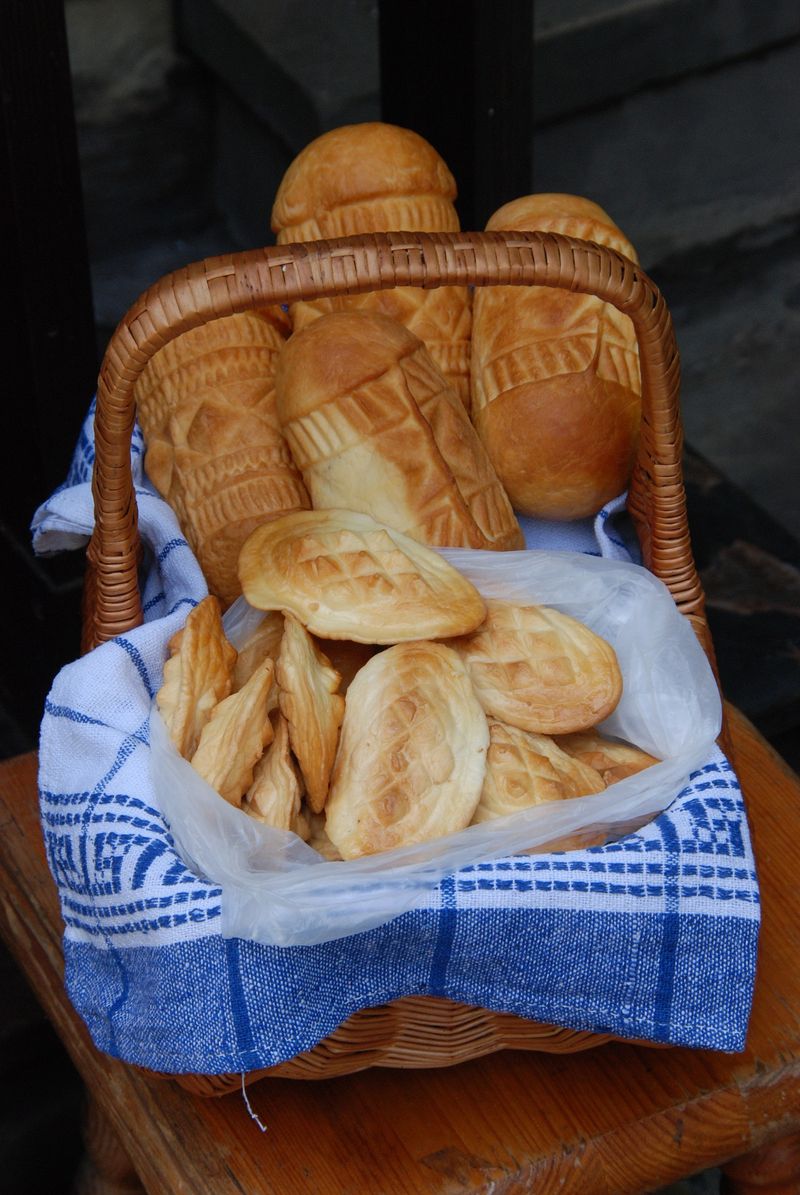
Shaped into decorative spindles by hand and carved with intricate folk patterns, Oscypek is as beautiful as it is delicious. Made exclusively from salted sheep's milk in the Tatra Mountains, it is smoked over spruce wood until golden-brown.
The flavor is salty, smoky, and slightly tangy with a firm, squeaky bite similar to halloumi.
Polish highlanders have crafted it for centuries, and it holds EU protected geographical status. Grilled and served with cranberry jam, it becomes something truly magical.
11. Cabrales (Spain)
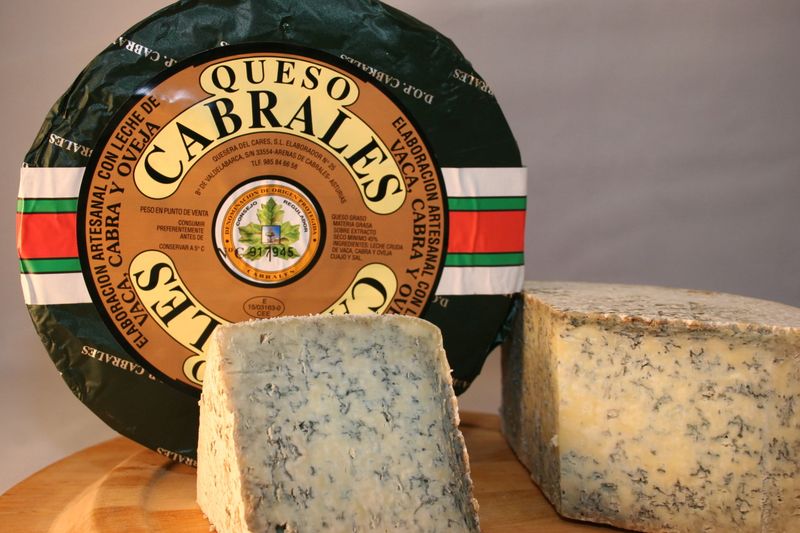
Aged inside natural limestone caves in Asturias, Cabrales develops its ferocious blue-green veins from wild molds drifting through mountain air. Made from a blend of cow, sheep, and goat milk, it punches with a sharp, spicy intensity that even blue cheese veterans find surprising.
Traditionally wrapped in sycamore maple leaves, each wheel looks and tastes completely wild.
Spread it on thick toast or crumble over grilled steak for a bold flavor upgrade. Cabrales is not for the faint-hearted.
12. Vasterbottensost (Sweden)
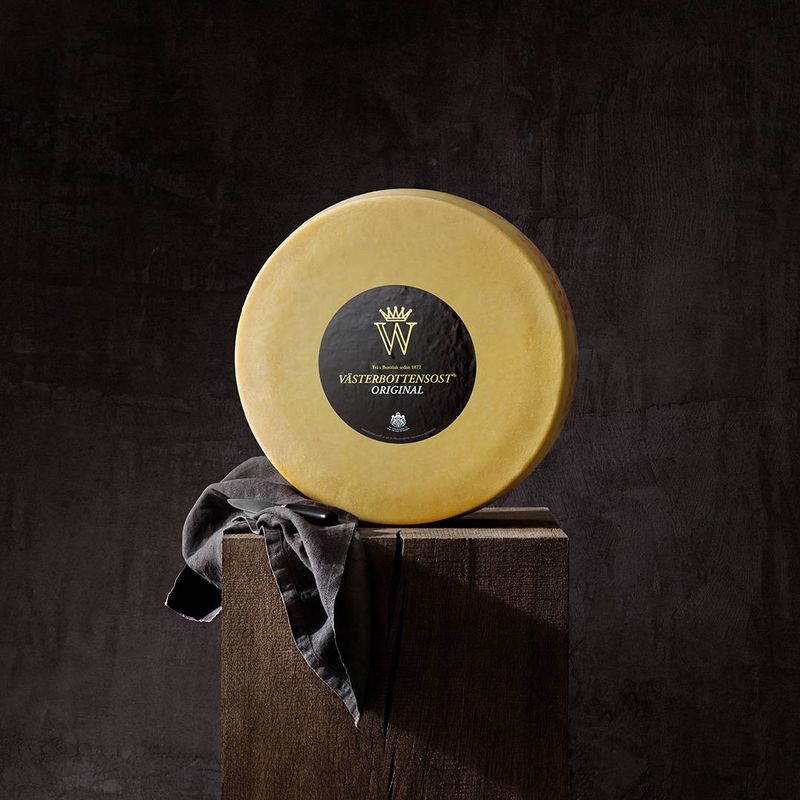
Legend says a dairy maid accidentally created Vasterbottensost in northern Sweden during the 1800s when she kept getting distracted while stirring the curd. The result was a hard, granular cheese with a powerful, tangy bite that Swedes now consider a national treasure.
No one has ever been able to perfectly replicate the original recipe outside the Vasterbotten region.
It is an essential ingredient in Swedish midsummer quiche. Sharp, complex, and deeply satisfying, this cheese rewards patient tasters.
13. Mimolette (France)
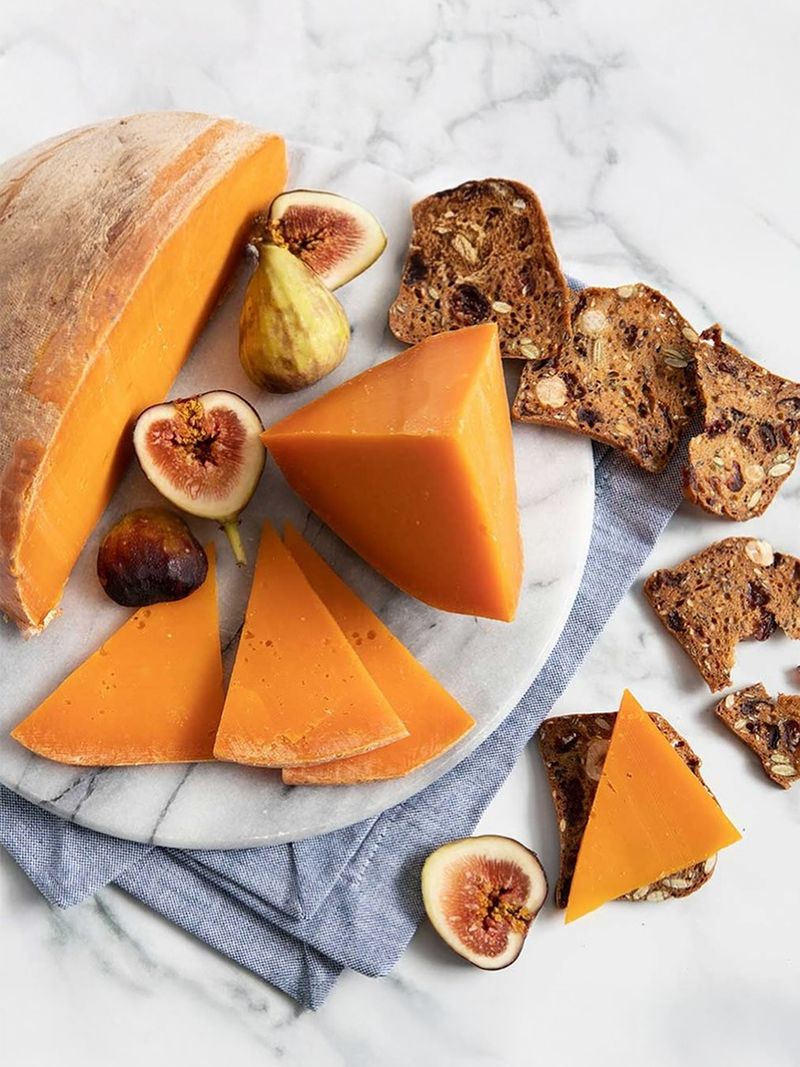
Mimolette looks like a cannonball on the outside and a sunset on the inside. Its cratered grey rind is created by tiny cheese mites that burrow into the surface during aging, giving it a deeply nutty, caramel flavor.
The vivid orange interior comes from annatto, a natural plant-based dye added during production.
Created in northern France at the request of Louis XIV, it was meant to rival Dutch Edam. Aged versions become intensely hard and crumbly, almost like Parmesan.
14. Formai de Mut (Italy)
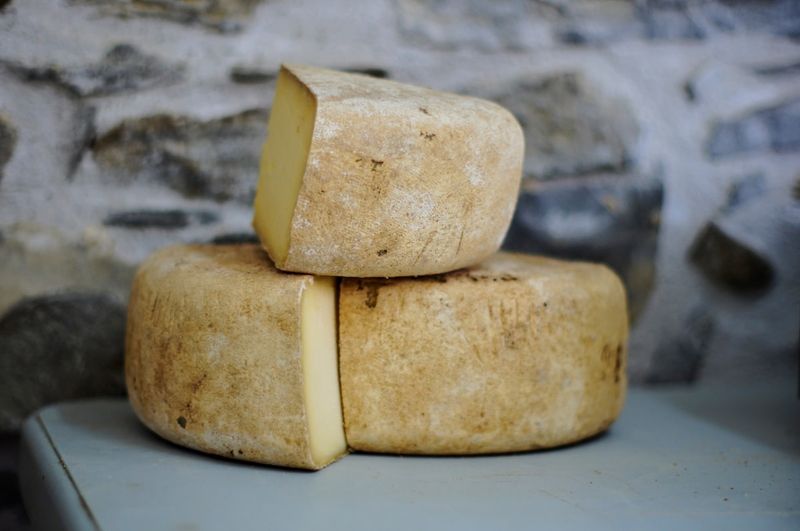
High in the Bergamo Alps, cows graze on wildflower meadows during summer, and that diet makes all the difference in Formai de Mut. Translated as "cheese of the mute" referring to the quiet mountain valleys, it carries a mild, grassy sweetness with a semi-firm texture that melts effortlessly.
EU protection ensures it can only be made in its native Brembana Valley.
It pairs beautifully with honey and fresh figs. Simple, honest, and quietly extraordinary, this alpine cheese deserves far more attention.
15. Adelost (Sweden)
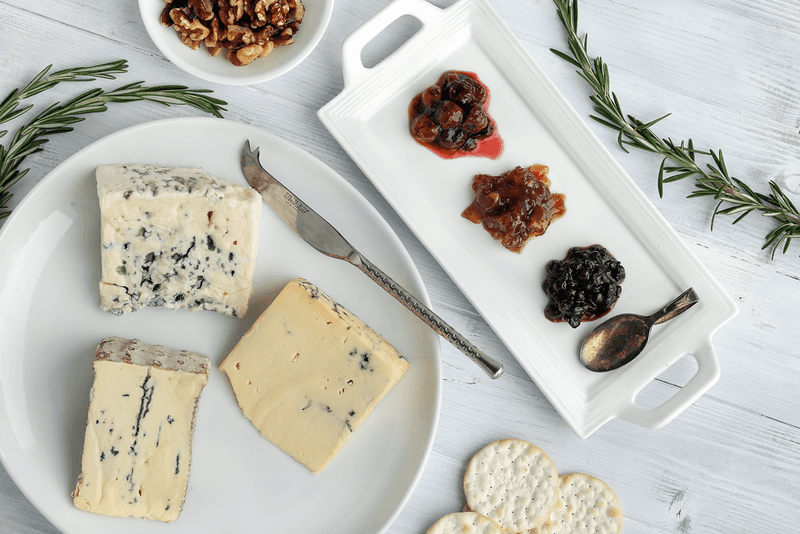
Sweden's answer to Roquefort, Adelost is a mild, creamy blue cheese made from full-fat cow's milk. Unlike its more aggressive French cousin, Adelost offers a gentler, almost buttery experience with just enough blue tang to keep things interesting.
It was developed in the 1930s to give Swedes an affordable domestic blue cheese option.
Crumble it over a beet salad or melt it into a warm sauce for pasta. Its approachable flavor makes it a perfect starting point for blue cheese beginners.
16. Pecorino di Fossa (Italy)
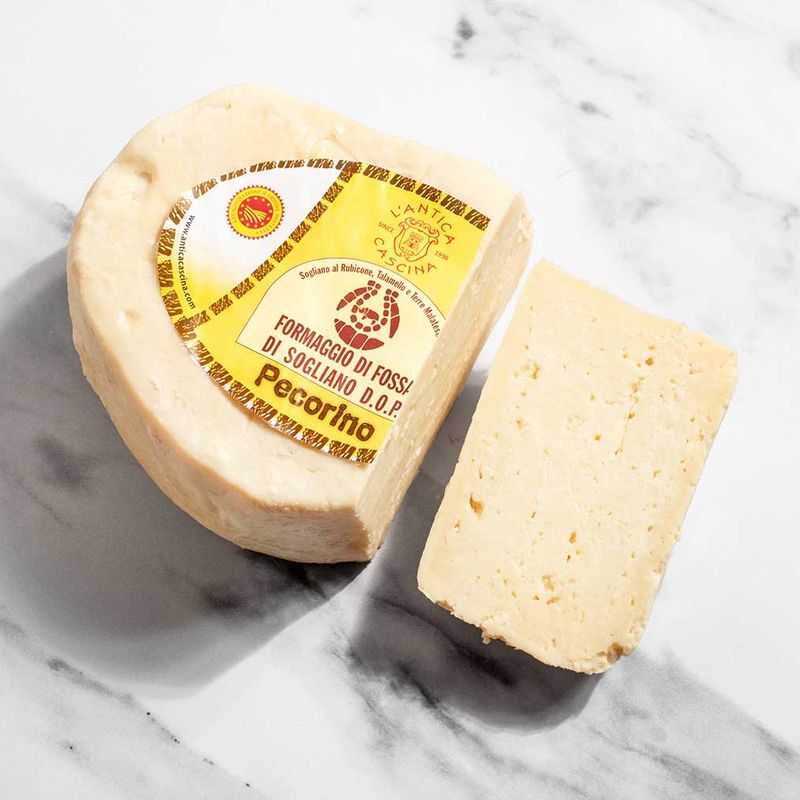
Once a year, wheels of Pecorino di Fossa are buried in underground tufa rock pits and sealed for 90 days. When they emerge, the cheese has transformed into something completely unexpected: pungent, earthy, and complex with a slightly crumbly texture and sharp finish.
The pit-aging process dates back to medieval times when locals used caves to preserve food through winter.
Shave it over warm honey or pears for a stunning contrast of flavors. Every wheel tastes slightly different, shaped by its unique underground environment.




Comments
No Comments