













Spain is famous for churros and tarta de Santiago, but its bakeries hide dozens of lesser-known treasures that most tourists never discover. From flaky monastery sweets to sugar-dusted regional bites, every corner of the country has its own beloved pastry with a story to tell.
Whether you are planning a road trip through Andalusia or wandering the back streets of Galicia, knowing what to look for can turn a simple bakery stop into the highlight of your day. Pack your appetite and get ready to explore some seriously underrated Spanish baking.
1. Xuixo
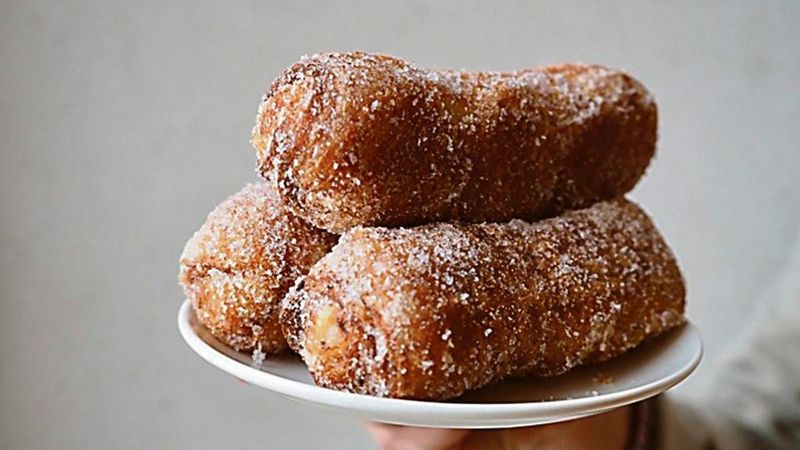
Born in the city of Girona, the Xuixo is basically the cooler, crispier cousin of a cream doughnut. Legend says it was invented by a travelling circus performer who sweet-talked a local baker into making it for him.
The result is a deep-fried, sugar-coated cylinder stuffed with rich pastry cream.
You will find them warm in the morning at Girona bakeries, and honestly, eating one fresh from the fryer is a moment you will not forget quickly.
2. Pantxineta
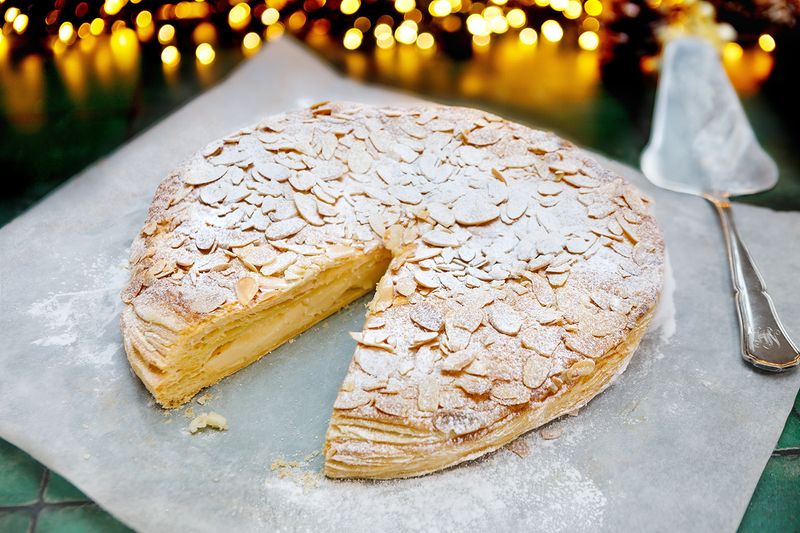
Walk into any traditional pastry shop in San Sebastian and you will spot this beauty behind the glass. Pantxineta is a Basque classic made from buttery puff pastry sandwiched around a thick custard cream filling, then finished with a generous scatter of toasted almonds on top.
It looks fancy but tastes like a warm hug. Ask for it with a small black coffee and you have basically unlocked the Basque way of doing afternoon snacks right.
3. Rosquillas de Santa Clara
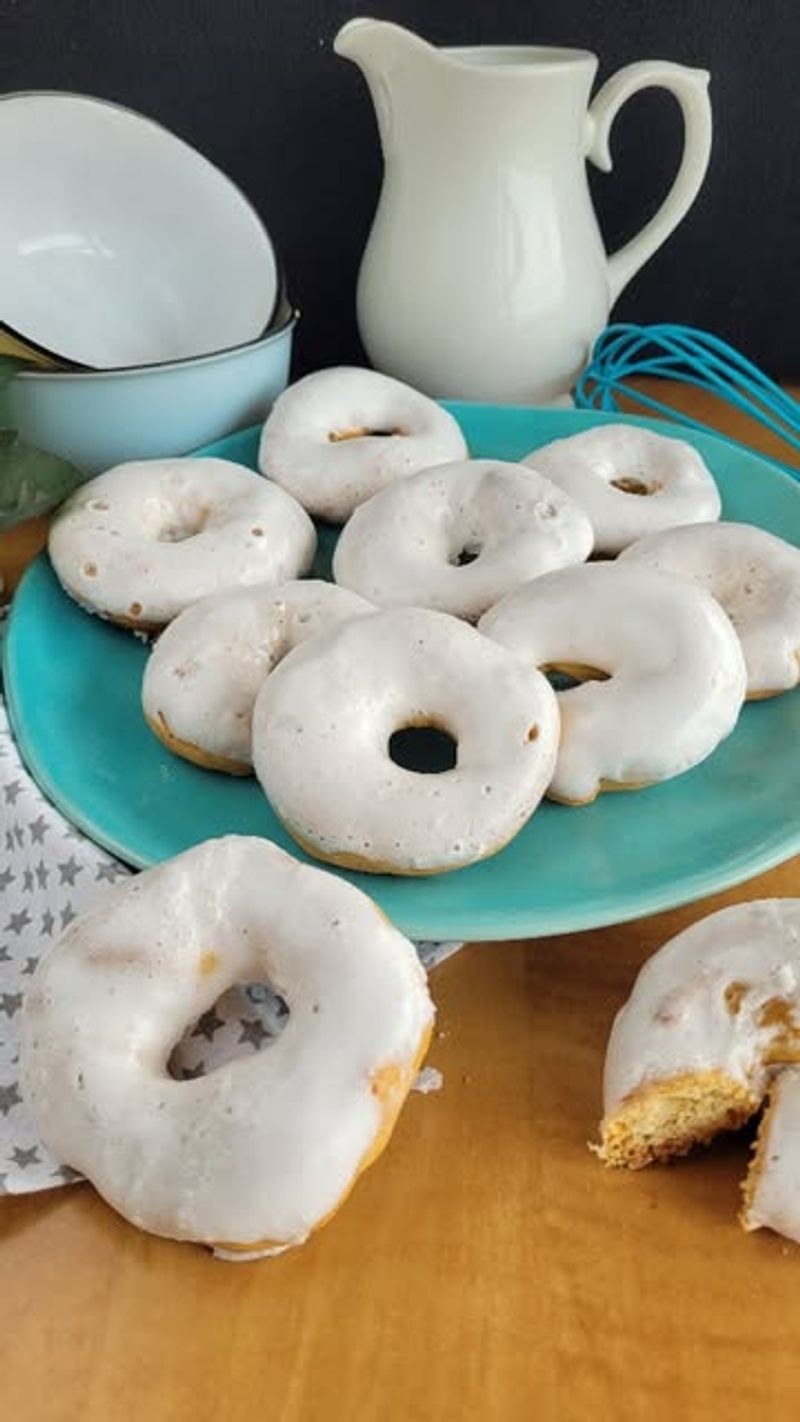
Every May in Madrid, street vendors appear almost overnight selling these humble little ring-shaped pastries. Rosquillas de Santa Clara are coated in a bright white royal icing that cracks satisfyingly when you bite through it to the soft, lightly anise-flavoured dough underneath.
They are tied to the San Isidro festival and feel genuinely festive to eat. Tourists often walk straight past them, which means more for you.
Grab a paper bag full and snack your way around the city.
4. Sequillos
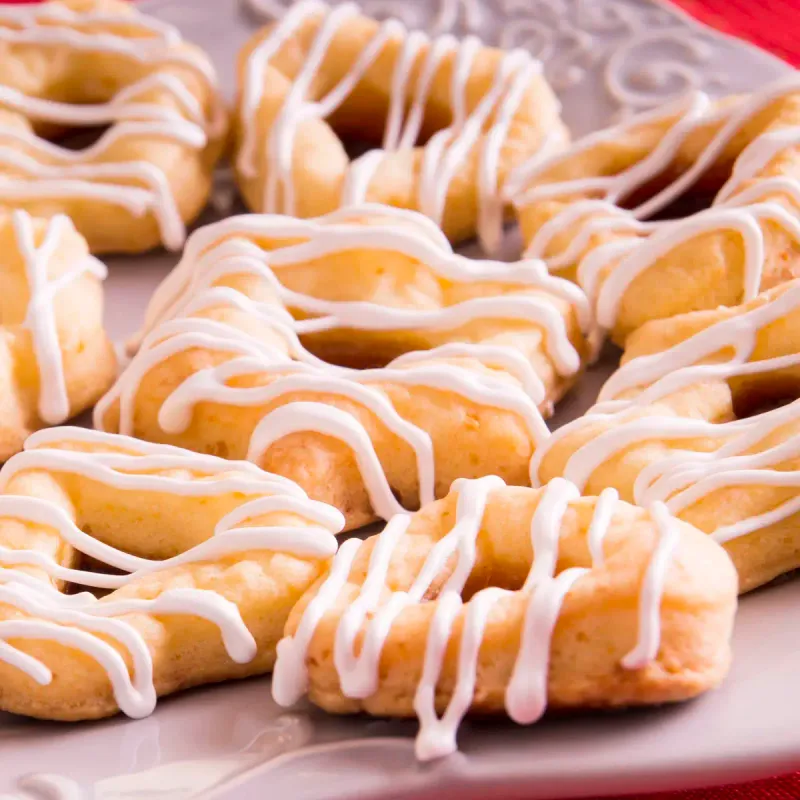
Sequillos are the kind of pastry your Spanish grandmother would have made on a Sunday afternoon without even looking at a recipe. These crumbly, melt-in-your-mouth biscuits are made with lard, flour, and a hint of lemon or anise, giving them a flavour that is old-fashioned in the best possible way.
Found mainly in Castile and Extremadura, they are sold cheaply in local markets and small bakeries. One bite and you will understand why locals have never needed to change the recipe.
5. Carquinyolis
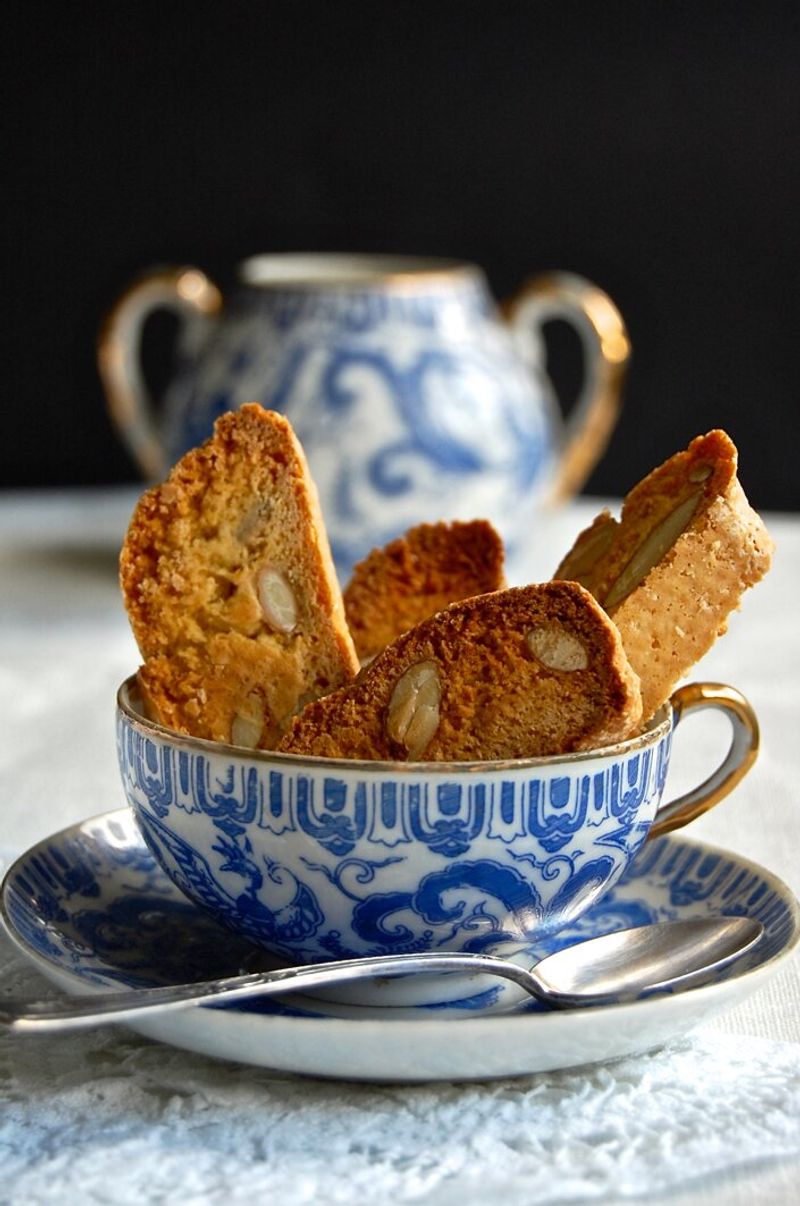
Think of Carquinyolis as Catalonia's answer to Italian biscotti, except locals would probably argue theirs came first. These rock-hard almond biscuits are baked twice to achieve their signature crunch, and they are traditionally dipped in sweet wine or a small glass of muscatel before eating.
They make excellent travel snacks because they last for days without going stale. Pick up a bag at a Catalan market and you have got yourself a crunchy, nutty souvenir that actually tastes great on the train home.
6. Borrachuelos
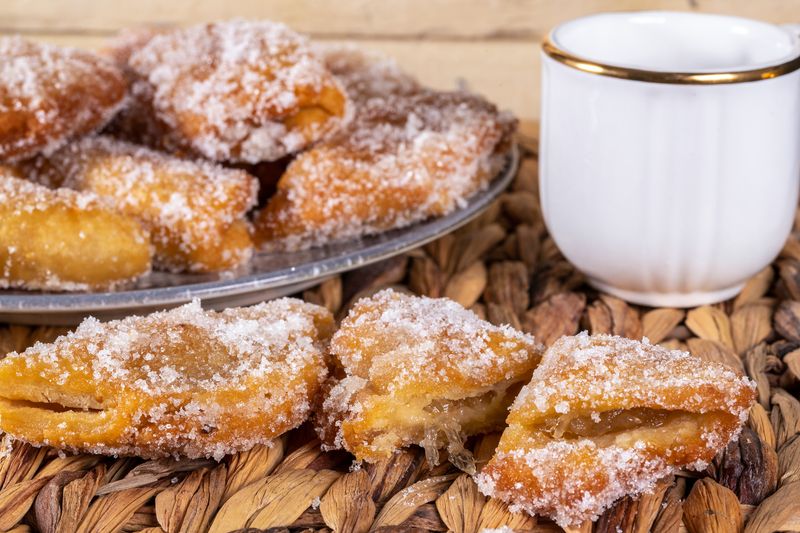
Borrachuelos translate loosely as "little drunks," and the name comes from the splash of anise liqueur and white wine mixed right into the dough. These Andalusian fried pastries are especially popular around Christmas and Easter in Malaga and Granada, though you can track them down year-round in traditional confectionery shops.
They are sticky with honey and dusted in icing sugar, which means eating them neatly is basically impossible. That is half the fun.
Order extras because they disappear fast.
7. Filloas
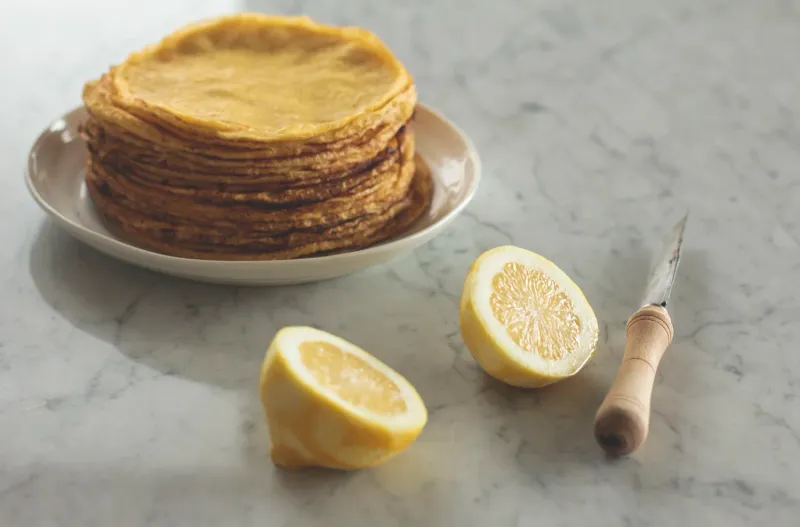
Galicia has its own version of crepes, and they are far more interesting than anything you will find at a tourist cafe. Filloas are paper-thin pancakes traditionally made with either milk or pork blood, giving them a delicate flavour that is earthy, slightly sweet, and completely addictive.
During Carnival season in February, they are everywhere. Locals eat them rolled up with sugar or honey, sometimes with cream.
Finding a street stall making them fresh is one of those genuinely magical travel moments.
8. Pastel de Cierva
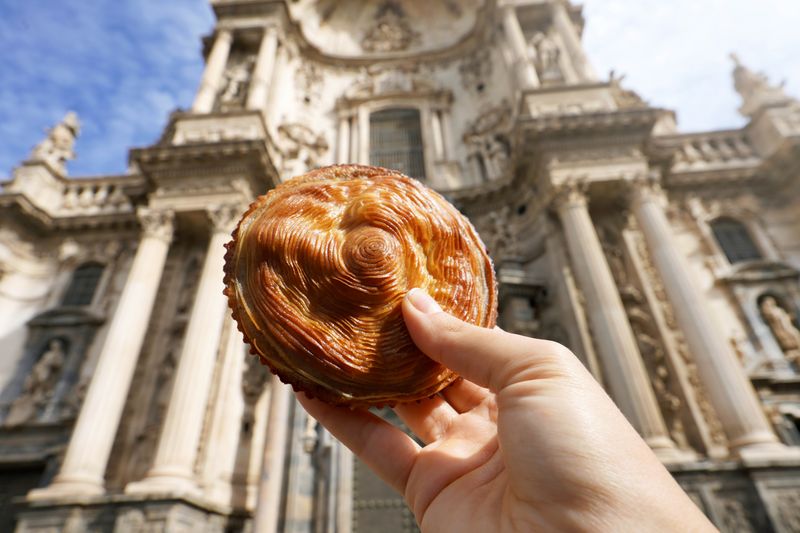
Murcia does not get nearly enough credit for its food, and the Pastel de Cierva is proof that the region is seriously underrated. This round, golden pastry is filled with a savoury mixture of tuna, hard-boiled egg, and tomato sauce, all wrapped in a beautifully thin, flaky crust.
It sits somewhere between a pie and an empanada and works brilliantly as a lunchtime snack. Named after a local politician, it has been a Murcia staple since the early 20th century.
9. Tejas de Tolosa
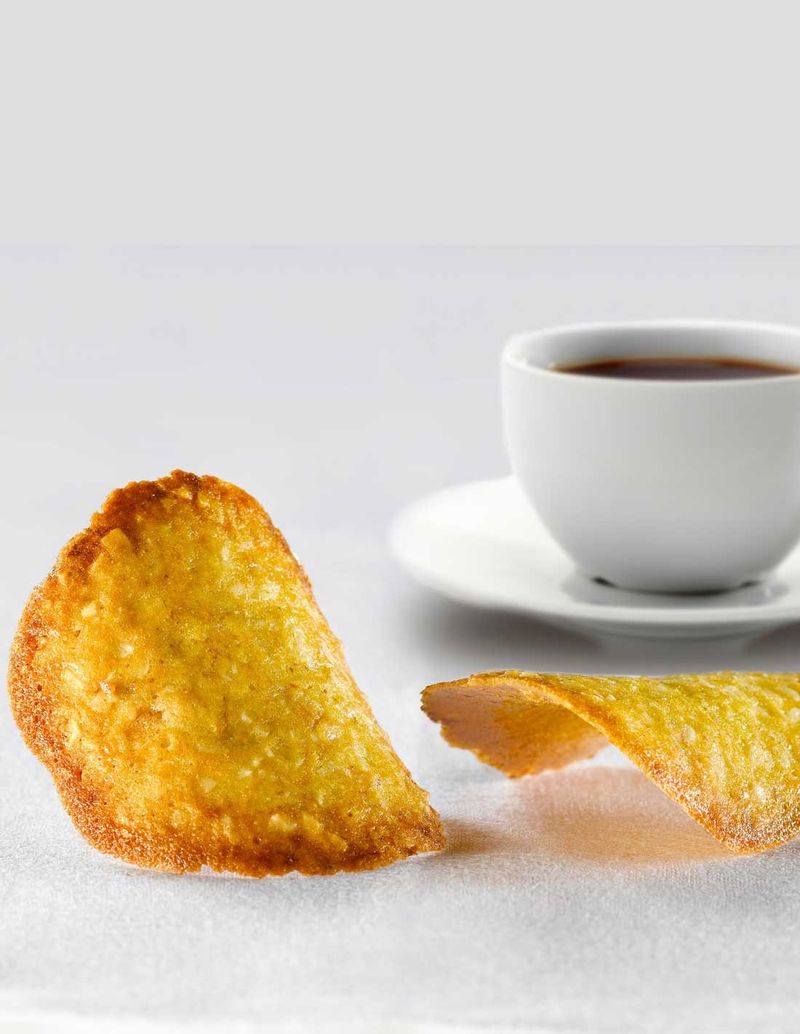
Shaped to look like roof tiles and named after the Basque town of Tolosa, these elegant almond wafers are dangerously easy to eat by the dozen. Tejas are incredibly thin, golden, and crispy, made from a simple batter of almonds, butter, egg whites, and sugar.
They are often sold in beautiful tins as gifts, making them a practical souvenir that does not take up luggage space. Paired with a strong espresso, they are absolutely the right way to end a Basque meal.
10. Coquitos de Betanzos

Betanzos, a small medieval town in Galicia, is quietly famous for two things: its tortilla espanola and these tiny coconut pastries. Coquitos are made from egg yolks and desiccated coconut, baked until just golden on the outside while staying chewy and rich on the inside.
They are sold in small boxes tied with ribbon and feel genuinely special despite their humble ingredients. Visiting Betanzos just to try them is not excessive at all.
It is actually very reasonable behaviour for a pastry lover.
11. Mantecados de Estepa
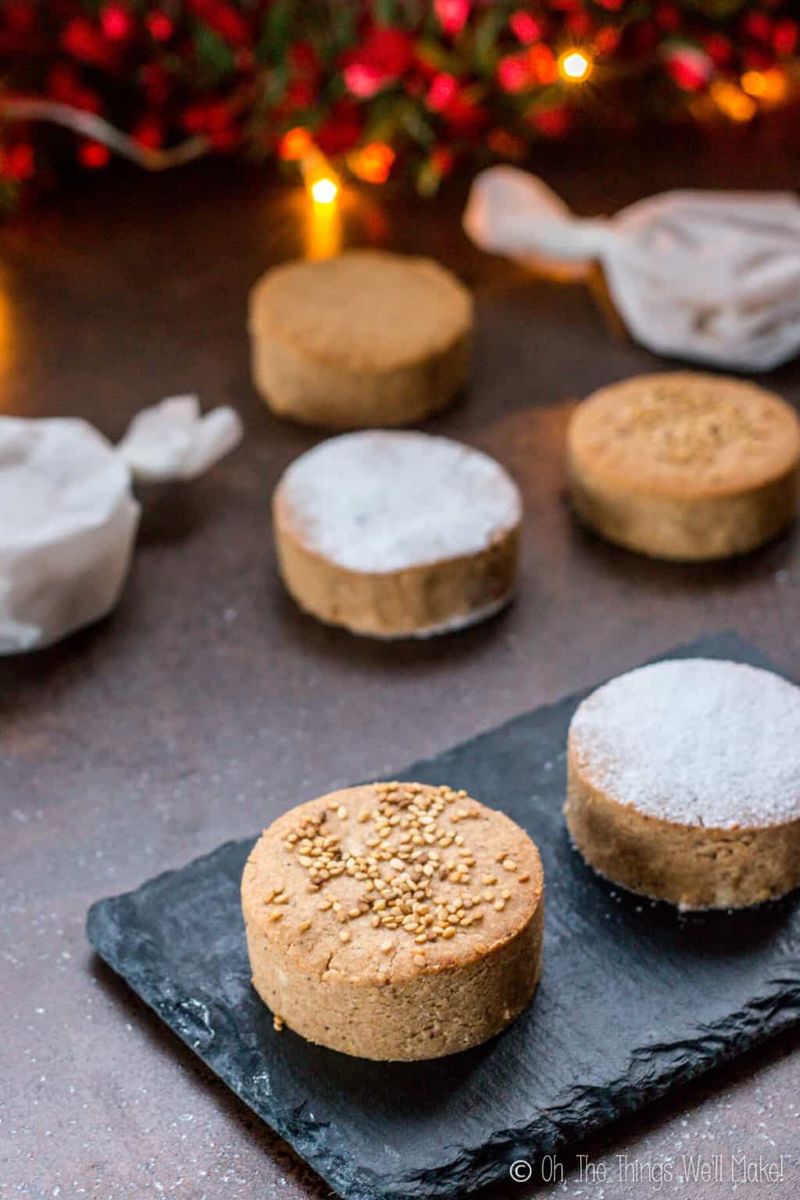
Estepa, a small Andalusian town, produces around 70 percent of all mantecados made in Spain, which is a staggering fact for a place most travellers have never heard of. These crumbly, lard-based pastries practically dissolve on your tongue and come in flavours ranging from cinnamon and lemon to almond and coconut.
Traditionally a Christmas treat, they are sold year-round in Estepa itself. Visiting the town during production season in autumn means the whole place smells absolutely incredible.
12. Casadielles
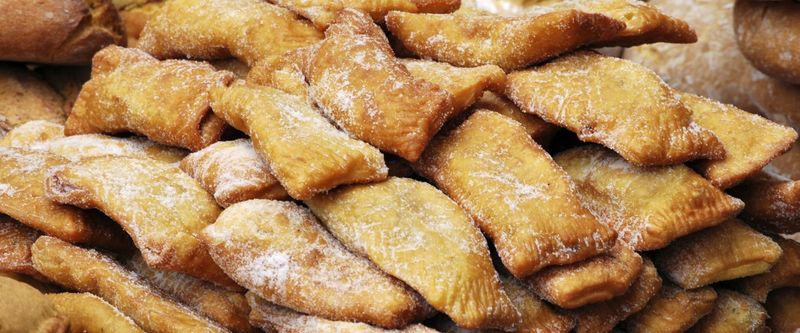
Asturias keeps its best pastry secrets close, and Casadielles are right at the top of that list. These small parcels of dough are stuffed with a filling of crushed walnuts, sugar, and anise liqueur, then either deep-fried or baked until golden and irresistible.
They are particularly popular during Carnival and Christmas, though Asturian bakeries often sell them throughout the year. The walnut filling has a warm, slightly boozy flavour that feels very cosy on a rainy northern Spanish afternoon.
13. Pestiños
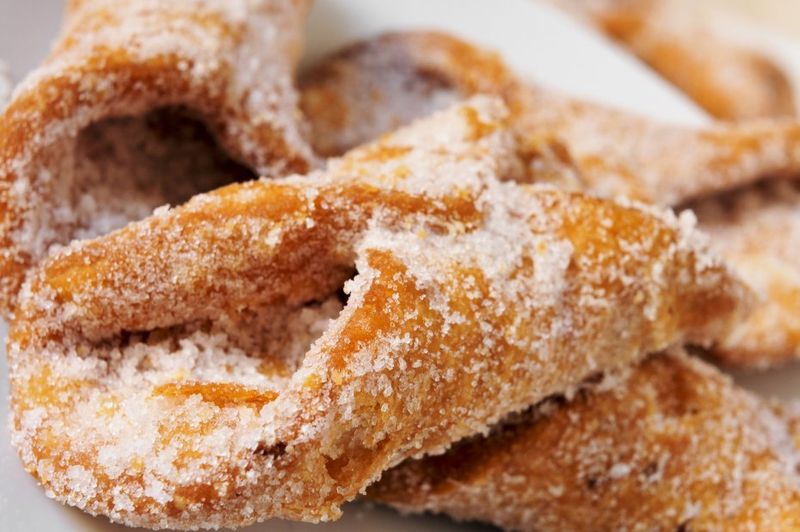
Pestiños have been made in southern Spain since at least the 15th century, which means they have been around longer than most countries. These honey-drenched fried pastries are flavoured with sesame seeds and anise, giving them a complex, aromatic quality that feels ancient and comforting at the same time.
Seville and Extremadura both claim them as their own, and honestly both regions make them brilliantly. Find them at Easter markets or in traditional confectionery shops throughout Andalusia.
14. Fogassa de Tots Sants
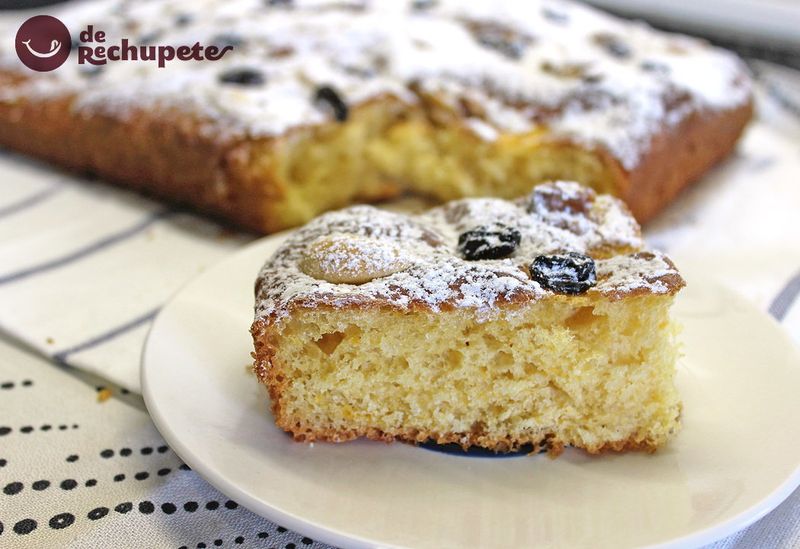
Only available for a brief window around November 1st, this Valencian sweet bread is one of those seasonal treats that makes you plan your travel dates around it. Fogassa de Tots Sants is a soft, slightly sweet loaf flavoured with anise and topped with pine nuts, made specifically for All Saints Day.
Bakeries across Valencia start producing them in late October, and they sell out fast. Eating one fresh from the oven on a cool autumn morning in Valencia is genuinely worth the trip timing.
15. Piononos de Santa Fe
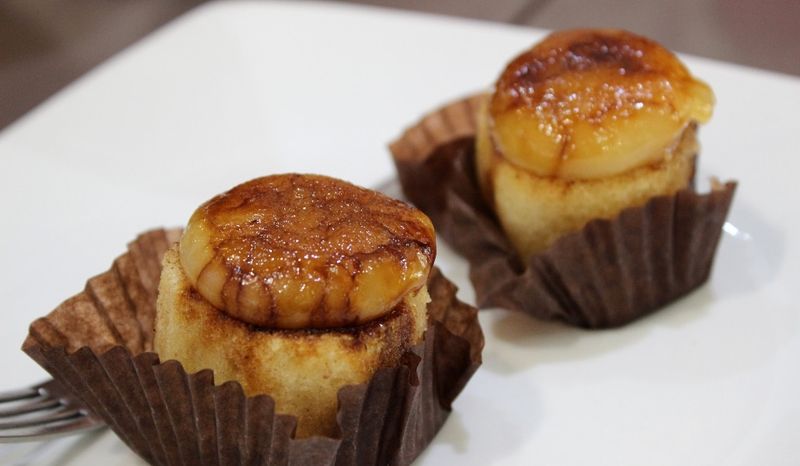
Named after Pope Pius IX, these tiny rolled sponge cakes from the Granada town of Santa Fe are one of the most surprisingly sophisticated bites in all of Spanish baking. Each Pionono is a tight roll of syrup-soaked sponge, topped with a small dome of lightly toasted pastry cream.
They are eaten in one or two bites and taste extraordinarily rich for something so small. The original recipe has been protected by the founding family for generations, making them a genuinely historic pastry worth seeking out.
16. Orejuelas
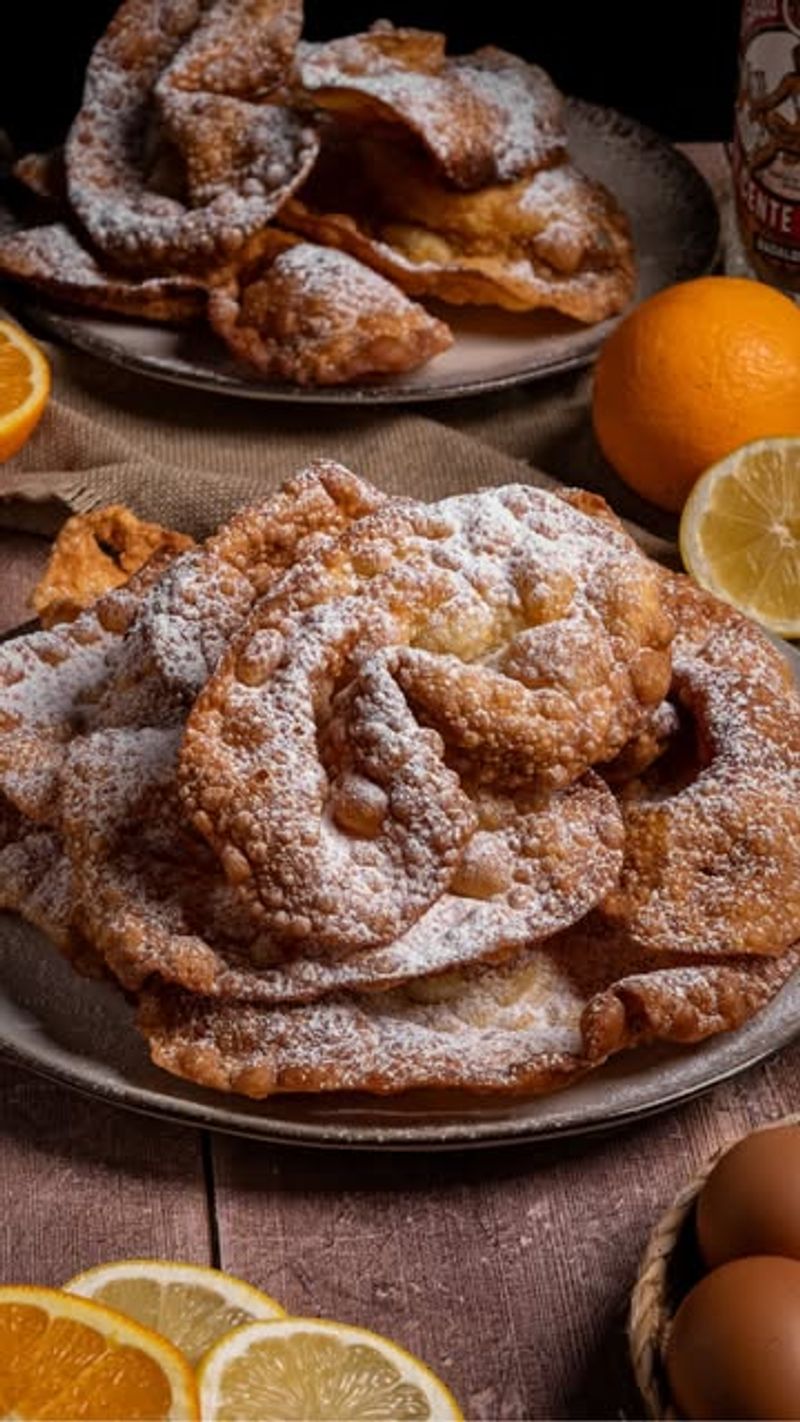
Crispy, golden, and dusted with clouds of icing sugar, Orejuelas are the kind of pastry that looks almost too delicate to pick up without breaking. Made from a thin dough fried quickly in hot oil, they puff up into airy, ribbon-like shapes with a satisfying crunch in every bite.
Popular in Extremadura and parts of Andalusia during Carnival, they are often made at home rather than sold commercially, which makes finding them at a local fair or market feel like a genuine discovery worth celebrating.




Comments
No Comments