













You don't always need a spoonful of sugar to make food taste sweet. Some ingredients naturally bring out sweetness all on their own, and many of them are already sitting in your kitchen.
From spices to fruits to humble vegetables, these flavor boosters can make your meals taste amazing without a single gram of added sugar. Get ready to discover 16 surprising ingredients that do all the sweet work for you.
1. Vanilla Extract
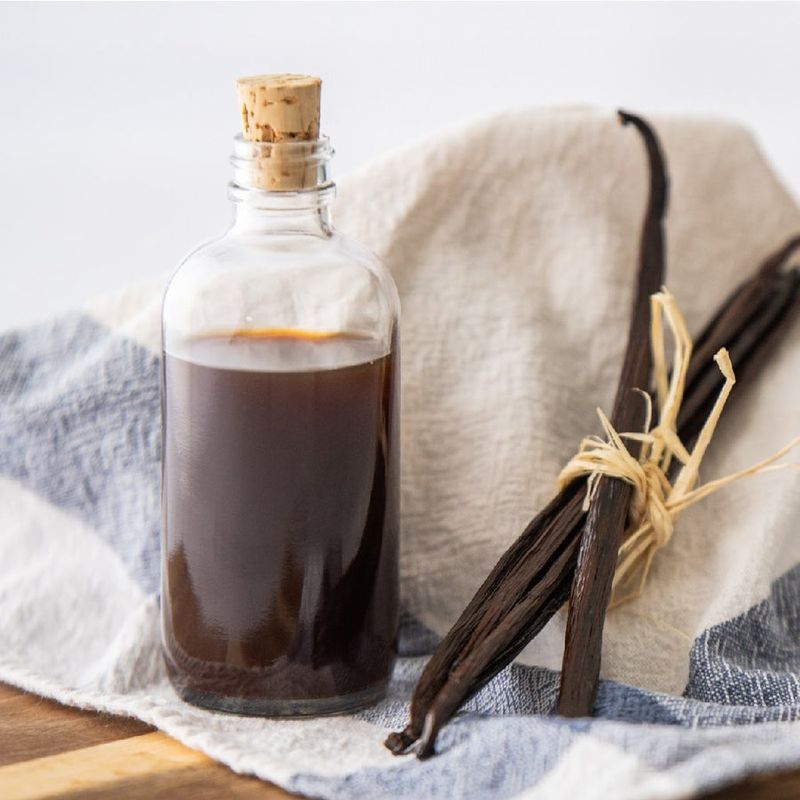
Ever wonder why a plain cake smells so irresistible even before it's frosted? That magic usually comes from vanilla extract.
Just a tiny splash can trick your brain into tasting sweetness that isn't really there.
Vanilla contains natural compounds that enhance your perception of sweet flavors. Adding it to oatmeal, smoothies, or coffee can make those drinks feel indulgent without any sugar.
It's one of the most powerful flavor illusions in your spice cabinet.
2. Cinnamon
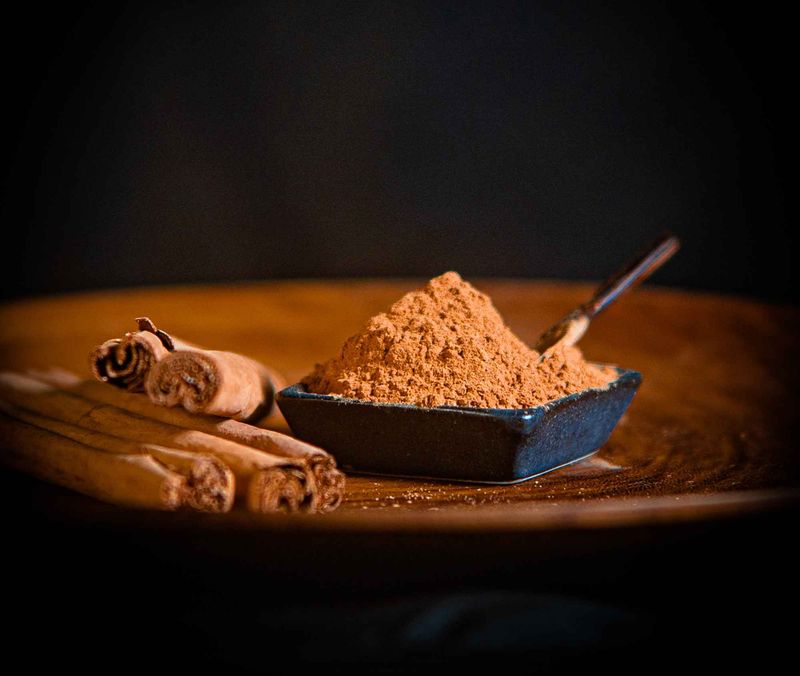
Cinnamon has been fooling taste buds for centuries, and honestly, it's pretty good at its job. Sprinkle it on roasted sweet potatoes or stir it into warm milk, and suddenly everything tastes like dessert.
This spice activates sweet taste receptors on your tongue without containing any sugar itself. Ancient traders once valued cinnamon more than gold, which makes sense when you realize how much flavor it packs.
A little goes a very long way.
3. Ripe Bananas
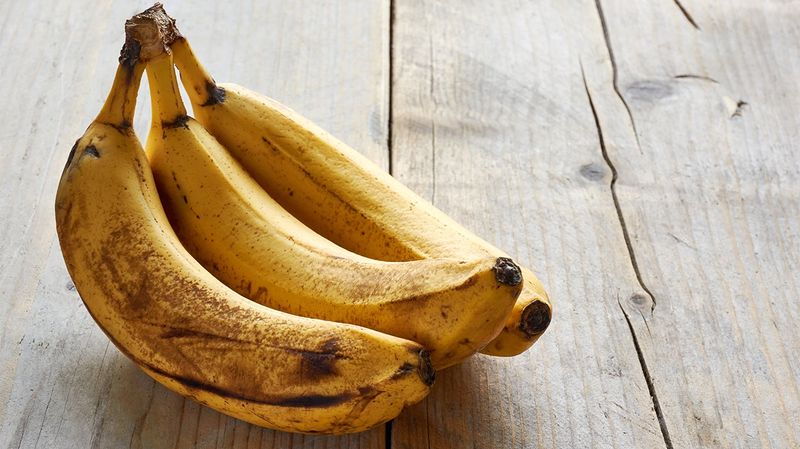
The riper the banana, the sweeter it gets — and that's not just your imagination. As bananas ripen, their starches break down into natural sugars, making them taste almost like candy without any help.
Mashed ripe bananas work beautifully as a sugar substitute in muffins, pancakes, and energy balls. They also add moisture and a creamy texture that refined sugar simply cannot match.
Next time a banana turns spotty, don't toss it — bake with it instead.
4. Sweet Potatoes

Roasting a sweet potato is like watching a quiet miracle happen in your oven. The heat caramelizes the natural sugars inside, turning this humble root vegetable into something that tastes almost like pie filling.
Sweet potatoes are loaded with beta-carotene and fiber, making them a nutritional powerhouse on top of being delicious. Their natural sweetness pairs well with both savory and sweet dishes.
Try them in soups, casseroles, or simply baked with a pinch of cinnamon.
5. Medjool Dates
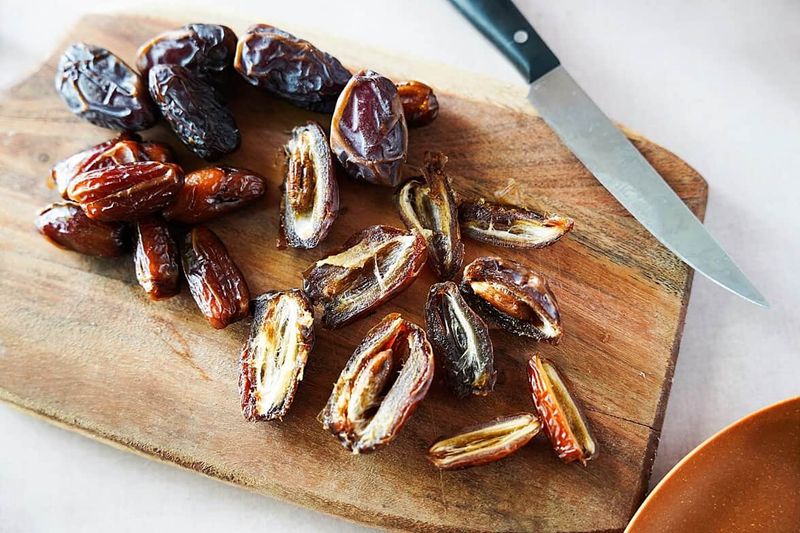
Sticky, caramel-like, and deeply satisfying — Medjool dates are nature's candy in the truest sense. They've been a prized sweet treat in the Middle East for thousands of years, and once you taste one, you'll understand why.
Blended into smoothies or used as a base for energy bars, dates deliver intense natural sweetness along with fiber, potassium, and iron. They also make a surprisingly good caramel sauce substitute when blended with a splash of water.
6. Coconut
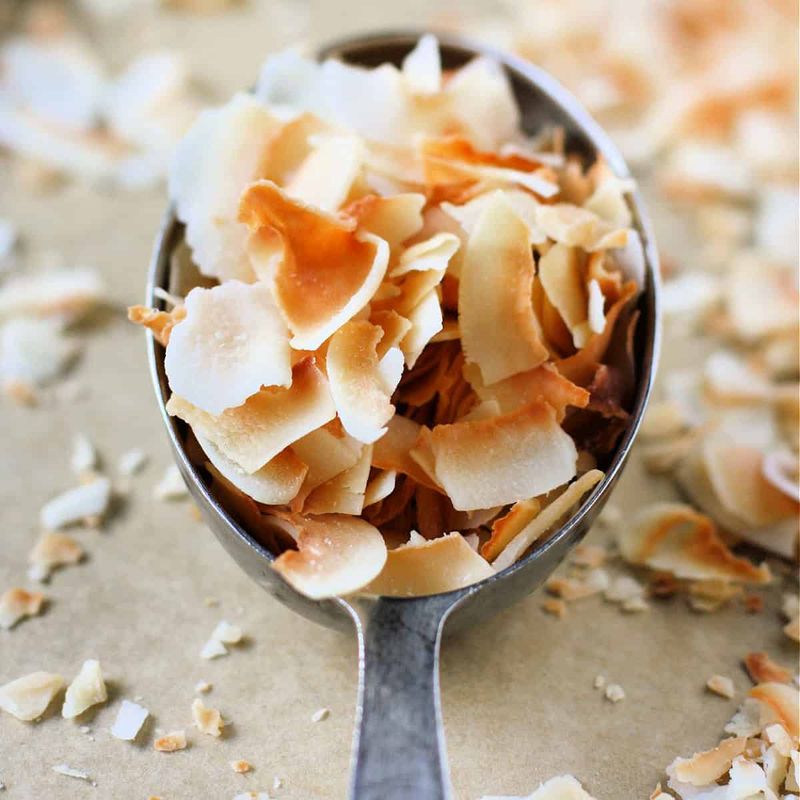
There's something almost nostalgic about the sweet, tropical scent of coconut. Whether it's shredded, toasted, or pressed into milk, coconut brings a mellow natural sweetness that feels like a mini vacation in every bite.
Toasted coconut flakes added to yogurt or oatmeal can make plain foods feel like a treat without any added sugar. Coconut milk also adds creamy sweetness to curries and smoothies.
The fat content in coconut actually helps carry and amplify those sweet flavor notes.
7. Roasted Carrots
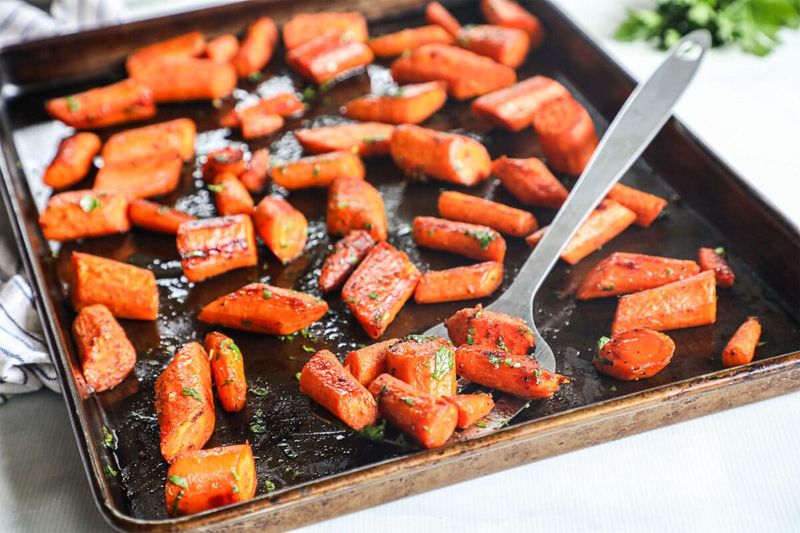
Raw carrots are pleasant enough, but roasted carrots are a completely different story. High heat draws out their natural sugars and creates caramelized edges that taste genuinely sweet and almost buttery.
This transformation happens because of a process called the Maillard reaction, where heat breaks down carrot starches into simpler, sweeter compounds. Tossed with a little olive oil and thyme, roasted carrots can easily double as a side dish that even picky eaters will actually want to finish.
8. Cardamom
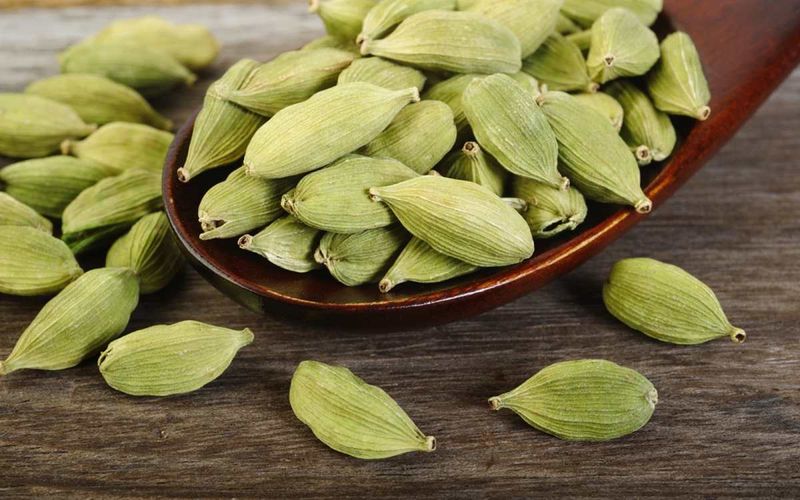
Cardamom is the spice that makes Scandinavian pastries and Indian chai taste like they were made with extra love. Its flavor is floral, warm, and carries a natural sweetness that lingers long after you've swallowed.
A pinch of cardamom in rice pudding, coffee, or baked goods creates a perfumed sweetness that feels luxurious. It pairs especially well with citrus and stone fruits.
Cardamom was once so valuable it was used as currency in ancient trade routes across Asia and the Middle East.
9. Beets
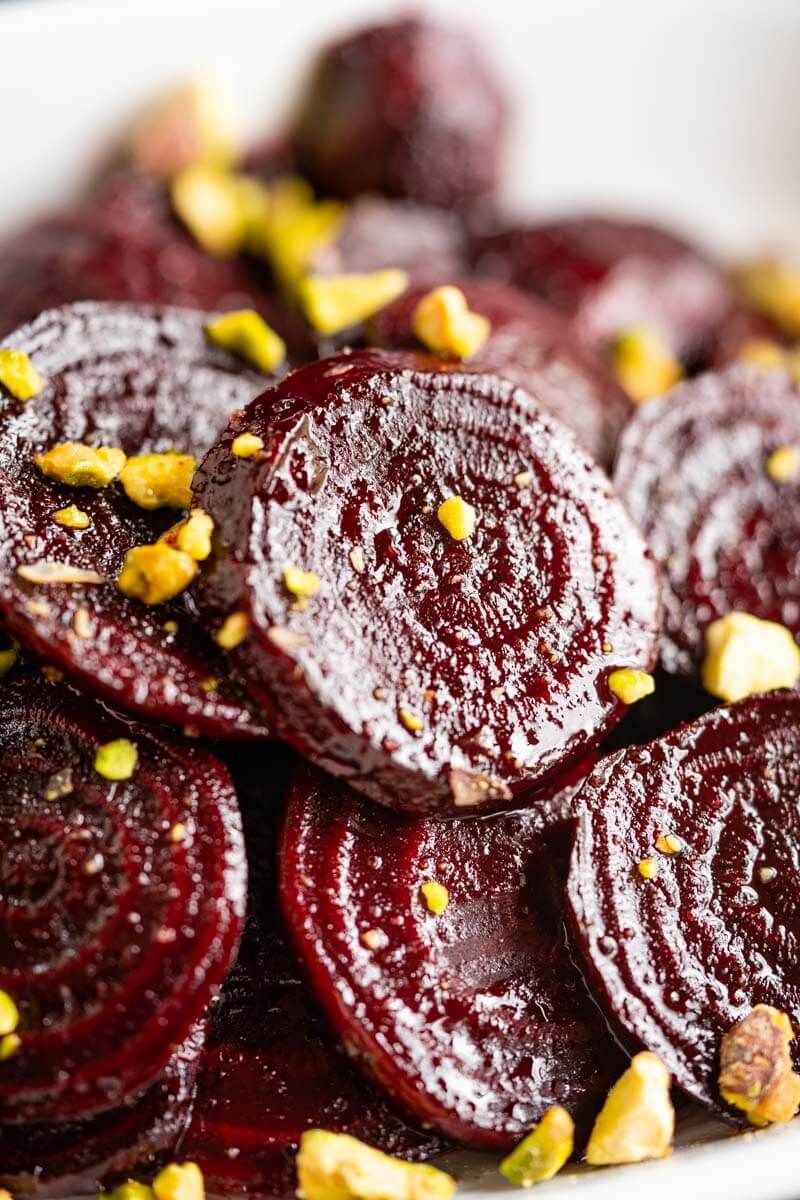
Beets might not be the first thing you picture when you think of something sweet, but these earthy root vegetables have a naturally high sugar content that surprises most people. In fact, about 20% of the world's sugar supply actually comes from sugar beets.
Roasting or juicing beets brings out their sweetness beautifully. Blended into chocolate cake batter, beets add moisture and a subtle sweetness that makes the cocoa flavor pop without needing much added sugar at all.
10. Nutmeg
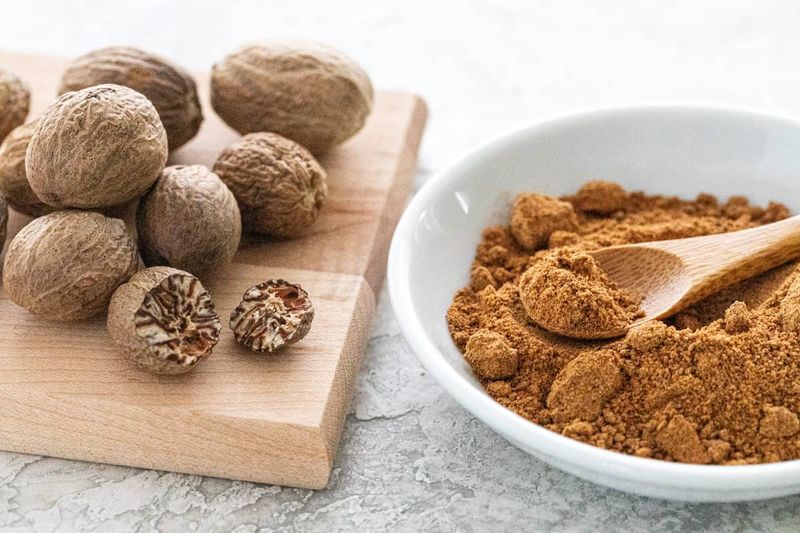
Just a tiny grating of nutmeg can completely change the personality of a dish. It adds a warm, spicy-sweet depth that feels cozy and comforting, like something your grandmother might have used in her secret recipe.
Nutmeg works especially well in baked goods, warm drinks, and creamy sauces. It enhances the perception of sweetness without contributing any sugar.
Fun fact: nutmeg was so valuable in the 17th century that wars were actually fought over control of the islands where it grew.
11. Star Anise
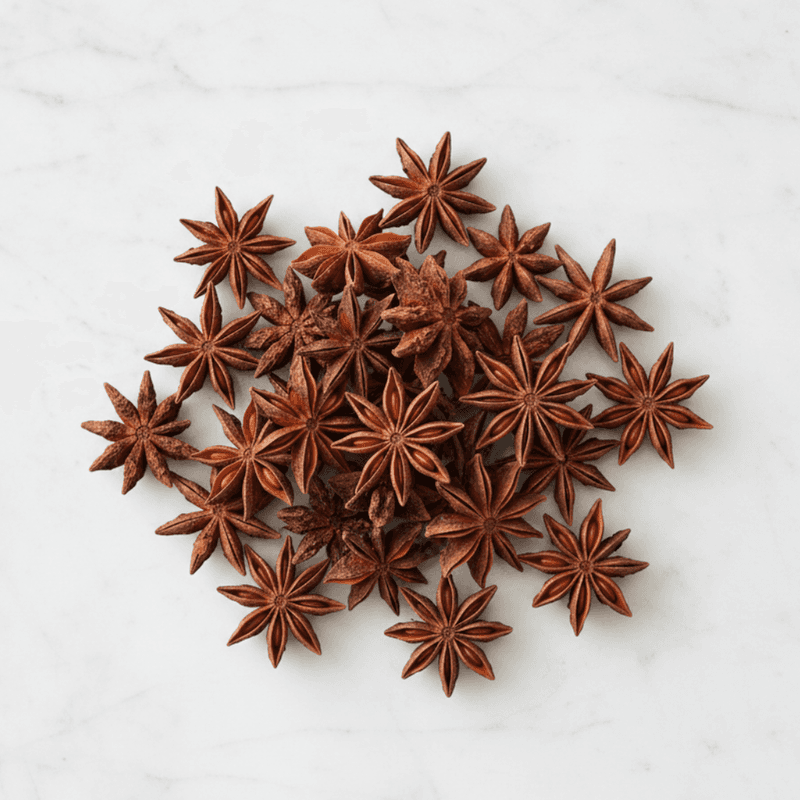
Star anise looks like it belongs in a fairy tale — a perfectly symmetrical, star-shaped spice with a bold licorice-like sweetness that's hard to forget. A single pod can perfume an entire pot of broth or mulled drink.
Used in Chinese five-spice blends and Vietnamese pho, star anise contributes a deep, sweet aromatic quality that makes dishes taste more complex. It pairs wonderfully with pears, plums, and warm winter drinks.
The sweetness it delivers is powerful, so a little truly goes a long way.
12. Fennel
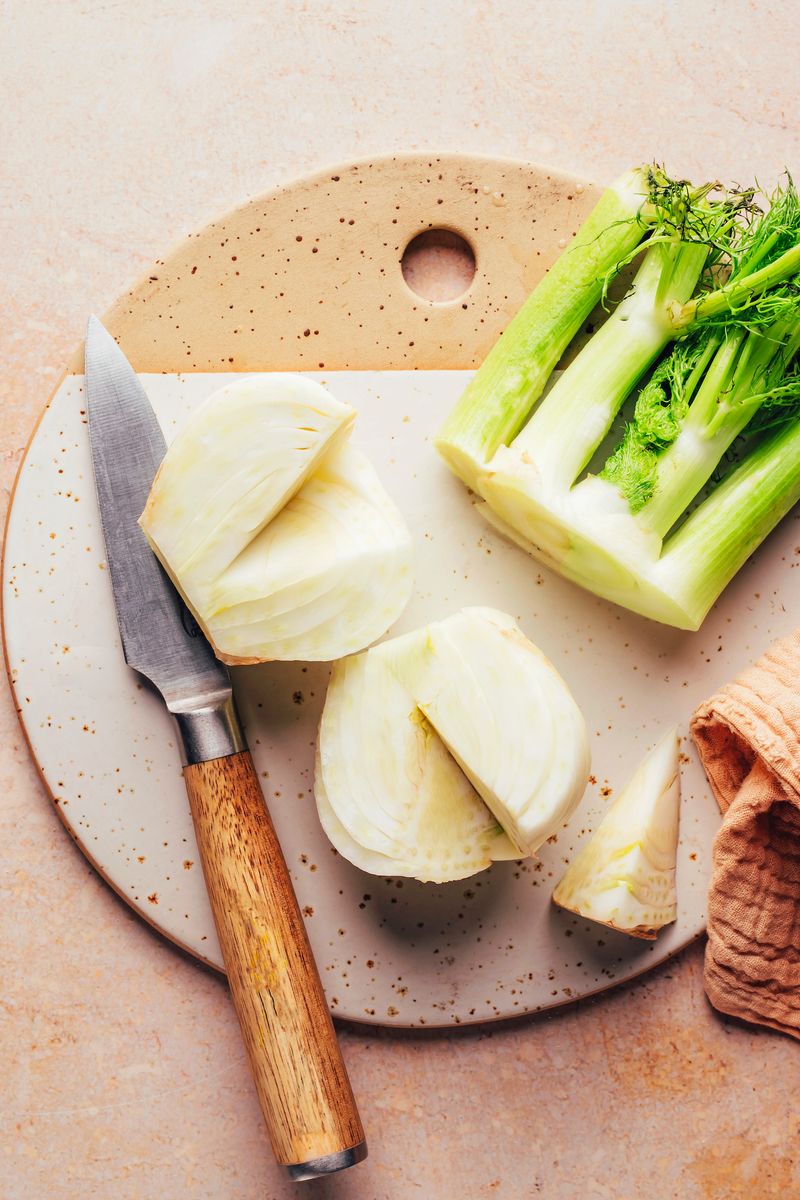
Fennel has a mild, anise-like sweetness that feels refreshing and light. When eaten raw, the crisp bulb tastes almost like a sweet vegetable candy, especially when paired with citrus in a salad.
Roasting fennel softens its texture and intensifies its natural sweetness even further, making it a wonderful side dish without any added sugar needed. The feathery green fronds on top are edible too and add a gentle herbal-sweet note to dishes.
It's a vegetable that genuinely rewards curiosity.
13. Caramelized Onions
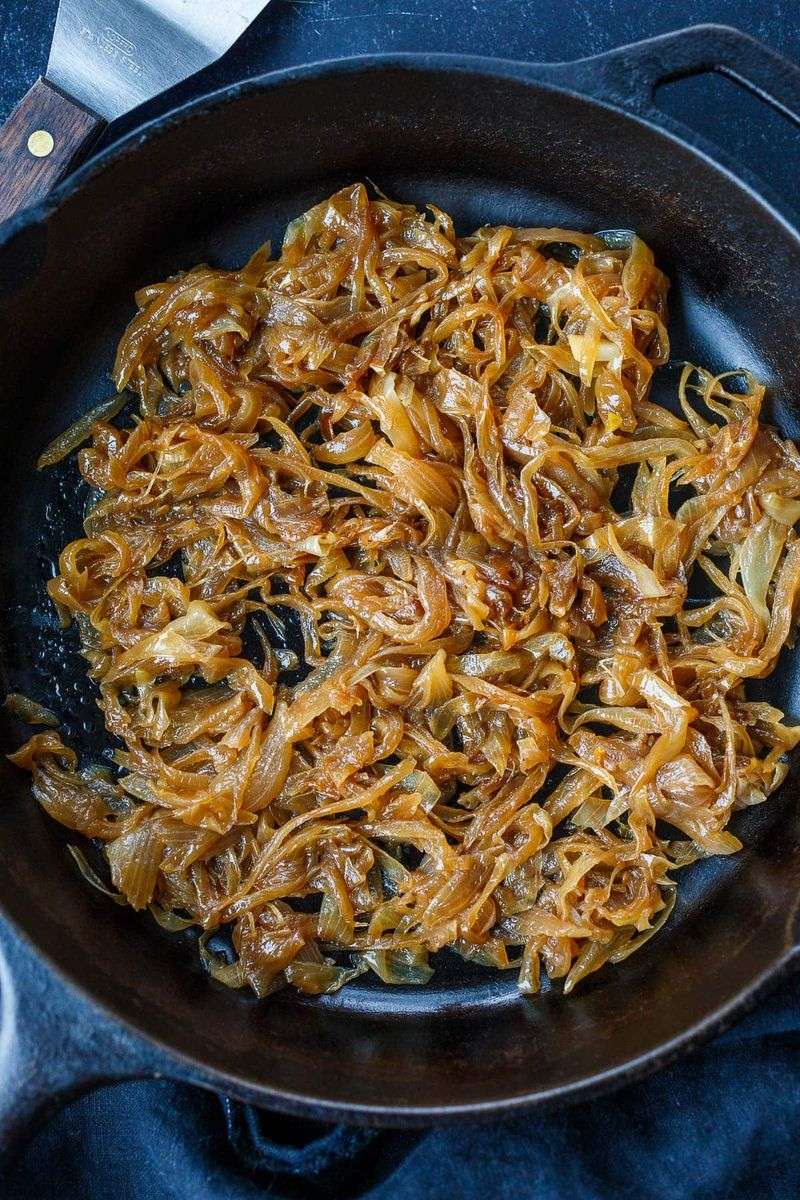
Nobody looks at a raw onion and thinks dessert, but cook one low and slow for 45 minutes and something magical happens. Caramelized onions develop a rich, jammy sweetness that can make burgers, pasta, and flatbreads taste extraordinary.
The slow cooking process breaks down the onion's sulfur compounds and converts its starches into natural sugars. The result is deeply golden, sticky, and sweet enough to eat straight from the pan.
Patience is the only real ingredient required to unlock this transformation.
14. Mango
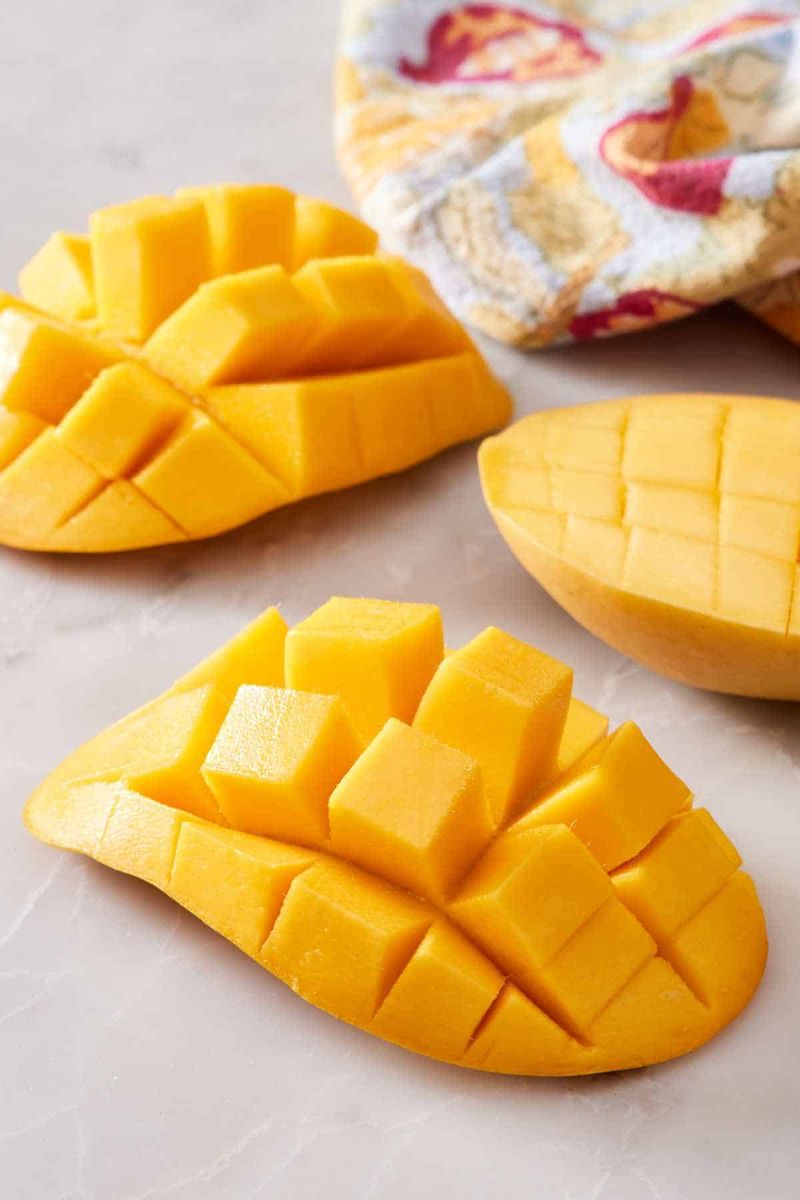
Biting into a perfectly ripe mango is one of those experiences that feels like pure joy. The flesh is so intensely sweet and juicy that it's hard to believe no one added anything to it.
Mangoes contain natural fructose that delivers sweetness along with vitamin C, folate, and fiber. Blended into dressings, smoothies, or salsas, mango adds tropical sweetness without a single teaspoon of sugar.
There are over 500 varieties of mango worldwide, each with its own unique flavor personality.
15. Almond Extract
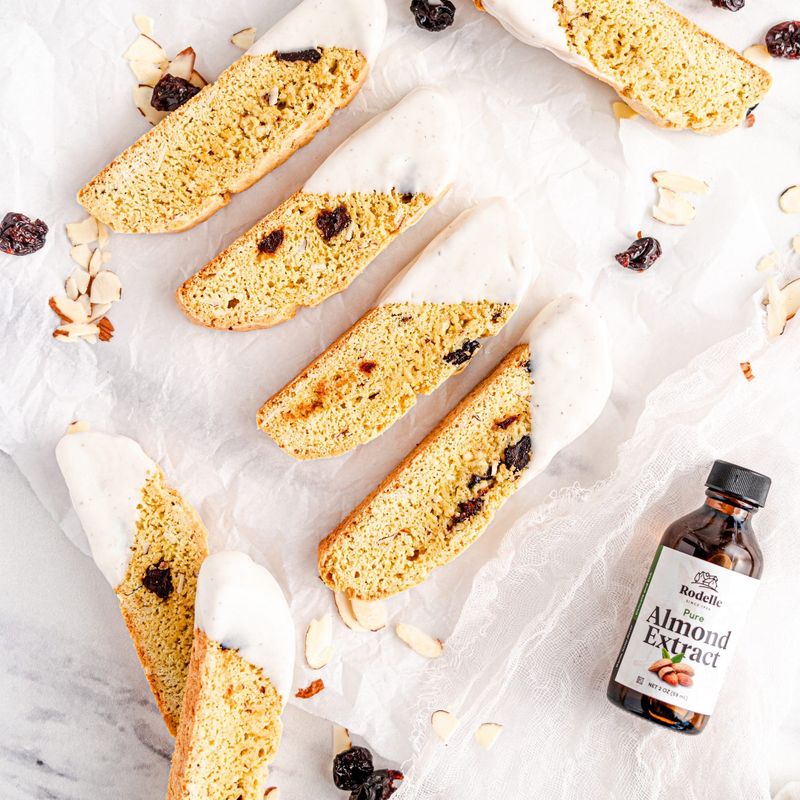
Almond extract is like vanilla's more dramatic cousin — a few drops deliver an intensely sweet, marzipan-like flavor that makes baked goods taste bakery-worthy. It's surprisingly powerful, and even a quarter teaspoon makes a noticeable difference.
Made from bitter almond oil, this extract enhances the perception of sweetness without adding any sugar or calories. It works beautifully in cookies, cakes, and even fruit salads.
Mixing a drop into plain Greek yogurt with some berries instantly turns a healthy snack into something that tastes indulgent.
16. Butternut Squash
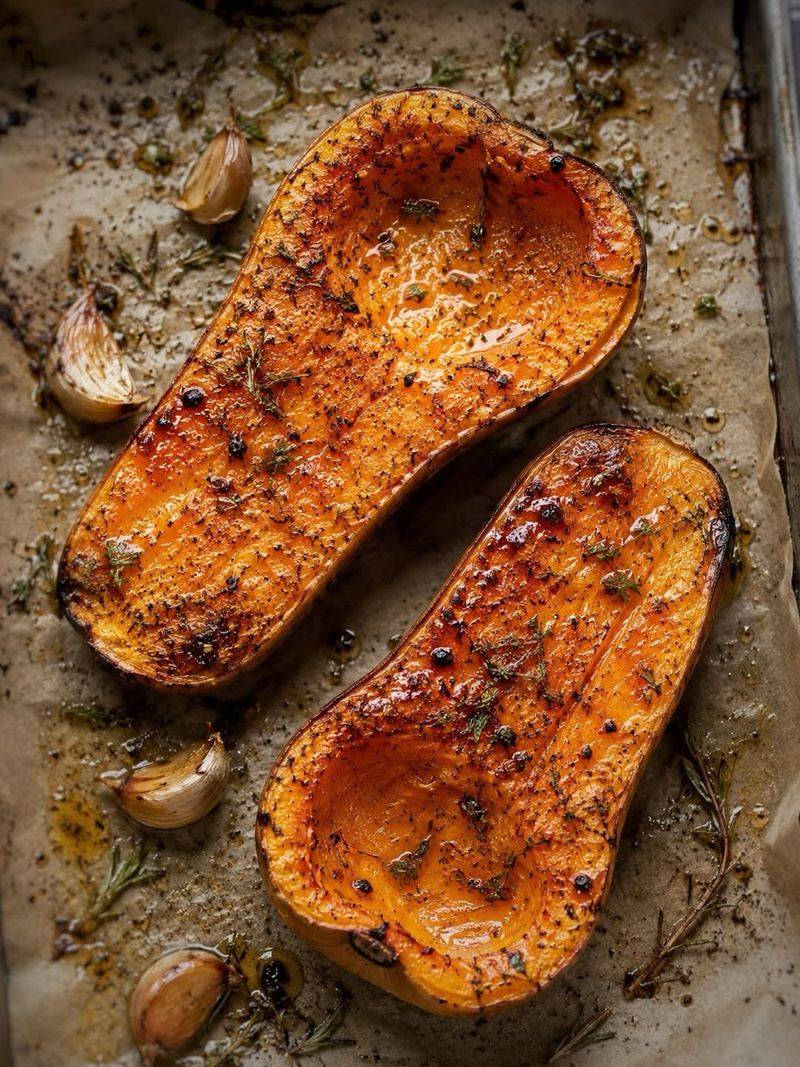
Butternut squash has a buttery, nutty sweetness that makes it one of the most comforting vegetables of the fall season. When roasted, its natural sugars concentrate and its flesh turns silky and almost honey-like in flavor.
Pureed butternut squash can replace some of the sugar in muffin and pancake recipes while also adding creaminess and nutrients. It's packed with vitamin A and potassium.
Soup made from roasted butternut squash needs very little seasoning because the vegetable itself brings so much natural depth and sweetness.




Comments
No Comments