













Sometimes lemon just isn't an option, whether you've run out, can't eat citrus, or simply want to try something new. Luckily, there are plenty of other ingredients that can bring that same zingy, fresh, mouth-watering brightness to your cooking.
From tangy vinegars to fruity powders, nature has given us a whole pantry of flavor boosters. Get ready to discover 16 amazing ingredients that can light up any dish without a single squeeze of lemon.
1. Sumac
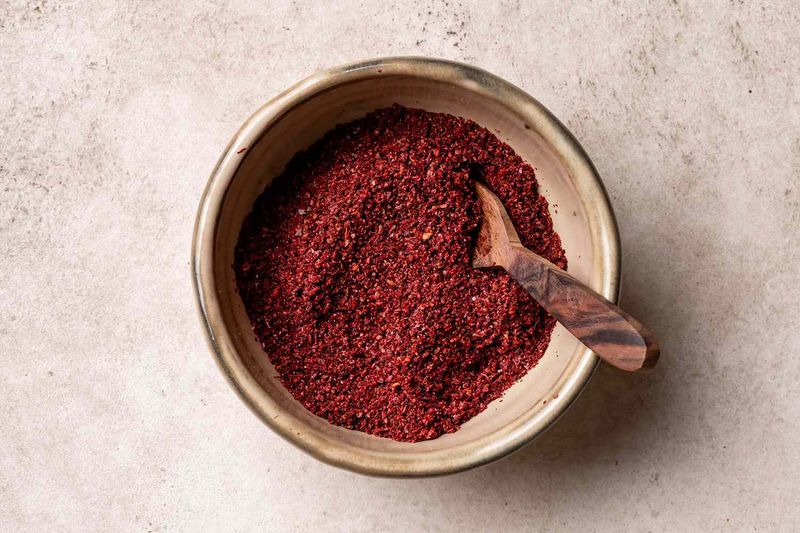
Tart, fruity, and a little mysterious, sumac is one of the most underrated spices in the kitchen. Ground from dried red berries, it delivers a tangy punch that tastes almost like lemon zest without any actual citrus.
Middle Eastern cooks have used it for centuries on everything from grilled meats to salads.
Sprinkle it on hummus, roasted vegetables, or even popcorn for an instant brightness upgrade. A little goes a long way.
2. White Wine Vinegar
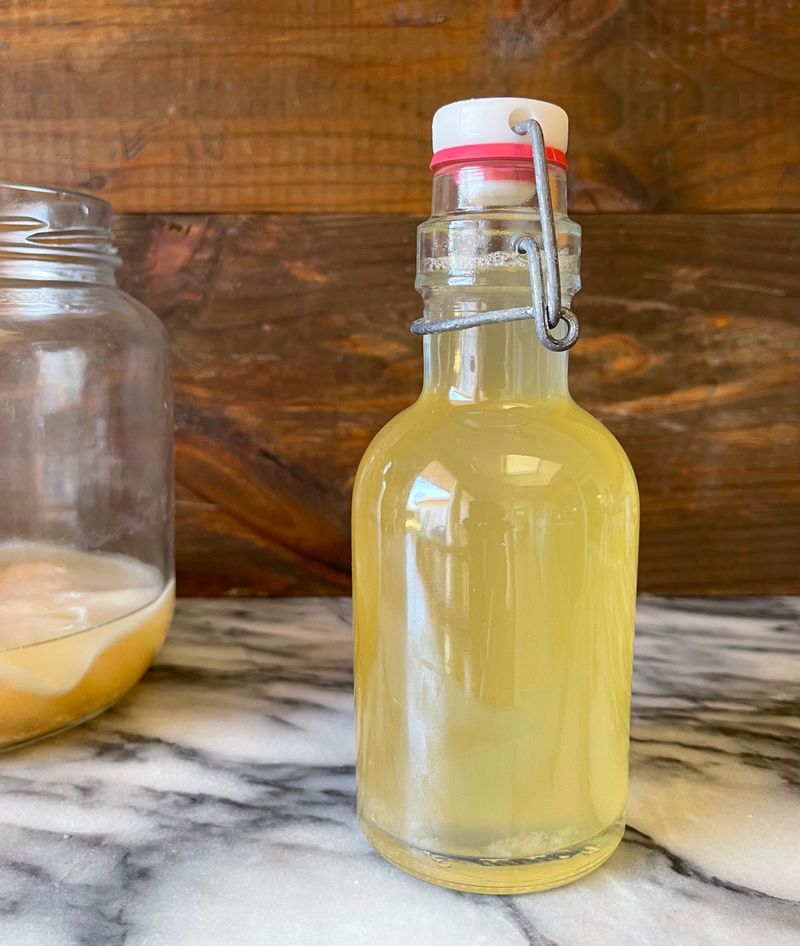
Sharp, clean, and surprisingly elegant, white wine vinegar brings a gentle acidity that wakes up a dish without overpowering it. Made from fermented white wine, it carries subtle fruity notes that make it feel lighter than regular distilled vinegar.
Chefs love it in vinaigrettes and sauces where balance matters most.
Try it in pasta salads, pickled vegetables, or a quick pan sauce. It brightens flavors in a way that feels almost effortless.
3. Tamarind
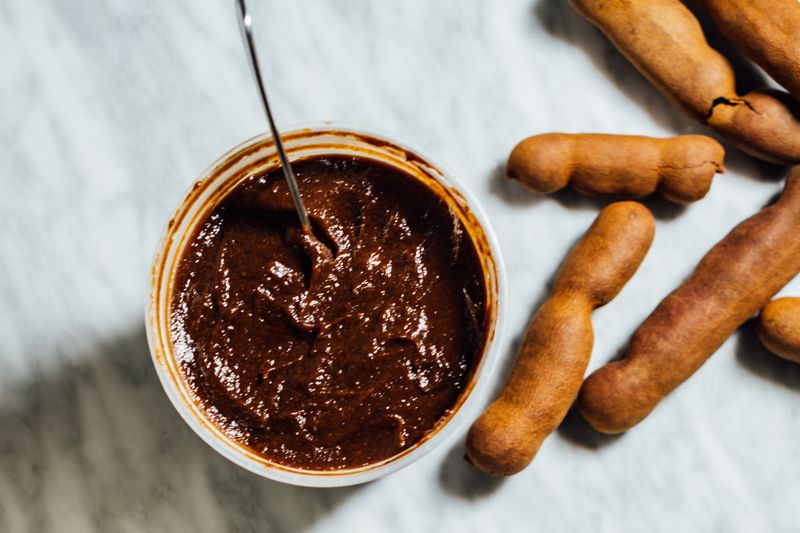
Sweet, sour, and deeply complex, tamarind is like nothing else in the pantry. This sticky brown fruit paste is used in everything from Indian chutneys to Mexican candy, and it adds a rich, tangy depth that no other ingredient quite matches.
It's both bold and layered, making dishes feel more complete.
Stir it into soups, marinades, or stir-fries to create that signature brightness. Even a small spoonful transforms a flat dish into something exciting.
4. Verjuice
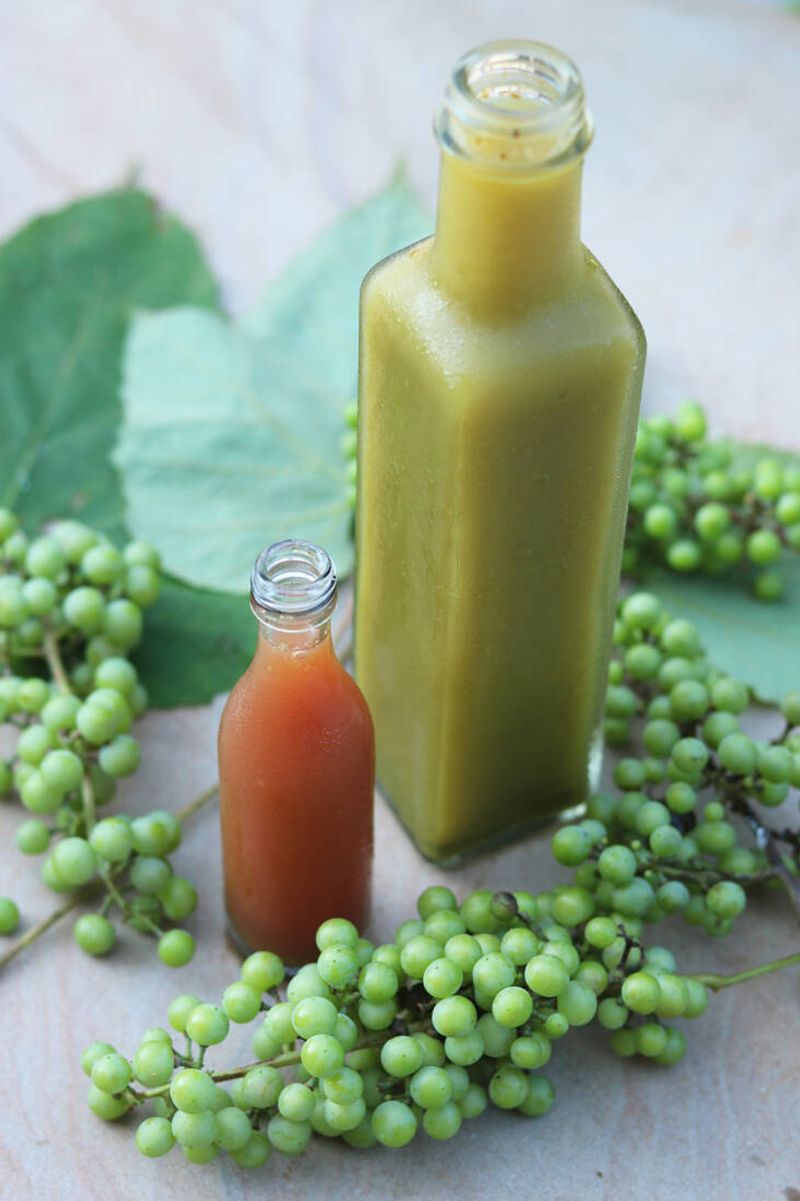
Pressed from unripe grapes, verjuice is one of cooking's best-kept secrets. It has a mellow, wine-like acidity that's softer than vinegar and more complex than plain citrus juice.
Restaurants use it in sauces, dressings, and braises where they want brightness without sharpness.
Home cooks can swap it in anywhere a recipe calls for lemon juice or white wine. It plays beautifully with cream sauces, roasted poultry, and fresh salads alike.
5. Amchur (Dried Mango Powder)
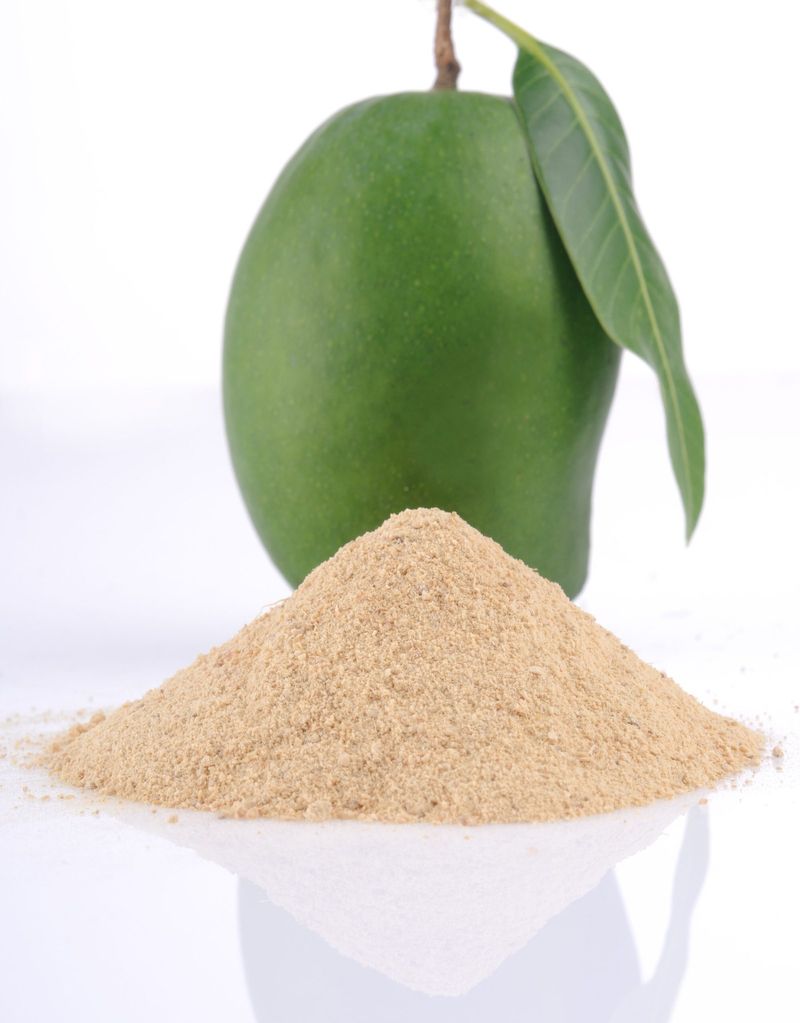
Made from sun-dried unripe mangoes, amchur is a powdered flavor bomb used widely in Indian cooking. It carries a fruity tartness that feels both bright and slightly sweet at the same time, making dishes taste more alive.
Unlike liquid acids, it blends seamlessly into dry rubs and spice mixes.
Dust it over fried snacks, lentil soups, or roasted chickpeas. It adds a punch of brightness that surprises even experienced cooks who discover it for the first time.
6. Apple Cider Vinegar
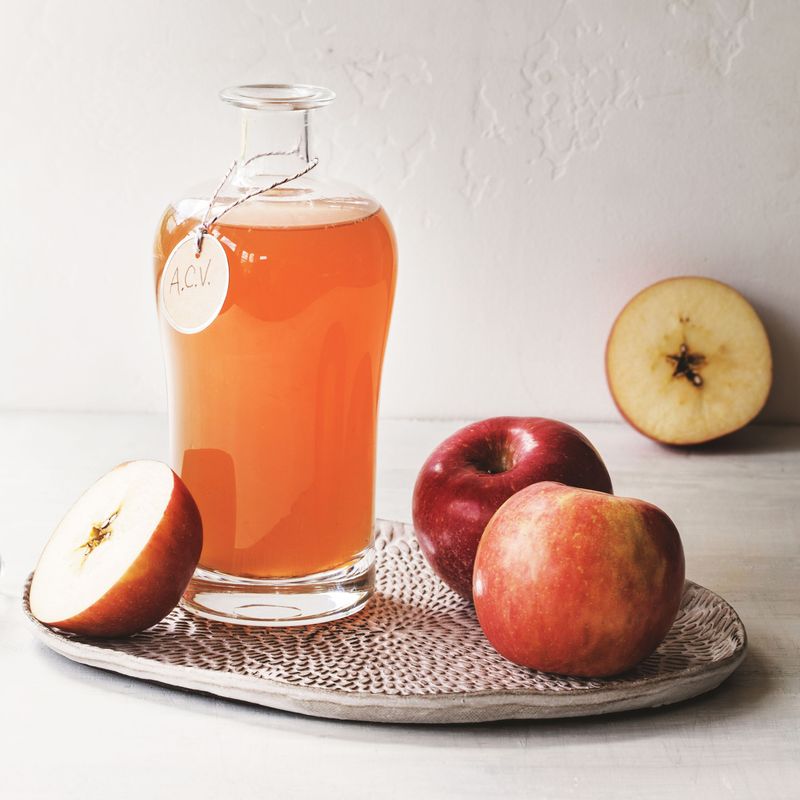
Apple cider vinegar has earned its reputation as a kitchen superstar for very good reason. Its fruity tang adds brightness and a mild sweetness that works in both savory and sweet dishes.
Many people also love it in salad dressings, slaws, and marinades because it softens other ingredients while lifting the whole flavor profile.
A small splash into soups or bean dishes right before serving makes a noticeable difference. It's a simple trick with a big payoff.
7. Sorrel Leaves
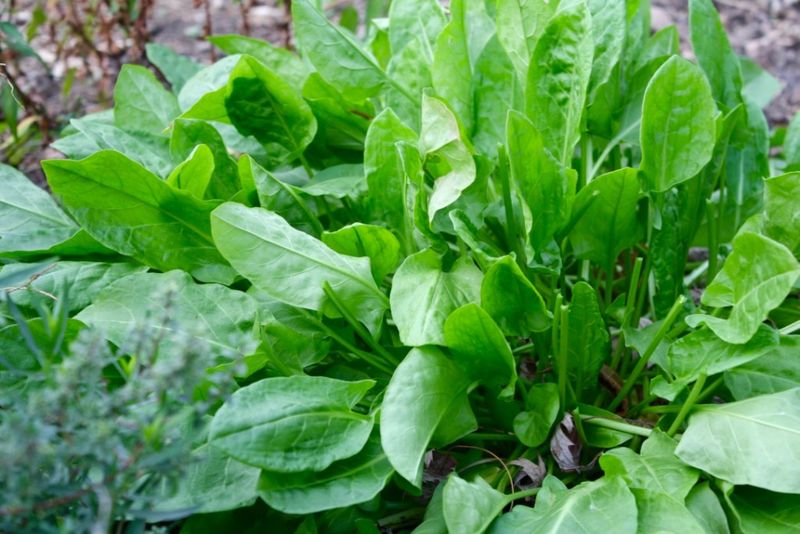
Chew on a sorrel leaf and you'll immediately understand why cooks treasure it. This leafy green herb tastes naturally sour and tangy, almost like a lemon-flavored salad green, because it contains oxalic acid.
French and West African cuisines have used it for generations to brighten soups, sauces, and salads.
Blend it into a creamy soup or toss raw leaves into a salad for an instant flavor lift. Sorrel is proof that brightness can come straight from the garden.
8. Pomegranate Molasses
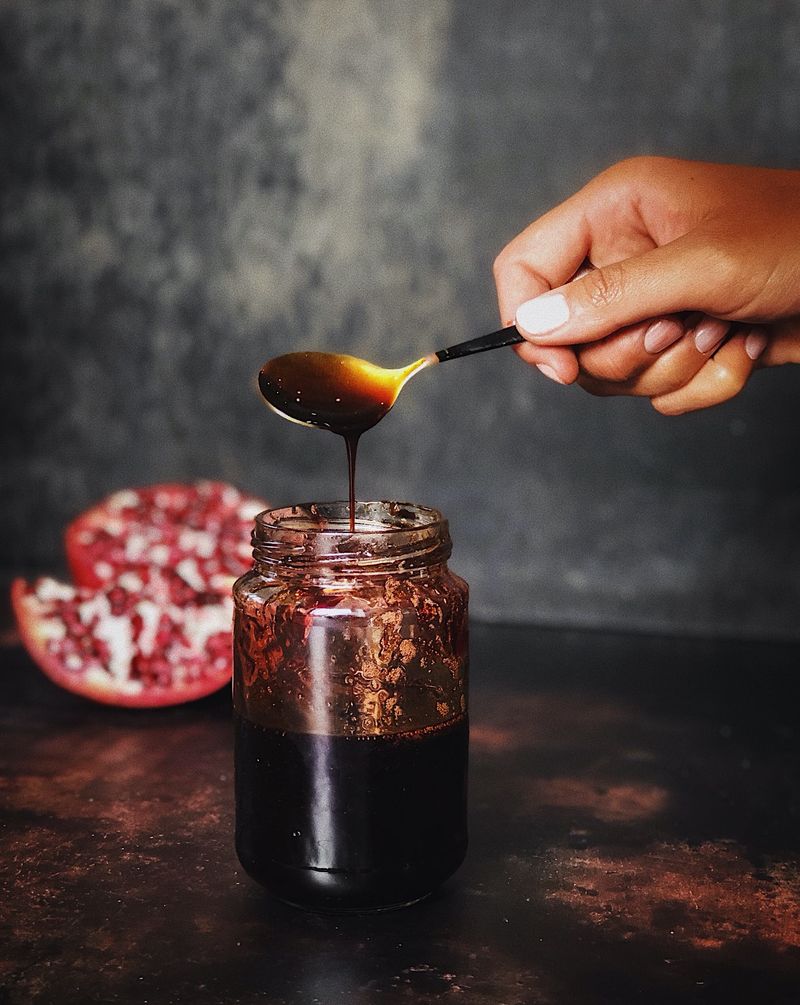
Thick, glossy, and intensely tart, pomegranate molasses is one of those ingredients that makes people stop mid-bite and ask what's in this. Reduced from pomegranate juice, it concentrates all the fruit's natural tartness into a syrupy drizzle that adds brightness, color, and depth all at once.
Drizzle it over roasted eggplant, use it in salad dressings, or stir it into marinades for grilled chicken. It's a showstopper ingredient that works in both sweet and savory recipes.
9. Lime Juice
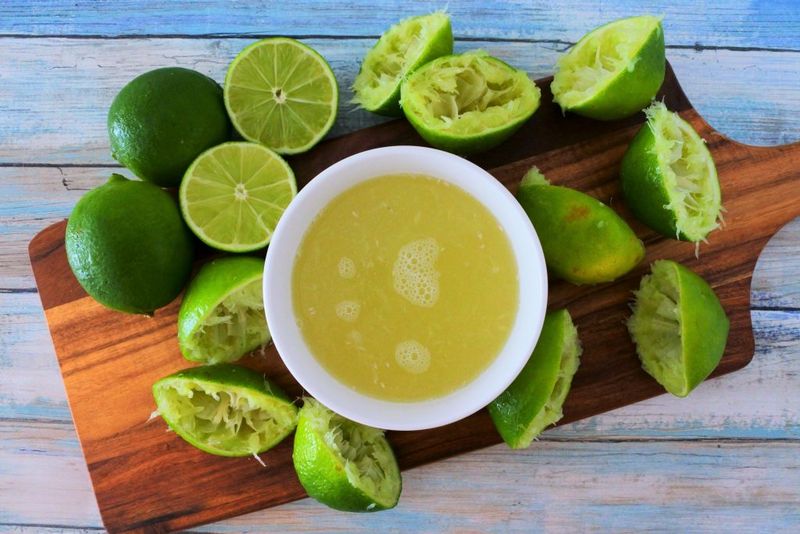
Lime is lemon's close cousin, but it has a personality all its own. Sharper, slightly more floral, and with a distinctive tropical edge, lime juice brings brightness in a way that feels fresh and lively.
It's the star ingredient in Mexican salsas, Thai salads, and Caribbean marinades for a reason.
Squeeze it over tacos, stir it into guacamole, or add it to a cold noodle dish. Lime turns ordinary food into something that feels like a vacation on a plate.
10. Tomato (Fresh or Paste)
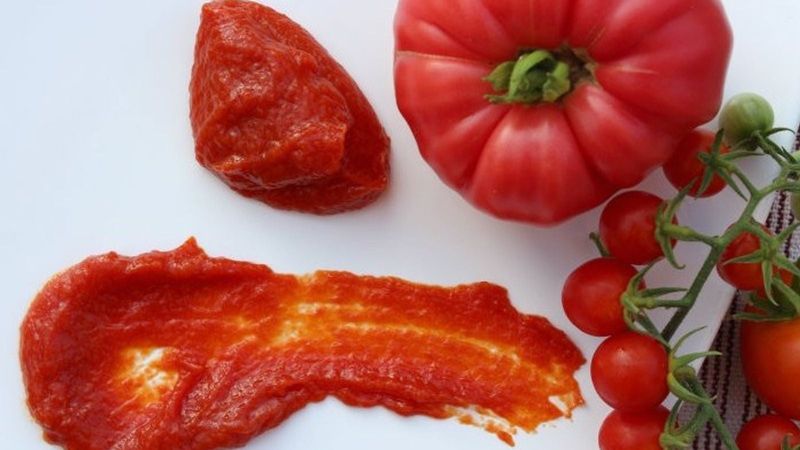
Tomatoes are one of the most naturally acidic ingredients in the kitchen, yet people rarely think of them as a brightness tool. Fresh tomatoes add a juicy, tangy lift to sauces, soups, and salads, while tomato paste concentrates that tartness into a deeper, more complex punch.
Either form works beautifully to balance richness in a dish.
Add chopped fresh tomato to a grain bowl or stir a spoonful of paste into a stew. The brightness it adds feels natural and completely satisfying.
11. Kefir or Buttermilk
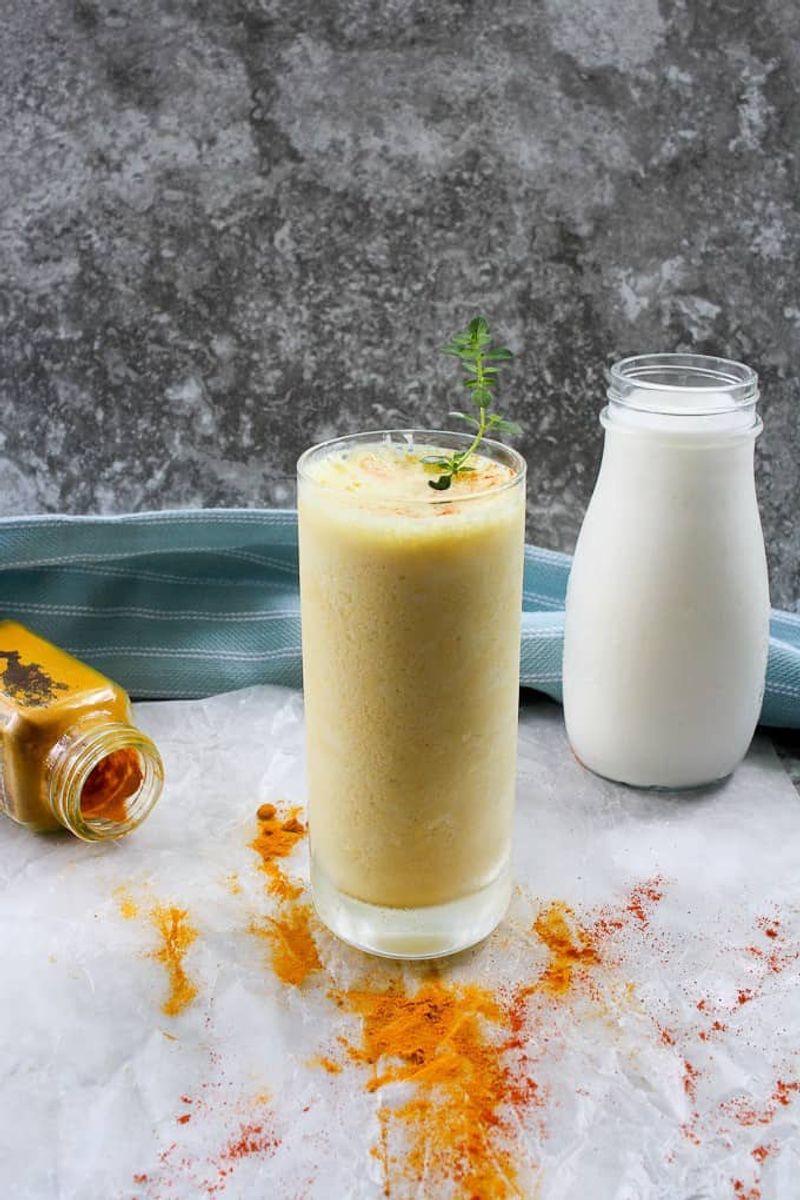
Tangy dairy products like kefir and buttermilk do something magical in cooking: they add brightness through lactic acid, which is softer and creamier than citrus or vinegar. This makes them perfect in baked goods, dressings, and marinades where you want a gentle lift rather than a sharp jolt of acidity.
Use buttermilk in pancake batter for a light, fluffy result, or drizzle kefir-based dressing over a salad. Both bring a subtle tang that makes food taste fresher.
12. Vinegar-Based Hot Sauce
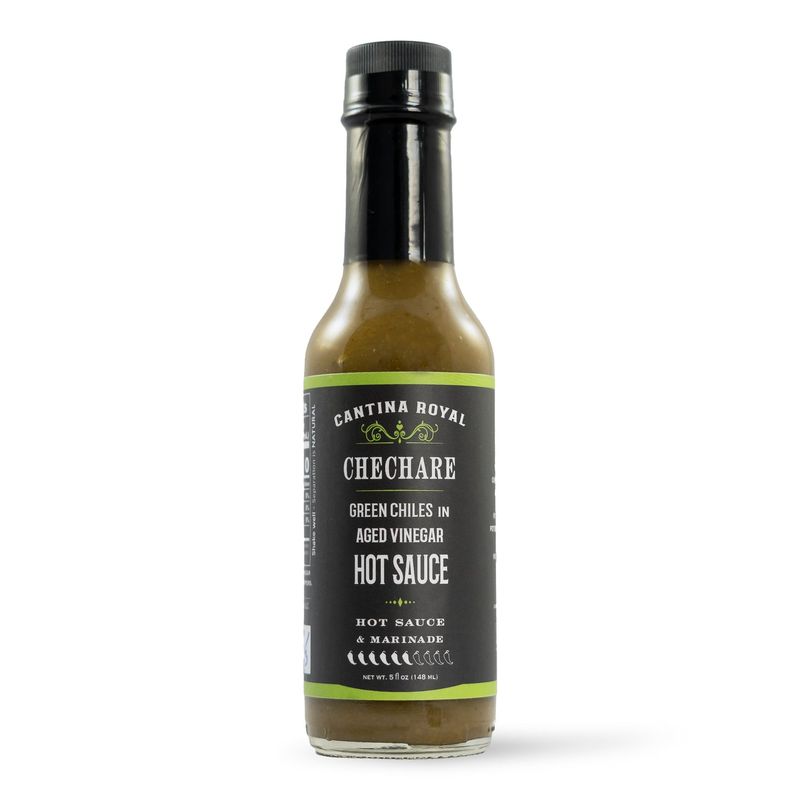
Forget heat for a second, because vinegar-based hot sauces like Tabasco or Crystal bring serious brightness to a dish. The vinegar in these sauces acts as an acid that sharpens flavors and cuts through richness, all while adding just a little kick.
That's why a few dashes on scrambled eggs or collard greens transforms them completely.
Add it to soups, stews, or even mac and cheese for a tangy brightness. The heat is a bonus, but the real magic is the vinegar.
13. Rhubarb
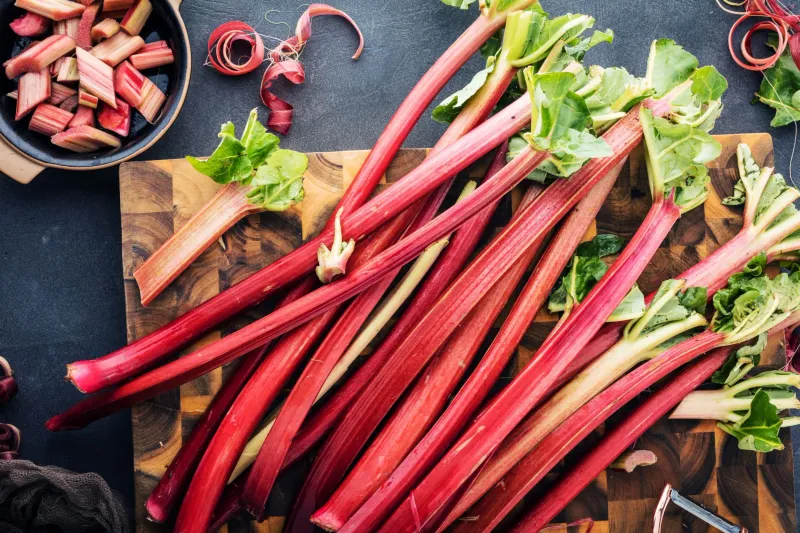
Most people think of rhubarb only in strawberry pies, but this boldly sour stalk deserves a much bigger role in the kitchen. Raw rhubarb is intensely tart and almost shockingly acidic, which makes it a powerful tool for adding brightness to both sweet and savory dishes.
Scandinavian and Persian cuisines have long used it in savory sauces and stews.
Simmer it into a compote for grilled pork or stir it into a chutney. Rhubarb is sour, striking, and completely unforgettable.
14. Capers
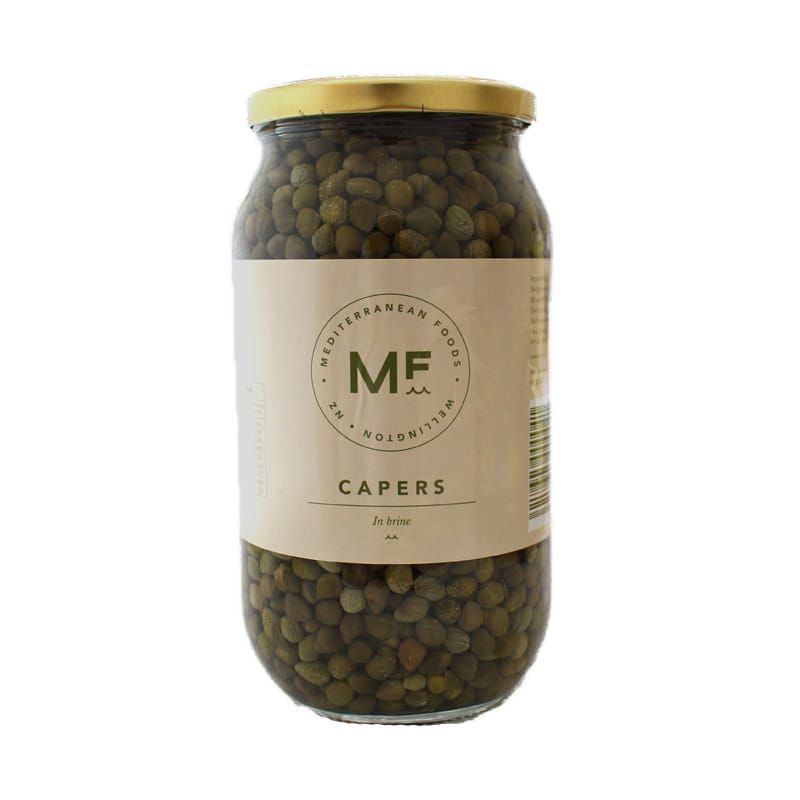
Tiny but mighty, capers pack a salty, briny, and slightly tangy punch that adds brightness in a very unique way. These little flower buds are pickled in vinegar or salt, which gives them their characteristic puckery flavor.
Mediterranean cooks have relied on them for centuries to balance rich fish dishes, creamy pastas, and hearty meat sauces.
Toss them into a pasta puttanesca, scatter them over smoked salmon, or stir them into a tartare sauce. A small handful changes everything.
15. Yuzu Juice
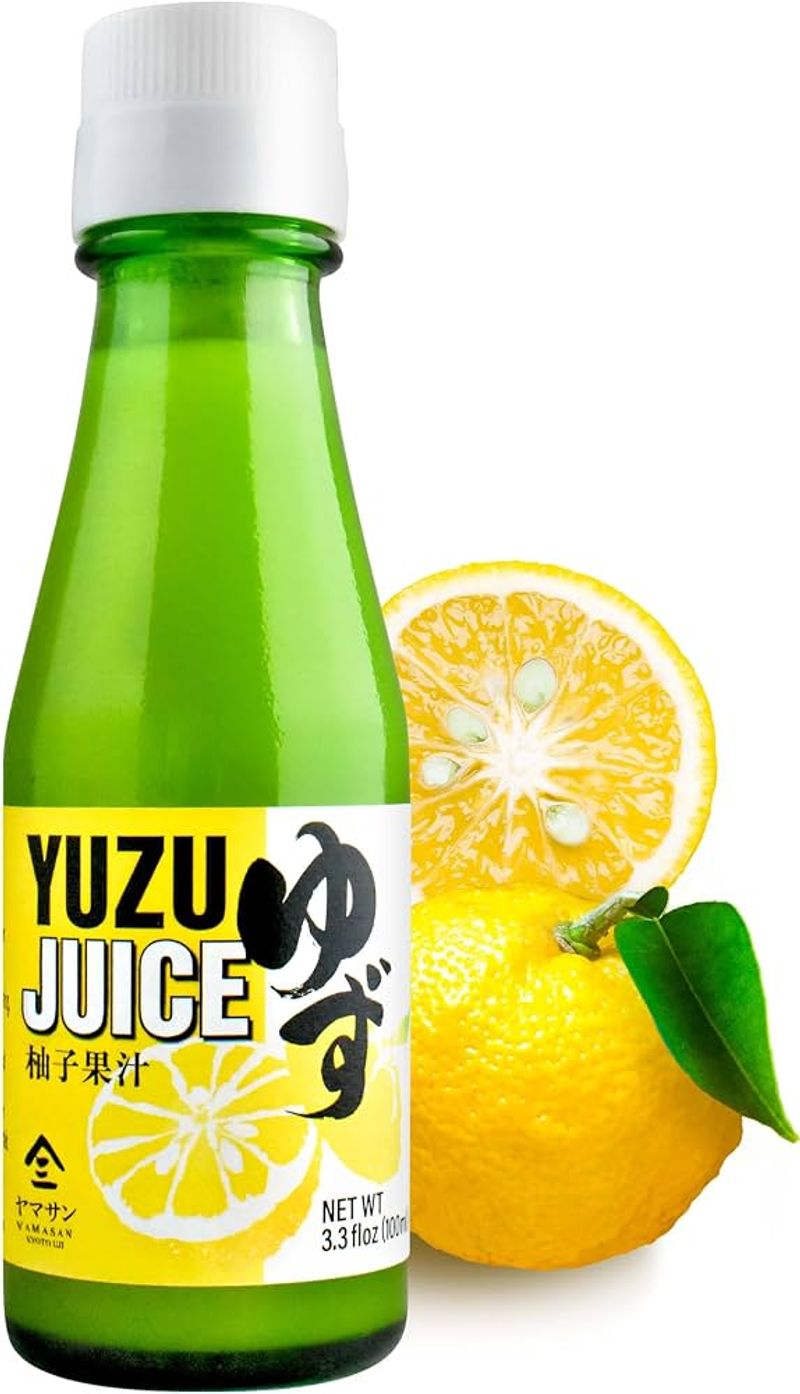
Yuzu is a Japanese citrus fruit that tastes like a mysterious blend of grapefruit, mandarin, and lime, and its juice is one of the most prized brightening agents in Asian cooking. It's floral, tart, and incredibly aromatic, adding a brightness that feels delicate yet powerful at the same time.
High-end restaurants around the world use it to finish dishes with elegance.
A few drops in a dressing, dipping sauce, or dessert goes an incredibly long way. Yuzu juice is rare, but worth every drop.
16. Hibiscus (Dried Flowers or Powder)
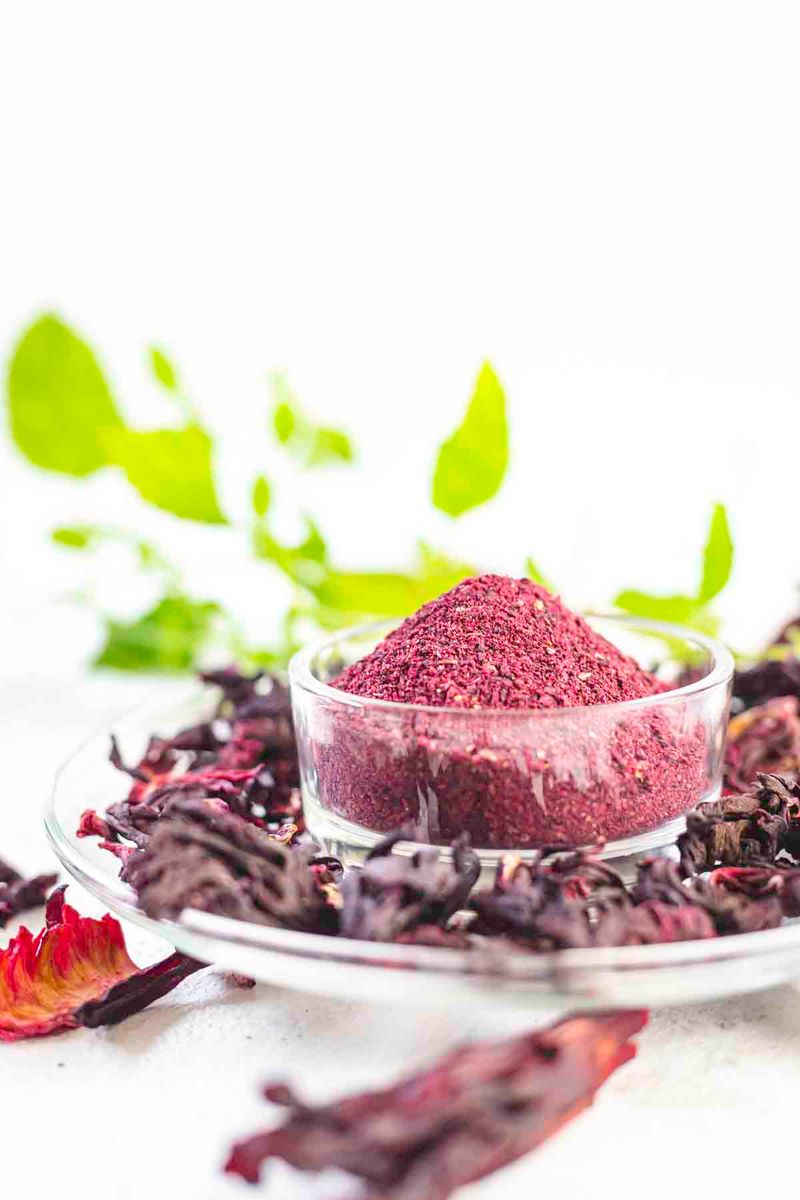
Hibiscus brings a bright, cranberry-like tartness that is completely unique among natural flavor boosters. Dried hibiscus flowers steeped in liquid release a stunning ruby color and a tangy, floral acidity that can brighten sauces, drinks, and even savory dishes.
Mexican agua de jamaica and West African sobolo both celebrate this ingredient for exactly that reason.
Use hibiscus powder in spice rubs or stir brewed hibiscus tea into a glaze. It's a flavor that's as beautiful to look at as it is to taste.



Comments
No Comments