













Some ingredients start out bold, sharp, or even bitter, but a little extra time on the stove can completely transform them. Heat breaks down the compounds that cause strong flavors, turning them into something much softer and sweeter.
This magical cooking trick is used all around the world, from slow-simmered stews to roasted vegetables. Knowing which ingredients mellow out with long cooking can help you build richer, more balanced meals.
1. Garlic
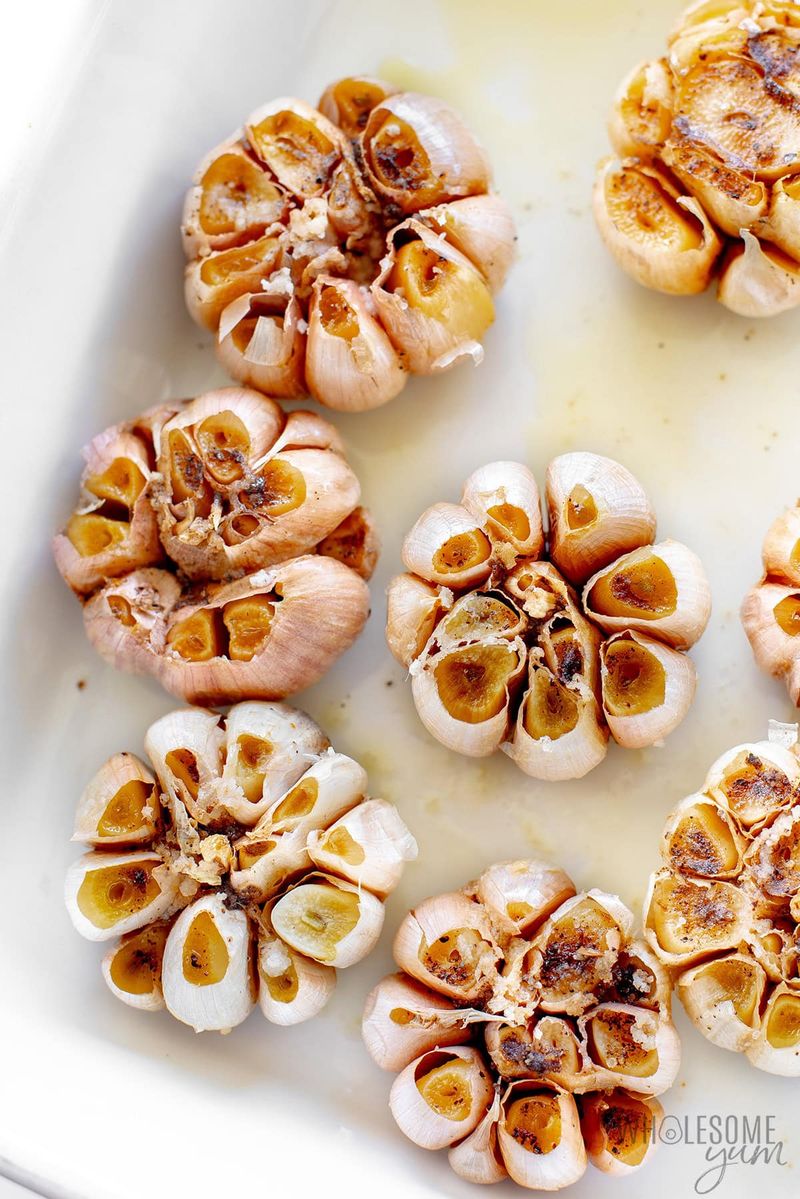
Raw garlic can clear a room with its sharp, almost spicy punch. But when you roast or slow-cook garlic, something amazing happens.
The heat breaks down the sulfur compounds responsible for that intense bite.
After about 40 minutes in the oven, garlic becomes buttery, sweet, and almost nutty. You can spread it on toast like jam.
Many chefs call slow-roasted garlic one of the most underrated flavor boosters in the kitchen.
2. Onions
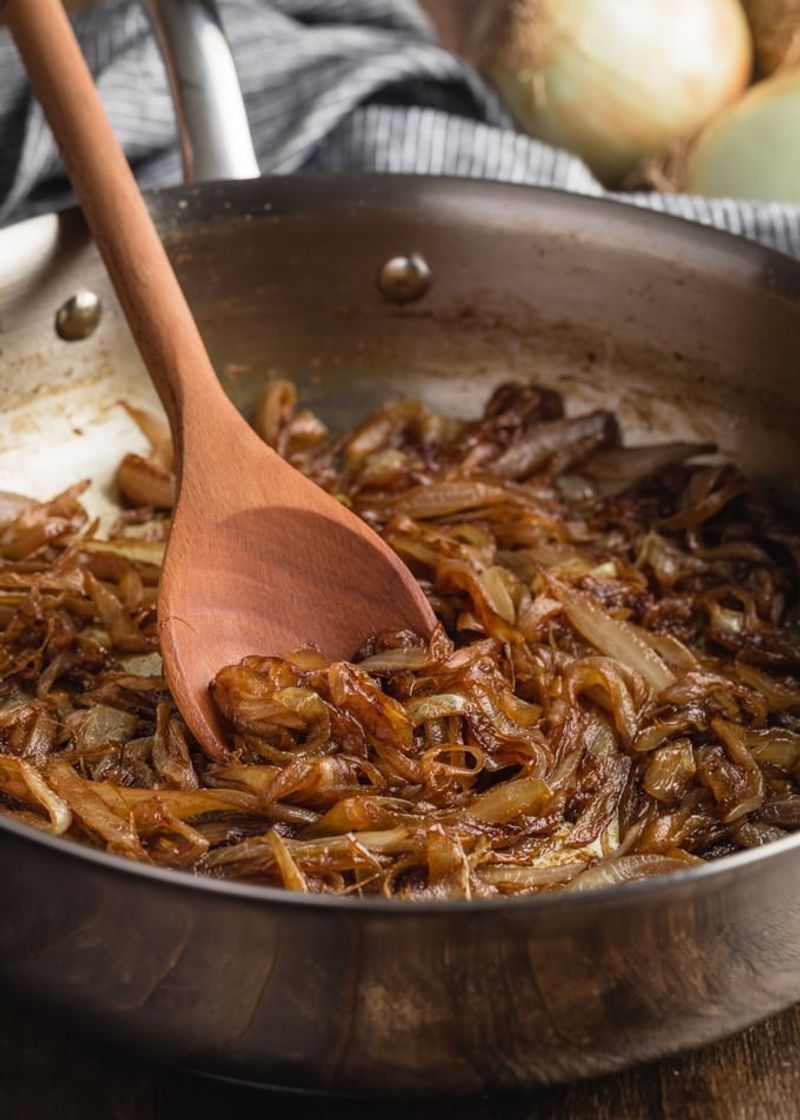
Fresh onions have a sharp, almost eye-watering bite that many people find overwhelming when eaten raw. Cooking changes everything.
The longer onions sit over low heat, the more their natural sugars are released.
This process, called caramelization, turns them soft, golden, and wonderfully sweet. French onion soup is a perfect example of this transformation in action.
A little patience at the stove can turn a pungent vegetable into pure comfort food.
3. Chili Peppers

Chili peppers get a lot of credit for their fiery heat, but long cooking can actually dial that fire way down. The capsaicin, which is the compound that causes the burning sensation, breaks apart over time in hot liquid.
Slow-cooked stews and sauces made with dried chilies often taste surprisingly smooth and rich. The heat becomes background warmth rather than an aggressive sting.
That is why a pot of chili tastes better after hours on the stove.
4. Ginger
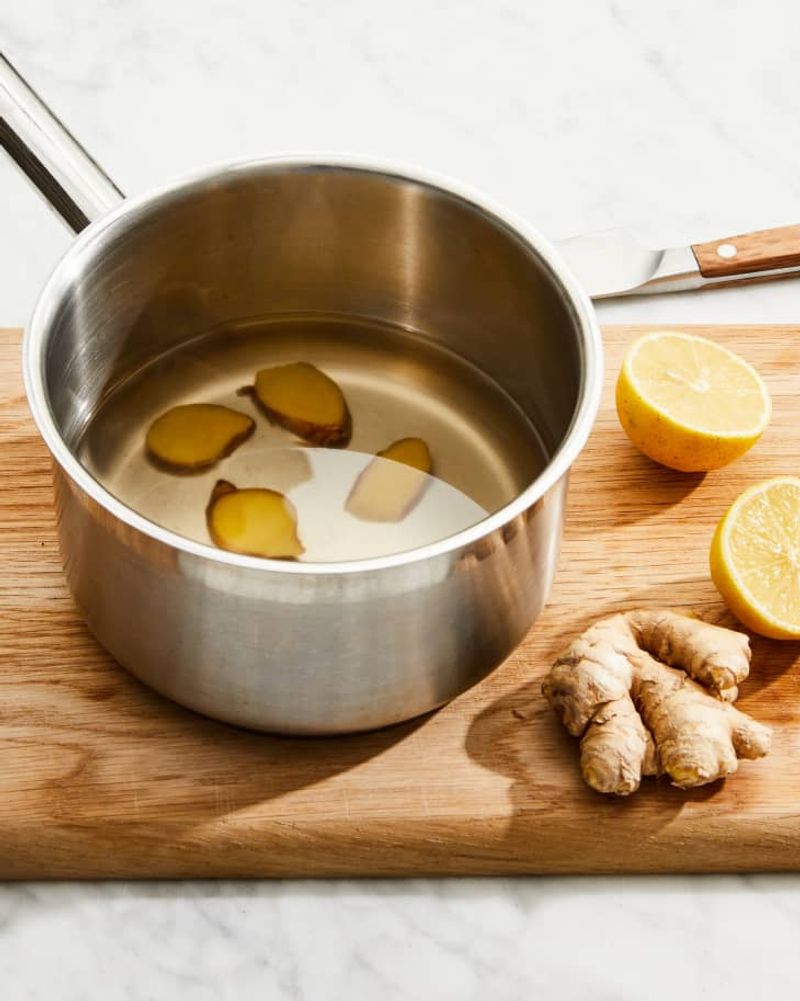
Ginger has a fiery, almost peppery kick when used fresh. It can dominate a dish quickly if you are not careful.
But slow-cooking ginger in soups or braises softens its bold personality considerably.
After a long simmer, ginger lends a warm, slightly sweet earthiness without the sharp zing. Asian braised dishes often rely on this technique to create depth without overwhelming heat.
Letting ginger cook low and slow is a trick seasoned cooks swear by.
5. Leeks

Leeks belong to the same family as onions and garlic, so it is no surprise they start out with a noticeable sharpness. When eaten raw, they have a grassy, slightly pungent flavor that is not for everyone.
Slow cooking transforms leeks into something silky and mild, almost like a gentle onion with a hint of sweetness. They are wonderful braised in butter or added to long-simmered soups.
Their quiet, mellow flavor after cooking makes them a favorite in French cuisine.
6. Celery
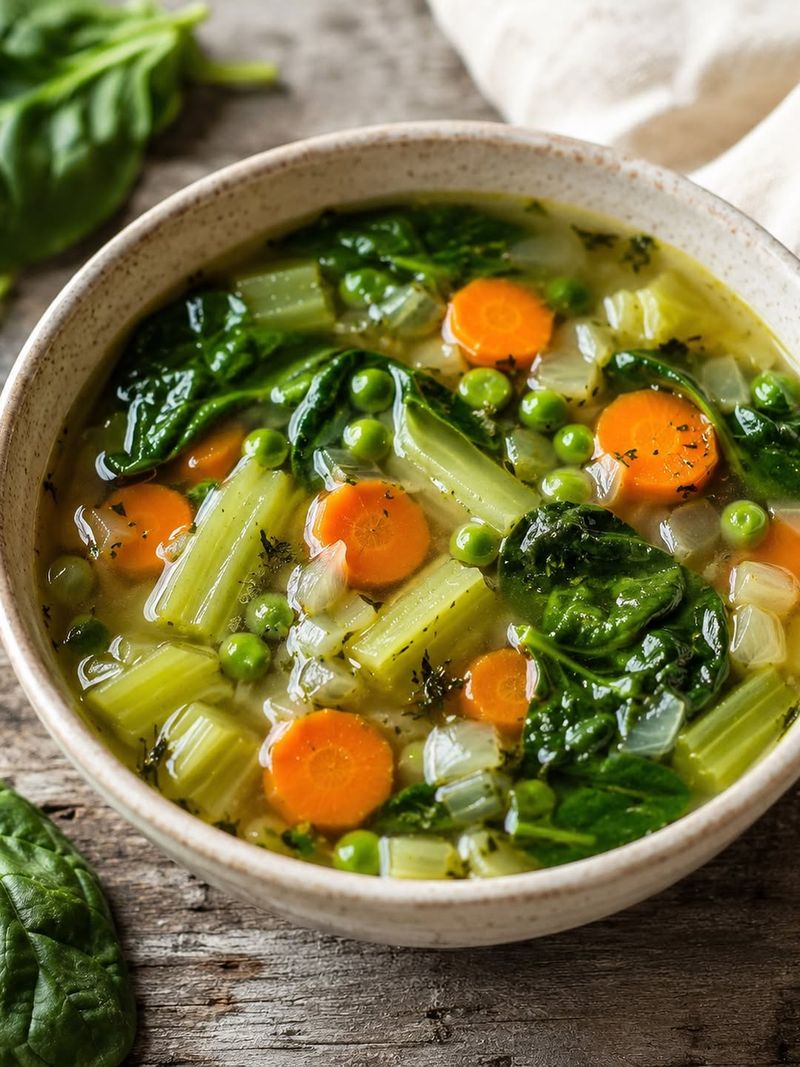
Celery has a bold, slightly bitter, and distinctly vegetal flavor when raw. Many people enjoy it crunchy with dips, but its raw taste can be quite assertive in cooked dishes if not handled right.
Long cooking mellows celery beautifully, letting it fade into the background as a quiet flavor builder. It becomes tender, almost sweet, and blends seamlessly into soups, stews, and braises.
Celery is a classic part of the aromatic base called mirepoix for exactly this reason.
7. Turnips
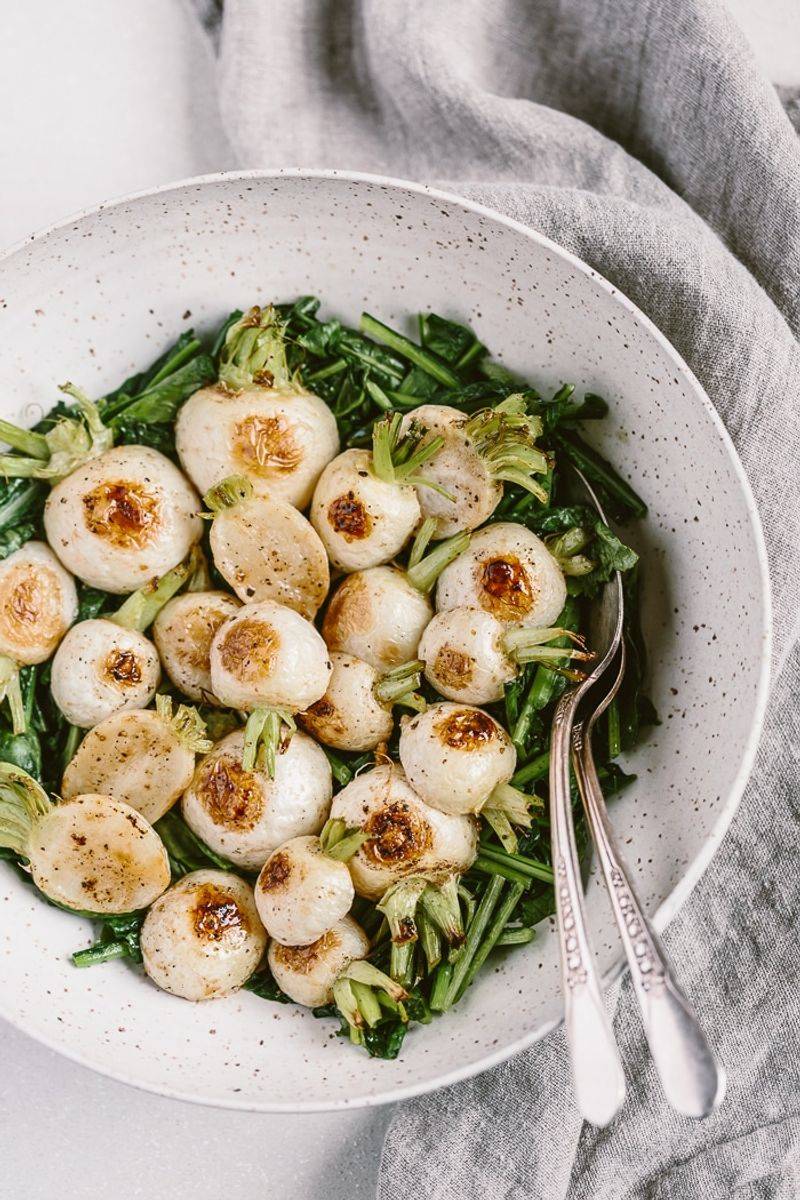
Turnips have a reputation for being sharp and slightly bitter, which puts some people off. Raw turnip has a peppery bite that can feel quite intense, especially to younger eaters.
Roasting or slow-cooking turnips draws out their natural sugars and softens that bitter edge considerably. They become tender, subtly sweet, and almost creamy when cooked long enough.
Adding turnips to a slow-cooked stew is a great way to enjoy their earthy goodness without the harsh raw flavor.
8. Kale

Kale is famous for being tough, chewy, and quite bitter when eaten raw or barely cooked. It is packed with nutrients, but its bold flavor can be hard to enjoy without the right preparation.
Long, slow cooking in soups or stews breaks down the tough fibers and tones down the bitterness dramatically. Braised kale with garlic and olive oil is a great example of how heat works its magic.
The longer it cooks, the more tender and mild it becomes.
9. Mustard Seeds
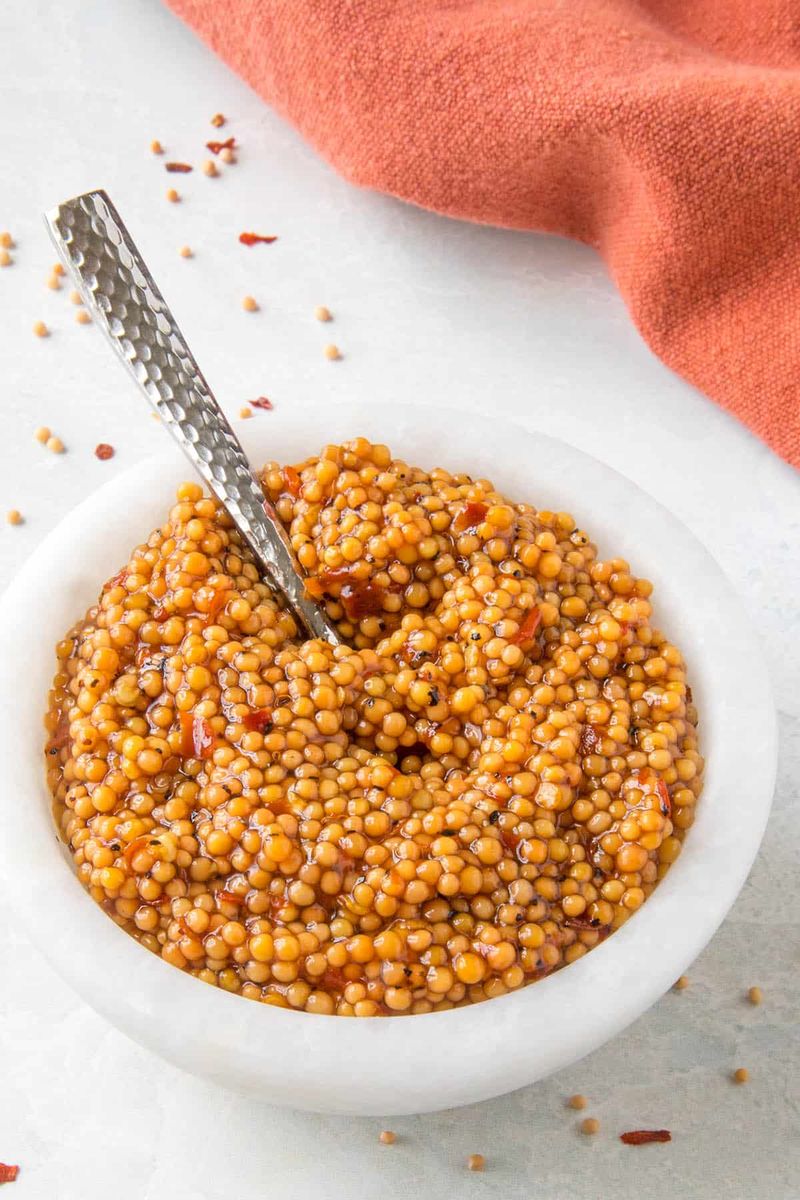
Mustard seeds pack a serious punch when they are raw or lightly used. That sharp, nose-tingling heat is what makes mustard condiments so bold.
But here is a fun fact: cooking mustard seeds in liquid for a long time actually neutralizes the enzyme that creates that heat.
Slow-cooked Indian curries and pickles often use mustard seeds that have been simmered until mellow. The result is a warm, nutty flavor that adds depth without the aggressive bite of raw mustard.
10. Radishes
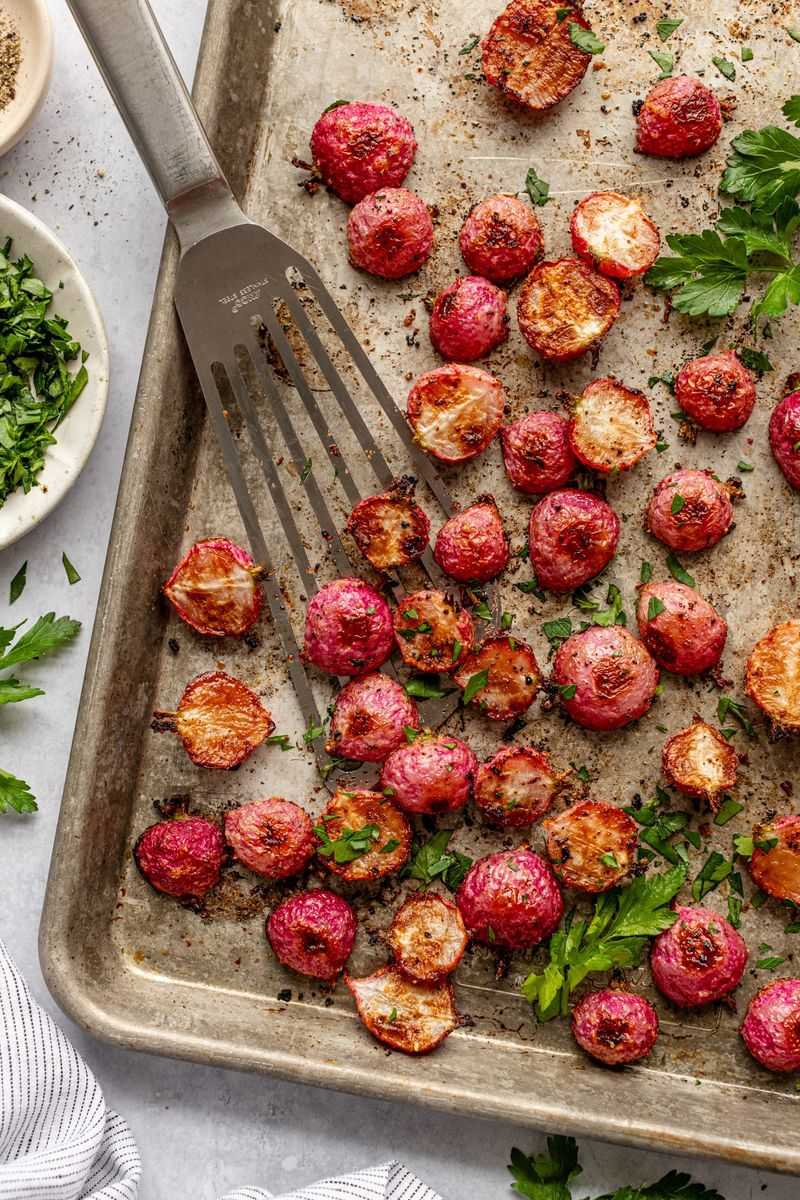
Most people only know radishes as crunchy, peppery little bites from a salad bowl. That sharp, almost spicy flavor is their calling card when raw.
Cooking radishes completely changes the story.
Roasted or braised radishes turn tender, mild, and even slightly sweet. Their peppery punch fades away, leaving behind a gentle, earthy flavor that pairs beautifully with butter and herbs.
Chefs love using cooked radishes as a surprise side dish that keeps guests guessing about the ingredient.
11. Brussels Sprouts
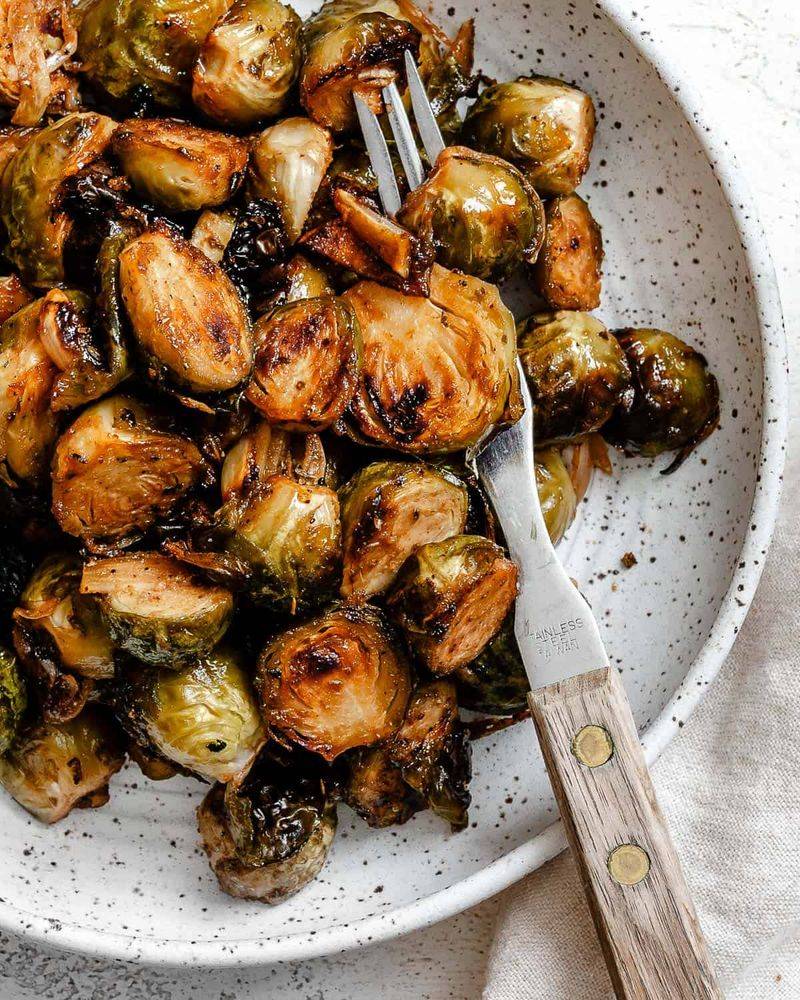
Brussels sprouts have a famously bad reputation, and most of that comes from eating them undercooked or boiled too quickly. When barely cooked, they release sulfur compounds that create a bitter, almost unpleasant taste.
Roasting them slowly at a moderate oven temperature completely flips the script. The bitterness fades, the edges caramelize, and a mild, nutty sweetness takes over.
Properly roasted Brussels sprouts convert even the most stubborn veggie skeptics into fans almost every single time.
12. Fennel
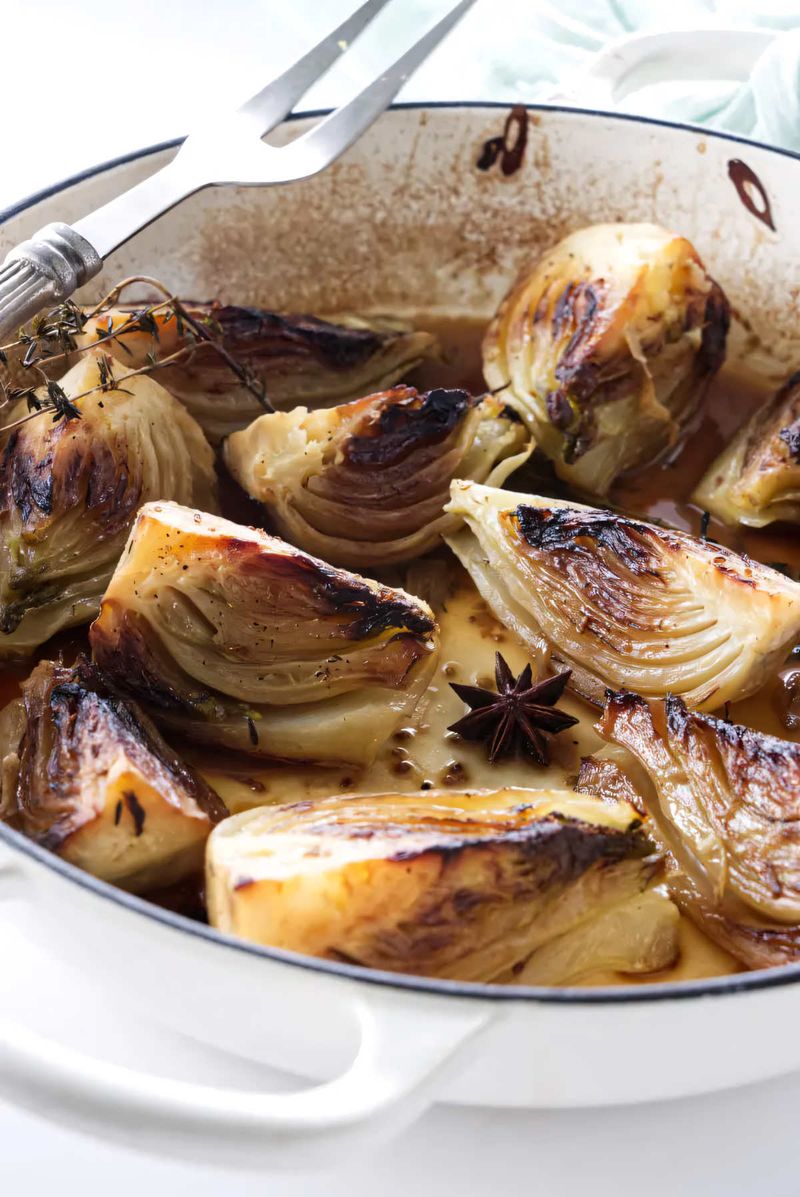
Fennel has a bold, licorice-like flavor when raw that can feel overwhelming in large amounts. The crunchy raw bulb is refreshing in salads but very assertive in taste.
Slow-cooking fennel in a pan with olive oil or braising it in broth calms that anise flavor significantly. What remains is a sweet, mellow, almost buttery vegetable that melts in your mouth.
Many people who dislike raw fennel are pleasantly surprised when they try the slow-cooked version for the first time.
13. Tomatoes
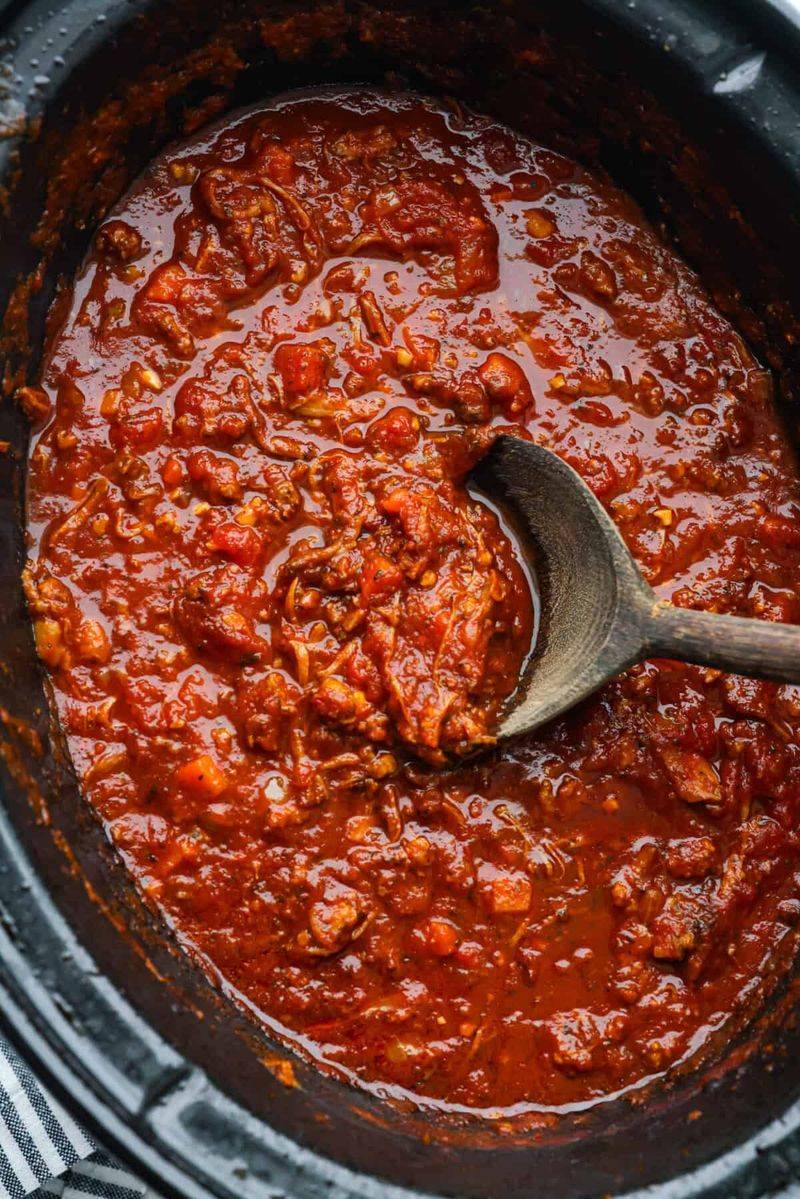
Fresh tomatoes have a bright, tangy acidity that wakes up your taste buds. That sharpness is wonderful in salads but can feel too harsh in certain cooked dishes.
Simmering tomatoes low and slow for an extended period reduces their acidity and concentrates their natural sweetness. A tomato sauce cooked for two hours tastes far richer and rounder than one made in twenty minutes.
The long cooking process also deepens the color and creates a velvety, complex texture that store-bought sauce rarely matches.
14. Cabbage

Raw cabbage is crunchy and slightly bitter with a sulfurous edge that becomes stronger when it is cooked too quickly. Think of overcooked boiled cabbage, which has an unfortunately strong smell and taste.
Slow braising is the secret to unlocking cabbage's gentler side. Cooked low and slow with a little fat and liquid, cabbage turns silky, sweet, and deeply savory.
Eastern European cuisines have long embraced this technique in dishes like stuffed cabbage rolls and slow-braised sauerkraut preparations.
15. Shallots
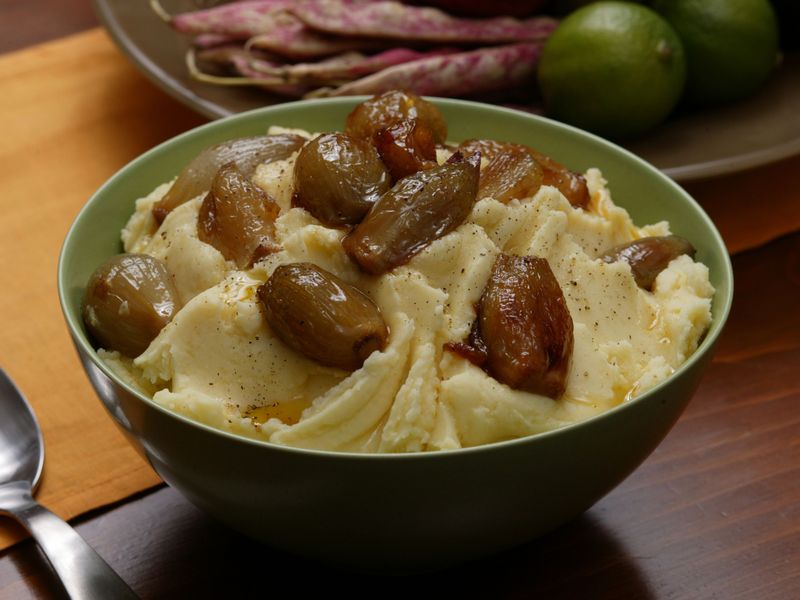
Shallots are like the elegant cousins of onions, with a sharper and more complex raw flavor that includes a mild garlicky undertone. Used raw, they can be quite pungent and intense.
Roasting or slow-cooking shallots transforms them into something almost candy-like. They become incredibly soft, sweet, and jammy, with none of the sharpness that made them bold before.
Slow-roasted shallots are incredible alongside roasted meats or stirred into a pan sauce for a touch of natural sweetness.
16. Anchovies
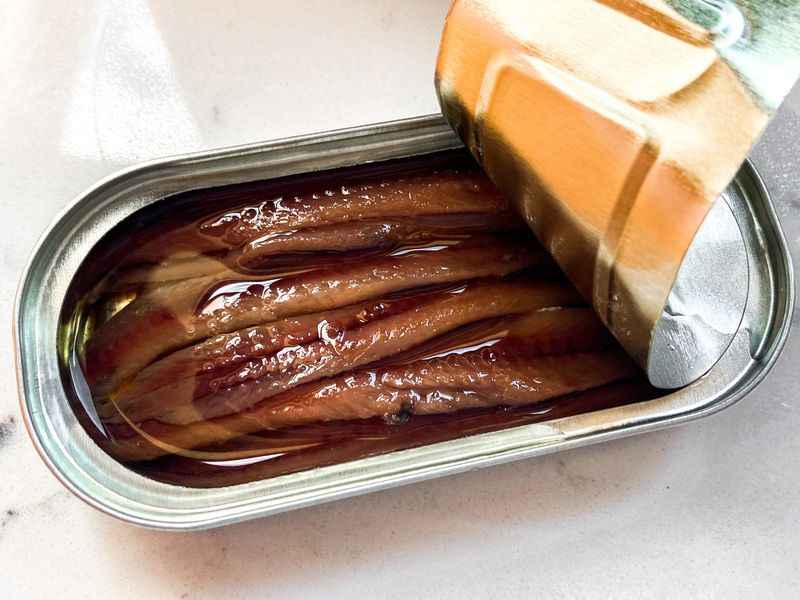
Anchovies might be the most misunderstood ingredient on this list. Their raw or barely cooked form is intensely salty and fishy, which puts many people off instantly.
Here is the surprising part: when anchovies are cooked slowly in olive oil, they completely dissolve and lose their fishy punch. What remains is a deep, savory, almost meaty richness that makes sauces and braises taste extraordinary.
Many classic Italian pasta sauces secretly rely on this technique to build incredible flavor without anyone guessing the ingredient.




Comments
No Comments