













Potassium is a mineral your body needs every single day to keep your heart beating, your muscles working, and your nerves firing correctly. Most people don't get enough of it, which can lead to tiredness, muscle cramps, and other health issues.
The good news is that plenty of delicious, everyday foods are packed with potassium and easy to add to your meals. Check out these 16 foods that can help you hit your daily potassium goals without much effort at all.
1. Bananas
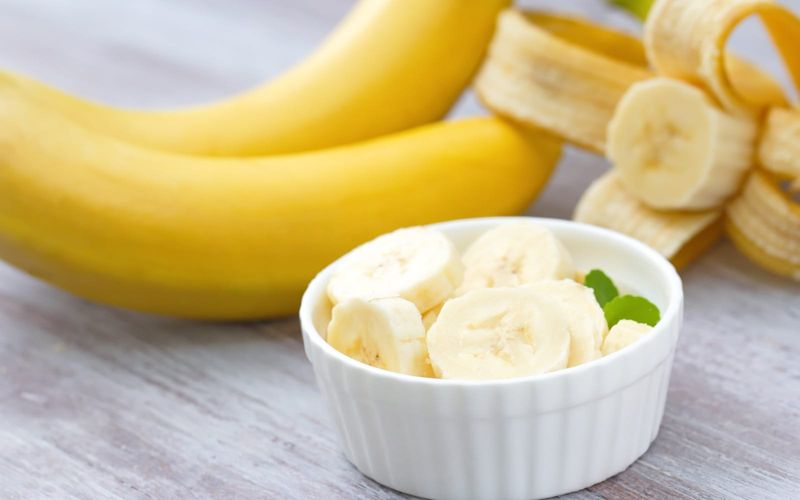
Ask almost anyone to name a food high in potassium, and bananas will be the first thing out of their mouth. One medium banana delivers about 422 milligrams of potassium, making it one of the easiest grab-and-go snacks around.
Slice one over oatmeal, blend it into a smoothie, or eat it plain on the way to school or work. Bananas also provide natural energy from their sugars and fiber, so they pull double duty as a filling, nutritious snack.
2. Sweet Potatoes

Sweet potatoes are basically nutritional overachievers. One medium baked sweet potato contains around 542 milligrams of potassium, which is more than a banana, and it also comes loaded with vitamin A and fiber.
Roast them in the oven with a little olive oil and salt for a crispy side dish, or mash them up for a cozy, comforting bowl. They fit into nearly any meal, from breakfast hash to dinner sides, without needing much seasoning at all.
3. Avocados
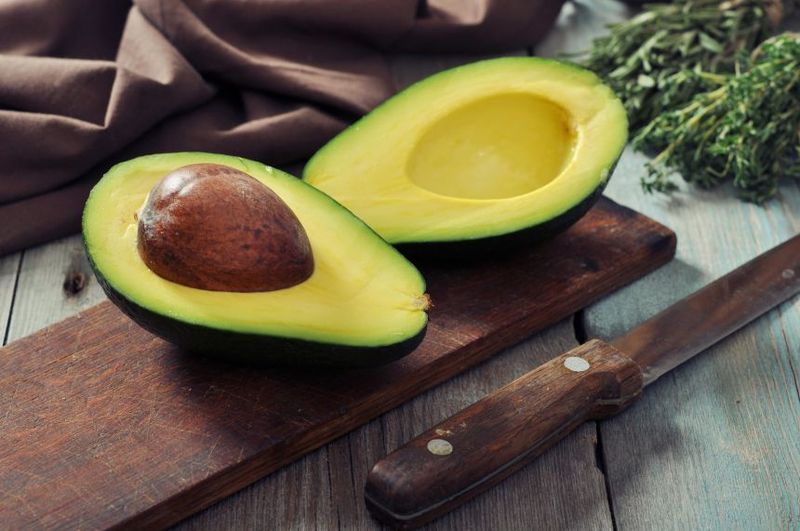
Half an avocado packs an impressive 487 milligrams of potassium along with heart-healthy fats that keep you feeling full longer. That creamy texture makes it incredibly versatile in the kitchen.
Spread it on toast, mash it into guacamole, or slice it over a salad or taco bowl. Unlike most high-potassium foods, avocados are also rich in magnesium and folate, giving your body a whole cluster of nutrients in just a few bites.
Pretty hard to beat that combination.
4. Spinach
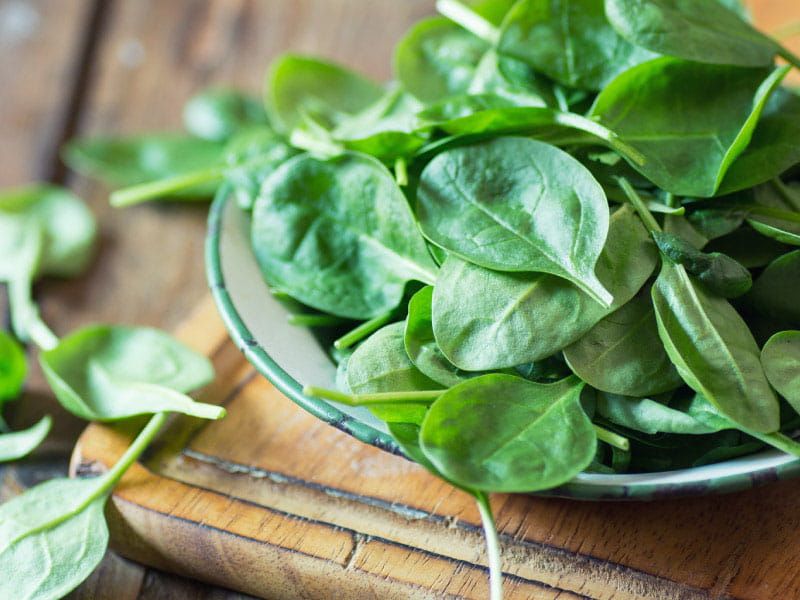
Popeye was onto something real. One cup of cooked spinach delivers a jaw-dropping 839 milligrams of potassium, which is nearly a quarter of what most adults need in a full day.
Toss it into pasta, stir it into soups, or wilt it in a pan with garlic and olive oil for a quick side. Even raw spinach in a salad gives you a solid potassium boost.
It has a mild flavor that blends easily into almost any dish without overpowering the other ingredients.
5. White Beans
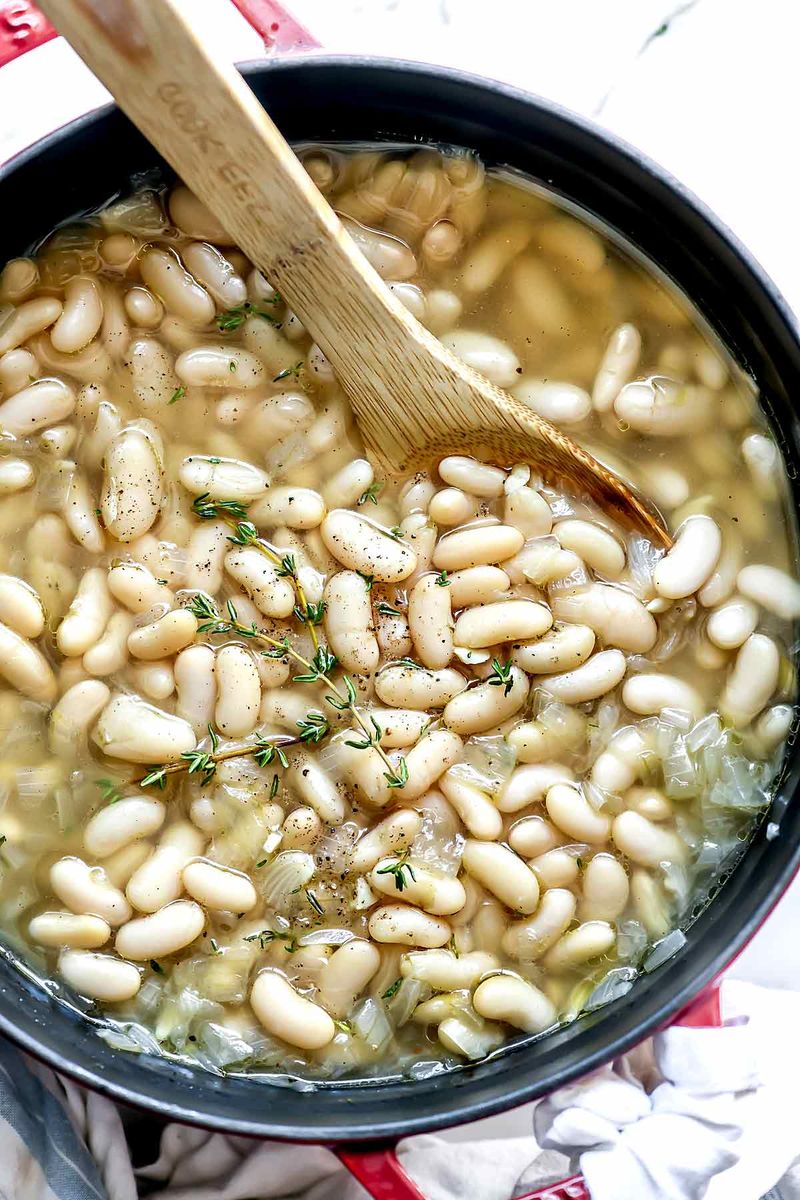
White beans might just be the most underrated potassium powerhouse in the grocery store. A single cup of cooked white beans contains around 1,000 milligrams of potassium, blowing most other foods completely out of the water.
Stir them into soups, mash them as a spread on sandwiches, or toss them into a grain bowl for extra protein and fiber. They have a mild, buttery taste that pairs well with garlic, lemon, and herbs, making them easy to work into many different recipes.
6. Salmon
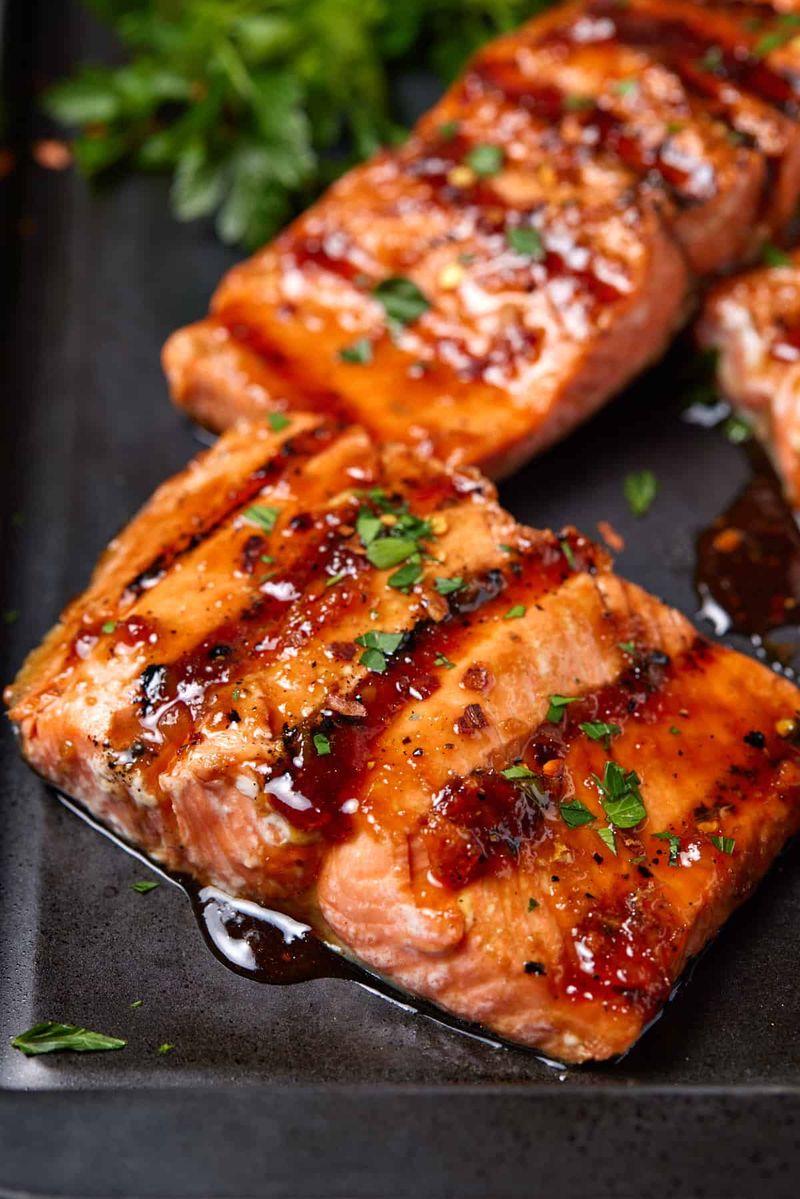
Salmon is famous for its omega-3 fatty acids, but it deserves equal credit for its potassium content. A three-ounce serving of cooked salmon provides roughly 414 milligrams of potassium alongside high-quality protein your muscles absolutely love.
Bake it with a honey garlic glaze, pan-sear it with lemon butter, or flake it into a salad for a protein-packed lunch. Eating salmon a couple of times a week is one of the tastiest ways to consistently boost your potassium intake without even trying hard.
7. Potatoes

Regular potatoes often get a bad reputation, but they are genuinely one of the best sources of potassium you can find. One medium baked russet potato with the skin on contains about 926 milligrams, which is substantial by any measure.
Keep the skin on to preserve the nutrients, and go easy on heavy toppings like butter or sour cream to keep things balanced. Roasted potato wedges, homemade potato soup, or a simple baked potato with salsa are all delicious, potassium-friendly meal ideas worth trying.
8. Tomato Paste
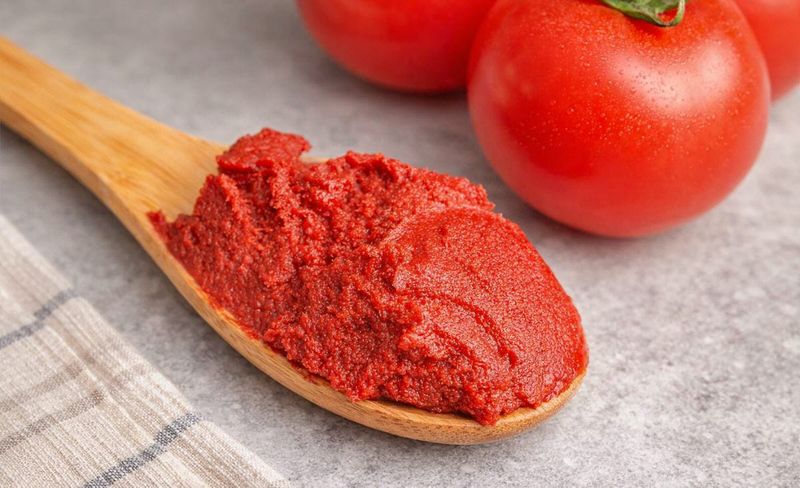
Here is a fun one most people never think about. Tomato paste is essentially concentrated tomatoes, which means its nutrients are concentrated too.
Just a quarter cup of tomato paste contains around 664 milligrams of potassium.
A spoonful stirred into pasta sauce, chili, or a soup base quietly boosts the potassium content of your meal without changing the flavor dramatically. Tomato paste also adds a rich, deep umami flavor that makes savory dishes taste like they have been simmering for hours.
It is a small ingredient with a big nutritional payoff.
9. Acorn Squash
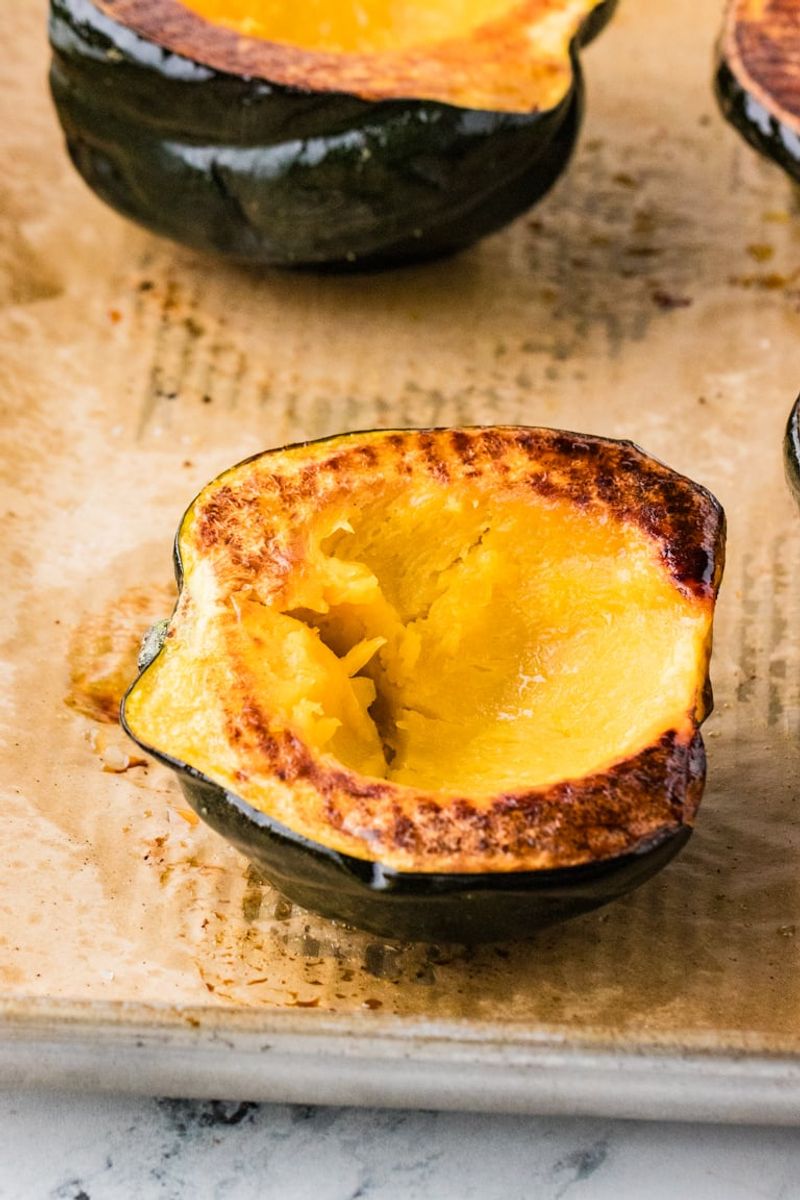
Acorn squash has a naturally sweet, nutty flavor that makes it feel like a treat even though it is incredibly nutritious. One cup of baked acorn squash provides about 896 milligrams of potassium along with a good dose of vitamin C and fiber.
Roast it cut-side down in the oven until caramelized, then fill the hollow with a little maple syrup and cinnamon for a simple side dish. It is especially popular in fall and winter menus when heartier, warming foods feel most satisfying and comforting.
10. Edamame
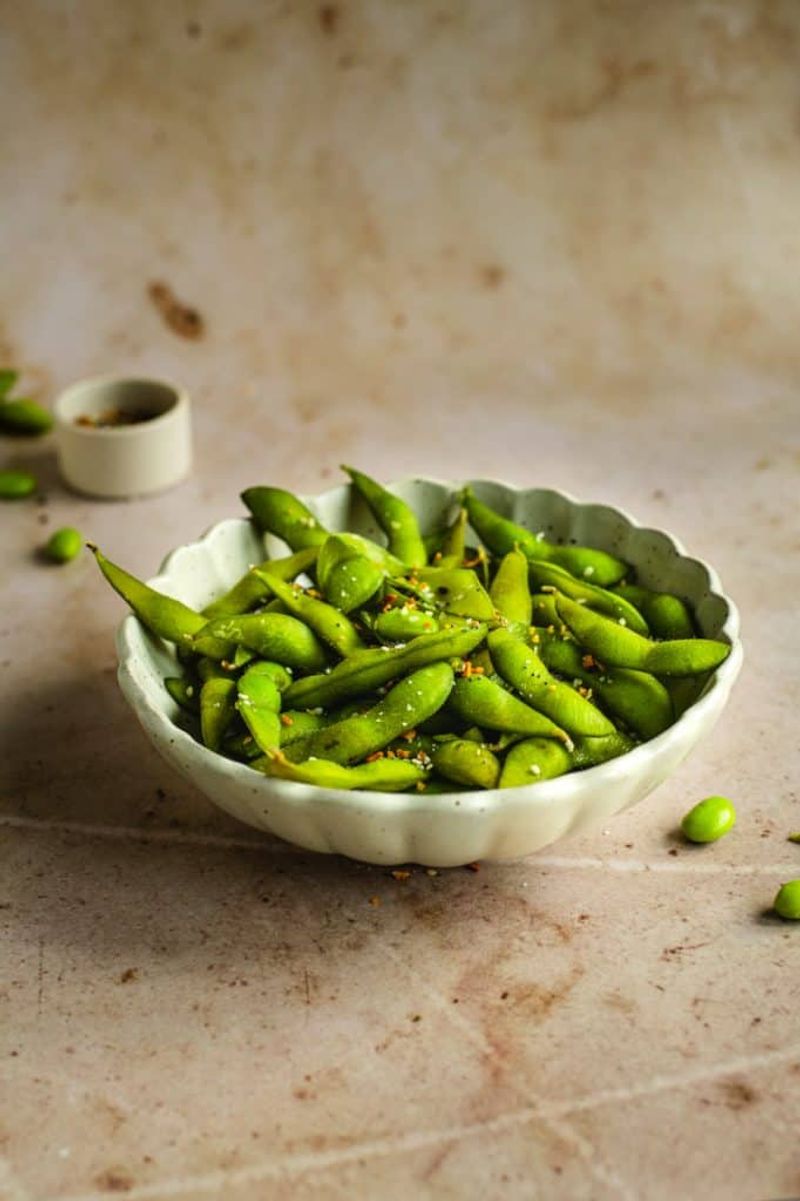
Edamame, which are young green soybeans still in the pod, make one of the most satisfying and nutritious snacks imaginable. One cup of cooked edamame delivers about 676 milligrams of potassium along with a generous amount of plant-based protein.
Steam them and sprinkle with sea salt for a simple snack, or shell them and toss into stir-fries, grain bowls, or salads for extra texture and nutrients. They are easy to find frozen at most grocery stores and cook up in just a few minutes.
11. Yogurt

Most people reach for yogurt thinking about calcium and probiotics, but plain yogurt is also a solid potassium source. One cup of plain low-fat yogurt provides around 573 milligrams of potassium, making it a surprisingly strong contender.
Eat it at breakfast with fruit and granola, use it as a creamy base for smoothies, or swap it in for sour cream in savory dips and dressings. Greek yogurt has a thicker, tangier texture and generally delivers more protein per serving while still contributing meaningfully to your daily potassium goals.
12. Oranges
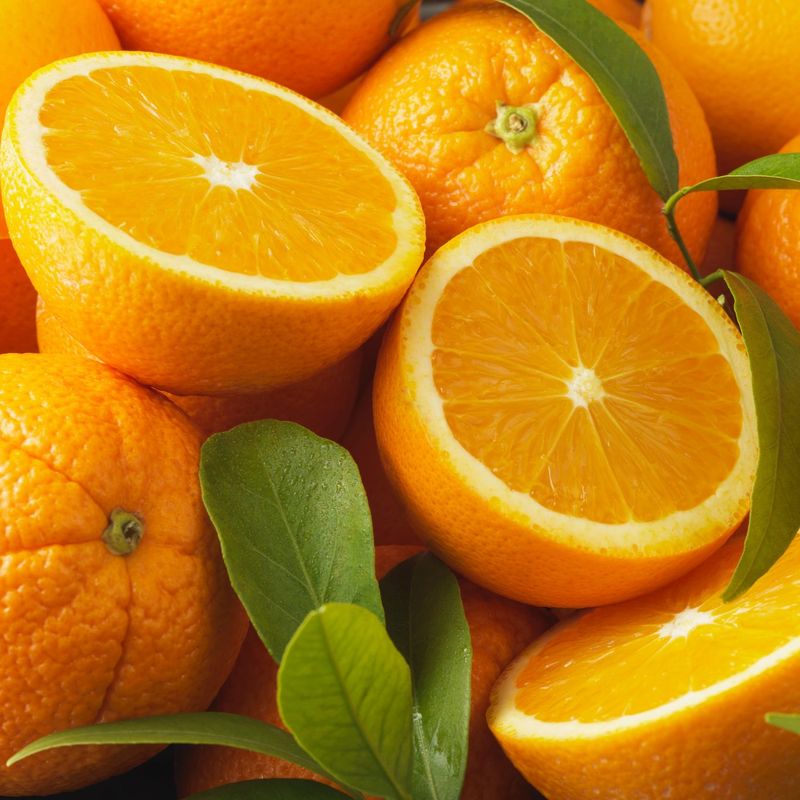
An orange a day does more than just load you up with vitamin C. One medium orange contains about 237 milligrams of potassium, and a cup of fresh-squeezed orange juice bumps that number up to around 496 milligrams.
Snack on orange slices between meals, squeeze fresh juice for breakfast, or add orange segments to a fruit salad or green salad for a bright, citrusy twist. The natural sweetness makes it one of the most enjoyable ways to sneak extra potassium into your daily routine without much planning.
13. Lentils
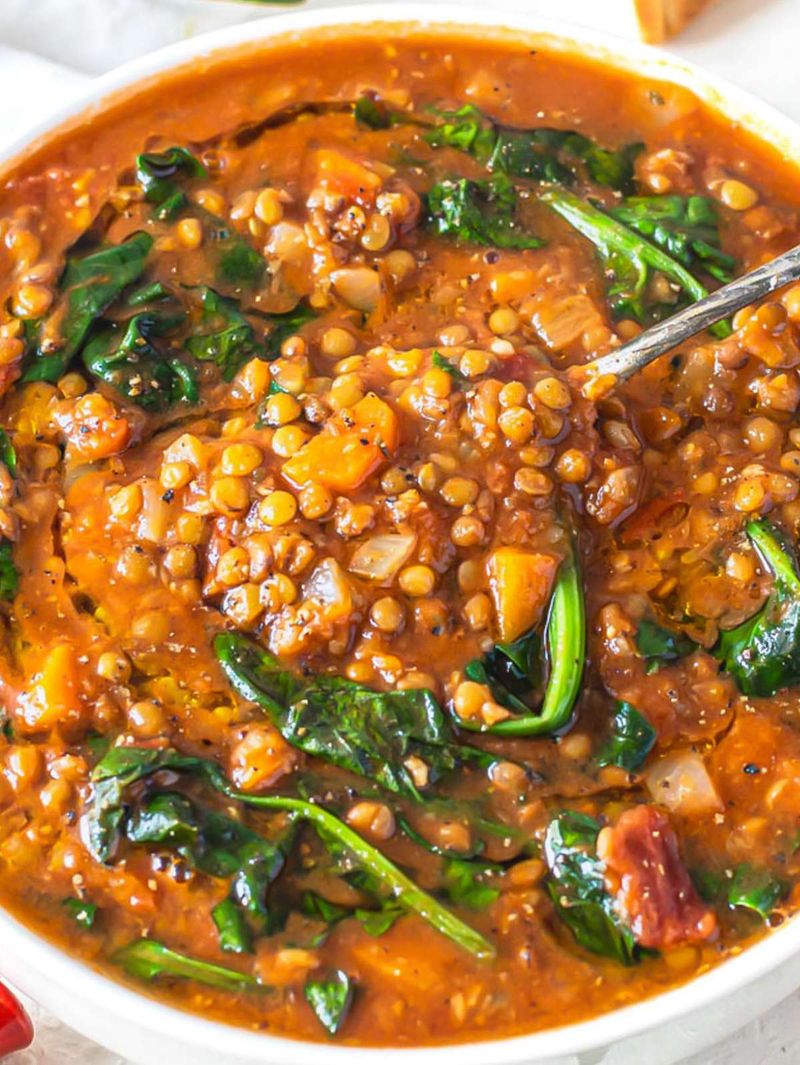
Lentils are one of those humble ingredients that quietly do an enormous amount of nutritional heavy lifting. One cup of cooked lentils provides about 731 milligrams of potassium along with impressive amounts of iron, folate, and plant-based protein.
Make a hearty lentil soup, toss them into a rice dish, or use them as a meat substitute in tacos and wraps. They cook faster than most other legumes and require no soaking, which makes them one of the most convenient high-potassium ingredients you can keep in your pantry.
14. Coconut Water
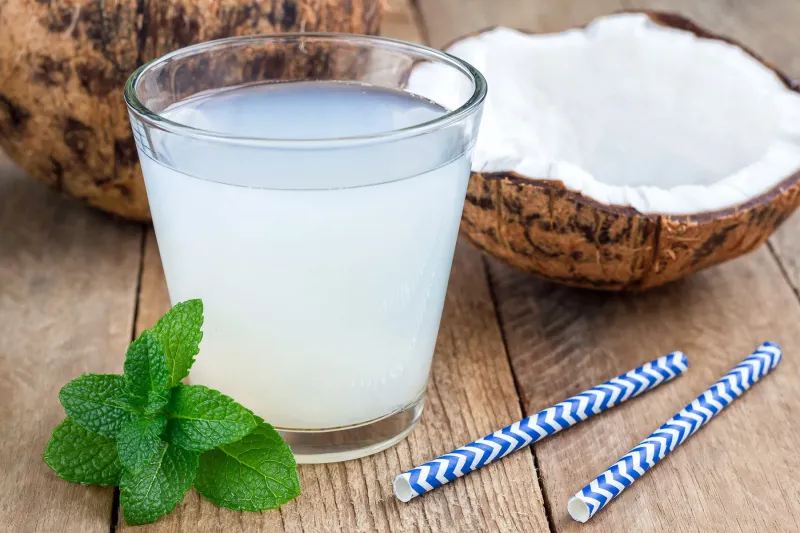
Athletes have been reaching for coconut water after workouts for years, and the potassium content is a big reason why. One cup of coconut water contains about 600 milligrams of potassium, making it a natural electrolyte drink without all the artificial colors and sugars found in sports drinks.
Drink it straight after exercise, blend it into a smoothie, or use it as the liquid base in overnight oats. It has a lightly sweet, slightly nutty flavor that most people find refreshing and easy to enjoy regularly without getting bored of it.
15. Dried Apricots
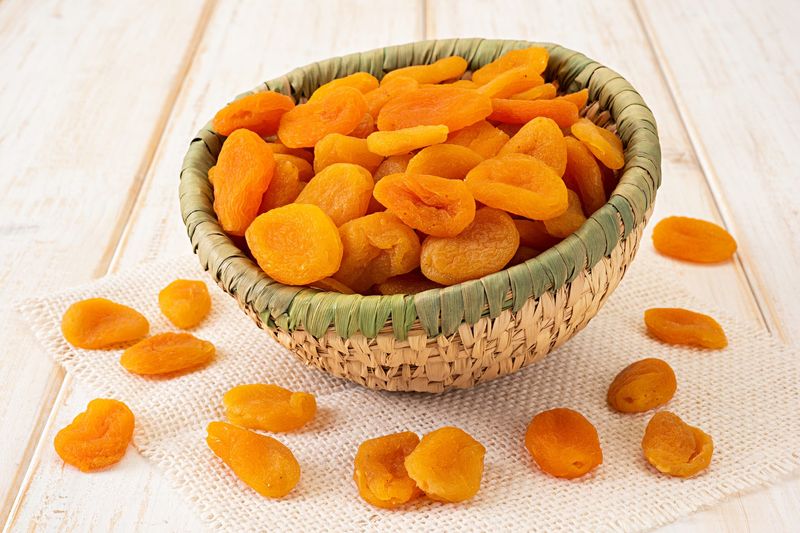
Drying fruit concentrates its nutrients dramatically, and apricots are a perfect example of that principle in action. Just half a cup of dried apricots contains around 755 milligrams of potassium, making them one of the most potassium-dense snacks you can carry anywhere.
Toss a small handful into trail mix, chop them up and stir into oatmeal, or eat them alongside a handful of nuts for a balanced snack. They are chewy, naturally sweet, and shelf-stable, which means you can keep them in a bag, desk drawer, or backpack for whenever hunger strikes.
16. Beet Greens
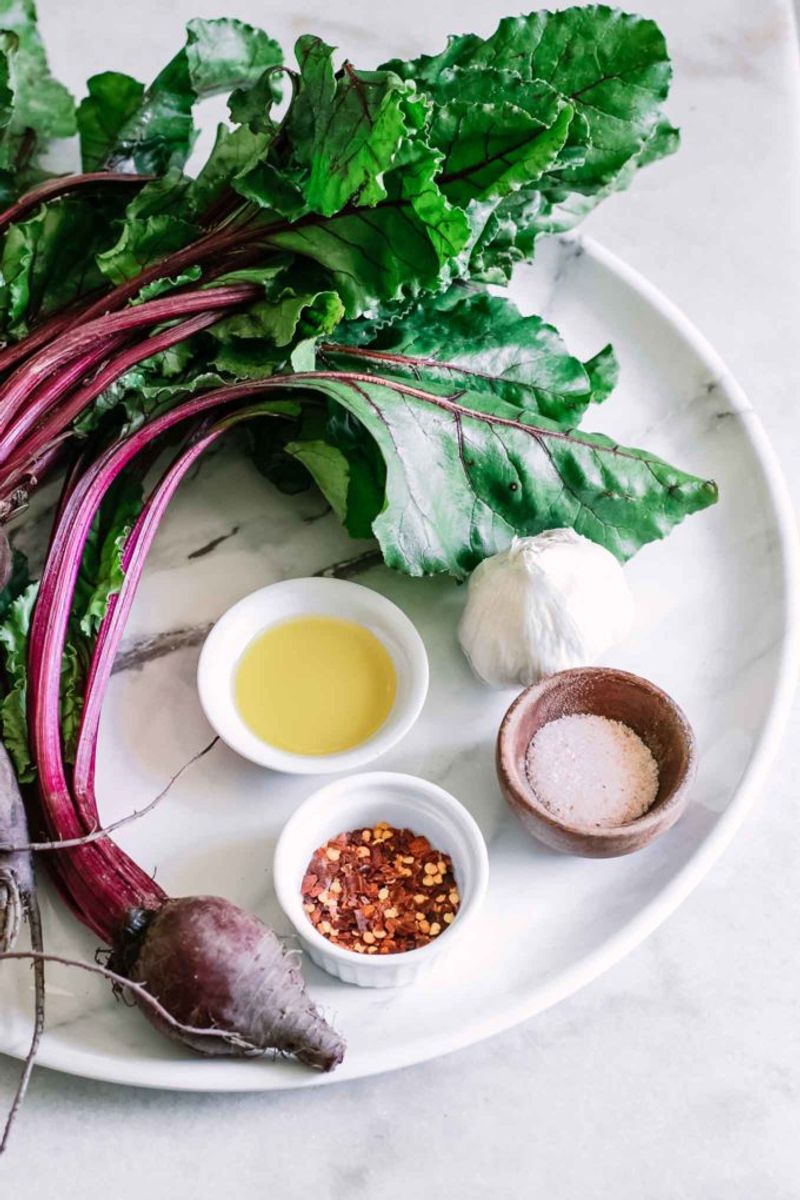
Most people toss the leafy tops of beets straight into the trash, but that is actually a big nutritional mistake. Beet greens are loaded with potassium, delivering around 1,300 milligrams per cooked cup, which makes them one of the highest potassium foods you can eat.
Saute them in olive oil with garlic and a pinch of red pepper flakes for a quick, flavorful side dish. They taste similar to Swiss chard, with a slightly earthy bite, and they cook down quickly just like spinach does, making them easy to work into weeknight dinners.




Comments
No Comments