













Have you ever noticed how rubbing a fresh herb between your fingers suddenly fills the air with an amazing scent? Many foods release their best aromas only when they are gently crushed or bruised.
This happens because crushing breaks open tiny cells packed with fragrant oils and compounds. Knowing which foods work this way can completely change how you cook and experience flavor.
1. Garlic
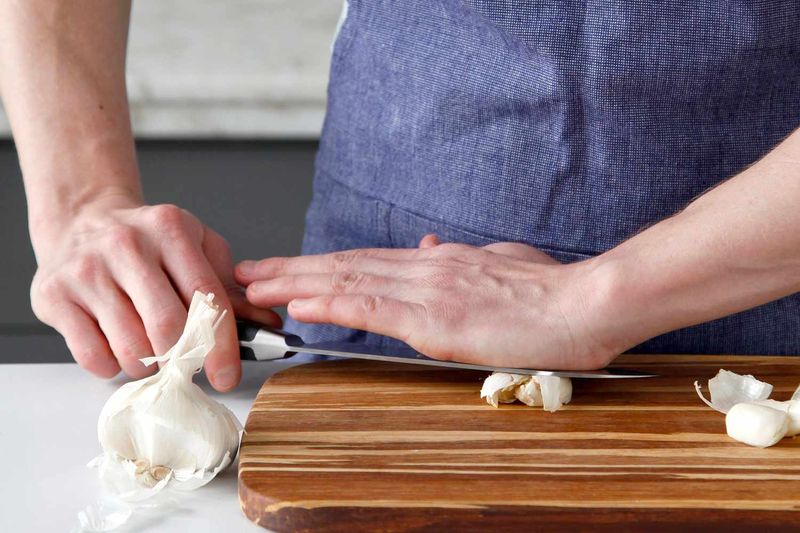
Crushing garlic is like flipping a switch on its flavor. When left whole, garlic smells mild and almost sweet.
The moment you press down on a clove, an enzyme called alliinase kicks in, creating allicin — the compound responsible for that sharp, punchy aroma.
Chefs around the world crush garlic before mincing it to get the most out of every clove. Try it yourself: the difference in scent between a whole clove and a crushed one is honestly remarkable.
2. Fresh Basil
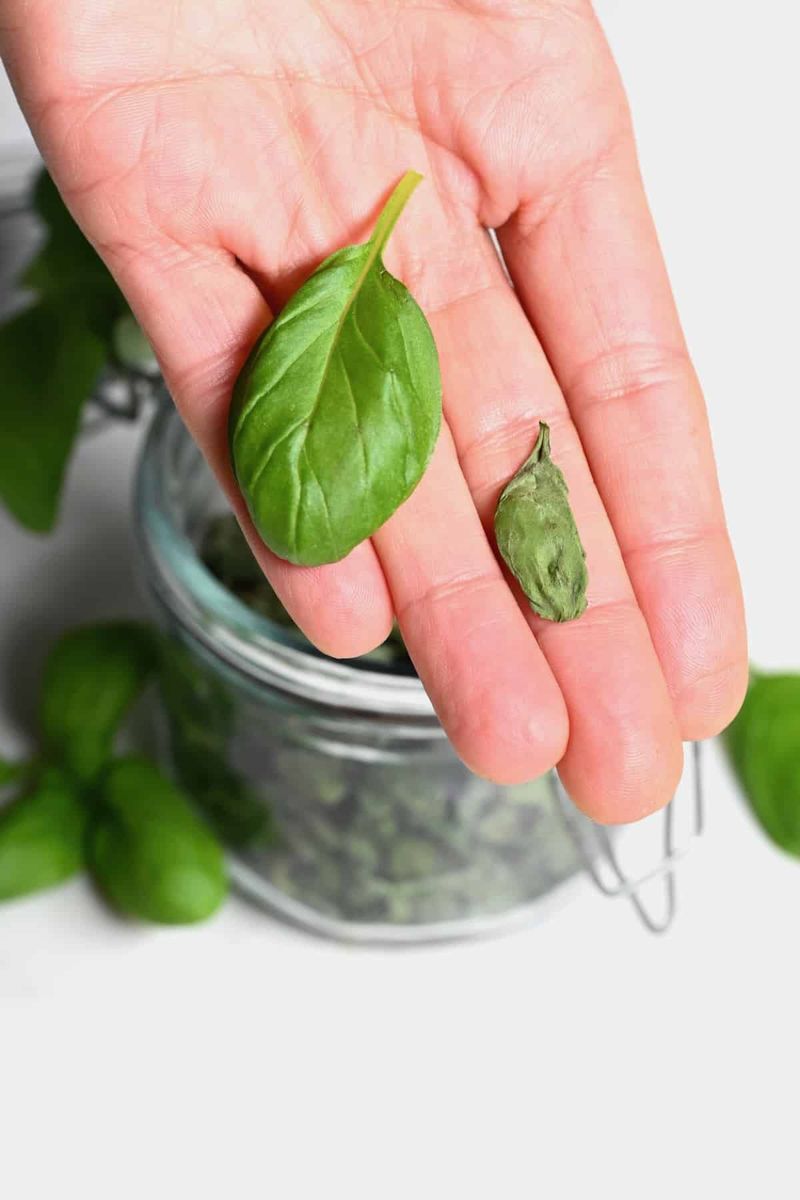
Basil has a quiet magic hiding inside its leaves. Before crushing, the scent is pleasant but faint.
The second you gently press a leaf between your fingers, a rush of sweet, peppery, almost minty fragrance bursts out — it is genuinely hard not to smile.
This is why Italian cooks tear basil leaves by hand rather than chopping them with a knife. Tearing and crushing releases far more aromatic oils than a clean cut ever could.
3. Cardamom Pods
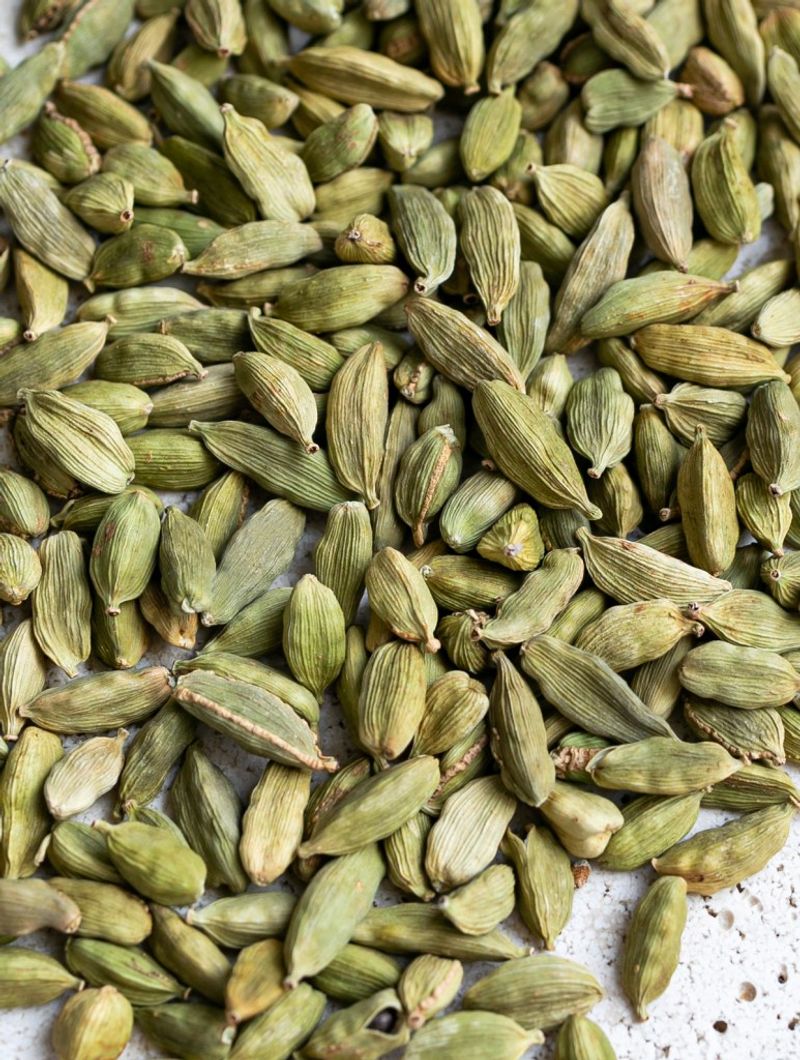
Cardamom pods are basically little aromatic treasure chests. Sealed tight, they hold their fragrance for months.
One gentle crack with the back of a spoon and suddenly your kitchen smells like a warm chai shop somewhere in South Asia.
Did you know cardamom is one of the oldest spices in the world, used in cooking for over 4,000 years? Always crush the pods just before using them to capture the freshest, most vibrant floral and citrusy notes possible.
4. Lemongrass
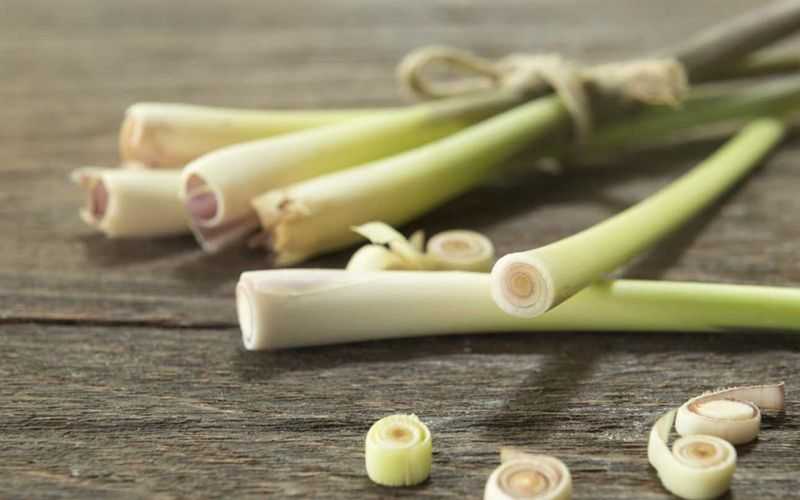
Lemongrass looks like a tough, unremarkable grass stalk — until you bruise it. Bending or lightly smashing the stalk with a mallet releases a bright, lemony, slightly floral scent that instantly transports you to a Thai or Vietnamese kitchen.
The key is not to chop it right away. Bruising first allows the essential oils to escape more fully.
Cooks often add the whole bruised stalk to soups and curries, letting it perfume the dish slowly as it simmers.
5. Cumin Seeds
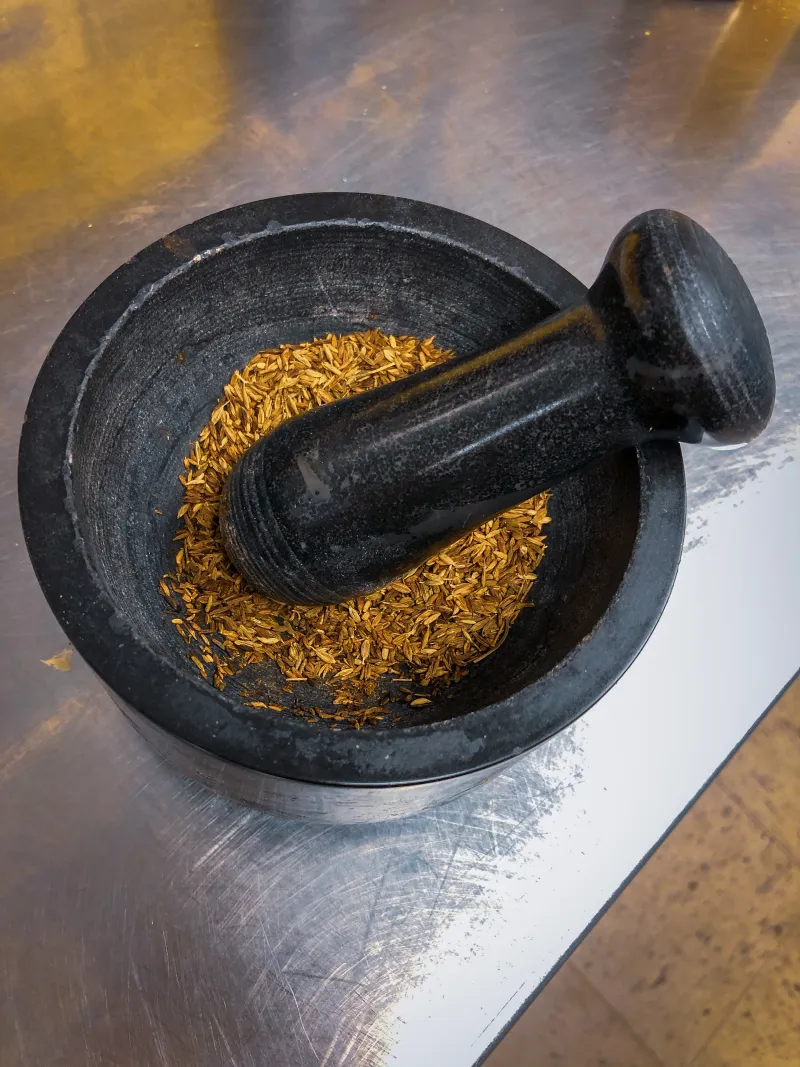
Raw cumin seeds have a pleasant but restrained earthy smell. Press them lightly in a mortar and pestle, and the transformation is immediate — a deep, warm, almost smoky fragrance fills the air that makes your mouth water before anything even hits the pan.
Many cooks lightly toast cumin seeds first, then crush them. That combination of heat plus crushing opens up layers of aroma that pre-ground cumin powder simply cannot match.
Fresh-crushed cumin is a true game changer in cooking.
6. Rosemary
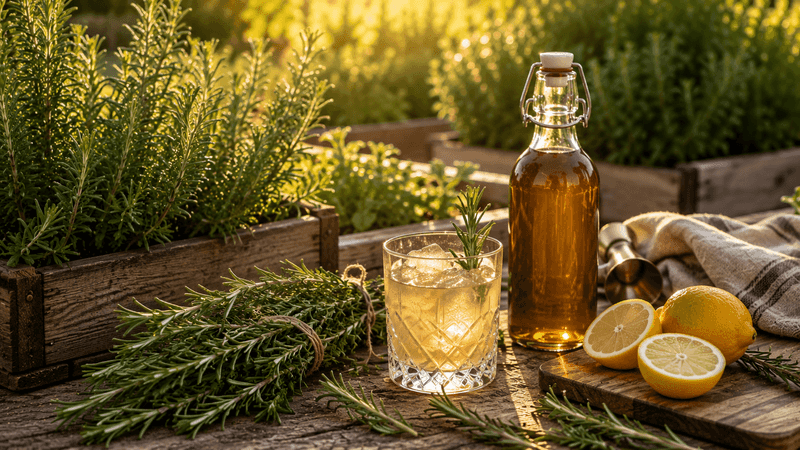
Rosemary is one of those herbs that rewards boldness. Running your thumb along the stem barely does anything.
But press a sprig firmly between both palms, give it a rub, and suddenly the air fills with a piney, resinous, almost medicinal fragrance that feels both energizing and cozy.
Ancient Romans associated rosemary with memory and clarity — maybe because the scent is so impossible to ignore. Crushing it before adding it to roasted meats or breads makes an enormous difference in the final aroma of the dish.
7. Coriander Seeds
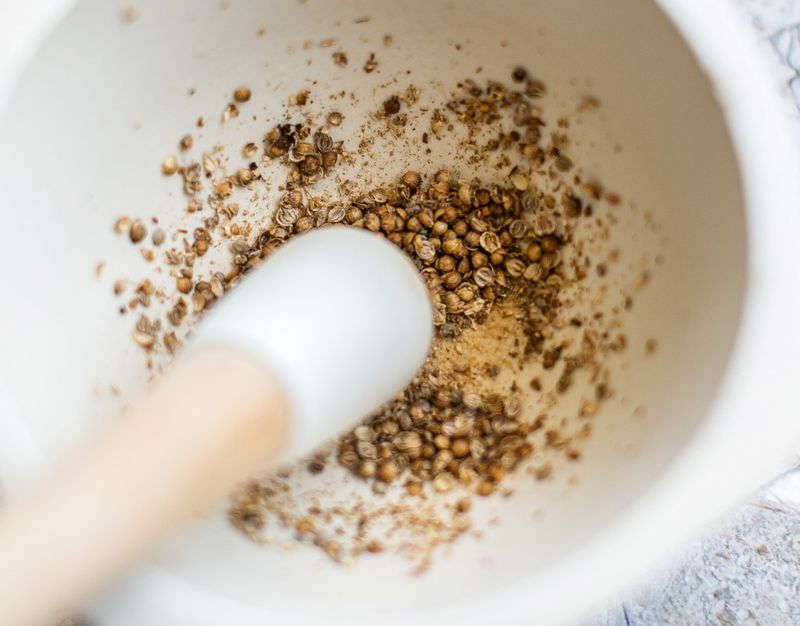
Coriander seeds smell pleasantly citrusy and floral straight from the jar. Crush them, though, and the fragrance deepens dramatically — you get warm, nutty, orange-peel-like notes that whole seeds simply cannot deliver on their own.
Coriander is actually the dried seed of the cilantro plant, which surprises a lot of people. Crushing right before use in spice blends, marinades, or pickling brines ensures you capture those volatile aromatic oils before they have a chance to fade or evaporate.
8. Ginger Root
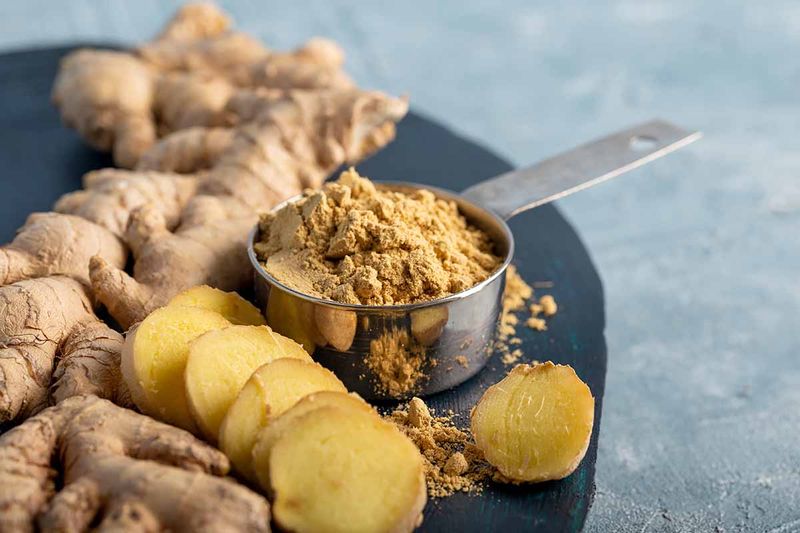
Fresh ginger has a zingy, spicy warmth that you can smell even before you touch it — but crushing it completely unlocks its full potential. Pressing the root releases its sharp, bright juice along with a rush of peppery, citrusy scent that is both invigorating and unmistakable.
Ginger has been used in cooking and medicine for over 5,000 years across Asia. Crushing rather than just slicing it gives broths, teas, and stir-fries a much more intense ginger presence from the very first moment.
9. Black Peppercorns
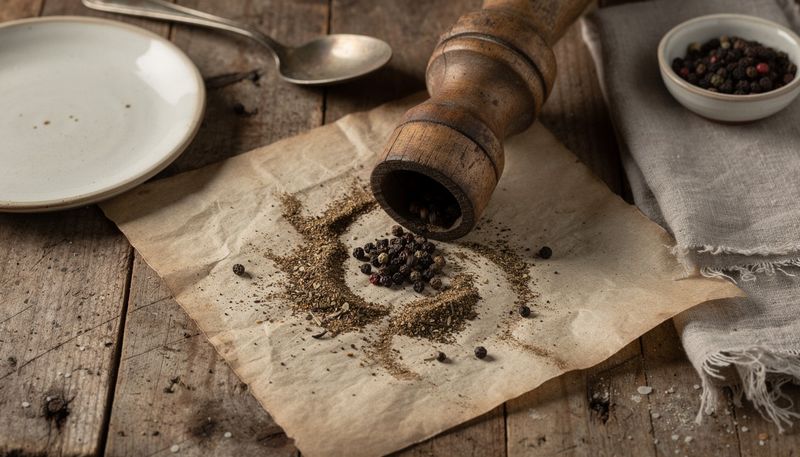
Pre-ground pepper sitting in a shaker is fine, but freshly cracked black peppercorns are on a completely different level. Cracking a peppercorn releases sharp, floral, almost piney top notes that evaporate quickly — meaning they are only available right after crushing.
That is exactly why fine restaurants always grind pepper fresh at the table. The volatile aromatics in black pepper are so fleeting that grinding ahead of time wastes the best part.
Crack them just before seasoning for maximum punch and fragrance.
10. Fennel Seeds
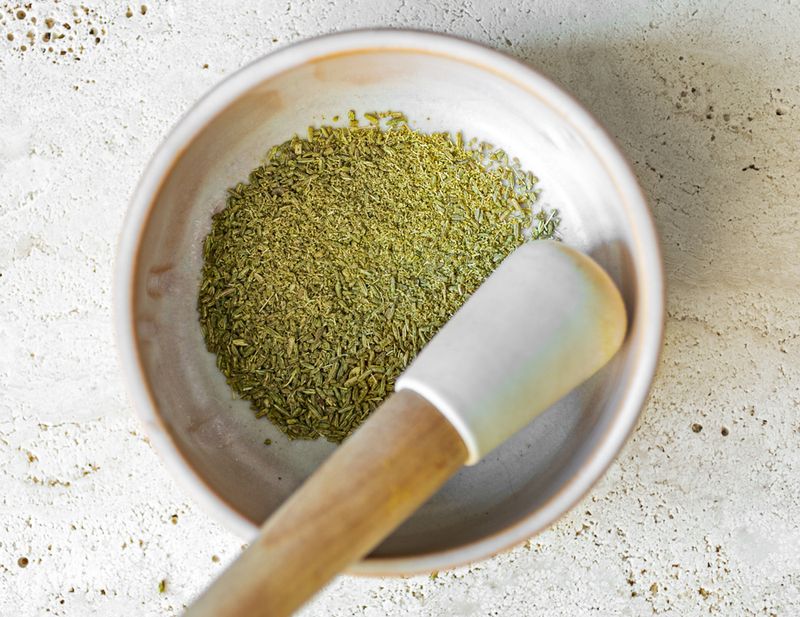
Fennel seeds carry a gentle licorice-like sweetness that becomes wonderfully bold the moment they are crushed. The transformation from subtle to vivid happens almost instantly, releasing a fresh, anise-scented fragrance that feels both comforting and slightly exotic.
In many Mediterranean and Middle Eastern kitchens, fennel seeds are crushed and rubbed directly onto fish or pork before roasting. The crushed seeds cling better to the surface and perfume the meat far more effectively than whole seeds scattered on top ever would.
11. Mint Leaves

Mint is arguably the most instantly satisfying herb to crush. One gentle press releases a cool, sharp, refreshing wave of menthol that feels almost like a breath of cold air — even on a hot summer day.
Bartenders muddle mint in mojitos for exactly this reason: crushing unlocks far more aromatic intensity than simply dropping whole leaves into a drink. Try crushing a few leaves and pressing them to your wrist; the cooling scent lingers beautifully and lasts much longer than you might expect.
12. Cloves
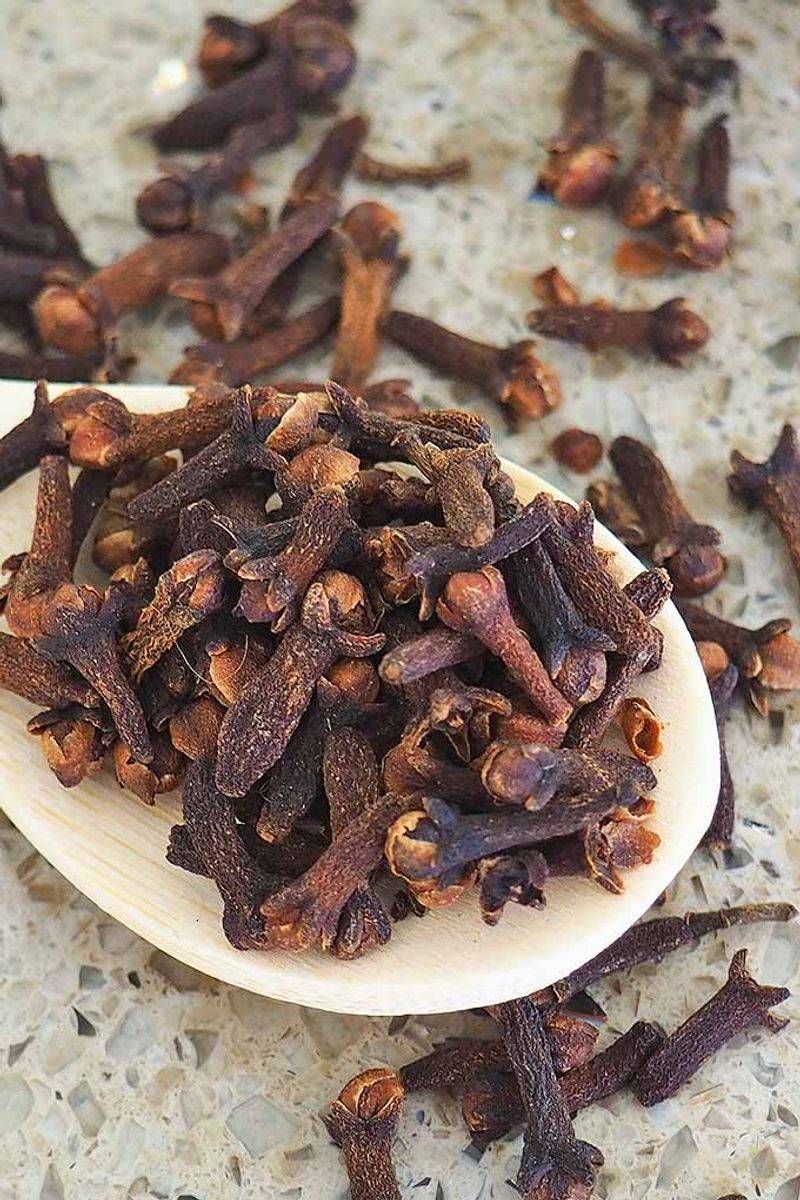
Cloves are one of the most powerfully aromatic spices on earth — and crushing them makes that power undeniable. Even a single crushed clove can scent an entire kitchen with its warm, sweet, spicy fragrance that feels like the holidays packed into one tiny bud.
Cloves were so prized historically that wars were literally fought over control of the islands where they grew. Crushing them fresh before adding to mulled wine, spiced meats, or desserts delivers an intensity that pre-ground cloves simply cannot replicate.
13. Thyme
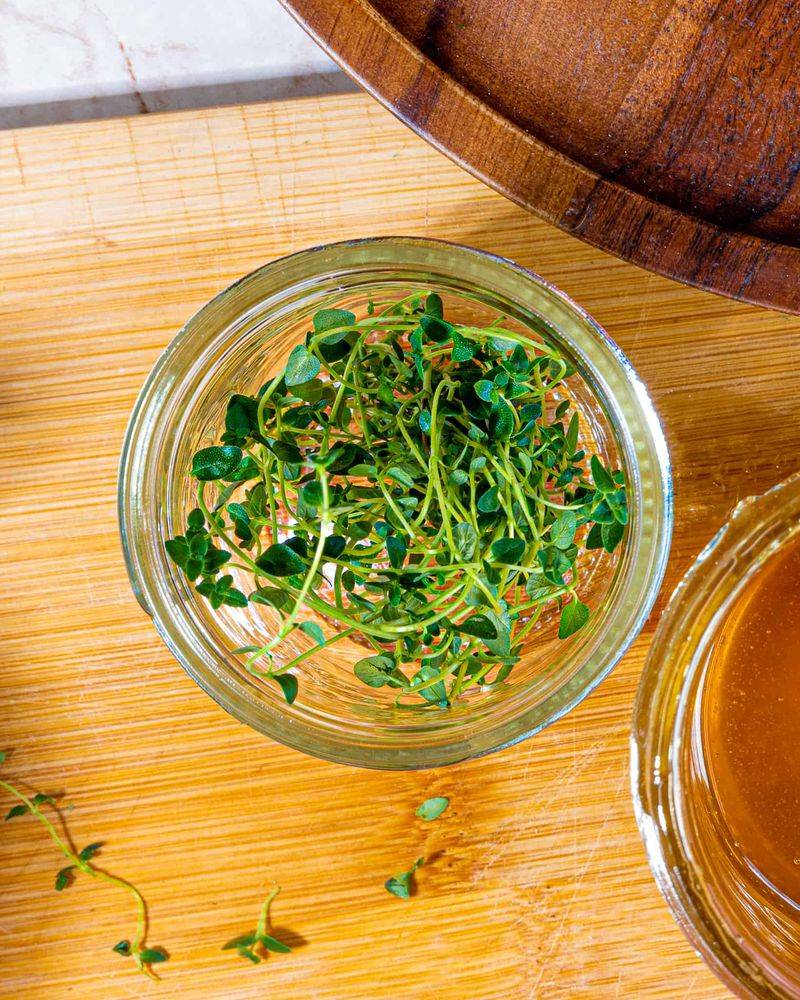
Thyme has a quietly complex aroma — earthy, floral, slightly lemony — that stays locked away until you encourage it out. Rolling a few sprigs firmly between your palms before cooking is one of those small kitchen habits that makes a surprisingly big difference.
The herb gets its distinctive scent from thymol, an essential oil with proven antimicrobial properties — which is why thyme has been used medicinally for centuries. Crushing the stems and leaves together releases thymol more effectively and gives your cooking a noticeably richer, more layered herbal fragrance.
14. Lemon Zest
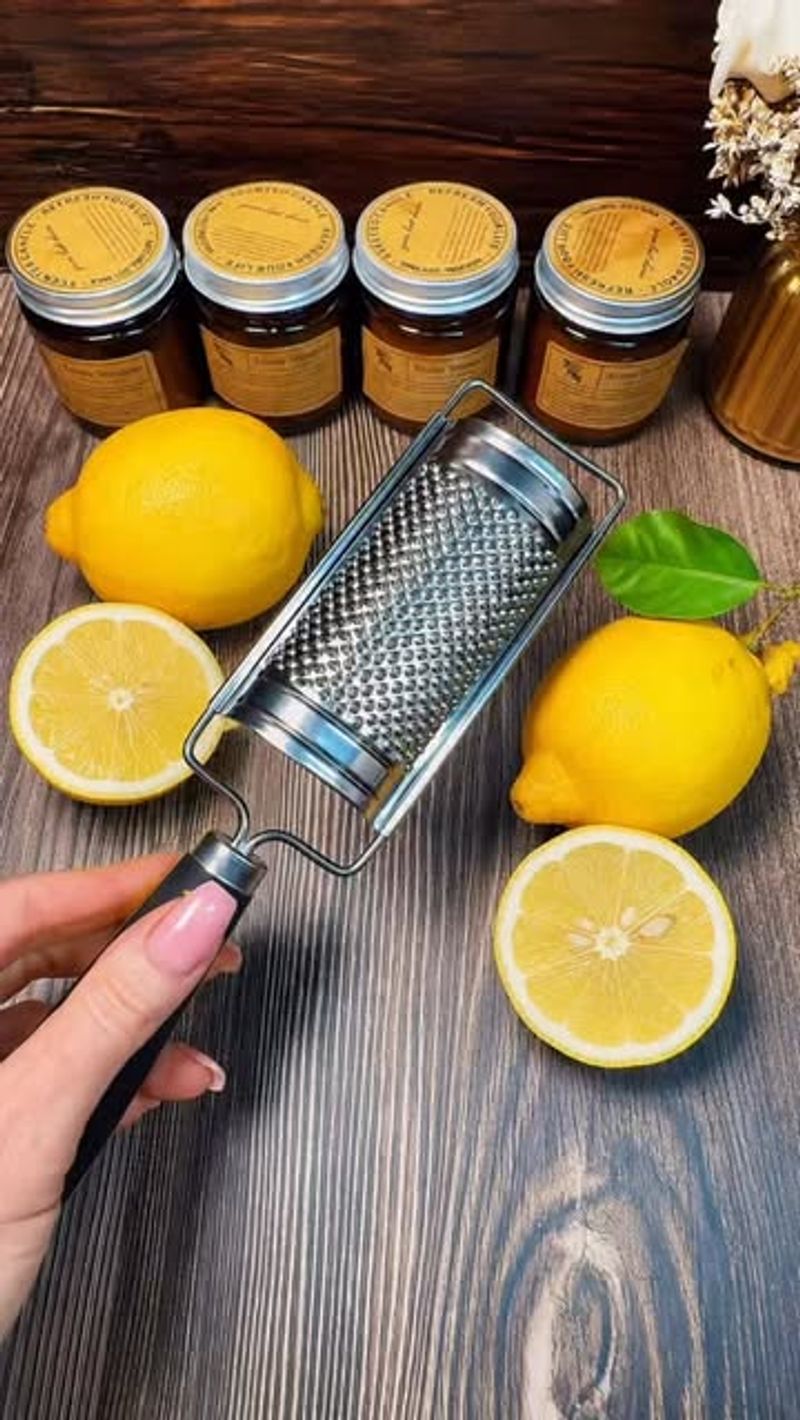
Lemon zest is packed with tiny pockets of citrus oil that are just waiting to be set free. Pinching or gently crushing a strip of zest releases a fine mist of lemon oil — you can actually see it spray if you hold it near a flame, which is a pretty cool trick.
Bartenders and pastry chefs twist lemon zest over drinks and desserts for this very reason. That spritz of aromatic oil adds a burst of fresh, bright citrus scent that juice alone could never provide.
15. Star Anise
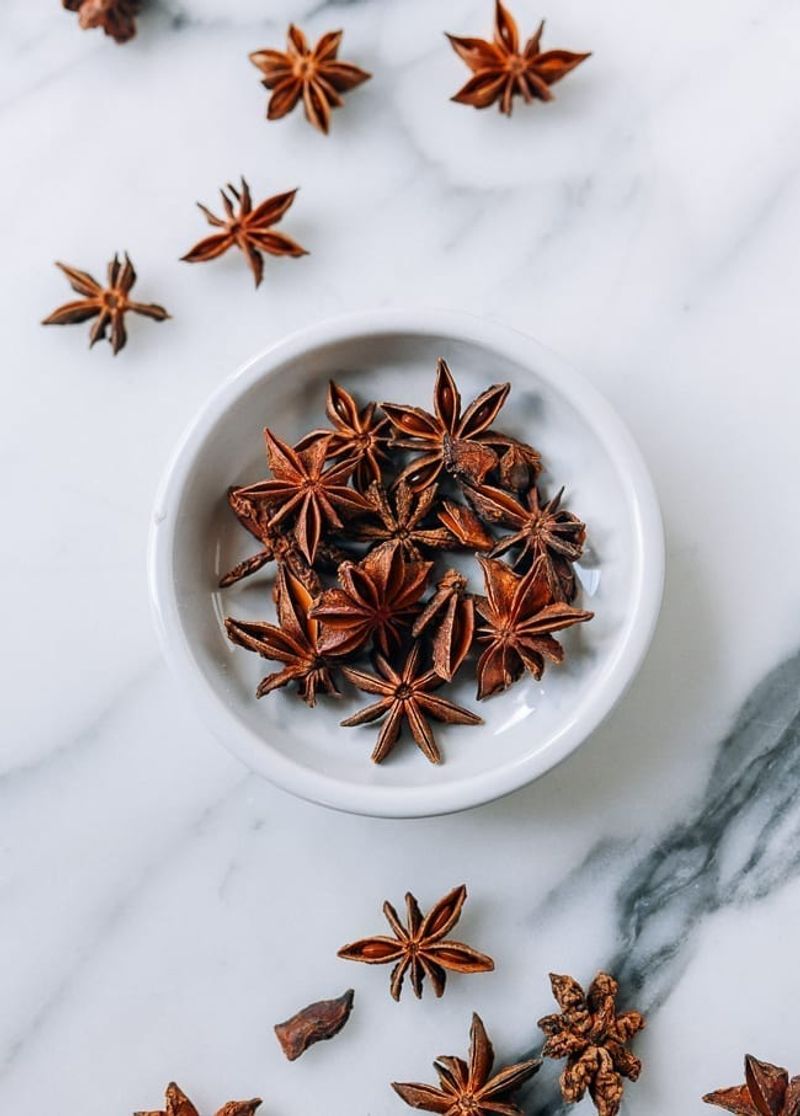
Star anise is already one of the most visually striking spices in any kitchen. Crack one open, though, and the experience becomes fully sensory — a deep, sweet, licorice-like fragrance floods the air with surprising force from such a small, delicate-looking spice.
Used extensively in Chinese five-spice blends and Vietnamese pho, star anise gives up its best aroma when cracked before simmering in broths or sauces. Whole pods release flavor slowly; cracking them open speeds up the process and intensifies the aromatic result considerably.
16. Bay Leaves
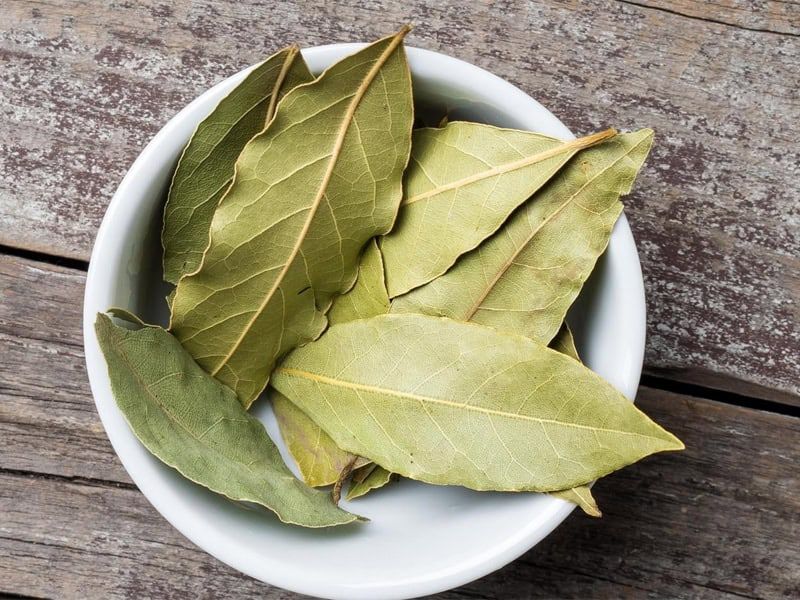
Bay leaves have a reputation for being the mysterious ingredient that nobody quite understands — but gently crushing or cracking one before dropping it into a dish reveals exactly why they matter. A sharp, herbal, almost eucalyptus-like fragrance rises immediately, explaining centuries of culinary loyalty.
The trick is to bend or crack the leaf rather than crumble it completely. A cracked bay leaf releases aromatic compounds gradually as it simmers, building layers of savory depth in soups, stews, and braises that a whole, flat leaf would take far longer to deliver.


Comments
No Comments