













Eating well is one of the smartest things you can do for your future self. Many adults get stuck eating the same convenient foods over and over, missing out on nutrients that keep the body strong and the mind sharp.
Small changes to your diet can make a huge difference over time. Here are 16 foods worth adding to your plate more often.
1. Blueberries
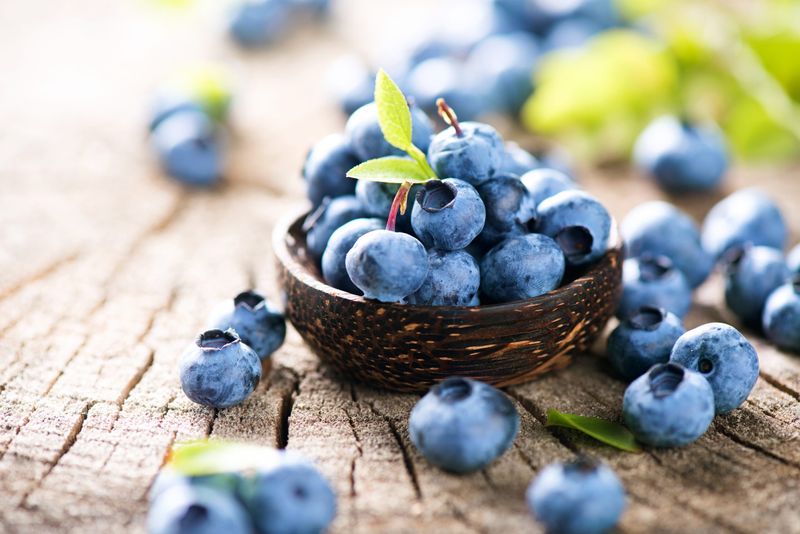
Tiny but mighty, blueberries pack more antioxidants per serving than almost any other fruit. These little gems help protect your brain cells from damage, which may lower the risk of memory loss as you age.
Studies suggest eating blueberries regularly can improve focus and even mood. Toss them into oatmeal, blend them into smoothies, or just eat them by the handful.
Fresh or frozen, they work equally well and are easy to keep on hand.
2. Salmon

Few foods do as much for your body as salmon. Rich in omega-3 fatty acids, it actively fights inflammation, which is linked to heart disease, arthritis, and even depression.
Adults who eat fatty fish like salmon twice a week show significantly better cardiovascular health over time. Grilled, baked, or pan-seared, it comes together quickly on a weeknight.
If fresh salmon feels pricey, canned wild-caught salmon is a budget-friendly swap that delivers the same powerful nutrients.
3. Spinach
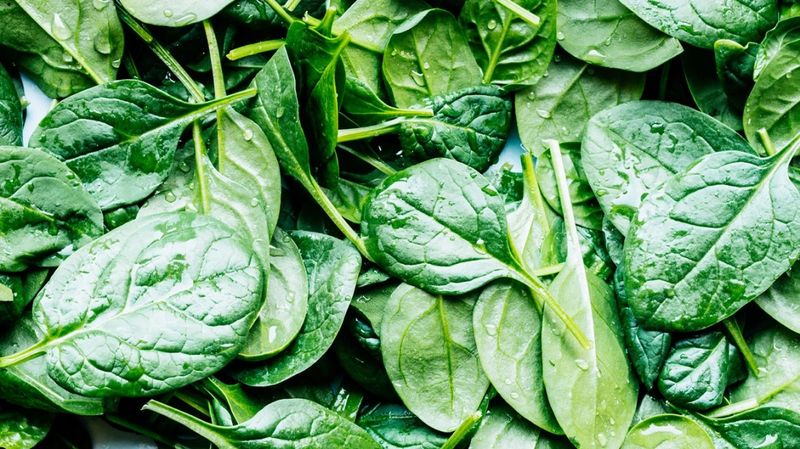
Popeye was onto something real. Spinach is loaded with iron, magnesium, and vitamins K and C, all of which support bone strength, immune function, and energy levels.
Many adults run low on magnesium without even knowing it, and that can cause fatigue, muscle cramps, and poor sleep. A handful of spinach in a smoothie or stirred into pasta sauce barely changes the flavor but quietly boosts your nutrition all day long.
4. Walnuts
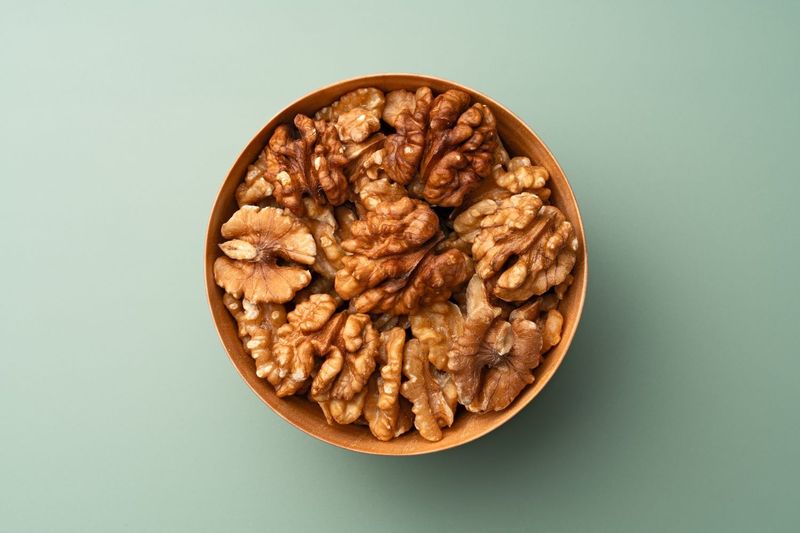
Shaped almost like a tiny brain, walnuts actually support the one inside your skull. They are one of the best plant-based sources of omega-3 fats and contain compounds that reduce inflammation throughout the body.
Snacking on a small handful daily has been linked to better cholesterol levels and lower blood pressure over time. Sprinkle them on salads, stir them into yogurt, or keep a bag at your desk.
They are filling, satisfying, and genuinely good for you.
5. Sweet Potatoes
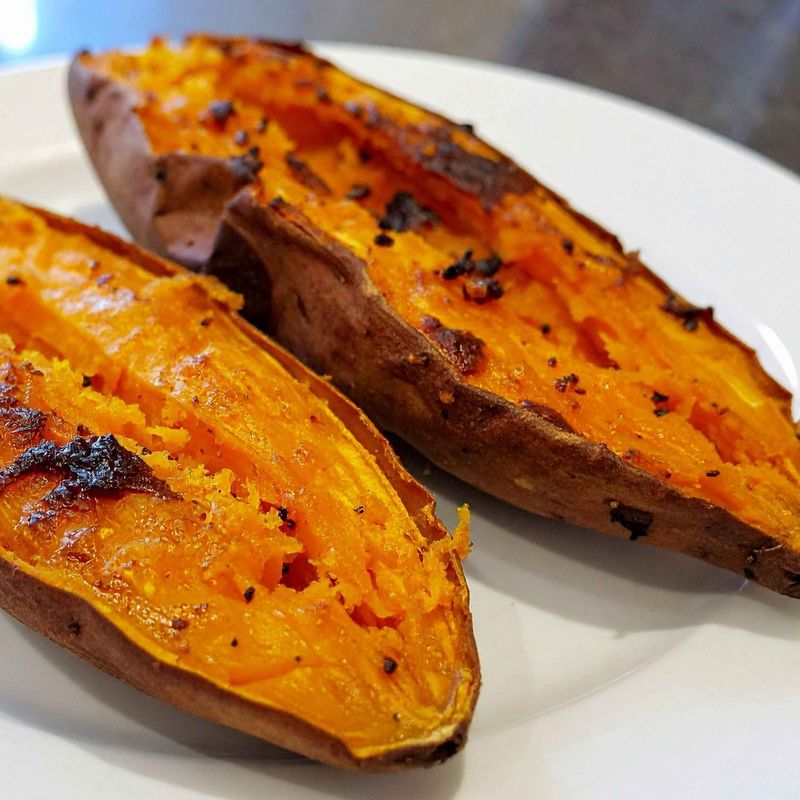
Sweet potatoes are comfort food that actually loves you back. One medium sweet potato gives you more than 100 percent of your daily vitamin A, which is essential for eye health, immune defense, and skin repair.
Unlike regular white potatoes, sweet potatoes have a lower glycemic impact, meaning they keep your blood sugar steadier after meals. Roast them with a drizzle of olive oil and a pinch of cinnamon for a side dish that feels indulgent but fuels your body right.
6. Greek Yogurt
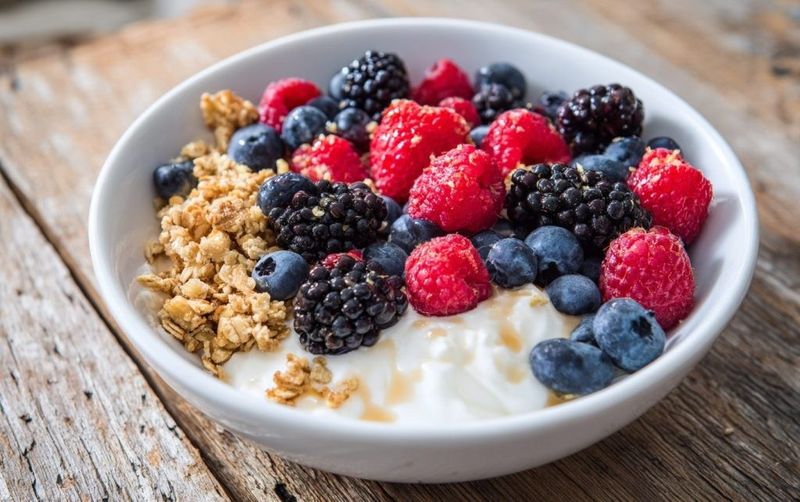
Greek yogurt has twice the protein of regular yogurt and is packed with probiotics that keep your gut microbiome balanced and happy. A healthy gut is now linked to better immunity, improved mood, and even clearer thinking.
It also delivers a solid dose of calcium and vitamin B12, both of which adults often fall short on with age. Use it as a base for dips, swap it for sour cream, or eat it straight with fruit.
Versatile and genuinely filling.
7. Lentils
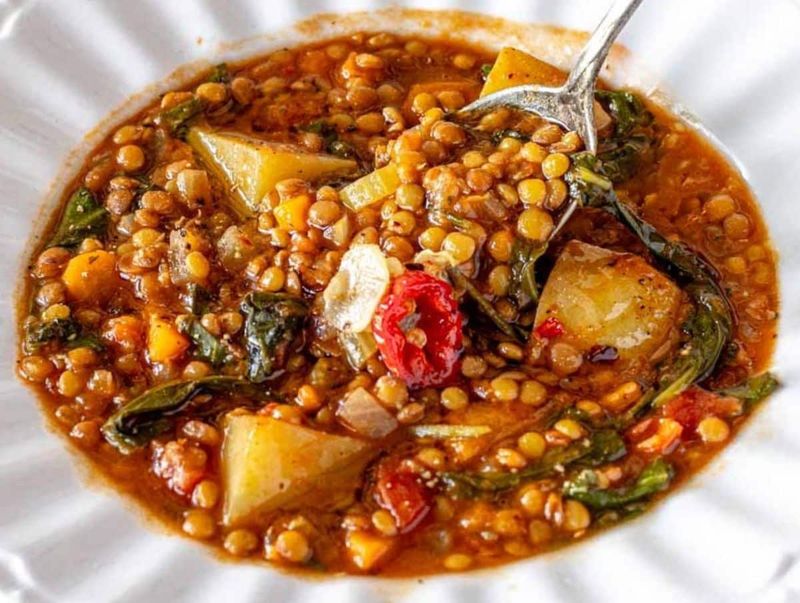
Here is a food that does not get nearly enough credit. Lentils are one of the most nutrient-dense foods on the planet, delivering plant-based protein, fiber, iron, and folate in every single serving.
Eating lentils regularly helps stabilize blood sugar, lower bad cholesterol, and feed the beneficial bacteria in your gut. They are also incredibly affordable and take less than 30 minutes to cook from scratch.
Add them to soups, grain bowls, or tacos for an easy weekly nutrition upgrade.
8. Avocado
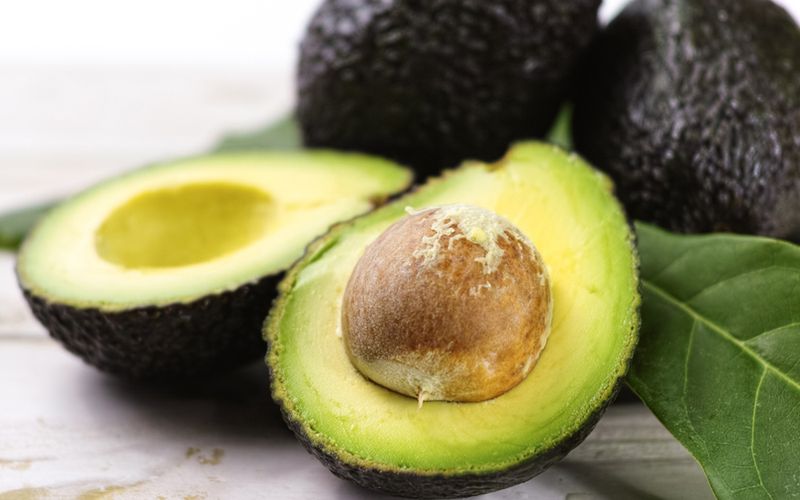
Avocado earned its superfood status honestly. Its rich, creamy texture comes from heart-healthy monounsaturated fats that actually help your body absorb fat-soluble vitamins from other foods you eat alongside it.
It is also a surprisingly good source of potassium, even outranking bananas in that department. Regular avocado consumption is linked to better cholesterol ratios and reduced belly fat over time.
Spread it on toast, slice it into salads, or blend it into a smoothie for a satisfying, nutrient-dense addition to any meal.
9. Broccoli
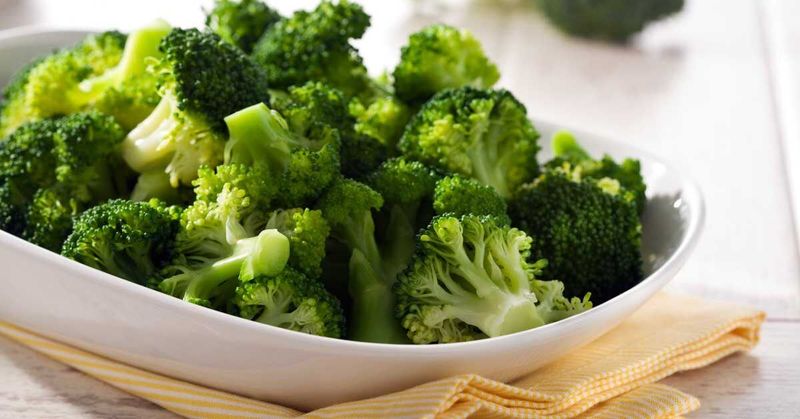
Broccoli belongs in the conversation about the most powerful vegetables you can eat. It contains sulforaphane, a natural compound that researchers are actively studying for its potential to reduce cancer cell growth and protect against chronic disease.
Beyond that, it is rich in vitamin C, fiber, and calcium. Many adults find it more enjoyable when roasted at high heat until the edges get slightly crispy.
That caramelized version is a completely different experience from the soggy steamed broccoli most people remember from childhood.
10. Oats
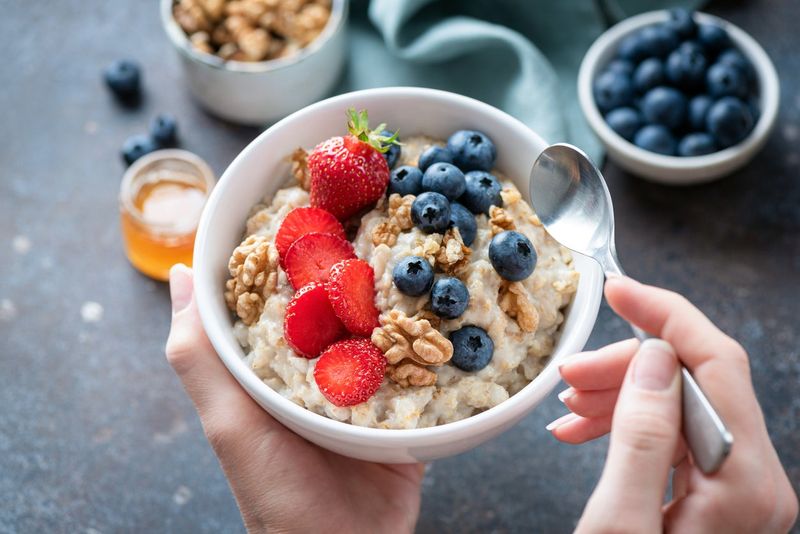
Oats are one of the most studied foods in nutrition science, and the research is overwhelmingly positive. The soluble fiber in oats, called beta-glucan, is proven to lower LDL cholesterol and help manage blood sugar levels over time.
Starting your morning with oatmeal keeps you fuller longer than most breakfast options, which means fewer cravings by midday. Steel-cut oats have a lower glycemic impact than instant versions.
Prep a big batch on Sunday and reheat portions throughout the week for a quick, powerful start to each day.
11. Garlic
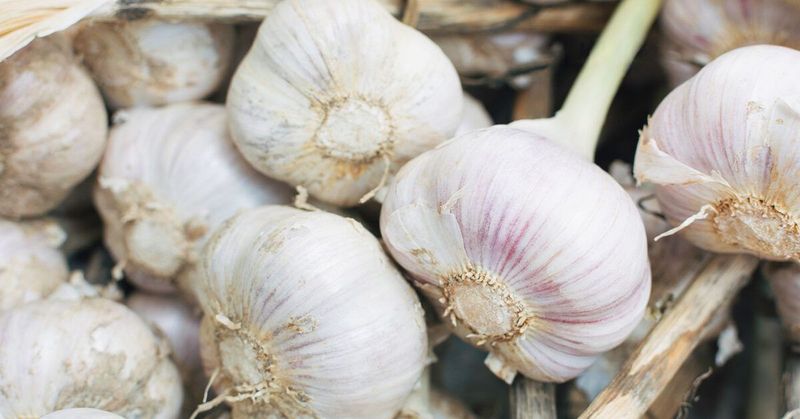
Garlic has been used as medicine for thousands of years, and modern science has caught up to confirm what ancient healers already knew. Its active compound, allicin, has documented antibacterial, antiviral, and anti-inflammatory properties.
Eating garlic regularly may lower blood pressure and reduce the risk of heart disease over time. Raw garlic offers the strongest benefits, but even cooked garlic adds meaningful nutrition to meals.
The good news is that most savory dishes already call for it, so adding more is effortless.
12. Chia Seeds
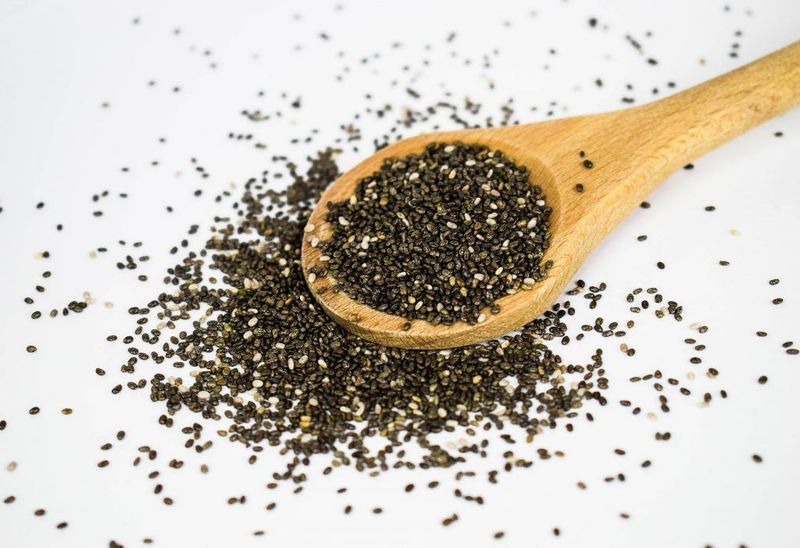
Two tablespoons of chia seeds deliver more omega-3s than many fish servings, plus a remarkable amount of fiber and calcium for such a tiny food. They absorb liquid and expand in your stomach, which creates a long-lasting feeling of fullness that helps with appetite control.
Chia seeds have almost no flavor on their own, making them easy to sneak into nearly anything. Stir them into juice, mix them into yogurt, or make overnight chia pudding the night before for a breakfast that basically prepares itself.
13. Beans
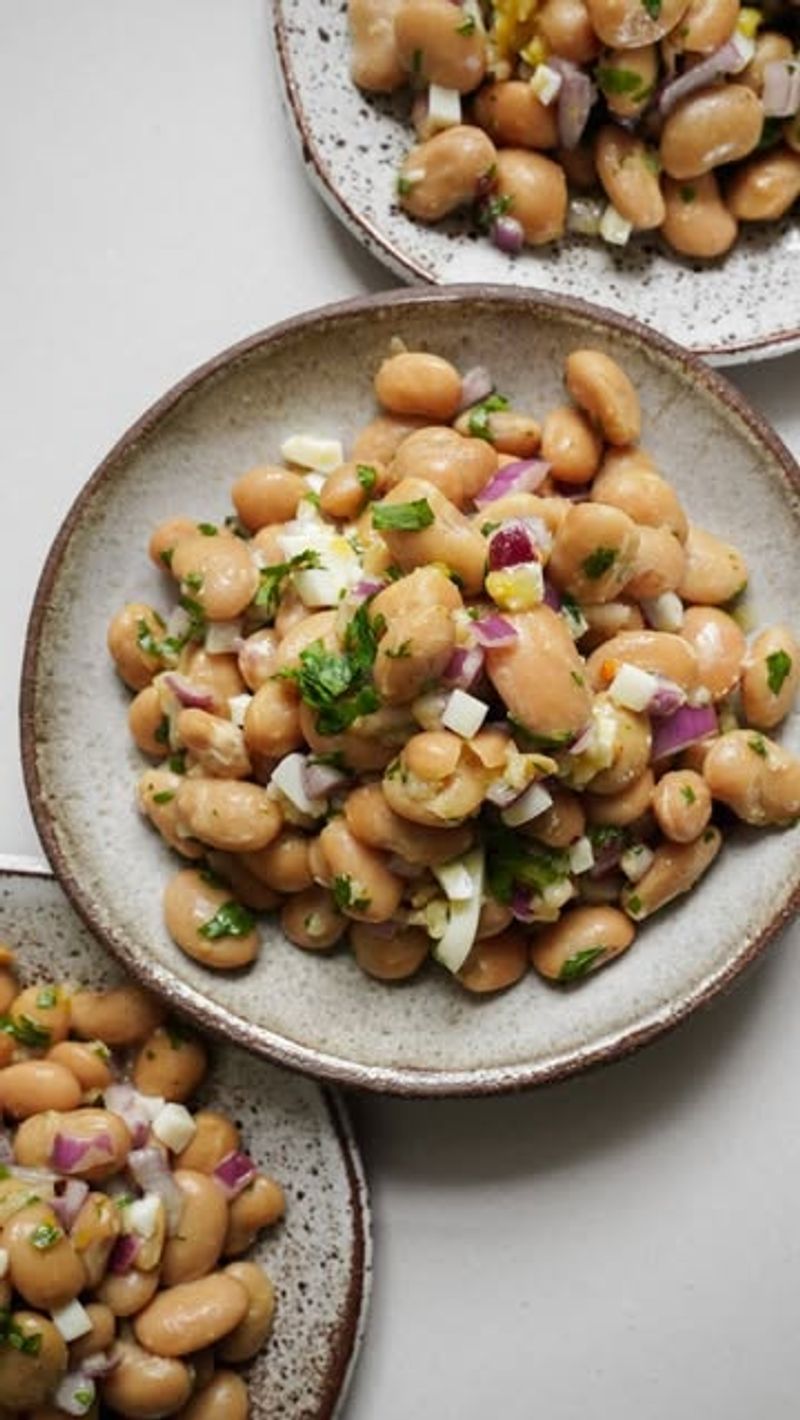
Beans might be the most underrated longevity food on earth. Populations around the world known for living the longest, often called Blue Zone communities, eat beans nearly every single day as a dietary cornerstone.
They are loaded with fiber, plant protein, and resistant starch that feeds your gut bacteria and keeps blood sugar steady. Black beans, chickpeas, kidney beans, and cannellini all count.
Even canned beans are a great choice when you rinse them first to reduce the sodium content significantly.
14. Green Tea

Green tea is one of the most researched beverages in the world, and the findings keep stacking up in its favor. It contains a powerful antioxidant called EGCG that supports brain health, metabolism, and cellular repair.
Unlike coffee, green tea provides a calm, steady energy boost without the jitteriness or hard crash. People in Japan, where green tea consumption is very high, consistently show lower rates of heart disease and certain cancers.
Swapping one daily coffee for green tea is a small habit with real long-term payoff.
15. Sardines
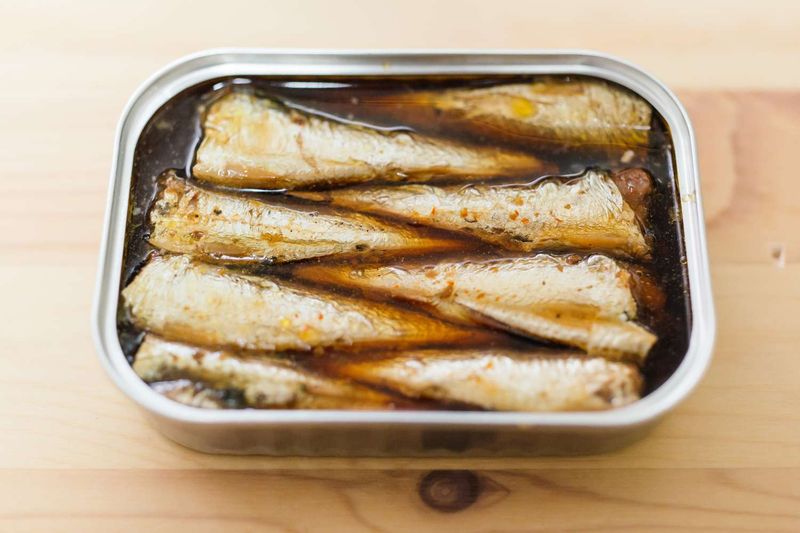
Sardines are the unsung heroes of the nutrition world. Eaten whole, they deliver calcium from the soft bones, along with omega-3 fatty acids, vitamin D, and vitamin B12 in one compact, affordable package.
Vitamin D deficiency is surprisingly common in adults and is linked to fatigue, low mood, and weakened immunity. Sardines are one of the few foods that naturally contain meaningful amounts of it.
Try them on whole grain crackers with mustard or mashed into a toast topping for a surprisingly satisfying snack.
16. Turmeric
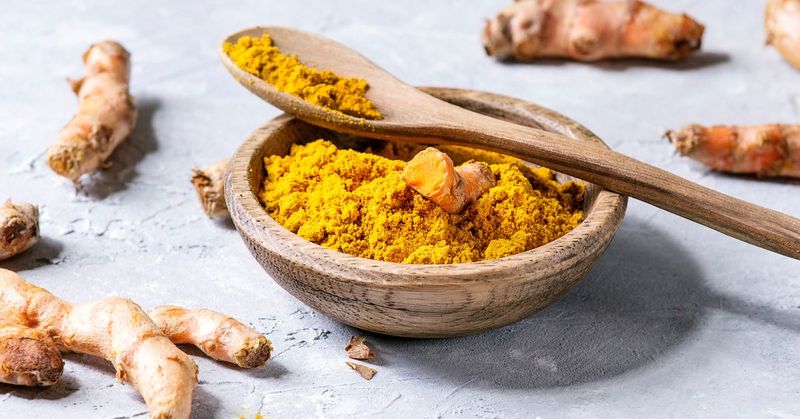
Turmeric has been a staple of Ayurvedic medicine for centuries, and researchers are now finding strong evidence for what practitioners long believed. Its active compound, curcumin, is a potent anti-inflammatory that may help reduce joint pain and protect brain function with age.
The catch is that curcumin absorbs poorly on its own. Pairing turmeric with black pepper dramatically increases absorption, so adding both to soups, rice, or roasted vegetables makes the combination far more effective.
A golden milk latte is another warm, easy way to work it in daily.




Comments
No Comments