













Some foods taste best when you eat them in a specific order, and there's real science and tradition behind it. From fancy multi-course meals to street food rituals, the sequence in which you eat can completely change the flavor experience.
Skipping steps or mixing things up might leave you missing out on the full magic of the dish. Get ready to discover 16 fascinating foods where the order truly matters.
1. Japanese Kaiseki
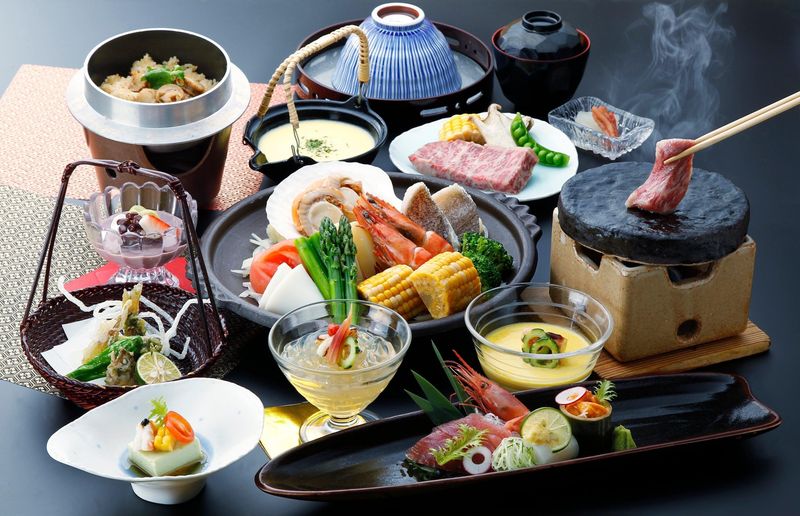
Kaiseki is Japan's version of fine dining, and every single course arrives in a carefully planned order for a reason. The meal begins with delicate appetizers, moves through soups and grilled dishes, and ends with rice and pickles.
Each course prepares your taste buds for the next one.
Skipping ahead would completely throw off the flavor journey the chef designed. Think of it like chapters in a book — the story only makes sense in order.
2. French Tasting Menu (Menu Dégustation)
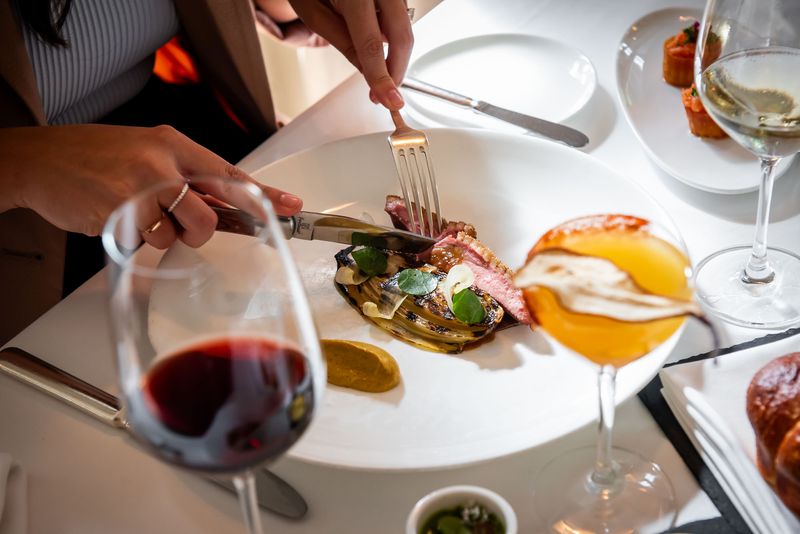
French fine dining has strict rules about the order of courses, and chefs take this incredibly seriously. Cold appetizers come first, followed by hot ones, then fish, then meat, and finally dessert.
This progression helps your palate move from light to rich flavors without feeling overwhelmed.
Wine pairings also follow this same order, matching each dish perfectly. Eating out of sequence would be like listening to a symphony starting from the finale — totally confusing.
3. Indian Thali
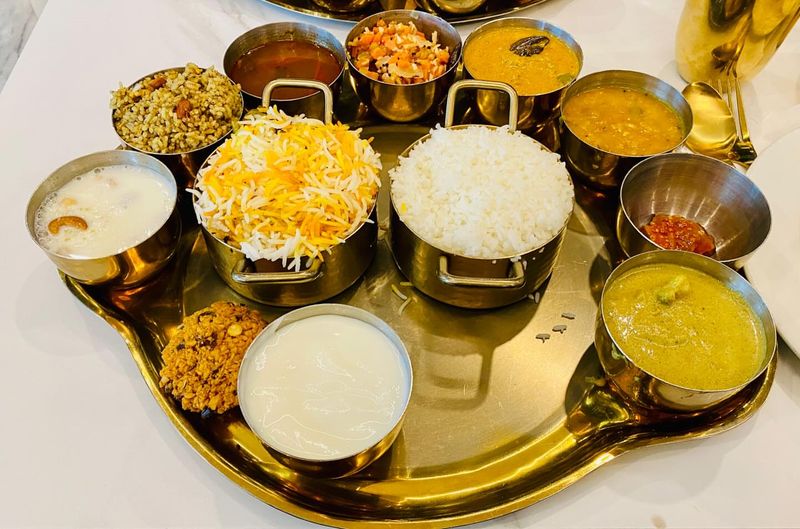
A thali is a complete Indian meal served all at once on one big plate, but there is a traditional way to eat it. You start with a small sweet bite, then move to savory dishes, and finish with another sweet to close the meal.
This order follows ancient Ayurvedic principles about digestion and balance.
The sweet at the start activates digestive enzymes, while salt and spice dishes come in the middle. It's a meal that's been thoughtfully engineered for centuries.
4. Korean BBQ
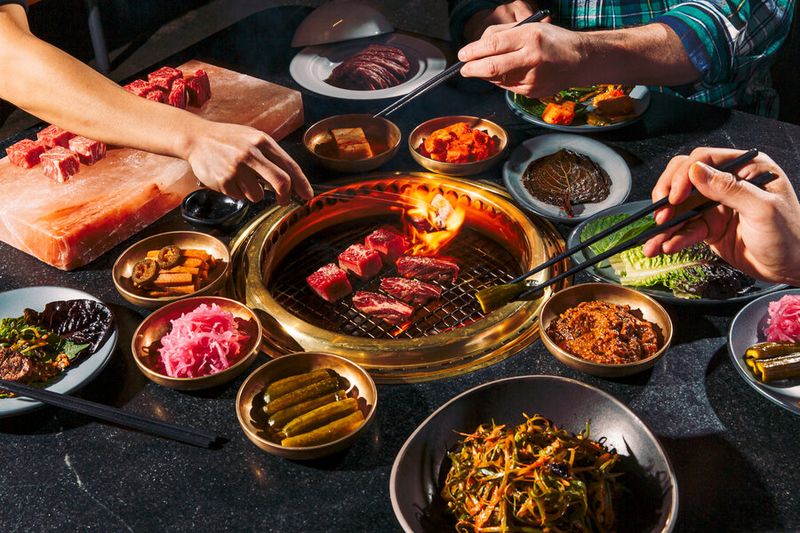
Korean BBQ is not just about grilling meat — it's a whole ritual with a specific flow. You start by grilling the fattier cuts first, which season the grill for leaner meats that come after.
Wrapping bites in lettuce with garlic and sauces adds layers of flavor at just the right moment.
Banchan side dishes are nibbled throughout, not all at once. Eating Korean BBQ in the right order makes every bite taste dramatically better than just diving in randomly.
5. Omakase Sushi
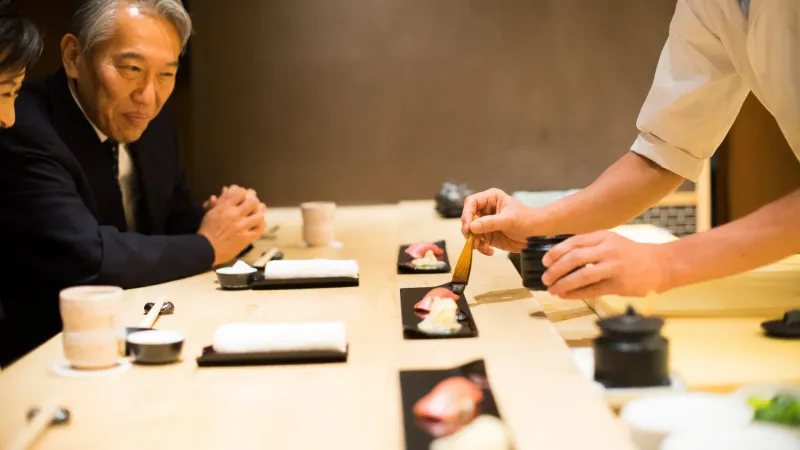
Omakase means "I leave it up to you," and the chef decides both what you eat and the order you eat it. Lighter fish like flounder come first, then fattier cuts like tuna belly, then rich shellfish, and finally tamago (sweet egg) to end.
This progression is intentional — it's designed so no single flavor overpowers the last.
Eating sushi out of this order is considered poor form in Japan. The chef's sequence is their masterpiece, and respecting it is part of the experience.
6. Ethiopian Injera Spread
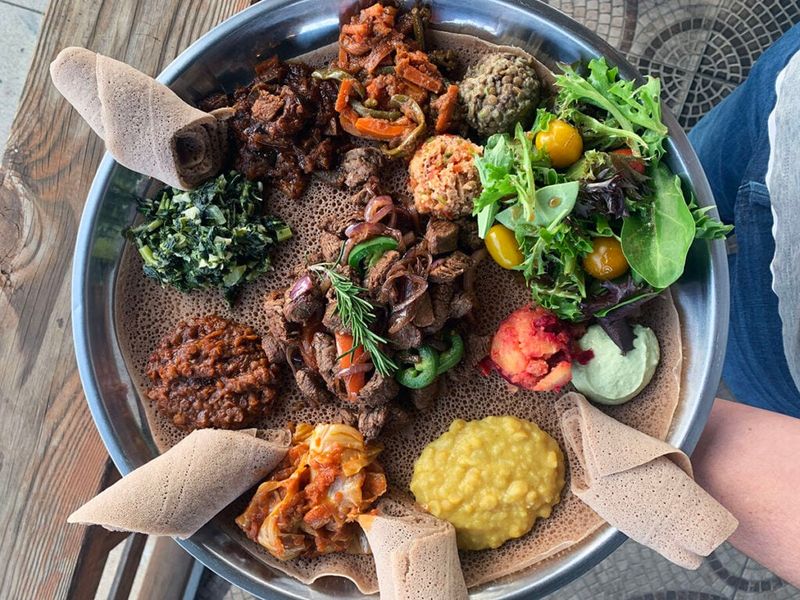
Ethiopian injera meals are meant to be eaten in a communal, flowing way that has its own unspoken order. You typically start from the outer edges of the injera and work your way toward the center, where the richest stews sit.
This keeps the bread from getting too soggy too quickly.
Lighter vegetable stews are eaten before the heavier spiced meats. Tearing and scooping in the right direction keeps the meal balanced and makes sure you don't run out of injera before finishing the stew.
7. Spanish Tapas Progression
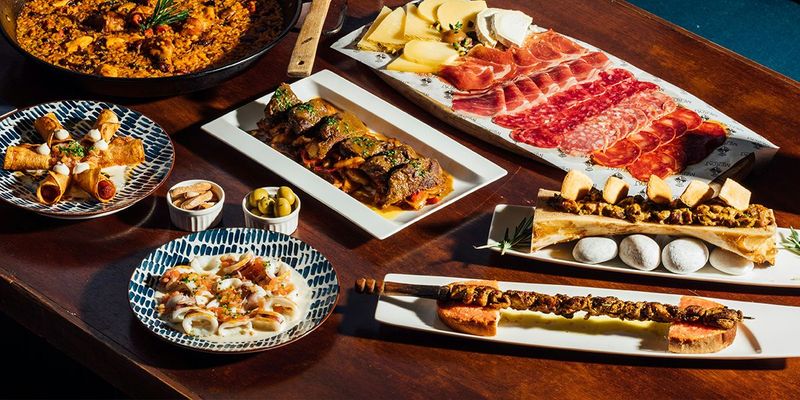
Tapas in Spain aren't random snacks — there's actually a traditional order to how they're enjoyed. You begin with cold items like olives, cured meats, and cheese, then move to warm dishes like patatas bravas and gambas al ajillo.
Heartier meat dishes come last, before dessert closes things out.
This order mirrors the full Spanish dining experience, just in smaller bites. Going straight for the heavy dishes first leaves you too full to appreciate the subtle, lighter flavors that come before.
8. Chinese Dim Sum
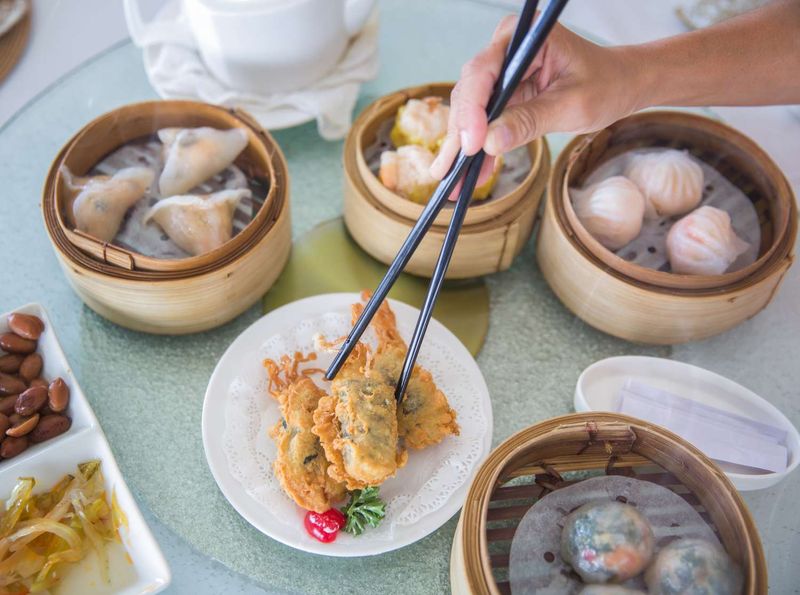
Dim sum has a traditional eating order that many regulars follow without even thinking about it. Steamed dishes like har gow and siu mai come first since they are the most delicate.
Fried and baked items follow, and sweet dessert buns or egg tarts wrap things up at the end.
Tea is sipped throughout to cleanse the palate between bites. Starting with fried food first would coat your mouth with oil and dull the flavors of the more subtle steamed dumplings.
9. Italian Multi-Course Meal
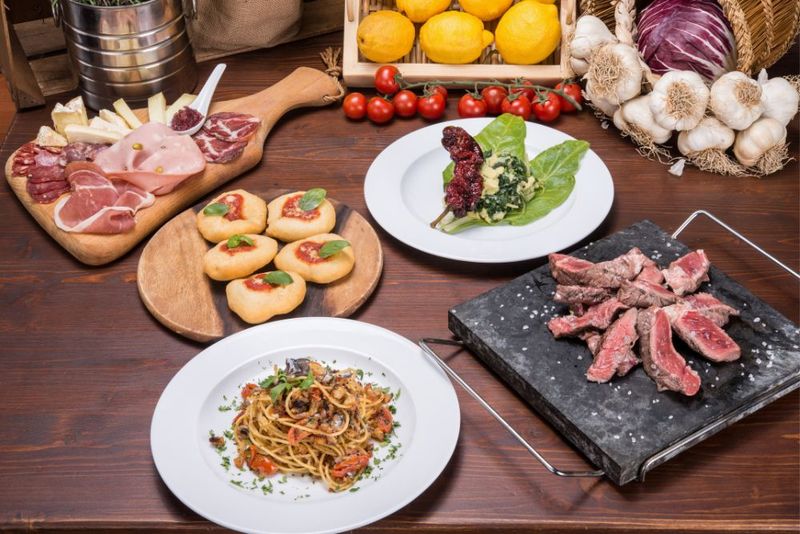
Italy's traditional meal structure is one of the most well-known eating sequences in the world. It begins with antipasto (appetizers), then primo (pasta or risotto), then secondo (meat or fish), and finally dolce (dessert).
Each stage is meant to be savored slowly, not rushed.
Eating pasta as a main course the way Americans often do is actually seen as skipping a step in Italy. The order creates a complete, satisfying arc that leaves you feeling nourished but never stuffed.
10. Vietnamese Pho
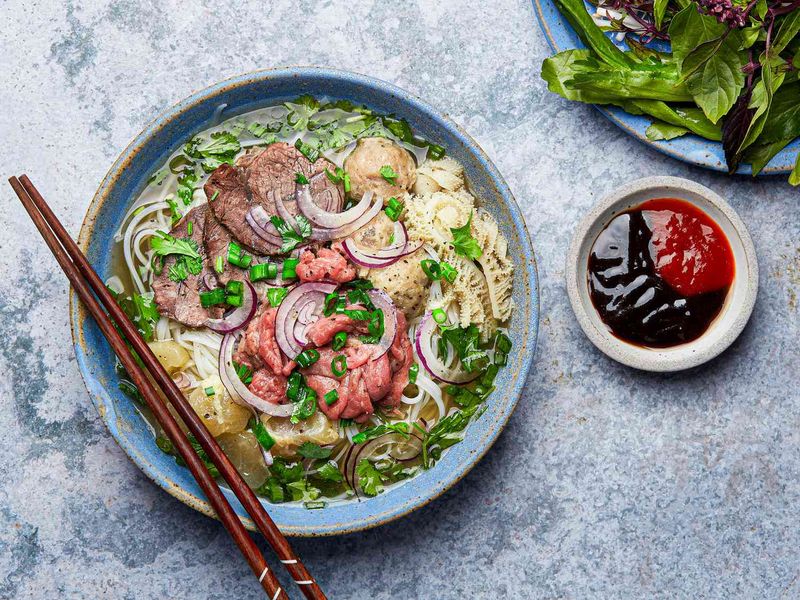
Pho might look like a simple noodle soup, but there's a right way to eat it for maximum flavor. First, taste the broth on its own to appreciate the chef's hours of work.
Then add the accompaniments — fresh herbs, bean sprouts, lime, and chili — gradually rather than all at once.
Adding everything immediately drowns out the broth's complexity. Squeezing lime too early can make the broth sour before you've had a chance to enjoy its natural sweetness and depth.
11. Moroccan Mechoui Feast
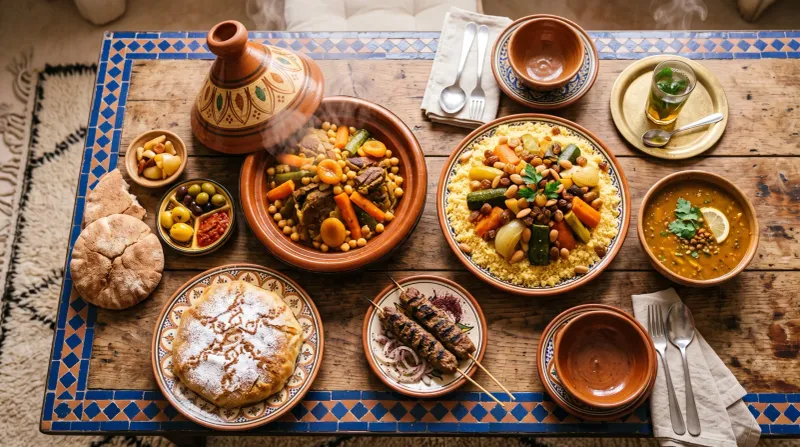
A Moroccan mechoui feast follows a deeply rooted cultural order that guests are expected to respect. The meal opens with salads and bread, then moves to a rich soup like harira, followed by pastilla (a sweet-savory pie), and then the main mechoui lamb.
Couscous with vegetables comes near the end.
Dates, nuts, and mint tea close out the experience as a sign of hospitality. Rushing past any stage means missing the storytelling that each course adds to the overall feast.
12. Greek Meze
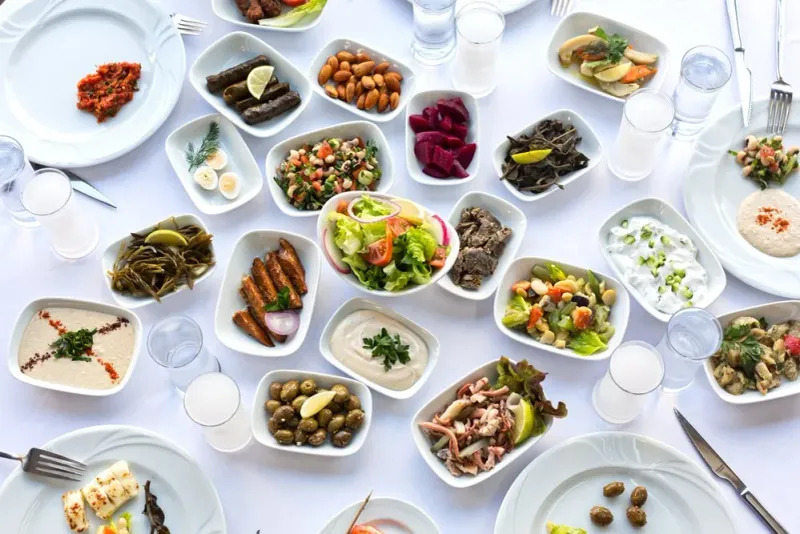
Greek meze is a social eating style where small dishes arrive in a specific rhythm tied to conversation and appetite. Cold dips and bread kick things off, followed by cold salads and cheese, then warm dishes like saganaki or grilled vegetables, and finally grilled seafood or meat.
The idea is that eating slows down as the evening goes on, not speeds up. Jumping straight to grilled octopus before the dips would miss the whole leisurely, layered spirit of a proper meze table.
13. Brazilian Churrasco
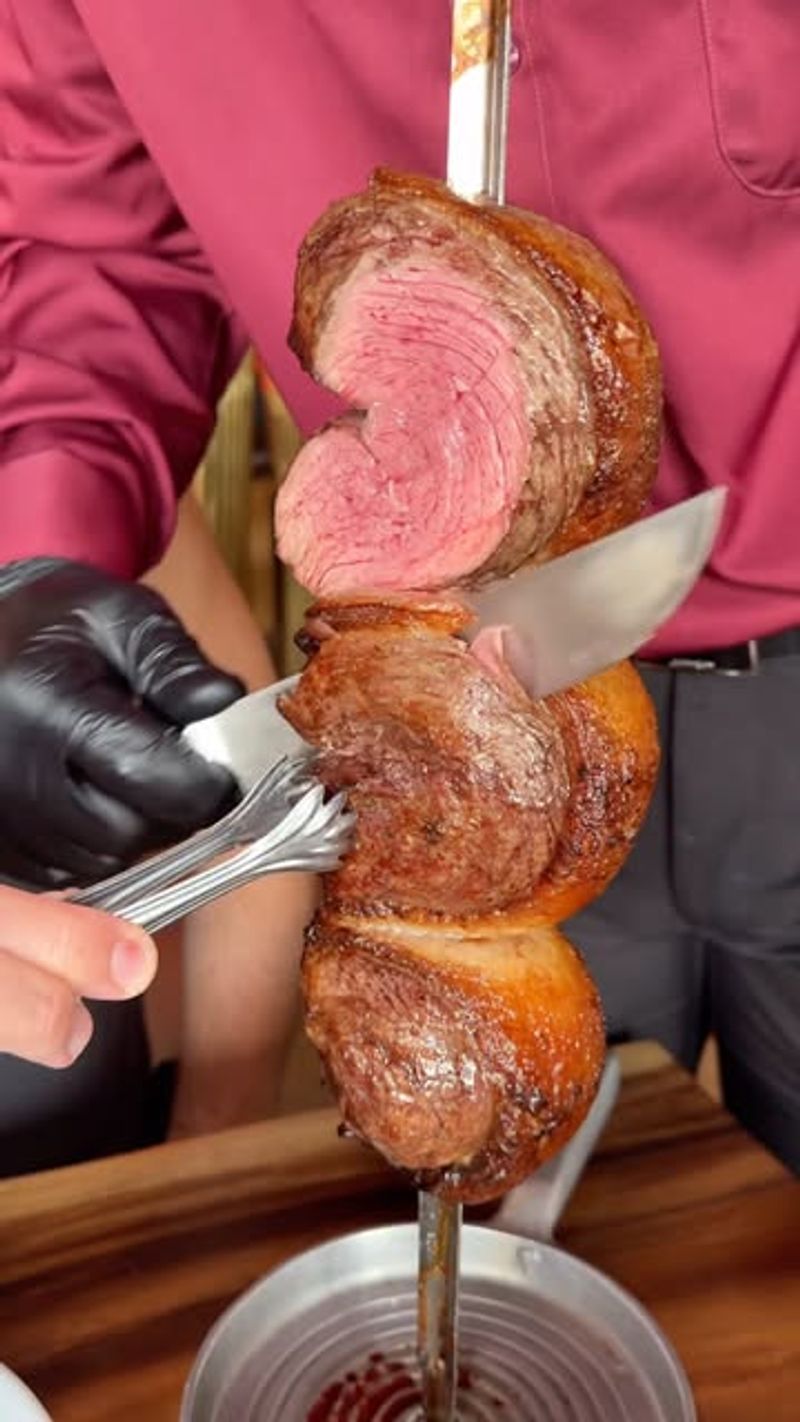
Brazilian churrasco at a rodizio restaurant has a clever built-in order to it that most people don't realize. Traditionally, you start at the salad bar with lighter fare before the meat parade begins.
Among the meats, lighter cuts like chicken and sausage arrive first, building up to the star: picanha (rump cap).
Eating the heaviest, fattiest cuts first fills you up before the best bites arrive. Pacing yourself through the sequence is the real skill of enjoying churrasco properly.
14. Japanese Ramen
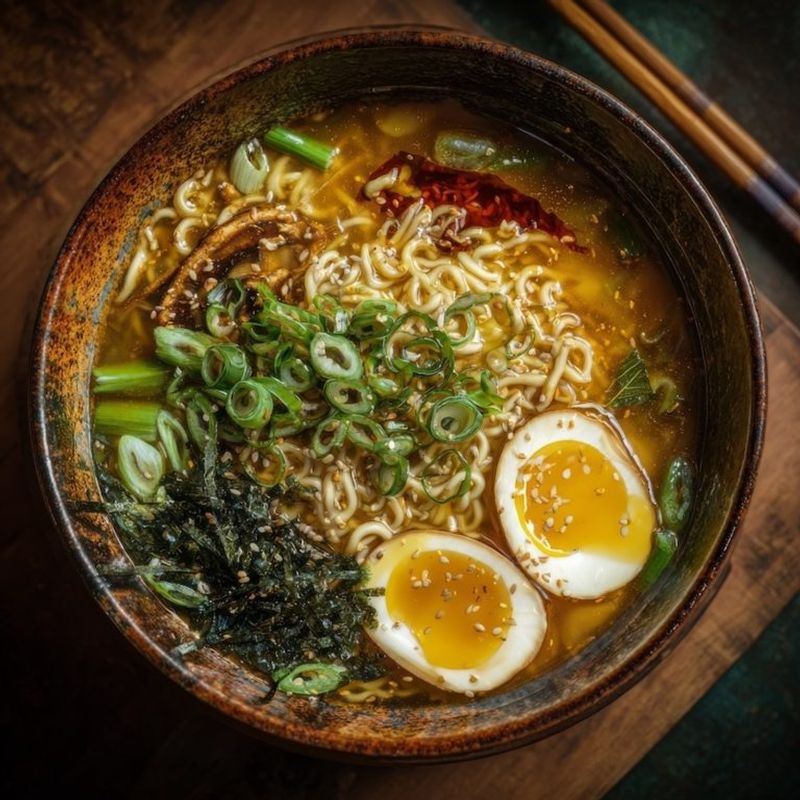
Ramen lovers in Japan have a very specific approach to eating this beloved noodle dish. You take your first sip of broth immediately before anything else, while it's at peak temperature and flavor.
Then you start on the noodles, eating them quickly so they don't get soggy and overcooked in the hot broth.
Toppings like chashu and egg are enjoyed bit by bit alongside the noodles. Letting the noodles sit too long before eating is considered a rookie mistake that ruins the texture.
15. Persian Sofrehye Aghd (Wedding Spread)
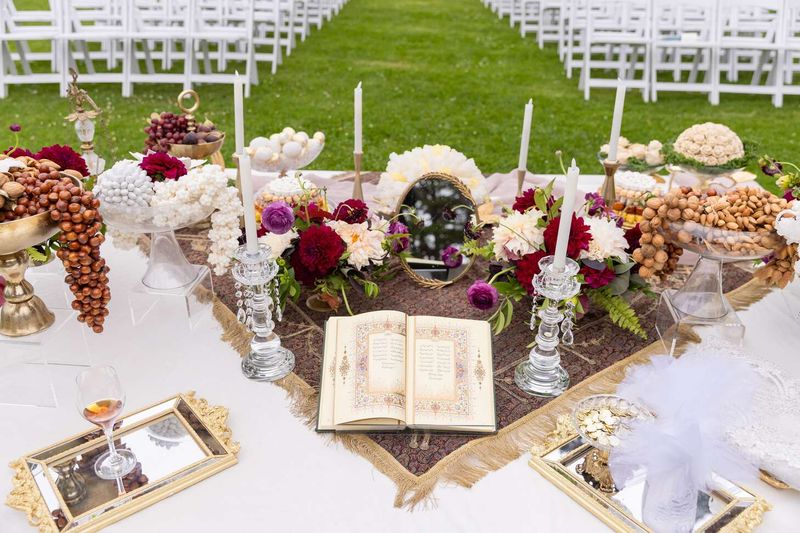
At a Persian wedding ceremony, the sofrehye aghd is a ceremonial spread where specific foods are tasted in a meaningful order. The bride and groom first dip their fingers in honey and feed it to each other as a symbol of sweetness in their life together.
Then herbs, bread, and eggs are shared in sequence.
Each food carries a symbolic meaning tied to fertility, prosperity, and happiness. The order isn't just tradition — it's a carefully layered blessing that unfolds step by step throughout the ceremony.
16. British Sunday Roast
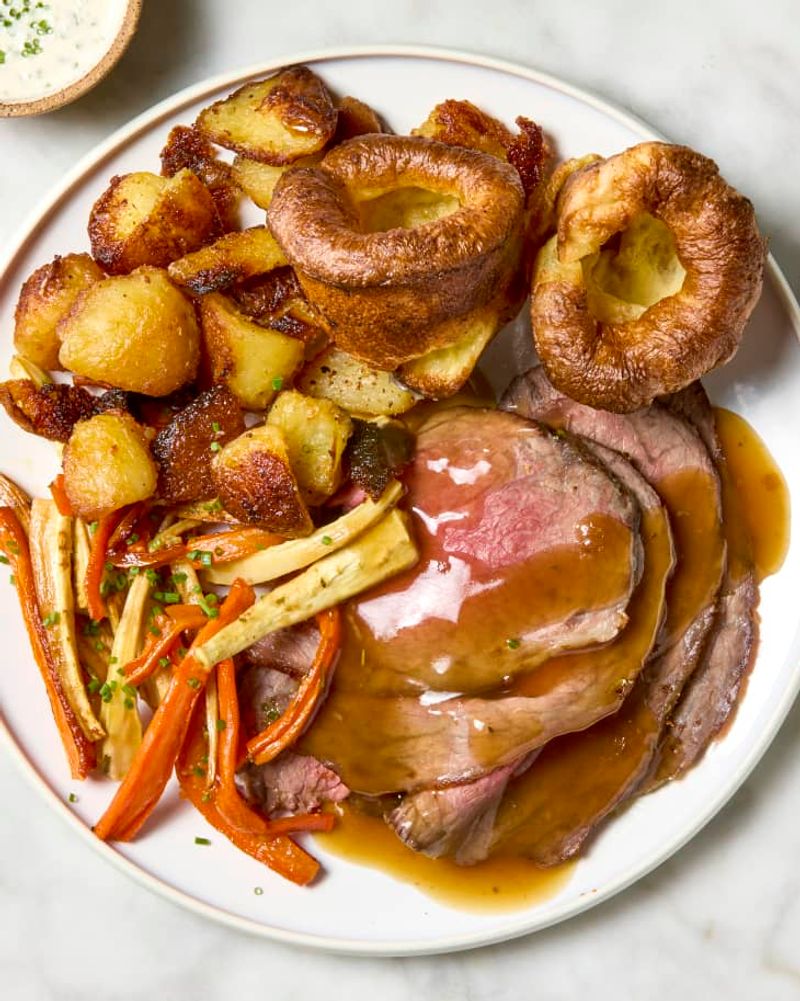
A proper British Sunday roast might look like a free-for-all on the plate, but seasoned roast veterans know there's a method to eating it right. Yorkshire pudding is traditionally eaten first as a starter to take the edge off hunger, then the main plate arrives with meat, potatoes, and veg.
Gravy should be poured last, just before eating, so nothing gets soggy too soon. Getting the ratio of meat, potato, and veg on each forkful is practically considered an art form across British households.




Comments
No Comments