













A messy pantry is one of the sneakiest causes of food waste at home. When you cannot see what you have, you buy duplicates, forget about items, and end up throwing out food that has gone bad.
Getting your pantry organised does not have to be a big, expensive project. A few smart changes can save you money, reduce waste, and make cooking so much easier every single day.
1. Use Clear Storage Containers
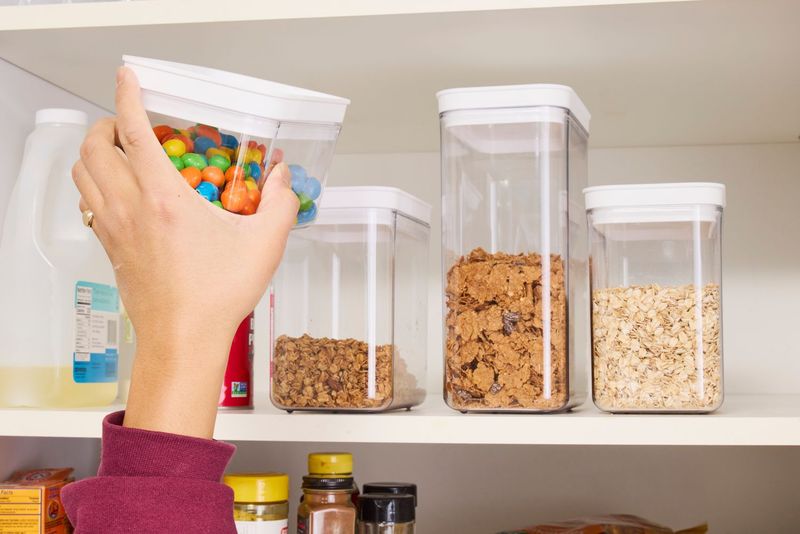
Switching to clear, airtight containers is one of the simplest upgrades you can make for your pantry. When everything is visible at a glance, you always know what you have and what you are running low on.
This means no more buying a second bag of flour when three cups are already sitting on the shelf. Airtight containers also keep food fresh much longer by blocking out moisture and pests, which cuts down on spoilage significantly.
2. Label Everything Clearly

Labels are the unsung heroes of a well-organised pantry. Without them, mystery jars and unlabelled bags create confusion that leads to wasted food and wasted time searching through shelves.
Write the item name and the date it was opened or its expiry date directly on the label. You can use a label maker, chalkboard stickers, or even plain masking tape with a marker.
Knowing exactly what something is and when to use it by keeps your pantry running smoothly.
3. Rotate Stock Using the FIFO Method
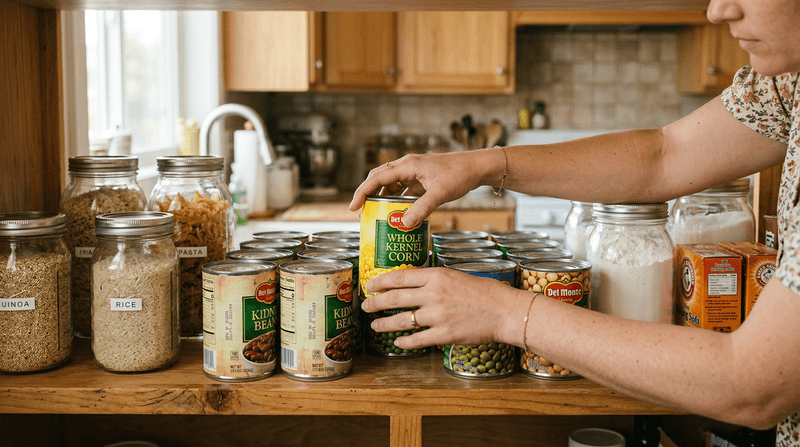
FIFO stands for First In, First Out, and it is the same system grocery stores use to reduce waste. Every time you bring home new groceries, move the older items to the front and place the new ones behind them.
This way, you always reach for the oldest item first, meaning nothing gets pushed to the back and forgotten until it expires. It takes about thirty extra seconds at grocery time but saves a surprising amount of food from going to waste.
4. Group Foods by Category
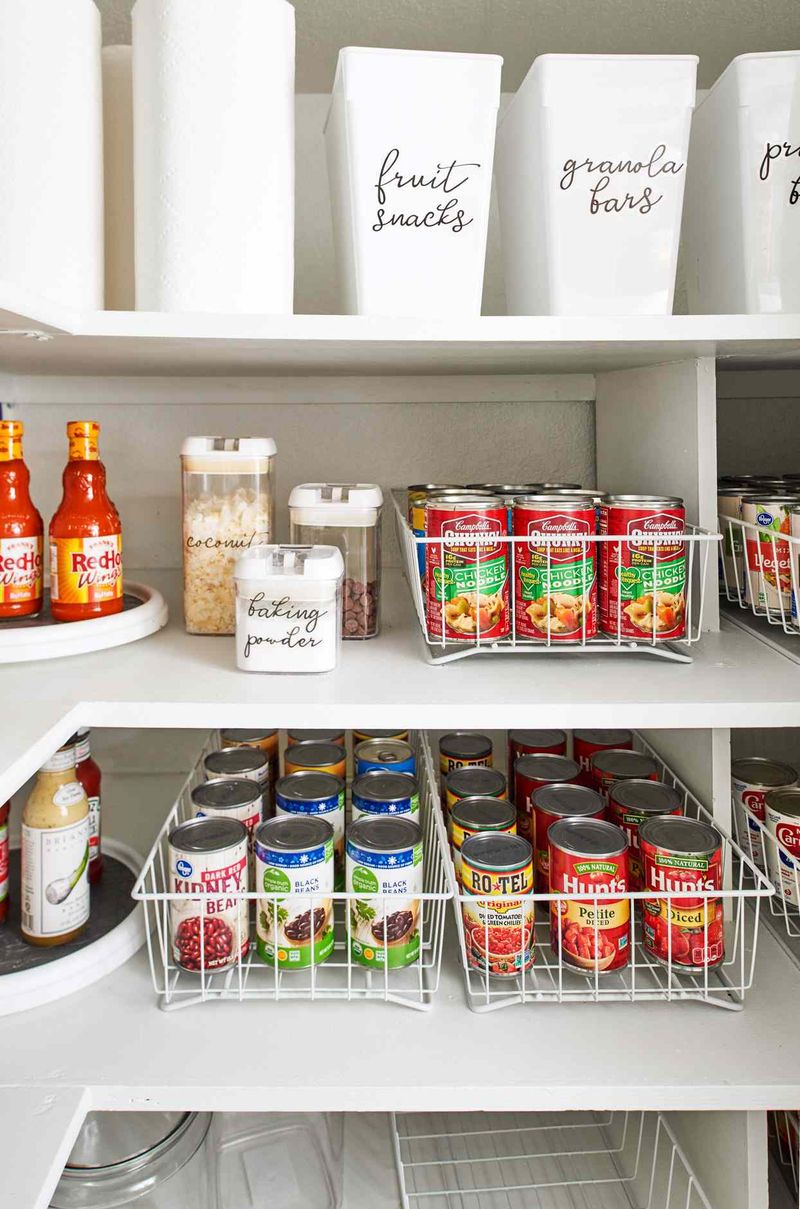
Grouping similar foods together transforms a chaotic pantry into one that practically runs itself. Keep all your baking supplies in one zone, canned goods in another, and snacks in their own dedicated spot.
When everything has a home, putting groceries away becomes faster and finding ingredients while cooking is effortless. You also spot gaps in your supplies much more quickly, which makes writing your shopping list a breeze rather than a guessing game.
5. Add a Lazy Susan for Corner Shelves
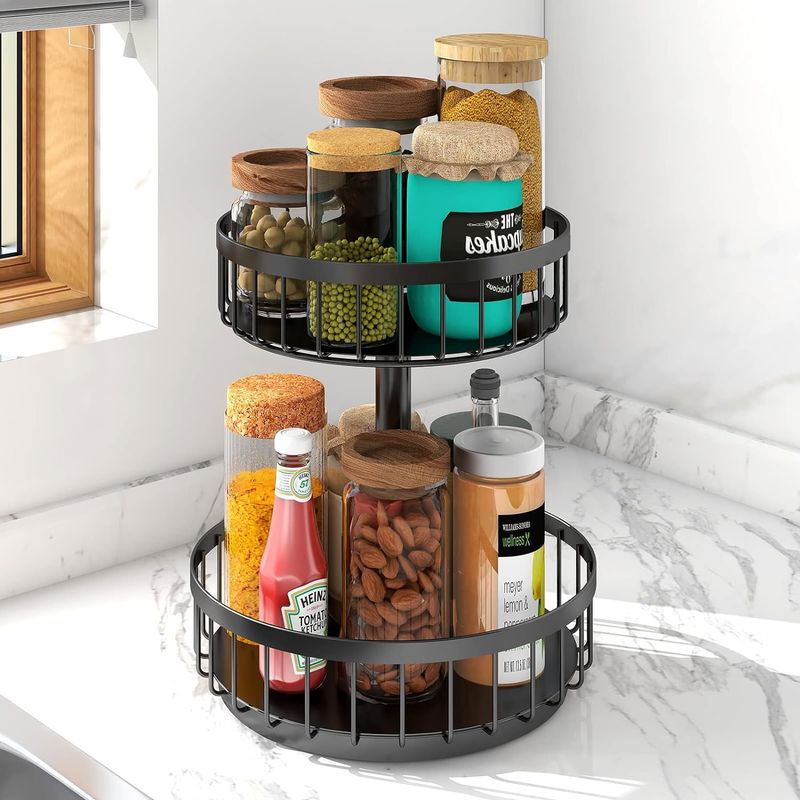
Corner shelves are notorious for swallowing items whole, never to be seen again. A lazy Susan, which is simply a rotating turntable, solves this problem brilliantly by bringing everything within easy reach with just a spin.
They work especially well for spices, condiments, oils, and small jars that tend to get lost at the back of shelves. Did you know lazy Susans have been used in kitchens since the early 1700s?
A timeless solution for a very modern problem.
6. Use Door-Mounted Organisers
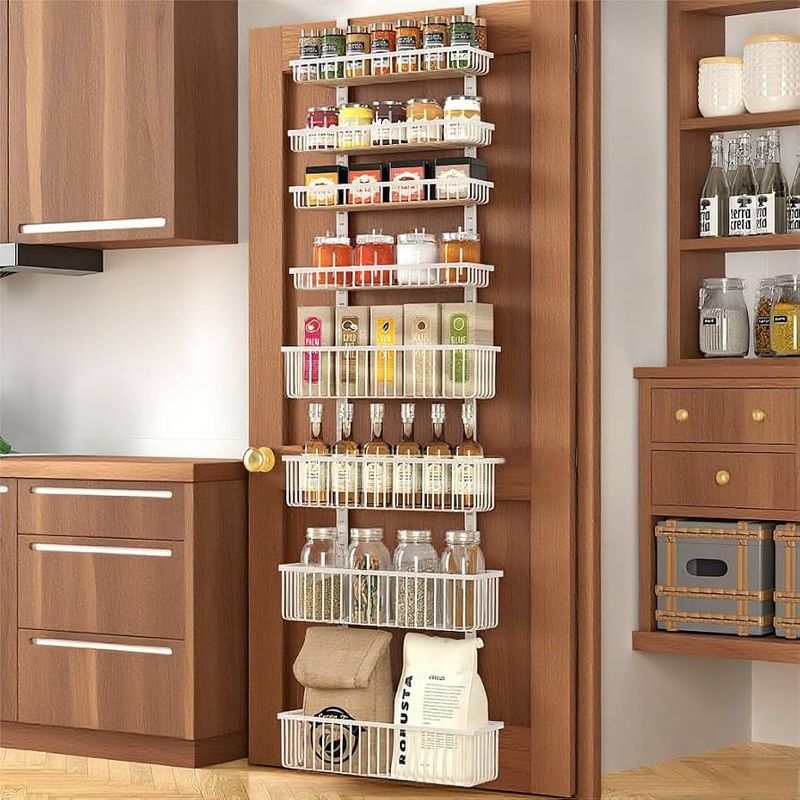
Most pantry doors are wasted real estate just waiting to be used. Over-the-door organisers with pockets or small shelves can hold a huge range of items, from spice packets and snack bars to foil and cling wrap boxes.
This frees up shelf space for bulkier items and keeps frequently used things right at your fingertips. Mounting an organiser on the inside of your pantry door is usually cheap, quick, and requires no tools or permanent installation at all.
7. Create a Use-It-Up Basket
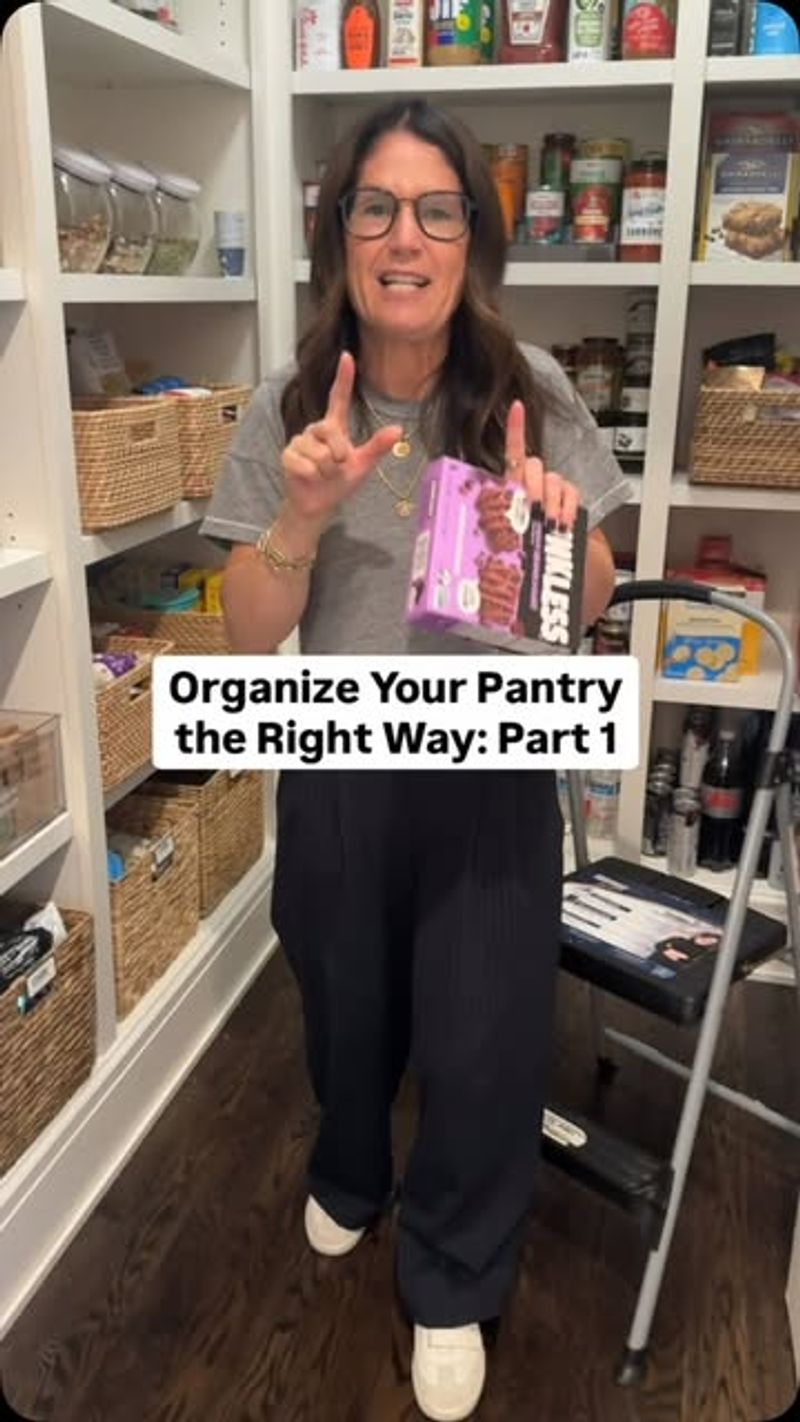
Here is a game-changer for reducing food waste: keep a dedicated basket in your pantry for items that need to be used up soon. Anything approaching its expiry date or running low goes straight into this basket.
Make it a habit to check the basket before planning your weekly meals so those ingredients get used first. This simple trick stops perfectly good food from quietly expiring at the back of a shelf while you cook with brand new ingredients instead.
8. Invest in Tiered Shelf Risers
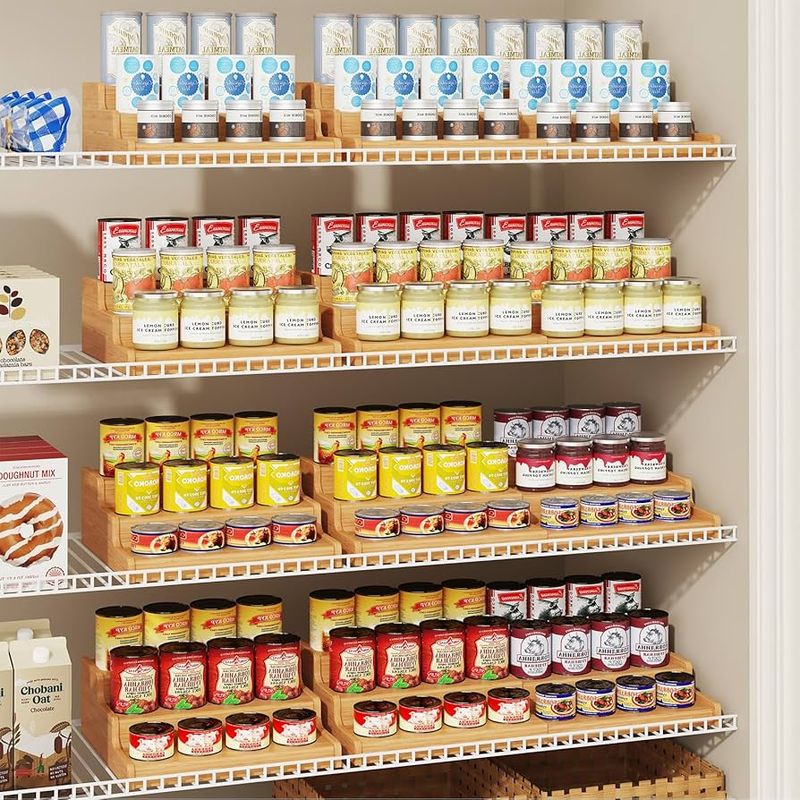
Flat shelves hide items behind each other, making it easy to forget what is lurking in the second or third row. Tiered shelf risers solve this by lifting items at the back so everything stays visible from the front.
They are particularly brilliant for canned goods, jars, and spice bottles. You get a stadium-style view of your entire stock, which means less digging around and far fewer forgotten tins that expire before you remember you had them.
9. Store Produce Properly
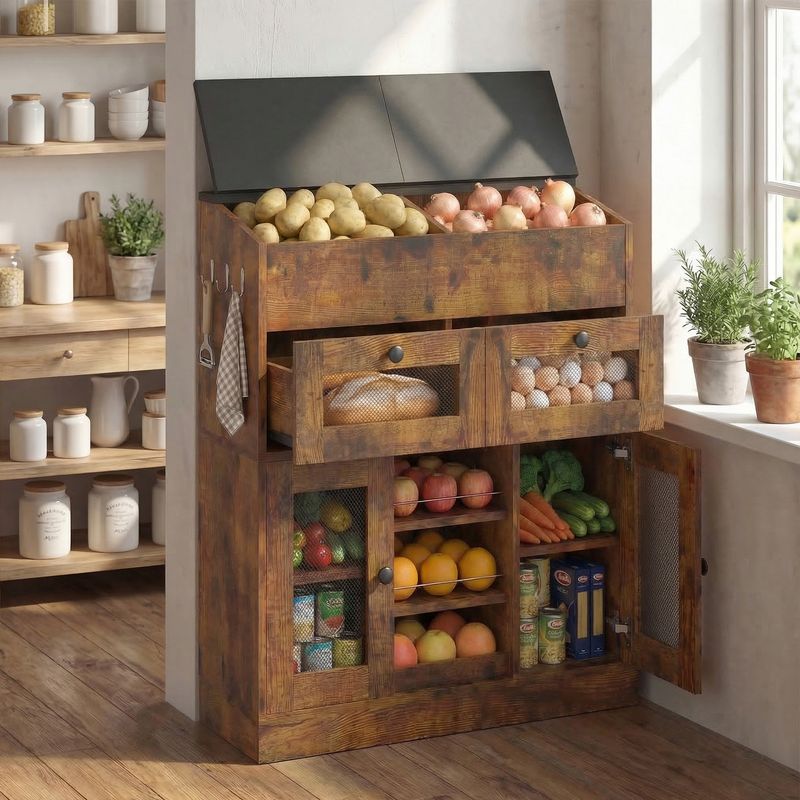
Not all produce belongs in the fridge, but storing it incorrectly in the pantry can cause it to go off far faster than it should. Potatoes, onions, and garlic prefer cool, dark, and well-ventilated spots rather than sealed containers or bright shelves.
Keep them in breathable baskets or mesh bags and store them separately, because onions and potatoes stored together actually speed up each other's spoilage. A little know-how about produce storage goes a long way toward reducing weekly waste.
10. Decant Bulk Buys Into Smaller Portions
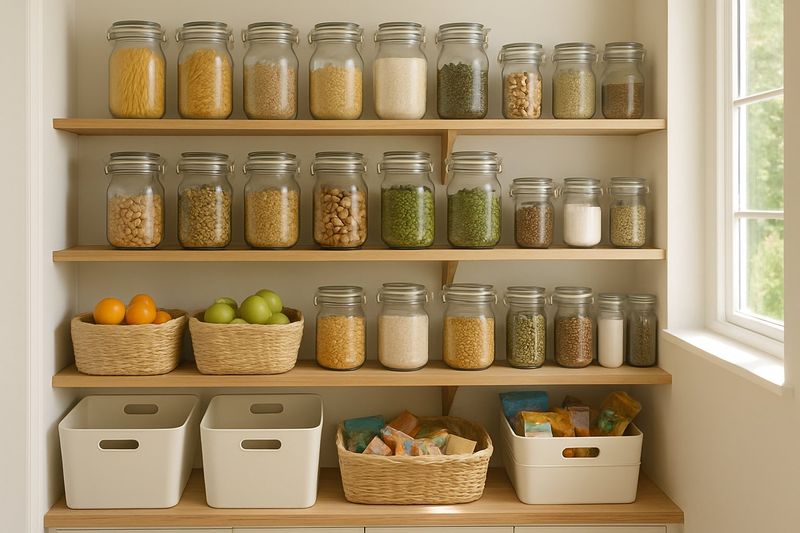
Buying in bulk is a great money-saver, but a giant open bag shoved onto a shelf is a recipe for spills, pests, and food going stale. Decanting bulk items into smaller, sealed containers keeps everything fresh and manageable.
Portion them out based on how much you typically use in a week or two. This approach also makes it much easier to see your stock levels at a glance, so you never accidentally run out of a staple mid-recipe on a busy weeknight.
11. Keep a Pantry Inventory List
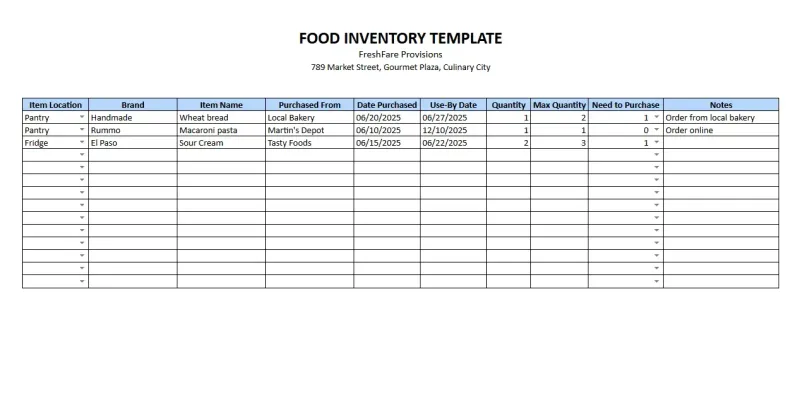
Knowing exactly what you have without opening every container sounds like a dream, but a simple inventory list makes it a reality. Keep a running list on a clipboard inside your pantry door or as a note on your phone.
Update it whenever you use something up or restock. Before every grocery run, check the list so you only buy what you actually need.
Studies show that households with organised food inventories waste significantly less food and spend less money on groceries each month.
12. Assign a Snack Zone for Kids
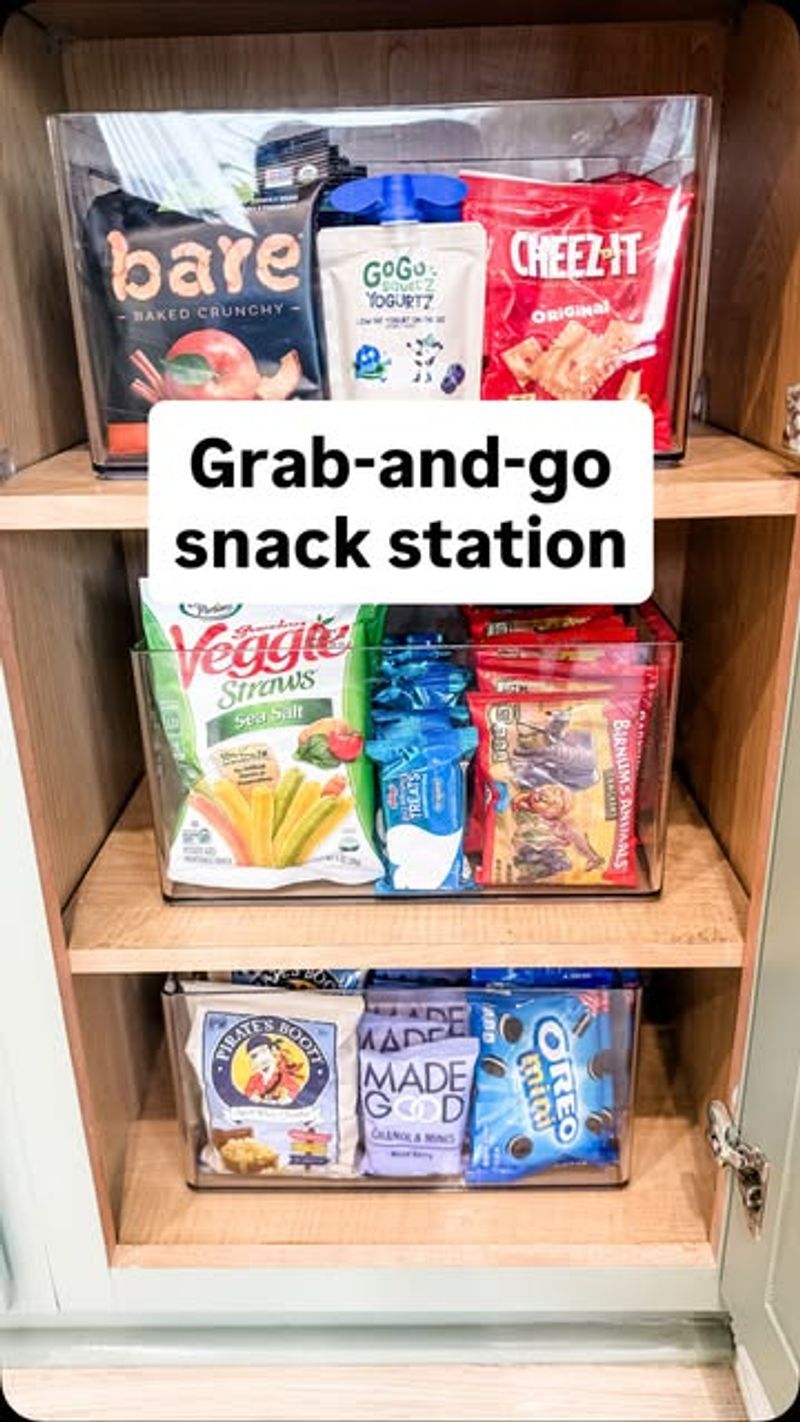
If you have kids at home, a dedicated snack zone is absolutely worth setting up. Place a basket or bin on a lower, easy-to-reach shelf filled with pre-approved, grab-and-go snacks just for them.
This stops little hands from rummaging through the whole pantry and knocking things over or opening multiple packets at once. Having a clear boundary for snacks also helps with portion awareness and cuts down on half-eaten bags of food that end up going stale and getting thrown away.
13. Use Baskets for Awkward Items
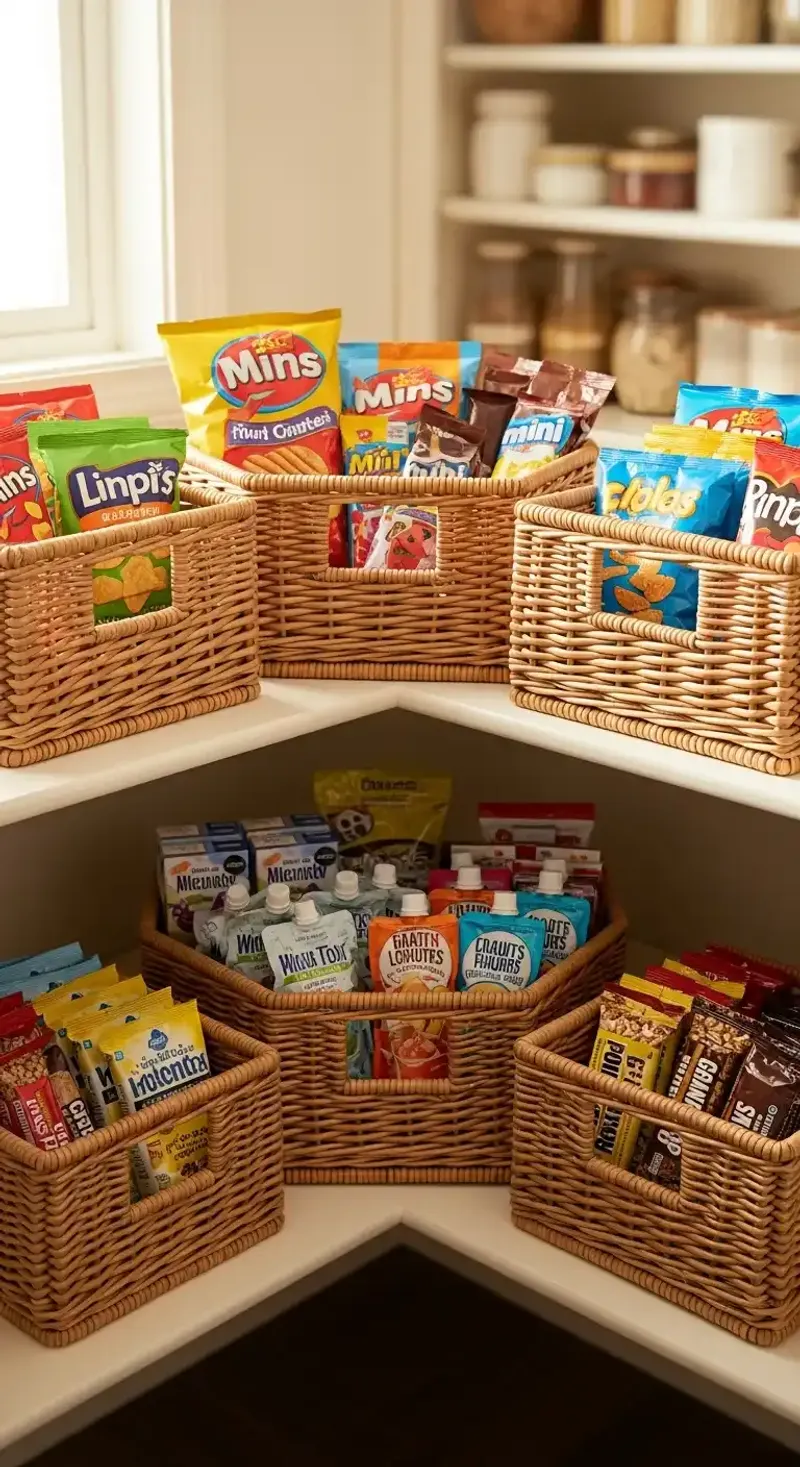
Some pantry items simply refuse to stack or stand neatly on their own, think sauce packets, seasoning sachets, bread bags, and random snack pouches. Tossing them all into a labelled basket keeps them corralled without the chaos.
Baskets also add a warm, homey aesthetic to your pantry if you care about how it looks. Wicker, wire, or fabric all work well.
The key is giving those awkward, hard-to-organise items a proper home so they stop creating clutter on every shelf.
14. Plan Meals Around What You Already Have

Meal planning is powerful on its own, but planning meals specifically around what is already in your pantry is where the real magic happens. Before you write your shopping list, check your shelves and build at least two or three meals from what you already own.
This approach dramatically reduces food waste and saves money at the same time. Apps like Supercook let you enter what ingredients you have and suggest recipes, making the whole process even quicker and more fun for the whole family.
15. Keep Spices in One Dedicated Spot
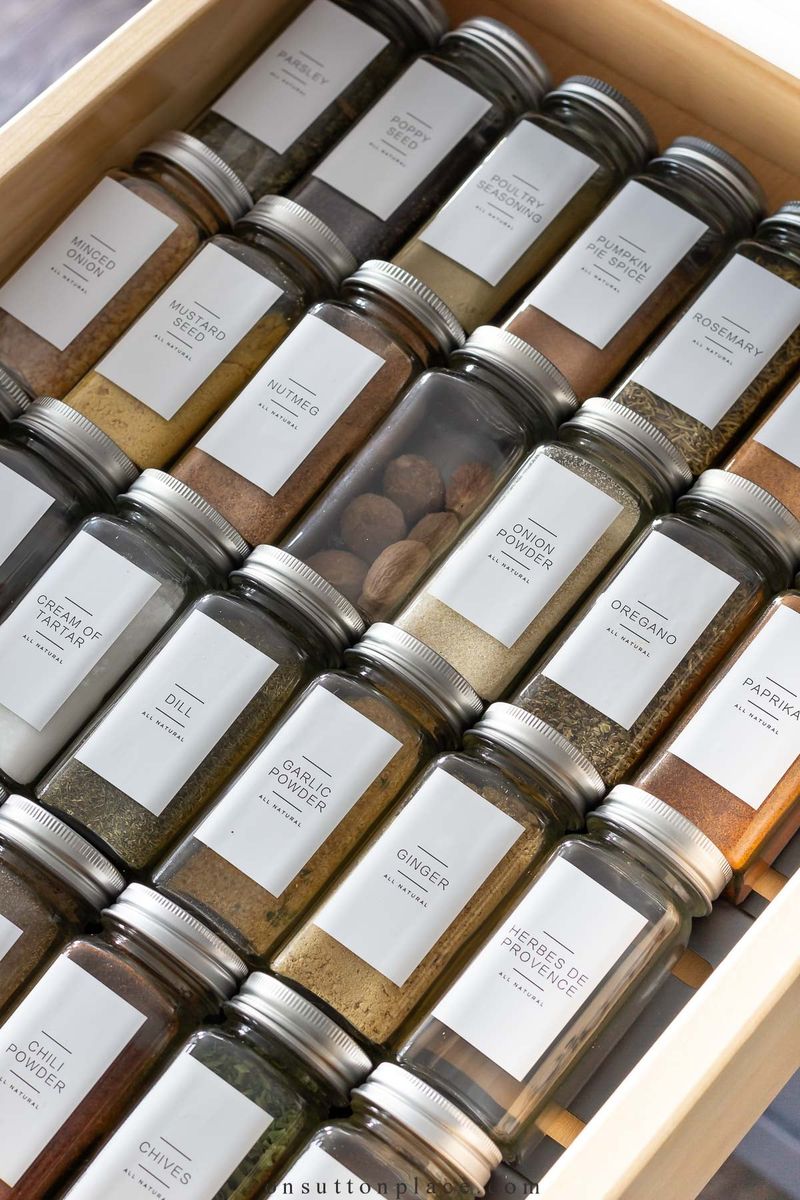
Scattered spices are a surprisingly common source of pantry chaos. When they are spread across multiple shelves or buried behind other items, you end up buying duplicates because you cannot find what you already have.
Gather all your spices into one dedicated drawer, shelf, or rack and arrange them alphabetically or by cuisine type. Uniform jars make this look especially clean and satisfying.
Check your spice collection every few months and toss anything that has lost its smell, since old spices add nothing to your cooking.
16. Do a Monthly Pantry Audit
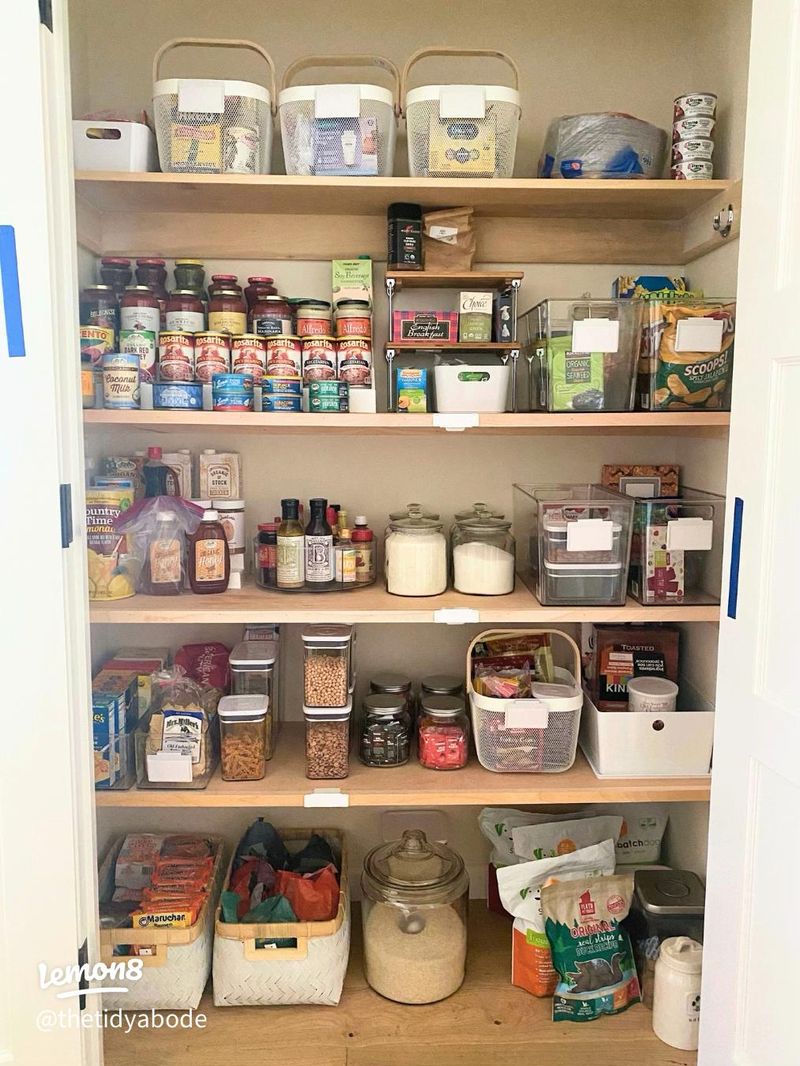
Even the most perfectly organised pantry needs a regular reset. Once a month, take everything off your shelves, wipe them down, check expiry dates, and assess what genuinely needs restocking versus what you already have plenty of.
Toss anything that has expired and move items nearing their date into your use-it-up basket. A monthly audit sounds like extra work, but it takes less than twenty minutes and keeps your pantry functioning at its best.
Think of it as a small investment that pays off in less waste and more savings.




Comments
No Comments