













Cooking at home doesn't have to mean bland, boring meals. With a few smart tricks, you can turn everyday ingredients into something that tastes like it came from a restaurant.
Whether you're a beginner or someone who cooks regularly, these techniques are easy to learn and make a huge difference. Get ready to upgrade your kitchen game starting today.
1. Brown Your Butter for Nutty, Rich Flavor
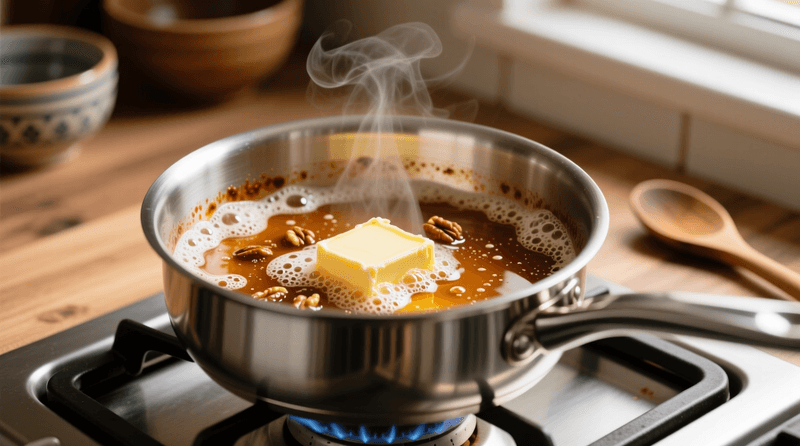
Plain melted butter is fine, but browned butter is on a whole different level. By cooking it just a little longer, the milk solids turn golden and develop a rich, nutty aroma that transforms cookies, pasta, and vegetables instantly.
All you need is a light-colored pan so you can watch the color change. Pull it off the heat the moment it smells toasty.
That one extra minute of patience pays off big time in flavor.
2. Toast Your Spices Before Using Them
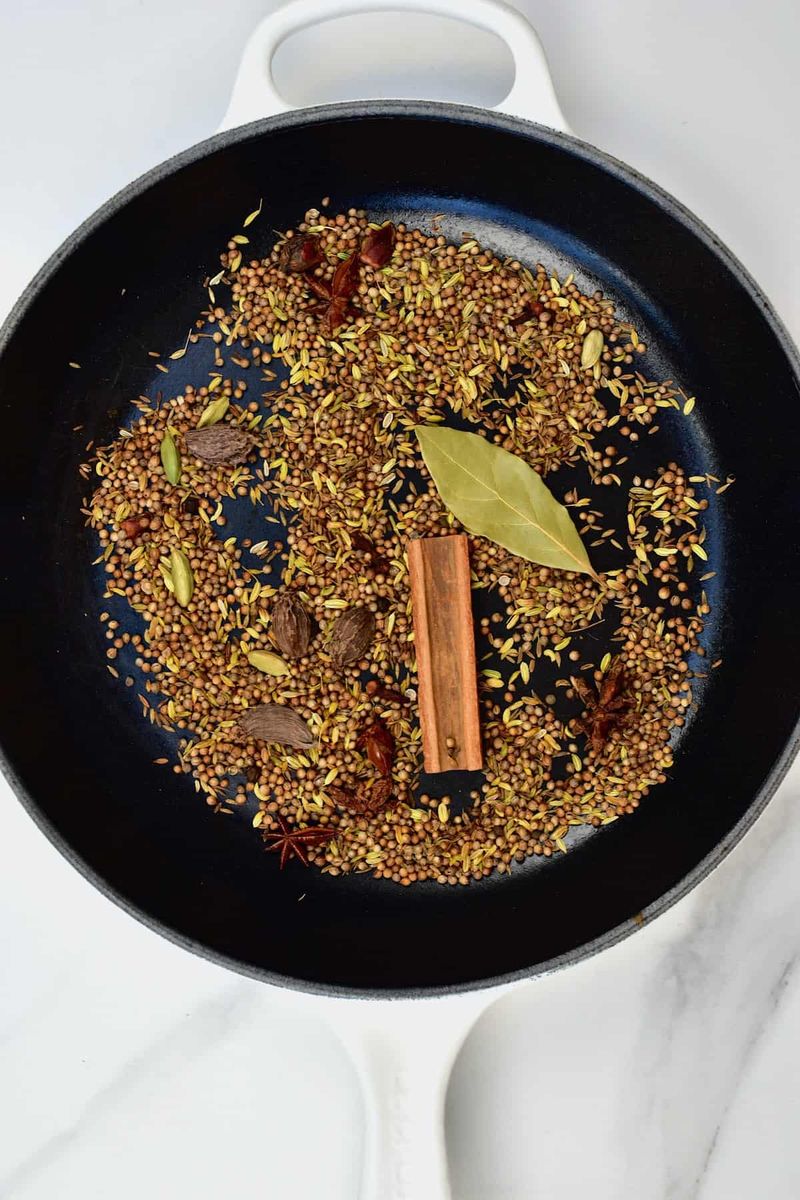
Most people shake spices straight from the jar into their food, but toasting them first unlocks a whole new depth of flavor. Heat releases the natural oils inside spices, making them more fragrant and bold.
Just toss them into a dry pan over medium heat for about 60 seconds, stirring constantly so they don't burn. You'll notice the smell change almost immediately.
Ground spices work too, though whole ones give the best results.
3. Season Your Food in Layers, Not Just at the End
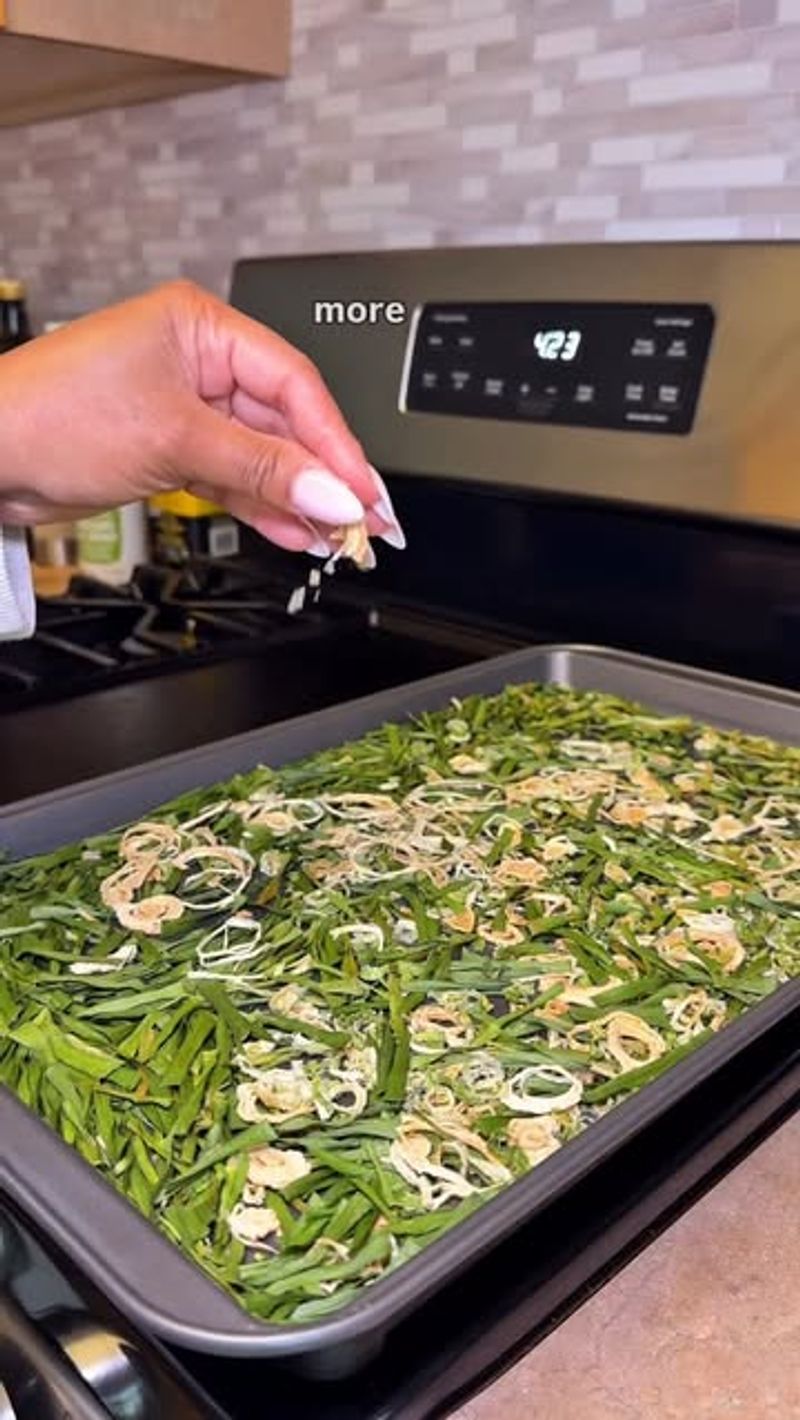
Sprinkling salt only at the end of cooking is one of the most common mistakes home cooks make. Seasoning at each stage of cooking builds flavor from the inside out, making every bite taste more complete.
Add a pinch when you saute your onions, another when you add vegetables, and taste as you go. Your food will taste more balanced and layered rather than just salty on the surface.
Small additions throughout make a massive difference.
4. Use a Cast Iron Skillet for Better Sears
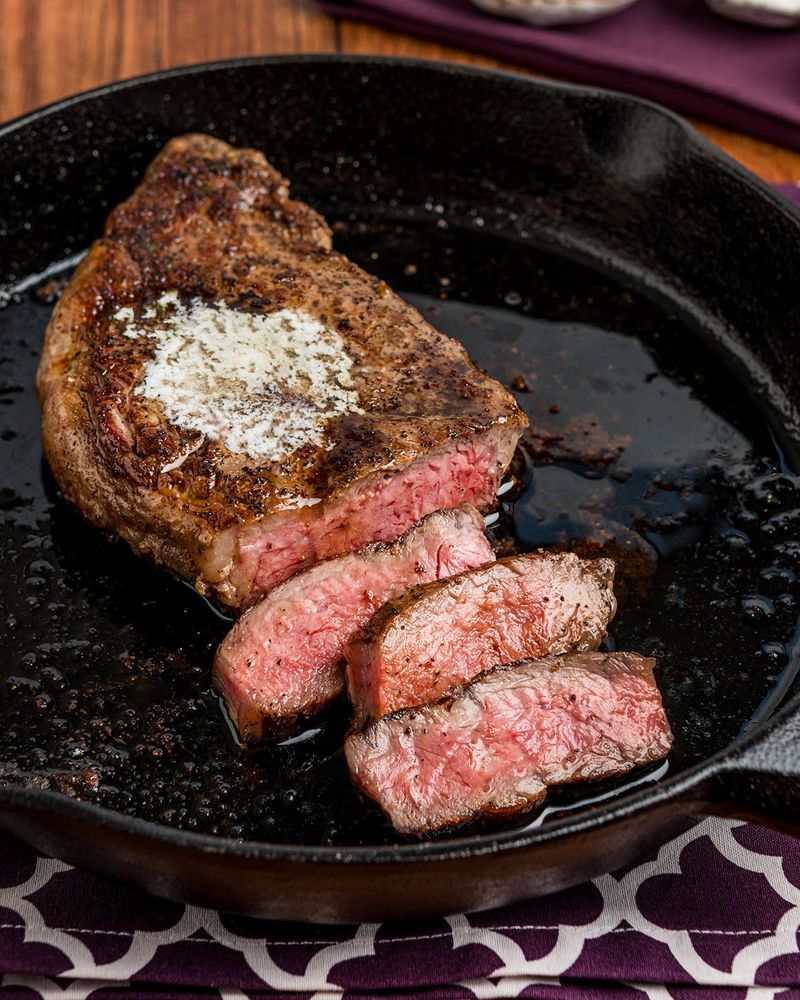
Nothing creates a crust on meat quite like a cast iron skillet. It holds heat incredibly well and distributes it evenly, giving proteins that gorgeous, caramelized exterior you usually only see at restaurants.
Preheat the pan for at least two minutes before adding any food. Don't move the meat once it hits the surface, and let the crust form naturally.
That sizzle you hear? That's flavor happening right before your eyes.
5. Deglaze the Pan to Build a Quick Sauce
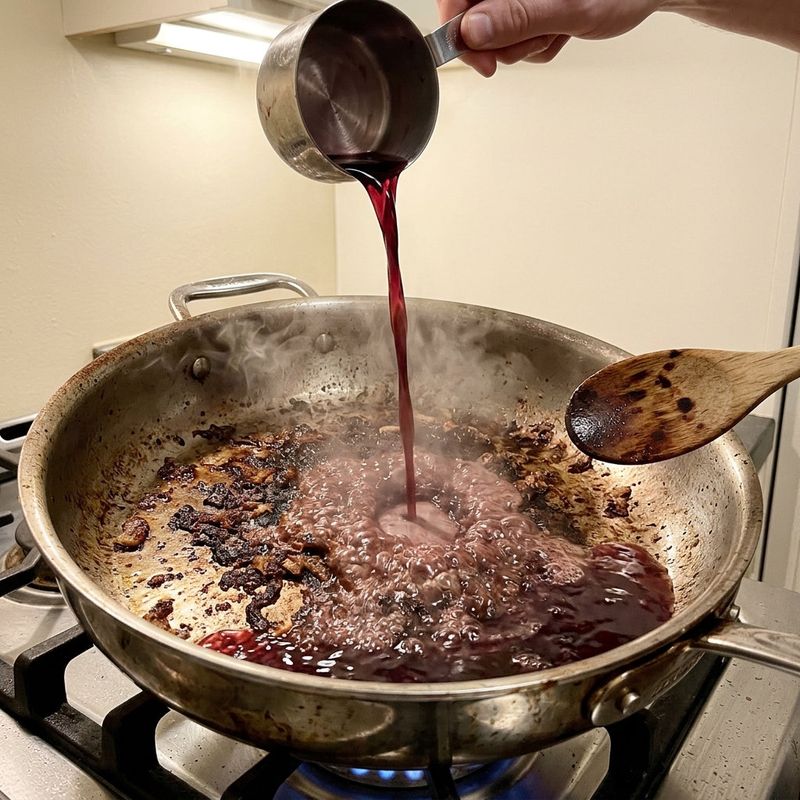
After searing meat or vegetables, your pan is covered in stuck-on brown bits that look like a mess but are actually packed with flavor. Deglazing means adding a liquid like broth, wine, or even water to loosen those bits and turn them into a sauce.
Pour your liquid into the hot pan and scrape the bottom with a wooden spoon. Watch everything come together in seconds.
It's one of those chef tricks that feels almost magical the first time you try it.
6. Let Meat Rest Before Cutting It
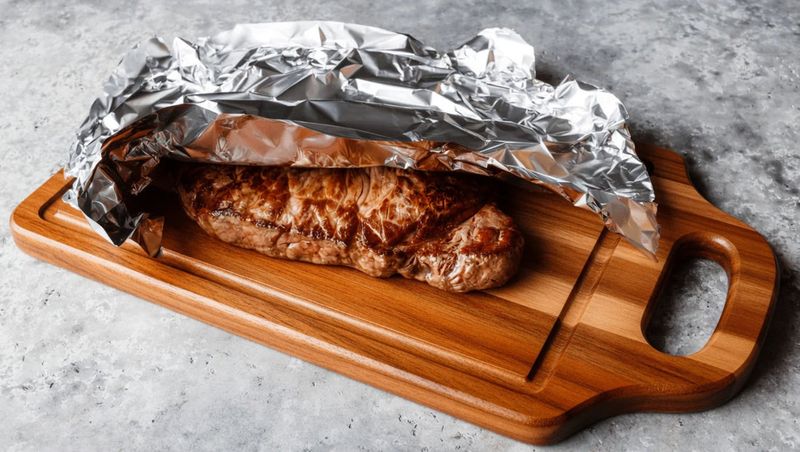
Cutting into meat the second it leaves the heat is a surefire way to lose all those delicious juices. Resting allows the muscle fibers to relax and reabsorb the moisture, keeping every bite tender and juicy.
A steak needs about five minutes, while a whole roasted chicken needs closer to fifteen. Loosely tent it with foil to keep it warm while it rests.
Patience here is one of the simplest ways to instantly improve any meat dish.
7. Add Acid to Brighten Up Any Dish
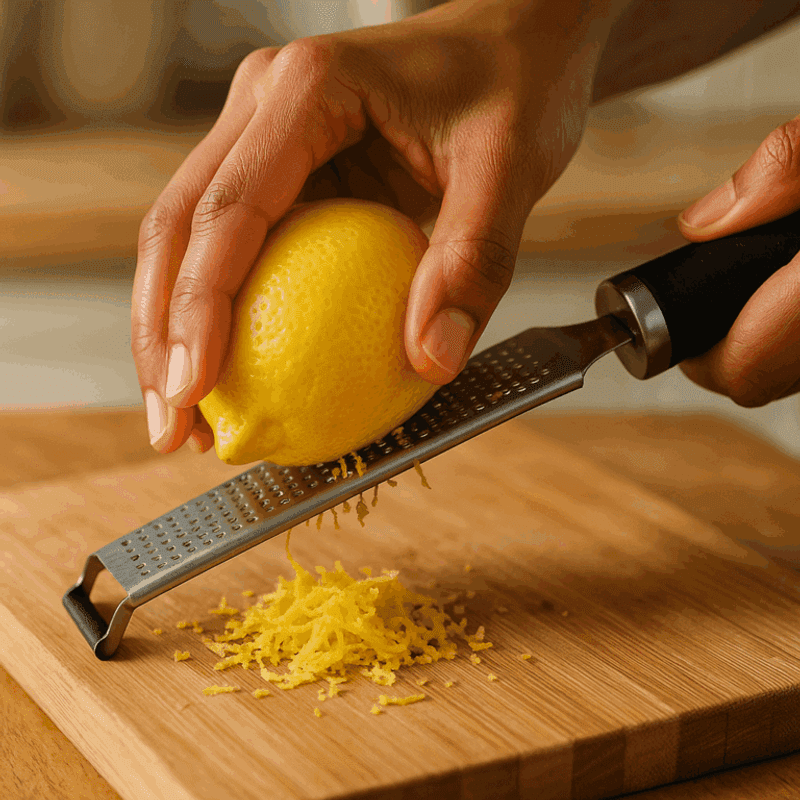
Ever taste a dish that seems almost right but still feels flat? A squeeze of lemon juice or a splash of vinegar is often all it needs.
Acid wakes up flavors and creates contrast, making everything taste sharper and more vibrant.
Try a dash of apple cider vinegar in soups, lime juice on tacos, or red wine vinegar drizzled on roasted vegetables. You don't need much, just enough to make your taste buds sit up and take notice.
8. Master the Art of Caramelizing Onions
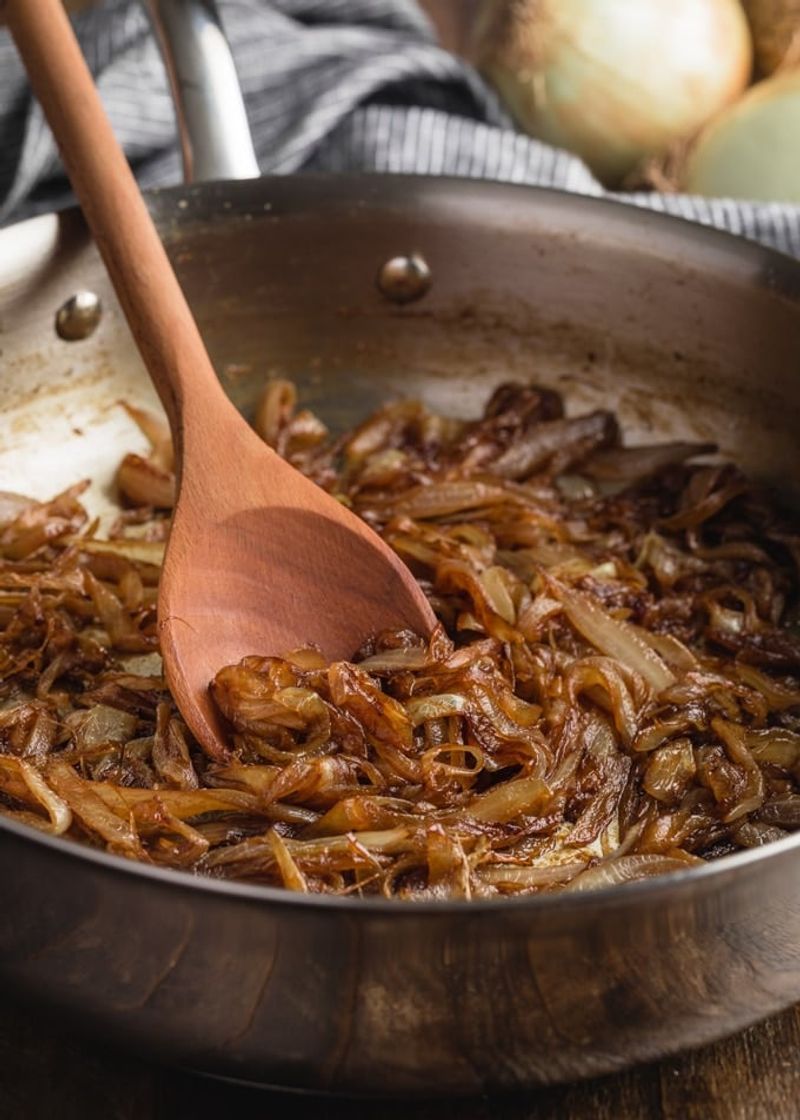
Caramelized onions are one of cooking's greatest slow-burn rewards. When cooked low and slow for 30 to 45 minutes, onions transform from sharp and pungent into something sweet, silky, and deeply savory.
The secret is patience and low heat. Rushing them on high heat just burns them.
Stir occasionally and let the natural sugars do their thing. Pile them on burgers, stir them into pasta, or spread them on toast.
They make almost everything taste like a gourmet creation.
9. Finish Pasta in the Sauce, Not Just on Top
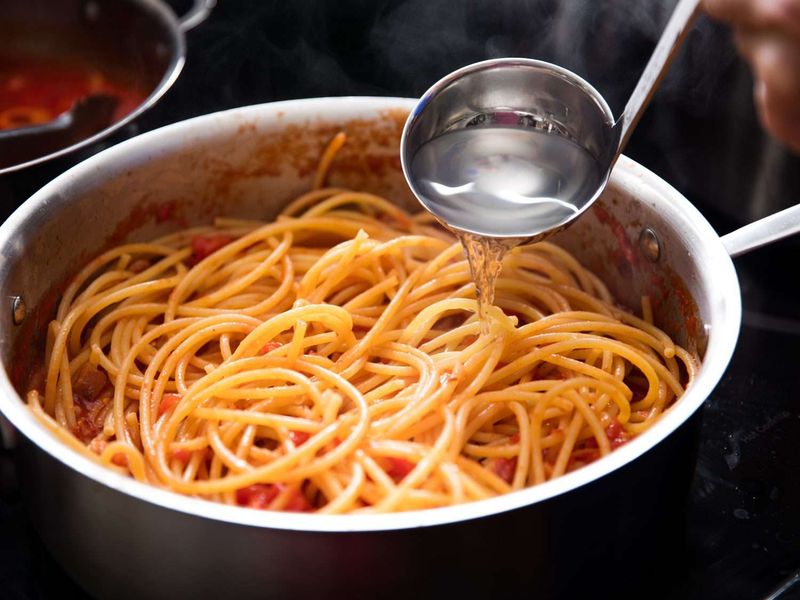
Boiling pasta and then drowning it in sauce is the standard approach, but finishing pasta directly in the sauce creates something far more cohesive and flavorful. The pasta absorbs the sauce as it finishes cooking, and the starchy pasta water helps bind everything together.
Transfer pasta to the sauce about one minute before it's fully done. Add a splash of pasta water and toss constantly over medium heat.
Every strand gets coated evenly, and the result tastes like something from a real Italian kitchen.
10. Pat Proteins Dry Before Cooking
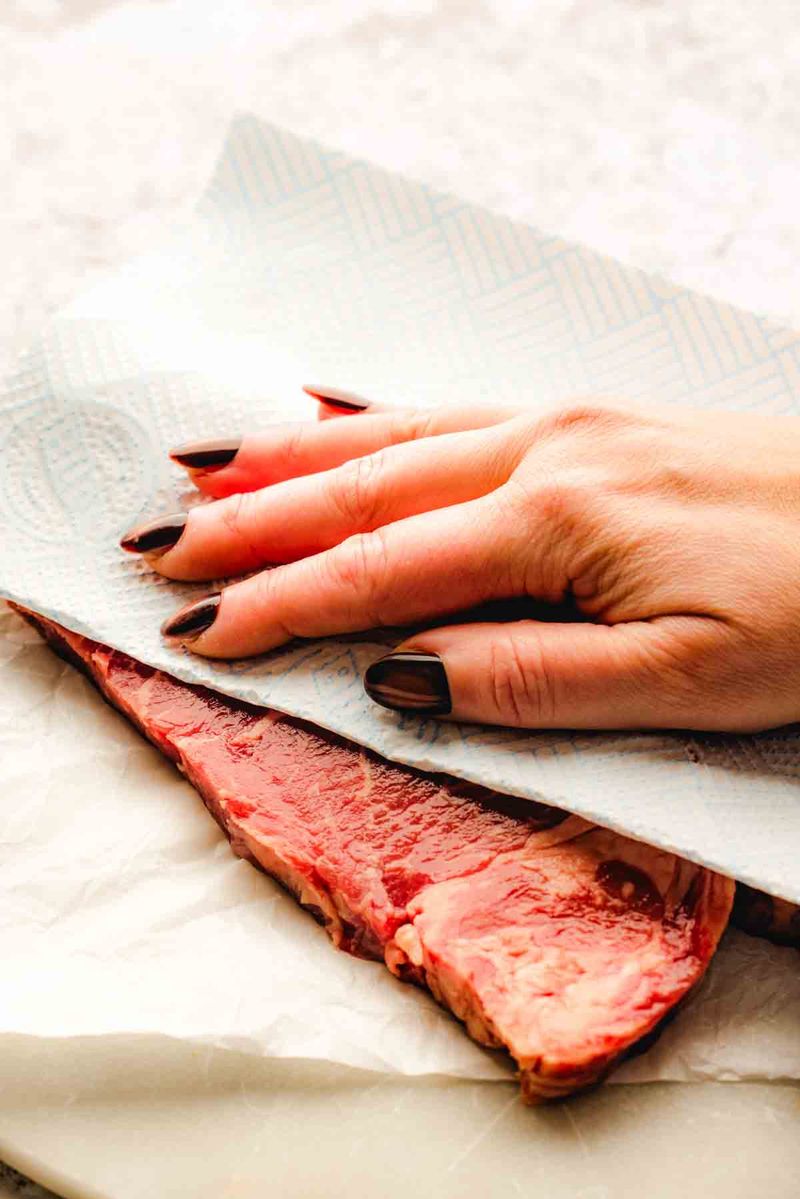
Moisture is the enemy of a good sear. When meat or fish hits a hot pan wet, it steams instead of browning, and you lose that crispy, golden exterior entirely.
A simple pat-down with paper towels before cooking makes a dramatic difference.
This applies to chicken thighs, salmon fillets, shrimp, tofu, and even vegetables like zucchini. Dry surfaces brown faster and more evenly.
It takes about ten seconds and costs nothing, yet it's one of the most overlooked steps in home cooking.
11. Use Fresh Herbs at the Right Time
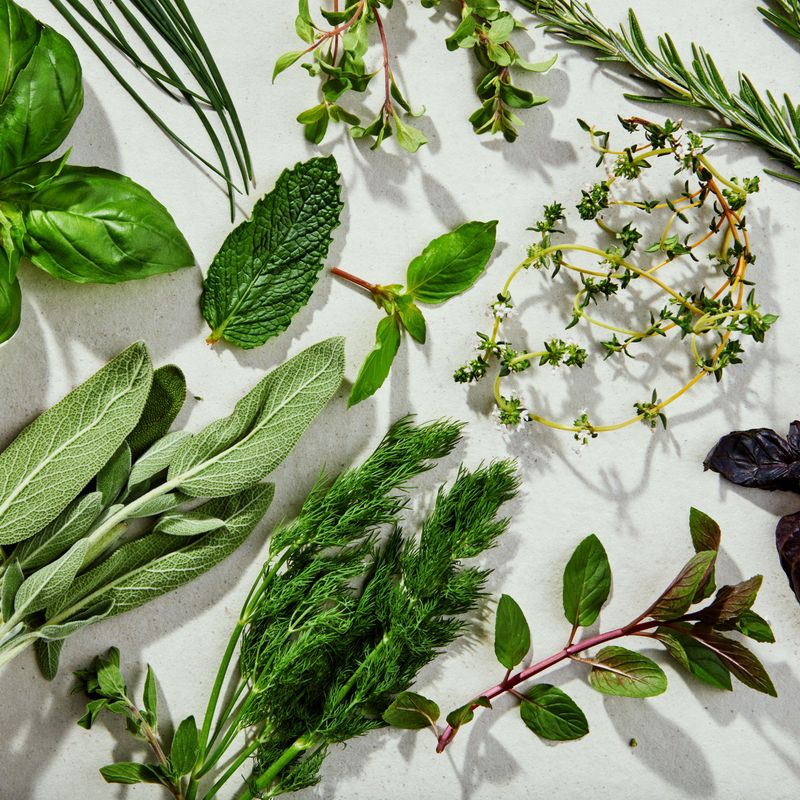
Fresh herbs can either get lost in cooking or shine brilliantly depending on when you add them. Hardy herbs like rosemary and thyme hold up well in heat and should be added early.
Delicate ones like basil, cilantro, and parsley wilt quickly and are best added at the very end.
Stirring in fresh herbs right before serving preserves their bright color, aroma, and flavor. Even a small handful can completely transform a simple soup, salad, or grain bowl into something that feels fresh and restaurant-worthy.
12. Bloom Aromatics in Fat First
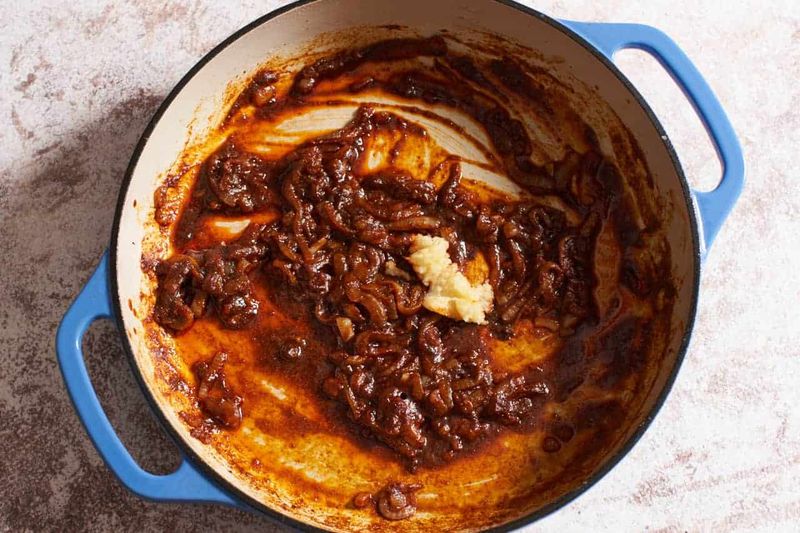
Garlic and onions tossed raw into a dish can taste harsh and sharp. But when you cook them in oil or butter first, something wonderful happens.
The fat carries and amplifies their flavor compounds, spreading that savory goodness throughout the entire dish.
This technique is called blooming, and it's the foundation of countless cuisines worldwide. Start every soup, stew, or stir-fry by cooking your aromatics in fat for a few minutes.
The base you build here determines how good everything else tastes.
13. Salt Your Pasta Water Like the Ocean
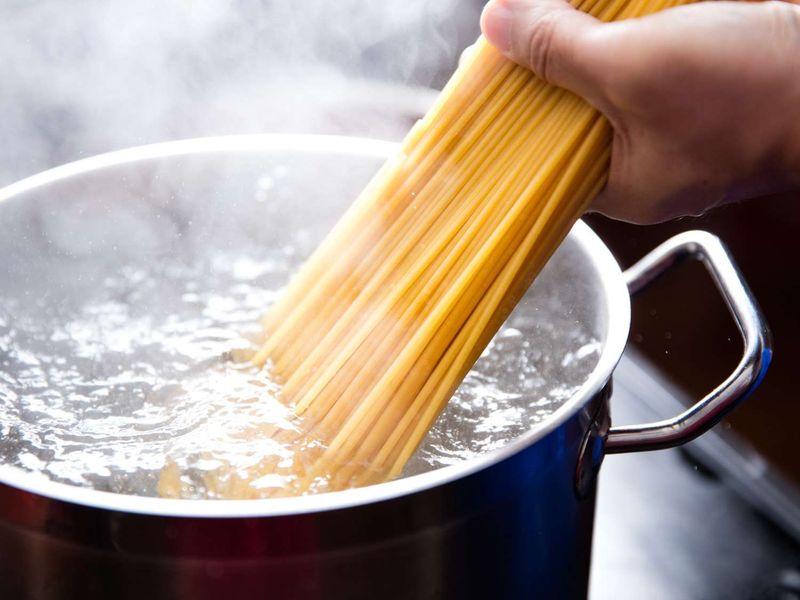
Pasta cooked in plain water tastes flat no matter how good your sauce is. Salting the water generously before adding pasta is your only chance to season the pasta itself from the inside out as it cooks.
The water should taste noticeably salty, almost like seawater. Don't be shy.
Most of that salt stays in the water and doesn't end up in your food. This one step alone can make pasta dishes taste significantly more satisfying and well-rounded without any extra effort.
14. Roast Vegetables at High Heat for Crispy Edges
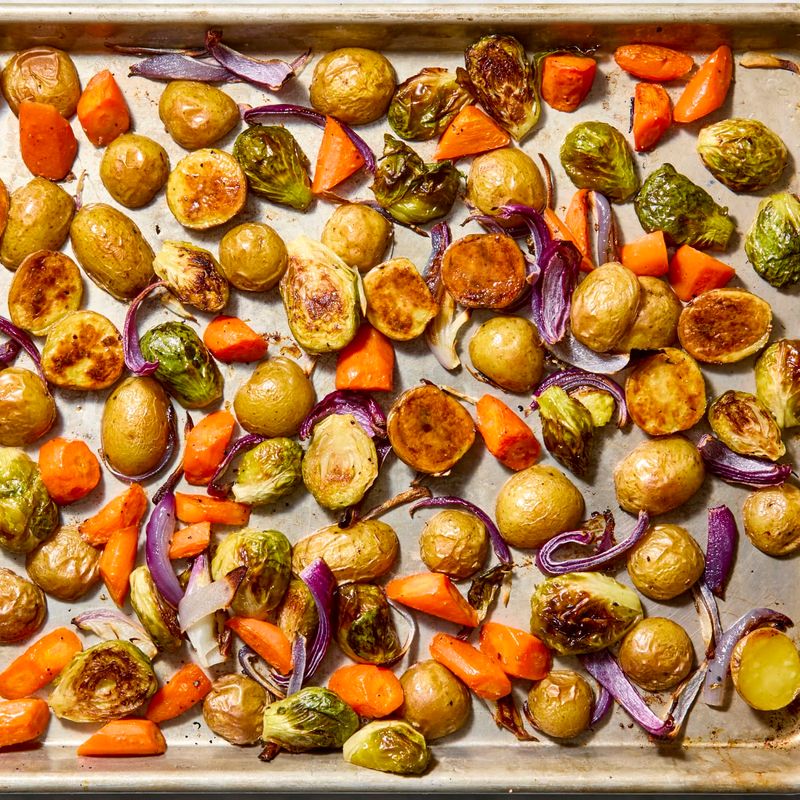
Steamed or boiled vegetables can feel like a chore to eat. But roast them at 425 degrees Fahrenheit or higher, and they become something completely different, caramelized on the edges, slightly crispy, and naturally sweet.
Spread vegetables in a single layer so they roast rather than steam. Crowding the pan is the number one mistake that leads to soggy results.
A drizzle of oil, a pinch of salt, and enough space on the pan is genuinely all you need for incredible vegetables every time.
15. Taste and Adjust Before Serving Every Time
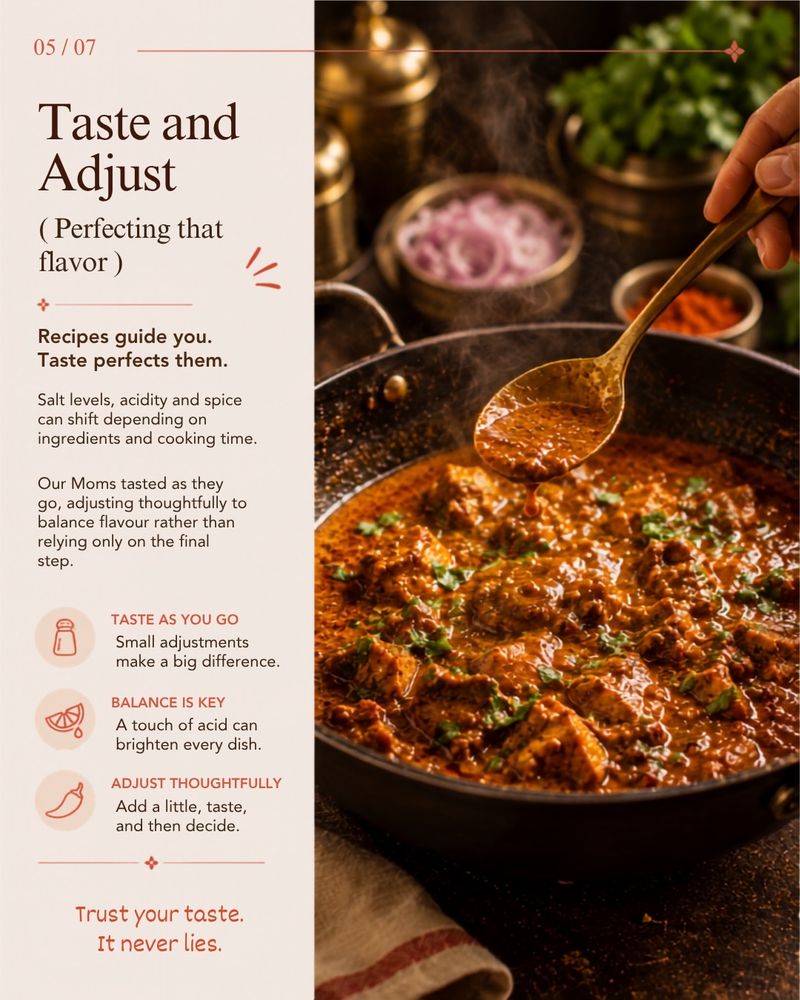
Even the best recipe in the world can fall flat if you don't taste your food before it hits the table. Your palate is your most powerful cooking tool, and tasting throughout the process tells you exactly what a dish is missing.
Does it need more salt? A touch of acid?
Something sweet to balance bitterness? Training yourself to taste and adjust rather than just follow instructions blindly is what separates good cooks from great ones.
It's a habit that gets easier and more intuitive with every meal you make.
16. Use Pasta Water as a Secret Sauce Ingredient
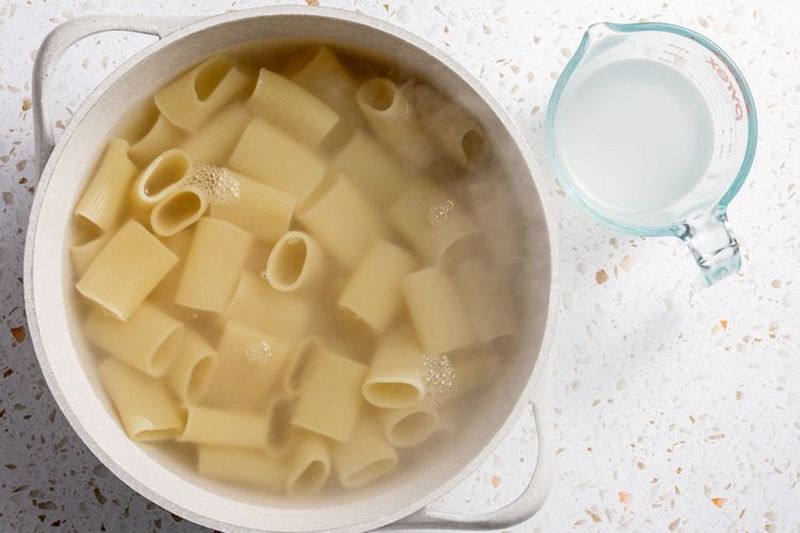
That cloudy water left in your pasta pot is liquid gold, and most people pour it straight down the drain. Pasta water is loaded with starch, which acts as a natural thickener and emulsifier that helps sauce cling to every noodle.
Before draining pasta, scoop out at least a cup of that starchy water. Add it to your sauce a little at a time while tossing the pasta.
It creates a silky, glossy texture that no amount of cream or butter can fully replicate. Chefs rely on this trick constantly.




Comments
No Comments