













Zinc is one of those nutrients your body absolutely needs, but many people don't get enough of it. It helps your immune system fight off illness, supports wound healing, and even plays a role in how well you taste and smell food.
The good news is that plenty of delicious foods are packed with zinc. Some of them might surprise you, and a few could easily become new favorites on your plate.
1. Oysters
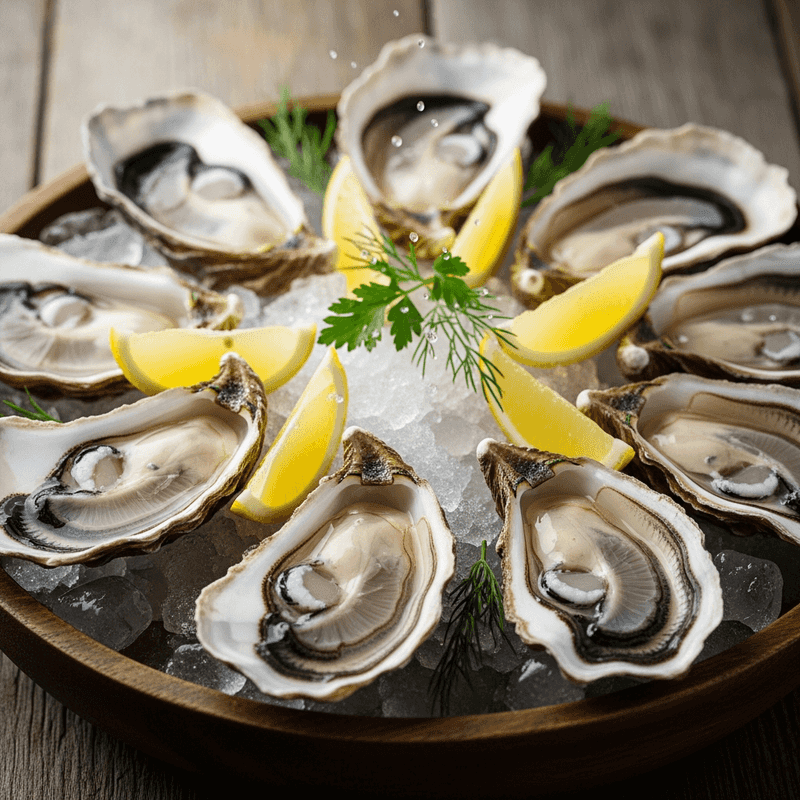
Ounce for ounce, oysters contain more zinc than almost any other food on the planet. Just six medium oysters can give you several times your daily zinc requirement.
That makes them a powerhouse in a tiny shell.
Whether you enjoy them raw, steamed, or grilled, oysters are worth trying if you haven't already. They have a mild, briny flavor that pairs beautifully with lemon juice.
Seafood lovers have celebrated oysters for centuries for good reason.
2. Beef Chuck Roast
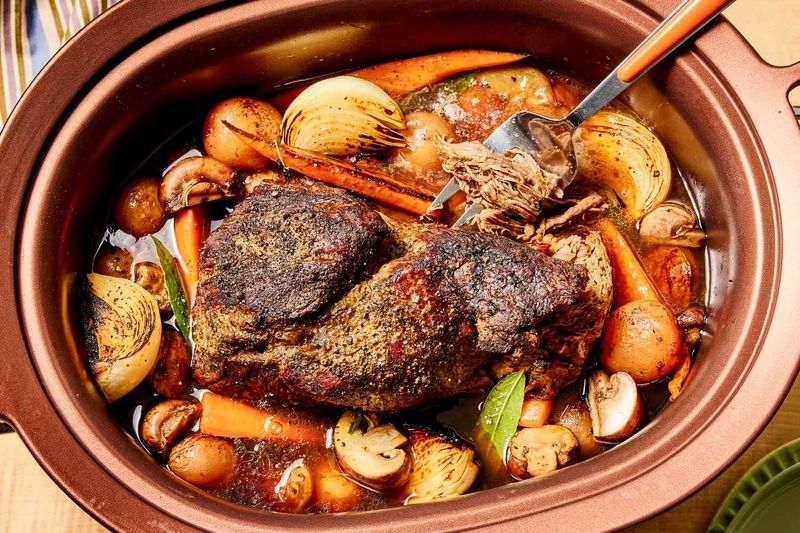
Red meat has gotten a complicated reputation, but beef chuck roast quietly delivers an impressive amount of zinc per serving. A three-ounce portion of cooked beef provides roughly half your daily zinc needs.
That's a solid nutritional payoff from a single ingredient.
Chuck roast is also one of the most affordable cuts at the grocery store. Slow-cook it with vegetables and broth, and you've got a hearty, zinc-loaded meal the whole family will enjoy.
Comfort food that actually works for your health.
3. Hemp Seeds
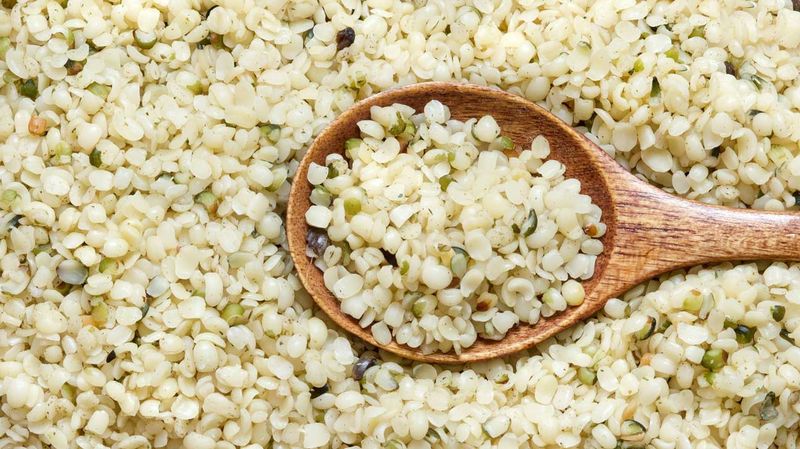
Tiny but mighty, hemp seeds pack a surprising zinc punch along with healthy fats and plant-based protein. Just three tablespoons deliver about 30% of your daily zinc needs.
They're one of the most nutritionally complete plant foods available.
Sprinkle them over yogurt, blend them into smoothies, or toss them onto a salad. Their nutty, mild flavor makes them incredibly easy to add to almost anything.
Once you start using hemp seeds regularly, it's hard to imagine your pantry without them.
4. Pumpkin Seeds
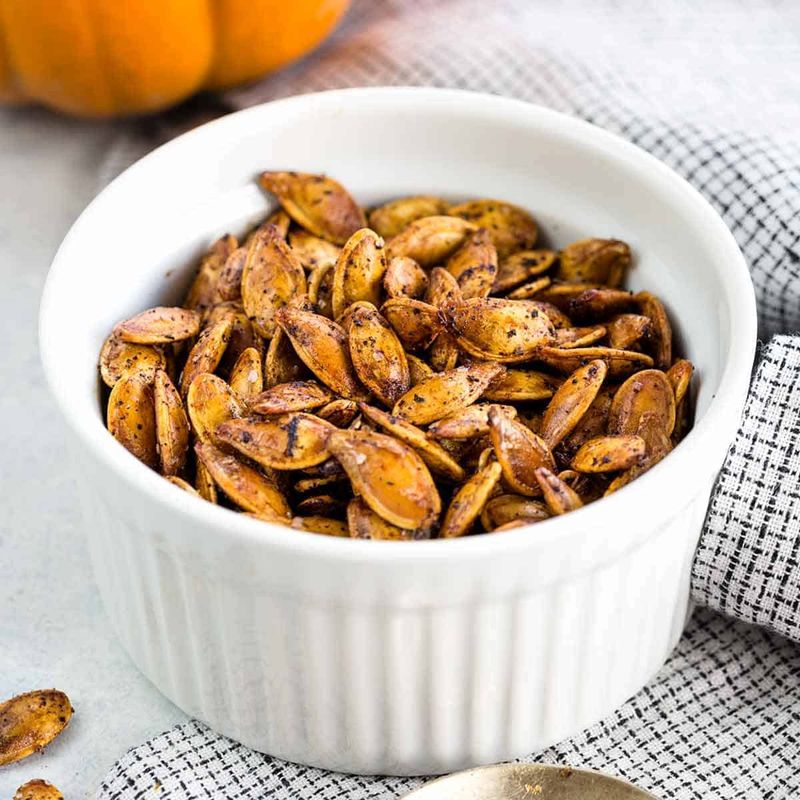
Crunchy, satisfying, and wildly underrated, pumpkin seeds are a zinc goldmine that most people overlook after Halloween. An ounce of roasted pumpkin seeds provides around 20% of your recommended daily zinc intake.
They're also rich in magnesium and healthy fats.
Keep a bag in your desk drawer or backpack for an easy snack. You can also toast them with olive oil and your favorite spices for a flavorful treat.
They're proof that great nutrition doesn't have to be complicated or expensive.
5. Chickpeas
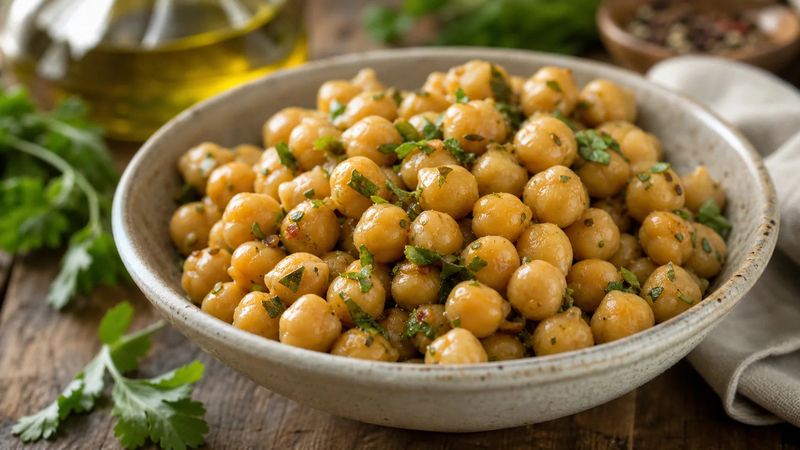
Chickpeas have been a staple in kitchens across the Middle East and South Asia for thousands of years, and their zinc content is one reason they've stood the test of time. One cup of cooked chickpeas offers about 17% of your daily zinc needs.
They work beautifully in hummus, curries, soups, and even roasted as a crunchy snack. Chickpeas are also high in fiber and plant-based protein, making them a true all-around winner.
Budget-friendly and incredibly versatile, they deserve a permanent spot in your weekly meals.
6. Cashews

Of all the nuts you might snack on, cashews are among the best sources of zinc. An ounce of cashews delivers about 15% of your daily zinc intake, making them a smart choice between meals.
They also provide heart-healthy fats and a gentle energy boost.
Cashews have a naturally creamy, buttery texture that makes them irresistible on their own or blended into sauces. Cashew butter is also a fantastic alternative to peanut butter.
Grab a small handful when the afternoon slump hits and let your body thank you later.
7. Lentils
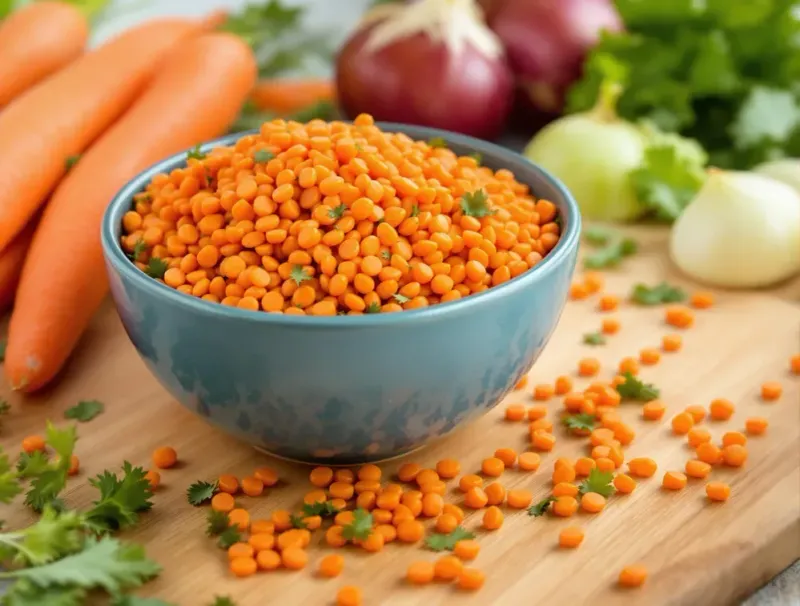
Lentils are one of the most humble yet nutritionally impressive foods you can eat. One cup of cooked lentils provides around 17% of your daily zinc requirement, along with a hefty dose of iron and fiber.
They cook faster than most legumes, which is a bonus on busy weeknights.
Red lentils melt into creamy soups, while green or brown lentils hold their shape well in salads and stews. They absorb spices beautifully, meaning the flavor possibilities are endless.
Inexpensive and filling, lentils deserve far more credit than they usually get.
8. Crab

Crab might feel like a special-occasion food, but it's worth seeking out more often thanks to its remarkable zinc content. A three-ounce serving of cooked crab provides nearly 40% of your daily zinc needs.
That's hard to beat in the seafood world outside of oysters.
Alaskan king crab and Dungeness crab are especially popular varieties worth trying. Even canned crab meat is a convenient, affordable option for weeknight dinners.
Toss it into pasta, stuff it into avocados, or enjoy it simply with butter and lemon.
9. Dark Chocolate

Here's a reason to feel good about your chocolate habit. A 100-gram bar of dark chocolate with 70% or more cocoa content contains up to 30% of your recommended daily zinc intake.
It's one of the most pleasant ways to sneak extra minerals into your diet.
Dark chocolate is also loaded with antioxidants that support heart health. The key is choosing varieties with high cocoa content and minimal added sugar.
A couple of squares after dinner is a perfectly reasonable and nutritious treat to look forward to.
10. Tofu
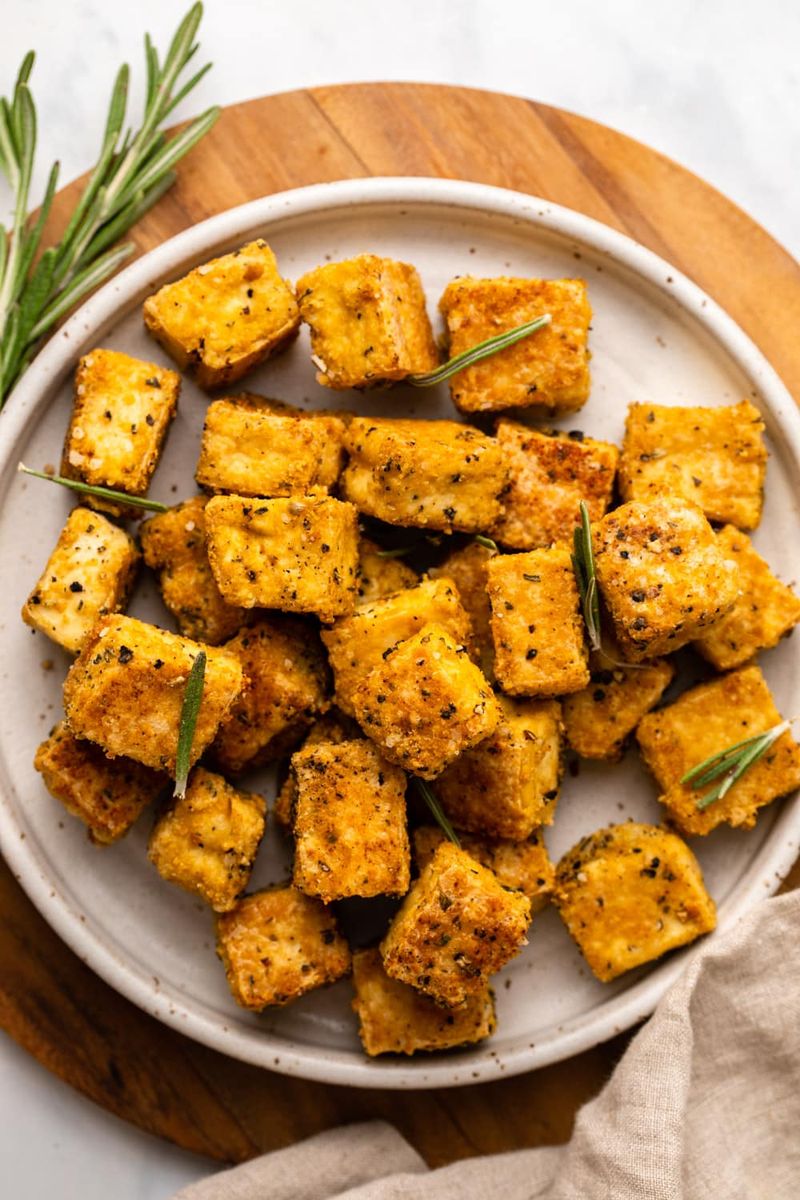
Tofu often gets dismissed as bland health food, but this plant-based protein is quietly one of the better zinc sources for people who don't eat meat. Half a cup of firm tofu provides around 10% of your daily zinc needs.
When prepared well, it's anything but boring.
Marinate it in soy sauce and garlic before pan-frying for a golden, crispy result. It soaks up whatever flavors you throw at it, making tofu endlessly adaptable.
Add it to stir-fries, tacos, grain bowls, or soups for a satisfying zinc boost.
11. Lamb

Lamb is a beloved staple in Mediterranean and Middle Eastern cooking, and it happens to be one of the richest sources of zinc among all meats. A three-ounce serving of cooked lamb provides roughly 35% of your daily zinc needs.
It's also packed with vitamin B12 and iron.
Lamb chops are quick to cook on a grill or stovetop, making them a surprisingly practical weeknight option. The bold, savory flavor pairs wonderfully with rosemary, garlic, and lemon.
If you haven't cooked lamb at home yet, now is a great time to start.
12. Shiitake Mushrooms
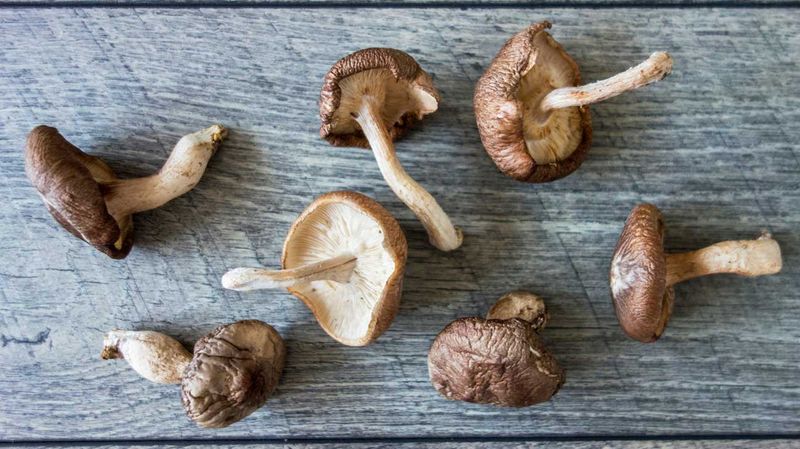
Mushrooms don't usually come to mind when people think about zinc, but shiitake mushrooms are a genuinely useful source of this mineral for plant-based eaters. One cup of cooked shiitake mushrooms provides about 7% of your daily zinc intake.
They also offer a unique compound called lentinan that supports immune health.
Sauteed with garlic and a splash of soy sauce, shiitake mushrooms become a deeply savory side dish or topping. Their meaty texture makes them popular in Asian-inspired cooking.
Adding them to your weekly meals is one of the easiest upgrades you can make.
13. Sunflower Seeds
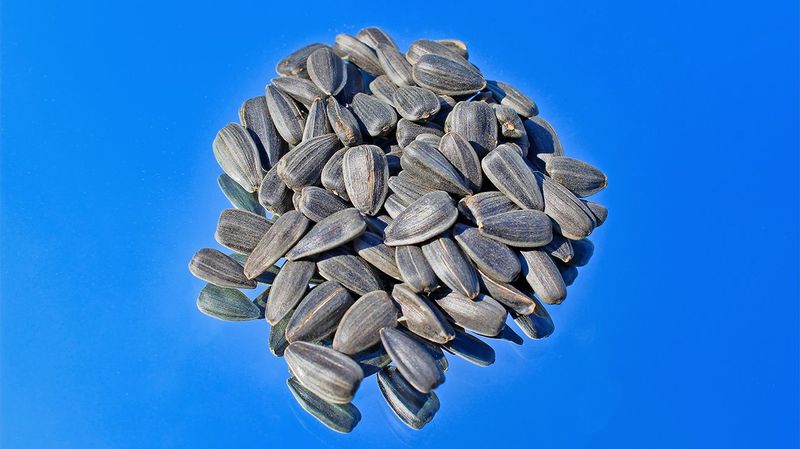
Sunflower seeds are a classic snack that quietly delivers a solid dose of zinc along with vitamin E and healthy fats. An ounce of roasted sunflower seeds provides around 10% of your daily zinc needs.
They're crunchy, satisfying, and absurdly easy to eat anywhere.
Toss them into salads for extra texture, stir them into oatmeal, or snack on them straight from the bag. Sunflower seed butter is also a great nut-free alternative for school-safe lunches.
These little seeds prove that good nutrition can be simple and delicious at the same time.
14. Kidney Beans
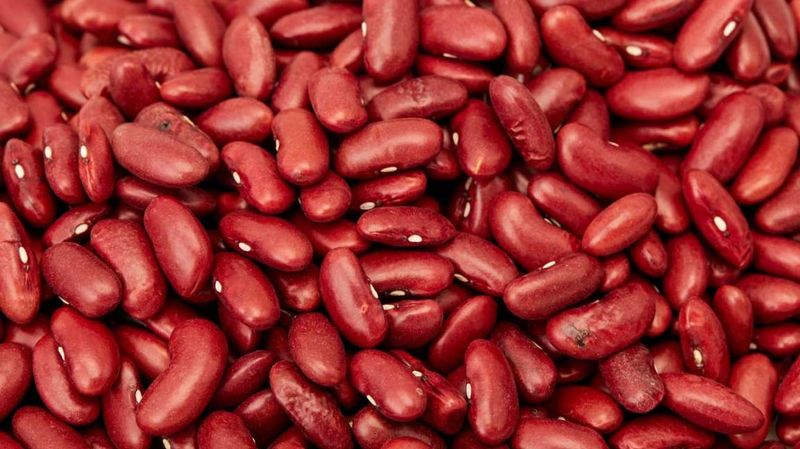
Kidney beans are a pantry staple in many homes, but not everyone realizes they're a solid source of plant-based zinc. One cup of cooked kidney beans provides about 12% of your daily zinc intake along with plenty of fiber and protein.
They're a workhorse ingredient that earns its place in any kitchen.
Use them in chili, rice dishes, soups, or even mashed into bean burgers. Canned kidney beans make cooking fast and effortless on nights when time is short.
They're filling, affordable, and nutritious in a way that few foods can match.
15. Oats
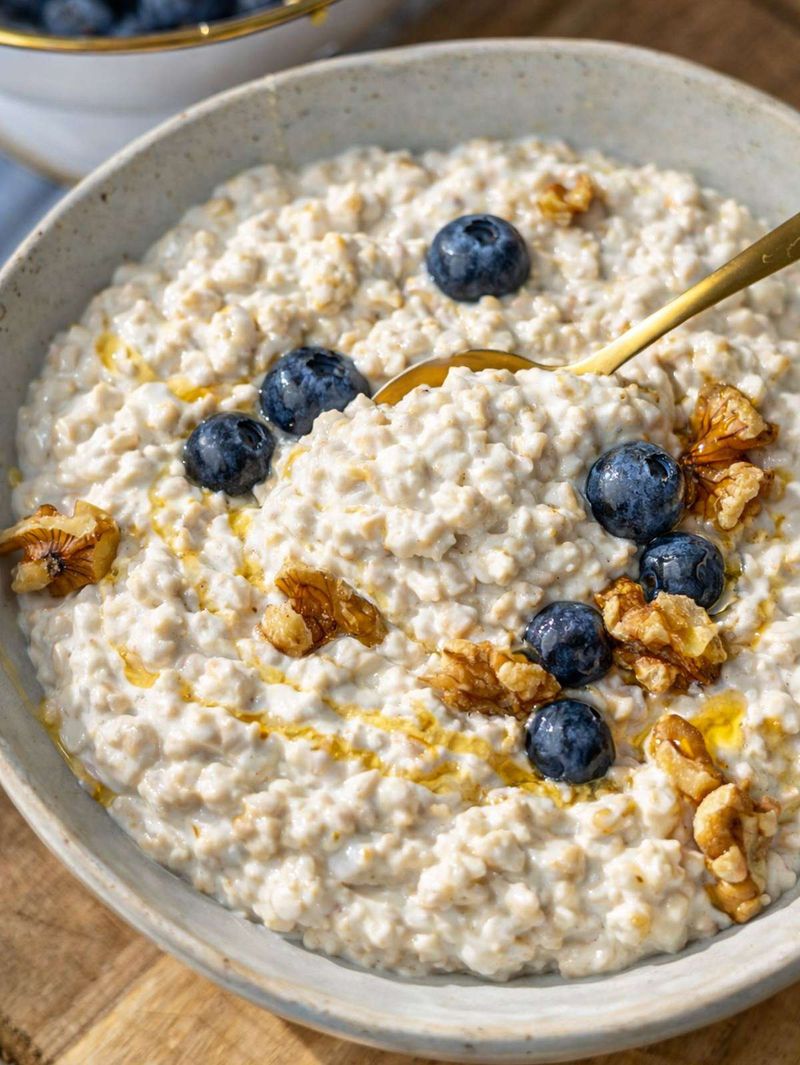
Oats are already known as a heart-healthy breakfast staple, but their zinc content is something worth celebrating too. One cup of cooked oats provides around 13% of your daily zinc needs.
Starting the day with a bowl of oatmeal is one of the easiest ways to quietly build up your mineral intake.
Top your oats with pumpkin seeds, nuts, or dark chocolate chips to stack even more zinc onto your morning meal. Steel-cut oats tend to have a slightly lower glycemic impact than instant varieties.
A humble bowl of oatmeal turns out to be a surprisingly smart nutritional choice.




Comments
No Comments