













Most people only keep one or two types of vinegar in their kitchen, but there is a whole world of tangy, complex, and surprising varieties waiting to be discovered. Swapping out your regular white vinegar for something more unusual can completely transform a simple salad, marinade, or sauce into something truly memorable.
From fruity and floral to smoky and bold, these vinegars bring flavors you never expected to find in a bottle. Get ready to look at your pantry in a whole new way.
1. Black Garlic Vinegar
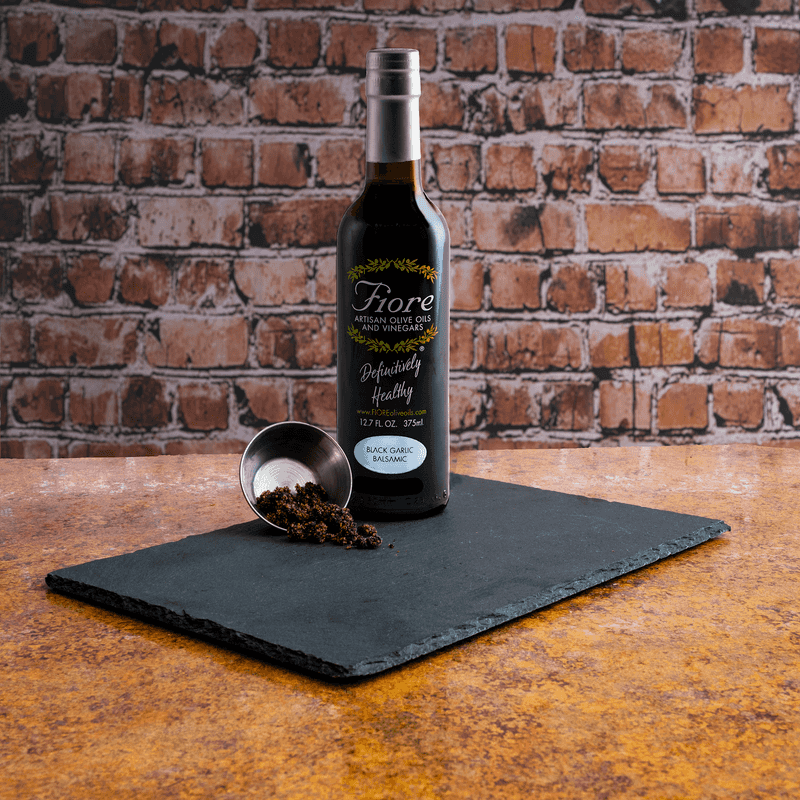
Black garlic has been quietly winning over chefs for years, and now its vinegar form is ready to steal the show. Made by fermenting aged black garlic, this vinegar carries a rich, molasses-like sweetness with a savory depth that regular vinegar simply cannot match.
Try drizzling it over roasted vegetables or stirring it into a stir-fry sauce. It adds a layer of umami that makes every bite feel more complex and satisfying.
2. Raspberry Balsamic Vinegar
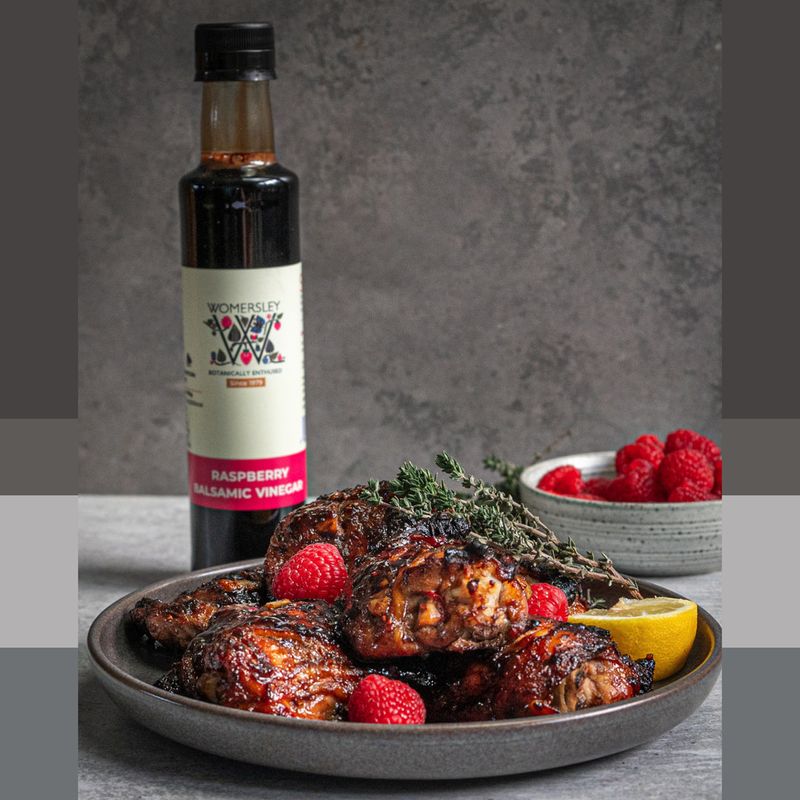
Tart meets sweet in the most delightful way with raspberry balsamic vinegar. It starts with the rich, aged depth of traditional balsamic but finishes with a bright, fruity raspberry note that feels almost like a dessert ingredient hiding in a savory bottle.
Splash it over a spinach salad with goat cheese or use it as a glaze for grilled chicken. Even a tiny drizzle over vanilla ice cream turns an ordinary dessert into something extraordinary.
3. Coconut Vinegar
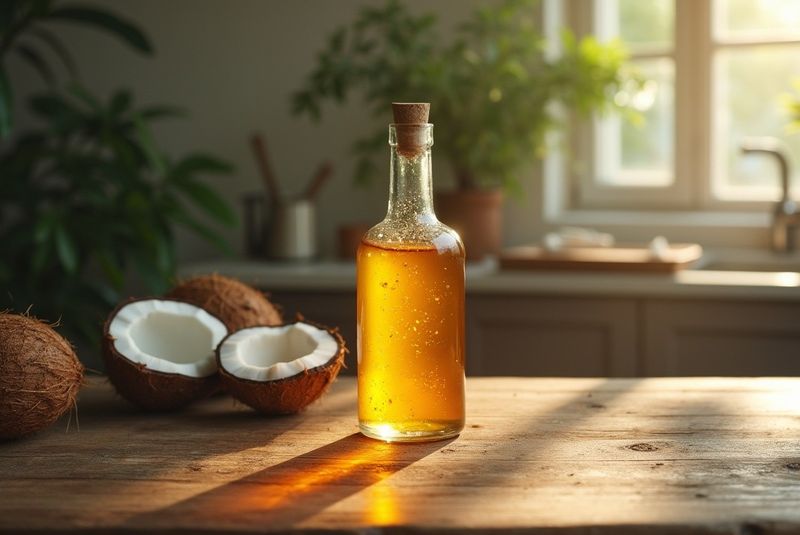
Coconut vinegar comes from the sap of coconut palm trees and has been a staple in Filipino and Southeast Asian cooking for centuries. Unlike regular white vinegar, it carries a slightly sweet, yeasty flavor with a gentle tang that does not overpower other ingredients.
It works beautifully in adobo dishes, marinades, and dipping sauces. As a bonus, it contains natural probiotics, making it one of the healthiest vinegars you can add to your pantry.
4. Sherry Vinegar
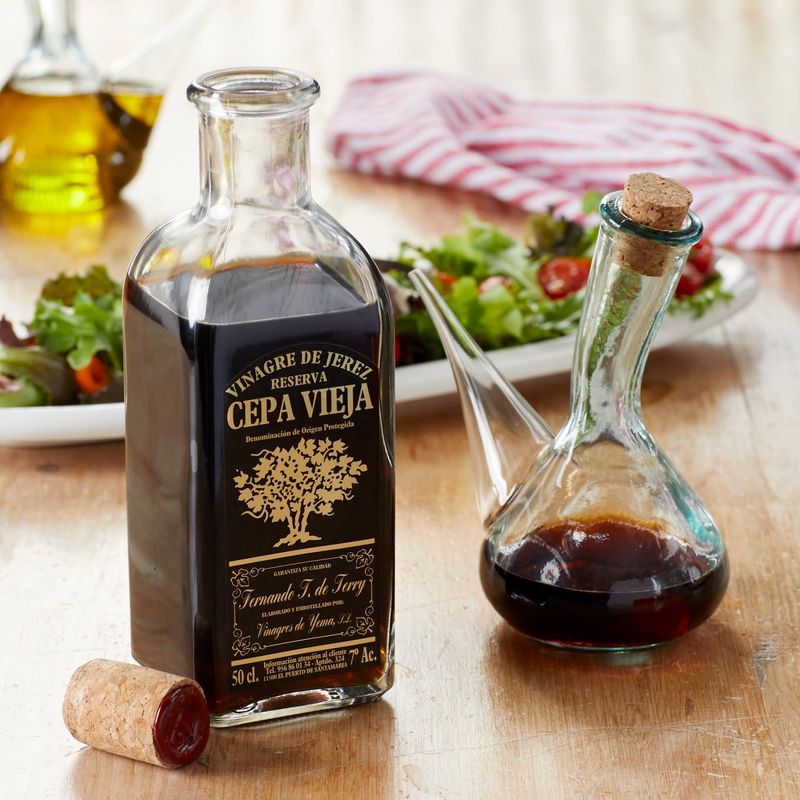
Aged in oak barrels just like the famous Spanish sherry wine it comes from, sherry vinegar has a nutty, caramel-like richness that regular wine vinegar just cannot replicate. Spanish cooks have relied on it for generations to bring depth to gazpacho, braised meats, and pan sauces.
Even a small splash can pull together a dish that feels flat or missing something. Think of it as the secret ingredient that professional chefs keep close but rarely talk about openly.
5. Champagne Vinegar

Made from Champagne grapes, this vinegar is the most delicate and refined of the wine vinegar family. Its flavor is light, crisp, and subtly floral, making it ideal for situations where you want acidity without any harsh bite or overpowering taste.
Champagne vinegar shines in light vinaigrettes, seafood dishes, and delicate sauces where boldness would be too much. If regular white wine vinegar feels too sharp for your taste, switching to champagne vinegar might be the upgrade your recipes have been quietly waiting for.
6. Plum Vinegar (Ume Su)
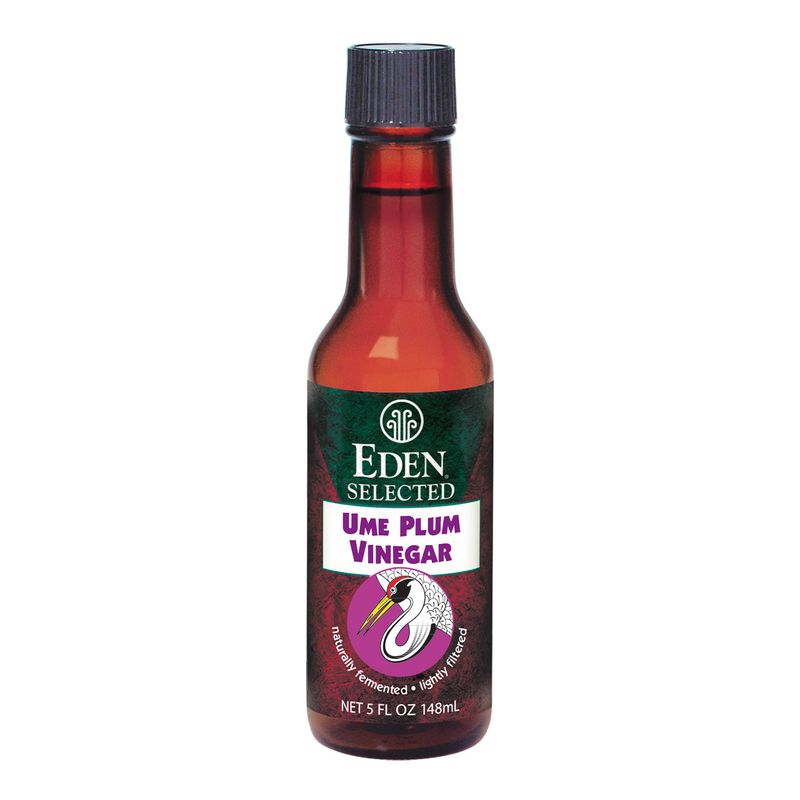
Ume su, or Japanese plum vinegar, is not technically a vinegar in the traditional sense but acts exactly like one. It is the tangy, salty brine left over from making umeboshi, the beloved Japanese pickled plums, and it carries a punchy, pink-hued flavor unlike anything else in the kitchen.
A few drops can season rice, brighten steamed vegetables, or replace salt in salad dressings. Its naturally salty profile means you can often skip adding extra salt altogether.
7. Fig Balsamic Vinegar
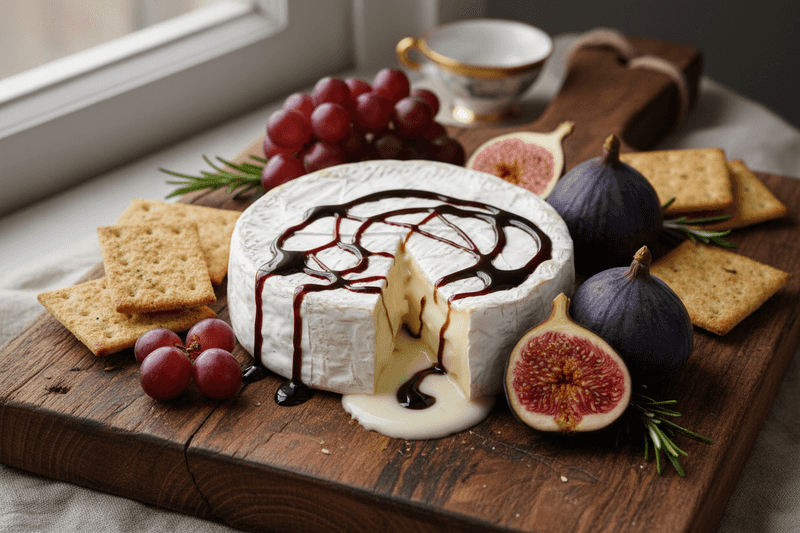
There is something almost luxurious about fig balsamic vinegar. The natural sweetness of ripe figs blends with the aged depth of balsamic to create a thick, luscious condiment that feels more like a fine sauce than a simple vinegar.
Drizzle it over a cheese board, pair it with prosciutto, or use it to glaze pork tenderloin before roasting. Even pizza lovers have discovered that a thin swirl of fig balsamic transforms a plain pie into a gourmet experience.
8. Cane Vinegar
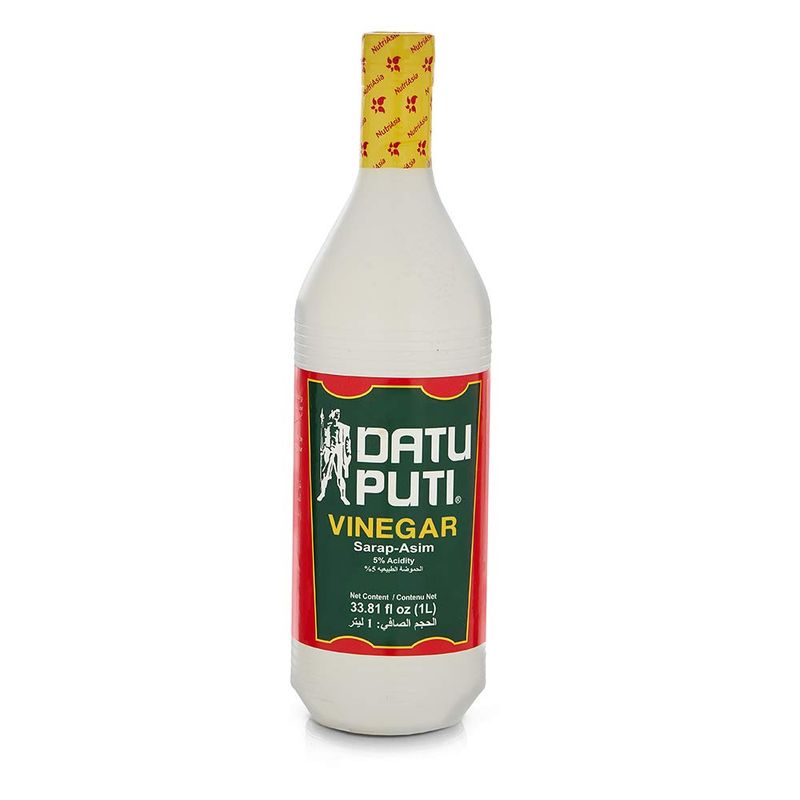
Made from fermented sugarcane juice, cane vinegar is a staple across the Philippines and parts of the American South, though it remains largely unknown in most Western kitchens. Its flavor is mild, slightly sweet, and far less sharp than distilled white vinegar.
It works wonderfully in pickling, slow-cooked stews, and barbecue sauces where a gentler acid is needed. Replacing harsh white vinegar with cane vinegar can make your pickles taste softer and more balanced without losing any of the tang you love.
9. Honey Vinegar
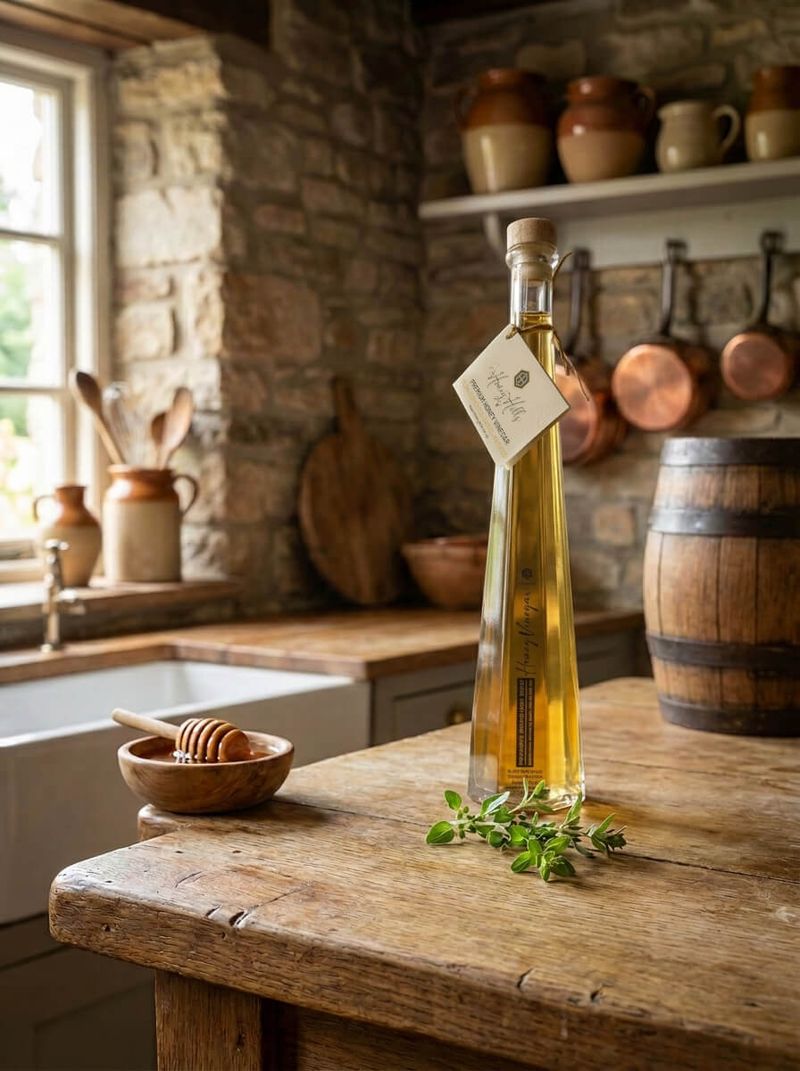
Honey vinegar starts with fermented honey, making it a natural companion to mead-making traditions that go back thousands of years. The result is a golden, floral vinegar with a gentle sweetness that feels softer and more aromatic than standard apple cider vinegar.
It pairs wonderfully with roasted carrots, grain salads, and honey-mustard style dressings. For anyone who finds most vinegars too harsh or pungent, honey vinegar offers a friendlier, more approachable way to add brightness and balance to everyday meals.
10. Tarragon Vinegar
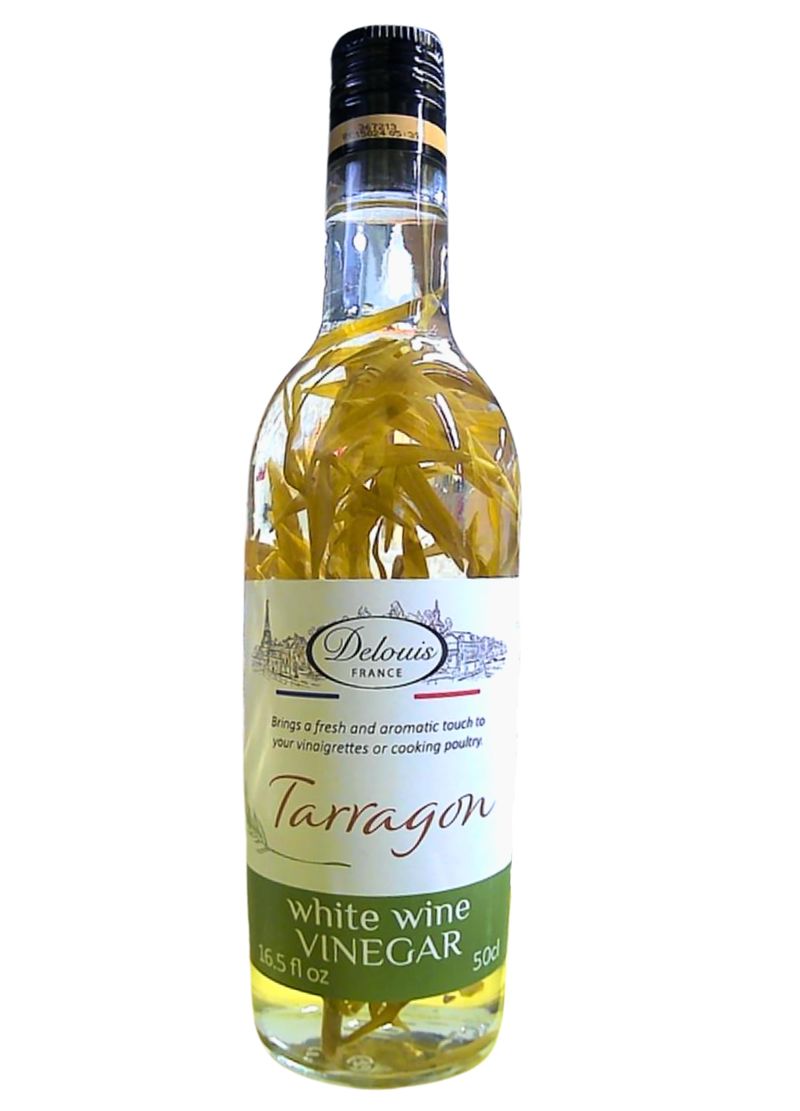
Tarragon vinegar is white wine vinegar that has been infused with fresh tarragon, a licorice-scented herb beloved in French cooking. The result is a fragrant, slightly anise-flavored vinegar that brings an instant French bistro quality to whatever it touches.
Classic uses include bearnaise sauce, chicken salads, and simple vinaigrettes, but it also works surprisingly well stirred into a creamy potato salad. Just a tablespoon can make a humble dish feel like something you ordered at a cozy Parisian restaurant.
11. Pomegranate Vinegar

With its jewel-red color and bold, tart-sweet flavor, pomegranate vinegar looks as impressive as it tastes. It comes from fermented pomegranate juice and carries the fruit's signature tartness along with a fruity complexity that makes it stand out on any shelf.
Middle Eastern cooks have long used it in salads, lamb dishes, and grain bowls, but it also works beautifully in cocktails or shrubs. A splash over hummus or roasted eggplant adds a pop of brightness that feels both exotic and completely addictive.
12. Malt Vinegar
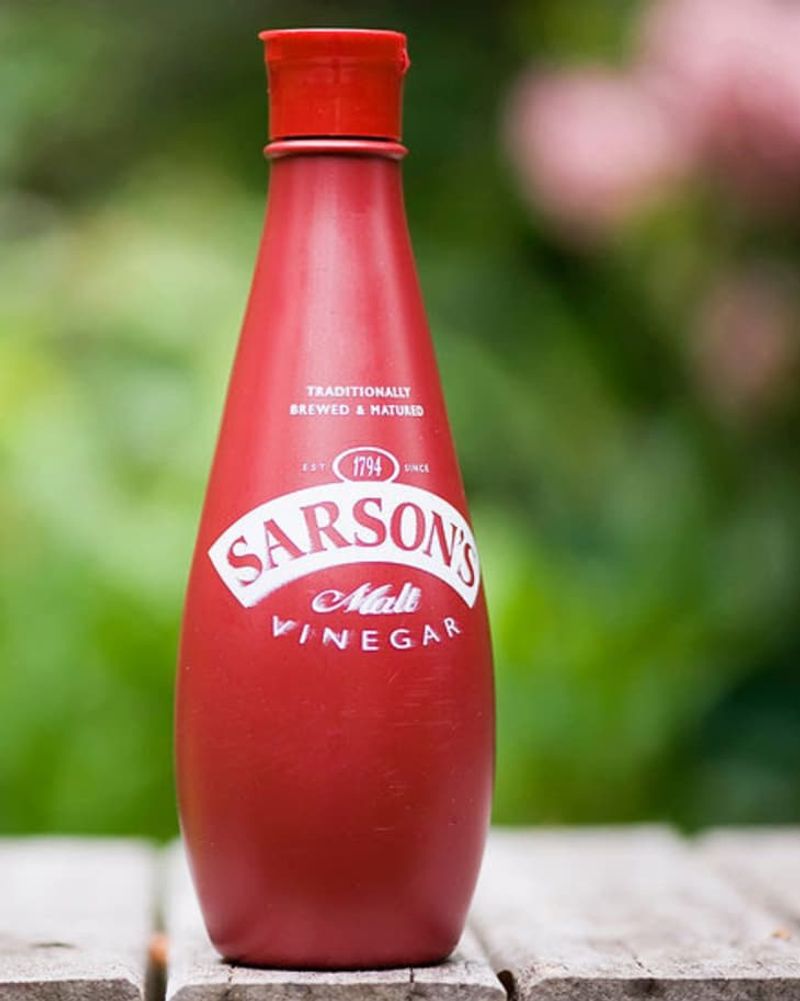
Malt vinegar is famous for being the classic companion to British fish and chips, but most home cooks never think to use it beyond that one iconic pairing. Made from fermented barley ale, it has a toasty, slightly caramel flavor that is richer and earthier than white or cider vinegar.
Try it in marinades for beef, in homemade brown sauces, or even splashed over fried mushrooms. Its malty depth adds a warmth that turns simple comfort food into something with real, satisfying character.
13. Banana Vinegar
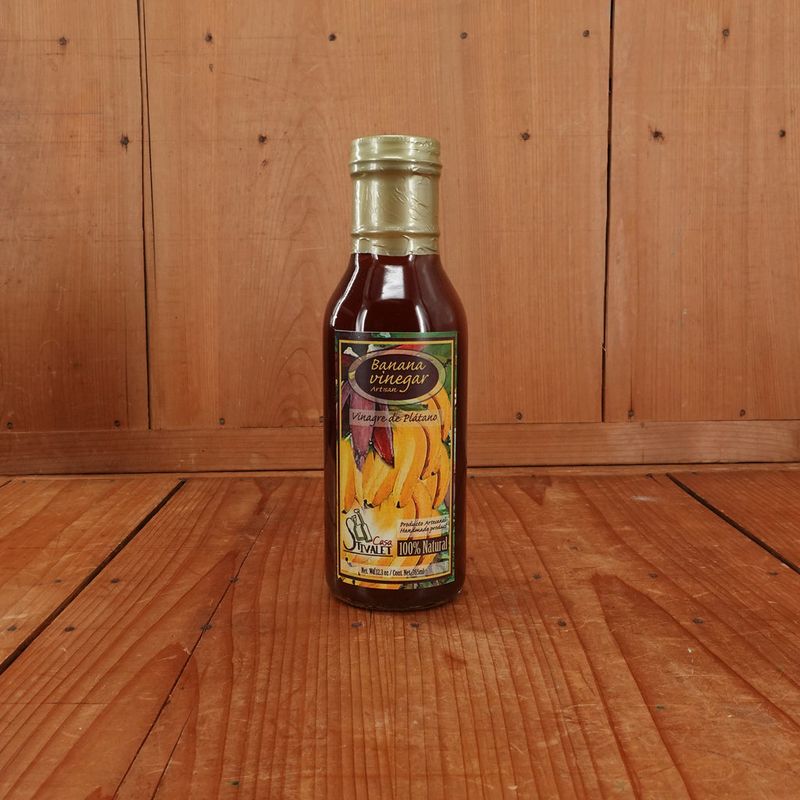
Banana vinegar might sound like something from a novelty shop, but in the Philippines it is a respected, everyday cooking ingredient with a surprisingly pleasant flavor. Fermented from overripe bananas, it has a faintly sweet, tropical tang that is milder and more interesting than plain white vinegar.
It works especially well in sweet-and-sour dishes, dipping sauces, and tropical-inspired salad dressings. Once you try it in a mango salsa or a pineapple glaze, you will wonder why it took so long to find its way into your kitchen.
14. Chardonnay Vinegar
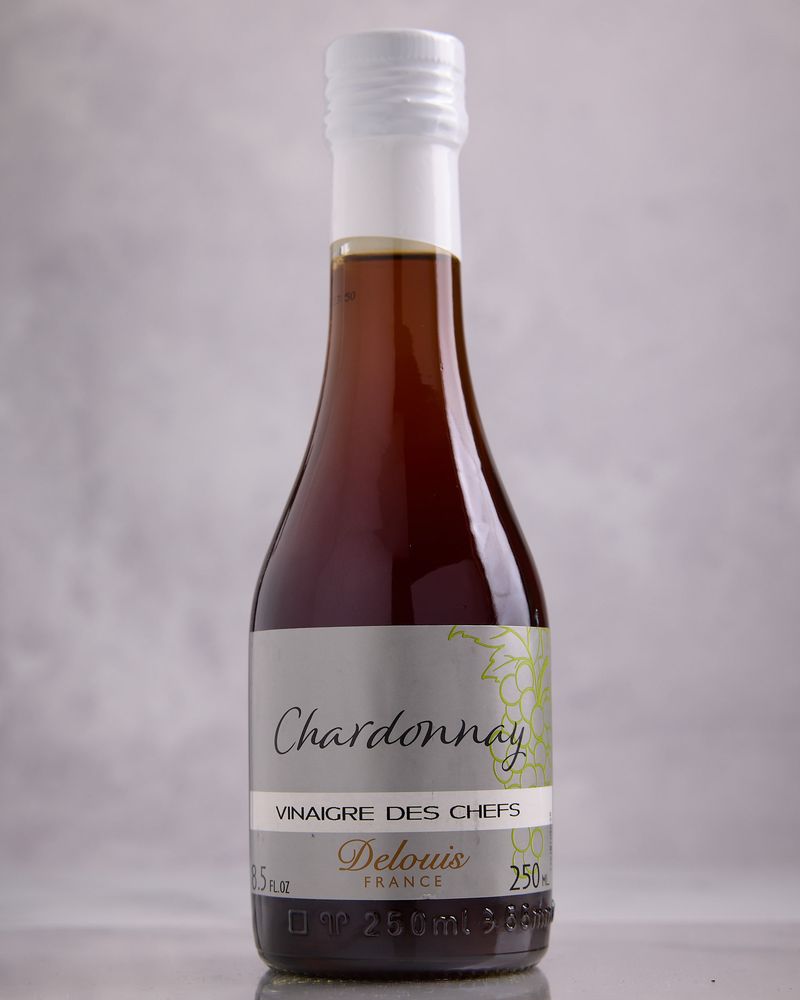
Chardonnay vinegar is made from one of the world's most popular white wines, and it carries that wine's signature buttery, oak-kissed personality into every dish it seasons. It is more complex than basic white wine vinegar and far less harsh than distilled white vinegar.
Use it in cream sauces, light pasta dishes, or any recipe where white wine is called for but you want a non-alcoholic option. Its rounded, smooth acidity makes it one of the most versatile and crowd-pleasing vinegars you can keep on hand.
15. Smoked Vinegar
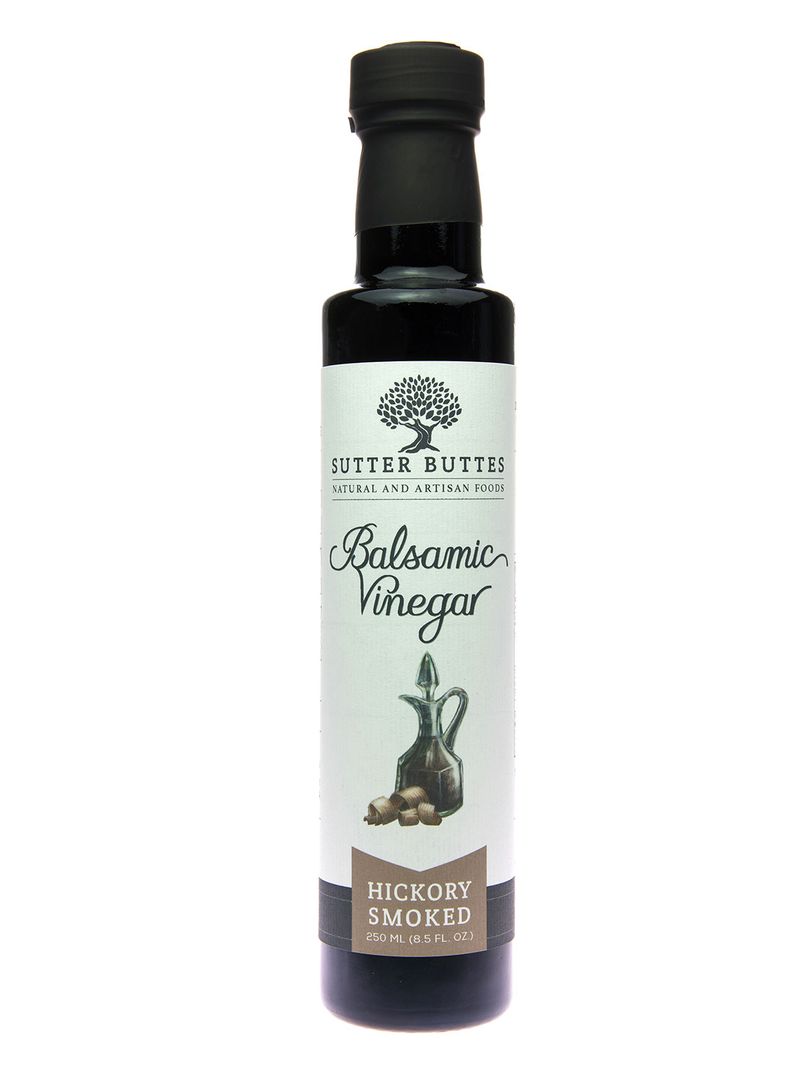
Smoked vinegar is exactly what it sounds like, and it is every bit as exciting as you are imagining. Made by cold-smoking vinegar over wood chips like hickory or applewood, it delivers a deep, campfire-like smokiness combined with bright acidity in a single splash.
Add it to barbecue sauces, chili, or baked beans for an instant outdoor-grill flavor without ever lighting a fire. It also works brilliantly in vegan dishes where smoked meat flavors are missed but not an option.




Comments
No Comments