













Most of us reach for the same handful of herbs every time we cook — basil, parsley, maybe some thyme. But the plant world is packed with incredible flavors just waiting to be discovered in your kitchen.
From lemony leaves to spicy roots, unusual herbs can completely transform a dish in ways you never expected. Get ready to explore some seriously underrated greens that deserve a spot on your spice rack.
1. Lemon Verbena
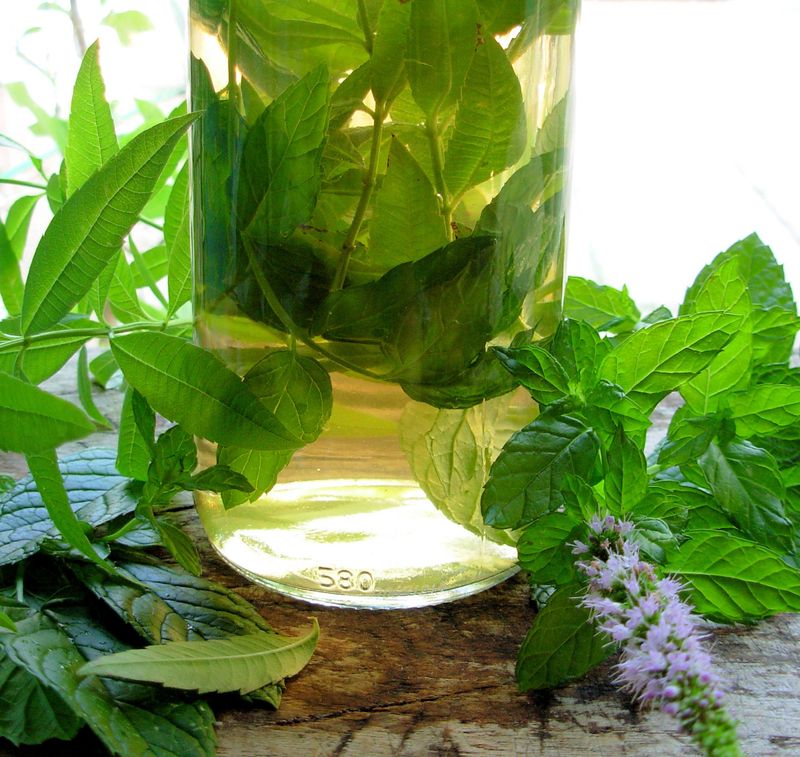
Imagine the brightest, most intense lemon flavor you have ever tasted — that is lemon verbena in a nutshell. Originally from South America, this woody herb smells almost like lemon candy but tastes surprisingly clean and fresh.
Chop a few leaves into fruit salads, stir them into lemonade, or use them to flavor whipped cream. Even a small amount packs a serious punch, so start with just two or three leaves until you find your sweet spot.
2. Shiso
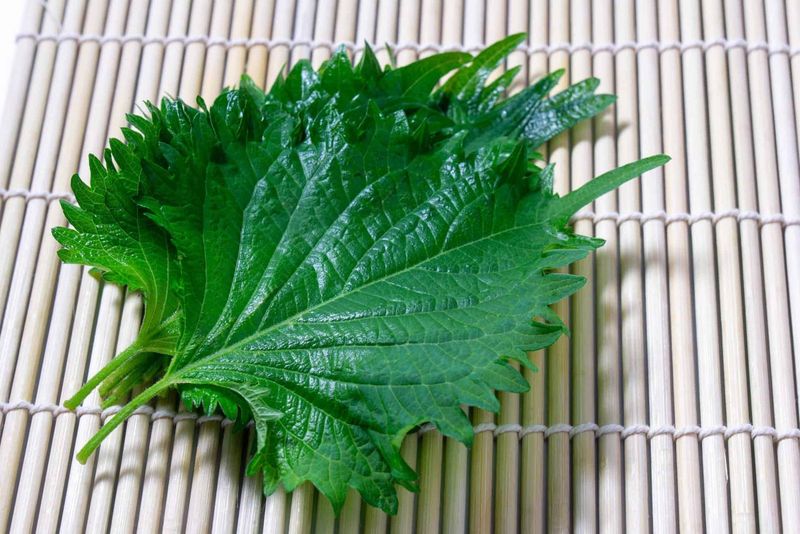
Shiso is the herb that Japanese cuisine has been quietly showing off for centuries, and it is finally getting the global attention it deserves. The flavor is a wild mix of mint, basil, anise, and something almost spicy that is hard to pin down.
Wrap it around sushi, tear it into noodle soups, or use whole leaves as edible garnishes for grilled fish. Red shiso is also used to make beautiful pink pickled plums called umeboshi.
3. Epazote
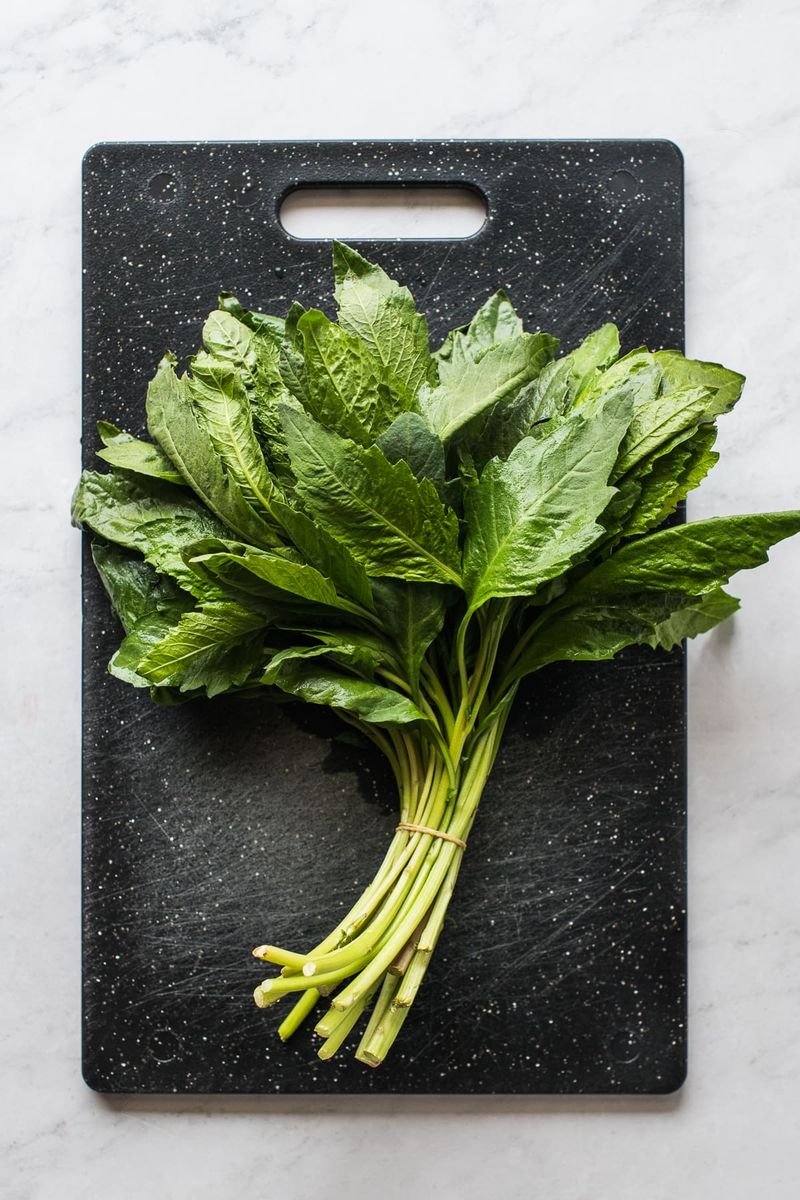
Cooks in Mexico have been tossing epazote into black bean pots for generations, and there is a brilliant reason why. Beyond its bold, slightly medicinal flavor, epazote is known to reduce the gas-causing effects of beans — a seriously practical kitchen secret.
The taste is pungent and assertive, somewhere between turpentine and fresh herbs, which sounds odd but works beautifully in slow-cooked dishes. Always add it near the end of cooking to preserve its unique aroma.
4. Lovage
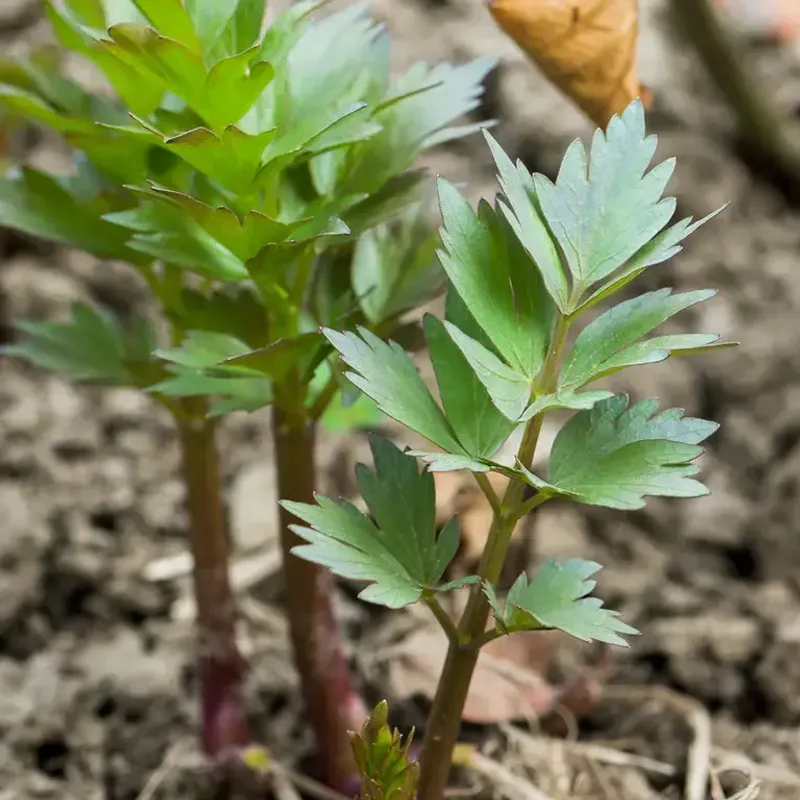
If celery and parsley had a baby with a strong personality, it would be lovage. This tall, bold-flavored herb was wildly popular in medieval European cooking but somehow got left behind when modern cuisines moved on.
Use the hollow stems like straws in a Bloody Mary, or chop the leaves into potato soups and stews for a deep, savory depth. A little goes a long way — lovage is intense, so treat it more like a seasoning than a garnish.
5. Vietnamese Coriander (Rau Ram)
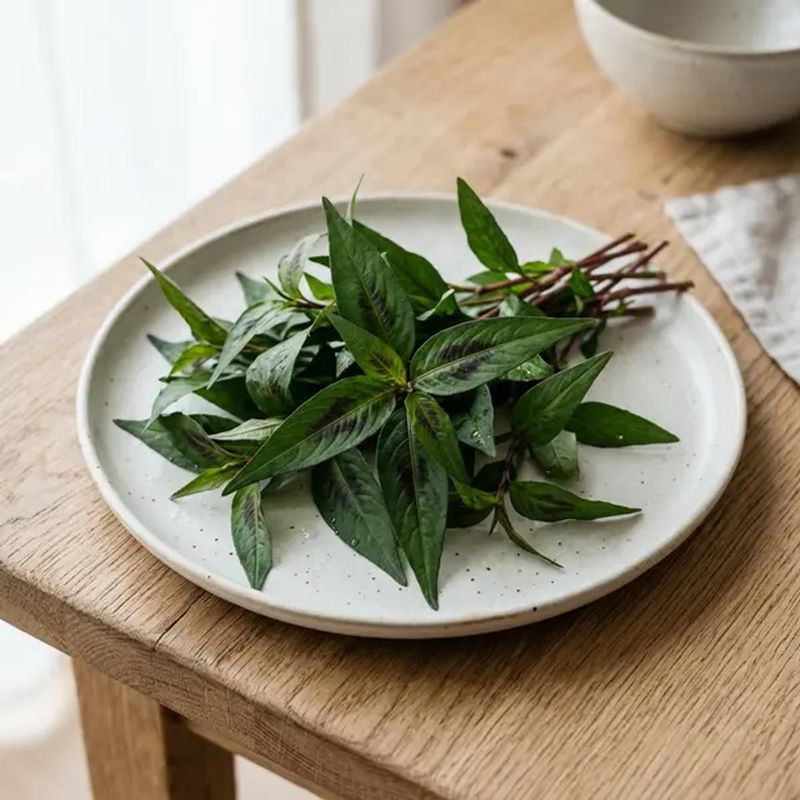
Regular cilantro is great, but Vietnamese coriander brings something more complex to the table. Known as rau ram in Southeast Asia, it has a sharper, more peppery bite with a hint of lemon that makes it feel almost electric on your tongue.
Toss it into Vietnamese chicken salads, spring rolls, or spicy noodle bowls for an instant flavor upgrade. Unlike regular cilantro, it holds up better under heat, making it slightly more versatile for warm dishes too.
6. Hyssop
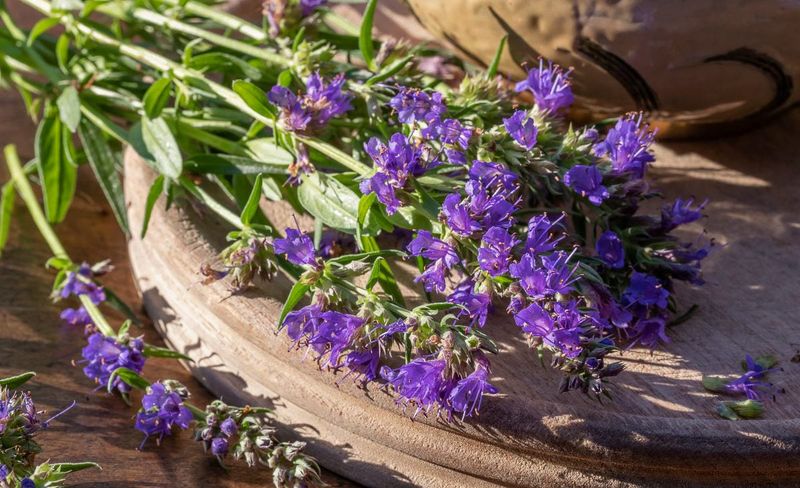
Hyssop sounds like something out of a fairy tale, and honestly, its history is just as dramatic. Used in ancient rituals and medieval medicines, this minty, slightly bitter herb is finally making a comeback in modern kitchens.
Add fresh hyssop leaves to fruit desserts, roasted lamb, or vegetable soups for a herby punch with a hint of floral sweetness. Its edible flowers are stunning scattered over salads.
Dried hyssop also works beautifully blended into homemade herbal teas.
7. Sumac Herb (Rhus coriaria)
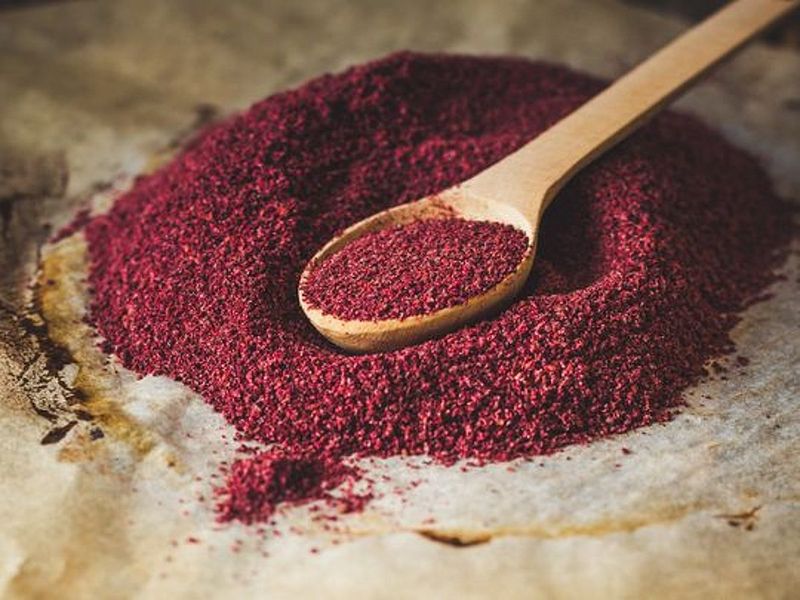
Sumac is the secret weapon of Middle Eastern cooking, adding a tangy, almost fruity sourness that brightens everything it touches. Think of it as nature's lemon — but earthier, deeper, and far more interesting in savory dishes.
Sprinkle ground sumac over hummus, grilled chicken, or roasted vegetables for an instant flavor lift. Za'atar spice blend, popular across the Arab world, relies heavily on sumac as a core ingredient.
Once you try it, going back feels nearly impossible.
8. Tulsi (Holy Basil)
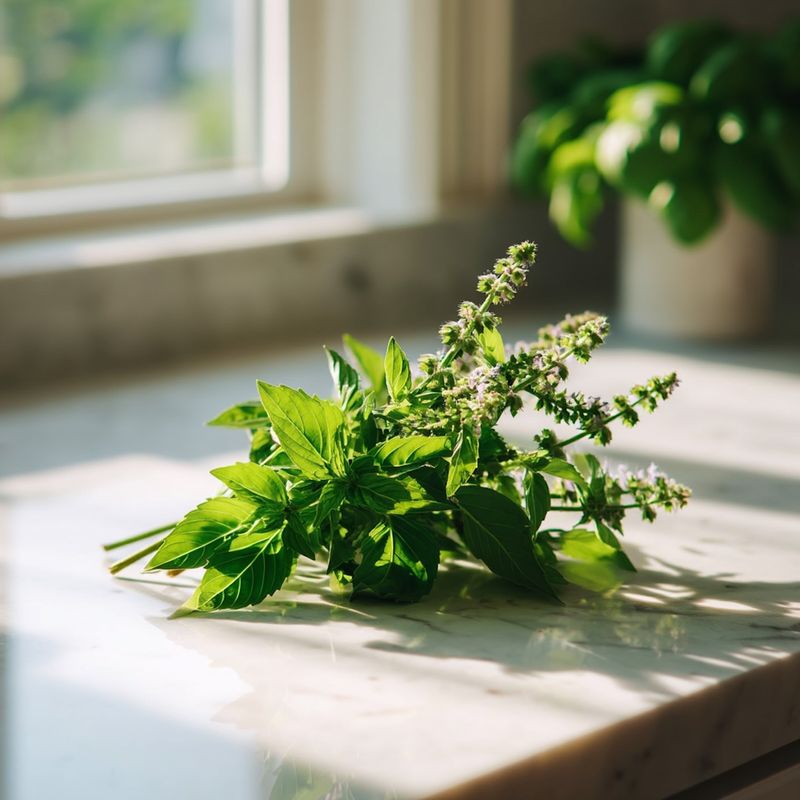
Tulsi is sacred in Hindu culture, planted outside homes as a symbol of protection — but it is also one of the most underrated cooking herbs on the planet. Unlike sweet Italian basil, tulsi carries a clove-like spice with hints of pepper and a slight bitterness.
Stir it into Thai curries, coconut soups, or simple stir-fried vegetables for a completely different kind of basil experience. Fresh leaves also make a calming herbal tea that tastes nothing like anything from a tea bag.
9. Salad Burnet
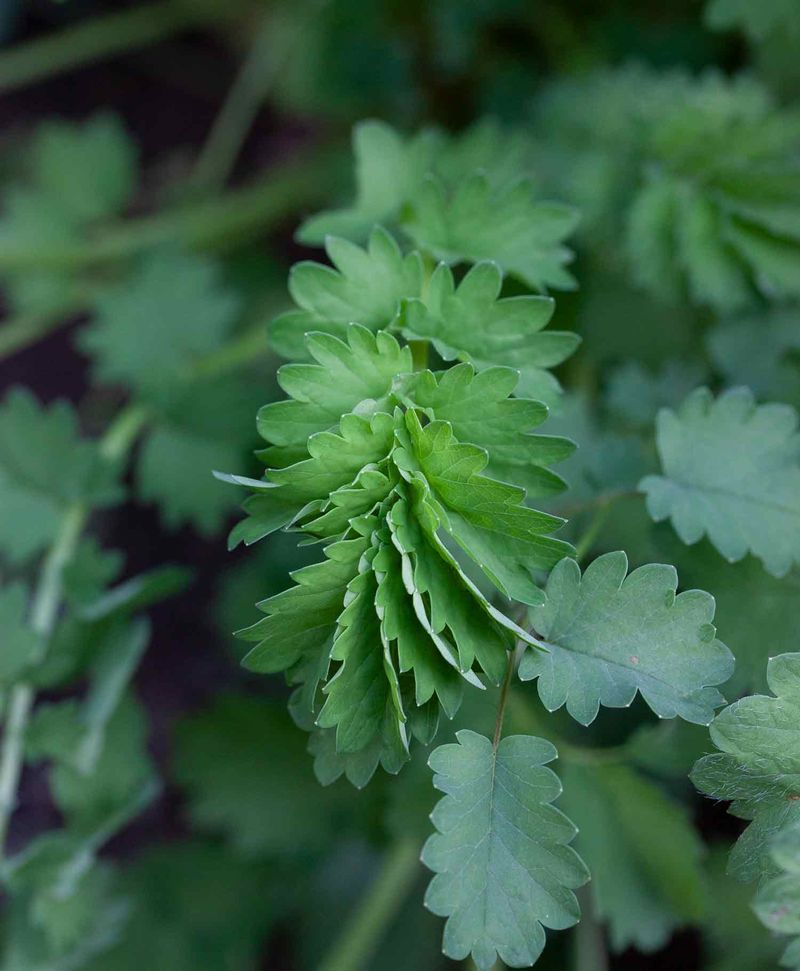
Here is a fun fact: salad burnet tastes exactly like fresh cucumber, even when cucumbers are nowhere near the dish. This delicate, fern-like herb grows easily in almost any garden and has been used in European kitchens since at least the 1600s.
Toss the young leaves into green salads, float them in water pitchers for a refreshing twist, or blend them into cream cheese spreads. The flavor fades quickly when cooked, so always use salad burnet fresh for the best results.
10. Perilla (Korean Sesame Leaf)
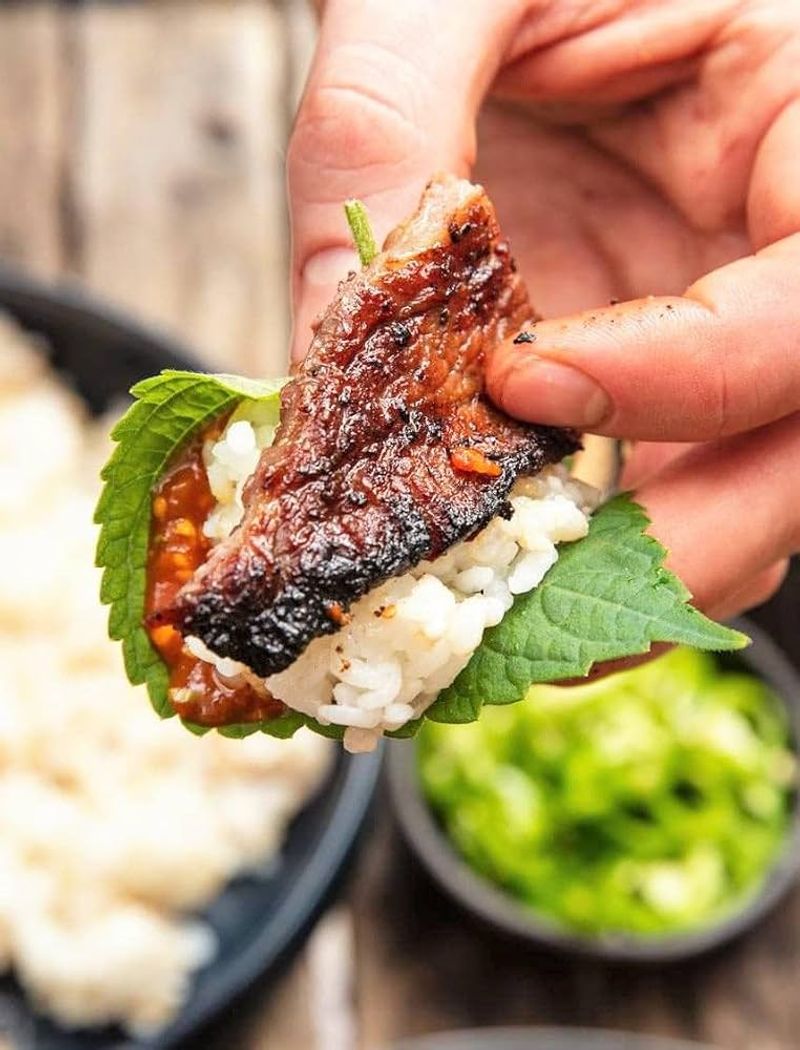
Perilla looks like a larger, rounder version of shiso and is an absolute staple in Korean barbecue culture. Diners wrap grilled meat in the leaves like a tiny edible package, and the result is one of the most satisfying bites in all of Korean food.
Beyond wraps, perilla leaves can be pickled in soy sauce and sesame oil to create a savory side dish called kkaennip jangajji. The flavor is nutty, herby, and slightly anise-like — completely unlike anything else in the herb world.
11. Curry Leaf
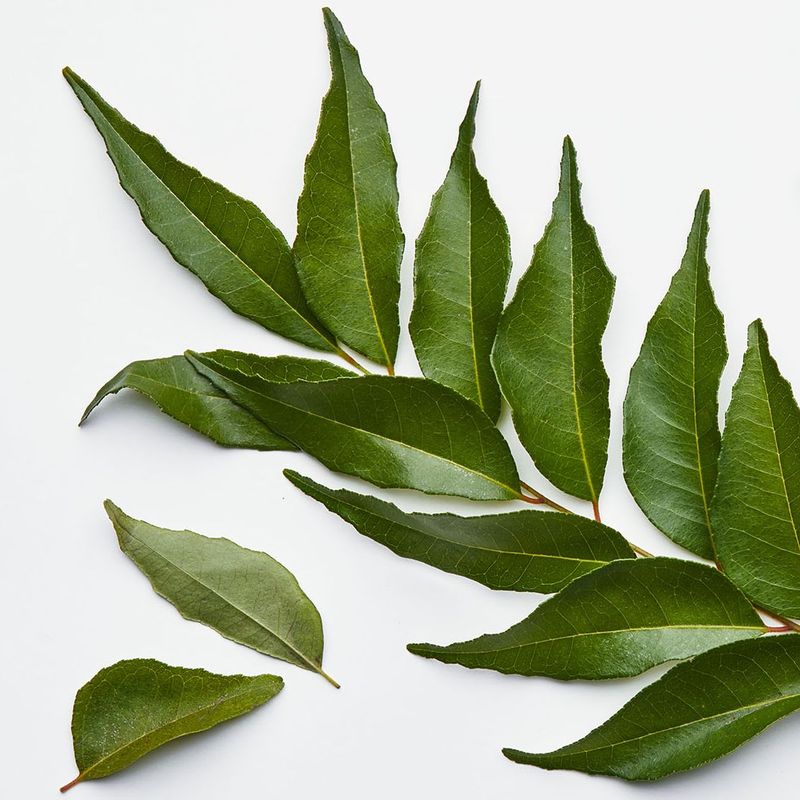
Curry leaves have absolutely nothing to do with curry powder — and that is the first thing most people get wrong about them. These glossy, aromatic leaves come from a South Indian tree and carry a warm, nutty fragrance that is completely their own.
Drop them into hot oil at the start of cooking to release their incredible aroma before adding onions and spices. They are essential in South Indian dals, chutneys, and coconut-based dishes.
Dried curry leaves lose much of their magic, so always go fresh when possible.
12. Sorrel
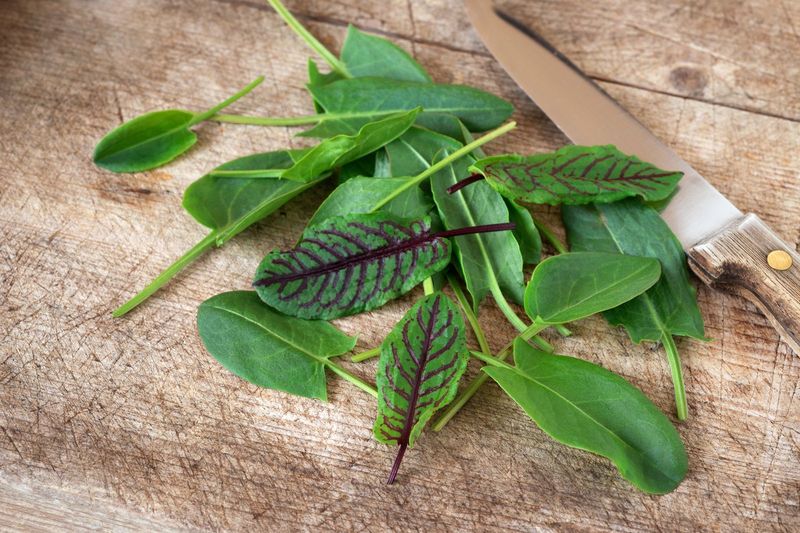
Sorrel is the herb that makes your mouth pucker in the most delicious way. Its sharp, lemony sourness comes from oxalic acid, the same compound found in rhubarb, giving it a flavor that feels almost electric on your taste buds.
Classic French cuisine uses sorrel in cream sauces for salmon and in velvety potato soups. Younger, smaller leaves are mild enough to toss raw into salads.
Cooking softens the bitterness and turns sorrel into a silky, tangy sauce base that pairs beautifully with eggs.
13. Bergamot (Bee Balm)
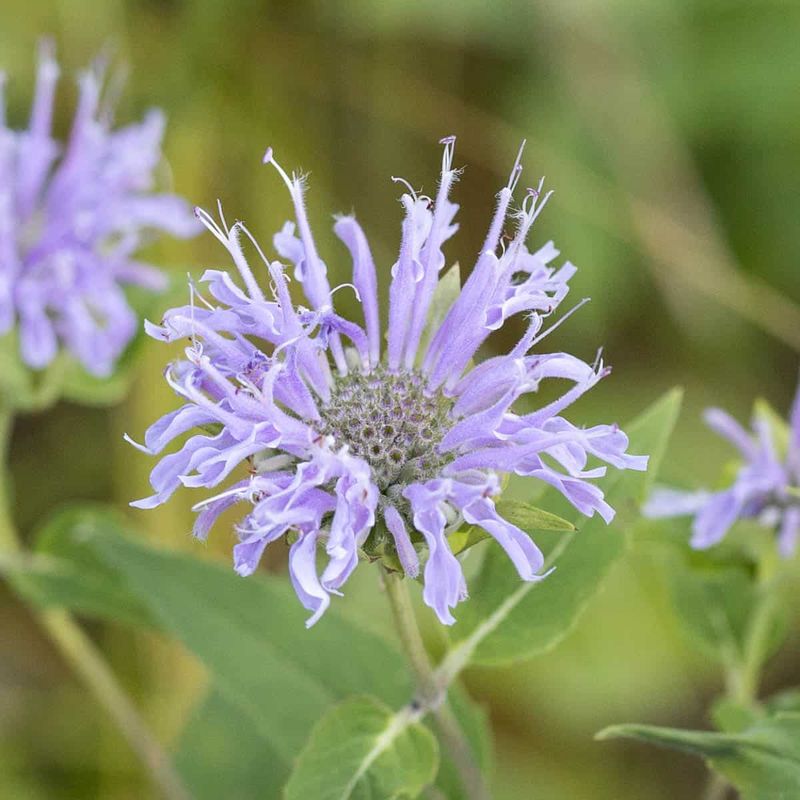
Most people know bergamot only as the mysterious citrus flavor behind Earl Grey tea, but the herb form — called bee balm — is a totally different and exciting plant. Native to North America, its leaves carry a bold, oregano-meets-mint flavor with floral overtones.
Chop fresh leaves into wild mushroom risotto, herbed butter, or fruit-based desserts for a surprisingly complex lift. The edible flowers make stunning garnishes on plates.
Native American communities have used bee balm medicinally and culinarily for hundreds of years.
14. Lemon Balm
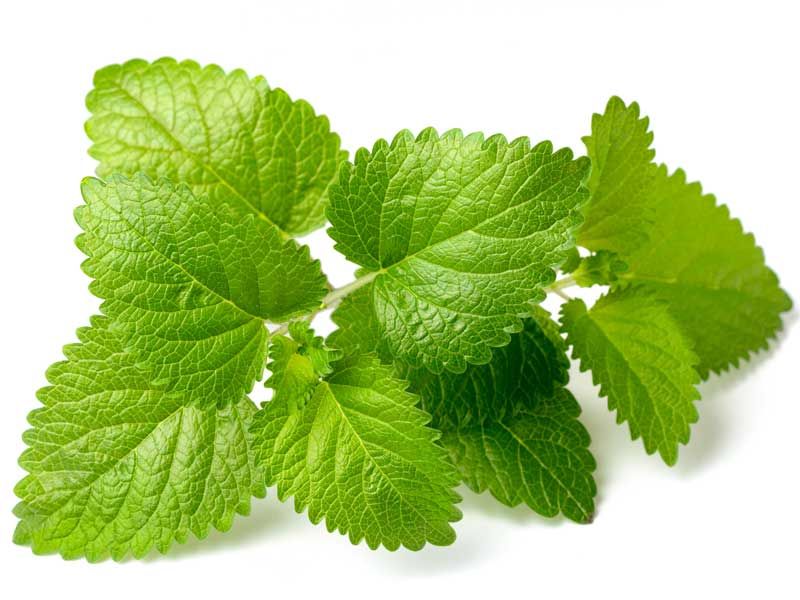
Lemon balm is mint's calmer, more easygoing cousin — softer in flavor, gentler in texture, and honestly more versatile in the kitchen. The leaves smell like pure sunshine, releasing a light lemon scent the moment you bruise them between your fingers.
Blend fresh lemon balm into smoothies, muddle it into cocktails, or steep it in cream for panna cotta and ice cream bases. It also pairs beautifully with grilled fish and light chicken dishes.
Bonus: it is one of the easiest herbs to grow on a windowsill.
15. Fenugreek Leaves (Methi)
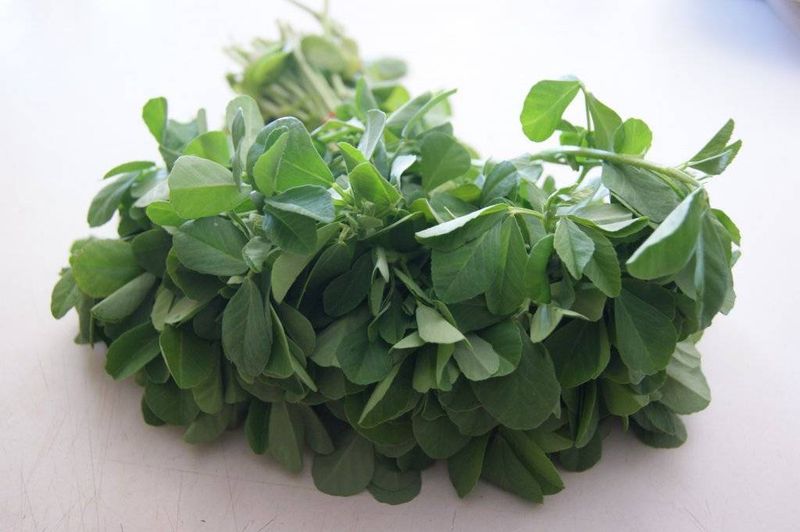
Walk into any Indian household where methi is cooking and the smell alone will stop you in your tracks. Fenugreek leaves carry a slightly bitter, maple-like aroma that sounds strange but creates some of the most deeply satisfying flavors in South Asian cooking.
Fresh methi is used in flatbreads called methi paratha, creamy potato curries, and slow-cooked lamb dishes. Even dried fenugreek leaves, called kasuri methi, can be crumbled into butter chicken sauce at the end for an authentic restaurant-quality depth of flavor.




Comments
No Comments