













Granola bars line the supermarket shelves in dozens of flavors, shapes, and sizes, making it hard to know which one is actually good for you. Some look healthy on the outside but are packed with sugar and artificial ingredients.
Knowing what to look for can save you money, calories, and disappointment. These tips will help you shop smarter and pick a granola bar you can feel great about eating.
1. Check the Sugar Content First
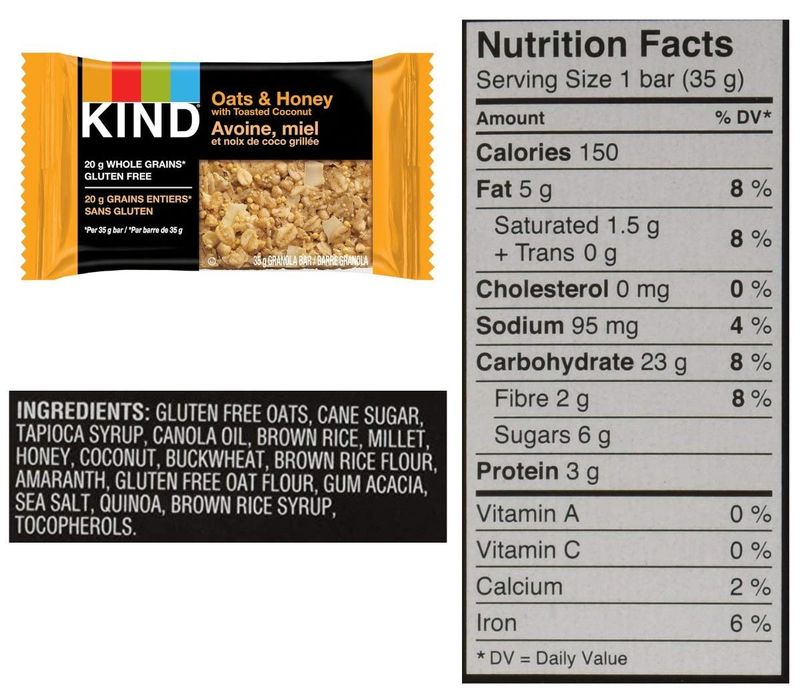
Sugar is often the sneaky villain hiding in your favorite snack. Many granola bars contain more sugar than a candy bar, which can leave you feeling sluggish instead of energized.
Look for bars with 8 grams of sugar or less per serving. Natural sugars from fruit are okay, but added sugars like corn syrup or cane sugar should be minimal.
A quick glance at the label makes a big difference in your snack choice.
2. Look at the Ingredient List Length
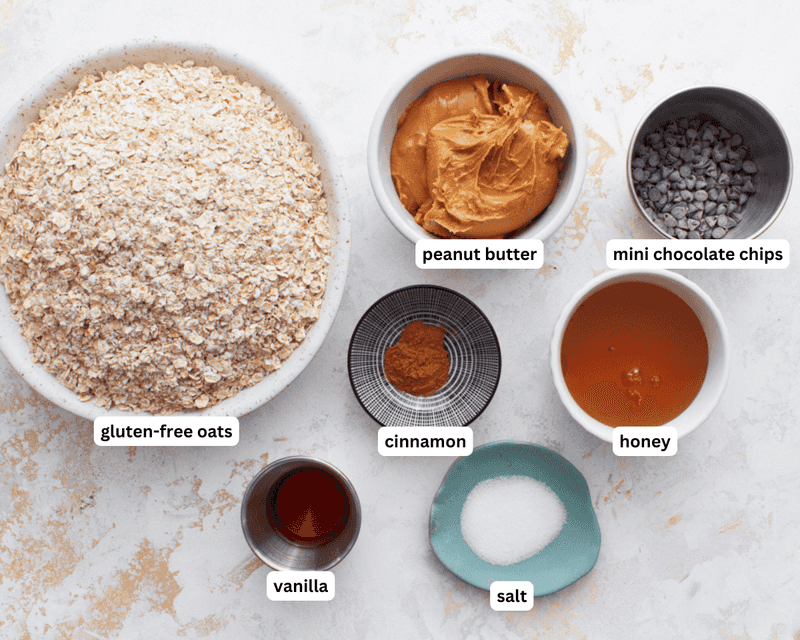
Shorter ingredient lists are usually a good sign. When a bar has 30 or more ingredients, many of them are likely preservatives, artificial flavors, or chemicals you cannot pronounce.
A cleaner bar will list recognizable foods like oats, honey, almonds, and dried fruit near the top. The first few ingredients matter most since they make up the largest portion of the bar.
Keep it simple, and your body will thank you.
3. Prioritize Protein Content
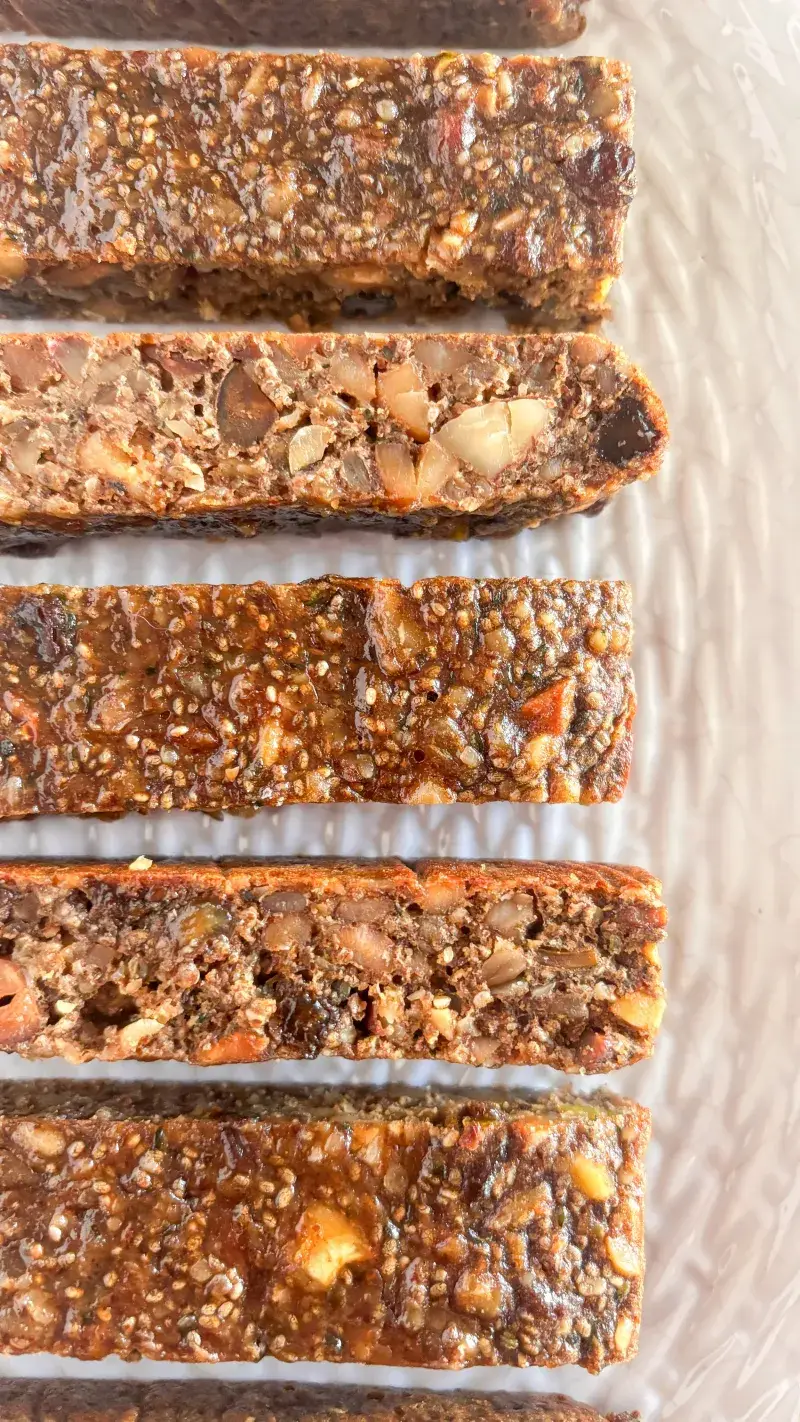
Protein is what keeps you full between meals and fuels your muscles throughout the day. A granola bar with at least 5 grams of protein is a much smarter snack than one with barely any.
Bars made with nuts, seeds, or nut butters tend to pack more protein naturally. Checking this number takes just a second but makes a huge impact on how satisfied you feel after eating.
Go for protein, not just carbs.
4. Watch Out for Artificial Sweeteners
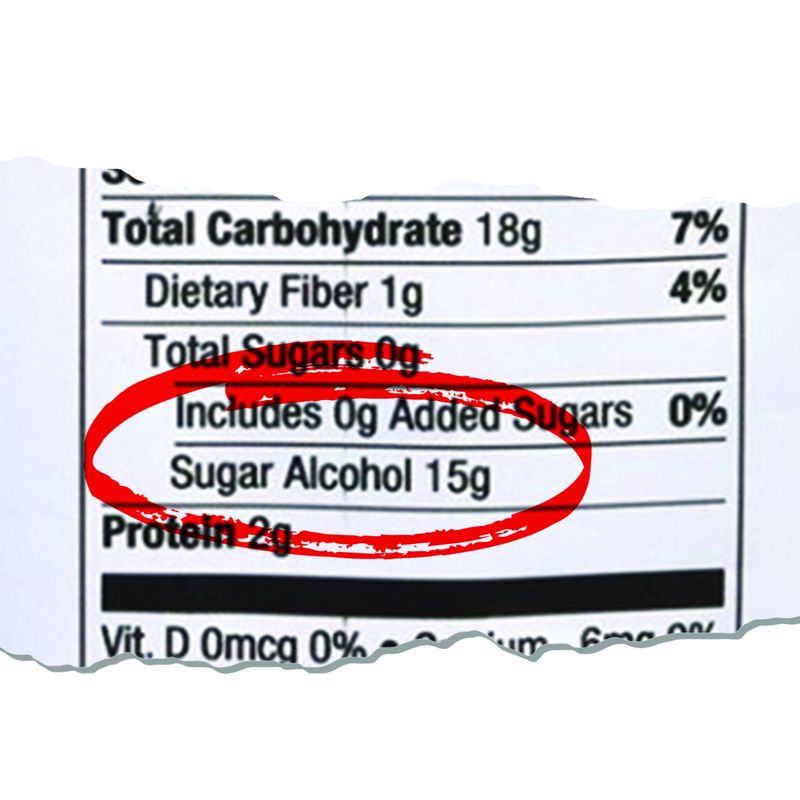
Just because a bar says "sugar-free" does not mean it is automatically healthier. Many sugar-free bars swap real sugar for artificial sweeteners like sucralose, aspartame, or acesulfame potassium.
These lab-made sweeteners can upset your stomach and may not satisfy real hunger cravings the way natural foods do. If you see these on the label, consider putting the bar back and looking for something sweetened naturally with dates or honey instead.
5. Aim for Whole Grain Oats as the First Ingredient
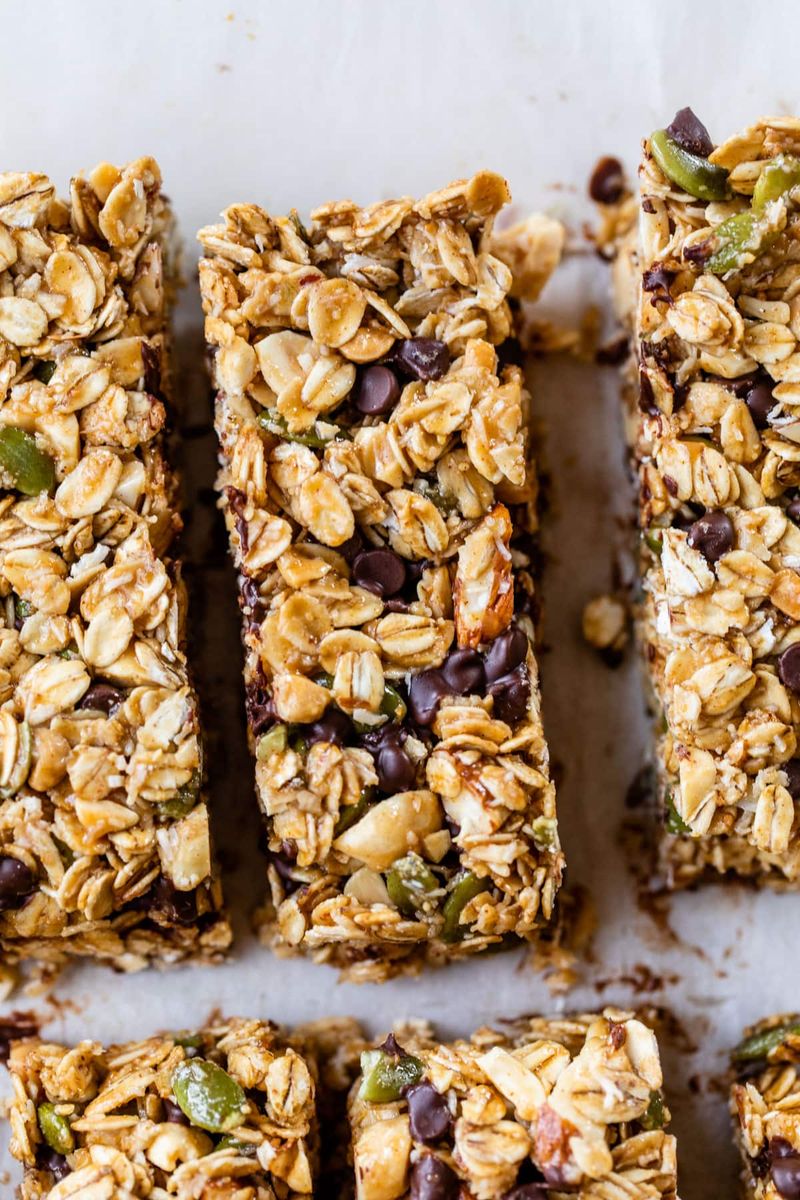
Whole grain oats are one of the best ingredients a granola bar can have. They provide steady energy, support digestion, and keep you feeling full longer than refined grains do.
When oats are listed as the very first ingredient, that is a great sign the bar is built on a solid nutritional foundation. Avoid bars where sugar or syrup appears before any real grain.
Oats first means you are starting on the right foot.
6. Consider the Fiber Count
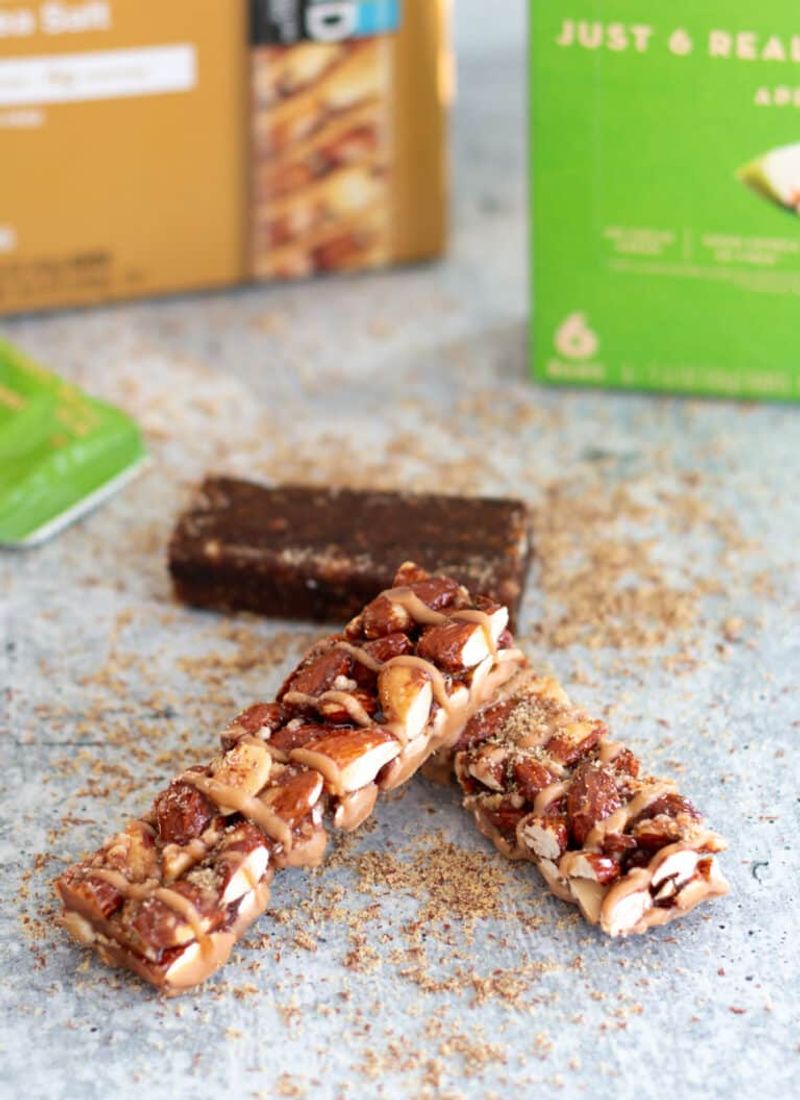
Fiber is the unsung hero of good nutrition. It slows digestion, keeps blood sugar steady, and helps you feel satisfied for hours after eating your snack.
Look for granola bars that offer at least 3 grams of fiber per serving. Bars with nuts, seeds, oats, and dried fruit tend to have the most.
If a bar has less than 1 gram of fiber, it probably will not hold you over very long. Fiber truly matters.
7. Avoid Bars Loaded with Saturated Fat
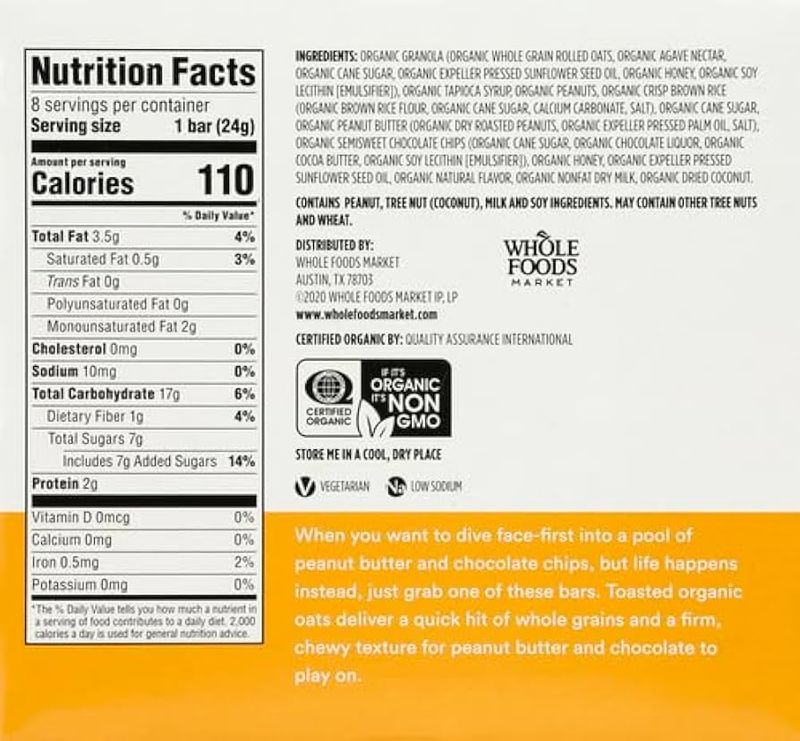
Not all fats are bad, but saturated fat is one worth watching. Too much of it can raise cholesterol levels and put stress on your heart over time.
Granola bars coated in chocolate or made with palm oil often carry more saturated fat than expected. A bar with 2 grams or less of saturated fat per serving is a reasonable choice.
Healthy fats from almonds or sunflower seeds are a much better option for your overall wellness.
8. Compare Calories Per Serving Size
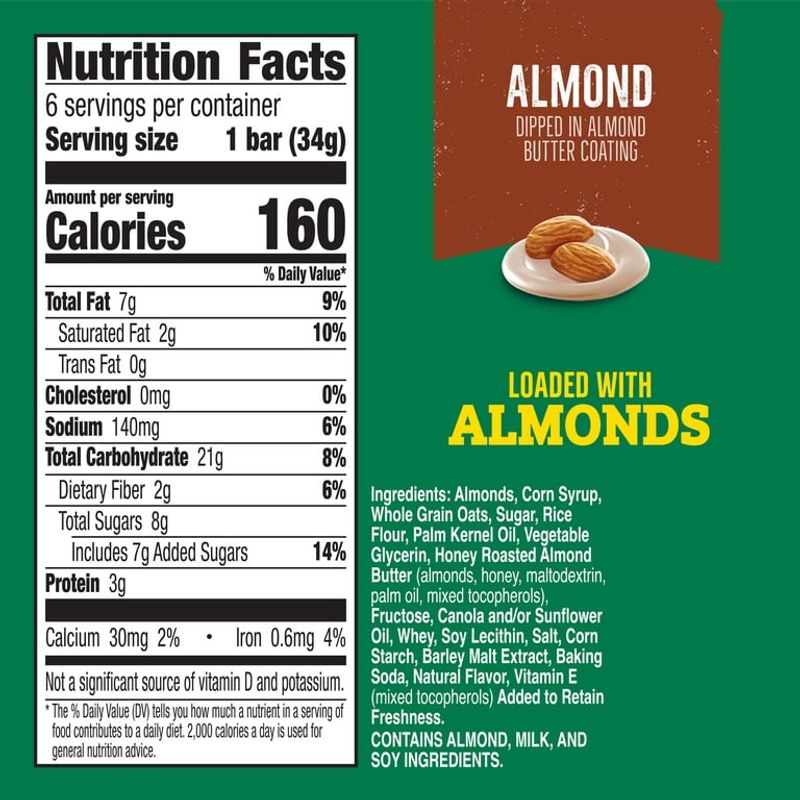
Calorie counts can be tricky because serving sizes vary wildly between brands. One bar might list 100 calories but only count half the bar as one serving, which doubles the real number.
Always check the serving size first before comparing calories between products. A 200-calorie bar that fills you up is smarter than a 90-calorie one that leaves you hungry again in 20 minutes.
Eat with awareness, not just assumptions.
9. Scan for Hidden Sodium Levels
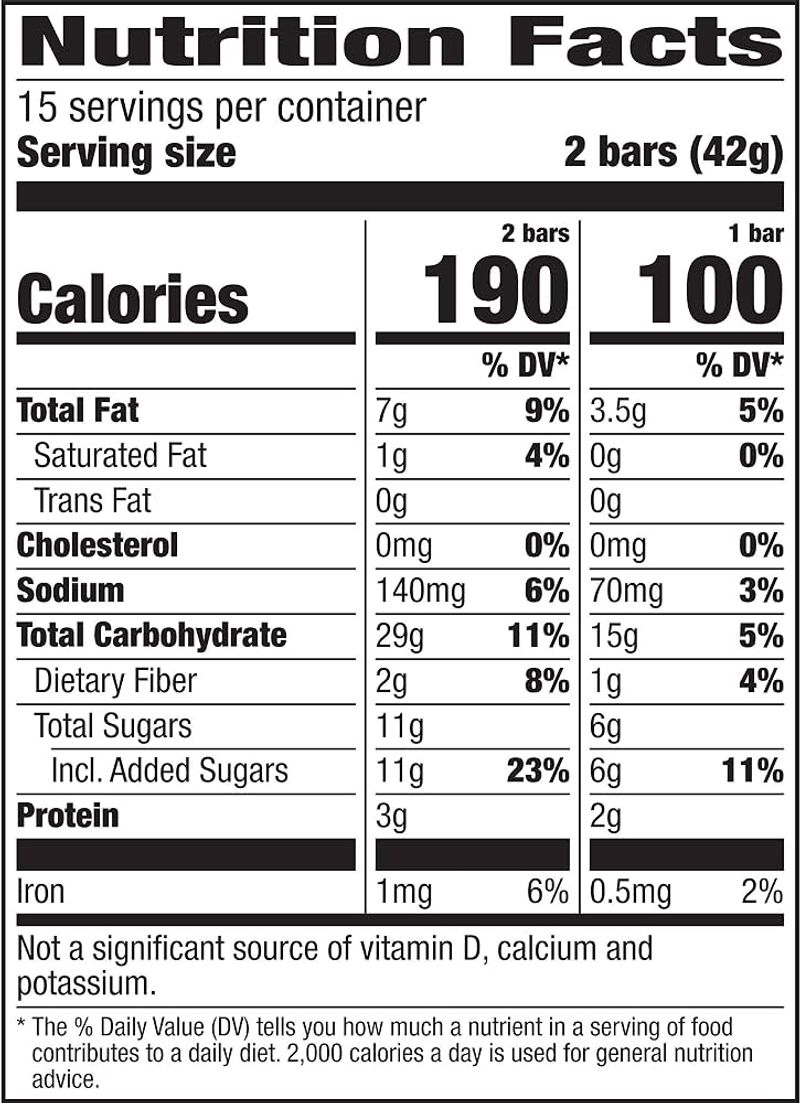
Sodium in a snack bar might seem surprising, but many brands use salt to enhance flavor and extend shelf life. Too much sodium in your daily snacks can add up quickly without you realizing it.
A granola bar should ideally have under 150 milligrams of sodium per serving. Bars marketed as savory or trail-mix style often have the highest sodium counts.
Reading this number takes seconds but helps you stay on track with a balanced diet.
10. Look for Real Nuts and Seeds
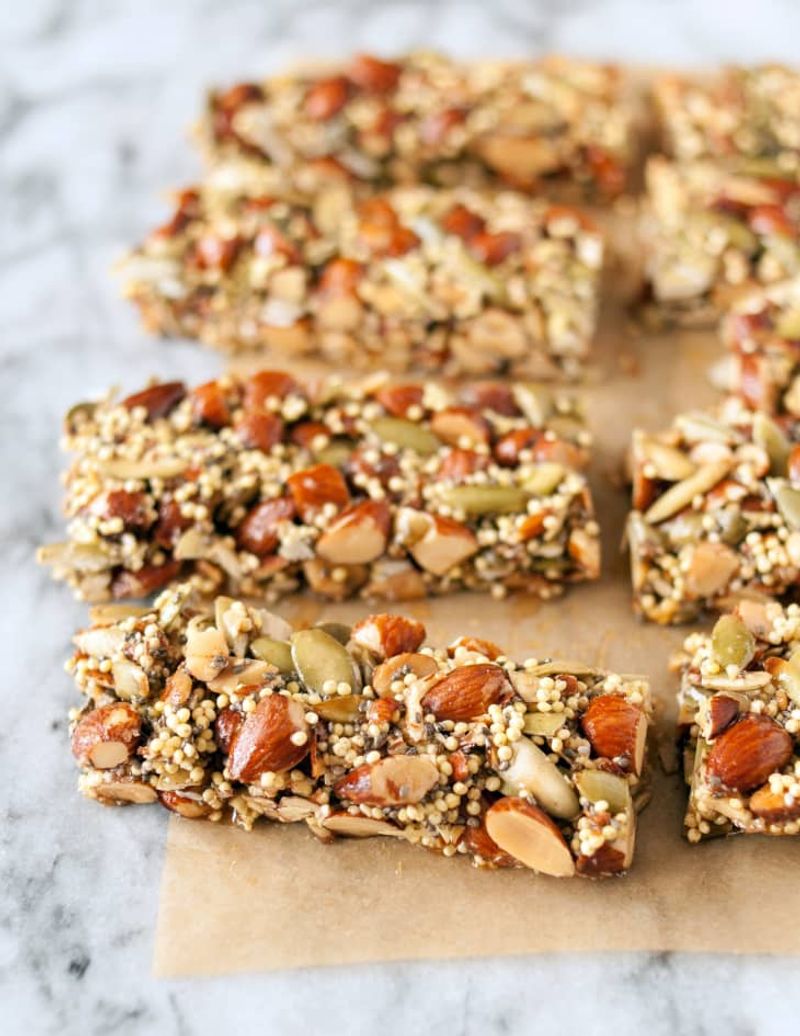
Real nuts and seeds are a powerhouse combination of healthy fats, protein, and minerals that your body genuinely needs. When you can actually see them in the bar, that is a great quality indicator.
Watch out for bars that only list "nut flavor" or "seed extract" instead of actual whole pieces. Almonds, walnuts, chia seeds, and flaxseeds are all excellent additions.
The more real, whole ingredients you can spot, the better the bar tends to be overall.
11. Evaluate the Type of Sweetener Used
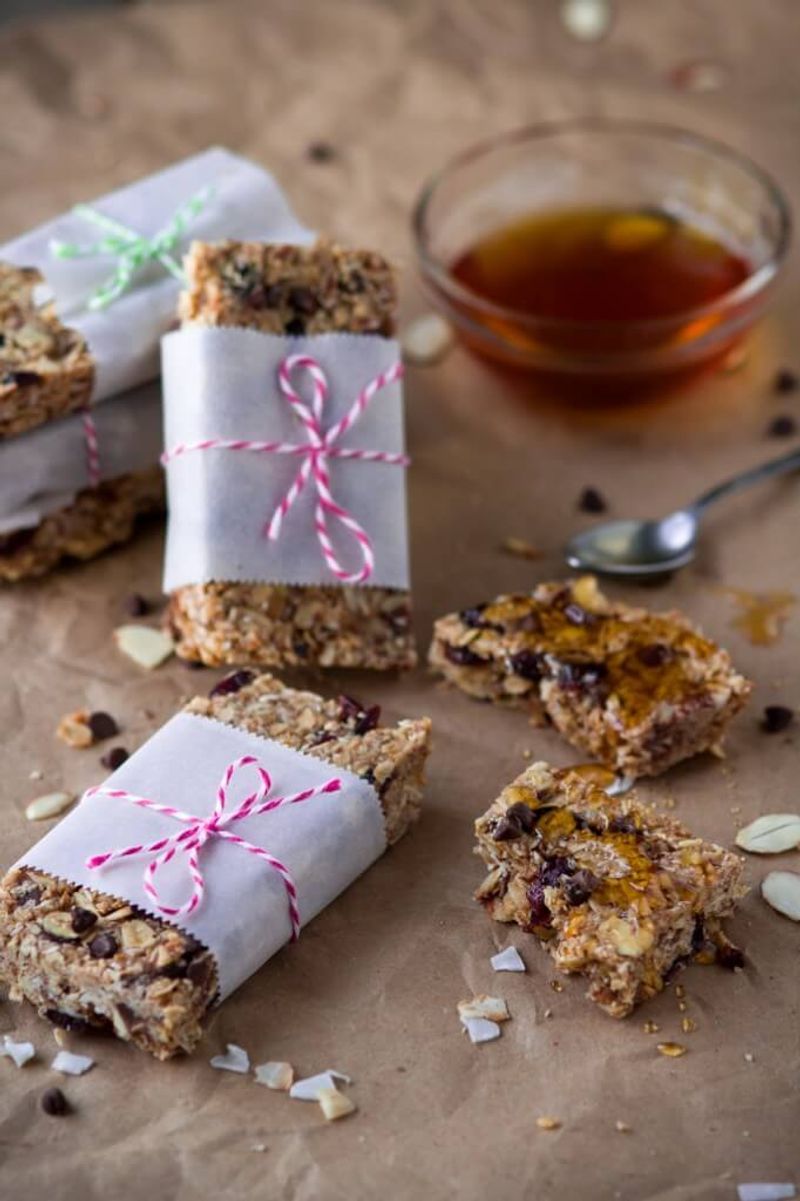
Not all sweeteners are created equal, and the type used in a granola bar tells you a lot about its quality. Honey, maple syrup, and dates are far better choices than high-fructose corn syrup or refined white sugar.
Natural sweeteners come with trace minerals and cause a gentler rise in blood sugar. When you see corn syrup listed among the first three ingredients, that is a red flag worth noticing.
Sweet can still be smart with the right ingredients.
12. Check for Allergen Warnings If Needed
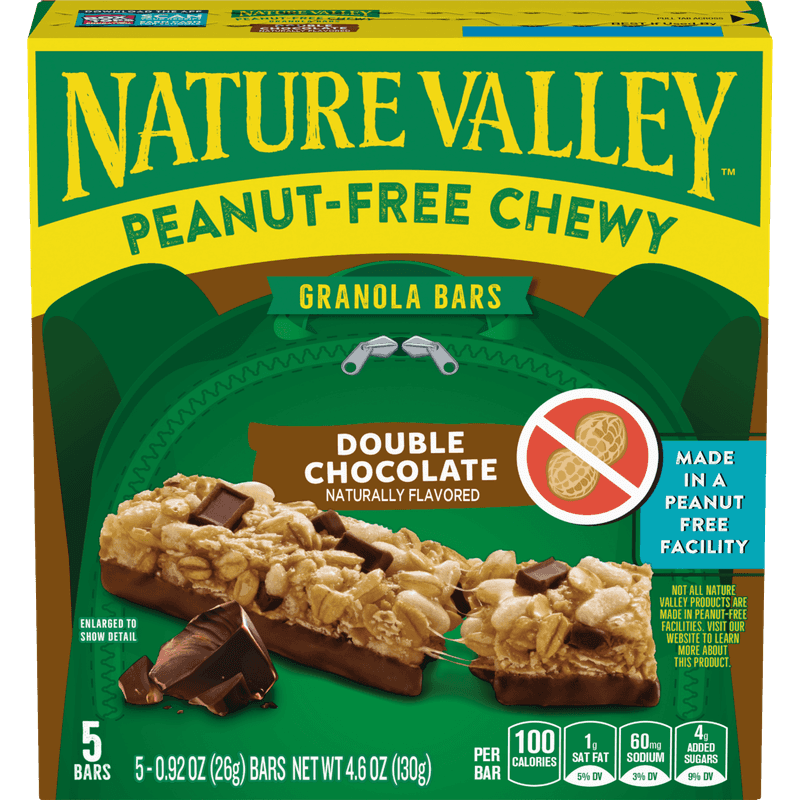
Granola bars are often made in facilities that also process peanuts, tree nuts, dairy, and gluten. For anyone with allergies or food sensitivities, this is critical information before taking a bite.
Always read the allergen statement printed near the bottom of the ingredient list. Some bars are certified gluten-free or made in nut-free facilities, which is clearly labeled on the packaging.
Your safety is always worth the extra 30 seconds it takes to double-check.
13. Avoid Excessive Chocolate Coatings
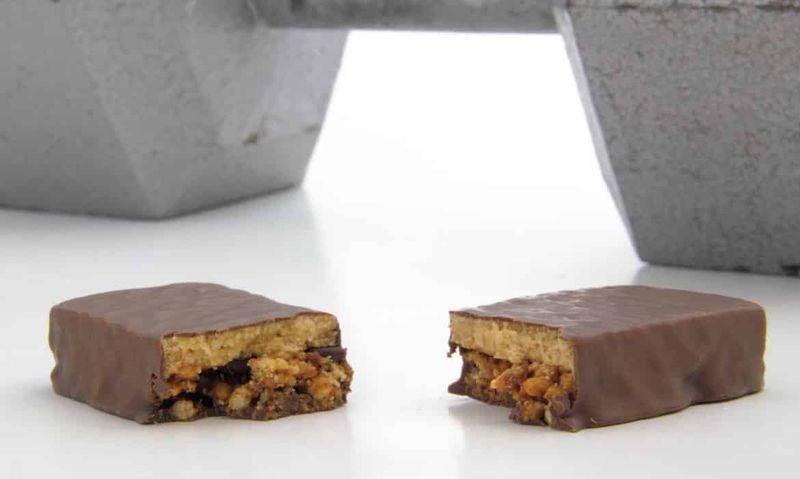
Chocolate-covered granola bars can feel indulgent, but they often pack in a surprising amount of added sugar and saturated fat. What starts as a healthy snack can quickly become more like dessert.
A small drizzle of dark chocolate is fine, but a full coating is usually a signal to reconsider. Dark chocolate with at least 70 percent cacao is the better option if chocolate is a must.
Taste and nutrition do not have to be enemies here.
14. Research the Brand's Reputation
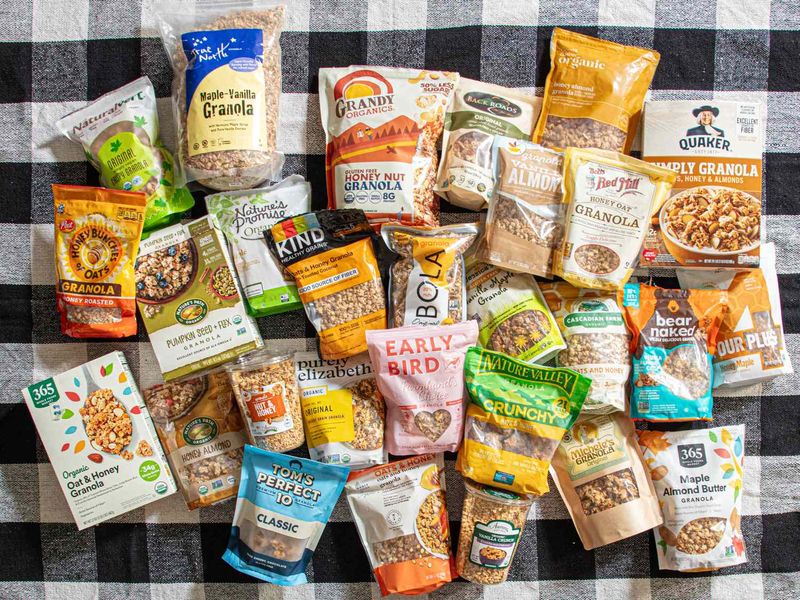
Some brands have built a reputation for using clean, honest ingredients while others rely heavily on marketing buzzwords to appear healthier than they really are. A little research goes a long way.
Look up the brand online before your next grocery trip. Customer reviews, nutrition expert opinions, and independent food ratings can reveal what the packaging hides.
Brands that are transparent about sourcing and manufacturing tend to be more trustworthy overall. Know who made your snack.
15. Match the Bar to Your Activity Level

Your daily activity level should guide which granola bar you choose. An athlete who just finished a two-hour practice needs more calories and carbs than someone grabbing a mid-morning desk snack.
Higher-calorie bars with complex carbs and protein make great post-workout fuel. Lighter bars with fewer calories and more fiber work better for quieter days.
Matching your snack to your energy needs means you get the most out of every bite without overdoing it.




Comments
No Comments