











You don't need to be a fancy chef to make your food look amazing. A few small changes in how you arrange and present your meals can turn an ordinary plate into something that looks restaurant-worthy.
Whether you're cooking dinner for your family or just making a quick lunch, presentation actually matters more than you think. These easy tips will help you plate food like a pro without any special training or expensive tools.
1. Use a White Plate as Your Canvas
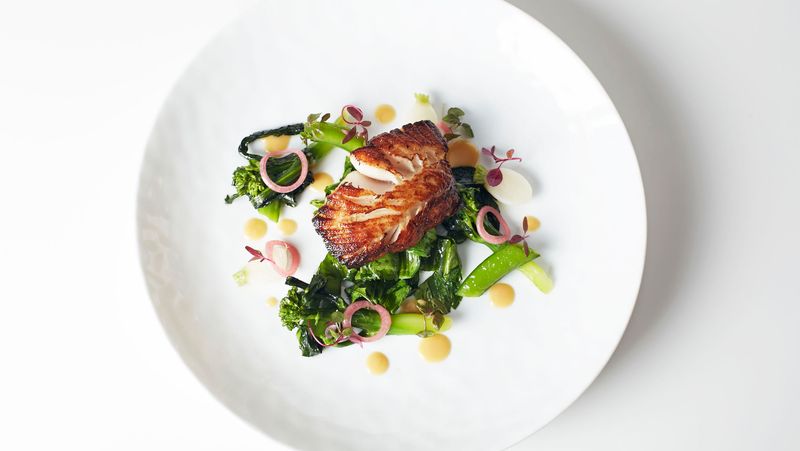
White plates are the secret weapon of professional chefs everywhere. The neutral background makes every color in your food pop, from bright orange carrots to deep green broccoli.
When your plate is plain, the food becomes the star of the show.
Try swapping out your colorful or patterned dishes for a plain white one and notice the difference. Even a simple pasta dish suddenly looks more elegant and appetizing.
It's one of the easiest upgrades you can make without spending any extra money on ingredients.
2. Leave Some Empty Space on the Plate
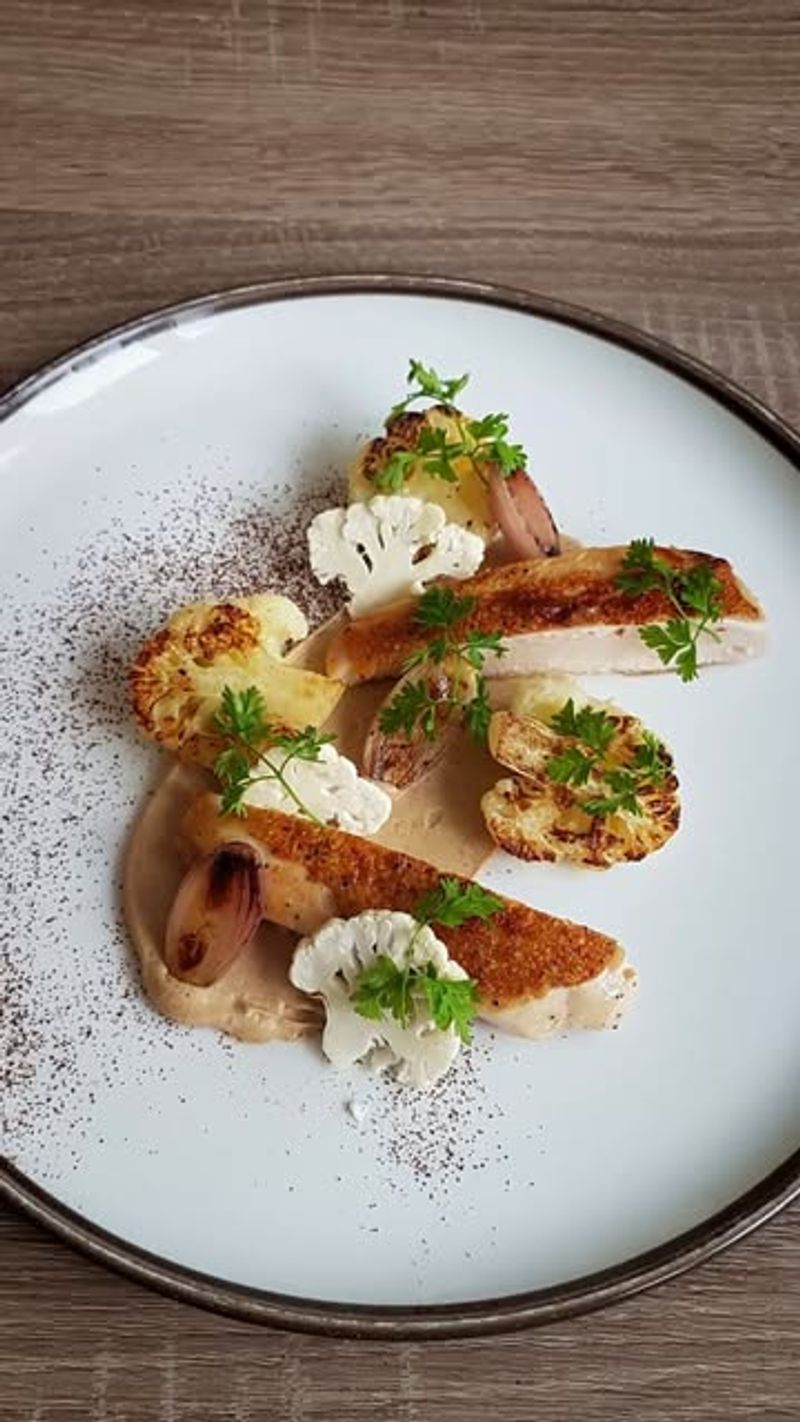
Crowding your plate with food might feel generous, but it actually makes the dish look messy and overwhelming. Chefs call the empty space on a plate "negative space," and it's used on purpose to make the food look more refined and intentional.
Try filling only about two-thirds of your plate and leaving the rest bare. That breathing room around your food draws the eye right to what matters most.
Suddenly, even a simple chicken breast and veggies looks like it belongs in a magazine.
3. Stack or Layer Food for Height
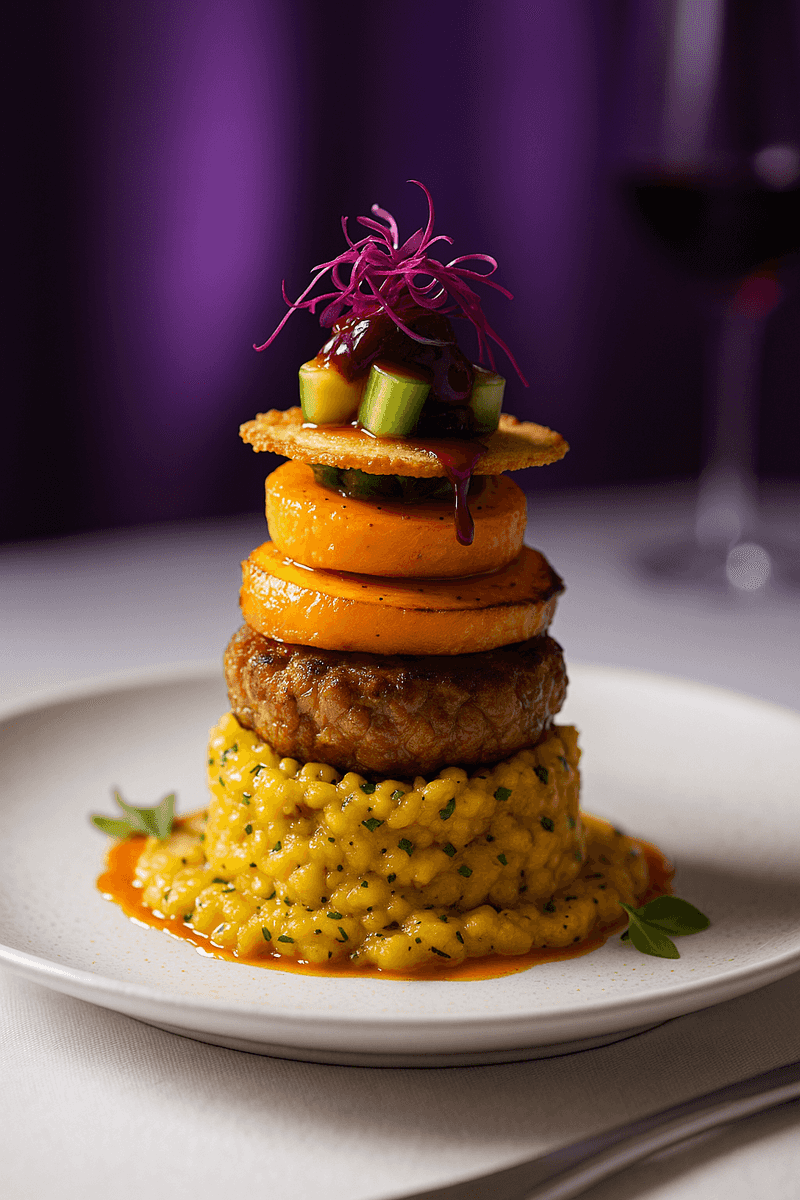
Flat food on a flat plate can look a little boring, no matter how delicious it tastes. Adding height to your plating instantly makes a dish look more exciting and dynamic.
Think of it like building a tiny edible sculpture right on your plate.
Try stacking your mashed potatoes first, then placing your protein on top, and finishing with a garnish. Even a simple salad looks more impressive when it's piled high with texture and layers.
Height makes food feel abundant and thoughtfully prepared.
4. Add a Pop of Color with Fresh Herbs
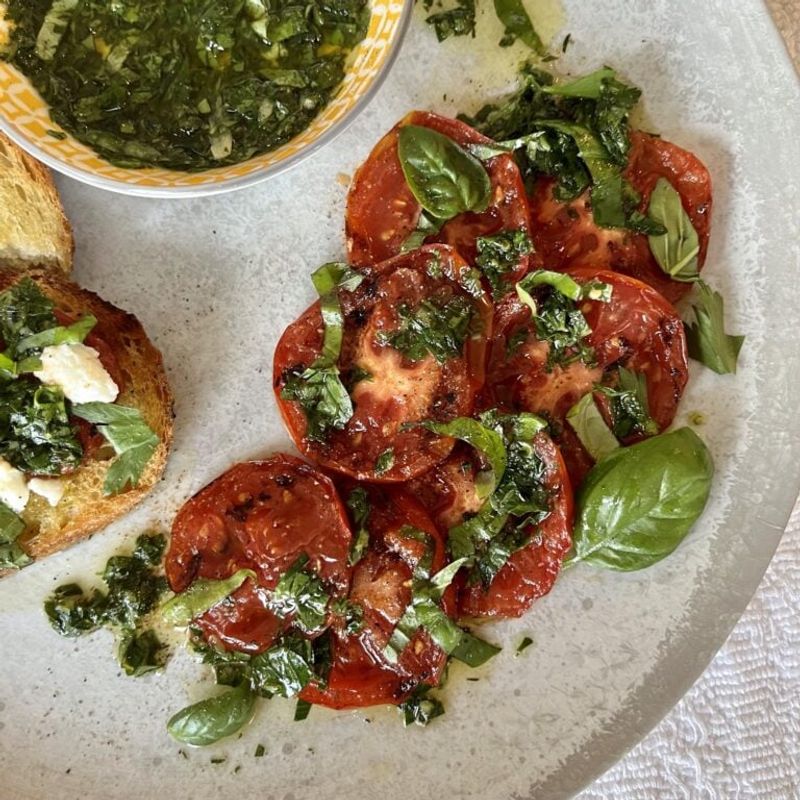
Fresh herbs are basically free decoration that also taste incredible. A small handful of chopped parsley, a few basil leaves, or a sprig of cilantro can completely transform the look of a dish in seconds.
Green is a color that signals freshness and life, which makes food instantly more appetizing.
You don't need a fancy herb garden to pull this off. Most grocery stores sell affordable fresh herb bundles year-round.
Just chop and scatter them on top right before serving so they stay bright and vibrant looking.
5. Wipe the Plate Edges Clean
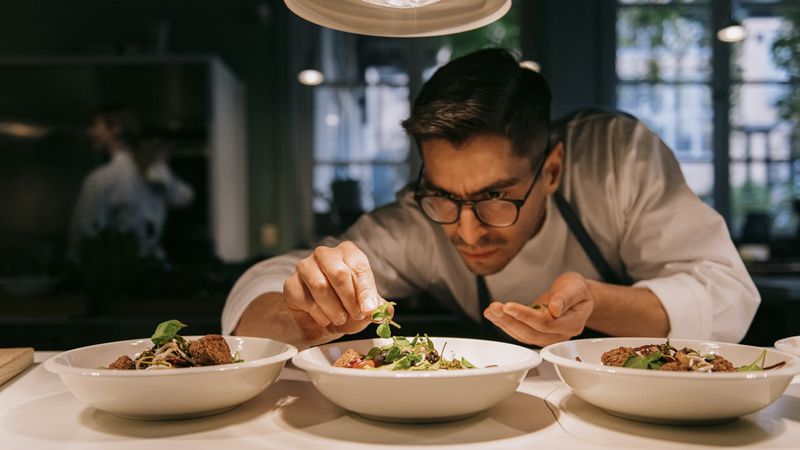
Here's a trick straight from professional kitchens: always wipe your plate before it hits the table. Smudges, drips, and sauce splatters around the edges of a plate make food look sloppy, even when it's delicious.
A clean rim signals care and attention to detail.
Keep a damp kitchen towel nearby while you cook and give the plate a quick swipe before serving. It takes literally two seconds but makes a huge visual difference.
This one small habit is what separates a home-cooked meal from a restaurant-quality presentation.
6. Use Sauce as a Decorative Element
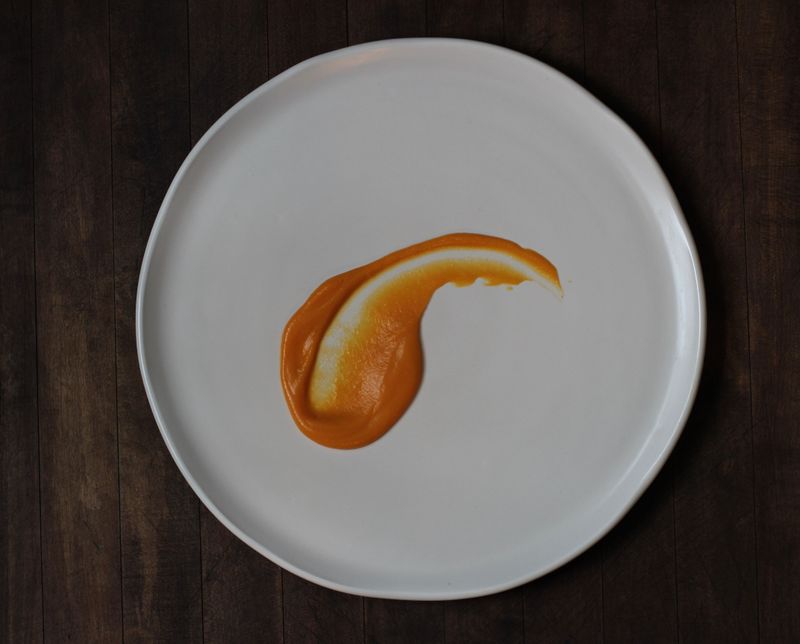
Sauce doesn't have to just sit in a puddle under your food. With a simple spoon technique, you can swipe, drizzle, or dot sauce across the plate in a way that looks artistic and intentional.
This is one of the most popular tricks used in upscale restaurants.
Try placing a spoonful of sauce in the center of your plate, then dragging the back of the spoon across to create a swoosh. Place your protein or veggies right on top of it.
Suddenly your plate looks like it belongs in a cooking competition.
7. Cut Food at an Angle for Visual Appeal
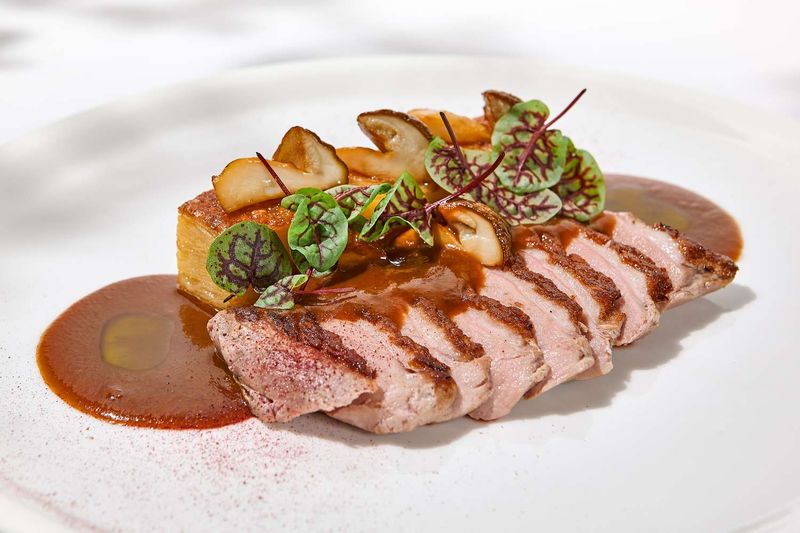
The way you cut your food before plating it makes a bigger difference than most people realize. Slicing meat, sandwiches, or even vegetables at a diagonal angle creates a more dynamic and interesting visual compared to straight cuts.
It also reveals the inside of the food, which adds color and texture.
Fan out the slices slightly on the plate so each piece overlaps just a little. This technique shows off the juicy interior of proteins and makes even a basic grilled chicken breast look intentional and polished.
Presentation starts before the food even hits the plate.
8. Match Portion Size to the Plate
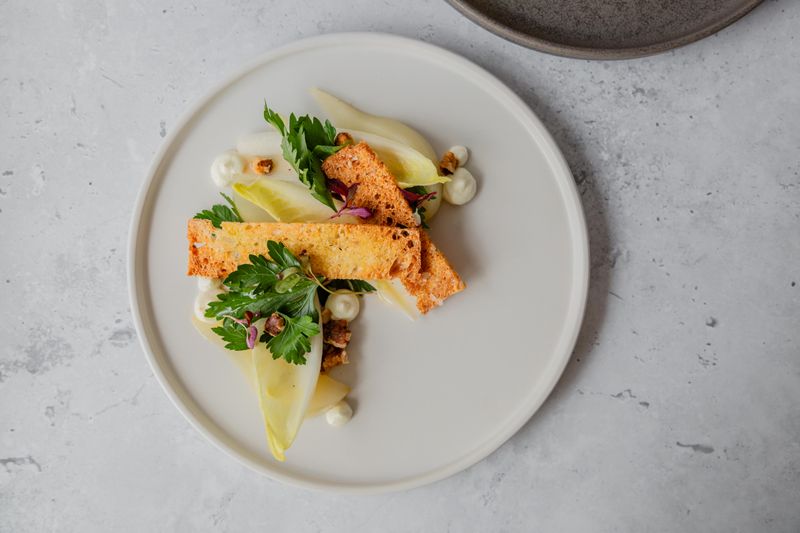
Putting too much food on a small plate makes everything look squished and chaotic. Putting too little on a giant plate makes the meal look sad and skimpy.
Finding the right plate size for your portion is one of those small details that completely changes the overall feel of a dish.
As a general rule, your food should cover about half to two-thirds of the plate's surface. This balance creates a clean, intentional look.
When in doubt, size down your plate rather than piling food to the edges, and your meals will instantly look more refined.
9. Incorporate Contrasting Colors on the Plate
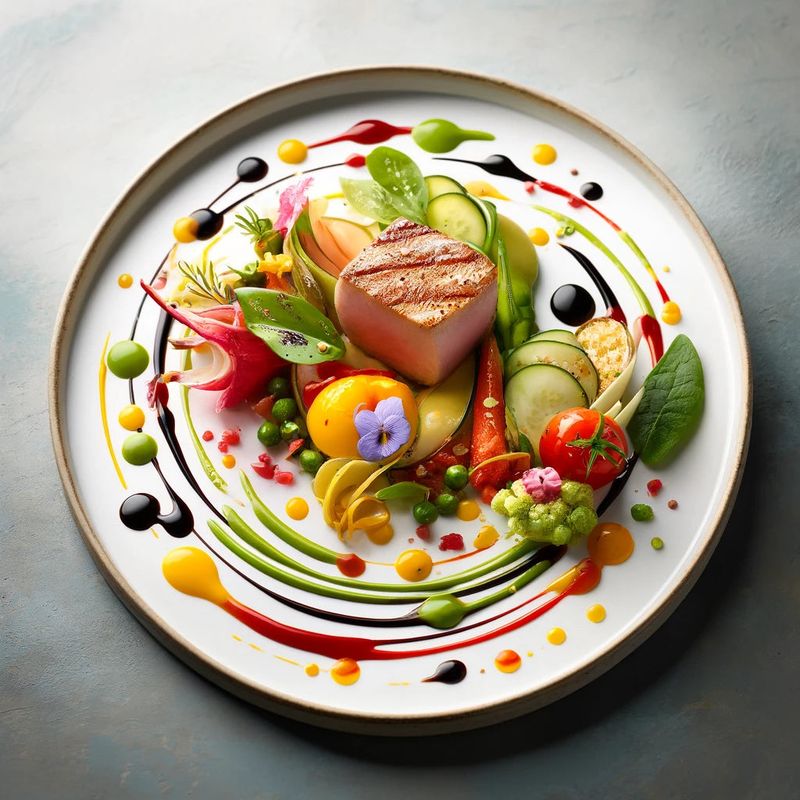
Eating with your eyes is a real thing. When a plate has a mix of contrasting colors, it immediately looks more exciting and full of flavor before anyone even takes a bite.
A plate that's all one color, like beige pasta with white sauce, can look flat and uninviting.
Try pairing your main dish with sides that introduce different hues. Add roasted red peppers, bright green peas, or a slice of lemon to break up a monotone plate.
Nature already made food colorful, so use that to your advantage every time you cook.
10. Use Odd Numbers When Arranging Food
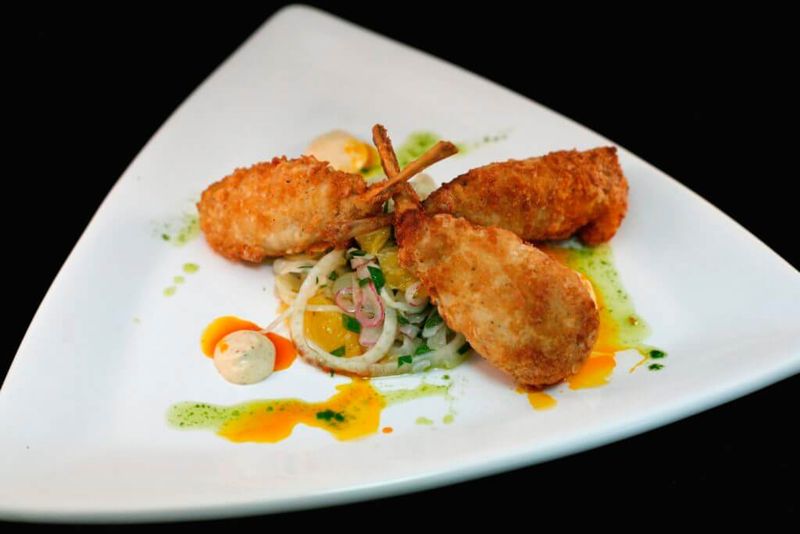
Designers and artists have known for centuries that odd numbers are more visually pleasing than even ones. The same rule applies to food plating.
Three scallops on a plate look more balanced and interesting than two or four. Five roasted potatoes arranged in a loose cluster feel natural and organic.
This trick works especially well for proteins, appetizers, and bite-sized pieces. Next time you plate shrimp, meatballs, or even strawberries on a dessert, go with three or five instead of four.
It's a subtle change that trained eyes immediately notice and appreciate.
11. Chill or Warm the Plate Before Serving
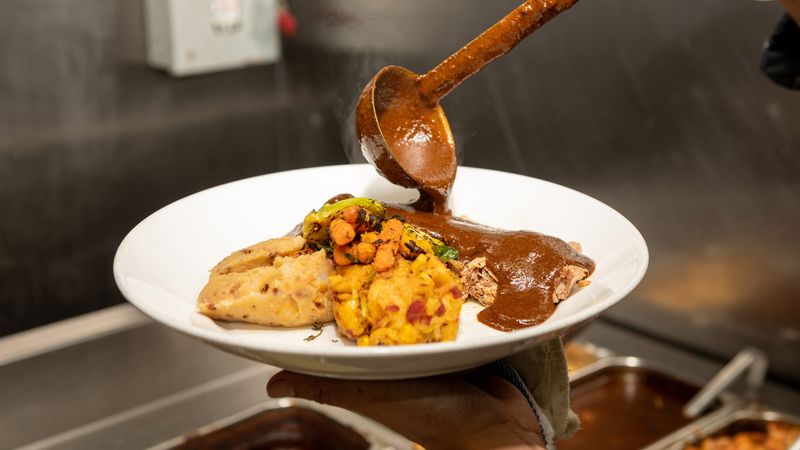
This tip is less about looks and more about the full dining experience, but it absolutely affects how food is perceived. Serving hot food on a cold plate causes it to cool down quickly, which changes both texture and taste.
A warm plate keeps everything at the right temperature longer.
Pop your dinner plates in a low oven for a few minutes before serving a hot meal. For desserts or salads, chilling the plate in the fridge works wonders.
These small adjustments show a level of care that guests and family members will genuinely notice and appreciate.
12. Add Texture with Crunchy Toppings
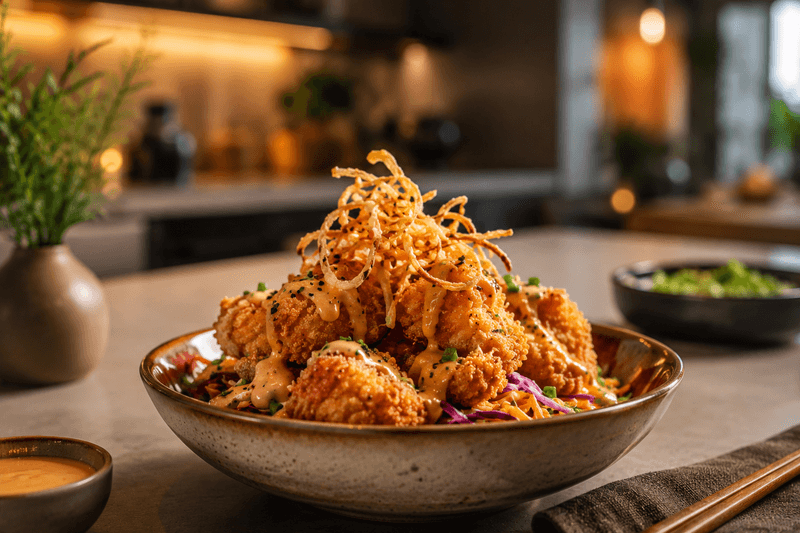
Texture is just as important as flavor when it comes to making food enjoyable. A dish that's all soft or all crunchy gets boring fast.
Mixing textures creates contrast that keeps every bite interesting and satisfying. The visual element of crunchy toppings also adds depth to a plate.
Sprinkle toasted breadcrumbs on pasta, add crushed nuts to a salad, or finish a creamy soup with crispy croutons. These toppings not only look beautiful but also signal to the eye that there's something exciting happening on that plate.
Crunch is always a good idea.
13. Drizzle Olive Oil or Balsamic for a Finishing Touch
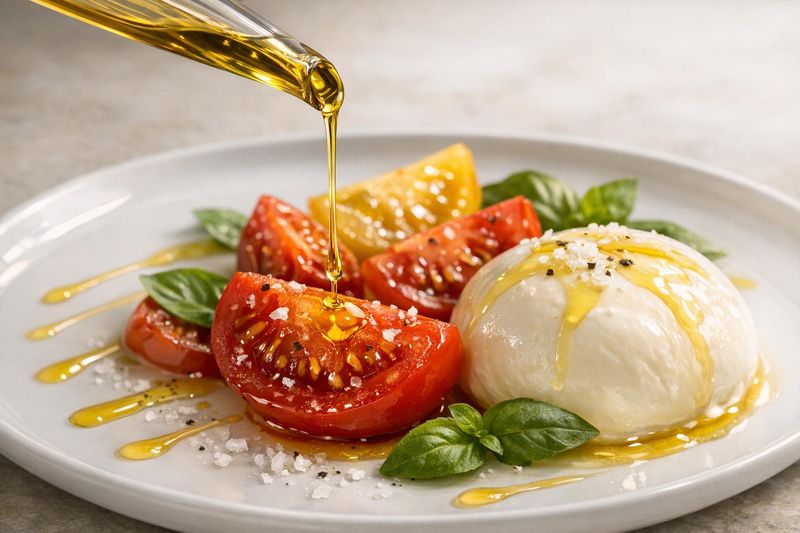
Professional chefs almost always finish a dish with a drizzle of something right before it leaves the kitchen. A swirl of good olive oil adds a glossy sheen that makes food look rich and luxurious.
A zigzag of balsamic glaze creates a dramatic visual effect with almost zero effort.
Keep a small squeeze bottle filled with olive oil or balsamic reduction near your stove. Just a few drops over a finished plate adds shine, depth, and a restaurant-quality finish.
It's the culinary equivalent of adding jewelry to an outfit right before you walk out the door.
14. Use a Squeeze Bottle for Sauce Precision
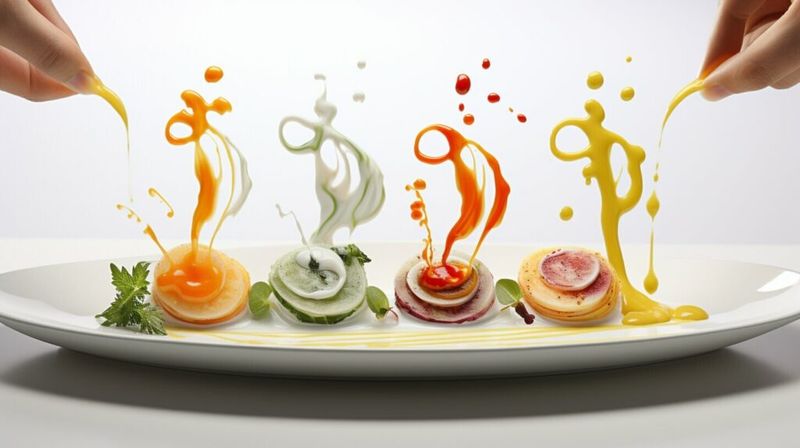
Ever wonder how restaurants get those perfect little dots and swirls of sauce on a plate? The secret is usually a simple plastic squeeze bottle.
These inexpensive tools give you way more control over where sauce lands compared to spooning it on freehand.
Fill a squeeze bottle with any sauce you love, from sriracha to pesto to chocolate ganache, and practice making dots, lines, and swirls on your plate before adding food. It takes a little practice but feels incredibly satisfying once you get the hang of it.
Total game changer for home cooks.
15. Garnish with Intention, Not Just Decoration
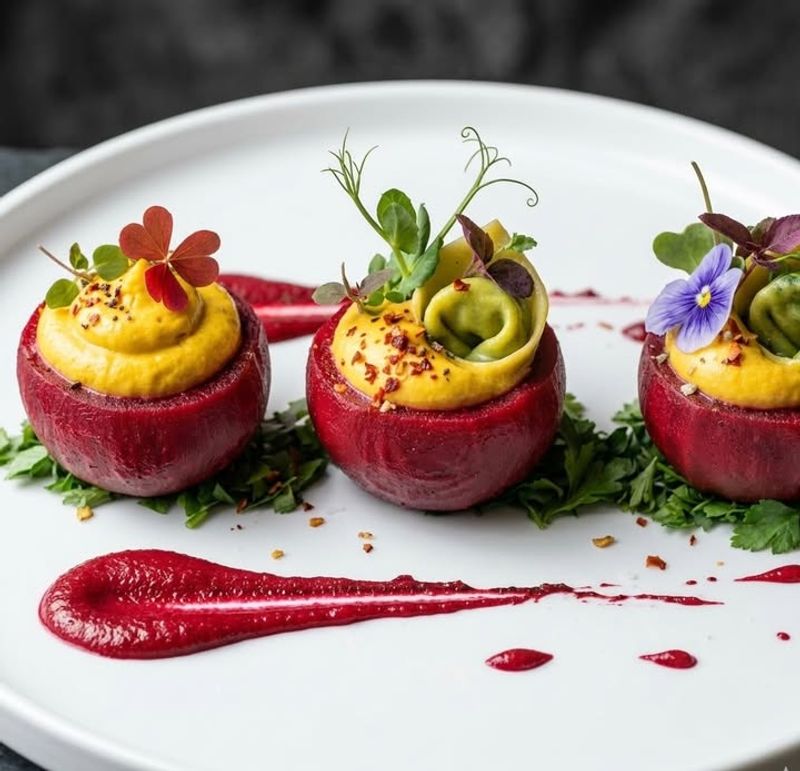
Random garnishes that don't relate to the dish can actually make food look more confusing than appealing. The best garnishes always serve a purpose.
They should either complement the flavor of the dish, add a contrasting color, or provide a hint of what's inside the food.
A squeeze of lemon on seafood, microgreens on a savory tart, or a single edible flower on a dessert all make sense visually and culinarily. Before you toss something on top just because it looks fancy, ask yourself if it actually belongs there.
Purposeful garnishing is what separates good plating from great plating.
Comments
No Comments