













Do you ever find yourself reaching for a snack even though you just finished a meal? Many people eat not because their body needs fuel, but simply because it feels like the right thing to do at that moment.
Eating out of habit can quietly lead to overeating, weight gain, and a disconnected relationship with your body. Learning to spot the signs is the first step toward building healthier, more mindful eating patterns.
You Eat at the Same Time Every Day, No Matter What
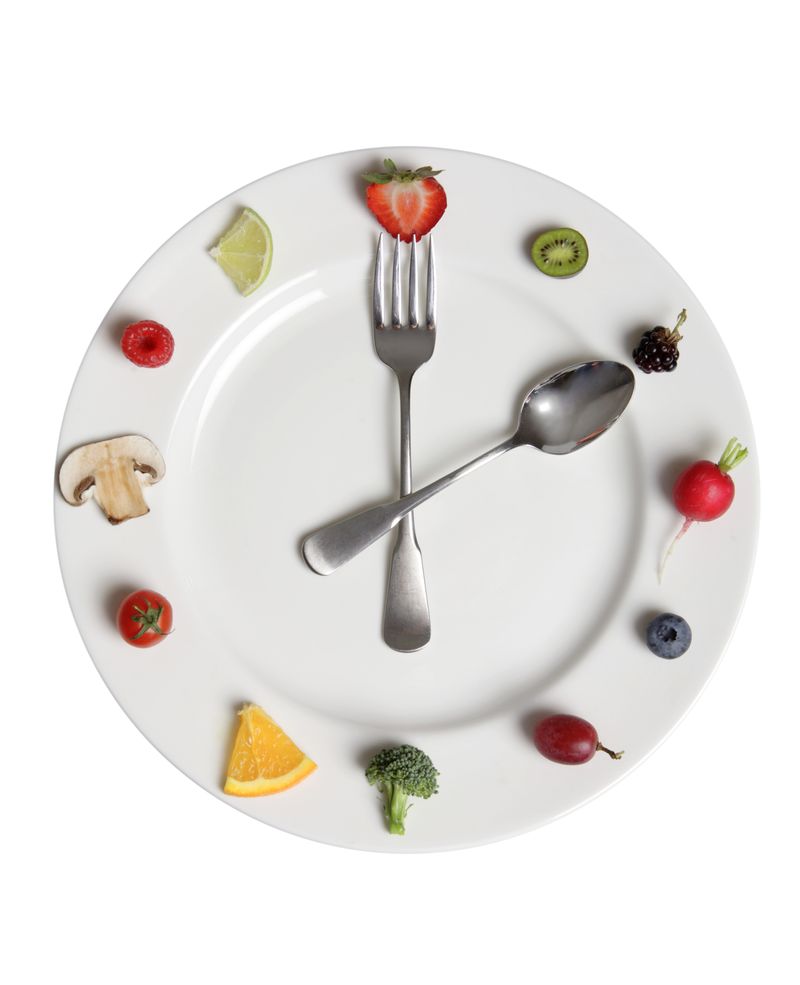
Clock-watching your meals might sound responsible, but eating strictly by the clock can override your body's actual hunger signals. If you eat at noon simply because it's noon, not because your stomach is growling, that's a habit talking.
Your body's hunger cues naturally shift depending on activity level, sleep, and stress. Checking in with yourself before every meal, rather than just following a schedule, helps you eat only when your body truly needs it.
You Finish Everything on Your Plate Even When Full

"Clean your plate" is something many of us heard growing up, and that phrase has a way of sticking around long after childhood. Finishing every bite regardless of how full you feel is one of the clearest signs that habit is running the show.
Your stomach sends fullness signals about 20 minutes after you start eating. Slowing down and pausing mid-meal to check in with your body can help you recognize when enough is truly enough.
You Snack While Watching TV Without Thinking
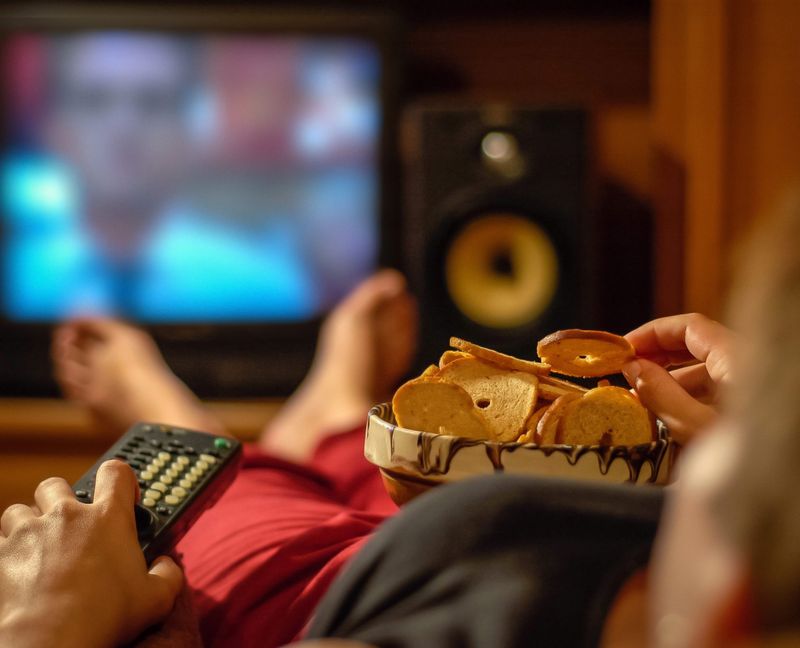
Popcorn and movies. Chips and Netflix.
These pairings feel so natural that your hand reaches into the bag before your brain even registers what's happening. Screen time and snacking have become so linked that one almost automatically triggers the other.
Studies show people eat significantly more when distracted by screens. Try watching one episode without any food nearby and notice whether you actually feel hungry, or whether the TV was simply the trigger all along.
You Eat When You're Bored, Not When You're Hungry
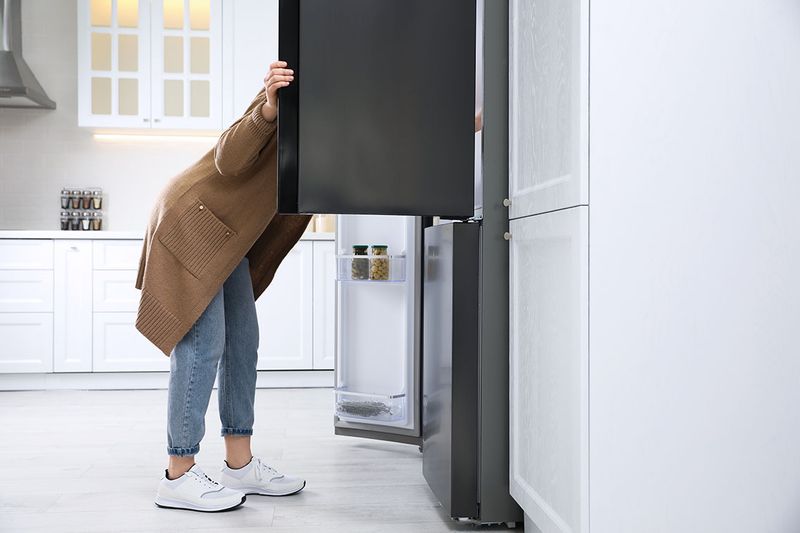
Boredom eating is incredibly common and surprisingly sneaky. When there's nothing exciting happening, the kitchen suddenly becomes the most interesting room in the house.
Food offers stimulation when your brain is craving something to do.
The tricky part is that boredom can mimic hunger if you're not paying attention. Next time you wander toward the pantry, ask yourself honestly: am I hungry, or am I just looking for something to fill the time?
The answer might surprise you.
You Eat Just Because Food Is in Front of You
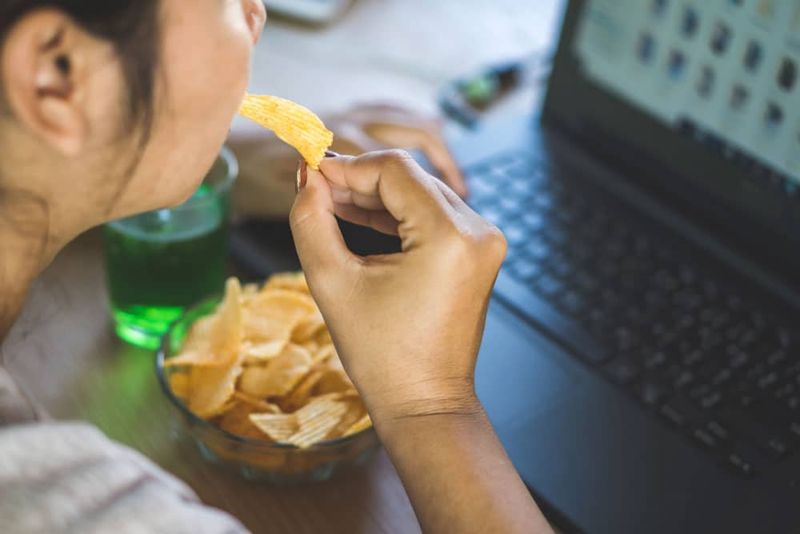
Free food at the office. A bowl of candy on the counter.
Bread at a restaurant before your order arrives. When food is visible and within reach, many people eat it automatically, regardless of actual hunger.
Research has shown that visibility and convenience are two of the strongest drivers of mindless eating. Simply moving snacks out of plain sight, or choosing a seat away from the appetizer table, can dramatically reduce how much you eat without even trying.
You Always Want Dessert After Dinner, Even When Stuffed
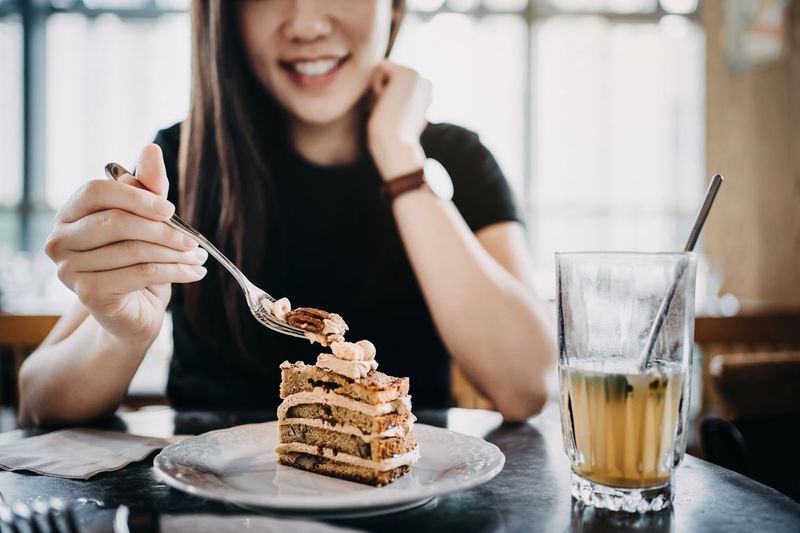
There's something almost magical about the way a sweet tooth appears right after dinner, even when you're completely stuffed. For many people, dessert is less about craving sugar and more about the ritual that signals the end of a meal.
This pattern is deeply ingrained from childhood for a lot of folks. Breaking it doesn't mean giving up dessert forever.
Try waiting 15 minutes after dinner before deciding, and you may find the urge quietly fades on its own.
You Eat Faster Than Everyone Else at the Table
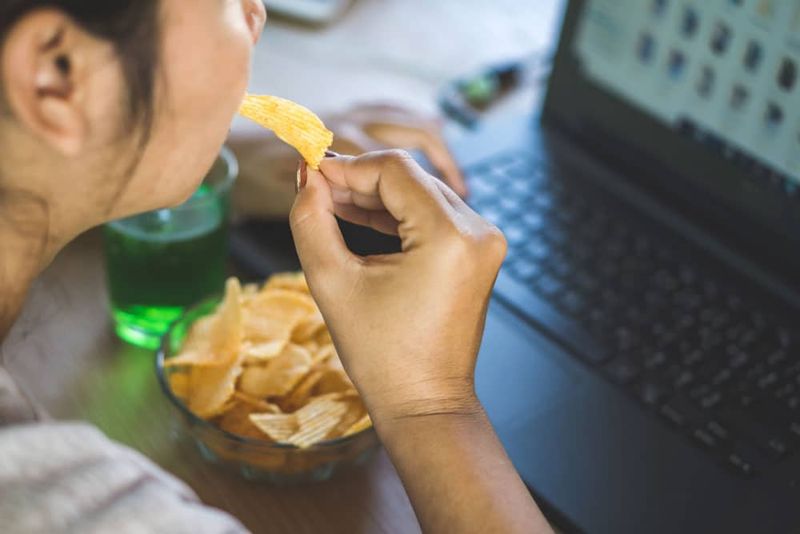
Speed eating is often a telltale sign that you're not truly savoring your food or checking in with your body. When eating becomes automatic, it tends to happen fast, almost like a task to check off a list rather than a moment to enjoy.
Eating too quickly means your brain never gets the signal that you're full until it's too late. Slowing down, putting your fork down between bites, and actually tasting your food can shift eating from a mindless habit into a satisfying, intentional experience.
You Snack Right After a Full Meal
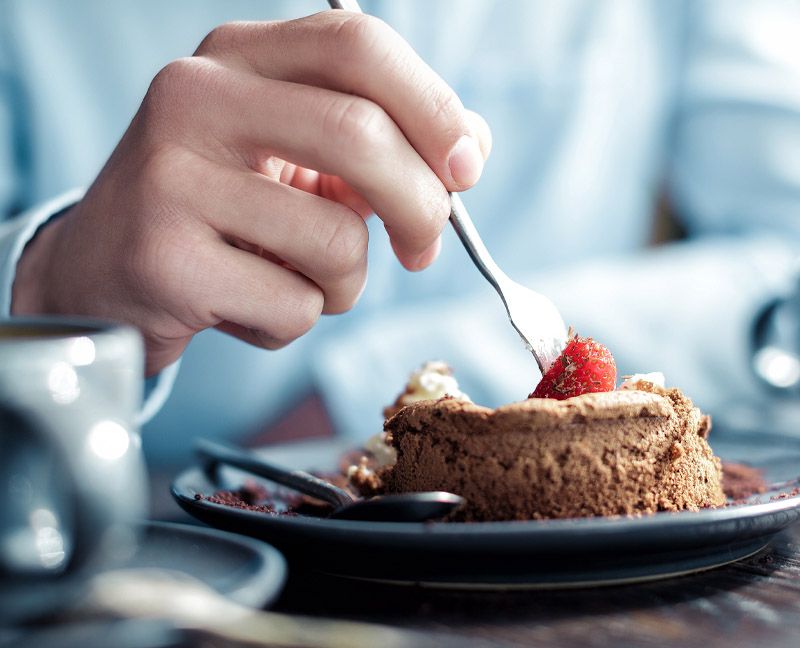
Finishing dinner and then immediately hunting for something sweet or salty is a pattern worth questioning. Physiologically, your body hasn't even had time to register fullness yet, so this kind of snacking is almost never driven by real hunger.
Often, this behavior is triggered by habit, flavor-chasing, or emotional restlessness rather than a genuine need for more food. Recognizing the gap between physical hunger and the urge to keep eating is a powerful step toward regaining control of your eating patterns.
You Eat More When You're Stressed or Emotional

Stress has a sneaky way of steering you straight toward the pantry. Emotional eating is one of the most common forms of habit-based eating, where food becomes a comfort tool rather than a fuel source.
The relief food provides during stressful moments is real but temporary, and it rarely solves the underlying problem. Building awareness around emotional triggers, like journaling, taking a walk, or calling a friend, can offer comfort without the extra calories or the guilt that often follows.
You Eat Because Others Around You Are Eating

Social eating is deeply wired into human nature. Sharing meals builds connection and community, but it can also mean eating simply because the people around you are eating, not because your own body is asking for food.
This is sometimes called social contagion eating, and it's more powerful than most people realize. Next time you're in a group setting, pause before grabbing a plate and genuinely ask yourself whether you're hungry or just following the crowd.
It's a small pause that makes a big difference.
You Don't Notice Flavor or Texture While Eating
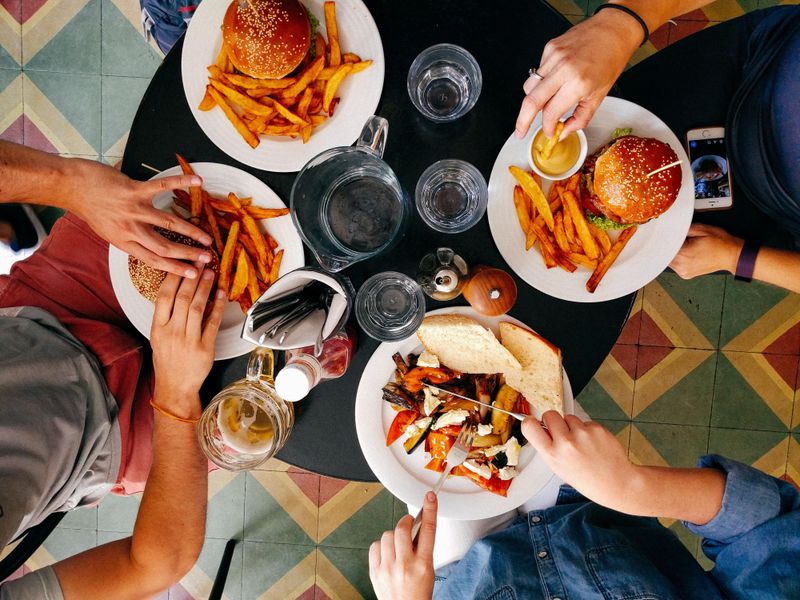
When was the last time you actually tasted your lunch? If your meals blur together and you can barely remember what you ate an hour later, that's a strong signal you're eating on autopilot.
Mindful eating means slowing down enough to notice the flavors, textures, and aromas of your food. When you're truly engaged with what you're eating, you naturally eat less and feel more satisfied.
Disconnected eating, on the other hand, often leads to seeking more food shortly after.
You Reach for Food as Soon as You Wake Up
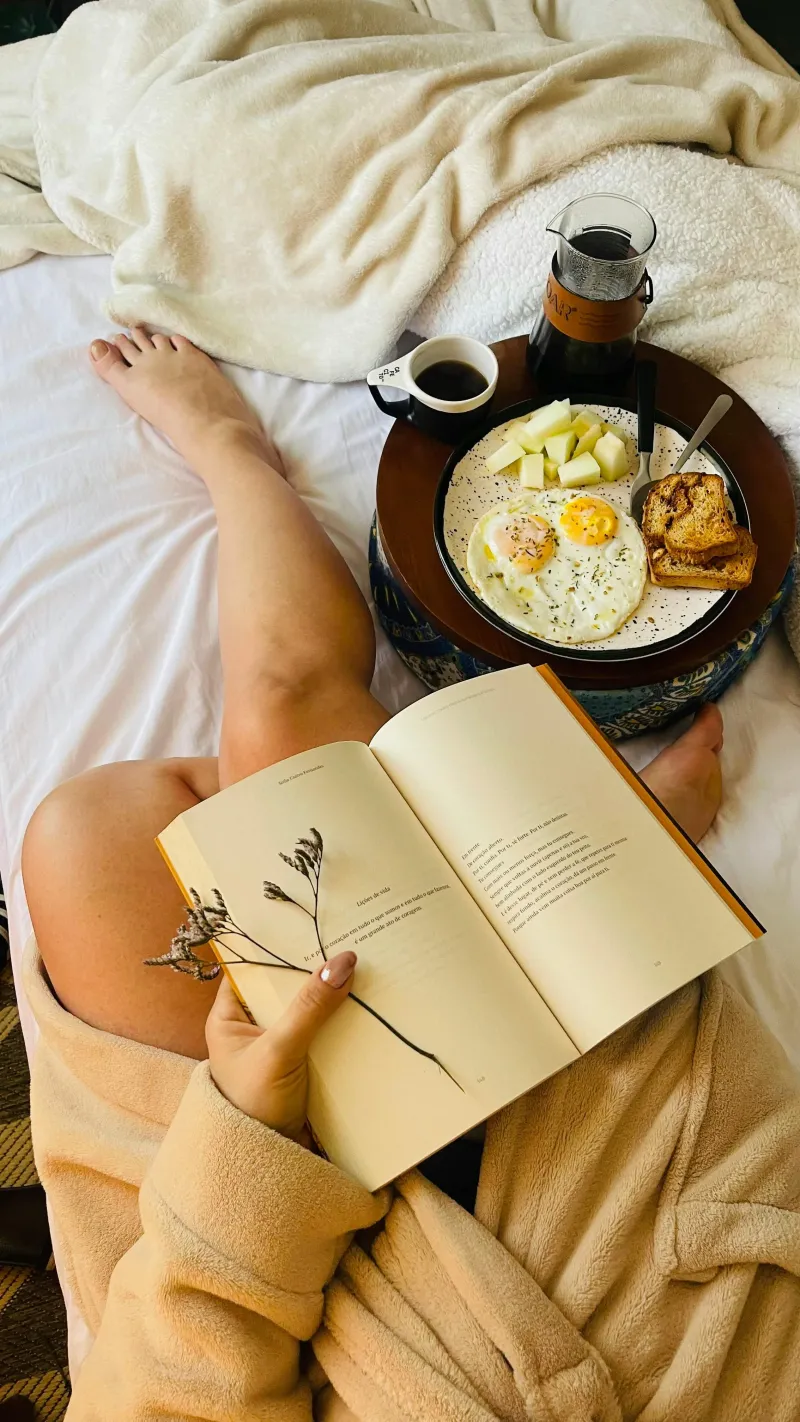
Morning routines can become so automatic that breakfast happens before your body has even had a chance to signal whether it's actually hungry. Some people genuinely feel hungry first thing in the morning, but others are simply following a routine they've never thought to question.
Intermittent fasting research suggests that waiting until you feel true hunger, rather than eating by default, can benefit digestion and energy levels. Try tuning in to your body's morning signals for a week and see what you actually notice.
You Always Eat Something at the Movies or Sports Events
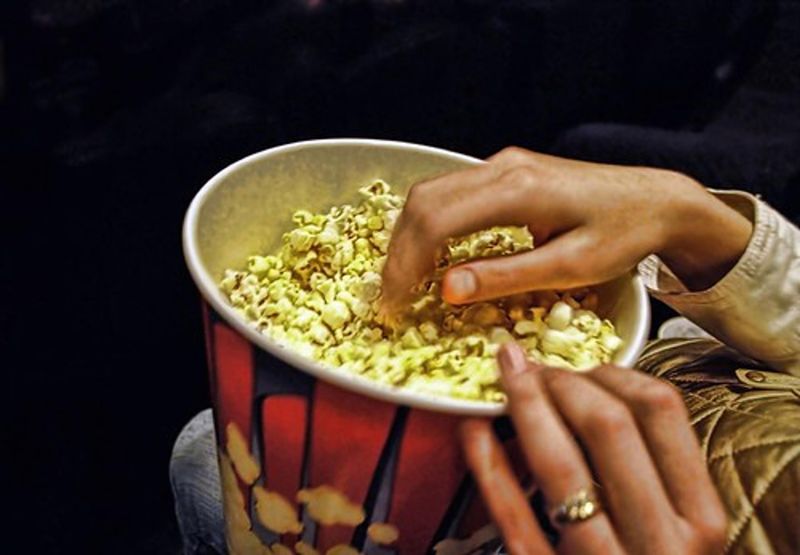
The smell of popcorn at a movie theater is practically irresistible, but is it hunger pulling you toward the concession stand, or is it pure habit? For most people, it's the environment itself that triggers the eating response.
Certain places and activities become so associated with specific foods that the setting alone becomes the cue. Awareness is your best tool here.
Recognizing that the movie is triggering the craving, not your stomach, gives you the power to consciously choose whether to indulge or skip it.
You Feel Uncomfortable Sitting With Hunger for Even a Few Minutes

A little hunger is not an emergency. But if the first hint of an empty stomach sends you straight to the fridge, that reaction may be more about habit and discomfort tolerance than actual physical need.
Real, biological hunger builds gradually and can typically wait a reasonable amount of time without harm. Learning to sit with mild hunger for 10 to 15 minutes before eating helps you distinguish between a true body signal and a conditioned reflex.
It's a skill that gets easier with practice.
You Eat Because It's "What You Do" in Certain Situations

Holidays, road trips, Sunday dinners, game nights. Some situations come pre-loaded with eating expectations, and stepping outside those norms can feel genuinely awkward.
But eating because it's tradition or because it's expected is one of the most deeply rooted habit triggers out there.
These situational cues are powerful because they carry emotional and social weight. You don't have to skip every celebration, but becoming aware of when the situation is driving your eating, rather than actual hunger, gives you the freedom to make a real choice.

Comments
No Comments