












British people are famously polite, but behind those tight smiles and murmured "oh, how interesting" comments lies a world of quiet food opinions. From suspicious sauces to eyebrow-raising textures, Brits have a complicated relationship with foreign dishes.
They'll try almost anything once, usually while maintaining a completely neutral expression. Here are the foods that secretly get the most side-eyes at the dinner table.
American Portion Sizes

Walk into any American diner and the plates arrive looking like they were designed for a small village. Brits will politely say "oh wow, how generous" while internally calculating whether this counts as three meals.
The quiet judgment isn't really about greed — it's sheer bewilderment. Back home, a "large" portion is barely half this size.
Still, most Brits quietly finish every last chip and then claim they "weren't even that hungry."
French Steak Tartare
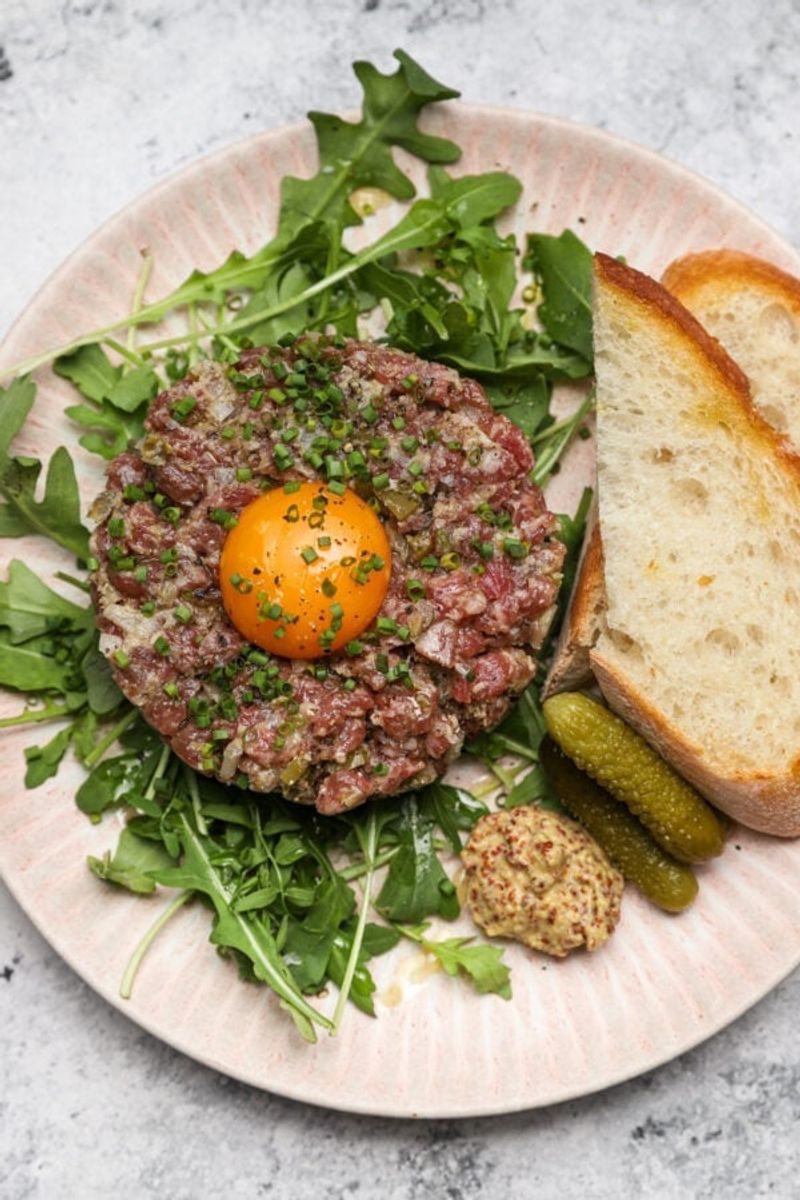
Raw beef, a runny egg yolk, and a proud Parisian waiter presenting it like a masterpiece — this is the moment most British tourists quietly panic. They smile, nod appreciatively, and then stare at the plate wondering if it's still moving.
Steak tartare is genuinely beloved in France, and the flavours are actually bold and complex. But convincing a Brit that uncooked mince is a delicacy?
That takes at least two glasses of wine first.
Balut (Filipino Fertilised Egg)
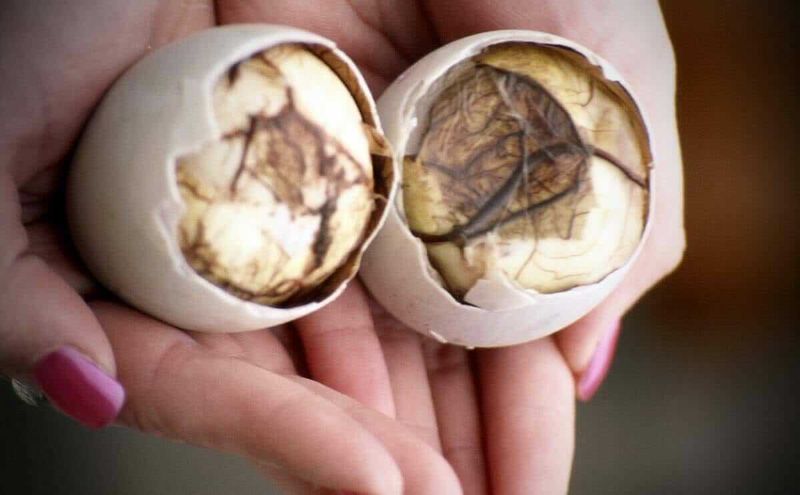
Few foods test British composure quite like balut. A partially developed duck embryo, boiled and eaten straight from the shell — it's considered a beloved street snack across the Philippines and parts of Southeast Asia.
The polite British response is a slow nod and something like "fascinating cultural tradition." The internal response is considerably less composed. Brits respect the culture deeply, of course.
They just respectfully request something from the "less embryo" section of the menu.
American Cheese Slices
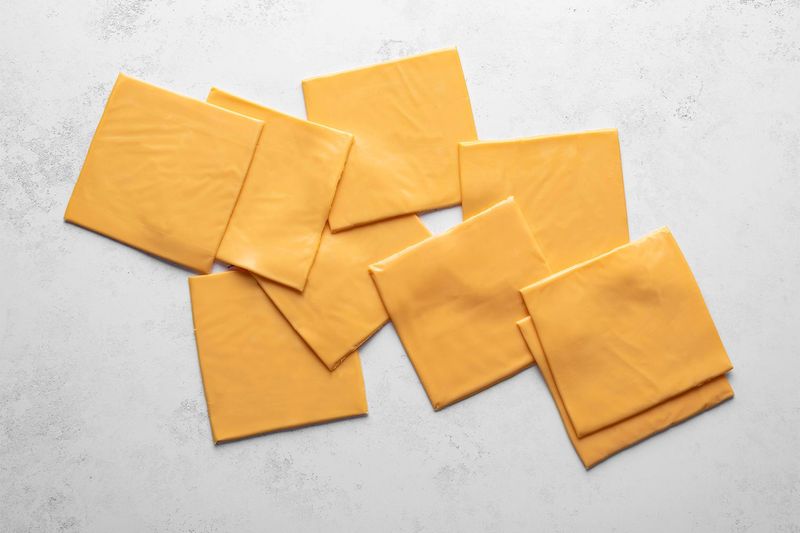
Brits grow up with mature cheddar, crumbly stilton, and creamy brie. So when confronted with a perfectly square, individually wrapped slice of processed American cheese that melts into a suspicious orange puddle, the judgment is swift and silent.
"It's not really cheese, is it?" is the unspoken thought at every British barbecue where someone dares use it. Ironically, most Brits have eaten it in a McDonald's cheeseburger and thoroughly enjoyed every single bite.
Canadian Poutine
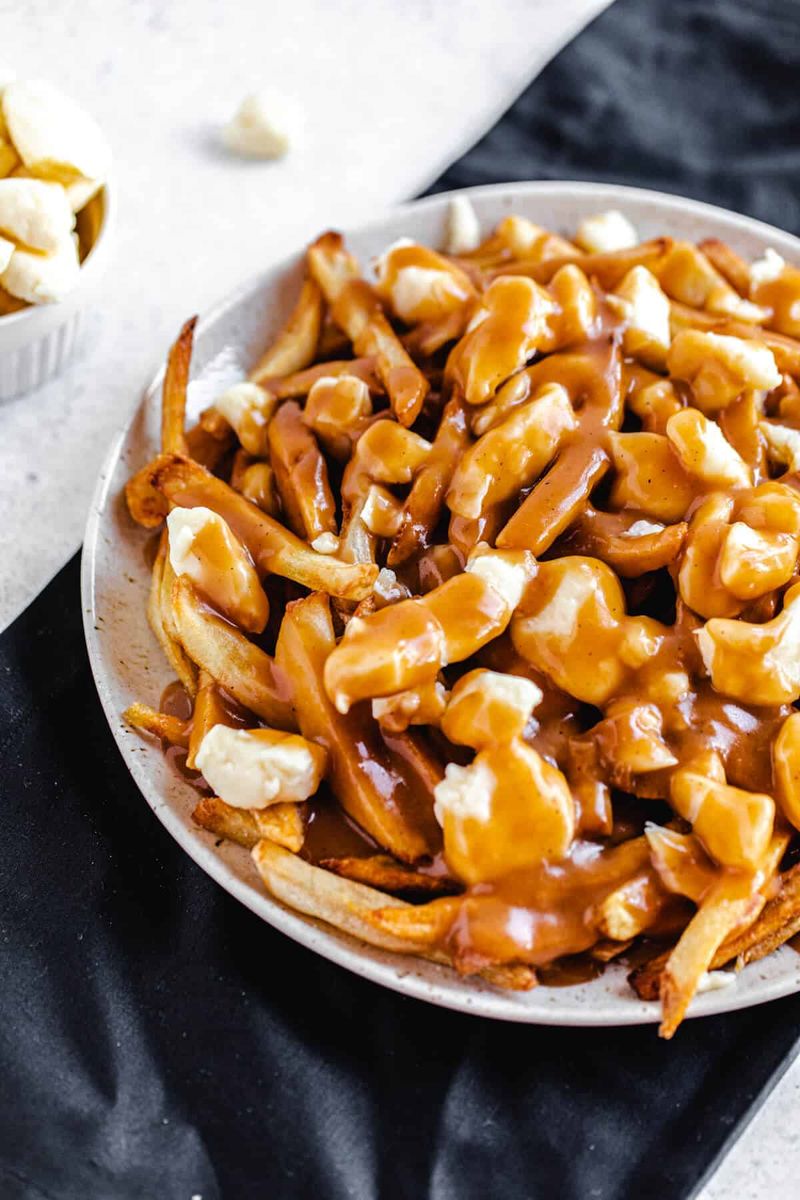
Chips, gravy, and cheese curds — Canada's national comfort dish sounds like it was invented during a very enthusiastic late-night craving. Brits are genuinely intrigued but also quietly horrified by the cheese curds, which squeak against your teeth when you bite them.
Squeaky cheese on chips drenched in gravy is a concept that takes some warming up to. Once they try it though, most Brits quietly admit it hits differently after midnight.
Not that they'd ever say so loudly.
Japanese Natto
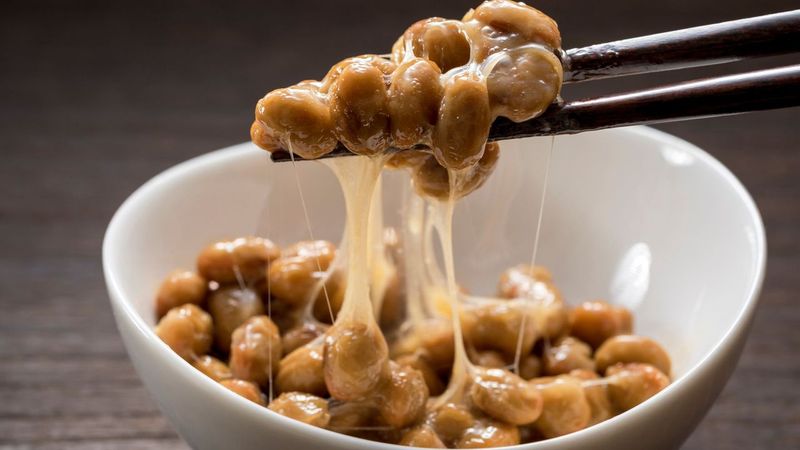
Natto is fermented soybeans with a sticky, stringy texture and a smell that politely described as "very assertive." It's a breakfast staple across Japan and packed with nutrients. British visitors tend to encounter it at hotel buffets and spend a solid minute just staring at the strings.
The smell alone is enough to send most Brits reaching for the toast. They'll try one bite, chew thoughtfully, and produce a face that says everything their words politely refuse to.
German Mett
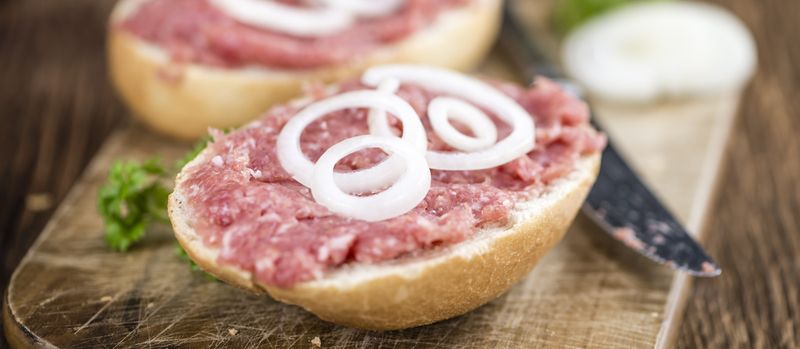
Raw minced pork, seasoned and spread on a bread roll like a very concerning pate — Mett is a beloved German tradition that makes most Brits do a double-take at the buffet table. "Is that... cooked?" is the question asked in the most casual possible tone.
Germans have been eating Mett safely for generations and it's genuinely delicious when prepared properly. Brits, raised on the idea that pork must be thoroughly cooked, need a moment.
Several moments, actually.
Icelandic Hakarl (Fermented Shark)
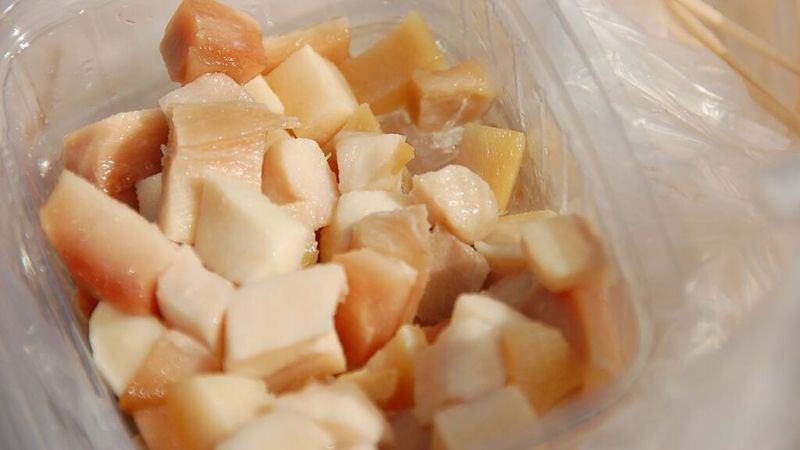
Hakarl is Greenlandic shark that has been fermented for months, then hung to dry. The result smells powerfully of ammonia and has a chewy, intense flavour that Icelanders genuinely enjoy.
Celebrity chef Anthony Bourdain once called it the worst thing he ever ate.
Brits encountering hakarl at a food festival will take a tiny piece, chew bravely, and describe it as "interesting" with a thousand-yard stare. The politeness is admirable.
The internal screaming is equally impressive.
American Sweet Pickles on Everything
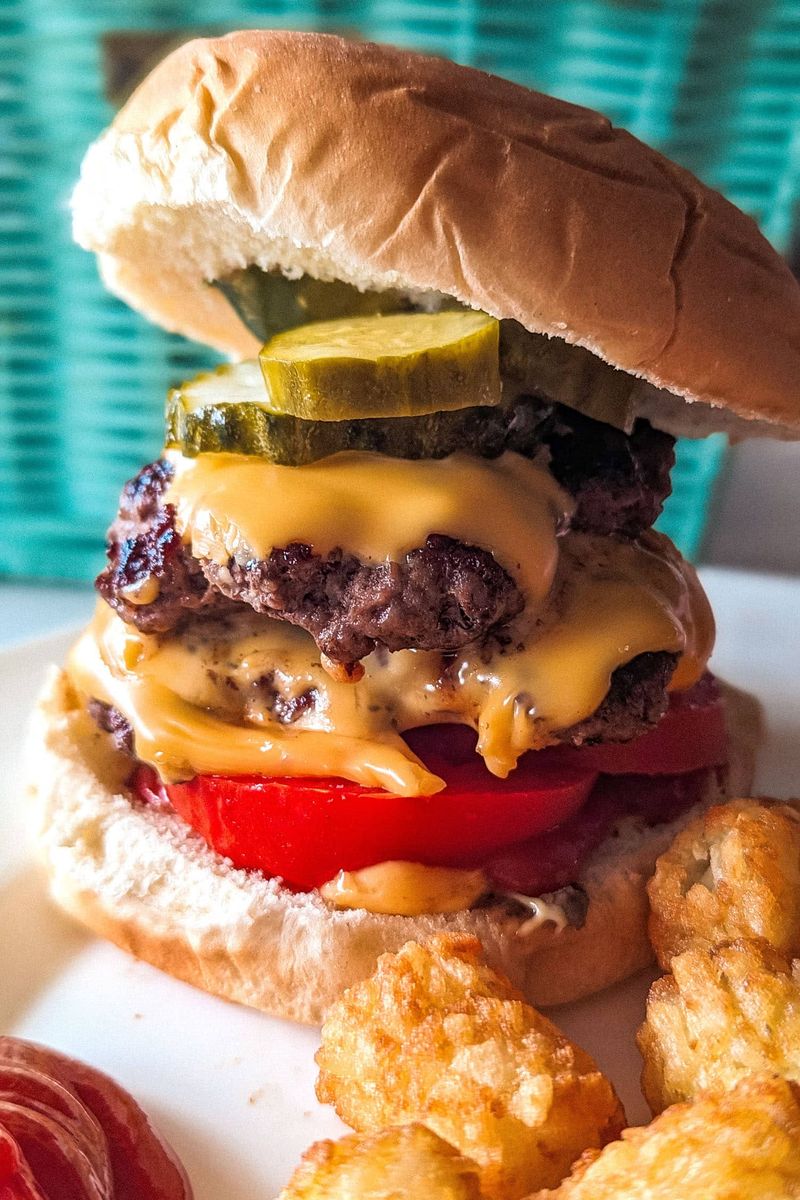
Americans put sweet pickles on sandwiches, burgers, and basically anything that holds still long enough. Brits are familiar with pickles, but the sweetness catches them completely off guard every single time. "Why is my burger slightly dessert-flavoured?" is a reasonable question that goes unasked.
The British pickle of choice is Branston — tangy, chunky, and aggressively savoury. Sweet pickles feel like a betrayal of the entire concept.
Brits eat them anyway without complaint, which is basically the national sport.
Korean Fermented Kimchi
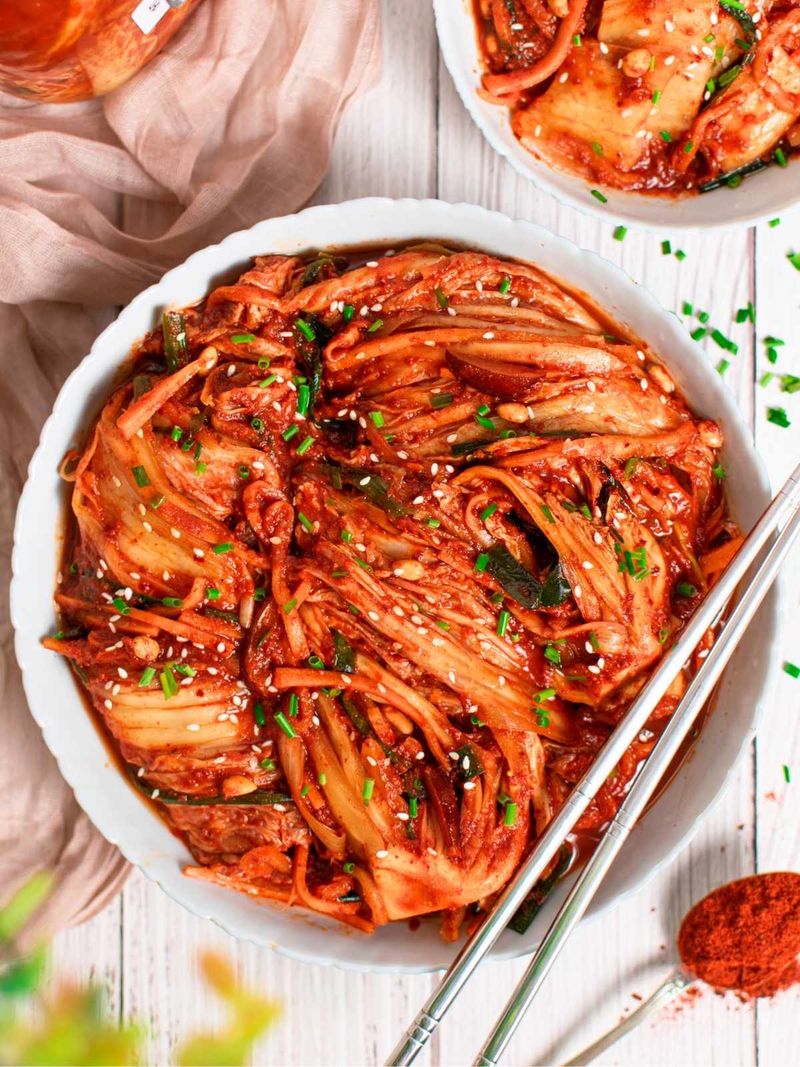
Kimchi is one of Korea's most celebrated foods — fermented cabbage with garlic, chilli, and ginger that packs serious flavour. It's tangy, spicy, and genuinely addictive once you're used to it.
Most Brits, however, take their first whiff and quietly reassess their life choices.
The fermented smell is the main hurdle. Once that mental barrier is crossed, kimchi becomes an obsession for many British food lovers.
The judgment phase is usually brief. The enthusiastic Instagram posts come shortly after.
Australian Vegemite
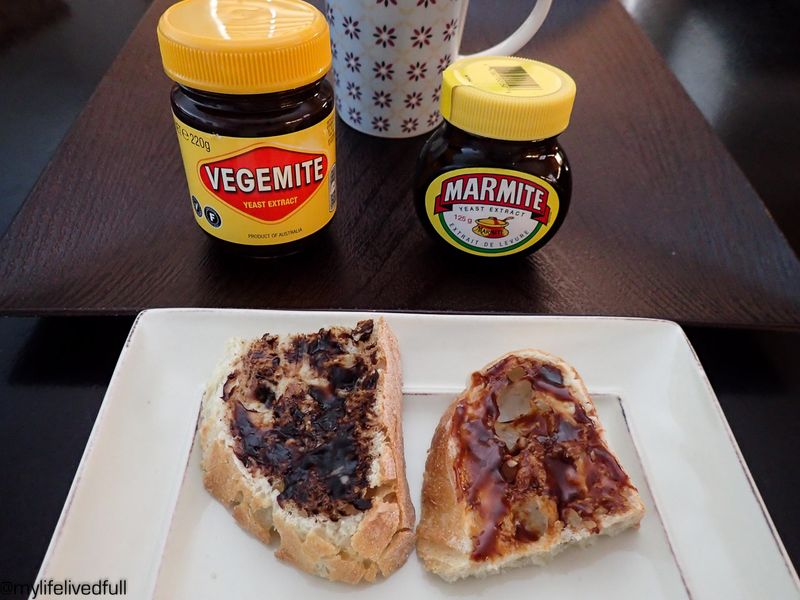
Australians have a deep, almost spiritual connection to Vegemite. Brits, who have their own version called Marmite, feel quietly superior about this rivalry and will cheerfully point out that Marmite came first.
The debate is fierce and entirely friendly on the surface.
The real issue is when Australians spread it thick — a rookie mistake that turns any non-Australian's face into a portrait of regret. Vegemite is meant to be used sparingly.
Brits know this. They just won't say it to an Australian's face.
Thai Durian Fruit
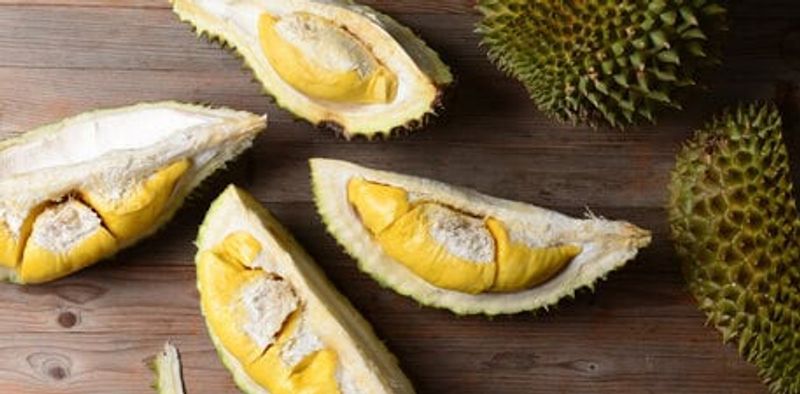
Durian has been called the king of fruits in Southeast Asia, celebrated for its rich, custard-like flesh. It has also been banned from hotels, airports, and public transport across multiple countries due to its extraordinary smell.
Brits encountering it for the first time tend to look around for the source of the odour before realising it's on their plate.
The taste genuinely surprises people — sweet, creamy, and complex. Getting past the aroma, however, requires commitment that not every British tourist can muster.
American Biscuits and Gravy
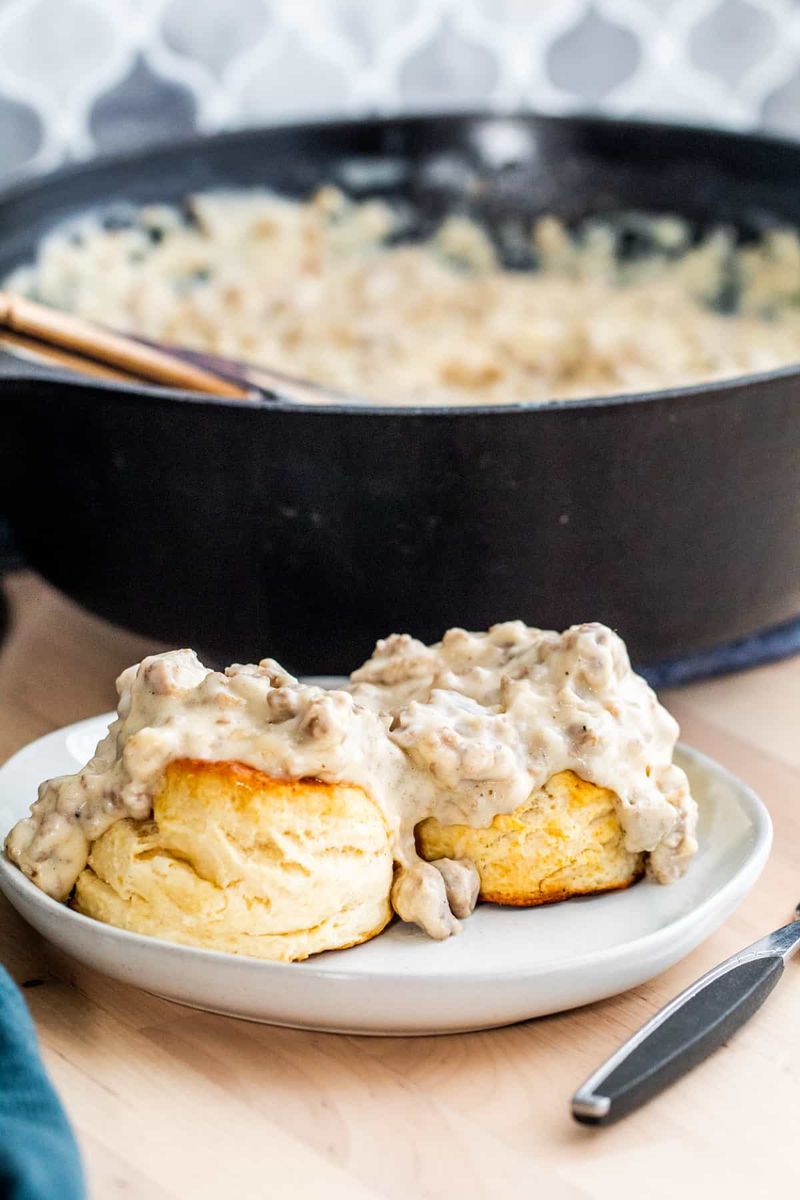
American "biscuits" are nothing like the British kind — they're fluffy, bread-like rounds, and they come smothered in thick white sausage gravy for breakfast. The confusion on a British face when this arrives instead of a digestive with tea is genuinely priceless.
White gravy for breakfast is a concept that scrambles British food logic entirely. Gravy is brown, comes with a roast dinner, and is certainly not a morning food.
Brits will try it, enjoy it, and then quietly never speak of it again.
Chinese Century Egg
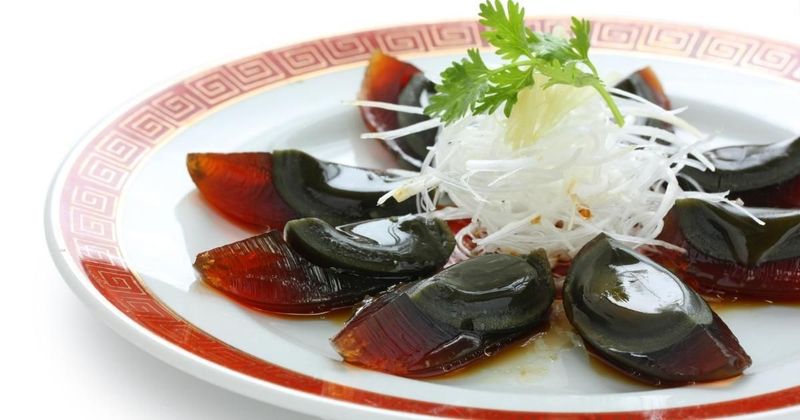
Century eggs are preserved duck or chicken eggs with dark, translucent grey and green interiors that look like something from a science fiction film. They're a genuine delicacy in Chinese cuisine with a rich, complex flavour that pairs beautifully with congee or tofu.
The visual is the main obstacle for most Brits. Eggs are meant to be yellow and white — this is apparently non-negotiable.
One brave bite usually changes minds completely, but convincing someone to take that first bite requires serious diplomatic skill.
Scottish Deep-Fried Mars Bar
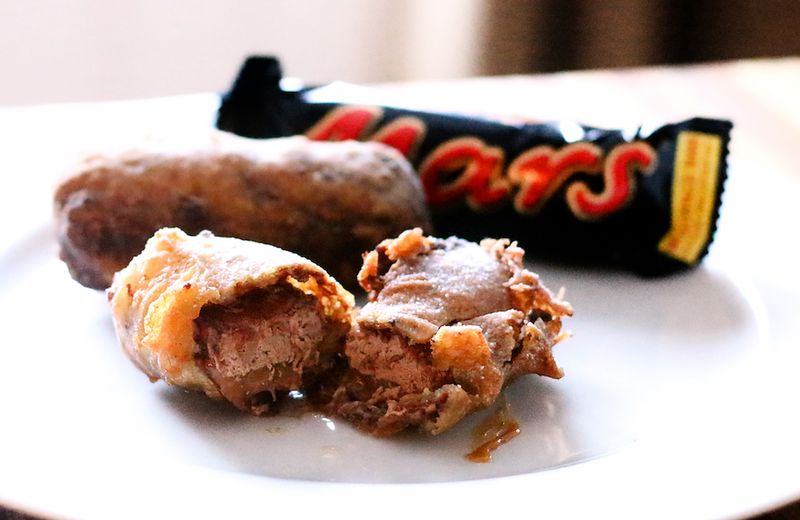
Yes, this one is technically British — but the rest of the world judges it, and Brits from outside Scotland judge it with equal enthusiasm while pretending to be open-minded. A chocolate bar, battered and deep-fried, served at a chip shop.
It sounds like a dare.
Scotland invented it, Scotland owns it, and honestly, it tastes exactly as chaotic and wonderful as it sounds. The judgment is just jealousy dressed up as concern for public health.
Every Brit who tries one becomes an immediate convert.

Comments
No Comments